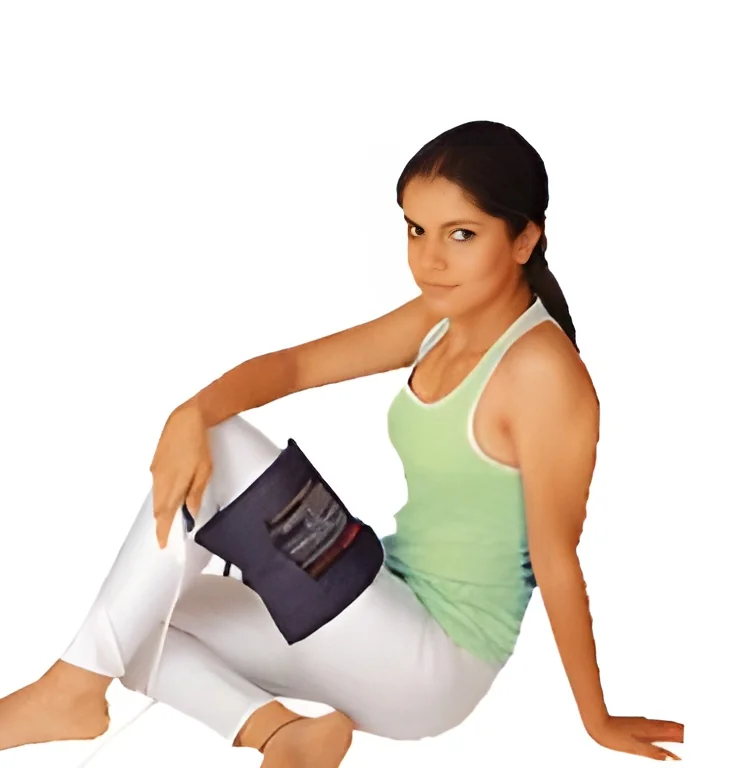
𝗪𝗵𝗮𝘁 𝗮𝗿𝗲 𝗛𝗲𝗮𝘁𝗶𝗻𝗴 𝗣𝗮𝗱𝘀 & 𝗕𝗲𝗹𝘁𝘀?
Heating pads and belts are specialized thermal devices designed to provide localized heat therapy. These products work by generating heat that penetrates the skin and underlying tissues, promoting blood circulation and alleviating discomfort in targeted areas. They are often made from materials that retain heat effectively, ensuring prolonged warmth during use. Heating pads can be used in various forms, including electric pads, microwavable pads, and wraps.
The primary uses of heating pads and belts span across pain relief, muscle relaxation, and injury rehabilitation. Businesses in healthcare, wellness, and physical therapy commonly utilize these products to aid patients recovering from surgery, sports injuries, or chronic pain conditions. Additionally, they are employed in home care settings for personal use, making them versatile tools in both professional and personal environments.
In the current market, the demand for heating pads and belts is increasing as more individuals seek non-invasive pain management solutions. With the rise of awareness regarding wellness and holistic health approaches, these products are becoming essential in various industries, including healthcare, sports, and rehabilitation.
𝗞𝗲𝘆 𝗙𝗲𝗮𝘁𝘂𝗿𝗲𝘀 𝗮𝗻𝗱 𝗦𝗽𝗲𝗰𝗶𝗳𝗶𝗰𝗮𝘁𝗶𝗼𝗻𝘀
Heating pads and belts are designed with several key features that enhance their functionality and user experience. Understanding these specifications is essential for selecting the right product for specific needs.
Key specifications include:
1. Temperature Control
- Variable heat settings allow users to adjust temperatures according to their comfort levels.
- Typical ranges may vary but are often between 95°F to 165°F.
2. Material Composition
- Made from soft, durable fabrics that provide comfort while retaining heat.
- Materials may include cotton, polyester, or specialized heat-retaining fabrics.
3. Power Source
- Options for electric, battery-operated, or microwavable models.
- Electric models typically come with a power cord and control unit for easy operation.
4. Size and Shape
- Available in various sizes and shapes to accommodate different body parts.
- Common shapes include rectangular pads, belts, and wraps designed for specific areas like the back or neck.
5. Safety Features
- Built-in automatic shut-off mechanisms to prevent overheating.
- Insulated cords and materials to ensure safe usage.
6. Portability
- Lightweight and flexible designs enable easy transport and storage.
- Some models are foldable or come with carrying cases.
7. Washability
- Some heating pads feature removable and washable covers for hygiene.
- Easy-to-clean materials enhance usability.
In summary, the diverse features and specifications of heating pads and belts make them adaptable for various therapeutic applications, increasing their marketability across different sectors.
𝗖𝗼𝗺𝗺𝗼𝗻 𝗔𝗽𝗽𝗹𝗶𝗰𝗮𝘁𝗶𝗼𝗻𝘀 𝗮𝗻𝗱 𝗨𝘀𝗲 𝗖𝗮𝘀𝗲𝘀
Heating pads and belts find applications in several industries, serving a range of therapeutic and comfort-related purposes.
1. Healthcare: Hospitals and clinics often use heating pads in physical therapy to assist patients with pain management and muscle recovery.
2. Sports: Athletic trainers use heating belts to provide immediate relief for athletes experiencing muscle strain or tension before and after events.
3. Home Care: Many individuals use heating pads at home for chronic pain relief, targeting areas such as the back, neck, and joints.
4. Rehabilitation: Physical rehabilitation centers incorporate heating pads in treatment plans to promote healing in post-operative patients.
5. Senior Care: In senior living facilities, heating pads help alleviate discomfort from arthritis and other age-related conditions.
6. Spa and Wellness: Spas utilize heating pads and belts as part of relaxation therapies, enhancing the overall experience for clients.
7. Veterinary Care: Heating pads are used in animal care to provide warmth and comfort for pets recovering from surgery or suffering from joint pain.
𝗣𝗿𝗼𝗱𝘂𝗰𝘁 𝗩𝗮𝗿𝗶𝗮𝗻𝘁𝘀 𝗮𝗻𝗱 𝗦𝘂𝗯𝗰𝗮𝘁𝗲𝗴𝗼𝗿𝗶𝗲𝘀
Heating pads and belts come in various forms to suit different user needs and preferences.
Electric Heating Pads
These are powered by electricity and offer adjustable heat settings, making them ideal for consistent and prolonged use. They are typically used in therapeutic settings for pain relief.
Microwavable Heating Pads
These pads are filled with materials such as rice or gel that can be heated in a microwave. They provide convenient heat therapy without the need for electricity, suitable for home use.
Thermal Belts
These are designed to wrap around specific body parts, such as the lower back. They provide targeted heat therapy and are often adjustable for comfort.
Reusable Heating Packs
These packs can be heated in water or microwaved and then applied to various body parts. They are commonly used for muscle relaxation and pain relief.
𝗕𝗲𝗻𝗲𝗳𝗶𝘁𝘀 𝗮𝗻𝗱 𝗔𝗱𝘃𝗮𝗻𝘁𝗮𝗴𝗲𝘀
Heating pads and belts offer numerous benefits that enhance user comfort and well-being.
1. Pain Relief: Heating pads effectively alleviate pain from muscle tension, cramps, and joint issues by increasing blood flow and relaxing muscles.
2. Non-Invasive Therapy: These products provide a non-surgical option for pain management, making them accessible to a wider audience.
3. Ease of Use: Most heating pads and belts are user-friendly, with simple controls and lightweight designs for easy application.
4. Versatility: Suitable for various body parts and conditions, they can be used for both chronic and acute pain situations.
5. Comfort and Relaxation: Heat therapy adds a soothing element to treatment plans, enhancing relaxation and overall comfort.
6. Cost-Effective: Compared to other pain management therapies, heating pads and belts are relatively inexpensive and provide long-term value.
𝗕𝘂𝘆𝗶𝗻𝗴 𝗚𝘂𝗶𝗱𝗲 𝗳𝗼𝗿 𝗕𝟮𝗕 𝗕𝘂𝘆𝗲𝗿𝘀
When sourcing heating pads and belts, B2B buyers should consider several key factors to ensure they select the right products for their needs.
1. Quality Assessment: Evaluate the quality of materials and manufacturing processes. Look for products that meet established industry standards for safety and durability.
2. Supplier Verification: Vet suppliers thoroughly to ensure they have a reputation for reliability and quality. Consider checking references and customer reviews.
3. Pricing and MOQ: Analyze pricing models and minimum order quantities. Ensure that the costs align with your budget while considering potential bulk discounts.
4. Delivery and Lead Times: Discuss logistics with suppliers to understand delivery schedules. Timely delivery is crucial for businesses that depend on consistent inventory.
5. Compliance Requirements: Verify that products meet necessary regulatory certifications, such as CE. This is important for ensuring safety and compliance with industry standards.
𝗖𝗼𝗺𝗽𝗹𝗶𝗮𝗻𝗰𝗲 𝗮𝗻𝗱 𝗖𝗲𝗿𝘁𝗶𝗳𝗶𝗰𝗮𝘁𝗶𝗼𝗻𝘀
Compliance and certifications play a critical role in the manufacturing and distribution of heating pads and belts.
Products should adhere to quality standards such as ISO 9001, which ensures that manufacturers maintain effective quality management systems. This standard helps assure buyers of consistent product quality.
Industry certifications like CE indicate that the products meet European safety standards, which is essential for market acceptance in regions that require these certifications.
Safety and testing requirements are vital to ensure that heating pads and belts are safe for consumer use. Rigorous testing should be conducted for electrical safety, heat retention, and material safety.
Regional compliance considerations may vary by market. It is important for suppliers to understand and meet the specific regulations in different geographic locations to avoid legal issues and ensure market access.
𝗪𝗵𝘆 𝗦𝗼𝘂𝗿𝗰𝗲 𝗛𝗲𝗮𝘁𝗶𝗻𝗴 𝗣𝗮𝗱𝘀 & 𝗕𝗲𝗹𝘁𝘀 𝗳𝗿𝗼𝗺 𝗣𝗲𝗽𝗮𝗴𝗼𝗿𝗮?
Pepagora provides an excellent platform for sourcing heating pads and belts, offering a range of advantages for B2B buyers.
The verified supplier network ensures that all listed suppliers have undergone thorough vetting processes. This gives buyers confidence in the quality and reliability of the products offered.
The streamlined RFQ process simplifies obtaining quotations from multiple suppliers. Buyers can easily compare prices and features, making informed purchasing decisions.
Trade assurance and support are key elements of Pepagora’s offerings. Buyers receive protection throughout the transaction process, ensuring peace of mind when sourcing products.
With regional coverage across India, the GCC, and Southeast Asia, Pepagora connects buyers with local suppliers, facilitating easier logistics and faster delivery times. This extensive network enhances the sourcing experience for businesses looking for heating pads and belts.
Heating pads and belts are therapeutic devices designed to provide localized heat to relieve muscle pain, stiffness, and discomfort. They can be electric or non-electric and are used in various settings, including home care and physical therapy.
2
What are the different types of Heating Pads & Belts?
There are several types of heating pads and belts, including electric heating pads, microwaveable pads, and chemical heat packs. Additionally, belts designed for specific areas, such as back or neck, may also be available, offering tailored heat therapy.
3
How do I choose the right Heating Pads & Belts?
To choose the right heating pad or belt, consider the area of pain, the heat source (electric or non-electric), and the size of the device. It's also important to check for features such as adjustable heat settings and safety features like automatic shut-off.
4
What are the standard specifications for Heating Pads & Belts?
Standard specifications for heating pads and belts typically include power ratings for electric models, material types, and dimensions. Additionally, safety certifications and temperature control features are critical specifications to consider.
5
What is the price range for Heating Pads & Belts?
The price range for heating pads and belts can vary widely based on the type and features. Generally, electric heating pads can range from INR 500 to INR 3000, while non-electric options may be more affordable, starting around INR 300.
6
What quality standards apply to Heating Pads & Belts?
Quality standards for heating pads and belts often include safety regulations, electrical safety certifications, and material quality assessments. Products should comply with relevant Indian and international standards to ensure user safety and effectiveness.
7
Where can I find Heating Pads & Belts suppliers in India?
You can find heating pads and belts suppliers in India through B2B marketplaces like Pepagora, trade shows, and industry directories. It is advisable to compare multiple suppliers to find reliable options that meet your quality and pricing needs.
8
Can Heating Pads & Belts be customized?
Yes, many manufacturers offer customization options for heating pads and belts. Customizations may include specific sizes, color choices, and branding options to meet the unique needs of different customers or markets.
9
What is the typical minimum order quantity for Heating Pads & Belts?
The typical minimum order quantity (MOQ) for heating pads and belts varies by supplier but often ranges from 100 to 500 units. It's important to check with specific manufacturers for their MOQ requirements.
10
What is the typical lead time for Heating Pads & Belts?
The typical lead time for heating pads and belts can vary depending on the supplier and the complexity of the order. Generally, a lead time of 2 to 4 weeks is common for standard products, while custom orders may take longer.
Why Businesses Trust Pepagora
Thousands of companies trust Pepagora to source smarter and sell faster
Expand Your Sales Globally
25000+Products listed.Get discovered by global buyers

 IN
IN