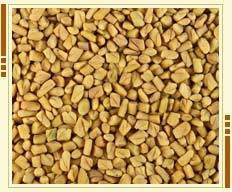
𝗪𝗵𝗮𝘁 𝗮𝗿𝗲 𝗛𝗲𝗿𝗯𝗮𝗹 𝗟𝗲𝗮𝘃𝗲𝘀 & 𝗠𝗲𝗱𝗶𝗰𝗶𝗻𝗮𝗹 𝗣𝗹𝗮𝗻𝘁 𝗘𝘅𝗽𝗼𝗿𝘁𝗲𝗿𝘀?
Herbal leaves and medicinal plant exporters are businesses involved in the international trade of plant-based products that are recognized for their therapeutic properties. These exporters source a wide variety of herbal leaves and plants, which are utilized in traditional medicine, dietary supplements, and natural remedies. The industry has gained significant traction due to the increasing consumer awareness of natural health solutions and the growing demand for organic products globally.
These exporters play a crucial role in connecting local producers with international markets. They ensure the quality and authenticity of the products, meeting the specific needs of various sectors, including pharmaceuticals, cosmetics, and food and beverage industries. The relevance of this industry is magnified by the rising trend towards natural and holistic health approaches, which is anticipated to drive market growth in the coming years. The export of herbal leaves and medicinal plants not only supports local economies but also promotes sustainable agricultural practices.
𝗞𝗲𝘆 𝗙𝗲𝗮𝘁𝘂𝗿𝗲𝘀 𝗮𝗻𝗱 𝗦𝗽𝗲𝗰𝗶𝗳𝗶𝗰𝗮𝘁𝗶𝗼𝗻𝘀
Herbal leaves and medicinal plant exporters provide a diverse range of products characterized by specific features and specifications. These specifications ensure that the products meet the quality standards demanded by various industries.
Key specifications include:
1. Quality Standards
- Adherence to international quality standards such as ISO 9001 and HACCP
- Ensures safety and efficacy of the products
2. Packaging Requirements
- Use of eco-friendly materials that preserve product integrity
- Customizable packaging options available
3. Sourcing Practices
- Ethical sourcing from sustainable farms
- Support for local farmers and communities
4. Product Variety
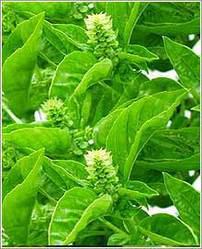
- A wide range of herbal leaves, including basil, mint, and lemongrass
- Availability of dried and fresh forms
5. Processing Techniques
- Methods such as drying, grinding, and extraction for various applications
- Maintaining the potency of active compounds
6. Certifications
- Compliance with certifications such as CE
- Assurance of quality and safety in exports
7. Minimum Order Quantity (MOQ)
- Flexible MOQ options to cater to different business needs
- Allows small businesses to engage without significant upfront investment
8. Shelf Life
- Extended shelf life through proper storage conditions
- Regular monitoring for quality assurance
In summary, these specifications help buyers assess the quality and suitability of herbal leaves and medicinal plants for their specific applications.
𝗖𝗼𝗺𝗺𝗼𝗻 𝗔𝗽𝗽𝗹𝗶𝗰𝗮𝘁𝗶𝗼𝗻𝘀 𝗮𝗻𝗱 𝗨𝘀𝗲 𝗖𝗮𝘀𝗲𝘀
Herbal leaves and medicinal plants have a broad spectrum of applications across various industries.
1. Pharmaceuticals: Used in the production of herbal medications and supplements, offering natural alternatives to synthetic drugs.
2. Cosmetics: Incorporated in skincare and beauty products for their natural healing properties, enhancing product appeal to health-conscious consumers.
3. Food and Beverage: Utilized as flavoring agents and natural preservatives, promoting health benefits in food products.
4. Nutraceuticals: Formulated into dietary supplements that support overall health and wellness, attracting health-focused consumers.
5. Traditional Medicine: Integral to practices such as Ayurveda and Traditional Chinese Medicine, providing natural healing solutions.
6. Aromatherapy: Used in essential oils and diffusers for therapeutic benefits, enhancing mental and emotional well-being.
7. Herbal Teas: Served in various blends for their calming effects and health benefits, appealing to a growing market of tea enthusiasts.
𝗣𝗿𝗼𝗱𝘂𝗰𝘁 𝗩𝗮𝗿𝗶𝗮𝗻𝘁𝘀 𝗮𝗻𝗱 𝗦𝘂𝗯𝗰𝗮𝘁𝗲𝗴𝗼𝗿𝗶𝗲𝘀
The diversity of herbal leaves and medicinal plants allows for various product variants tailored to meet specific needs.
Dried Herbal Leaves
These products are processed to retain their potency while ensuring a longer shelf life. They are perfect for use in herbal teas, supplements, and culinary applications.
Fresh Herbal Leaves
Freshly harvested leaves are supplied for immediate use in cooking, herbal remedies, and beverages. They offer superior flavor and maximum nutritional benefits.
Extracts and Concentrates
These are concentrated forms of herbal products, often used in pharmaceuticals and nutraceuticals. They provide potent therapeutic effects in smaller doses.
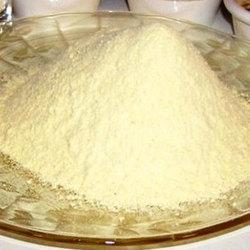
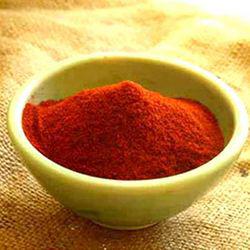
Powdered Herbs
Powdered forms of various herbs are used in dietary supplements and food products. They are easy to incorporate into recipes and offer health benefits.
𝗕𝗲𝗻𝗲𝗳𝗶𝘁𝘀 𝗮𝗻𝗱 𝗔𝗱𝘃𝗮𝗻𝘁𝗮𝗴𝗲𝘀
Sourcing herbal leaves and medicinal plants provides numerous advantages for businesses.
1. Natural Alternatives: Offers customers access to natural health solutions without the side effects associated with synthetic products.
2. Sustainable Sourcing: Supports environmentally friendly practices and local economies, appealing to ethically-minded consumers.
3. Versatility: A wide range of applications across different industries allows businesses to diversify product offerings.
4. Growing Market Demand: Increasing consumer interest in natural and organic products drives sales potential in various sectors.
5. Health Benefits: Herbal products are often associated with various health benefits, enhancing customer satisfaction and loyalty.
6. Enhanced Reputation: Partnering with reputable exporters boosts credibility and trust in the market.
𝗕𝘂𝘆𝗶𝗻𝗴 𝗚𝘂𝗶𝗱𝗲 𝗳𝗼𝗿 𝗕𝟮𝗕 𝗕𝘂𝘆𝗲𝗿𝘀
When sourcing from herbal leaves and medicinal plant exporters, businesses should consider several important factors.
1. Quality Assessment: Evaluate products based on quality standards such as ISO and HACCP. Ensure that samples meet specifications before making a larger commitment.
2. Supplier Verification: Conduct thorough background checks on suppliers to confirm reliability and ethical sourcing practices. Look for reviews and testimonials from other buyers.
3. Pricing and MOQ: Understand the pricing structures and minimum order quantities to ensure they align with your business needs and budget constraints.
4. Delivery and Lead Times: Discuss logistics to ensure timely delivery. Understand the lead times involved to avoid disruptions in your supply chain.
5. Compliance Requirements: Familiarize yourself with the necessary regulatory requirements for importing herbal products in your region. Ensure that suppliers can meet these standards.
𝗖𝗼𝗺𝗽𝗹𝗶𝗮𝗻𝗰𝗲 𝗮𝗻𝗱 𝗖𝗲𝗿𝘁𝗶𝗳𝗶𝗰𝗮𝘁𝗶𝗼𝗻𝘀
Compliance and certifications are critical in the herbal leaves and medicinal plant export industry. Suppliers often adhere to quality standards such as ISO 9001, which ensures consistent quality management, and HACCP, which focuses on food safety management.
Industry certifications like CE are also essential, as they demonstrate compliance with European safety and health regulations. Buyers should look for suppliers who meet these standards to ensure product safety and quality.
Moreover, safety and testing requirements are vital for herbal products to confirm their efficacy and safety for consumption. Regular testing for contaminants and active compounds helps maintain product integrity.
Regional compliance considerations may vary based on importing countries. It is essential for exporters to understand and comply with local regulations to facilitate smooth trade.
𝗪𝗵𝘆 𝗦𝗼𝘂𝗿𝗰𝗲 𝗛𝗲𝗿𝗯𝗮𝗹 𝗟𝗲𝗮𝘃𝗲𝘀 & 𝗠𝗲𝗱𝗶𝗰𝗶𝗻𝗮𝗹 𝗣𝗹𝗮𝗻𝘁 𝗘𝘅𝗽𝗼𝗿𝘁𝗲𝗿𝘀 𝗳𝗿𝗼𝗺 𝗣𝗲𝗽𝗮𝗴𝗼𝗿𝗮?
Pepagora offers a trusted platform for sourcing herbal leaves and medicinal plant exporters, providing several key advantages for businesses.
Verified Supplier Network: Pepagora connects buyers with a network of verified suppliers, ensuring that all exporters meet rigorous quality and ethical standards. This reduces the risk of sourcing inferior products.
Streamlined RFQ Process: The request for quotation (RFQ) process simplifies procurement, allowing buyers to receive competitive quotes from multiple suppliers quickly. This efficiency saves time and enhances decision-making.
Trade Assurance and Support: Pepagora offers buyer protection, ensuring that transactions are secure. Their support team is available to assist with any issues that may arise during the buying process.
Regional Coverage: With a focus on markets in India, the GCC region, and Southeast Asia, Pepagora provides extensive geographic reach, facilitating access to a diverse range of herbal products tailored to various market demands.
By choosing Pepagora, businesses can confidently source quality herbal leaves and medicinal plants while optimizing their supply chain processes.
What are Herbal Leaves & Medicinal Plant Exporters?
Herbal Leaves & Medicinal Plant Exporters are businesses that specialize in the procurement and sale of various herbal leaves and medicinal plants. These exporters supply products to international markets, focusing on the health and wellness sector.
2
What are the different types of Herbal Leaves & Medicinal Plant Exporters?
Different types of Herbal Leaves & Medicinal Plant Exporters include those that deal with dried herbs, essential oils, herbal extracts, and raw plant materials. Some exporters may specialize in specific types of plants, such as Ayurvedic herbs or organic medicinal plants.
3
How do I choose the right Herbal Leaves & Medicinal Plant Exporters?
To choose the right Herbal Leaves & Medicinal Plant Exporters, consider factors such as product range, quality certifications, and customer reviews. It's also beneficial to verify their sourcing practices and ensure they adhere to relevant regulations.
4
What are the standard specifications for Herbal Leaves & Medicinal Plant Exporters?
Standard specifications for Herbal Leaves & Medicinal Plant Exporters typically include quality parameters such as moisture content, purity, and absence of contaminants. Additionally, exporters should provide information on the origin of the herbs and any relevant certifications.
5
What is the price range for Herbal Leaves & Medicinal Plant Exporters?
The price range for Herbal Leaves & Medicinal Plant Exporters can vary significantly based on the type of plant, quality, and order volume. Generally, prices may start from a few hundred Indian Rupees per kilogram and can go up to several thousand, depending on the specifics.
6
What quality standards apply to Herbal Leaves & Medicinal Plant Exporters?
Common quality standards for Herbal Leaves & Medicinal Plant Exporters include ISO certifications, organic certifications, and compliance with Good Manufacturing Practices (GMP). These standards ensure the safety and efficacy of the herbal products.
7
Where can I find Herbal Leaves & Medicinal Plant Exporters suppliers in India?
You can find Herbal Leaves & Medicinal Plant Exporters suppliers in India through online B2B marketplaces, trade shows, and industry directories. Websites like Pepagora.com offer a platform to connect directly with verified exporters.
8
Can Herbal Leaves & Medicinal Plant Exporters be customized?
Yes, many Herbal Leaves & Medicinal Plant Exporters offer customization options based on buyer requirements. This may include specific packaging, labeling, or blending of different herbal products to suit individual needs.
9
What is the typical minimum order quantity for Herbal Leaves & Medicinal Plant Exporters?
The typical minimum order quantity (MOQ) for Herbal Leaves & Medicinal Plant Exporters can vary, often ranging from 10 to 100 kilograms. It is advisable to check with individual exporters for their specific MOQ policies.
10
What is the typical lead time for Herbal Leaves & Medicinal Plant Exporters?
The typical lead time for Herbal Leaves & Medicinal Plant Exporters can range from a few days to several weeks, depending on the order size and product availability. It's best to confirm lead times directly with the exporter at the time of order.
Why Businesses Trust Pepagora
Thousands of companies trust Pepagora to source smarter and sell faster
Expand Your Sales Globally
25000+Products listed.Get discovered by global buyers

 IN
IN
 India
India