What are Herbal Oils (Basil, Eucalyptus, Tea Tree)?
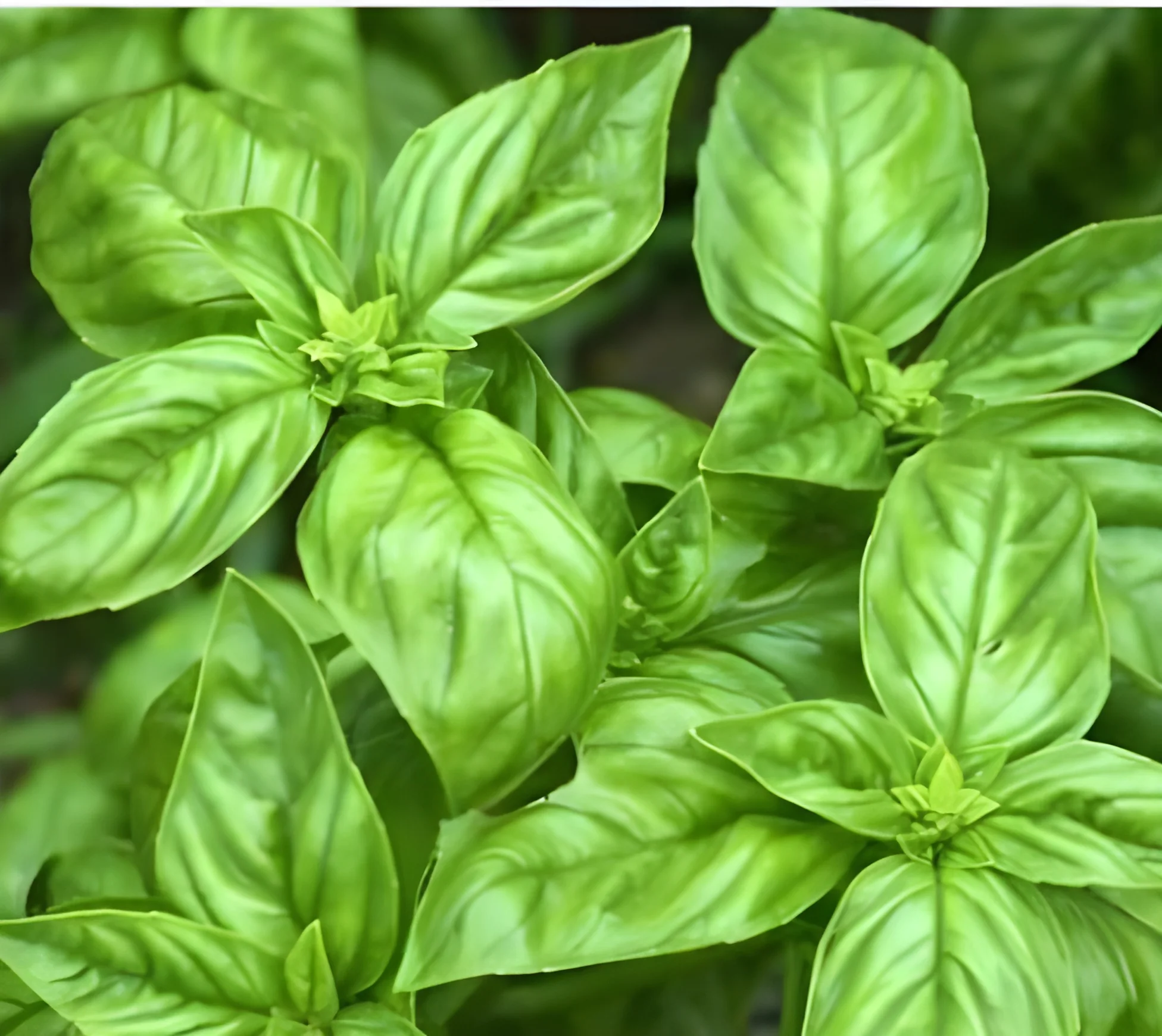
Herbal oils, specifically Basil, Eucalyptus, and Tea Tree oils, are concentrated extracts derived from the leaves, stems, and flowers of their respective plants. These oils carry the natural essence and therapeutic properties of the plant materials from which they are extracted. Typically obtained through methods such as steam distillation or cold pressing, herbal oils are valued for their aromatic qualities and potential health benefits.
These oils have a wide range of applications across various industries. In the cosmetics and personal care sector, they are often used in skincare products, hair care formulations, and aromatherapy. The pharmaceutical industry utilizes these oils for their anti-inflammatory and antimicrobial properties. Additionally, the food and beverage industry incorporates herbal oils for flavoring and preservation purposes. The growing demand for natural and organic products further underscores the relevance of herbal oils in today’s market.
As consumers and industries shift towards more sustainable and health-conscious options, herbal oils have gained significant traction. They are not only sought after for their aromatic benefits but also for their alignment with wellness trends. This positions herbal oils as essential products in the competitive landscape of natural ingredients.
𝗞𝗲𝘆 𝗙𝗲𝗮𝘁𝘂𝗿𝗲𝘀 𝗮𝗻𝗱 𝗦𝗽𝗲𝗰𝗶𝗳𝗶𝗰𝗮𝘁𝗶𝗼𝗻𝘀
Herbal oils (Basil, Eucalyptus, Tea Tree) are characterized by several specific features that make them valuable in both commercial and industrial settings. Understanding these specifications is crucial for businesses looking to incorporate these oils into their products or processes.
Key specifications include:
1. Purity Level
- Herbal oils should have a high purity level, typically above 95%.
- Ensures the efficacy and safety of the product.
2. Extraction Method
- Steam distillation is the most common method for obtaining these oils.
- Impacts the quality and aroma profile of the final product.
3. Chemical Composition
- Each oil has a unique composition of active constituents, such as eugenol in Basil, 1,8-cineole in Eucalyptus, and terpinen-4-ol in Tea Tree oil.
- These compounds contribute to their distinct therapeutic properties.
4. Aroma Profile
- Each oil has a characteristic scent that varies in intensity and complexity.
- Critical for applications in aromatherapy and personal care products.
5. Shelf Life
- Herbal oils generally have a shelf life of 1 to 3 years when stored properly.
- Extends usability and maintains quality over time.
6. Packaging Options
- Available in various container sizes, from small bottles to bulk containers.
- Facilitates ease of use and storage for businesses.
7. Compliance with Standards
- Must meet industry standards such as CE certification.
- Ensures safety and regulatory compliance for consumers.
8. Origin and Sourcing
- Information about the geographical origin of the herbs can influence quality and marketability.
- Sourcing from reputable regions enhances credibility and trust.
In summary, the features and specifications of herbal oils are essential to understanding their quality and application. Businesses should prioritize these factors when selecting oils for their specific needs.
𝗖𝗼𝗺𝗺𝗼𝗻 𝗔𝗽𝗽𝗹𝗶𝗰𝗮𝘁𝗶𝗼𝗻𝘀 𝗮𝗻𝗱 𝗨𝘀𝗲 𝗖𝗮𝘀𝗲𝘀
Herbal oils serve a multitude of industries, each benefitting from their unique properties and characteristics.
1. Cosmetics and Personal Care: These oils are commonly used in skincare products, shampoos, and conditioners for their nourishing and aromatic qualities.
2. Pharmaceuticals: The antimicrobial and anti-inflammatory properties of these oils make them valuable in the formulation of various medicinal products.
3. Food and Beverage: Herbal oils are employed for flavoring and preservation, enhancing the taste and shelf life of products.
4. Aromatherapy: Widely used in diffusers and massage oils, these oils promote relaxation and emotional well-being.
5. Cleaning Products: Their natural antiseptic properties make them effective components in eco-friendly cleaning solutions.
6. Agriculture: Certain herbal oils serve as natural pesticides or repellents, providing an organic alternative for pest control.
7. Spa and Wellness: Frequently utilized in spas, these oils enhance therapeutic treatments, promoting holistic health and relaxation.
𝗣𝗿𝗼𝗱𝘂𝗰𝘁 𝗩𝗮𝗿𝗶𝗮𝗻𝘁𝘀 𝗮𝗻𝗱 𝗦𝘂𝗯𝗰𝗮𝘁𝗲𝗴𝗼𝗿𝗶𝗲𝘀
Herbal oils come in various forms and concentrations, allowing businesses to select the most suitable product for their applications.
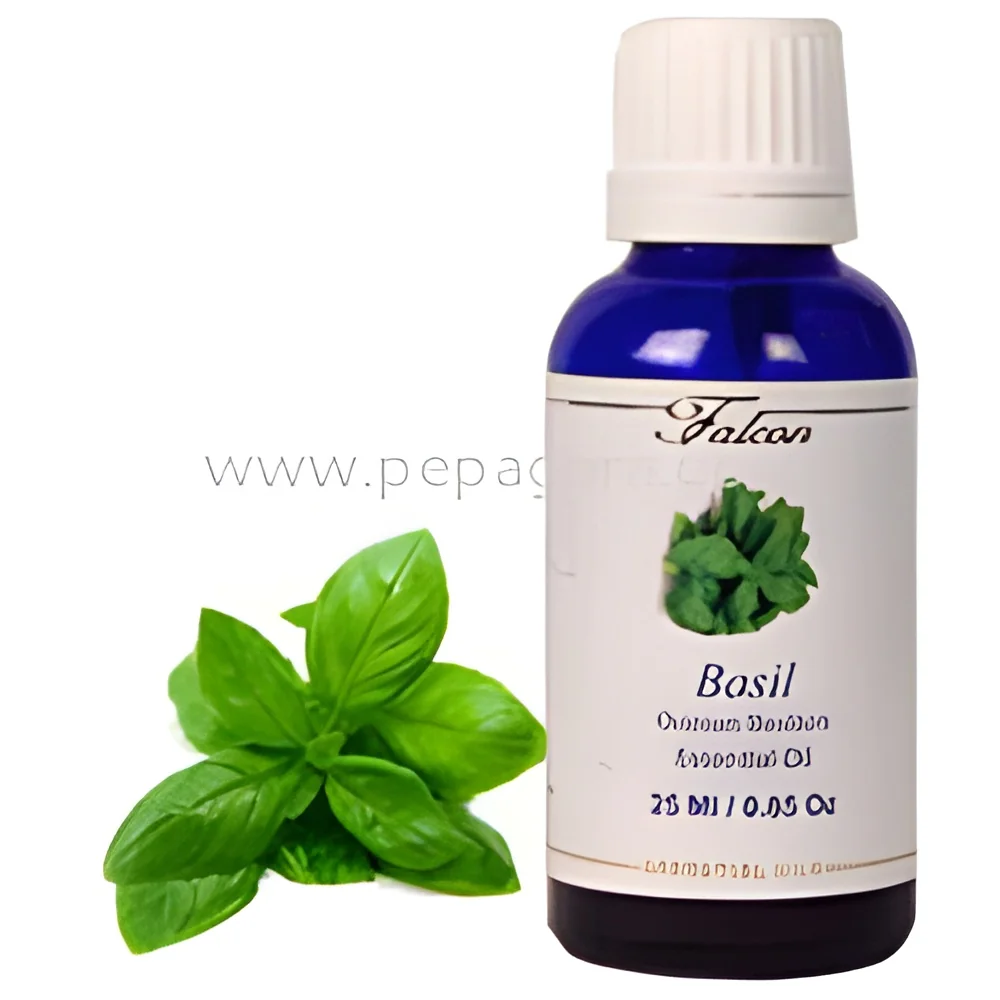
Basil Oil
Basil oil is renowned for its uplifting aroma and is commonly used in culinary applications as well as in aromatherapy. It possesses anti-inflammatory properties and is often included in skin care formulations.
Eucalyptus Oil
Eucalyptus oil is valued for its refreshing scent and is frequently used in respiratory care products. Its antiseptic qualities make it a popular choice in personal care and cleaning products.
Tea Tree Oil
Tea Tree oil is well-known for its antimicrobial and antifungal properties. It is often used in skincare products aimed at acne treatment and is a staple ingredient in natural health remedies.
𝗕𝗲𝗻𝗲𝗳𝗶𝘁𝘀 𝗮𝗻𝗱 𝗔𝗱𝘃𝗮𝗻𝘁𝗮𝗴𝗲𝘀
Sourcing herbal oils offers numerous advantages to businesses across various sectors.
1. Natural Ingredients: Herbal oils are derived from plants, making them a preferred choice for companies focused on natural and organic products.
2. Therapeutic Properties: Each oil possesses unique health benefits, enhancing product efficacy in wellness and health applications.
3. Versatile Applications: The diverse uses of herbal oils allow businesses to integrate them into multiple product lines.
4. Consumer Demand: With the shift towards natural products, the demand for herbal oils continues to grow, presenting market opportunities.
5. Sustainable Sourcing: Many suppliers focus on sustainable practices, appealing to environmentally conscious consumers.
6. Cost-Effective Solutions: When purchased in bulk, herbal oils can be a cost-effective ingredient for manufacturers.
𝗕𝘂𝘆𝗶𝗻𝗴 𝗚𝘂𝗶𝗱𝗲 𝗳𝗼𝗿 𝗕𝟮𝗕 𝗕𝘂𝘆𝗲𝗿𝘀
When sourcing herbal oils (Basil, Eucalyptus, Tea Tree), businesses must consider several key factors to ensure quality and reliability.
1. Quality Assessment: Evaluate the purity and extraction methods used for the oils. This is critical to ensure the oils meet quality standards and perform effectively in applications.
2. Supplier Verification: Conduct thorough background checks on suppliers. Look for certifications, reviews, and industry reputation to ensure reliability and trustworthiness.
3. Pricing and MOQ: Understand the pricing structure and minimum order quantities. This helps in budget planning and inventory management.
4. Delivery and Lead Times: Confirm logistics details, including shipping methods and estimated delivery times. Timely delivery is crucial for maintaining production schedules.
5. Compliance Requirements: Ensure that the oils meet relevant regulatory requirements and quality standards. This may include certifications such as CE and adherence to local regulations.
𝗖𝗼𝗺𝗽𝗹𝗶𝗮𝗻𝗰𝗲 𝗮𝗻𝗱 𝗖𝗲𝗿𝘁𝗶𝗳𝗶𝗰𝗮𝘁𝗶𝗼𝗻𝘀
Compliance with industry standards and certifications is critical for herbal oils, ensuring safety and quality in the marketplace.
Relevant quality standards such as ISO 9001 and HACCP pertain to quality management systems and food safety. These standards are essential for manufacturers and suppliers to maintain high levels of quality and safety in their products.
Industry certifications like CE demonstrate that products meet European safety standards, providing assurance to buyers regarding product safety and efficacy.
Safety and testing requirements often involve rigorous assessments to verify the absence of harmful substances and ensure the oils are safe for consumer use.
Additionally, regional compliance considerations may vary by market, emphasizing the need for businesses to be aware of local regulations when sourcing herbal oils.
Why Source Herbal Oils (Basil, Eucalyptus, Tea Tree) from Pepagora?
Pepagora provides a trusted platform for sourcing herbal oils (Basil, Eucalyptus, Tea Tree), offering several key advantages for B2B buyers.
Verified Supplier Network: Pepagora ensures that all suppliers undergo a stringent verification process. This helps businesses connect with credible sources that meet high-quality standards.
Streamlined RFQ Process: The Request for Quotation (RFQ) system is designed to simplify the sourcing process. Buyers can easily submit their requirements and receive competitive quotes from multiple suppliers.
Trade Assurance and Support: Pepagora offers trade assurance, protecting buyers through a secure transaction process. This support builds confidence in sourcing decisions and ensures buyer protection throughout the purchasing journey.
Regional Coverage: With a strong presence in India, the GCC, and Southeast Asia, Pepagora can facilitate connections with local suppliers. This geographic reach enhances sourcing opportunities and allows businesses to tap into regional markets effectively.
What are Herbal Oils (Basil, Eucalyptus, Tea Tree)?
Herbal Oils such as Basil, Eucalyptus, and Tea Tree are concentrated liquids extracted from plants. These oils possess therapeutic properties and are commonly used in aromatherapy, cosmetics, and natural remedies.
2
What are the different types of Herbal Oils (Basil, Eucalyptus, Tea Tree)?
The main types of Herbal Oils in this category include Basil oil, known for its anti-inflammatory and antibacterial properties; Eucalyptus oil, which is often used for respiratory issues; and Tea Tree oil, recognized for its antifungal and antiseptic qualities.
3
How do I choose the right Herbal Oils (Basil, Eucalyptus, Tea Tree)?
When selecting Herbal Oils, consider the intended use, quality, and purity of the oil. It is advisable to choose oils that are 100% pure and sourced from reputable suppliers to ensure maximum efficacy.
4
What are the standard specifications for Herbal Oils (Basil, Eucalyptus, Tea Tree)?
Standard specifications for Herbal Oils typically include purity levels, extraction method (such as steam distillation), and chemical composition. Additionally, they may also be assessed for aroma and color, which can indicate quality.
5
What is the price range for Herbal Oils (Basil, Eucalyptus, Tea Tree)?
The price of Herbal Oils can vary based on factors like quality, source, and quantity purchased. Generally, prices can range from INR 300 to INR 1500 per liter, depending on the type and supplier.
6
What quality standards apply to Herbal Oils (Basil, Eucalyptus, Tea Tree)?
Quality standards for Herbal Oils include adherence to ISO and GMP guidelines, which ensure that products meet safety and efficacy requirements. Additionally, third-party testing for purity and contaminants may also be conducted.
7
Where can I find Herbal Oils (Basil, Eucalyptus, Tea Tree) suppliers in India?
You can find suppliers of Herbal Oils in India through B2B marketplaces like Pepagora, trade shows, and industry directories. It's important to research and verify the credibility of suppliers before making a purchase.
8
Can Herbal Oils (Basil, Eucalyptus, Tea Tree) be customized?
Yes, many manufacturers offer customization options for Herbal Oils, including blending different oils or adjusting concentration levels. It's advisable to discuss specific requirements with the supplier to ensure desired outcomes.
9
What is the typical minimum order quantity for Herbal Oils (Basil, Eucalyptus, Tea Tree)?
The minimum order quantity (MOQ) for Herbal Oils usually ranges from 1 liter to 25 liters, depending on the supplier. Larger orders may be required for customized blends or bulk purchases.
10
What is the typical lead time for Herbal Oils (Basil, Eucalyptus, Tea Tree)?
The typical lead time for Herbal Oils can vary from 5 to 15 business days, depending on the supplier and order size. It's advisable to confirm delivery timelines directly with the supplier when placing an order.
Why Businesses Trust Pepagora
Thousands of companies trust Pepagora to source smarter and sell faster
Expand Your Sales Globally
25000+Products listed.Get discovered by global buyers

 IN
IN