𝗪𝗵𝗮𝘁 𝗮𝗿𝗲 𝗛𝘆𝗱𝗿𝗮𝘂𝗹𝗶𝗰 𝗧𝗲𝘀𝘁𝗶𝗻𝗴 𝗕𝗲𝗻𝗰𝗵𝗲𝘀?
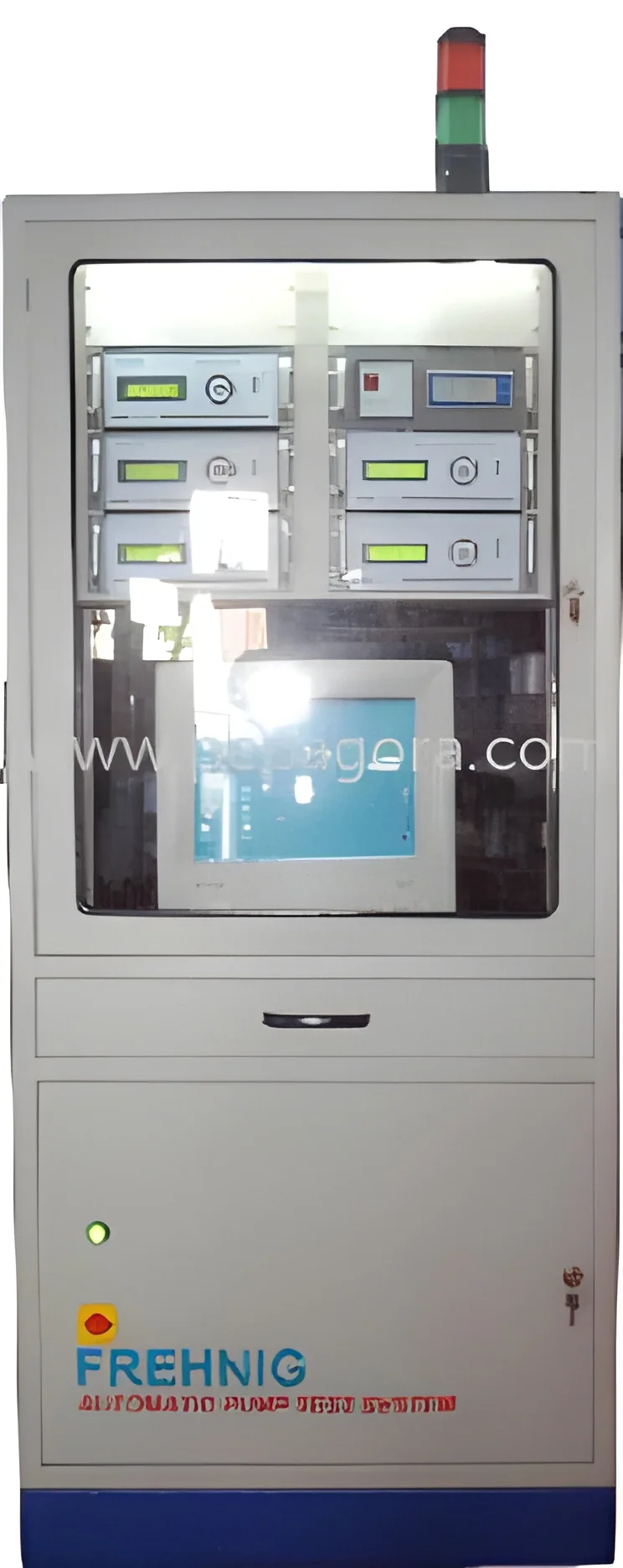
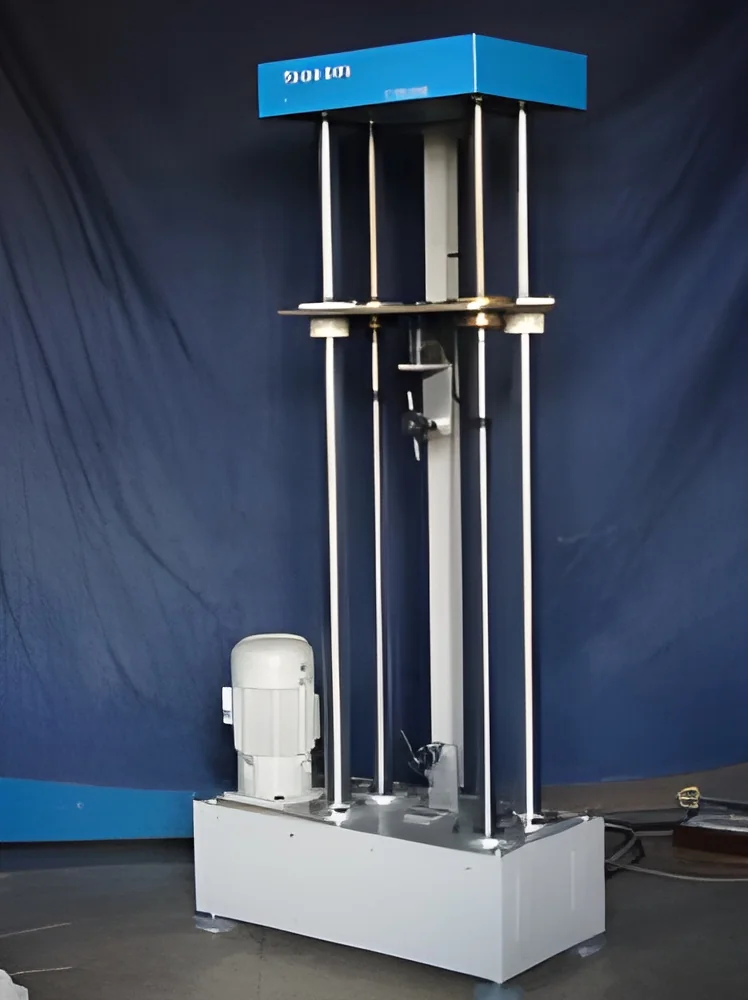
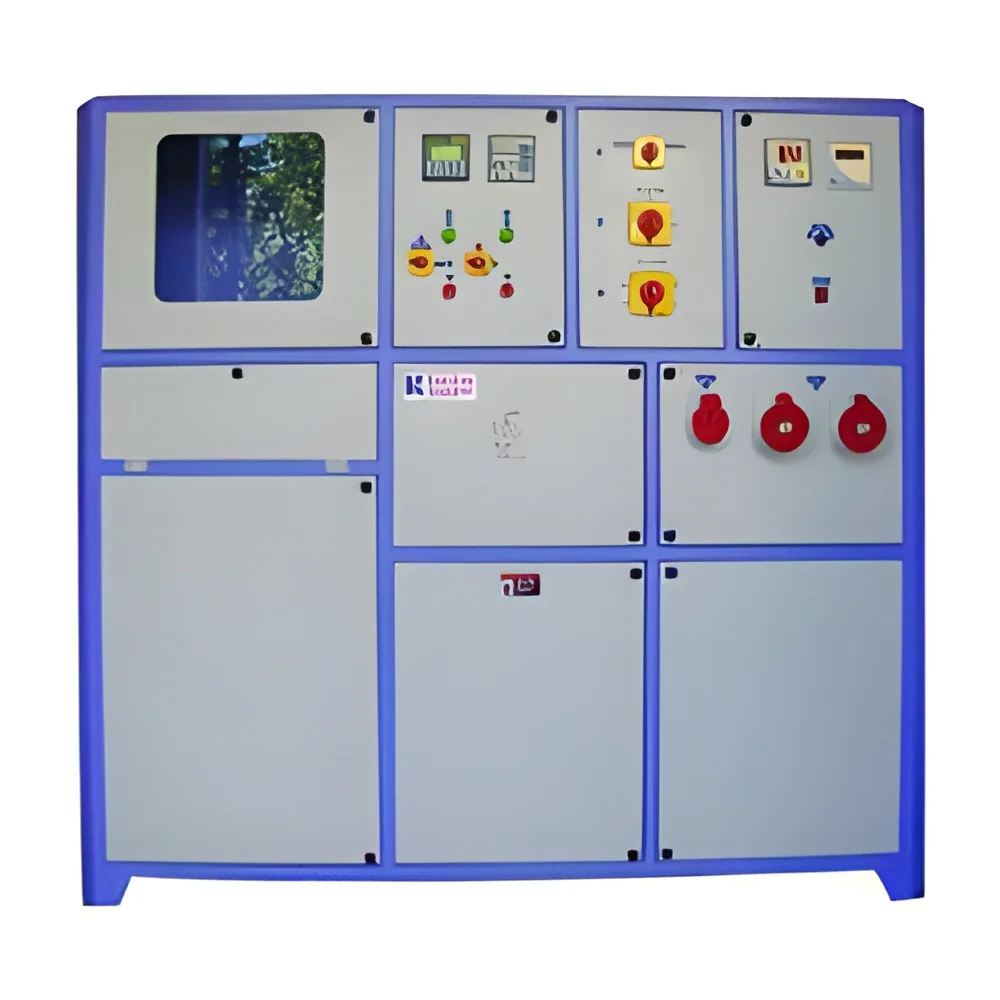
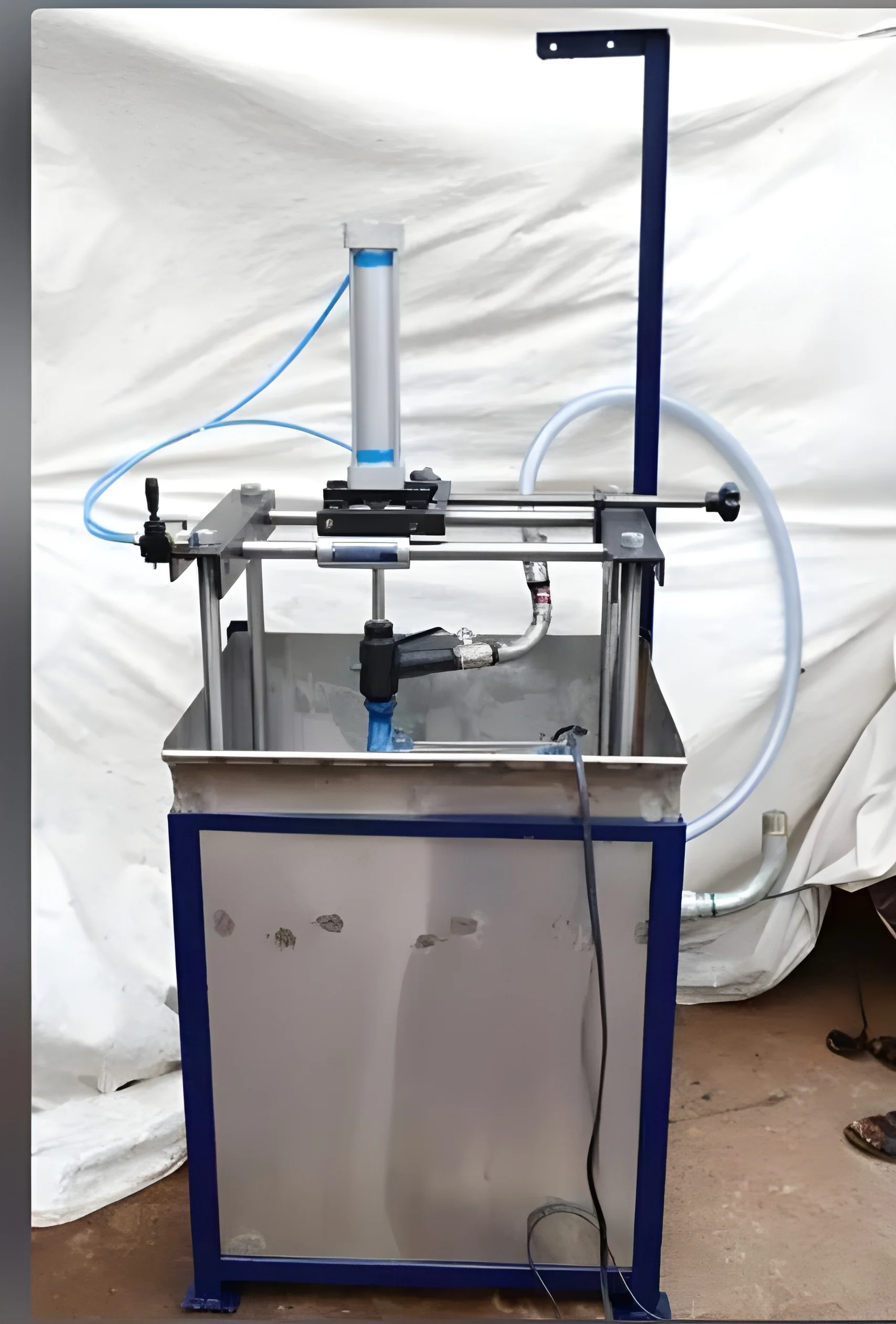
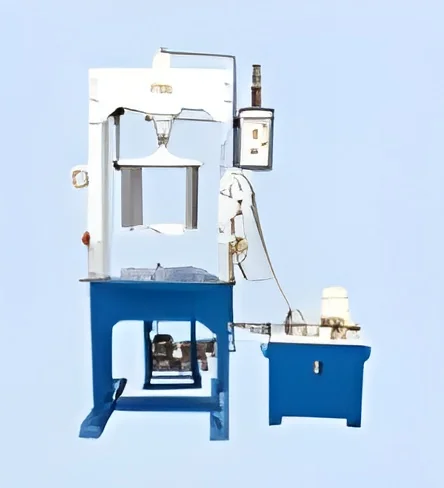
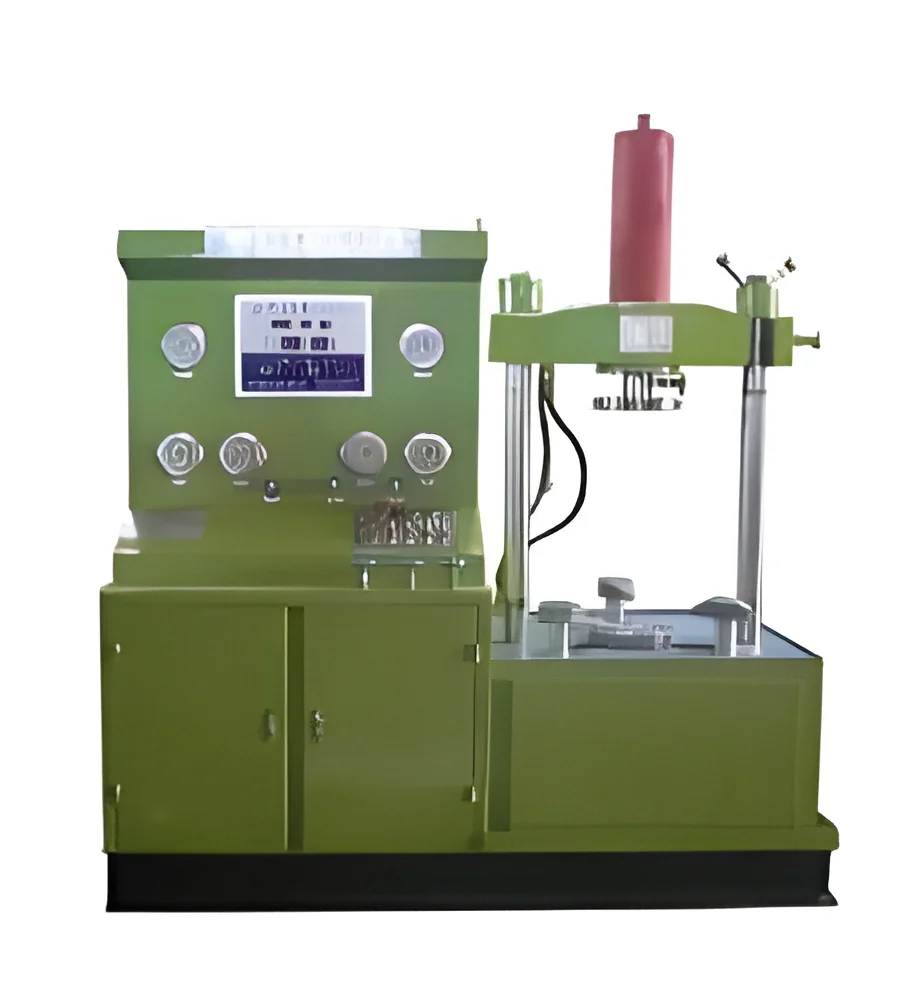
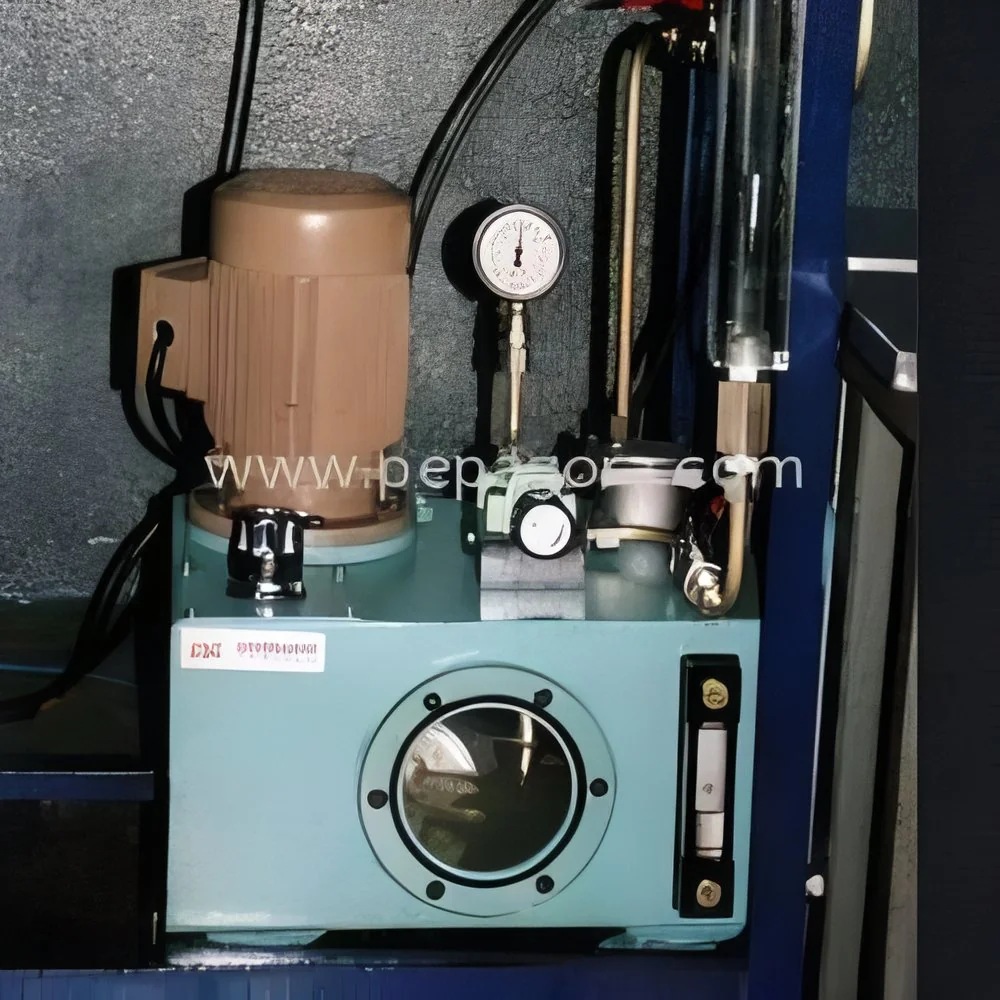
Hydraulic testing benches are specialized equipment designed to test and evaluate the performance of hydraulic components and systems. These benches simulate real-world operating conditions to ensure that hydraulic components such as pumps, valves, and cylinders perform optimally. By applying controlled pressure and flow conditions, hydraulic testing benches help in diagnosing potential issues and validating the functionality of hydraulic systems.
These benches are widely used in various industries, including manufacturing, automotive, aerospace, and construction. They play a critical role in quality assurance, allowing businesses to ensure that their hydraulic products meet specified standards and performance criteria. The use of hydraulic testing benches helps in reducing downtime, enhancing safety, and improving overall efficiency in hydraulic applications. As industries increasingly rely on hydraulic systems, the demand for reliable testing equipment continues to grow.
The relevance of hydraulic testing benches in the market cannot be overstated. With the continuous advancement in hydraulic technologies and the increasing complexity of hydraulic systems, these benches are essential tools for manufacturers and service providers. They facilitate compliance with industry standards and regulations, ensuring that products are safe and reliable for end-users.
𝗞𝗲𝘆 𝗙𝗲𝗮𝘁𝘂𝗿𝗲𝘀 𝗮𝗻𝗱 𝗦𝗽𝗲𝗰𝗶𝗳𝗶𝗰𝗮𝘁𝗶𝗼𝗻𝘀
Hydraulic testing benches are equipped with a range of features that enhance their functionality and performance. These features are critical for achieving accurate testing results and ensuring equipment reliability.
Key specifications include:
1. Pressure Testing Capacity
- This specification indicates the maximum pressure the bench can handle.
- Typical ranges may vary from 0 to 700 bar, depending on the model.
2. Flow Rate
- This specification defines the volume of fluid that can be tested through the system.
- Common flow rates range from 5 to 200 liters per minute.
3. Control System
- Hydraulic testing benches often include advanced control systems for precise testing.
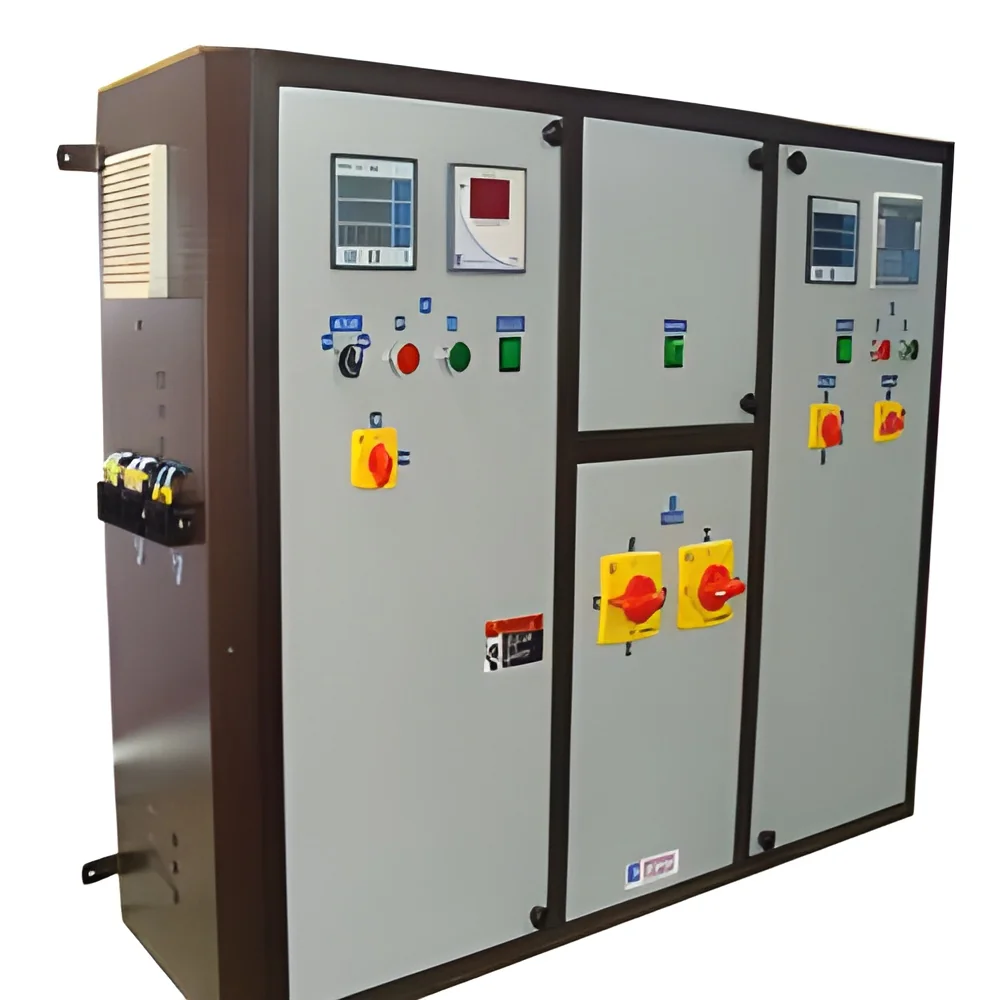
- These may feature digital displays and programmable settings for automated testing.
4. Temperature Control
- Some models may offer temperature regulation to assess performance under varying thermal conditions.
- Specific temperature ranges are not available but are critical for certain applications.
5. Safety Features
- Safety mechanisms such as pressure relief valves and emergency shutdown systems are standard.
- These features ensure safe operation during testing procedures.
6. Material Construction
- The benches are typically constructed from durable materials to withstand high-pressure environments.
- Common materials include stainless steel and other corrosion-resistant alloys.
7. Portability
- Some hydraulic testing benches are designed for easy transport.
- Portable models are ideal for field testing and on-site evaluations.
In summary, the variety of features and specifications available in hydraulic testing benches makes them essential tools for ensuring the reliability and performance of hydraulic components.
𝗖𝗼𝗺𝗺𝗼𝗻 𝗔𝗽𝗽𝗹𝗶𝗰𝗮𝘁𝗶𝗼𝗻𝘀 𝗮𝗻𝗱 𝗨𝘀𝗲 𝗖𝗮𝘀𝗲𝘀
Hydraulic testing benches serve a multitude of industries and applications.
1. Automotive: In the automotive industry, hydraulic testing benches are used to test hydraulic brake systems, power steering components, and suspension systems. This ensures that these critical systems function safely and efficiently.
2. Aerospace: Aerospace manufacturers utilize hydraulic testing benches for testing hydraulic actuators and landing gear systems. Precise testing is vital to meet stringent safety and performance regulations.
3. Manufacturing: Manufacturers often use hydraulic testing benches to verify the performance of hydraulic machinery and equipment. This helps to identify potential failures before they impact production.
4. Construction: In the construction sector, hydraulic testing benches are employed to evaluate hydraulic systems in heavy machinery, such as excavators and cranes. Ensuring the reliability of these systems is crucial for safety.
5. Marine: The marine industry uses hydraulic testing benches to assess hydraulic systems in vessels, including steering and propulsion systems. This testing is essential for maintaining operational safety at sea.
6. Oil and Gas: In the oil and gas sector, hydraulic testing benches are used to test equipment like pumps and valves used in drilling and production. This is vital for ensuring efficient and safe operations.
7. Renewable Energy: Hydraulic systems in renewable energy applications, such as wind turbines, are tested using hydraulic benches to ensure optimal performance and reliability.
𝗣𝗿𝗼𝗱𝘂𝗰𝘁 𝗩𝗮𝗿𝗶𝗮𝗻𝘁𝘀 𝗮𝗻𝗱 𝗦𝘂𝗯𝗰𝗮𝘁𝗲𝗴𝗼𝗿𝗶𝗲𝘀
Hydraulic testing benches come in various designs and configurations to meet diverse testing needs.
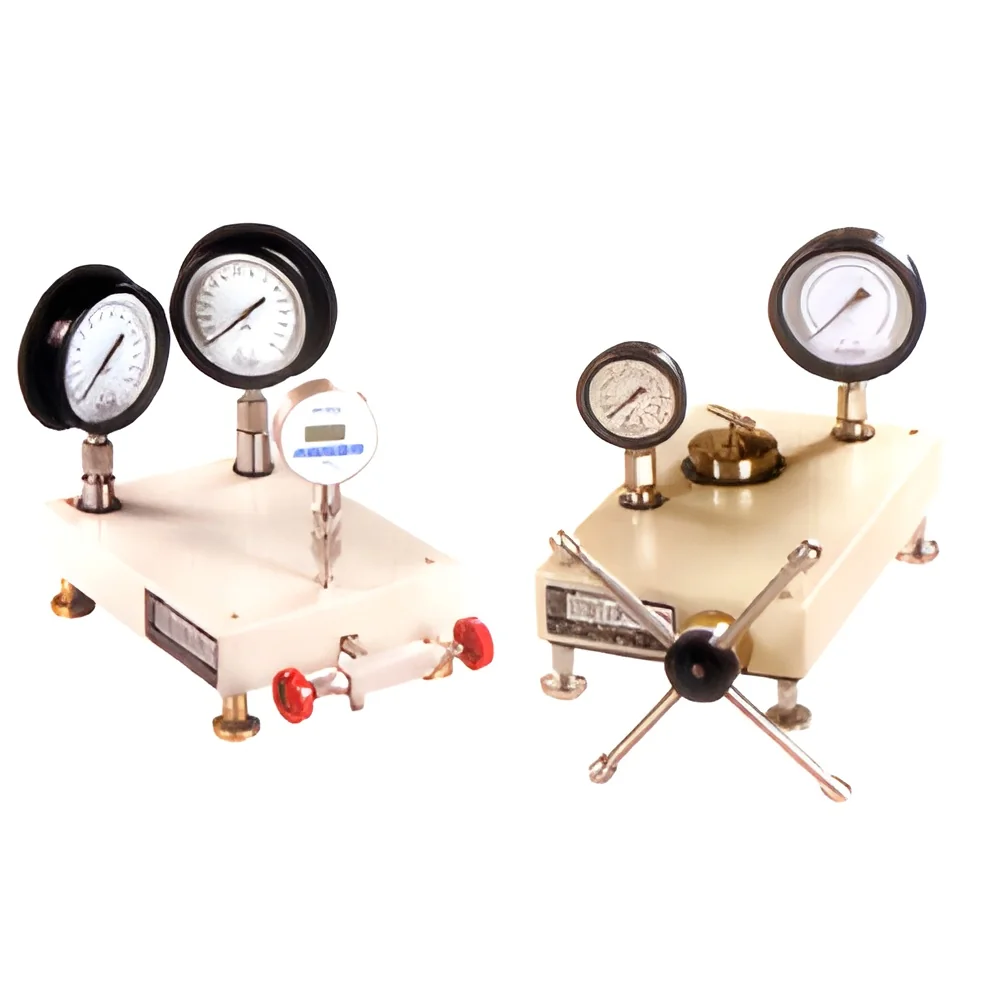
Portable Hydraulic Testing Benches: These compact and lightweight models are designed for ease of transport. They are ideal for on-site testing and can operate in various environments. Features may include built-in pressure gauges and flow meters.
Stationary Hydraulic Testing Benches: These benches are typically larger and designed for fixed installations in manufacturing facilities. They often provide advanced features, such as automated testing cycles and extensive data logging capabilities.
Custom Hydraulic Testing Benches: Some manufacturers offer custom solutions tailored to specific testing requirements. These benches can be designed to accommodate unique components and testing protocols, ensuring precise evaluations.
𝗕𝗲𝗻𝗲𝗳𝗶𝘁𝘀 𝗮𝗻𝗱 𝗔𝗱𝘃𝗮𝗻𝘁𝗮𝗴𝗲𝘀
Investing in hydraulic testing benches provides numerous advantages for businesses.
Key benefits include:
1. Enhanced Safety: Proper testing of hydraulic components minimizes the risk of failures, ensuring safer operations in various applications.
2. Improved Quality Control: Hydraulic testing benches facilitate quality assurance processes, helping manufacturers meet industry standards and customer expectations.
3. Increased Efficiency: By identifying potential issues early, these benches help reduce downtime and maintenance costs, leading to more efficient operations.
4. Data Accuracy: Advanced monitoring and control systems in hydraulic testing benches provide precise data, aiding in informed decision-making.
5. Customization Options: Many manufacturers offer customizable solutions, allowing businesses to tailor testing setups to their specific needs.
6. Compliance Assurance: Utilizing hydraulic testing benches ensures compliance with industry regulations and standards, which is crucial for market acceptance.
𝗕𝘂𝘆𝗶𝗻𝗴 𝗚𝘂𝗶𝗱𝗲 𝗳𝗼𝗿 𝗕𝟮𝗕 𝗕𝘂𝘆𝗲𝗿𝘀
When sourcing hydraulic testing benches, businesses should consider several critical factors to ensure they select the right equipment.
1. Quality Assessment: It is essential to evaluate the quality of the testing benches, looking for certifications such as CE and UL. Quality assurance processes should be in place to guarantee performance and reliability.
2. Supplier Verification: Vetting suppliers is crucial to ensure they have a good reputation and proven track record in providing high-quality hydraulic testing equipment. Look for reviews and references from other clients.
3. Pricing and MOQ: Understand the pricing structure and minimum order quantities for hydraulic testing benches. This information helps in budgeting and planning for procurement.
4. Delivery and Lead Times: Inquire about the logistics involved in delivery and the expected lead times for obtaining the equipment. Timely delivery is important for project management.
5. Compliance Requirements: Ensure that the hydraulic testing benches meet all necessary compliance requirements relevant to your industry. This prevents issues related to regulatory non-compliance.
𝗖𝗼𝗺𝗽𝗹𝗶𝗮𝗻𝗰𝗲 𝗮𝗻𝗱 𝗖𝗲𝗿𝘁𝗶𝗳𝗶𝗰𝗮𝘁𝗶𝗼𝗻𝘀
Compliance and certifications are vital components in the quality assurance of hydraulic testing benches. Key quality standards such as ISO 9001 help ensure that manufacturers maintain consistent quality management systems.
Industry certifications such as CE and UL are critical for demonstrating that the equipment meets safety and performance regulations. These certifications are recognized globally and provide assurance to buyers regarding the reliability of the testing benches.
Safety and testing requirements are also crucial in the development and operation of hydraulic testing benches. Adherence to these standards protects users and ensures that the equipment operates safely and efficiently.
Additionally, regional compliance considerations may vary, and it is essential for manufacturers to be aware of specific regulations in their operating areas. This knowledge ensures that the equipment not only meets global standards but also complies with local laws and regulations.
𝗪𝗵𝘆 𝗦𝗼𝘂𝗿𝗰𝗲 𝗛𝘆𝗱𝗿𝗮𝘂𝗹𝗶𝗰 𝗧𝗲𝘀𝘁𝗶𝗻𝗴 𝗕𝗲𝗻𝗰𝗵𝗲𝘀 𝗳𝗿𝗼𝗺 𝗣𝗲𝗽𝗮𝗴𝗼𝗿𝗮?
Pepagora provides a trusted platform for sourcing hydraulic testing benches, offering several key advantages that benefit B2B buyers.
Verified Supplier Network: Pepagora has established connections with a network of verified suppliers who specialize in hydraulic testing equipment. This network ensures that buyers receive high-quality products from reputable manufacturers.
Streamlined RFQ Process: The platform simplifies the request for quotation (RFQ) process, allowing buyers to easily obtain quotes from multiple suppliers. This efficiency helps streamline procurement efforts.
Trade Assurance and Support: Pepagora offers trade assurance and support to protect buyers during transactions. This includes assistance with disputes and ensuring that products meet specified criteria.
Regional Coverage: With a geographic reach that includes India, the GCC, and Southeast Asia, Pepagora connects buyers with local and regional suppliers. This broad coverage enhances accessibility and convenience for businesses seeking hydraulic testing benches.
Hydraulic Testing Benches are specialized equipment used to test the performance and integrity of hydraulic components and systems. They simulate real-life conditions to assess pressure, flow, and leakage, ensuring that hydraulic parts meet industry standards before use.
2
What are the different types of Hydraulic Testing Benches?
There are various types of Hydraulic Testing Benches, including portable benches, stationary benches, and automated testing systems. Each type serves different applications, from simple pressure tests to complex performance evaluations of hydraulic machinery.
3
How do I choose the right Hydraulic Testing Benches?
To choose the right Hydraulic Testing Bench, consider factors such as the type of hydraulic components you will test, the required pressure and flow rates, and any specific industry standards. It's also important to evaluate the bench's ease of use, maintenance requirements, and compatibility with your existing equipment.
4
What are the standard specifications for Hydraulic Testing Benches?
Standard specifications for Hydraulic Testing Benches typically include maximum pressure ratings, flow capacity, and power requirements. Additional features may include digital readouts, automated controls, and safety mechanisms to ensure accurate and safe testing.
5
What is the price range for Hydraulic Testing Benches?
The price range for Hydraulic Testing Benches can vary significantly based on their features, specifications, and manufacturer. Generally, prices can range from a few thousand to several lakhs of Indian Rupees, depending on the complexity and capabilities of the bench.
6
What quality standards apply to Hydraulic Testing Benches?
Hydraulic Testing Benches must meet several quality standards, including ISO certifications and compliance with industry-specific regulations. These standards ensure the benches are reliable, safe, and capable of producing accurate testing results.
7
Where can I find Hydraulic Testing Benches suppliers in India?
You can find Hydraulic Testing Benches suppliers in India through various online B2B marketplaces, industry trade shows, and manufacturer directories. Websites like Pepagora.com provide a platform to connect with reputable suppliers and manufacturers in the hydraulic testing equipment sector.
8
Can Hydraulic Testing Benches be customized?
Yes, many manufacturers offer customization options for Hydraulic Testing Benches to meet specific customer requirements. Customization may include modifications in size, capacity, features, and additional functions to accommodate unique testing needs.
9
What is the typical minimum order quantity for Hydraulic Testing Benches?
The typical minimum order quantity (MOQ) for Hydraulic Testing Benches can vary by supplier and the specific model. Generally, MOQs range from one unit for standard models to larger quantities for customized benches.
10
What is the typical lead time for Hydraulic Testing Benches?
The typical lead time for Hydraulic Testing Benches can vary based on factors such as the complexity of the order and the manufacturer's production schedule. Generally, lead times can range from a few weeks to several months for customized or high-demand models.
Why Businesses Trust Pepagora
Thousands of companies trust Pepagora to source smarter and sell faster
Expand Your Sales Globally
25000+Products listed.Get discovered by global buyers

 IN
IN