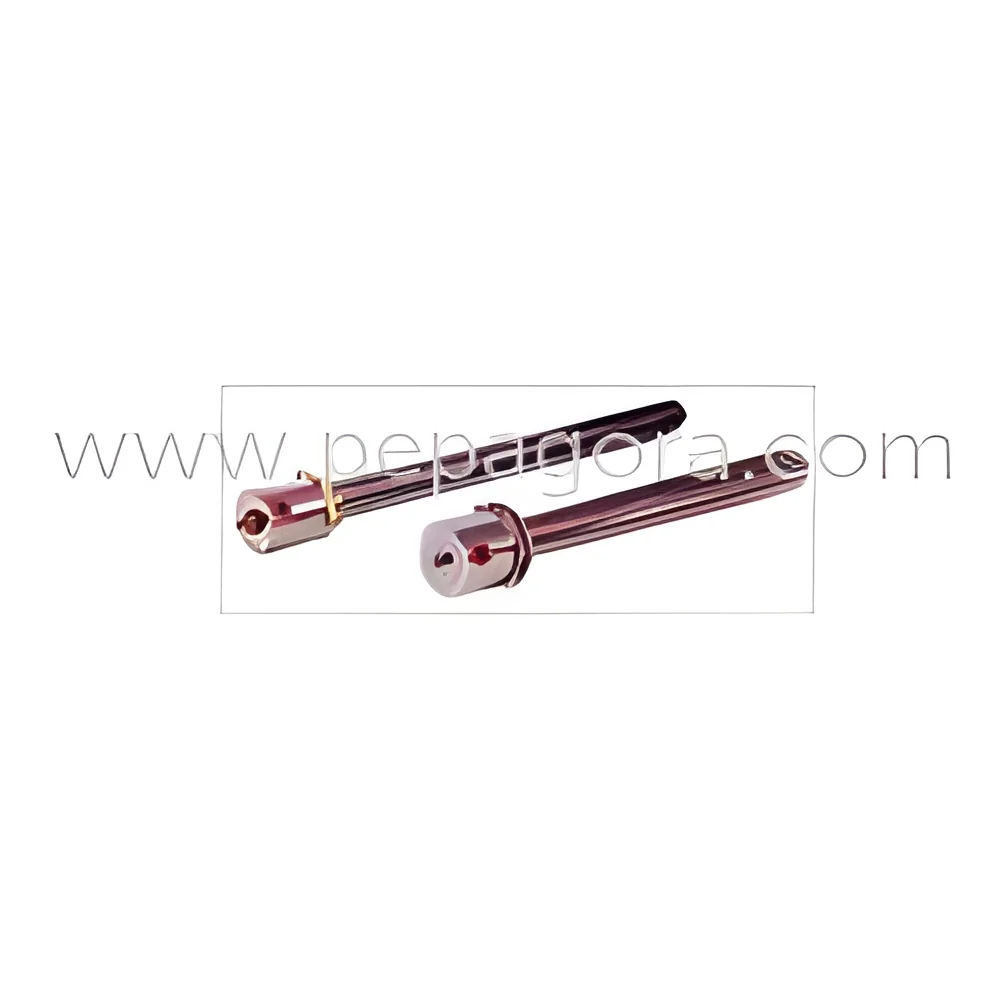
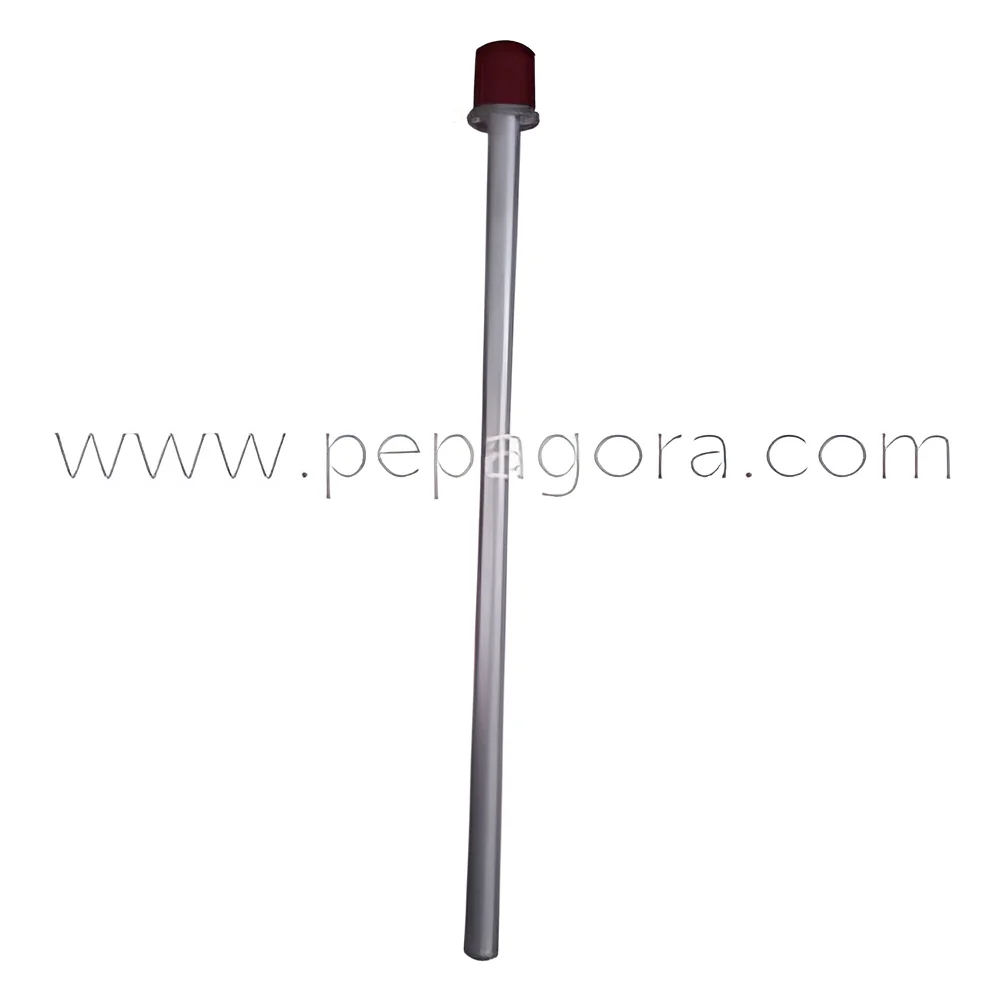
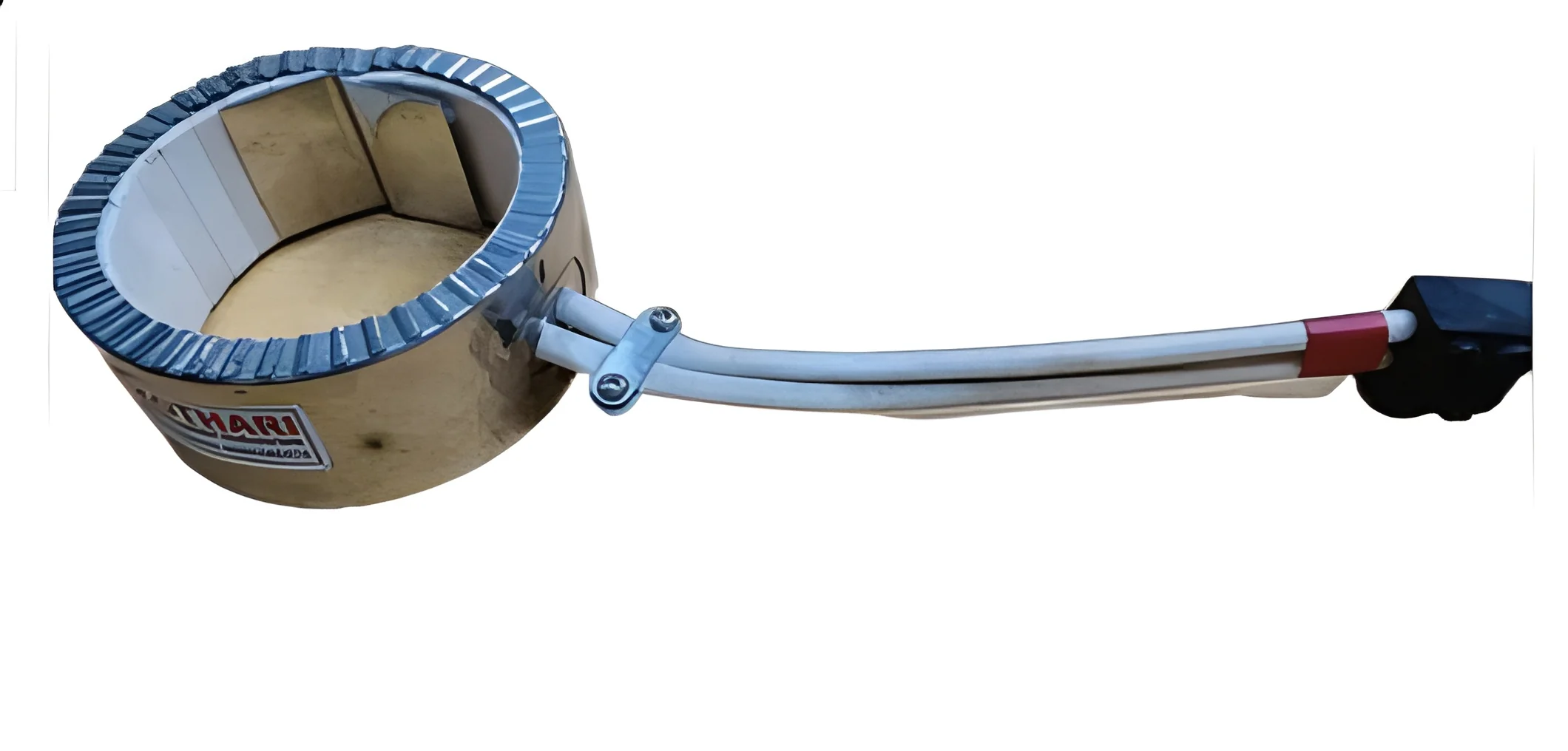
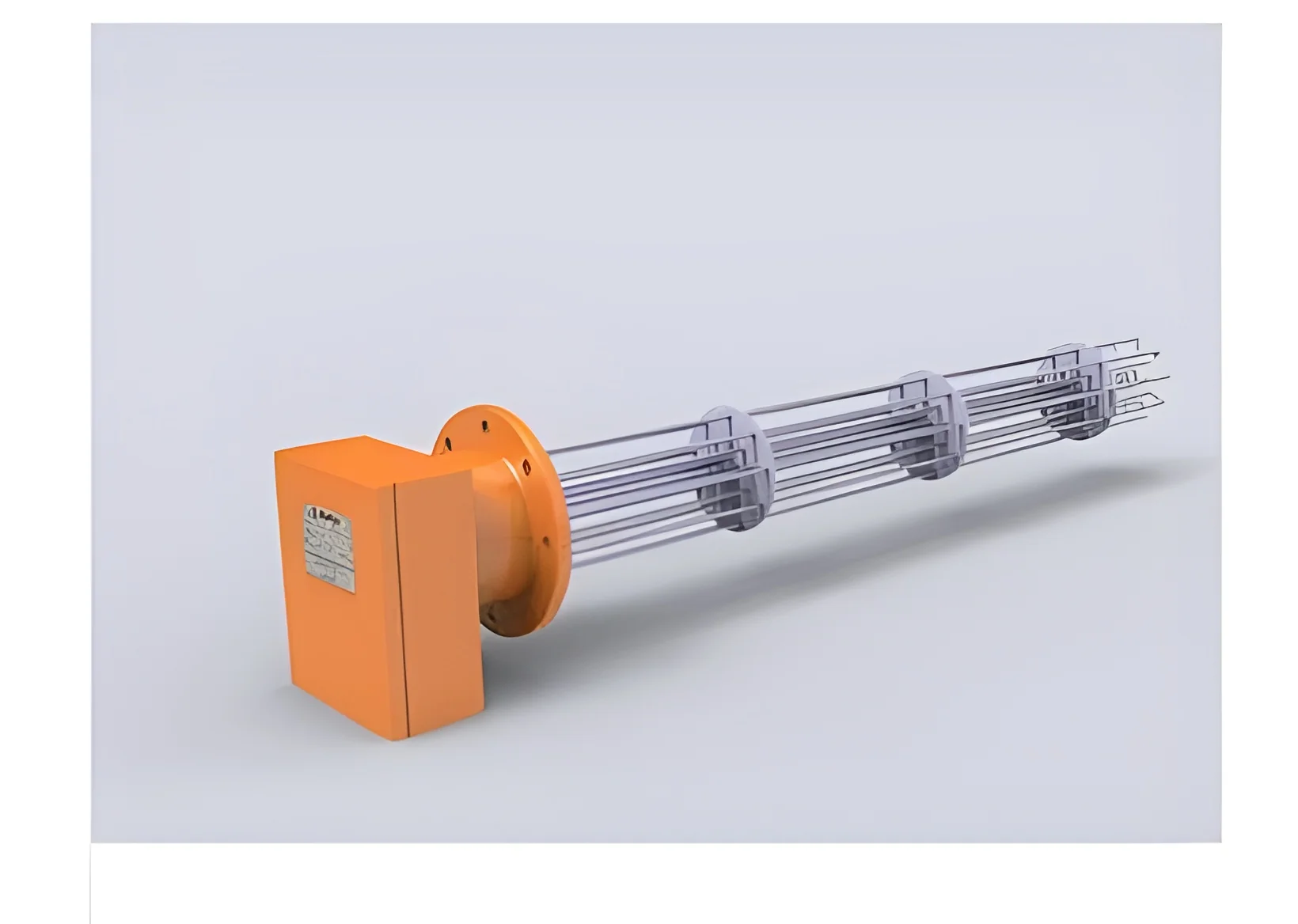
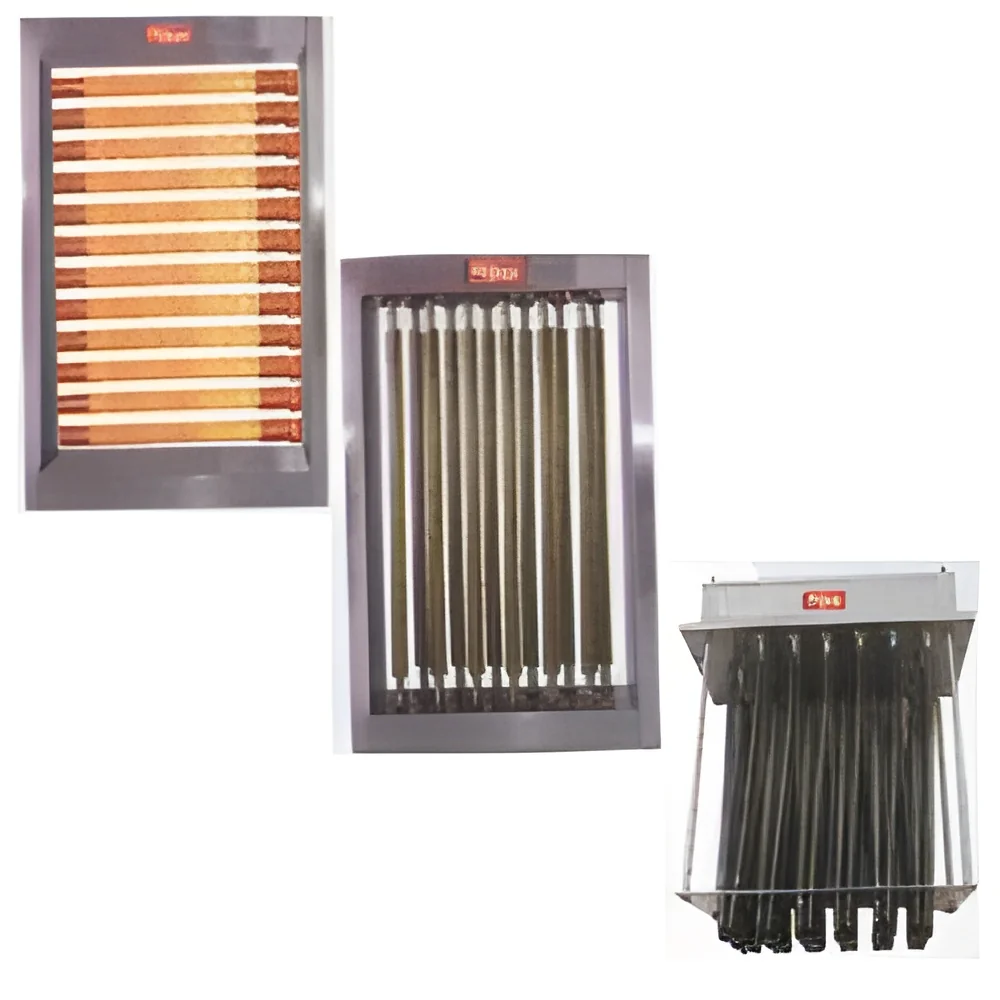
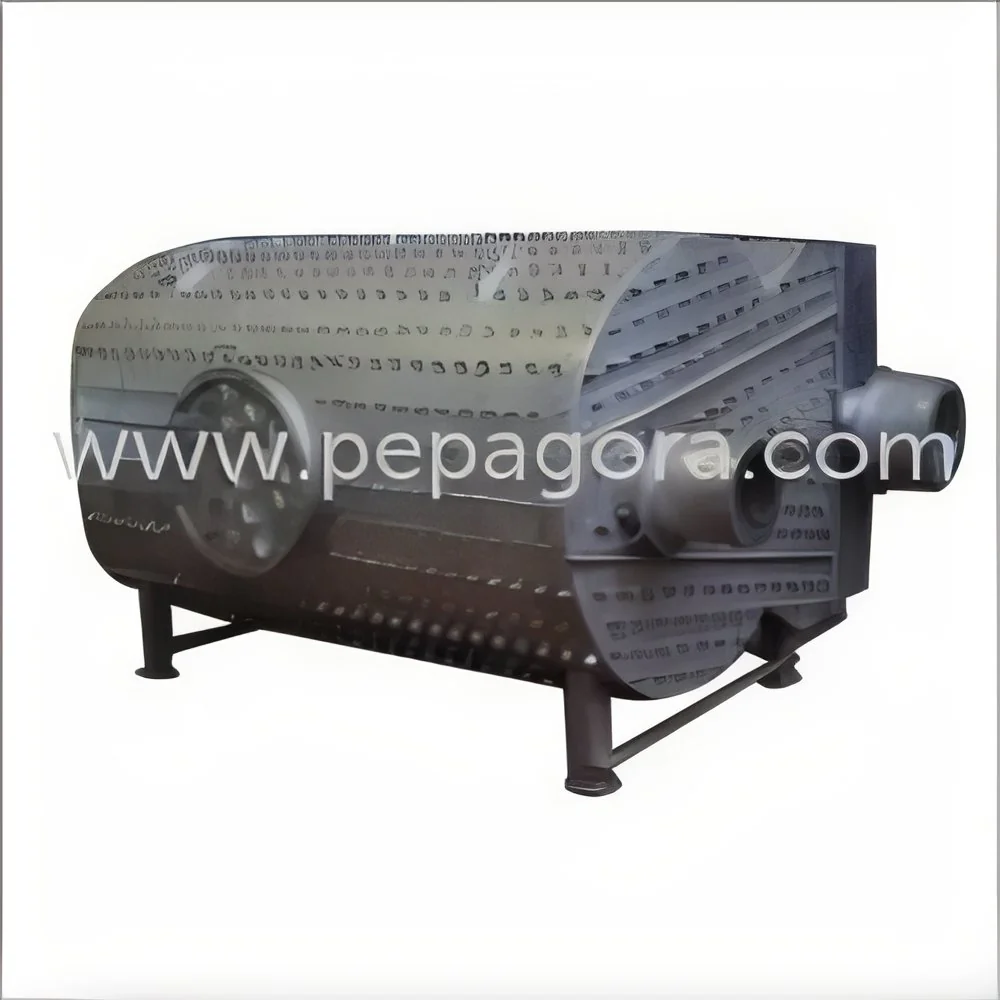
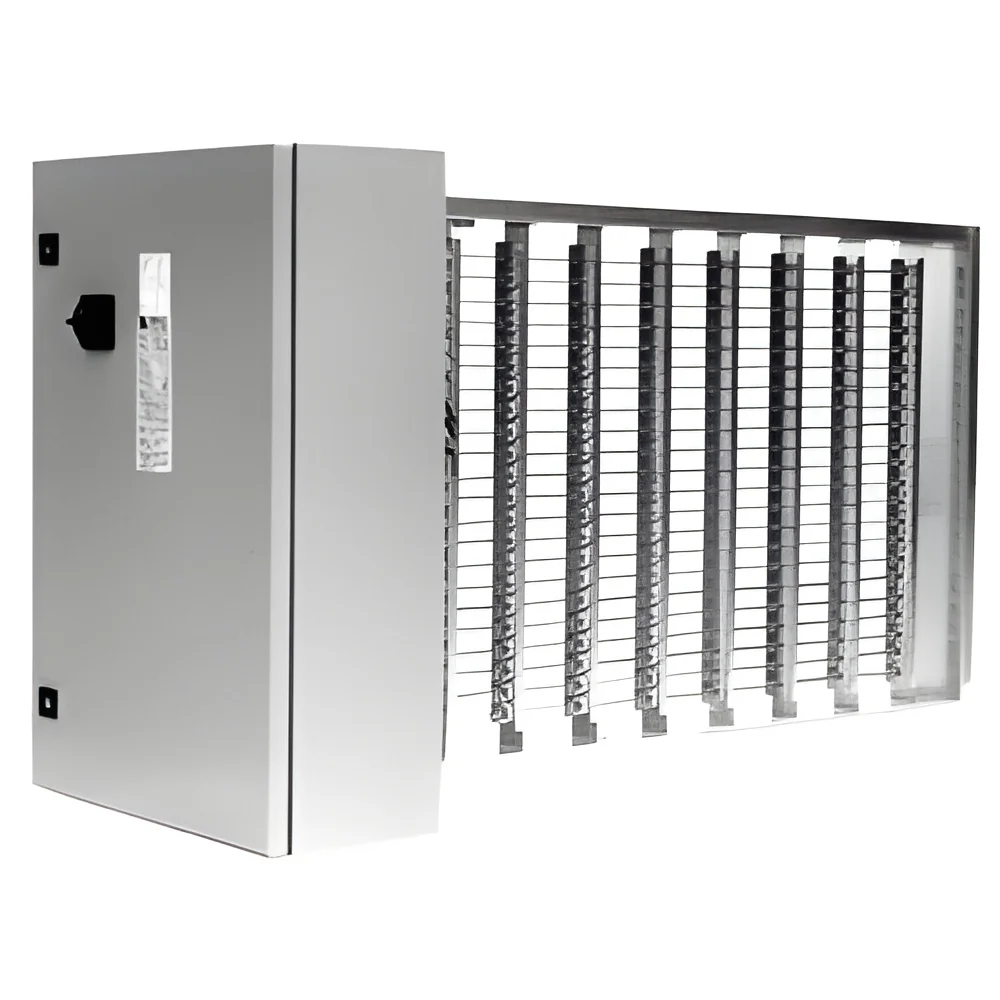
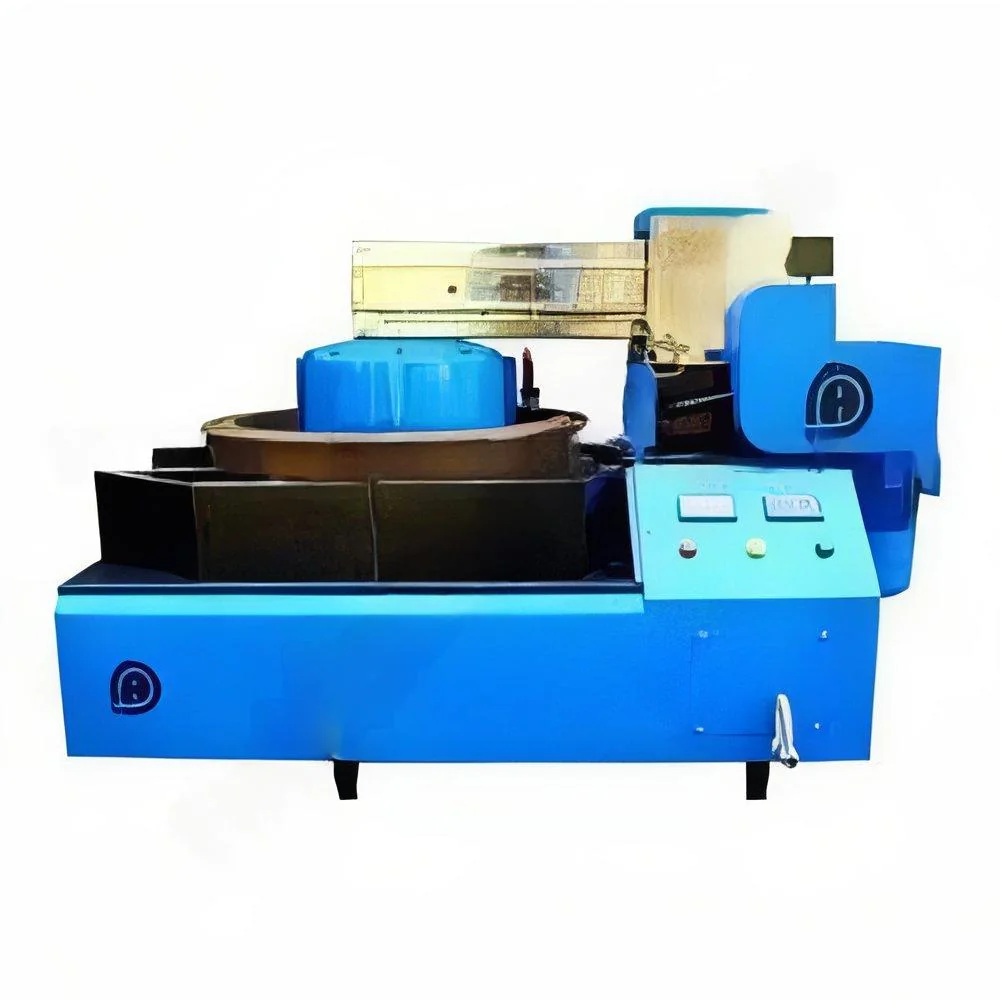
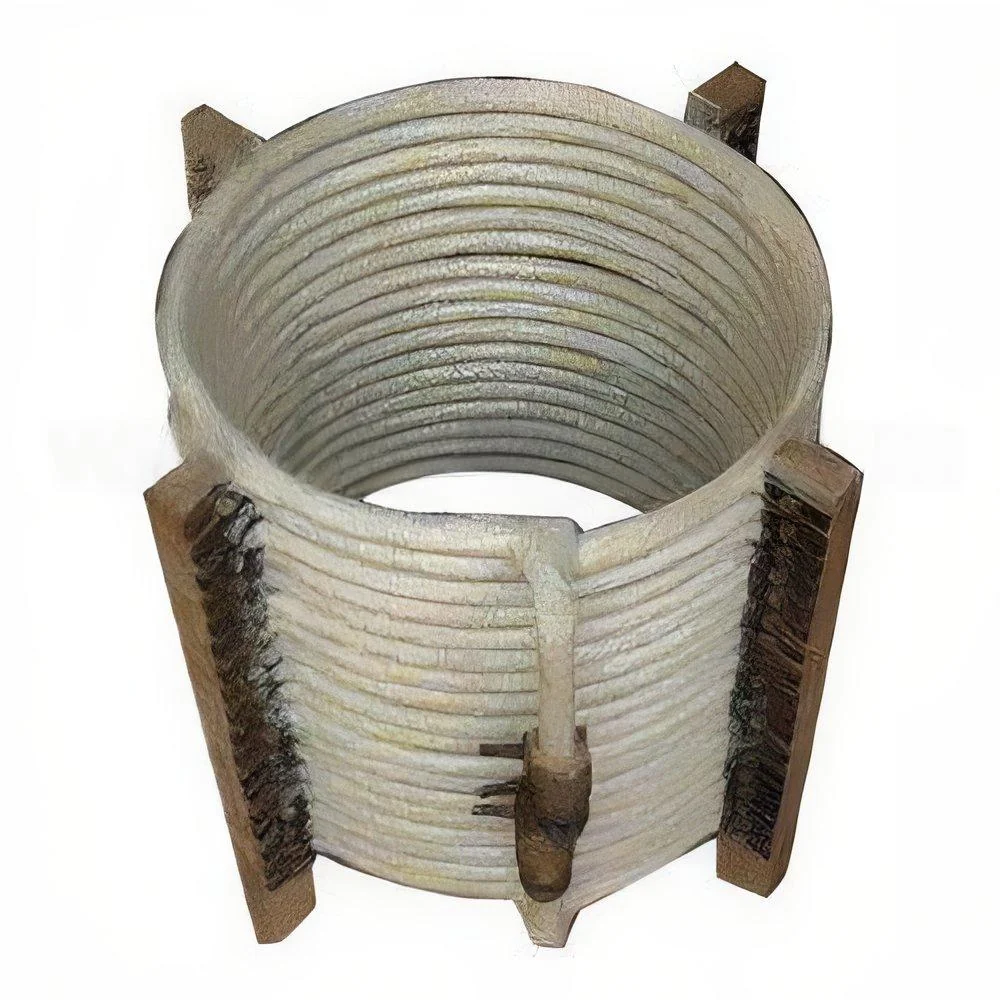
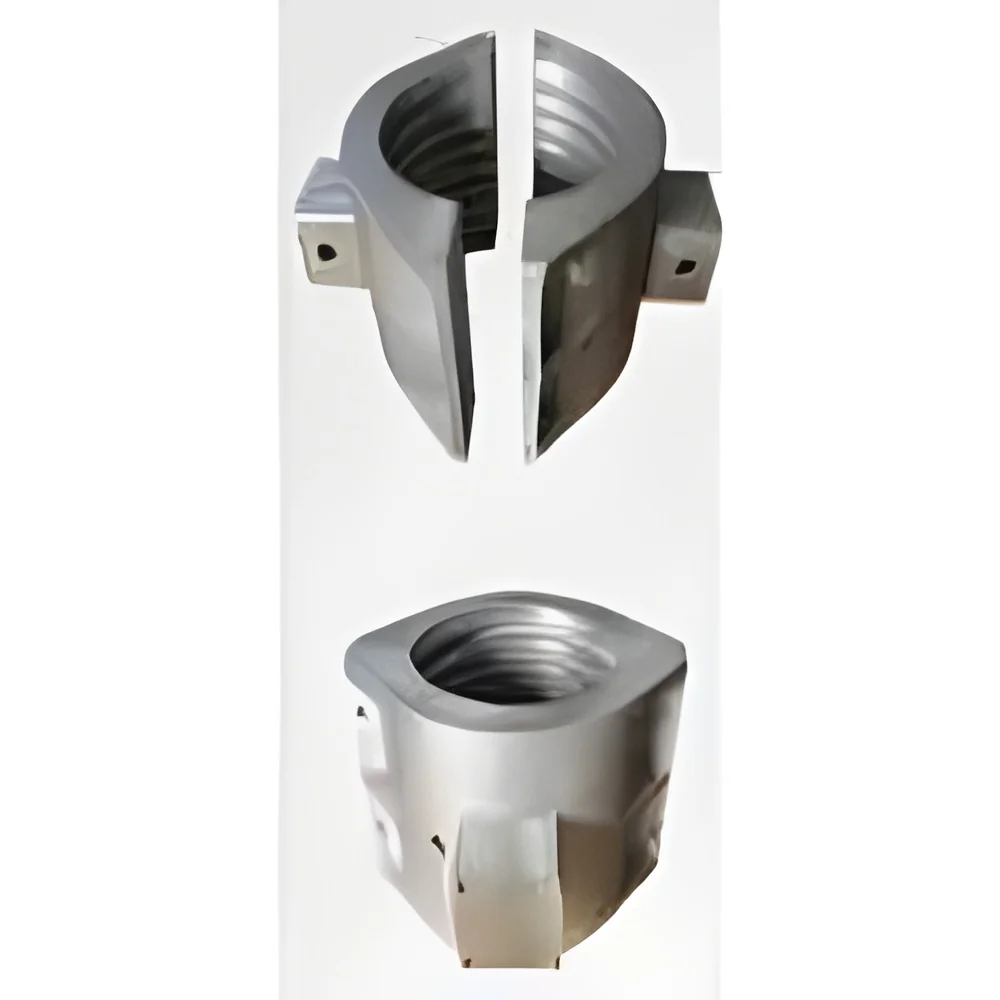
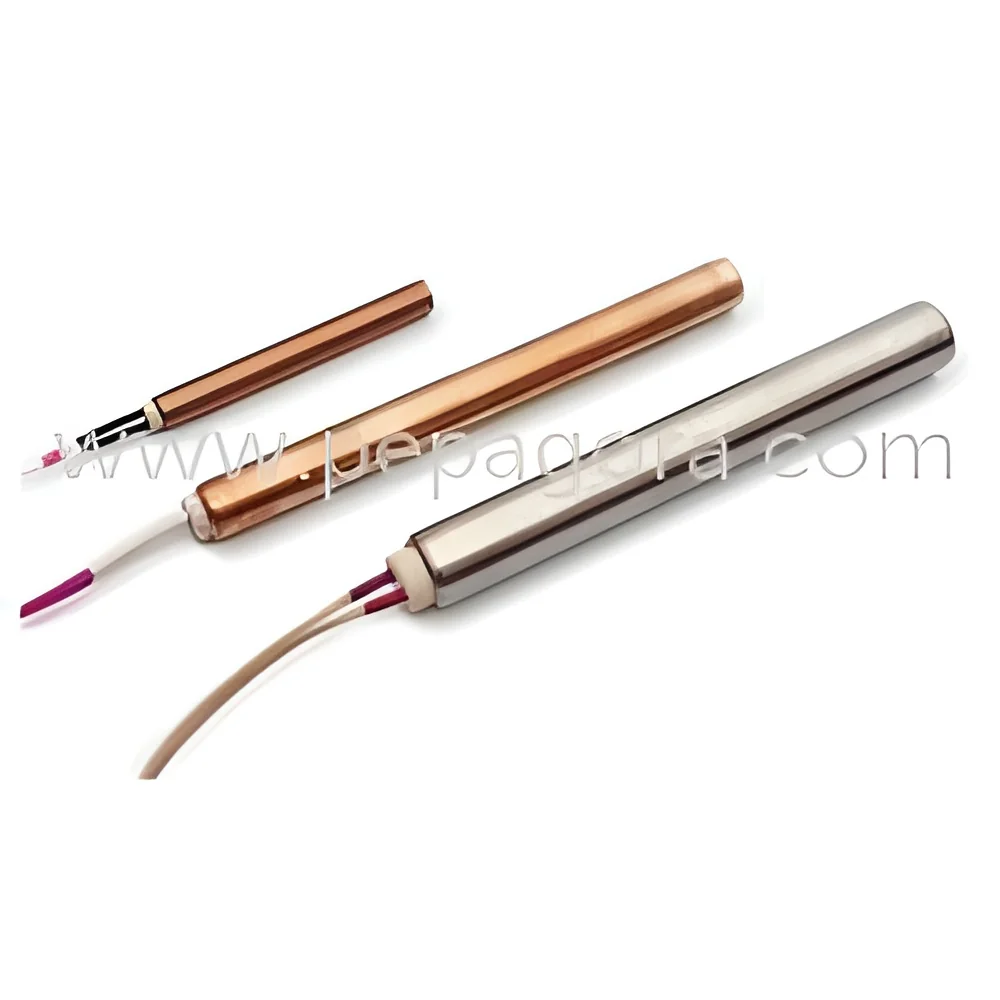
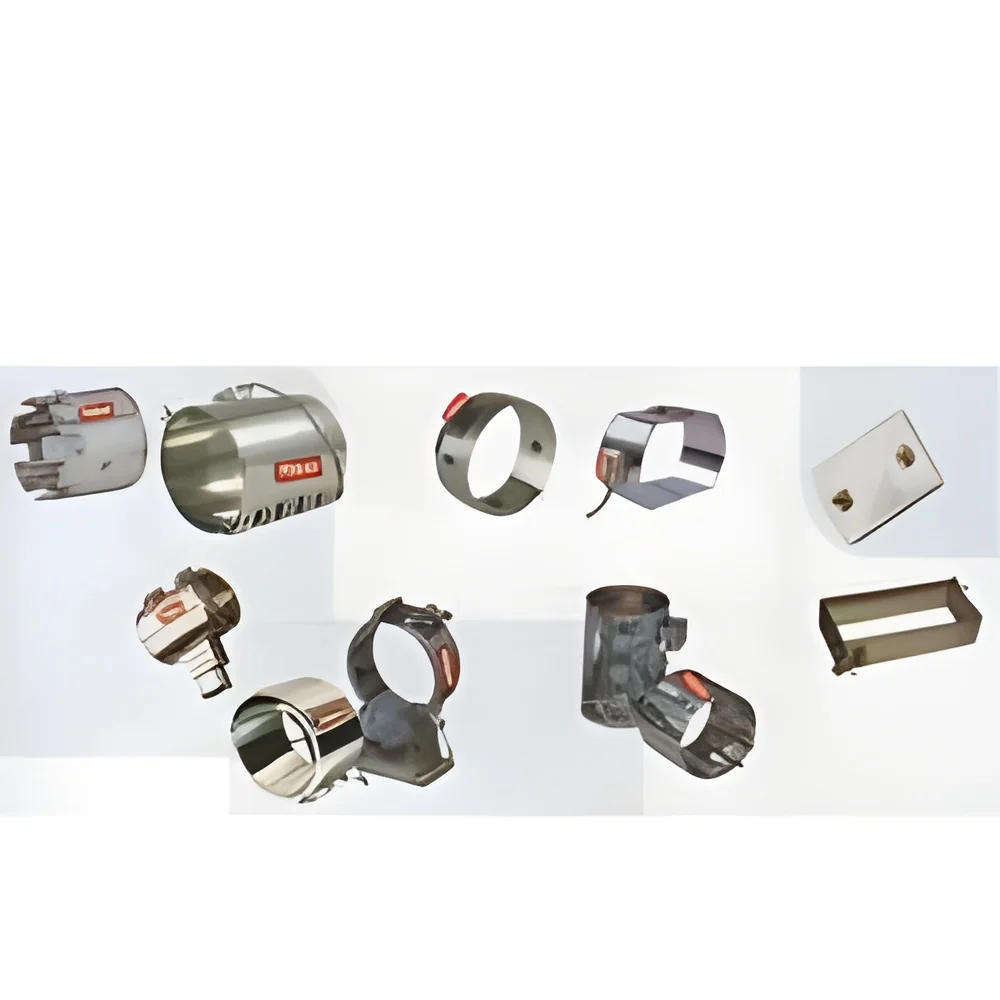
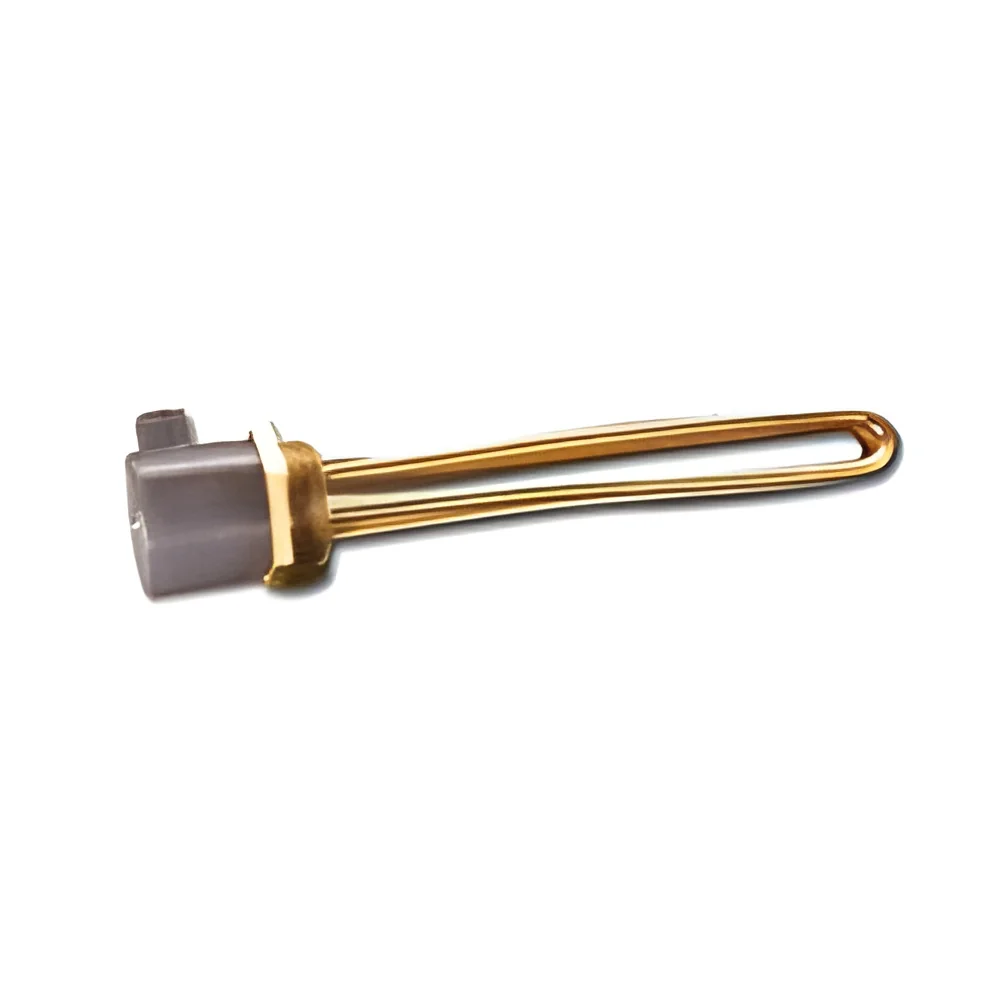
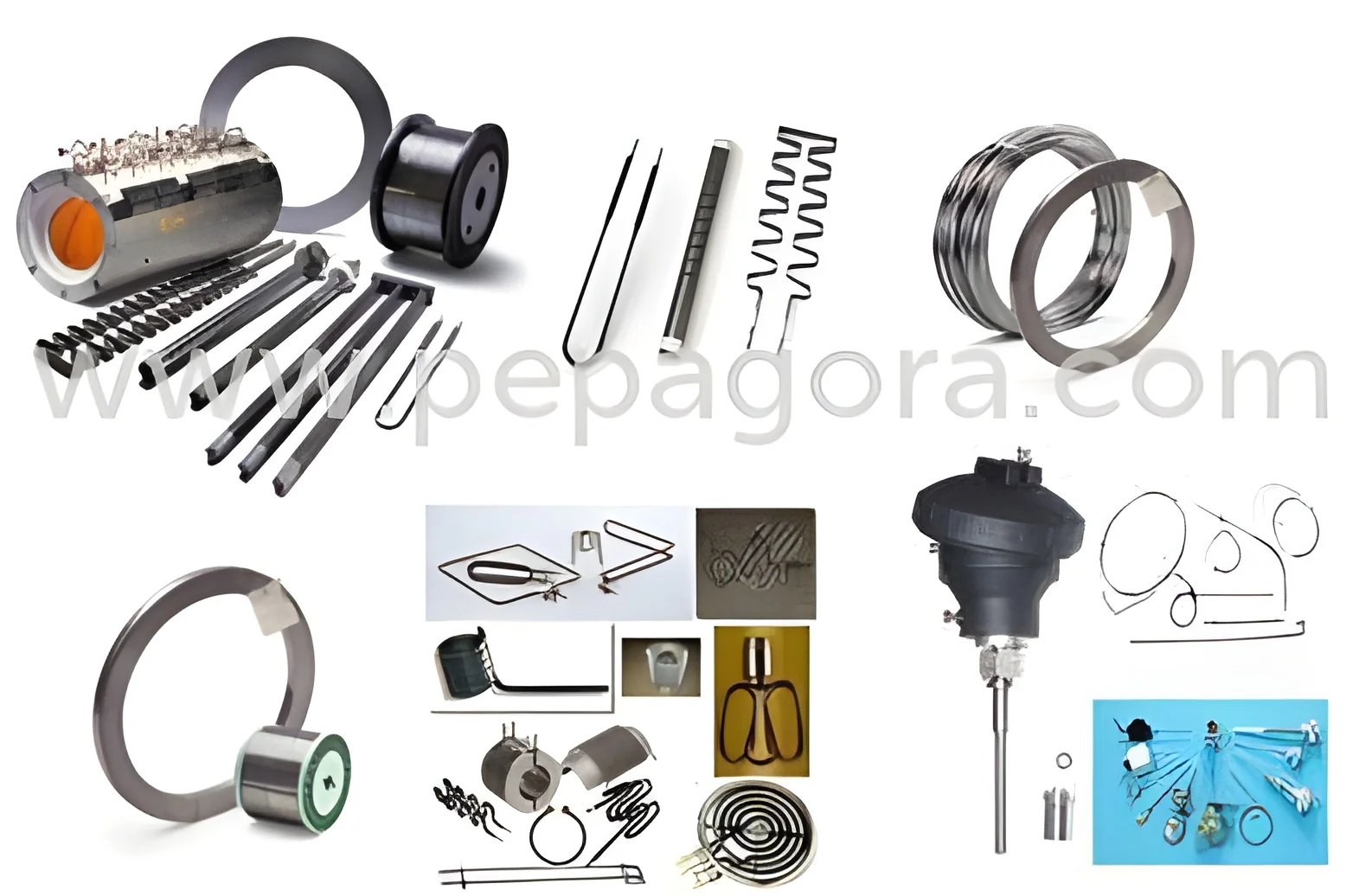
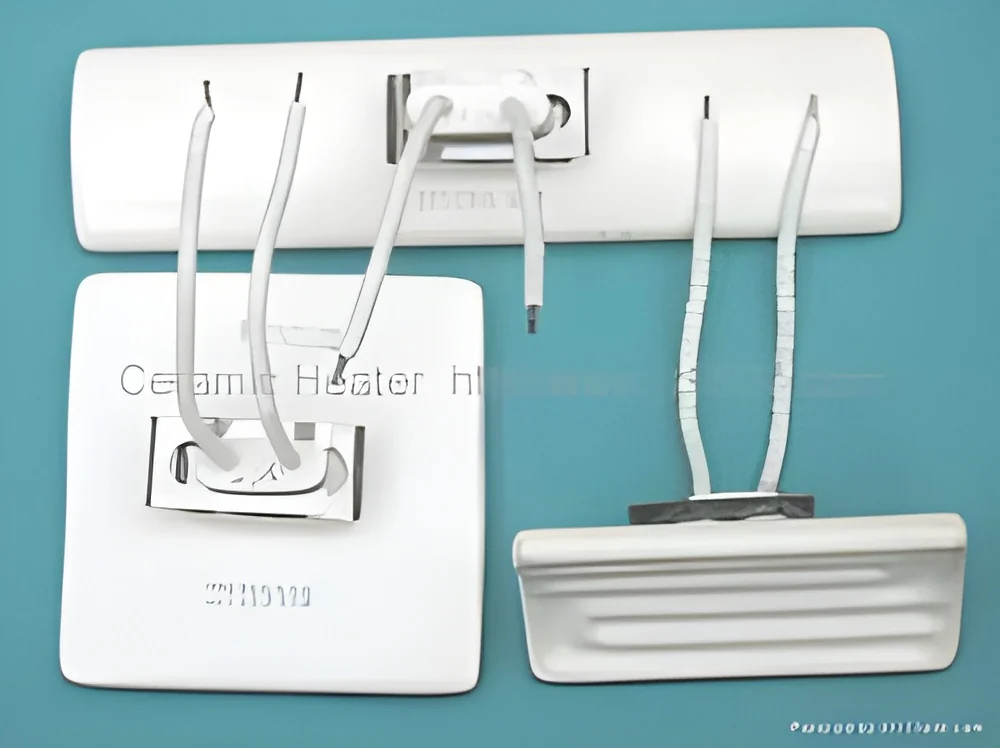
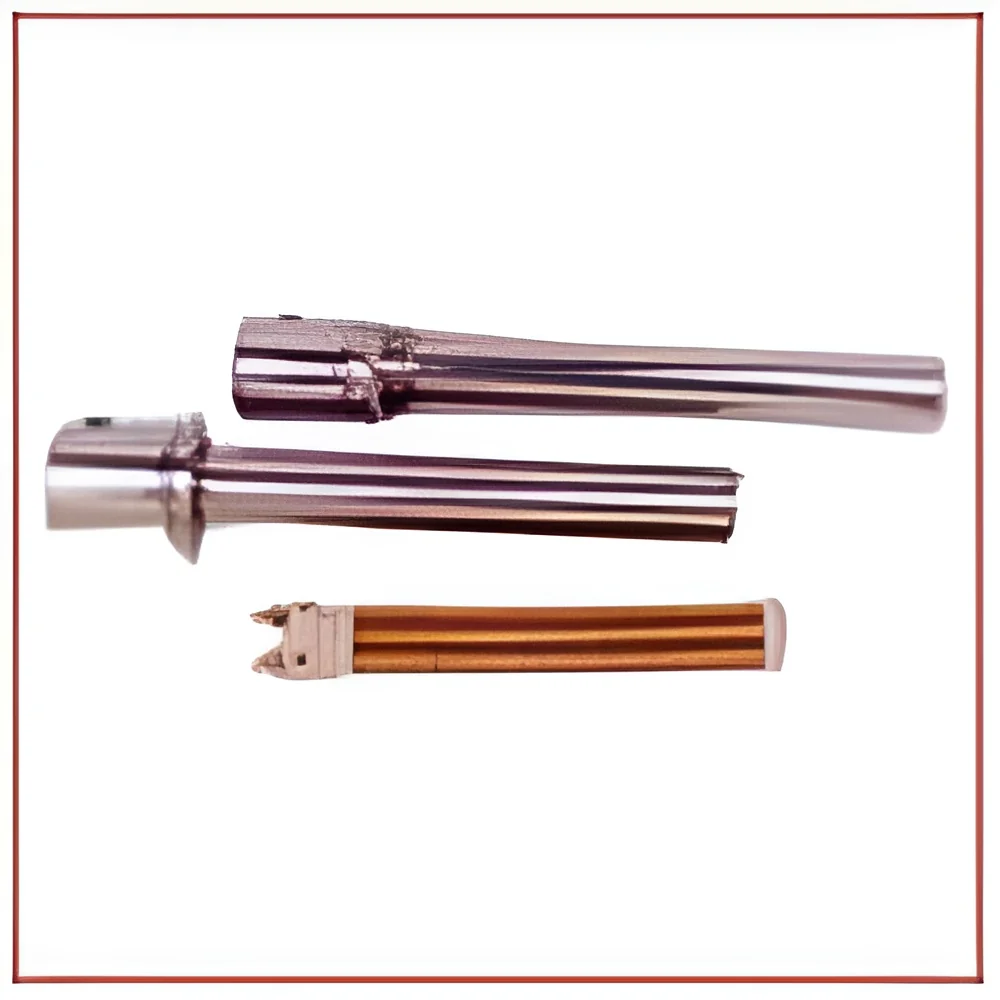
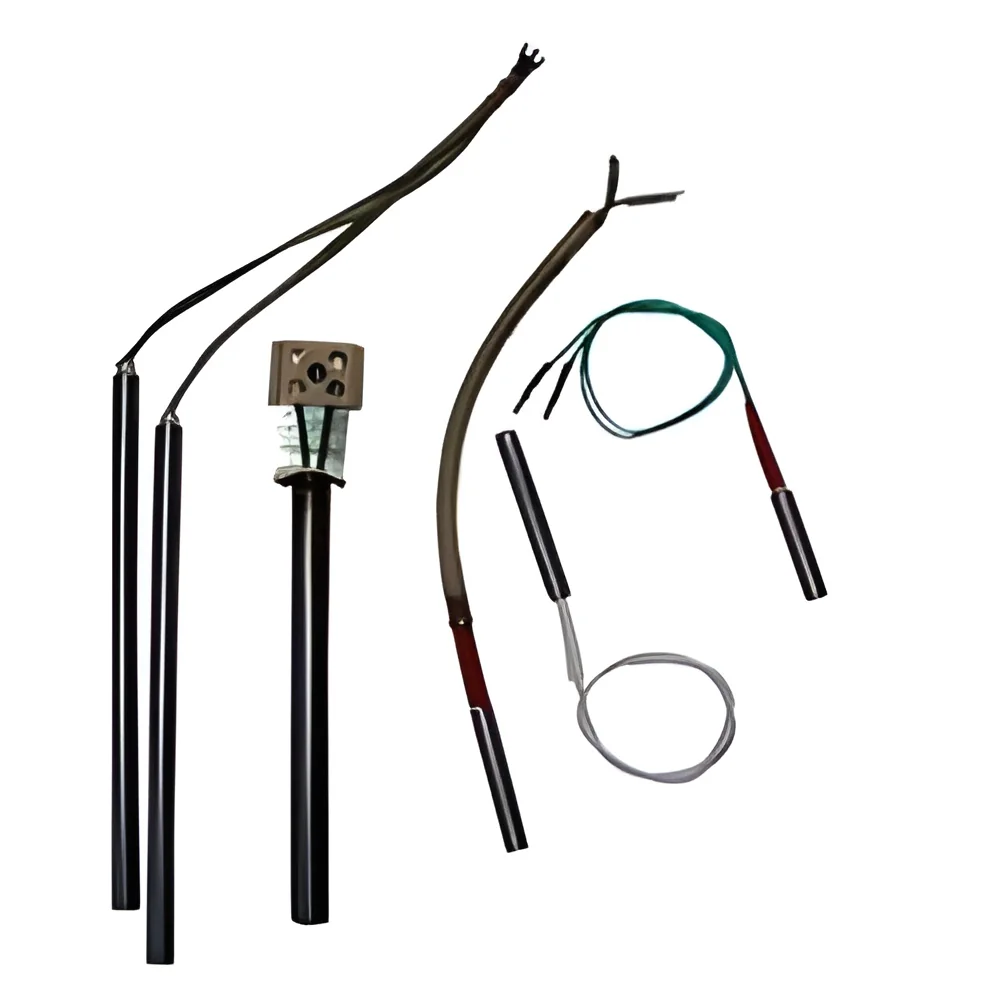
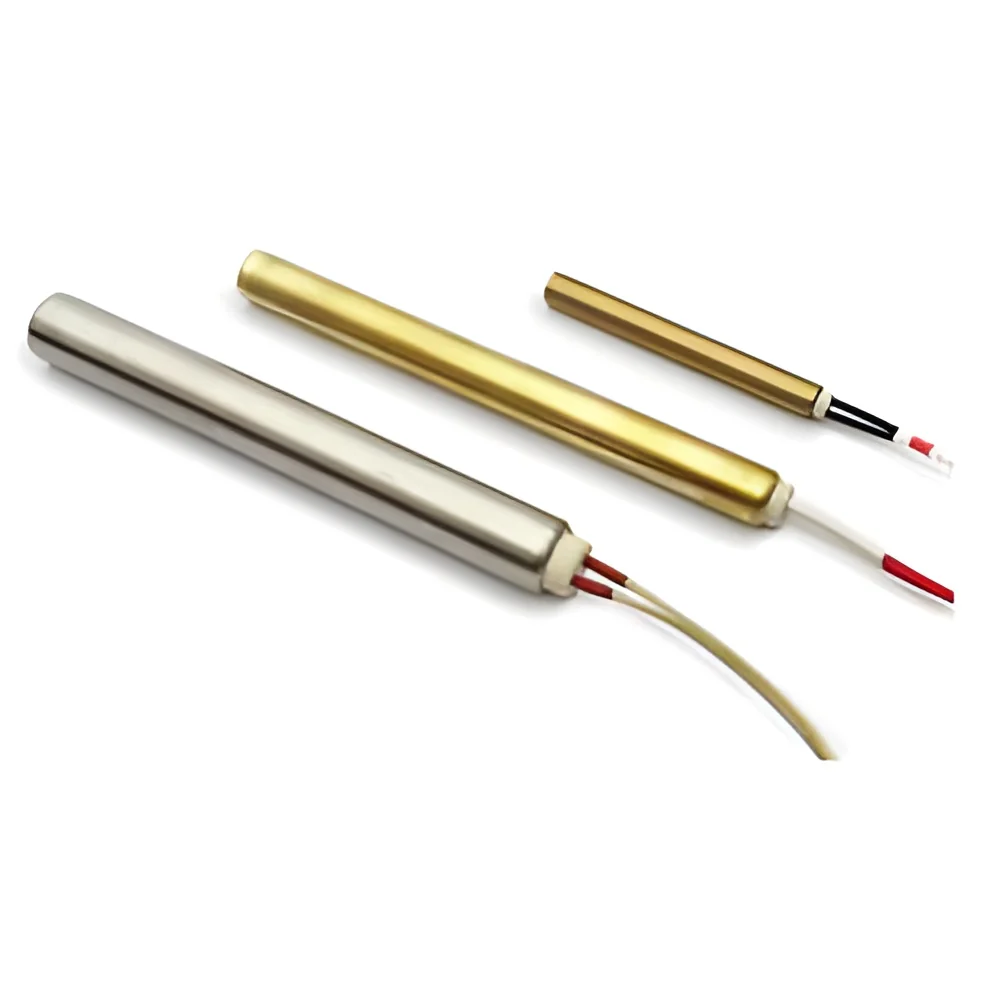
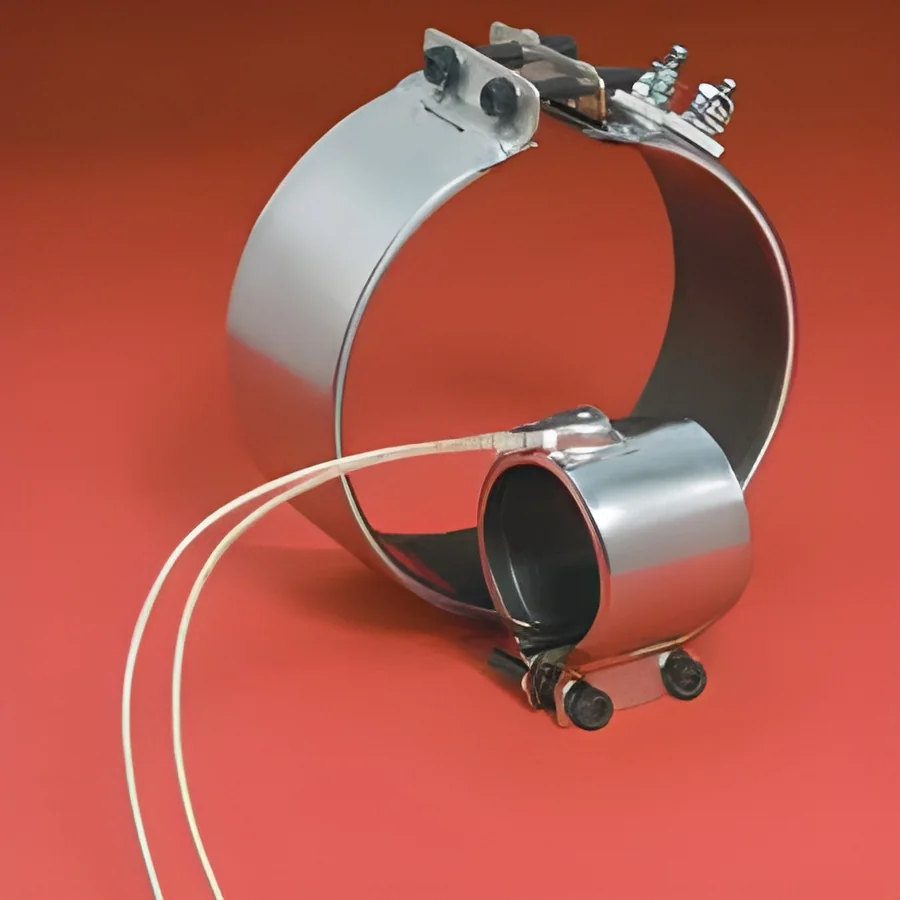
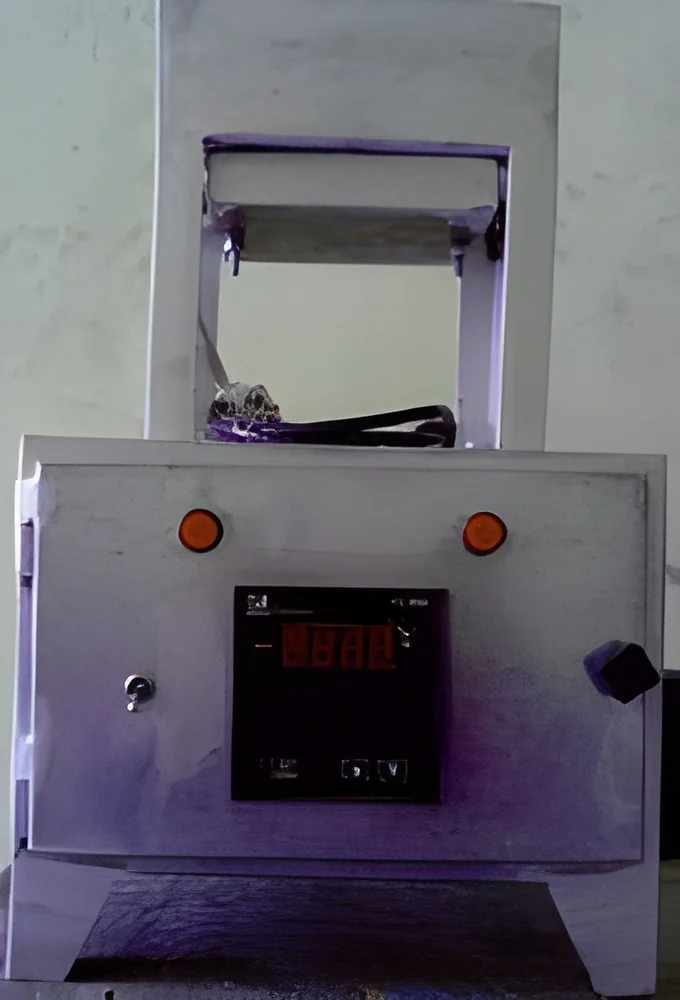
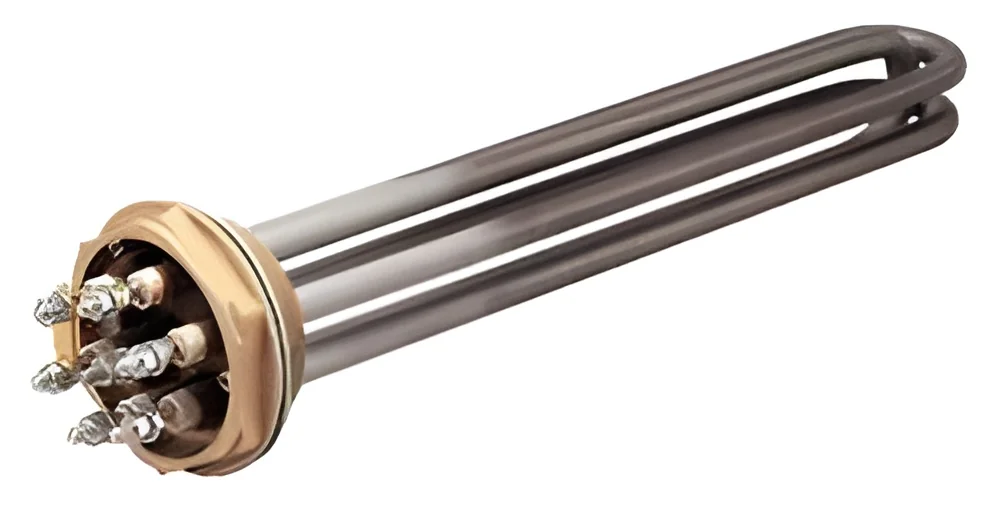
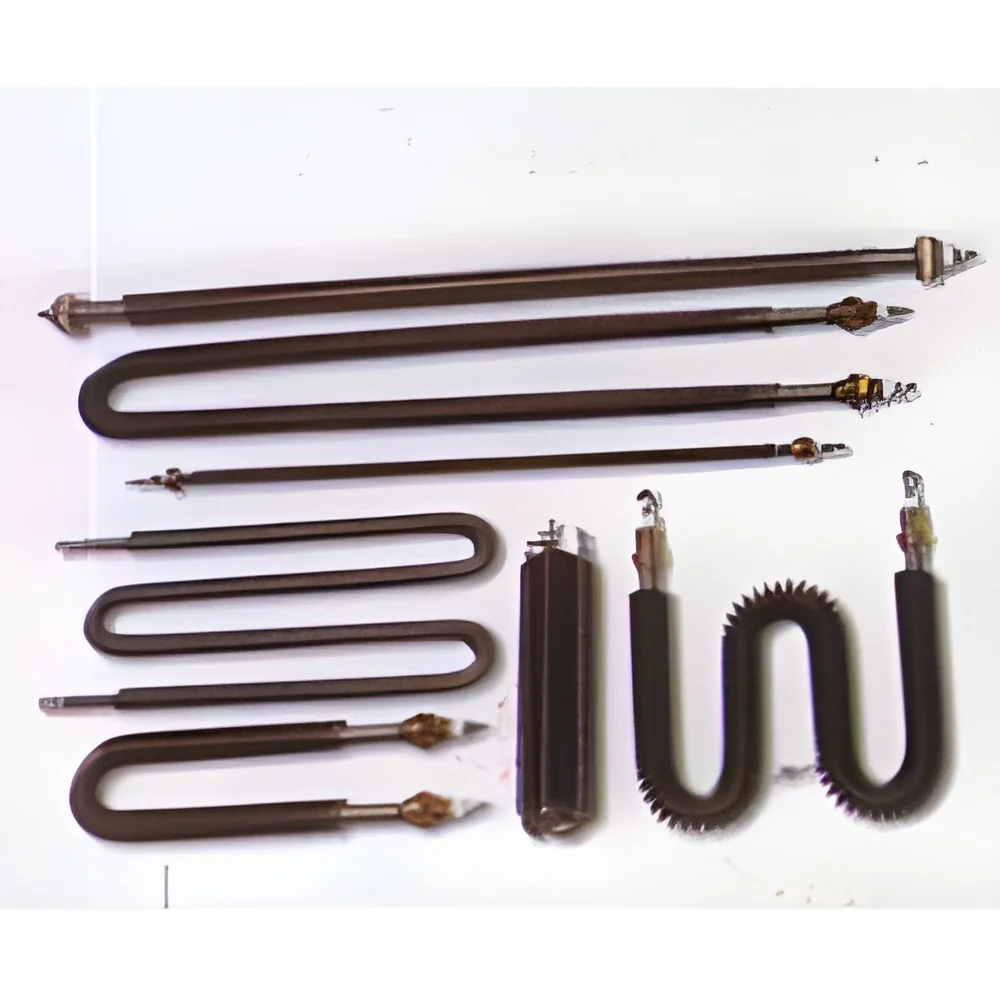
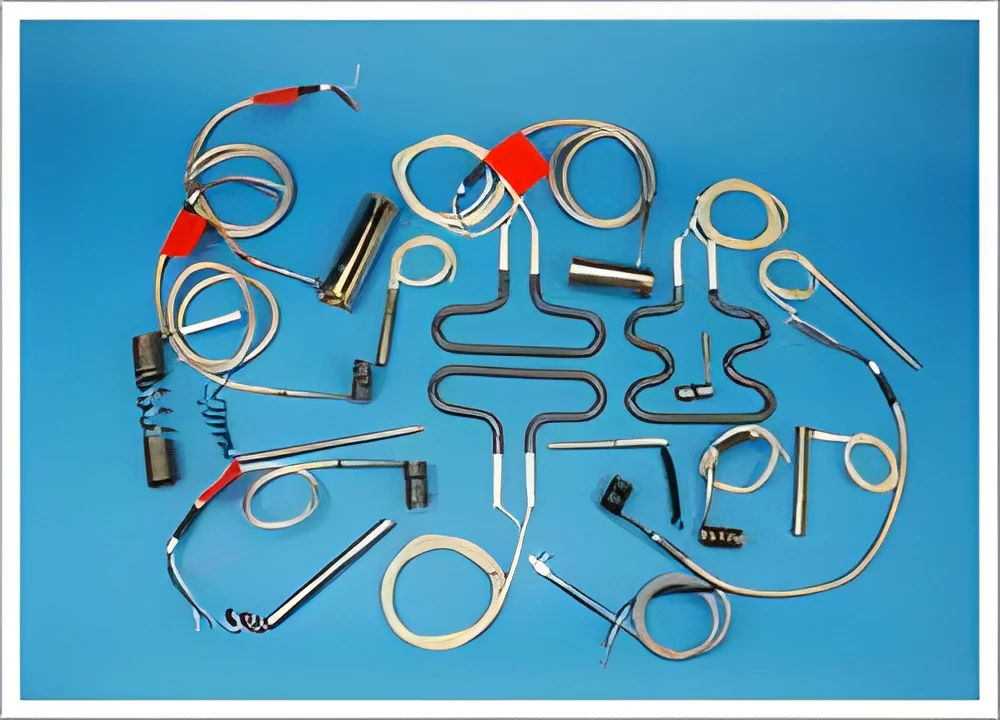
𝗪𝗵𝗮𝘁 𝗮𝗿𝗲 𝗜𝗻𝗳𝗿𝗮𝗿𝗲𝗱 𝗛𝗲𝗮𝘁𝗲𝗿𝘀?
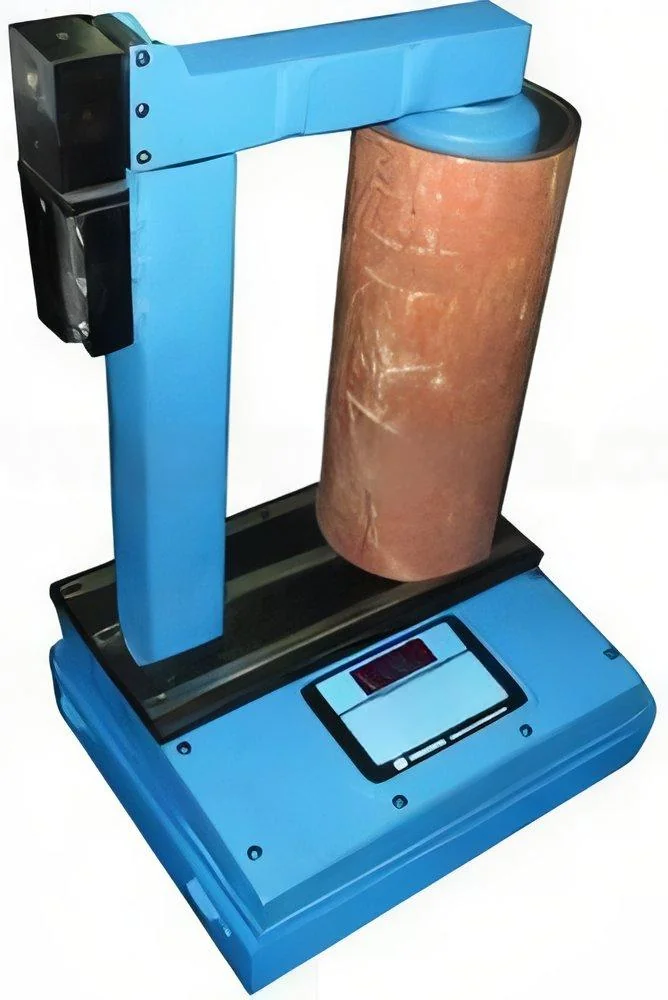
Infrared heaters are devices that emit infrared radiation to heat objects and spaces directly. Unlike conventional heaters that warm the air, infrared heaters transfer heat to surfaces and people, providing quick and efficient warmth. This technology operates by using infrared radiation, which is similar to the heat produced by the sun, allowing for targeted heating without the need to heat the entire environment.
Infrared heaters are commonly used in various industrial and commercial applications, including warehouses, workshops, and outdoor environments. They are particularly effective for maintaining comfort in large spaces or areas with high ceilings. Businesses often leverage these heaters for drying processes, heating equipment, and maintaining optimal temperatures in manufacturing settings. Given their efficiency, infrared heaters are becoming increasingly relevant in industries focused on energy savings and sustainability.
The market for infrared heaters continues to grow, driven by the demand for energy-efficient heating solutions. Many businesses are transitioning to infrared technology to reduce energy costs and improve thermal comfort in their facilities. As industries evolve, the need for effective heating solutions that enhance productivity and reduce energy consumption becomes paramount.
𝗞𝗲𝘆 𝗙𝗲𝗮𝘁𝘂𝗿𝗲𝘀 𝗮𝗻𝗱 𝗦𝗽𝗲𝗰𝗶𝗳𝗶𝗰𝗮𝘁𝗶𝗼𝗻𝘀
Infrared heaters come equipped with several key features that enhance their functionality and efficiency. Understanding these specifications is crucial for businesses when selecting the right heater for their needs.
Key specifications include:
1. Heating Power
- Generally ranges from 500 watts to 3000 watts
- Determines the area coverage and efficiency of the heater
2. Heating Method
- Includes quartz, ceramic, and carbon infrared options
- Each method has unique advantages in terms of heating speed and efficiency
3. Temperature Control
- Typically features adjustable thermostats
- Allows users to set and maintain desired temperatures
4. Mounting Options
- Available as wall-mounted, ceiling-mounted, or portable units
- Flexibility in installation according to space requirements
5. Safety Features
- Often includes automatic shut-off and overheat protection
- Ensures safe operation in various environments
6. Energy Efficiency Rating
- Many models are designed to meet or exceed energy efficiency standards
- Reduces operational costs and environmental impact
7. Durability
- Constructed with robust materials for long-lasting performance
- Suitable for use in demanding industrial settings
8. Warranty Period
- Varies by manufacturer, typically ranges from one to three years
- Provides assurance of product quality and reliability
In summary, the specifications of infrared heaters contribute significantly to their effectiveness and suitability for various applications. Businesses should consider these features when evaluating options.
𝗖𝗼𝗺𝗺𝗼𝗻 𝗔𝗽𝗽𝗹𝗶𝗰𝗮𝘁𝗶𝗼𝗻𝘀 𝗮𝗻𝗱 𝗨𝘀𝗲 𝗖𝗮𝘀𝗲𝘀
Infrared heaters find applications across multiple industries due to their versatility and efficiency.
1. Warehousing: Infrared heaters are used to maintain optimal temperatures in large warehouses, ensuring that products are stored at appropriate conditions.
2. Manufacturing: These heaters help in processes like curing, drying, and pre-heating materials, improving production efficiency.
3. Agriculture: Infrared heaters are utilized in greenhouses to promote plant growth by providing consistent warmth.
4. Food Processing: In food production facilities, these heaters assist in maintaining sanitary conditions by providing targeted heat.
5. Outdoor Spaces: Infrared heaters are ideal for heating patios and outdoor dining areas, enhancing customer comfort in colder months.
6. Automotive: These heaters are employed in workshops for drying paint and curing materials in automotive repairs.
7. Residential: While primarily focused on industrial use, infrared heaters are also gaining popularity in homes for efficient heating solutions.
𝗣𝗿𝗼𝗱𝘂𝗰𝘁 𝗩𝗮𝗿𝗶𝗮𝗻𝘁𝘀 𝗮𝗻𝗱 𝗦𝘂𝗯𝗰𝗮𝘁𝗲𝗴𝗼𝗿𝗶𝗲𝘀
Infrared heaters come in various forms to cater to specific needs and applications.
Quartz Infrared Heaters
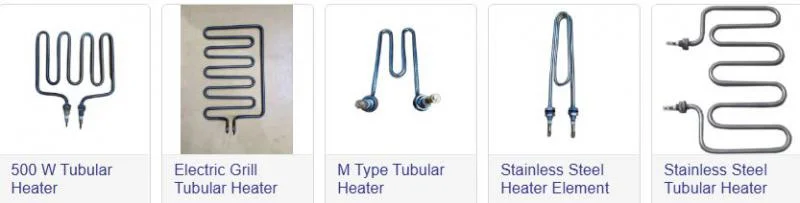
These heaters use quartz bulbs to emit infrared radiation. They are known for quick heating capabilities and are often used in both commercial and industrial settings.
Ceramic Infrared Heaters
Ceramic heaters provide a more steady heat output and are commonly employed in larger spaces where consistent warmth is required. They are energy efficient and have a longer lifespan.
Carbon Infrared Heaters
Carbon heaters are highly efficient and provide a softer heat output. They are often used in residential settings and for specialized applications.
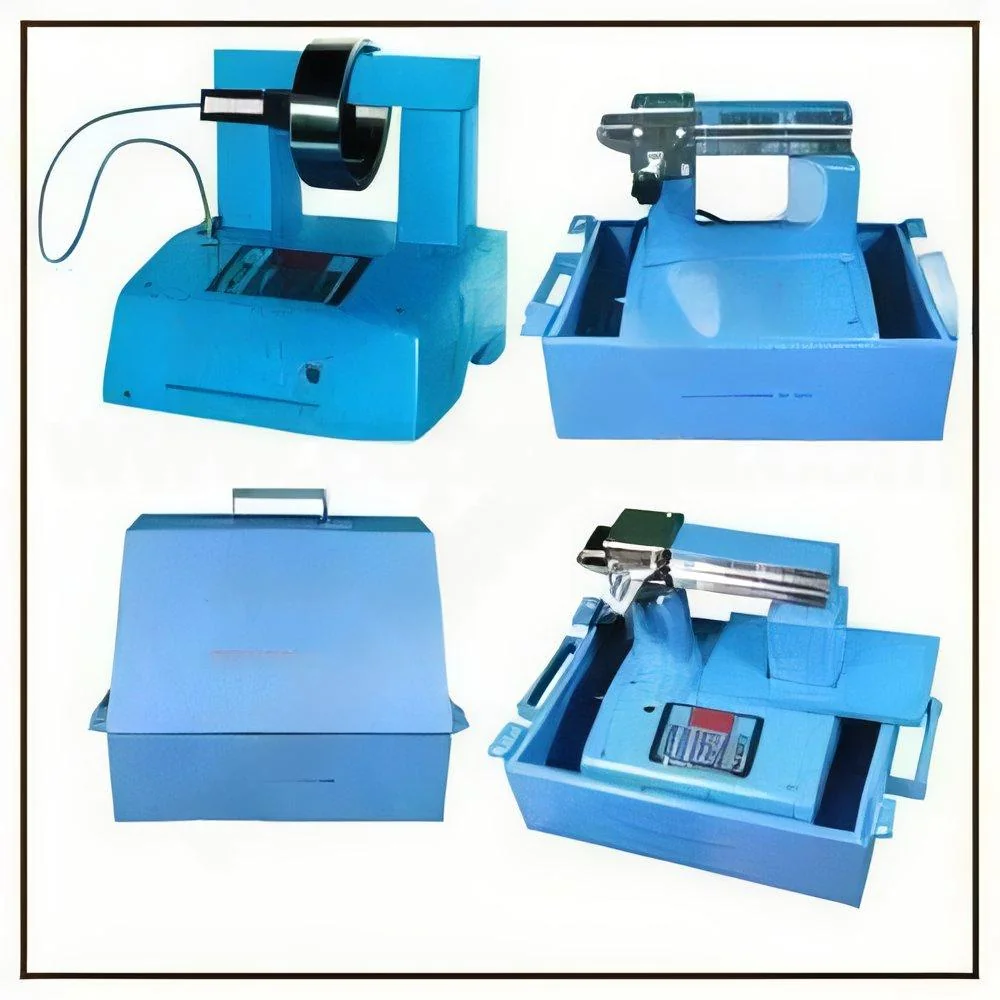
Portable Infrared Heaters
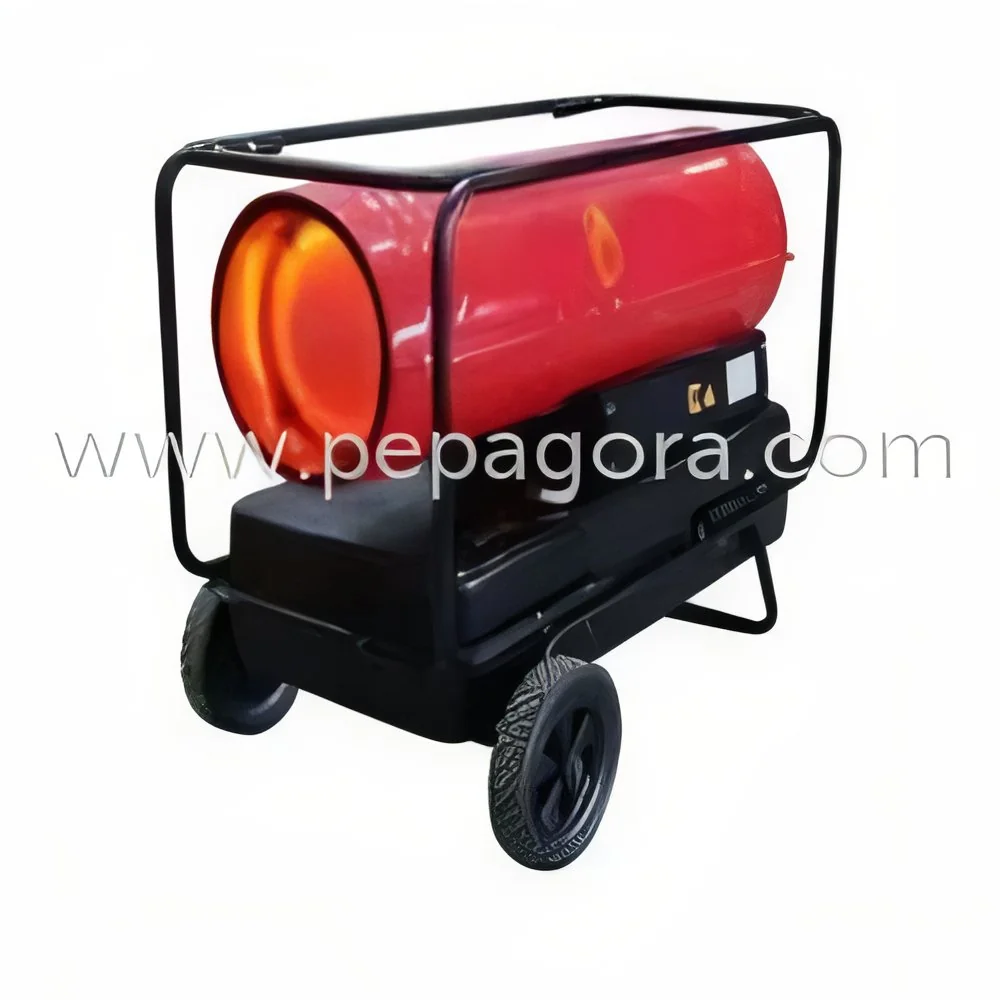
These versatile units can be easily moved from one location to another, making them ideal for temporary heating needs in various environments.
𝗕𝗲𝗻𝗲𝗳𝗶𝘁𝘀 𝗮𝗻𝗱 𝗔𝗱𝘃𝗮𝗻𝘁𝗮𝗴𝗲𝘀
Infrared heaters offer numerous benefits that make them a preferred choice for many businesses.
1. Energy Efficiency: Infrared heaters convert nearly all of their energy into heat, resulting in lower energy bills and reduced carbon footprints.
2. Quick Heating: They provide immediate warmth by directly heating objects and people, making them ideal for spaces that require rapid temperature control.
3. Reduced Air Movement: Unlike conventional heaters, infrared models do not circulate dust and allergens, creating a healthier environment.
4. Versatile Applications: Their ability to function in diverse environments makes them suitable for various industries, from manufacturing to agriculture.
5. Low Maintenance: Infrared heaters typically require minimal maintenance, reducing operational downtime and costs.
6. Long Lifespan: Many infrared heaters are designed for durability, providing reliable performance over extended periods.
𝗕𝘂𝘆𝗶𝗻𝗴 𝗚𝘂𝗶𝗱𝗲 𝗳𝗼𝗿 𝗕𝟮𝗕 𝗕𝘂𝘆𝗲𝗿𝘀
When sourcing infrared heaters for business applications, there are several critical factors to consider.
1. Quality Assessment: Evaluate the build quality and materials used in the heaters. Look for reputable brands that follow industry standards to ensure reliability and performance.
2. Supplier Verification: Vet suppliers carefully to ensure they have a proven track record of delivering quality products. Check reviews and ratings from previous customers.
3. Pricing and MOQ: Compare pricing across different suppliers while considering minimum order quantities. Ensure that pricing aligns with your budget and intended use.
4. Delivery and Lead Times: Understand the logistics involved in purchasing infrared heaters. Confirm expected delivery times to avoid disruptions in operations.
5. Compliance Requirements: Be aware of any regional compliance standards or certifications, such as CE, that may apply to infrared heaters in your industry.
𝗖𝗼𝗺𝗽𝗹𝗶𝗮𝗻𝗰𝗲 𝗮𝗻𝗱 𝗖𝗲𝗿𝘁𝗶𝗳𝗶𝗰𝗮𝘁𝗶𝗼𝗻𝘀
Compliance and certification are essential aspects of infrared heaters. Manufacturers often adhere to quality standards such as ISO 9001, which ensures consistent product quality and management practices.
In addition, industry certifications like CE indicate that the product meets European safety and environmental requirements. This certification is crucial for businesses operating in or exporting to European markets.
Safety and testing requirements are also significant. Infrared heaters must undergo rigorous testing to ensure they operate safely under various conditions.
Regional compliance considerations may vary, with specific regulations applicable in different countries. Businesses should familiarize themselves with these requirements to ensure that the infrared heaters they purchase meet all necessary standards.
𝗪𝗵𝘆 𝗦𝗼𝘂𝗿𝗰𝗲 𝗜𝗻𝗳𝗿𝗮𝗿𝗲𝗱 𝗛𝗲𝗮𝘁𝗲𝗿𝘀 𝗳𝗿𝗼𝗺 𝗣𝗲𝗽𝗮𝗴𝗼𝗿𝗮?
Pepagora provides a trusted platform for sourcing infrared heaters with several key advantages.
Verified Supplier Network: Pepagora connects buyers with a network of verified suppliers. Each supplier undergoes a thorough vetting process to ensure quality and reliability in their offerings.
Streamlined RFQ Process: The platform offers a streamlined Request for Quotation (RFQ) process, allowing buyers to easily obtain quotes from multiple suppliers. This efficiency saves time and promotes competitive pricing.
Trade Assurance and Support: Pepagora emphasizes buyer protection through trade assurance. This support ensures that buyers receive the products they ordered and that any disputes are handled fairly.
Regional Coverage: With a strong presence in India, the GCC, and Southeast Asia, Pepagora facilitates sourcing across diverse markets. This geographic reach makes it easier for businesses to find infrared heaters tailored to their specific needs.
<p>Infrared heaters are devices that utilize infrared radiation to directly heat objects and spaces. Unlike traditional heaters that warm up the air, infrared heaters emit infrared waves that are absorbed by surfaces and objects, providing efficient and immediate warmth.</p>
2
What are the different types of Infrared Heaters?
<p>There are several types of infrared heaters including electric infrared heaters, gas infrared heaters, and quartz infrared heaters. Each type operates on different energy sources and offers unique advantages, such as portability, efficiency, and installation flexibility.</p>
3
How do I choose the right Infrared Heaters?
<p>Choosing the right infrared heater involves considering factors such as the space size, heating requirements, and energy source. Additionally, evaluate features like safety mechanisms, installation options, and energy efficiency ratings to ensure optimal performance.</p>
4
What are the standard specifications for Infrared Heaters?
<p>Standard specifications for infrared heaters typically include power rating (in watts), heating area coverage, voltage requirements, and safety certifications. It's important to review these specifications to ensure compatibility with your intended use and environment.</p>
5
What is the price range for Infrared Heaters?
<p>The price range for infrared heaters varies widely based on type, brand, and features, typically starting from INR 3,000 and going up to INR 30,000 or more. Bulk purchases may also provide opportunities for cost savings.</p>
6
What quality standards apply to Infrared Heaters?
<p>Infrared heaters should comply with relevant safety and quality standards such as ISI or CE certifications in India. These standards ensure that the heaters are safe to use and meet performance benchmarks set by regulatory authorities.</p>
7
Where can I find Infrared Heaters suppliers in India?
<p>You can find infrared heater suppliers in India through various B2B marketplaces, trade shows, and industry directories. Websites like Pepagora.com offer a platform to connect with verified manufacturers and suppliers in the infrared heating sector.</p>
8
Can Infrared Heaters be customized?
<p>Yes, many manufacturers offer customization options for infrared heaters to meet specific requirements such as size, power output, and design. It's advisable to discuss your needs with suppliers to explore available customization opportunities.</p>
9
What is the typical minimum order quantity for Infrared Heaters?
<p>The typical minimum order quantity (MOQ) for infrared heaters can range from 10 to 50 units, depending on the manufacturer. It's best to confirm the MOQ with the supplier to ensure it aligns with your purchasing needs.</p>
10
What is the typical lead time for Infrared Heaters?
<p>The typical lead time for infrared heaters can vary from 2 to 6 weeks, depending on the manufacturer's production schedule and order size. Always check with the supplier for specific lead time estimates to plan your procurement effectively.</p>
Why Businesses Trust Pepagora
Thousands of companies trust Pepagora to source smarter and sell faster
Expand Your Sales Globally
25000+Products listed.Get discovered by global buyers

 IN
IN