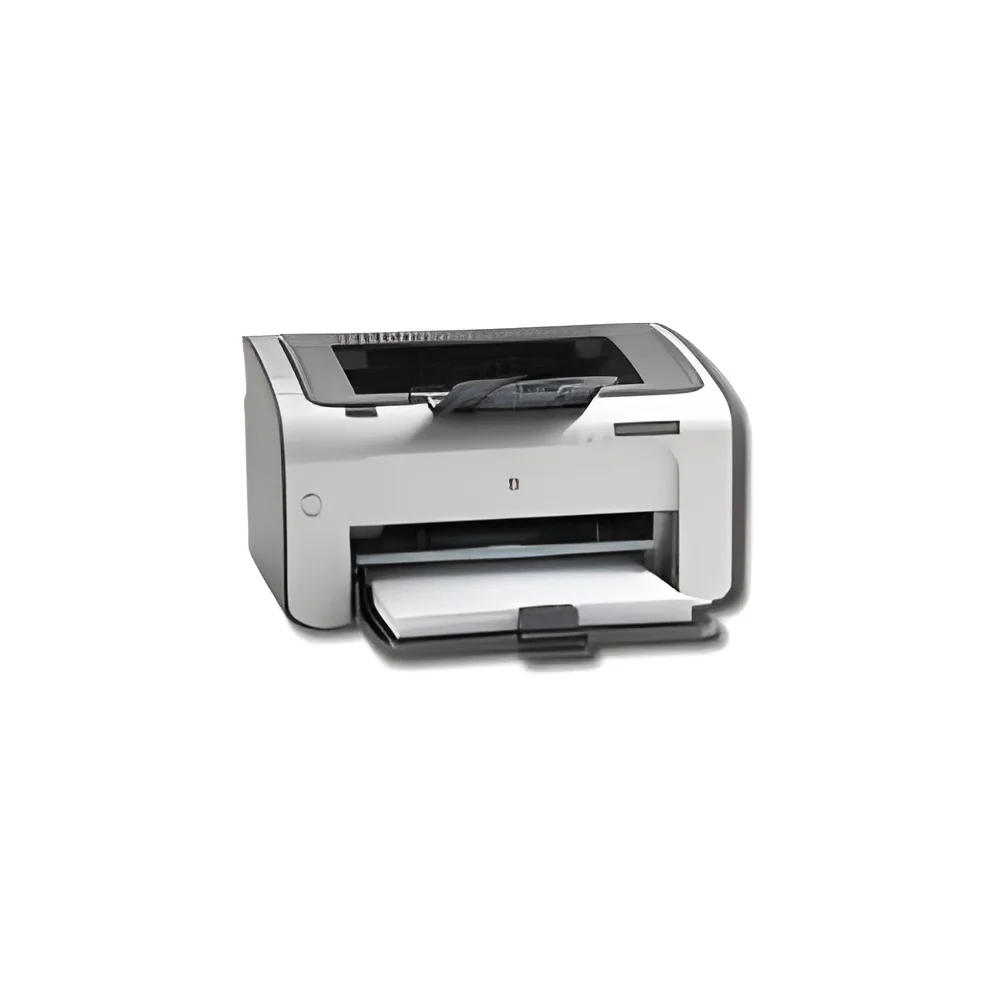
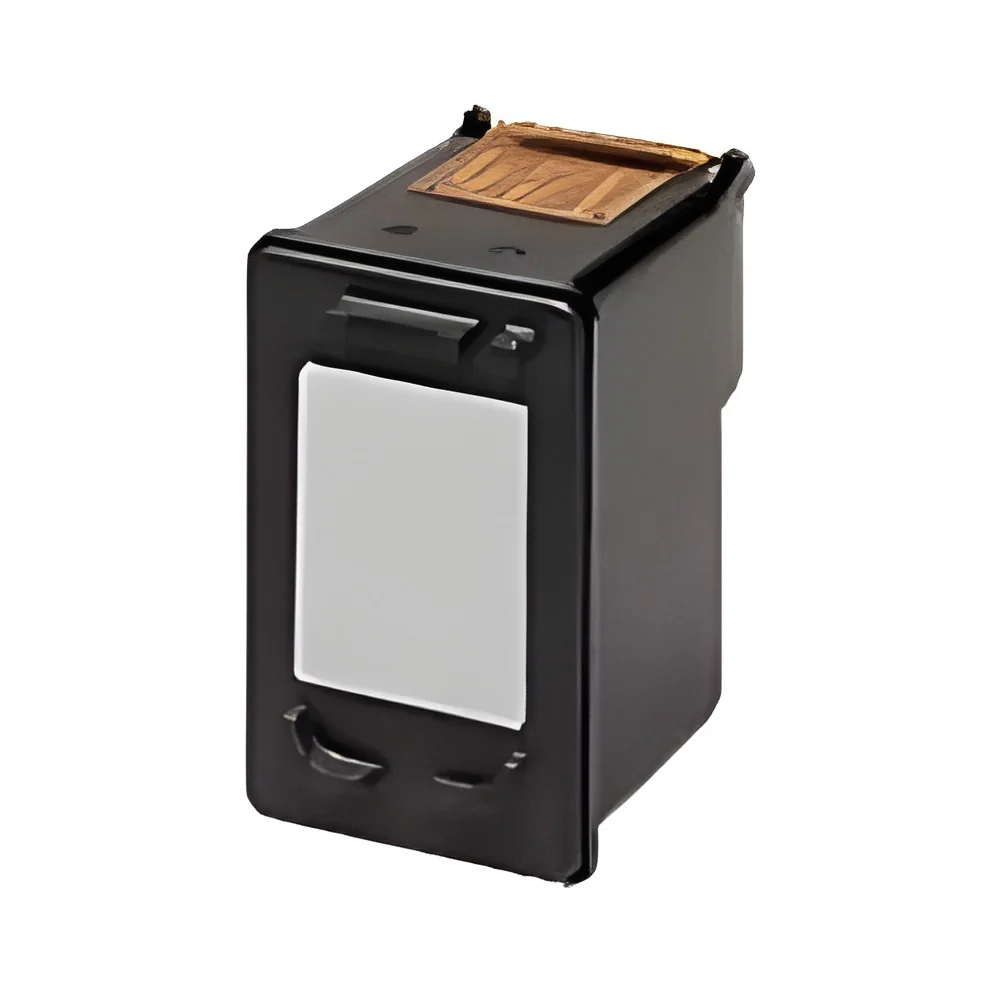
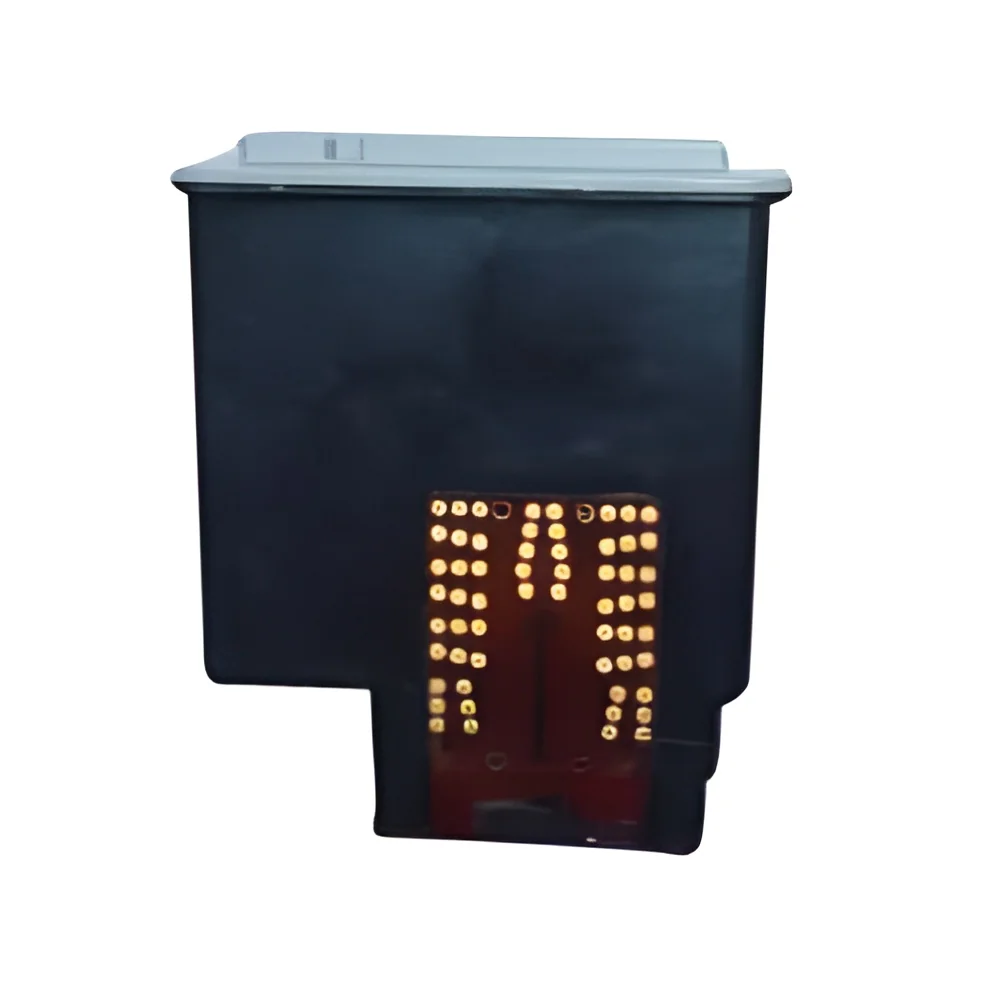
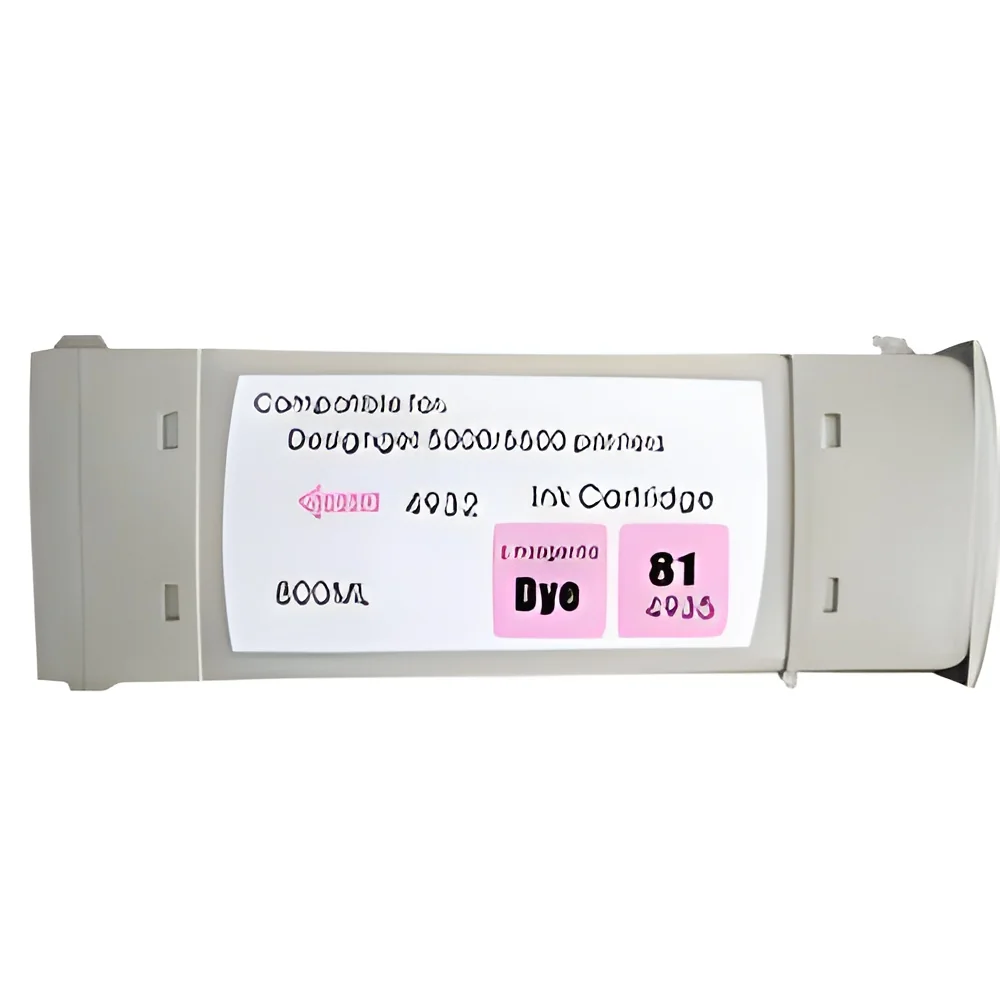
𝗪𝗵𝗮𝘁 𝗮𝗿𝗲 𝗜𝗻𝗸𝗷𝗲𝘁 𝗣𝗿𝗶𝗻𝘁𝗲𝗿 𝗖𝗮𝗿𝘁𝗿𝗶𝗱𝗴𝗲𝘀?
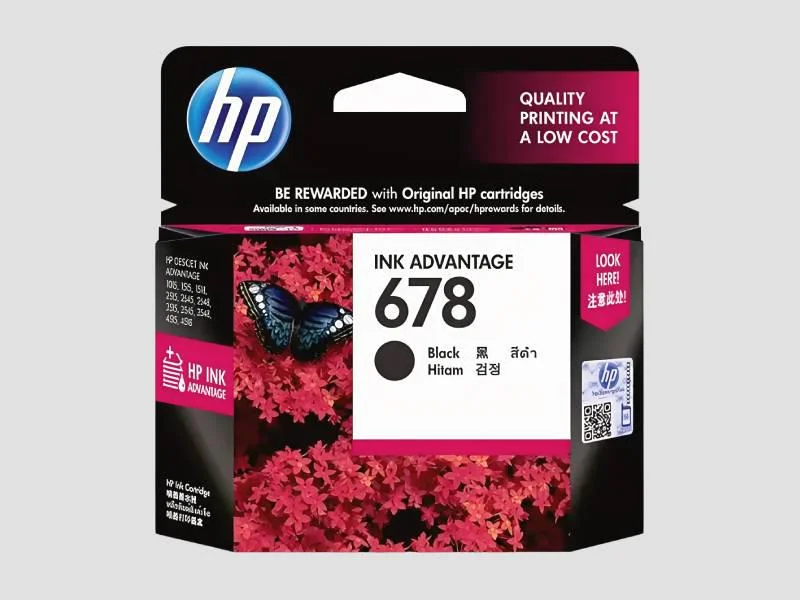
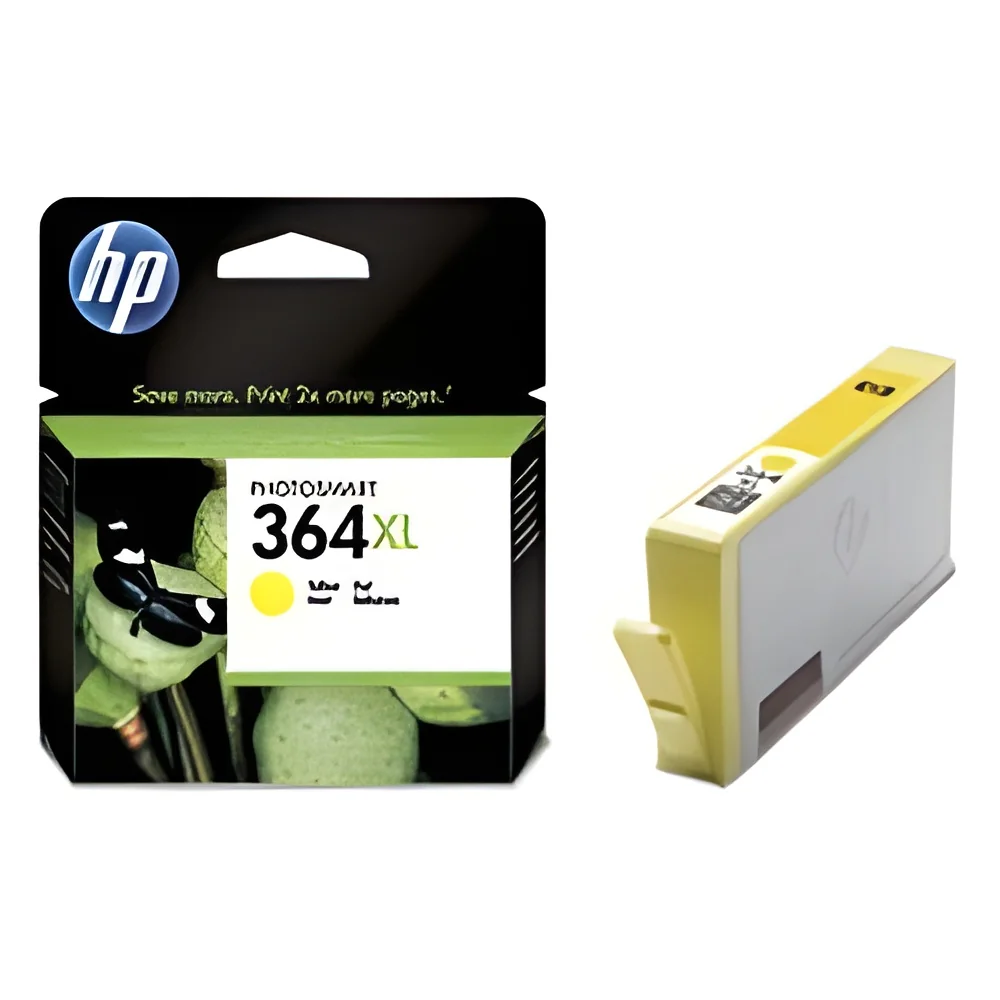
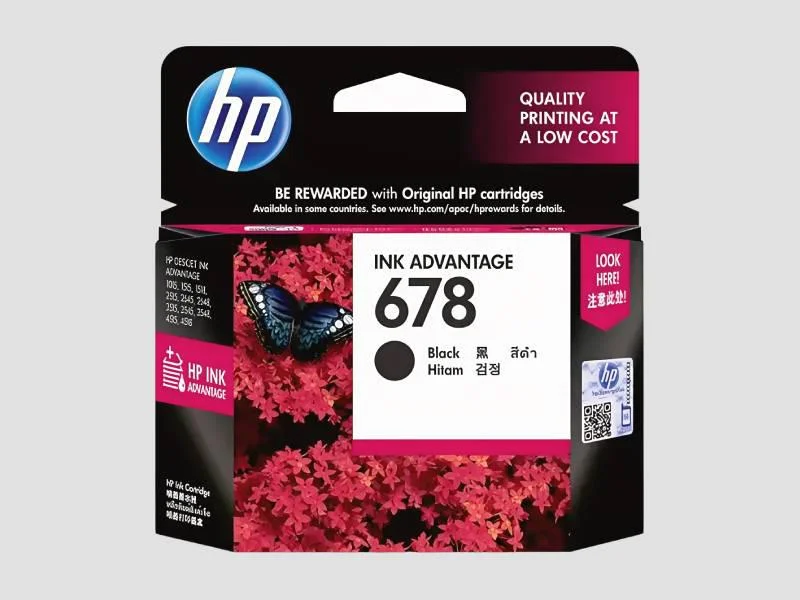
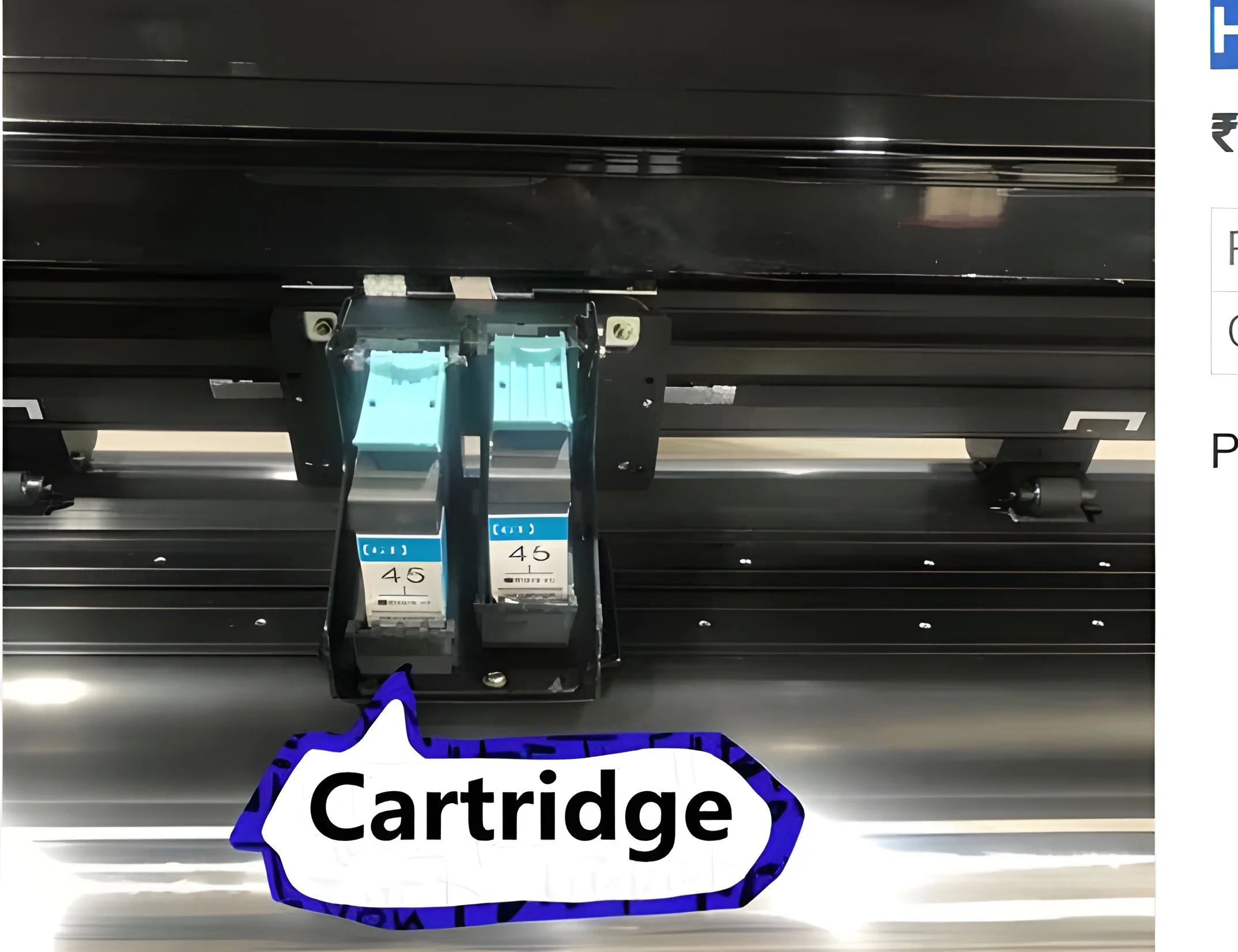
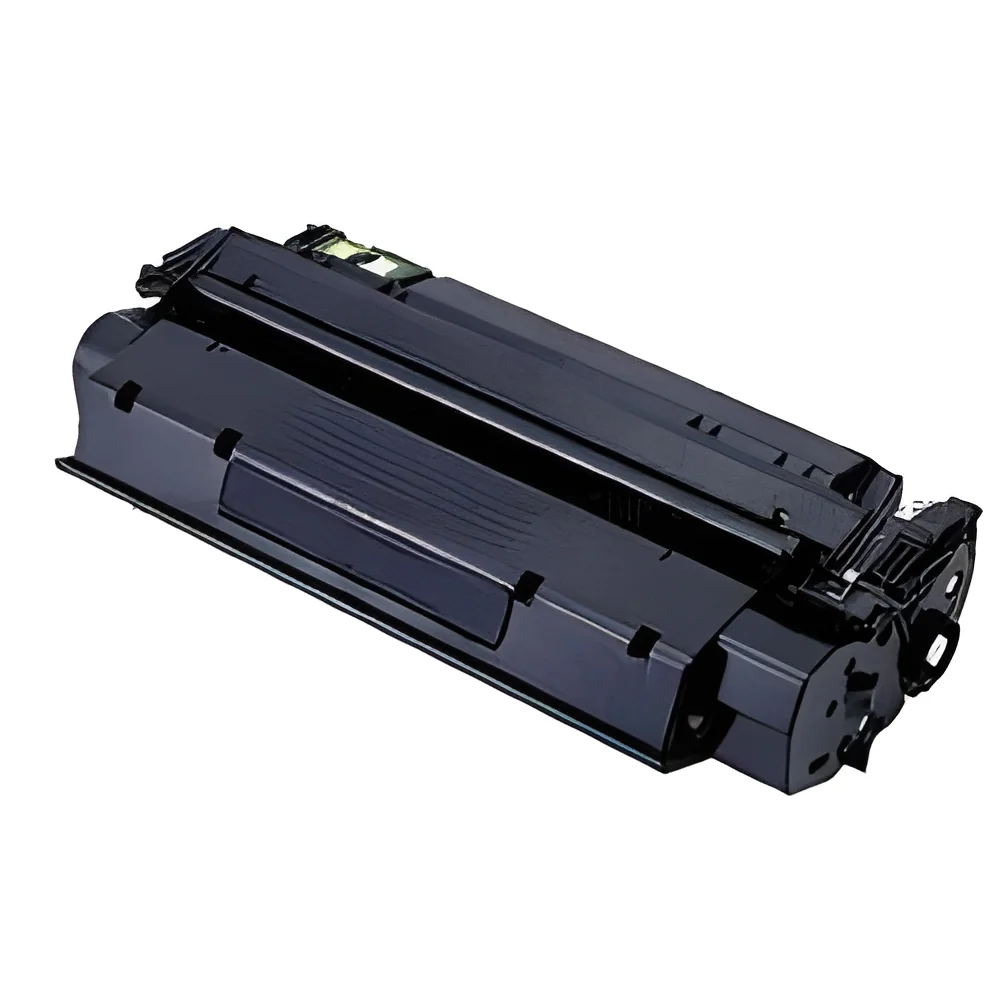
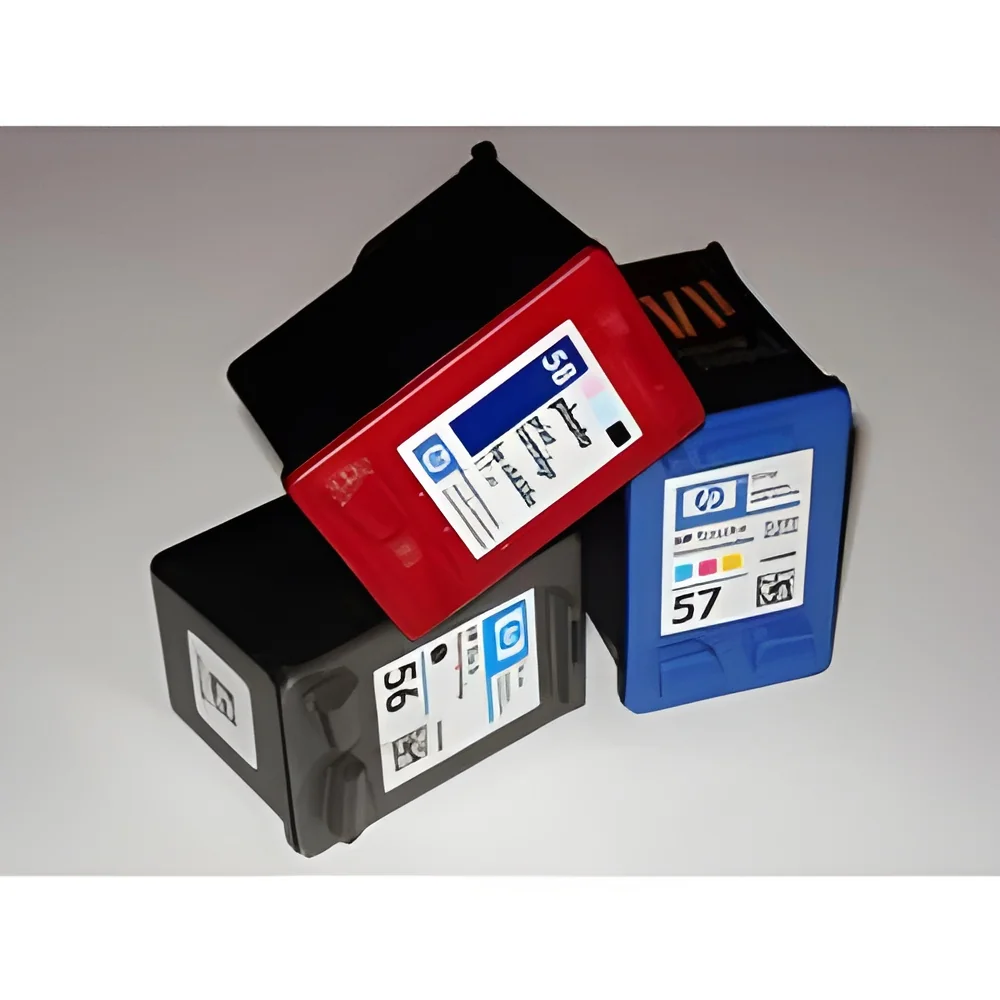
Inkjet printer cartridges are essential components of inkjet printers, responsible for delivering ink to the printer head for creating printed images and documents. These cartridges contain liquid ink that is ejected through small nozzles onto paper. Depending on the design, cartridges can be integrated with the print head or exist as separate units that hold ink. Their primary function is to facilitate high-quality printing across various media types.
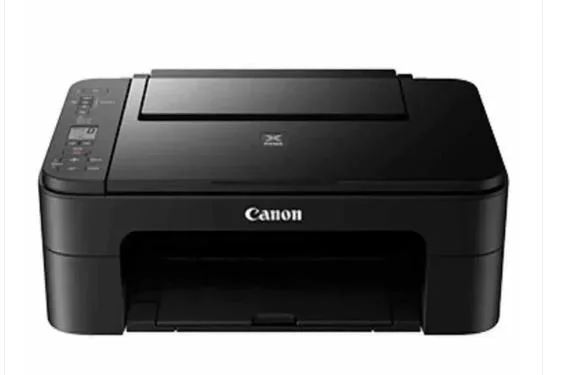
Businesses utilize inkjet printer cartridges for diverse applications, including producing marketing materials, product labels, and professional documents. They are widely used in offices, schools, and print shops due to their ease of use and ability to produce vibrant colors. The global market for inkjet printer cartridges remains significant, driven by the increasing demand for high-quality printing solutions in various industries.
𝗞𝗲𝘆 𝗙𝗲𝗮𝘁𝘂𝗿𝗲𝘀 𝗮𝗻𝗱 𝗦𝗽𝗲𝗰𝗶𝗳𝗶𝗰𝗮𝘁𝗶𝗼𝗻𝘀
Inkjet printer cartridges come with a range of features and specifications that impact their performance and usability. Understanding these specifications helps businesses select the right cartridges for their printing needs.
Key specifications include:
1. Ink Type
- Available types include dye-based and pigment-based inks.
- Dye-based inks offer bright colors, while pigment-based inks provide better durability and water resistance.
2. Page Yield
- Refers to the estimated number of pages that can be printed per cartridge.
- Page yield can vary significantly based on the cartridge size and ink type.
3. Compatibility
- Cartridges are designed to work with specific printer models and brands.
- Ensuring compatibility is crucial for optimal performance.
4. Color Options
- Cartridges are available in single colors (cyan, magenta, yellow, black) or as combined color cartridges.
- Color variations affect the quality and vibrancy of printed materials.
5. Size
- Cartridges come in standard and high-capacity sizes.
- High-capacity cartridges can reduce the frequency of replacements and overall printing costs.
6. Shelf Life
- Refers to how long cartridges can be stored before use without performance degradation.
- Proper storage conditions can extend shelf life.
7. Environmental Considerations
- Some cartridges are designed for recycling or are made from eco-friendly materials.
- This can be an important factor for environmentally conscious businesses.
8. Warranty
- Many manufacturers provide warranties that cover defects or performance issues.
- Warranties can provide peace of mind and assurance of quality.
In summary, understanding the features and specifications of inkjet printer cartridges is vital for selecting the right products that meet specific business needs.
𝗖𝗼𝗺𝗺𝗼𝗻 𝗔𝗽𝗽𝗹𝗶𝗰𝗮𝘁𝗶𝗼𝗻𝘀 𝗮𝗻𝗱 𝗨𝘀𝗲 𝗖𝗮𝘀𝗲𝘀
Inkjet printer cartridges are employed across various industries, each with unique printing requirements.
1. Education: Schools and universities use inkjet cartridges for printing educational materials, handouts, and presentations.
2. Marketing: Businesses in marketing produce brochures, flyers, and promotional materials that rely on high-quality color printing.
3. Healthcare: Medical facilities print patient records and labels, requiring precise and reliable printing solutions.
4. Retail: Retailers use inkjet cartridges for printing product labels, pricing tags, and signage.
5. Real Estate: Agents print marketing materials for property listings, necessitating vibrant and clear images.
6. Photography: Photographers use inkjet printers to produce high-quality prints that showcase their work.
7. Manufacturing: Manufacturers print labels for products and packaging, emphasizing the need for durability and clarity.
𝗣𝗿𝗼𝗱𝘂𝗰𝘁 𝗩𝗮𝗿𝗶𝗮𝗻𝘁𝘀 𝗮𝗻𝗱 𝗦𝘂𝗯𝗰𝗮𝘁𝗲𝗴𝗼𝗿𝗶𝗲𝘀
Inkjet printer cartridges come in various types, each designed to meet specific printing needs.
Standard Cartridges: These are the most common type, designed for regular printing tasks. They are typically affordable and easy to replace.
High-Capacity Cartridges: Designed for businesses with higher printing volumes, these cartridges offer more ink and a longer lifespan, reducing the need for frequent replacements.
Photo Cartridges: Specialized for high-resolution photo printing, these cartridges often contain additional colors to enhance image quality.
Compatible Cartridges: These are third-party cartridges designed to work with specific printer models. They can provide a cost-effective alternative to brand-name cartridges.
Remanufactured Cartridges: These cartridges are recycled and refilled, allowing for eco-friendly printing solutions while maintaining quality performance.
𝗕𝗲𝗻𝗲𝗳𝗶𝘁𝘀 𝗮𝗻𝗱 𝗔𝗱𝘃𝗮𝗻𝘁𝗮𝗴𝗲𝘀
Investing in quality inkjet printer cartridges offers numerous advantages for businesses.
1. Cost-Effectiveness: High-capacity cartridges reduce the cost per page, making them ideal for businesses with substantial printing needs.
2. Quality Output: Inkjet cartridges provide vibrant colors and detailed images, essential for marketing materials and professional documents.
3. Versatility: These cartridges can print on various media types, including glossy photo paper, labels, and standard paper.
4. Easy Installation: Most inkjet cartridges are designed for user-friendly installation, minimizing downtime during replacement.
5. Accessibility: A wide range of cartridges is available, ensuring compatibility with many printer models and brands.
6. Environmental Options: Many manufacturers offer cartridges made from recycled materials or designed for recycling, promoting sustainability.
𝗕𝘂𝘆𝗶𝗻𝗴 𝗚𝘂𝗶𝗱𝗲 𝗳𝗼𝗿 𝗕𝟮𝗕 𝗕𝘂𝘆𝗲𝗿𝘀
When sourcing inkjet printer cartridges, several factors should be considered to ensure the best purchase decision.
1. Quality Assessment: Evaluate the quality of the cartridges by reviewing manufacturer specifications and customer reviews. Look for trusted brands known for consistent performance.
2. Supplier Verification: Vet potential suppliers by checking their reputation, customer feedback, and reliability in delivering products on time. This ensures a smooth procurement process.
3. Pricing and MOQ: Understand the pricing structure and minimum order quantity (MOQ) requirements. Compare prices across different suppliers to find competitive rates.
4. Delivery and Lead Times: Assess the logistics capabilities of suppliers, including their delivery times. Reliable delivery schedules are essential for maintaining uninterrupted business operations.
5. Compliance Requirements: Be aware of any regulatory requirements that may apply to inkjet cartridges, including safety standards and environmental regulations. Ensure suppliers meet these criteria.
𝗖𝗼𝗺𝗽𝗹𝗶𝗮𝗻𝗰𝗲 𝗮𝗻𝗱 𝗖𝗲𝗿𝘁𝗶𝗳𝗶𝗰𝗮𝘁𝗶𝗼𝗻𝘀
Compliance with relevant quality standards and certifications is paramount for inkjet printer cartridges. Key standards include ISO 9001, which focuses on maintaining high-quality management systems. This ensures consistent product quality and customer satisfaction.
Additionally, certifications like CE indicate that products meet European safety and health standards, providing confidence in their safety for users. Compliance with safety and testing requirements ensures that the cartridges perform reliably and safely during use.
Regional compliance considerations may also play a role in sourcing decisions, as different regions may have specific regulations governing product standards. Businesses should ensure that their suppliers adhere to these regulations to mitigate risks associated with non-compliance.
𝗪𝗵𝘆 𝗦𝗼𝘂𝗿𝗰𝗲 𝗜𝗻𝗸𝗷𝗲𝘁 𝗣𝗿𝗶𝗻𝘁𝗲𝗿 𝗖𝗮𝗿𝘁𝗿𝗶𝗱𝗴𝗲𝘀 𝗳𝗿𝗼𝗺 𝗣𝗲𝗽𝗮𝗴𝗼𝗿𝗮?
Pepagora is a trusted platform for sourcing inkjet printer cartridges, offering several key advantages to B2B buyers.
Verified Supplier Network: Pepagora connects businesses with a network of verified suppliers. Each supplier is vetted for reliability, ensuring that buyers can trust the quality of products they receive.
Streamlined RFQ Process: The request for quotation (RFQ) process on Pepagora is designed to be efficient. Buyers can quickly obtain quotes from multiple suppliers, making it easier to compare prices and terms.
Trade Assurance and Support: Pepagora provides trade assurance, protecting buyers from potential disputes. The platform also offers customer support to assist with any inquiries or issues that may arise during the sourcing process.
Regional Coverage: With a strong presence in regions like India, the GCC, and Southeast Asia, Pepagora offers buyers access to a diverse range of suppliers. This geographic reach allows businesses to find suitable cartridges that meet their specific needs while benefiting from competitive pricing and local support.
Inkjet printer cartridges are replaceable components in inkjet printers that contain ink used for printing. They come in various colors and types, providing the necessary ink for producing documents and images on paper.
2
What are the different types of Inkjet Printer Cartridges?
There are generally two types of inkjet printer cartridges: separate and combined. Separate cartridges contain individual colors, while combined cartridges house multiple colors in one unit, affecting the printing process and cost.
3
How do I choose the right Inkjet Printer Cartridges?
To choose the right inkjet printer cartridges, consider the printer model and manufacturer specifications. Additionally, assess the required color options and whether you need standard or high-capacity cartridges based on your printing volume.
4
What are the standard specifications for Inkjet Printer Cartridges?
Standard specifications for inkjet printer cartridges include ink type (dye or pigment), page yield, and compatibility with specific printer models. Always refer to the printer manual for detailed compatibility information.
5
What is the price range for Inkjet Printer Cartridges?
The price range for inkjet printer cartridges can vary significantly based on the brand and type. Generally, prices can range from INR 500 to INR 3,000 or more, depending on the cartridge's capacity and features.
6
What quality standards apply to Inkjet Printer Cartridges?
Quality standards for inkjet printer cartridges typically include certifications for color accuracy, fade resistance, and print longevity. Manufacturers often adhere to industry standards to ensure compatibility and performance.
7
Where can I find Inkjet Printer Cartridges suppliers in India?
You can find inkjet printer cartridge suppliers in India through online B2B marketplaces like Pepagora.com, trade shows, and local electronics or office supply stores. Researching reviews and ratings can help identify reputable suppliers.
8
Can Inkjet Printer Cartridges be customized?
Yes, some manufacturers offer customization options for inkjet printer cartridges, such as specific ink colors or branding. However, customization may require a minimum order quantity and additional lead time.
9
What is the typical minimum order quantity for Inkjet Printer Cartridges?
The typical minimum order quantity (MOQ) for inkjet printer cartridges varies by supplier, often ranging from 10 to 100 units. It's best to check with individual suppliers for their specific MOQs.
10
What is the typical lead time for Inkjet Printer Cartridges?
The typical lead time for inkjet printer cartridges can vary from a few days to several weeks, depending on the supplier's inventory and shipping options. Always confirm lead times when placing an order.
Why Businesses Trust Pepagora
Thousands of companies trust Pepagora to source smarter and sell faster
Expand Your Sales Globally
25000+Products listed.Get discovered by global buyers

 IN
IN