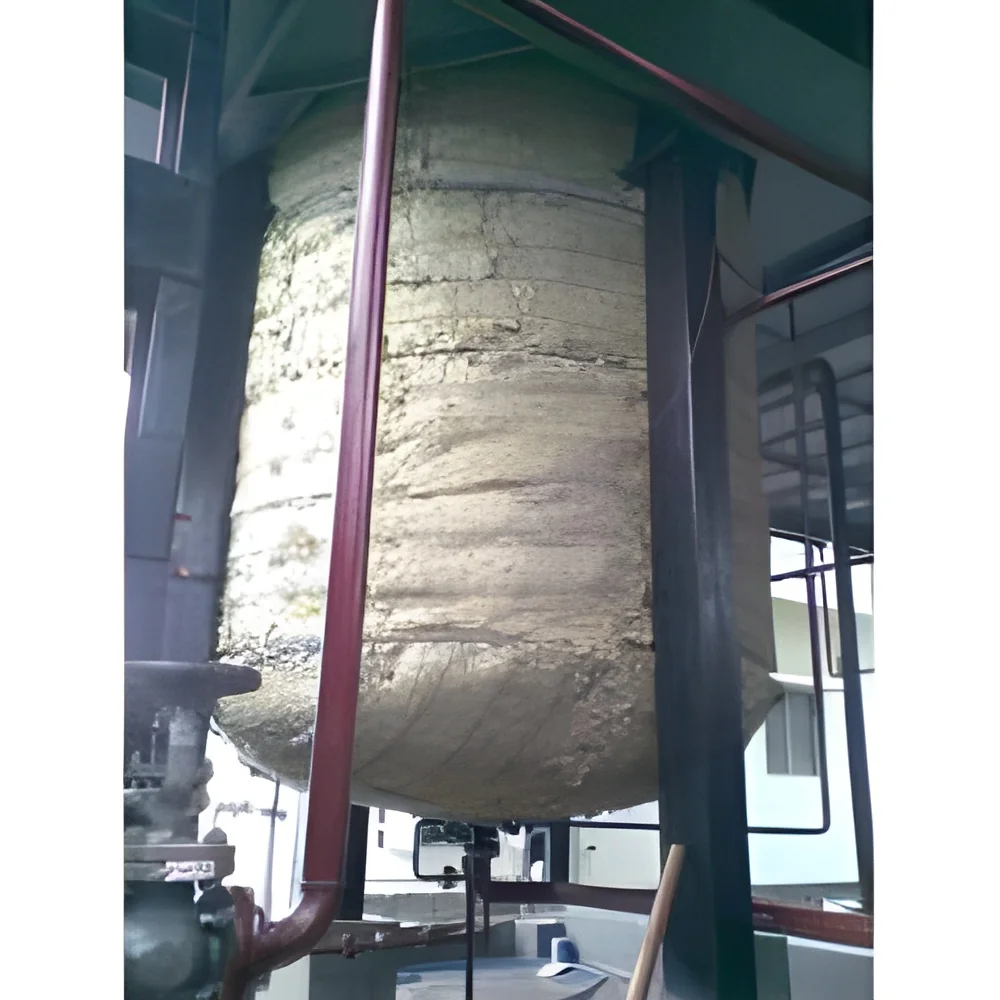
𝗪𝗵𝗮𝘁 𝗮𝗿𝗲 𝗜𝗻𝘀𝘂𝗹𝗮𝘁𝗶𝗼𝗻 𝗖𝗼𝗻𝘁𝗿𝗮𝗰𝘁𝗼𝗿𝘀 & 𝗔𝗽𝗽𝗹𝗶𝗰𝗮𝘁𝗼𝗿𝘀?
Insulation contractors and applicators are specialized professionals who focus on the installation and application of insulation materials in various settings. These contractors are skilled in choosing the right type of insulation based on specific project needs, ensuring that structures are energy-efficient and comfortable. Their expertise helps in minimizing heat loss or gain, which is critical in both residential and commercial properties.
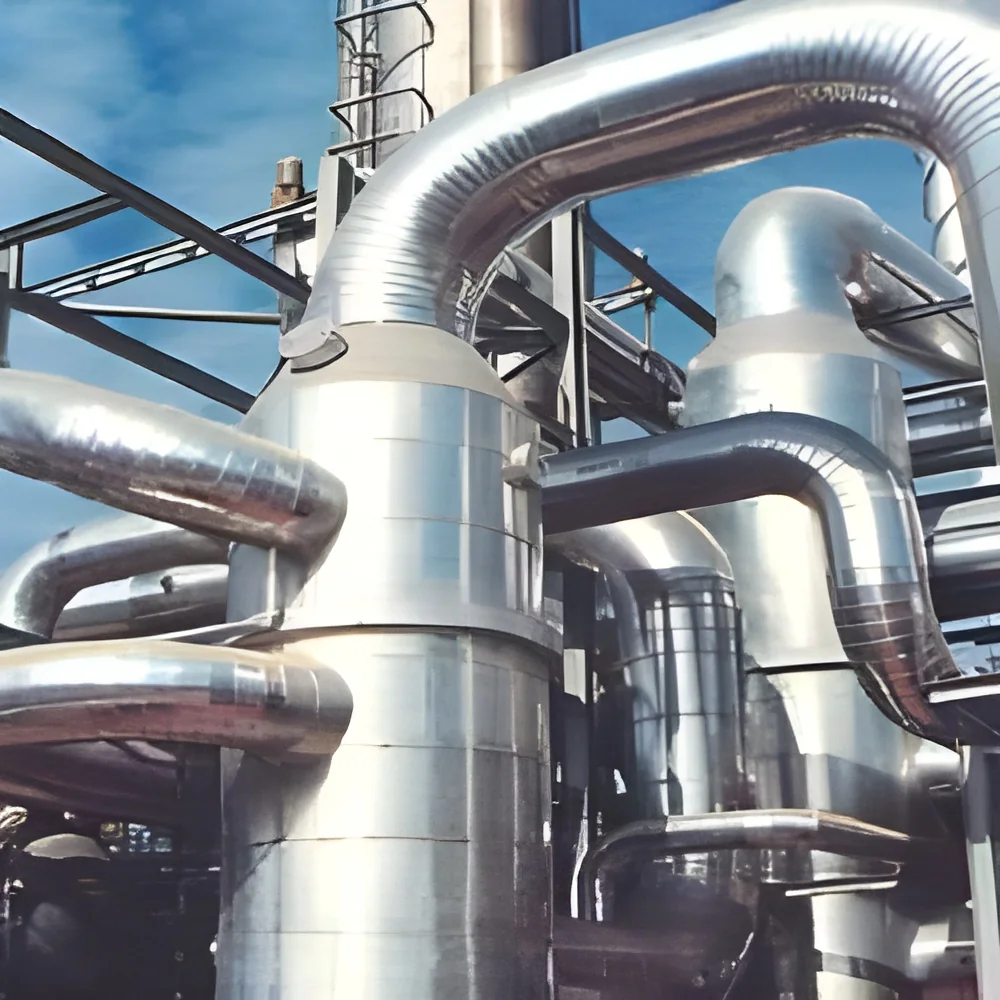
The primary uses of insulation contractors and applicators include residential buildings, commercial spaces, industrial facilities, and specialized applications such as HVAC systems. By utilizing various insulation products, these professionals contribute to energy savings, noise reduction, and overall occupant comfort. Their role is vital in meeting building codes and enhancing the sustainability of construction projects.
In the current market, insulation contractors and applicators are essential due to increasing energy costs and growing awareness of environmental issues. The demand for energy-efficient solutions continues to rise, making insulation a critical component in modern construction and renovation projects. As regulations around energy efficiency become stricter, the expertise provided by insulation contractors is increasingly sought after.
𝗞𝗲𝘆 𝗙𝗲𝗮𝘁𝘂𝗿𝗲𝘀 𝗮𝗻𝗱 𝗦𝗽𝗲𝗰𝗶𝗳𝗶𝗰𝗮𝘁𝗶𝗼𝗻𝘀
Insulation contractors and applicators offer several key features that enhance their services. These features often include a range of insulation materials, professional installation techniques, and compliance with industry standards. Their expertise allows them to assess specific project requirements and recommend solutions that optimize performance and cost-effectiveness.
Key specifications include:
1. Material Variety
- Includes fiberglass, foam board, spray foam, and cellulose
- Each material comes with distinct thermal resistance values and applications
2. Installation Methods
- Techniques include blown-in, batt, and spray application
- Each method impacts the insulation's effectiveness and suitability for different projects
3. Energy Efficiency Ratings
- Insulation materials are rated by their R-value, indicating resistance to heat flow
- Higher R-values indicate better insulation performance
4. Compliance Standards
- Adherence to local building codes and energy efficiency regulations
- Ensures safety and effectiveness of insulation applications
5. Custom Solutions
- Tailored insulation plans based on specific building designs and requirements
- Ability to provide recommendations for both new construction and retrofits
6. Safety Features
- Use of non-toxic materials and adherence to safety standards during installation
- Minimizes health hazards for both contractors and building occupants
7. Warranty and Support
- Many contractors provide warranties on their workmanship and materials
- Ongoing support for maintenance and inspection services
In summary, insulation contractors and applicators combine technical expertise with a diverse range of materials and methods to deliver effective insulation solutions that meet both customer needs and regulatory standards.
𝗖𝗼𝗺𝗺𝗼𝗻 𝗔𝗽𝗽𝗹𝗶𝗰𝗮𝘁𝗶𝗼𝗻𝘀 𝗮𝗻𝗱 𝗨𝘀𝗲 𝗖𝗮𝘀𝗲𝘀
Insulation contractors and applicators serve a wide range of industries, each requiring specialized insulation solutions. Their services are crucial in enhancing energy efficiency and comfort across various applications.
1. Residential Construction: Insulation contractors work with homeowners and builders to insulate new homes or renovate existing spaces, focusing on areas like attics, walls, and basements.
2. Commercial Buildings: In commercial settings, insulation is applied to optimize energy usage, improve acoustics, and meet regulatory requirements for buildings such as offices, schools, and hospitals.
3. Industrial Facilities: Insulation contractors assist in maintaining temperature control in manufacturing plants and warehouses, helping to protect equipment and products from temperature fluctuations.
4. HVAC Systems: These professionals apply insulation in heating, ventilation, and air conditioning systems to enhance efficiency and reduce energy costs.
5. Agriculture: Insulation is used in agricultural buildings to maintain optimal conditions for livestock and storage of perishable goods.
6. Transportation: Insulation contractors work with manufacturers of vehicles and ships to improve thermal management and reduce noise, enhancing comfort and performance.
7. Renewable Energy: Insulation is crucial in renewable energy projects, such as solar panel installations and energy-efficient retrofits, to maximize energy savings.
𝗣𝗿𝗼𝗱𝘂𝗰𝘁 𝗩𝗮𝗿𝗶𝗮𝗻𝘁𝘀 𝗮𝗻𝗱 𝗦𝘂𝗯𝗰𝗮𝘁𝗲𝗴𝗼𝗿𝗶𝗲𝘀
The field of insulation contractors and applicators offers a variety of services and approaches tailored to specific needs. Each variant caters to different applications and materials.
Spray Foam Insulation
This variant involves the application of a liquid foam that expands upon contact, creating an airtight seal. It is highly effective for irregularly shaped spaces and provides excellent thermal performance.
Fiberglass Insulation
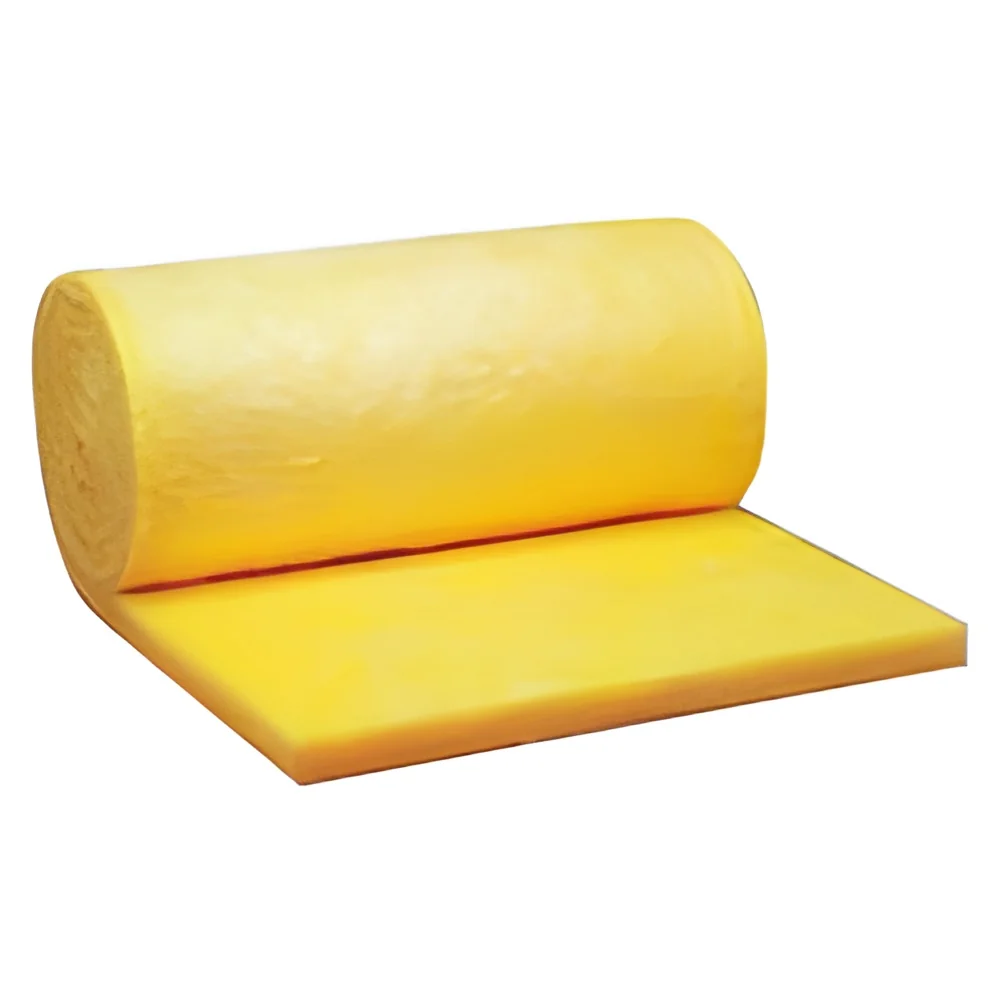
Fiberglass insulation comes in batts or loose-fill forms and is known for its affordability and effectiveness. It is commonly used in residential and commercial applications for walls and attics.
Cellulose Insulation
Made from recycled paper products, cellulose insulation is an eco-friendly option. It is often used in retrofits and new constructions, providing good thermal performance and soundproofing.
𝗕𝗲𝗻𝗲𝗳𝗶𝘁𝘀 𝗮𝗻𝗱 𝗔𝗱𝘃𝗮𝗻𝘁𝗮𝗴𝗲𝘀
Insulation contractors and applicators offer numerous benefits to businesses and homeowners alike. Their services contribute significantly to energy conservation and comfort.
1. Energy Efficiency: Proper insulation reduces energy consumption by minimizing heat transfer, leading to lower utility bills.
2. Improved Comfort: Insulation helps maintain consistent indoor temperatures, enhancing comfort for occupants.
3. Noise Reduction: Quality insulation materials can significantly reduce sound transmission between spaces, creating quieter environments.
4. Environmental Impact: By improving energy efficiency, insulation solutions contribute to reduced carbon footprints and promote sustainability.
5. Increased Property Value: Well-insulated properties often have a higher market value due to their energy efficiency and comfort.
6. Compliance with Regulations: Insulation contractors ensure that installations meet local codes and energy efficiency standards, avoiding potential fines and issues.
𝗕𝘂𝘆𝗶𝗻𝗴 𝗚𝘂𝗶𝗱𝗲 𝗳𝗼𝗿 𝗕𝟮𝗕 𝗕𝘂𝘆𝗲𝗿𝘀
When considering insulation contractors and applicators, B2B buyers should evaluate several key factors to ensure they select the right partner.
1. Quality Assessment: Assess the quality of materials and workmanship offered by contractors. Look for those with a proven track record and positive reviews from previous clients.
2. Supplier Verification: Verify the credentials and certifications of potential contractors. Check for industry certifications that reflect their expertise and adherence to standards.
3. Pricing and MOQ: Understand the pricing structure and minimum order quantities required for services. Compare quotes from multiple contractors to find the best value.
4. Delivery and Lead Times: Consider the contractor's ability to meet deadlines. Timely delivery and installation are crucial for project schedules.
5. Compliance Requirements: Ensure that the contractor is knowledgeable about and compliant with local regulations and building codes, as this can impact project success.
𝗖𝗼𝗺𝗽𝗹𝗶𝗮𝗻𝗰𝗲 𝗮𝗻𝗱 𝗖𝗲𝗿𝘁𝗶𝗳𝗶𝗰𝗮𝘁𝗶𝗼𝗻𝘀
Insulation contractors and applicators must adhere to various compliance and certification standards to ensure quality and safety in their work.
Relevant quality standards such as ISO 9001 ensure that contractors maintain effective quality management systems. This standard focuses on continuous improvement and customer satisfaction.
Industry certifications like UL and CE indicate that products meet stringent safety and performance criteria. These certifications are crucial for ensuring that insulation materials are safe for use in construction.
Safety and testing requirements also play a significant role in the industry. Contractors must comply with safety regulations to protect workers and occupants from hazards associated with insulation materials.
Additionally, regional compliance considerations may vary based on local laws and building codes. Insulation contractors must stay informed about these regulations to ensure their work meets all necessary requirements.
𝗪𝗵𝘆 𝗦𝗼𝘂𝗿𝗰𝗲 𝗜𝗻𝘀𝘂𝗹𝗮𝘁𝗶𝗼𝗻 𝗖𝗼𝗻𝘁𝗿𝗮𝗰𝘁𝗼𝗿𝘀 & 𝗔𝗽𝗽𝗹𝗶𝗰𝗮𝘁𝗼𝗿𝘀 𝗳𝗿𝗼𝗺 𝗣𝗲𝗽𝗮𝗴𝗼𝗿𝗮?
Pepagora offers a trusted platform for sourcing insulation contractors and applicators, providing several key advantages for businesses.
Verified Supplier Network: Pepagora maintains a network of verified suppliers, ensuring that buyers can connect with reputable contractors who meet industry standards and requirements.
Streamlined RFQ Process: The platform features a streamlined request for quotation (RFQ) process, simplifying the steps for buyers to request and receive competitive quotes from multiple contractors.
Trade Assurance and Support: Buyers benefit from trade assurance measures that protect their transactions. Pepagora provides support throughout the sourcing process to address any concerns.
Regional Coverage: With a strong presence in India, the GCC, and Southeast Asia, Pepagora offers extensive regional coverage, allowing buyers to access local contractors who understand specific market needs and regulations.
By choosing Pepagora, businesses can confidently source insulation contractors and applicators, ensuring quality and reliability in their insulation projects.
Insulation Contractors & Applicators are specialized professionals who install insulation materials in buildings and industrial facilities. Their primary role is to enhance energy efficiency and thermal comfort by reducing heat loss or gain.
2
What are the different types of Insulation Contractors & Applicators?
There are several types of Insulation Contractors & Applicators, including those who specialize in thermal insulation, acoustic insulation, and fireproofing. Each type focuses on specific insulation materials and applications, catering to various building needs.
3
How do I choose the right Insulation Contractors & Applicators?
Choosing the right Insulation Contractors & Applicators involves evaluating their experience, qualifications, and past projects. It's also beneficial to check reviews and seek recommendations from previous clients to ensure reliability and quality.
4
What are the standard specifications for Insulation Contractors & Applicators?
Standard specifications for Insulation Contractors & Applicators typically include compliance with building codes, safety regulations, and industry standards for insulation materials. It's important that contractors adhere to these specifications to ensure effective insulation performance.
5
What is the price range for Insulation Contractors & Applicators?
The price range for Insulation Contractors & Applicators can vary widely based on the type of insulation, project size, and location. Generally, costs can range from a few thousand to several lakhs of Indian Rupees, depending on the complexity and materials used.
6
What quality standards apply to Insulation Contractors & Applicators?
Quality standards for Insulation Contractors & Applicators include adherence to ISO certifications, local building codes, and industry-specific guidelines. These standards ensure that insulation is installed correctly and performs as intended.
7
Where can I find Insulation Contractors & Applicators suppliers in India?
You can find Insulation Contractors & Applicators suppliers in India through B2B marketplaces like Pepagora.com, trade shows, and industry directories. Online platforms often provide a list of verified suppliers along with customer reviews.
8
Can Insulation Contractors & Applicators be customized?
Yes, Insulation Contractors & Applicators can offer customized solutions tailored to specific building requirements. This may include selecting particular insulation materials or designing installation methods that meet unique project needs.
9
What is the typical minimum order quantity for Insulation Contractors & Applicators?
The typical minimum order quantity (MOQ) for Insulation Contractors & Applicators can vary based on the supplier and project scope. Generally, MOQs can range from small quantities for residential projects to larger orders for commercial applications.
10
What is the typical lead time for Insulation Contractors & Applicators?
The typical lead time for Insulation Contractors & Applicators depends on the project's size and complexity. Generally, lead times can range from a few days for small projects to several weeks for larger installations.
Why Businesses Trust Pepagora
Thousands of companies trust Pepagora to source smarter and sell faster
Expand Your Sales Globally
25000+Products listed.Get discovered by global buyers

 IN
IN