What are Integrated Circuits (ICs)?
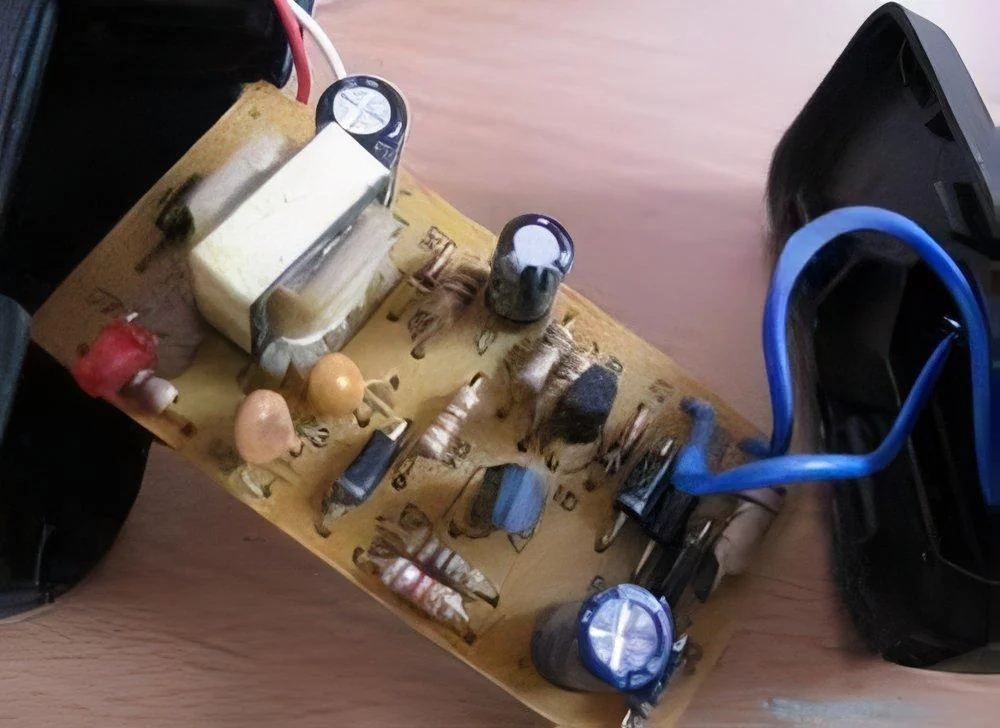
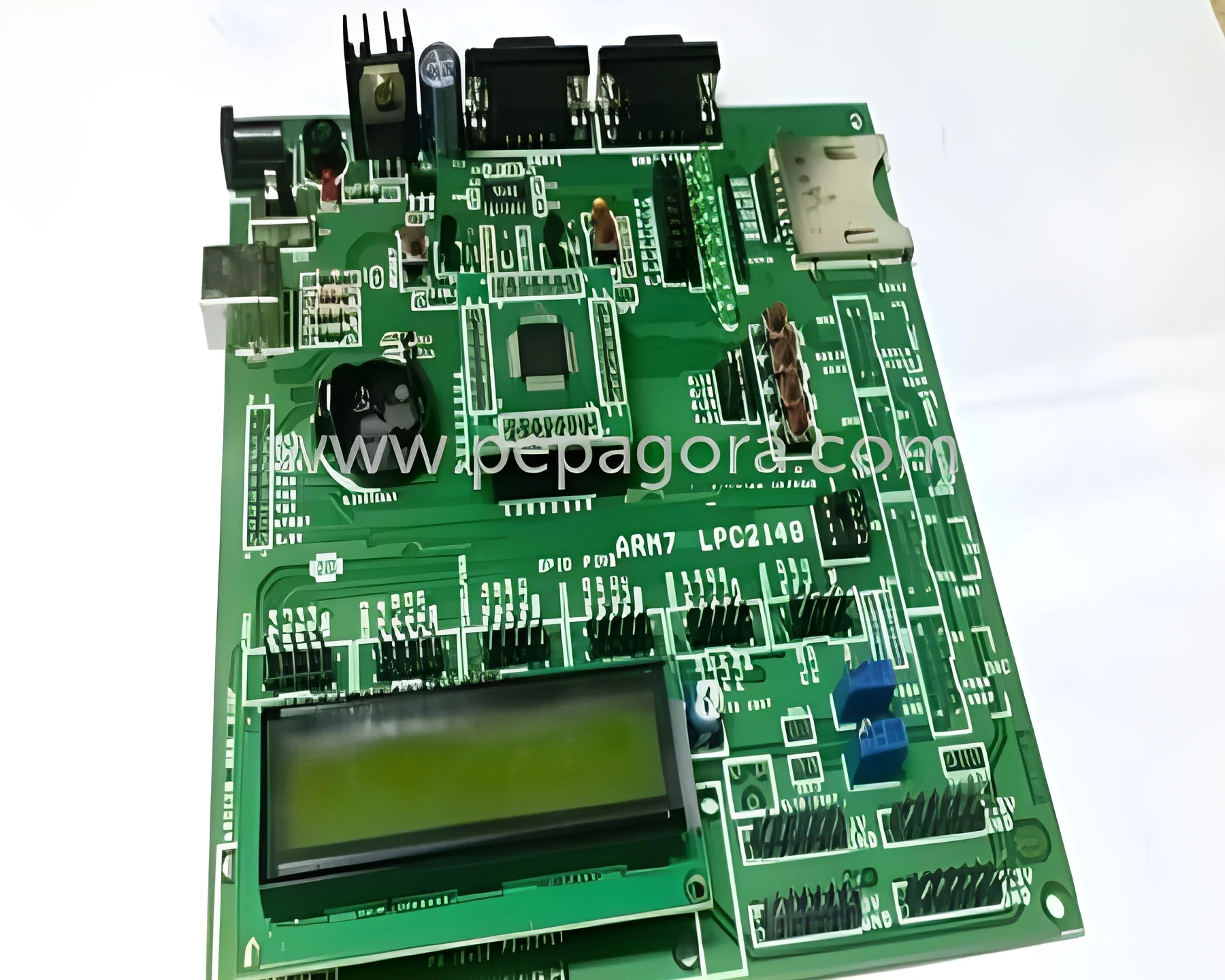
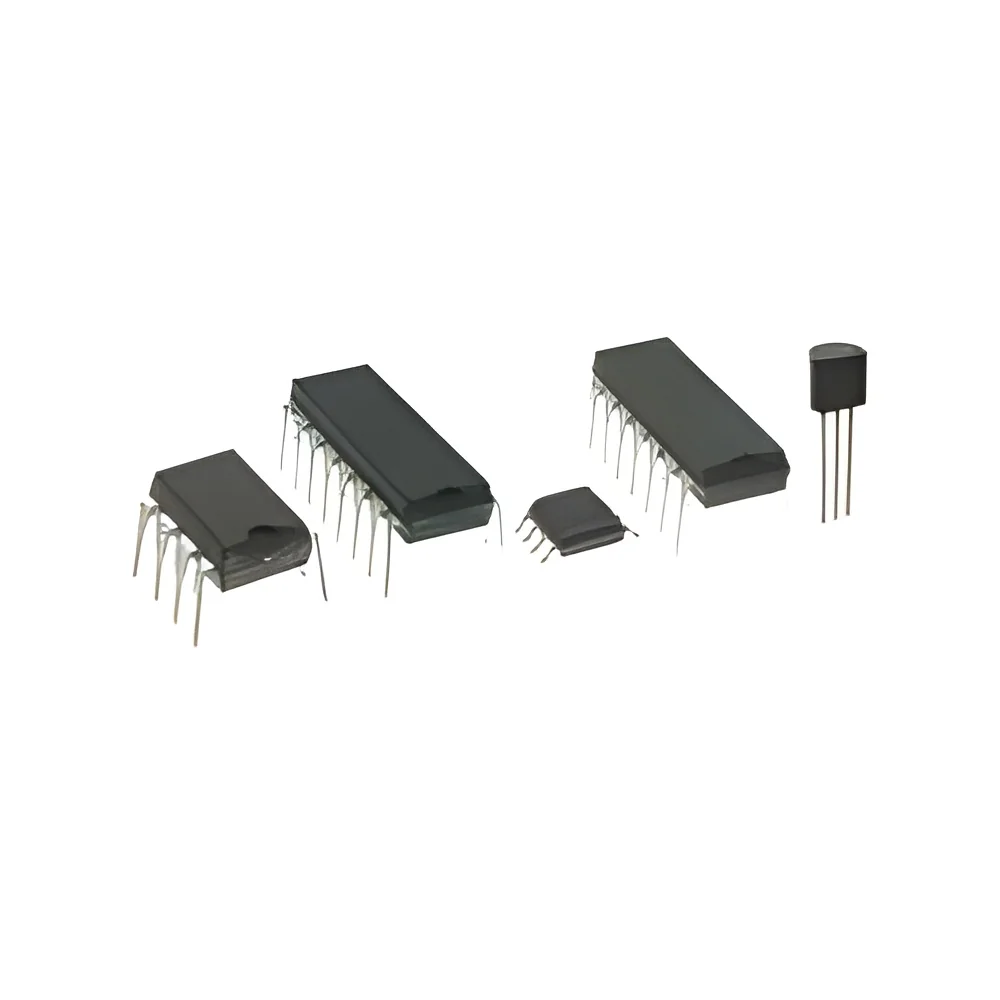
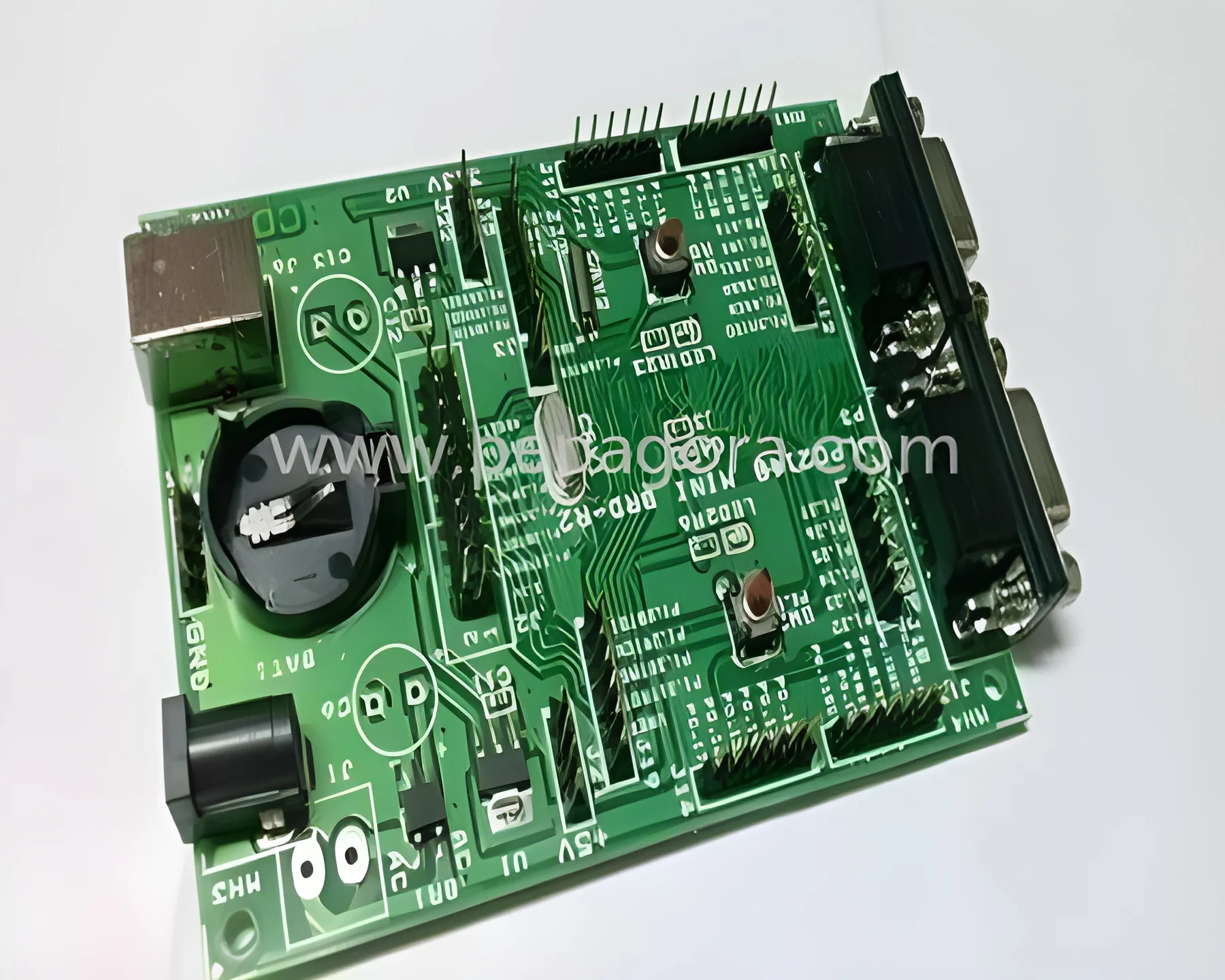
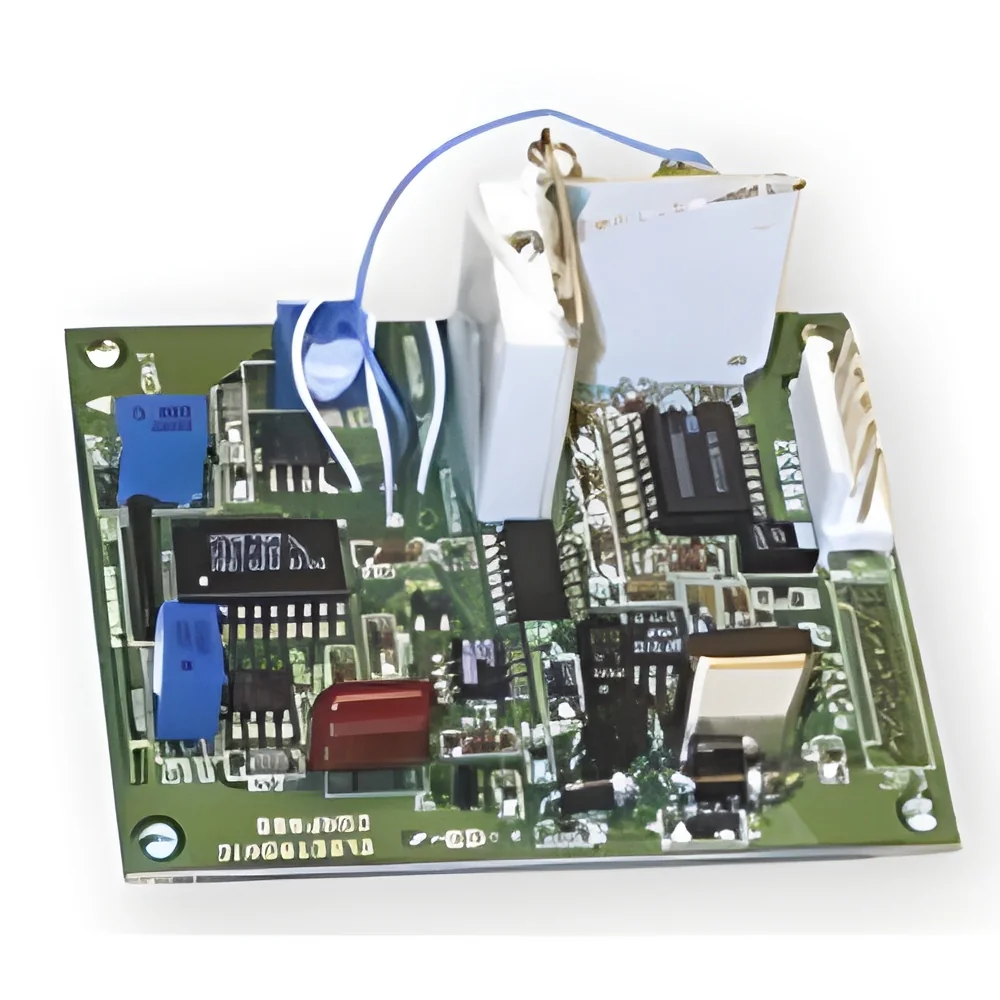
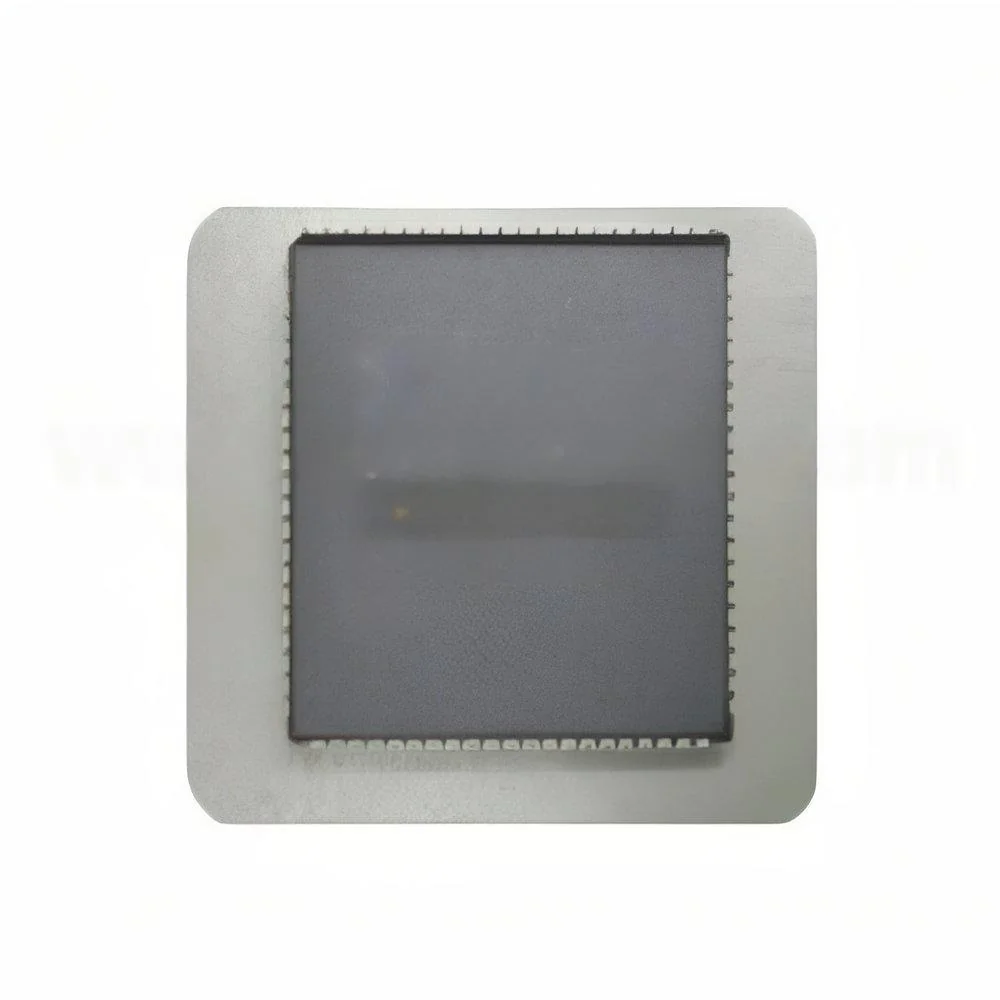
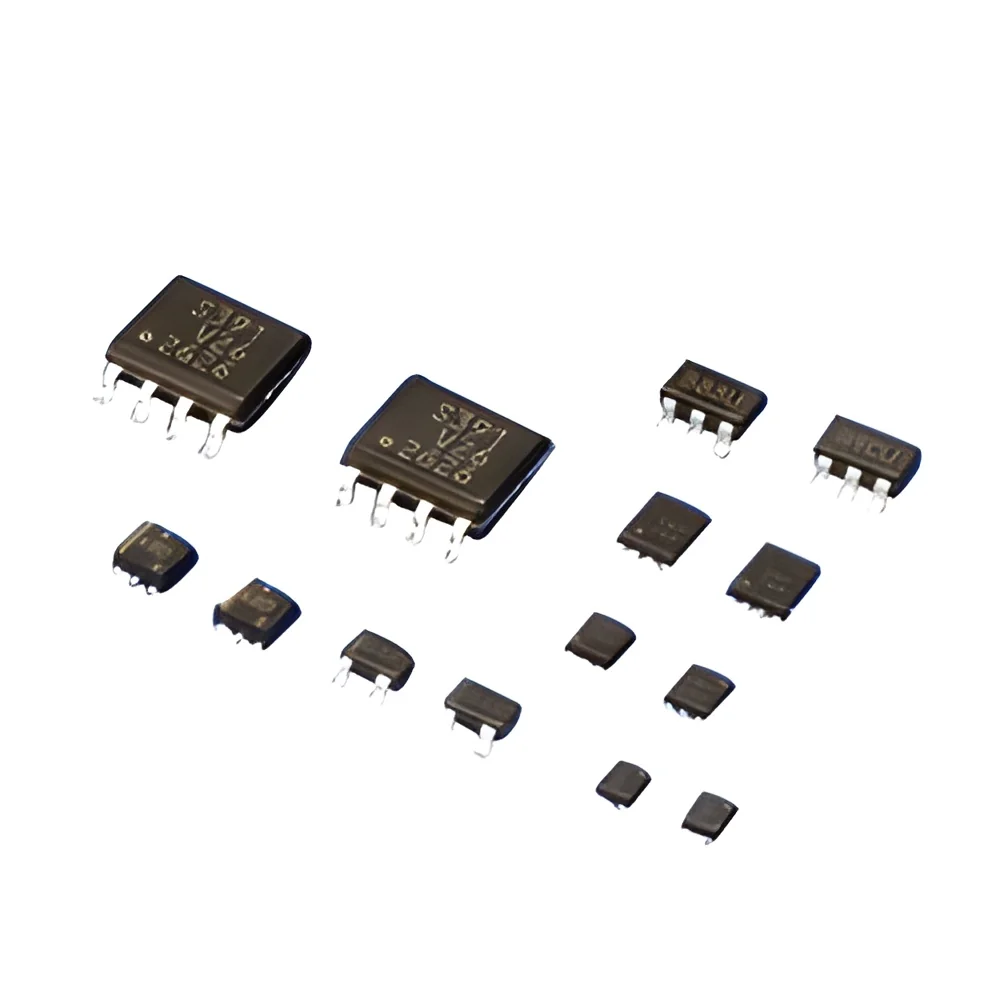
Integrated Circuits (ICs) are compact electronic circuits that combine multiple components such as transistors, resistors, and capacitors into a single chip. These chips are designed to perform various functions, ranging from simple tasks to complex operations in electronic devices. By integrating these components on a single substrate, ICs enhance performance while reducing size, weight, and cost compared to traditional circuit designs.
ICs are widely used in various industries and applications, including consumer electronics, telecommunications, automotive systems, and industrial machinery. They are essential in devices such as smartphones, computers, and medical equipment, where they manage processing, control, and communication functions. The market for ICs continues to grow as technology advances, driving demand for smaller, more efficient, and powerful devices.
The relevance of ICs in today's industries cannot be overstated. They represent a foundational element in the ongoing digital transformation across sectors, facilitating innovations in artificial intelligence, the Internet of Things (IoT), and automation. As industries evolve, the need for reliable and high-performance ICs remains critical for competitive advantage.
𝗞𝗲𝘆 𝗙𝗲𝗮𝘁𝘂𝗿𝗲𝘀 𝗮𝗻𝗱 𝗦𝗽𝗲𝗰𝗶𝗳𝗶𝗰𝗮𝘁𝗶𝗼𝗻𝘀
Integrated Circuits (ICs) come with a range of features and specifications that cater to various applications and performance requirements. Understanding these specifications is essential for selecting the right IC for specific needs.
Key specifications include:
1. Function Type
- Logic, analog, or mixed-signal
- Determines the applications the IC can serve
2. Package Type
- Various forms such as DIP, QFN, BGA
- Affects the integration and space requirements
3. Supply Voltage Range
- Typically ranges from 1.2V to 5V or higher
- Ensures compatibility with different systems
4. Operating Temperature Range
- Standard temperatures from -40°C to 85°C
- Critical for reliability in various environments
5. Power Consumption
- Measured in milliwatts or watts
- Influences the efficiency of the device
6. Input/Output Pin Count
- Varies based on complexity, from a few to hundreds
- Determines the connectivity options
7. Frequency Range
- Specifies the operational frequency limits
- Essential for timing-sensitive applications
8. Electrical Characteristics
- Includes parameters like gain, bandwidth, and noise levels
- Impacts performance in specific applications
In summary, understanding key features and specifications of ICs is crucial for businesses looking to optimize their product designs and performance.
𝗖𝗼𝗺𝗺𝗼𝗻 𝗔𝗽𝗽𝗹𝗶𝗰𝗮𝘁𝗶𝗼𝗻𝘀 𝗮𝗻𝗱 𝗨𝘀𝗲 𝗖𝗮𝘀𝗲𝘀
Integrated Circuits (ICs) play a pivotal role in various industries, providing solutions for numerous applications.
1. Consumer Electronics: ICs are integral in devices such as smartphones, tablets, and televisions, managing processing, display, and connectivity functions.
2. Telecommunications: In mobile networks and communication equipment, ICs facilitate signal processing, data transmission, and network management.
3. Automotive: ICs enhance vehicle functionality by controlling engine management systems, infotainment, and safety features.
4. Industrial Automation: In manufacturing, ICs are used in control systems, robotics, and monitoring devices, improving efficiency and reliability.
5. Medical Devices: ICs are vital in diagnostic equipment, patient monitoring systems, and imaging devices, ensuring accuracy and performance.
6. Aerospace: ICs are utilized in navigation, communication, and control systems, where reliability and precision are crucial.
7. IoT Devices: With the rise of the Internet of Things, ICs are embedded in smart devices, enabling connectivity and data exchange.
𝗣𝗿𝗼𝗱𝘂𝗰𝘁 𝗩𝗮𝗿𝗶𝗮𝗻𝘁𝘀 𝗮𝗻𝗱 𝗦𝘂𝗯𝗰𝗮𝘁𝗲𝗴𝗼𝗿𝗶𝗲𝘀
Integrated Circuits (ICs) offer a diverse range of variants that cater to different needs and applications. Each variant is designed with specific features that enhance its usefulness.
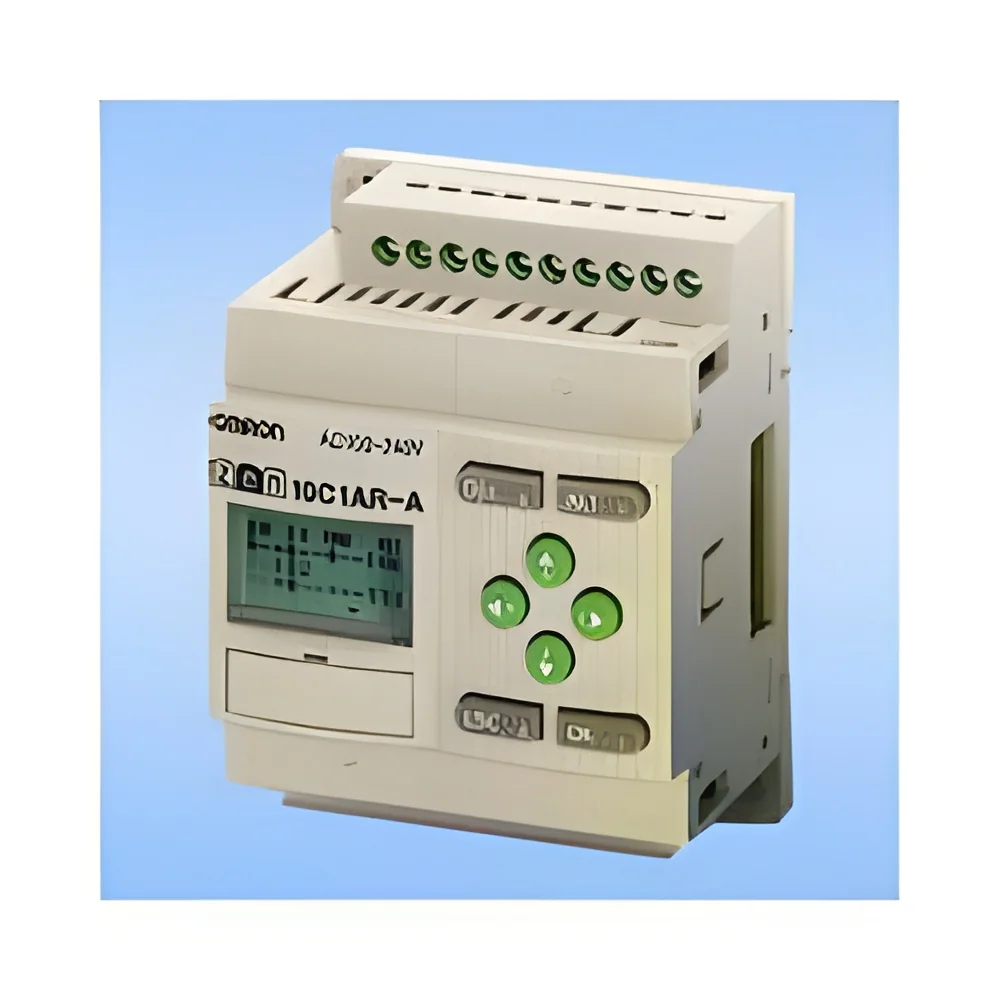
Microcontrollers: These ICs integrate a processor, memory, and input/output peripherals on a single chip. They are commonly used in embedded systems, offering flexibility and control for various applications.
Operational Amplifiers: These ICs are designed for signal amplification and conditioning. They are widely used in audio equipment, sensors, and instrumentation.
Digital Signal Processors (DSPs): DSPs are specialized ICs optimized for processing digital signals. They are essential in audio processing, image processing, and telecommunications.
Field Programmable Gate Arrays (FPGAs): These ICs can be configured post-manufacturing to perform specific tasks. They are ideal for applications that require customization and rapid prototyping.
𝗕𝗲𝗻𝗲𝗳𝗶𝘁𝘀 𝗮𝗻𝗱 𝗔𝗱𝘃𝗮𝗻𝘁𝗮𝗴𝗲𝘀
Sourcing Integrated Circuits (ICs) provides numerous benefits for businesses seeking to enhance their electronic products.
1. Size Reduction: ICs enable compact designs, allowing manufacturers to create smaller and lighter devices without compromising functionality.
2. Cost Efficiency: By integrating multiple functions into a single chip, ICs reduce material and manufacturing costs, leading to better pricing for consumers.
3. Enhanced Reliability: ICs are designed to perform consistently under various conditions, providing greater reliability in critical applications.
4. Improved Performance: With advancements in technology, modern ICs offer higher processing speeds and efficiency, enhancing the overall performance of electronic devices.
5. Design Flexibility: The variety of available ICs allows designers to choose components that best fit their specific application needs, fostering innovation.
6. Energy Efficiency: Many ICs are designed for low power consumption, contributing to energy savings in electronic products.
𝗕𝘂𝘆𝗶𝗻𝗴 𝗚𝘂𝗶𝗱𝗲 𝗳𝗼𝗿 𝗕𝟮𝗕 𝗕𝘂𝘆𝗲𝗿𝘀
When sourcing Integrated Circuits (ICs), buyers should consider several critical factors to ensure they select the right products for their needs.
1. Quality Assessment: Evaluate the quality of ICs based on manufacturing standards and reliability ratings. Look for suppliers who adhere to recognized quality management systems.
2. Supplier Verification: Vet suppliers through background checks, customer reviews, and industry certifications to ensure they have a proven track record of delivering reliable components.
3. Pricing and MOQ: Consider the cost of ICs relative to your budget and production scale. Minimum order quantities (MOQs) can vary by supplier, so clarify these details early on.
4. Delivery and Lead Times: Assess the supplier's ability to meet your delivery timelines. Prompt and reliable delivery is critical for maintaining production schedules.
5. Compliance Requirements: Ensure that the ICs meet relevant regulatory and safety standards for your industry. This may include certifications such as CE or compliance with local regulations.
𝗖𝗼𝗺𝗽𝗹𝗶𝗮𝗻𝗰𝗲 𝗮𝗻𝗱 𝗖𝗲𝗿𝘁𝗶𝗳𝗶𝗰𝗮𝘁𝗶𝗼𝗻𝘀
Compliance and certifications play a significant role in ensuring the quality and safety of Integrated Circuits (ICs). Relevant quality standards such as ISO 9001 ensure that manufacturers maintain consistent quality management practices throughout their production processes.
Industry certifications, like CE, indicate that the ICs conform to safety and performance standards required in the European market. These certifications help build trust and confidence among buyers regarding the reliability of the products.
Safety and testing requirements are also critical, as they ensure that ICs function correctly under various conditions. Manufacturers must conduct rigorous testing to validate performance and reliability.
Additionally, regional compliance considerations are essential, as different markets may have specific regulations that affect the design and application of ICs. Buyers should stay informed about these requirements to ensure compliance and avoid potential issues.
Why Source Integrated Circuits (ICs) from Pepagora?
Pepagora provides a trusted platform for sourcing Integrated Circuits (ICs) with several key advantages that make it an ideal choice for B2B buyers.
Verified Supplier Network: Pepagora connects buyers with a network of verified suppliers who have been rigorously vetted to ensure they meet quality and reliability standards. This reduces the risk associated with sourcing components.
Streamlined RFQ Process: The platform offers a simplified request-for-quotation (RFQ) process, enabling buyers to quickly obtain quotes from multiple suppliers. This efficiency saves time and helps buyers make informed decisions.
Trade Assurance and Support: Pepagora offers trade assurance, protecting buyers against potential issues during the procurement process. This support builds confidence and encourages secure transactions.
Regional Coverage: With a strong presence in regions such as India, the GCC, and Southeast Asia, Pepagora facilitates access to a diverse range of suppliers and products, ensuring that buyers can find the right ICs for their specific needs.
By choosing Pepagora for sourcing Integrated Circuits (ICs), businesses can enhance their procurement process and gain access to a wide array of quality products tailored to their requirements.
Integrated Circuits (ICs) are semiconductor devices that combine multiple electronic components, such as transistors, resistors, and capacitors, into a single chip. They are widely used in various electronic devices for signal processing, amplification, and data storage.
2
What are the different types of Integrated Circuits (ICs)?
Integrated Circuits (ICs) can be categorized into two main types: analog ICs and digital ICs. Analog ICs process continuous signals, while digital ICs handle discrete signals, including microcontrollers, microprocessors, and memory chips.
3
How do I choose the right Integrated Circuits (ICs)?
Choosing the right Integrated Circuits (ICs) involves understanding the specific requirements of your application, such as voltage, current, and frequency. Additionally, consider factors like power consumption, package type, and compatibility with other components.
4
What are the standard specifications for Integrated Circuits (ICs)?
Standard specifications for Integrated Circuits (ICs) include parameters such as supply voltage, maximum current, operating temperature range, and package dimensions. These specifications help ensure proper functionality and compatibility with other electronic systems.
5
What is the price range for Integrated Circuits (ICs)?
The price range for Integrated Circuits (ICs) can vary significantly based on the type, specifications, and manufacturer. Generally, prices can range from a few cents for simple ICs to several dollars for complex or specialized ICs.
6
What quality standards apply to Integrated Circuits (ICs)?
Integrated Circuits (ICs) must adhere to various quality standards, including ISO 9001 for quality management systems and specific industry standards like JEDEC for semiconductor devices. Compliance with these standards ensures reliability and performance.
7
Where can I find Integrated Circuits (ICs) suppliers in India?
You can find Integrated Circuits (ICs) suppliers in India through online B2B marketplaces, trade directories, and industry exhibitions. Platforms like Pepagora.com offer a comprehensive list of manufacturers and suppliers for easy sourcing.
8
Can Integrated Circuits (ICs) be customized?
Yes, Integrated Circuits (ICs) can be customized to meet specific requirements for particular applications. Custom IC design is typically undertaken by specialized manufacturers, allowing for tailored functionality and performance.
9
What is the typical minimum order quantity for Integrated Circuits (ICs)?
The typical minimum order quantity (MOQ) for Integrated Circuits (ICs) varies by supplier and type of IC. Generally, MOQs can range from a few units for standard ICs to larger quantities for custom designs.
10
What is the typical lead time for Integrated Circuits (ICs)?
The typical lead time for Integrated Circuits (ICs) can vary based on the type and supplier. Generally, standard ICs may have a lead time of 2 to 4 weeks, while custom designs may require a longer timeframe depending on the complexity.
Why Businesses Trust Pepagora
Thousands of companies trust Pepagora to source smarter and sell faster
Expand Your Sales Globally
25000+Products listed.Get discovered by global buyers

 IN
IN