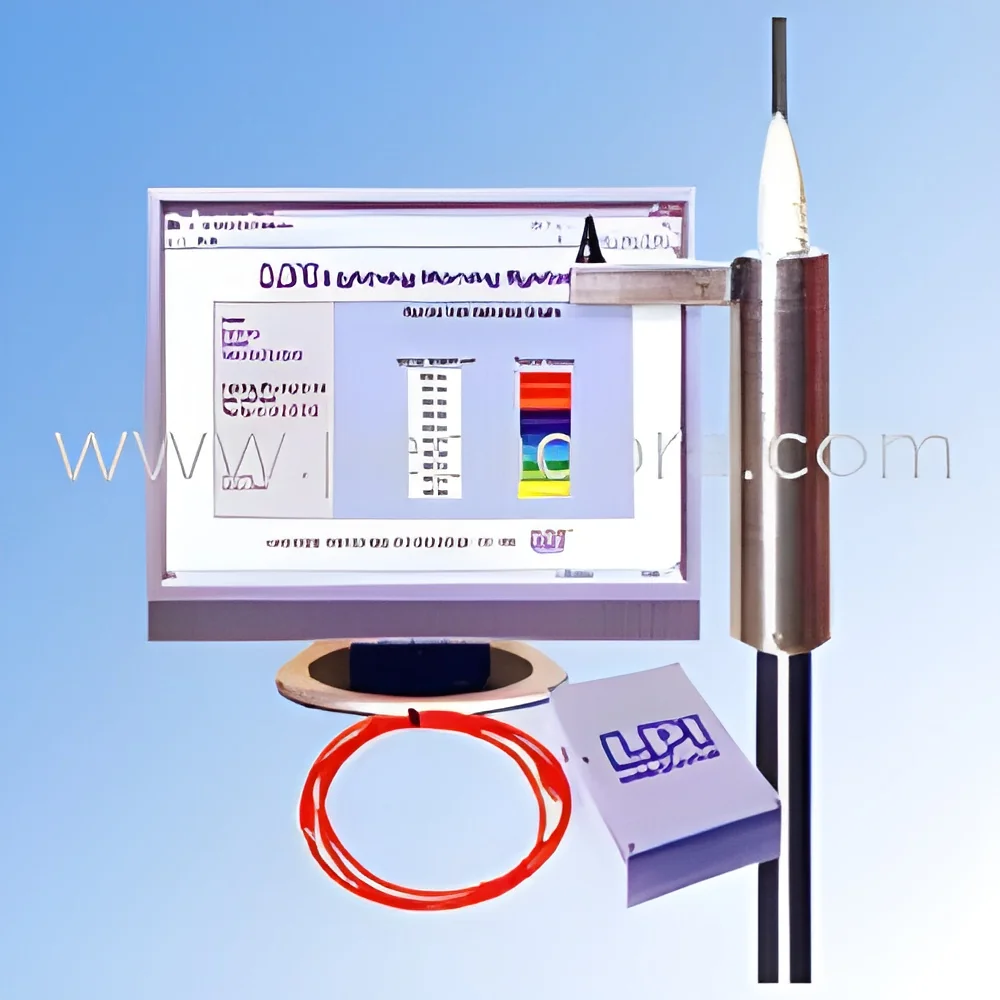
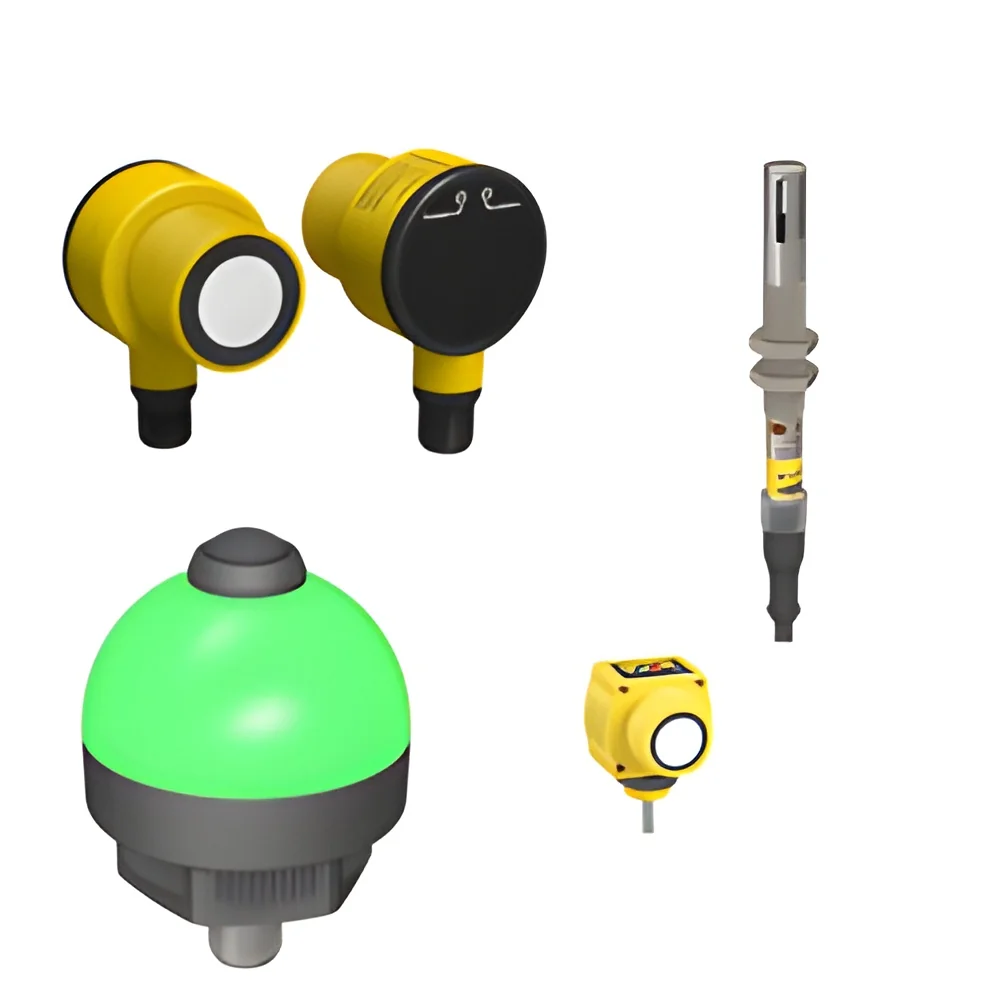
𝗪𝗵𝗮𝘁 𝗮𝗿𝗲 𝗜𝗼𝗧 𝗕𝗮𝘀𝗲𝗱 𝗦𝗮𝗳𝗲𝘁𝘆 𝗔𝗹𝗲𝗿𝘁 𝗦𝘆𝘀𝘁𝗲𝗺𝘀?
IoT Based Safety Alert Systems are advanced technological solutions designed to enhance safety in various environments through the integration of Internet of Things (IoT) technology. These systems utilize interconnected devices to monitor conditions, detect hazards, and send alerts to users in real time. By leveraging sensors, communication networks, and cloud computing, these systems enable businesses to respond swiftly to potential safety risks, ensuring a safer workplace.
Primarily, IoT Based Safety Alert Systems are used in industrial settings, healthcare facilities, and smart buildings. They are vital for monitoring environmental conditions, such as temperature, humidity, and the presence of harmful gases. Businesses employ these systems to comply with safety regulations, protect their workforce, and minimize operational disruptions. With the increasing emphasis on safety standards across industries, the relevance of these systems is growing, reflecting market demand for innovative safety solutions.
𝗞𝗲𝘆 𝗙𝗲𝗮𝘁𝘂𝗿𝗲𝘀 𝗮𝗻𝗱 𝗦𝗽𝗲𝗰𝗶𝗳𝗶𝗰𝗮𝘁𝗶𝗼𝗻𝘀
IoT Based Safety Alert Systems come equipped with numerous features that enhance their functionality and reliability. These systems are designed to provide real-time monitoring, notifications, and data analytics to ensure effective safety management.
Key specifications include:
1. Sensor Types
- Various sensors for temperature, humidity, gas detection, and motion
- Capable of monitoring multiple parameters simultaneously
2. Connectivity Options
- Support for Wi-Fi, Bluetooth, and cellular networks
- Ensures seamless communication between devices and centralized systems
3. Alert Mechanisms
- Real-time alerts via mobile applications, SMS, or email
- Customizable alert thresholds based on specific safety requirements
4. Data Storage
- Cloud-based storage for historical data analysis
- Enables trend analysis and predictive maintenance
5. User Interface
- Intuitive dashboards for easy monitoring and control
- User-friendly mobile applications for remote access
6. Power Supply
- Options for battery-operated or wired systems
- Energy-efficient designs to optimize resource usage
7. Compliance Standards
- Designed to meet relevant safety regulations and industry standards
- Suitable for various certifications, including CE
8. Scalability
- Easily expandable to accommodate future needs
- Supports integration with other safety and operational systems
These features collectively enhance the safety and efficiency of operations, making IoT Based Safety Alert Systems a valuable investment for businesses.
𝗖𝗼𝗺𝗺𝗼𝗻 𝗔𝗽𝗽𝗹𝗶𝗰𝗮𝘁𝗶𝗼𝗻𝘀 𝗮𝗻𝗱 𝗨𝘀𝗲 𝗖𝗮𝘀𝗲𝘀
IoT Based Safety Alert Systems find applications across various industries, providing tailored solutions for specific safety challenges.
1. Manufacturing: In manufacturing, these systems monitor equipment conditions and environmental factors, ensuring compliance with safety standards and minimizing workplace accidents.
2. Healthcare: Healthcare facilities utilize these systems to monitor patient safety, track medication storage conditions, and ensure compliance with health regulations.
3. Construction: In construction sites, IoT safety alert systems monitor worker safety by detecting hazardous conditions and sending alerts to prevent accidents.
4. Agriculture: These systems are employed in agriculture to monitor environmental conditions, ensuring the safety of crops and livestock.
5. Warehousing: In warehouses, IoT systems help track environmental conditions and alert staff to potential hazards, ensuring a safe storage environment.
6. Transportation: These systems are used to monitor vehicle conditions and driver behavior, enhancing road safety and compliance with regulations.
7. Smart Buildings: IoT safety alert systems in smart buildings manage environmental controls, ensuring safety and comfort for occupants.
𝗣𝗿𝗼𝗱𝘂𝗰𝘁 𝗩𝗮𝗿𝗶𝗮𝗻𝘁𝘀 𝗮𝗻𝗱 𝗦𝘂𝗯𝗰𝗮𝘁𝗲𝗴𝗼𝗿𝗶𝗲𝘀
IoT Based Safety Alert Systems come in various configurations to cater to different safety needs and environments.
Basic Alert System
This variant focuses on essential safety monitoring features, such as temperature and gas detection. It is suitable for small businesses looking to implement basic safety protocols without extensive investment.
Advanced Monitoring System
This variant includes advanced features such as comprehensive environmental monitoring, predictive analytics, and customizable alert settings. It is ideal for larger enterprises requiring a robust safety management solution.
Mobile Safety Alert System
A portable variant designed for field use, this system ensures that safety alerts can be received and monitored on the go. It is particularly useful for industries like construction and agriculture.
𝗕𝗲𝗻𝗲𝗳𝗶𝘁𝘀 𝗮𝗻𝗱 𝗔𝗱𝘃𝗮𝗻𝘁𝗮𝗴𝗲𝘀
Implementing IoT Based Safety Alert Systems offers numerous advantages for businesses.
1. Enhanced Safety: These systems provide real-time monitoring, significantly reducing the risk of accidents and ensuring a safer working environment.
2. Quick Response: Immediate alerts allow businesses to address potential hazards promptly, minimizing damage and downtime.
3. Regulatory Compliance: By adhering to safety standards, businesses can avoid penalties and ensure compliance with industry regulations.
4. Data-Driven Insights: The analytics capabilities of these systems enable companies to make informed decisions based on historical data.
5. Cost Savings: Reducing workplace accidents and compliance violations can lead to substantial cost savings over time.
6. Customization: These systems can be tailored to meet the specific safety needs of different industries and applications.
𝗕𝘂𝘆𝗶𝗻𝗴 𝗚𝘂𝗶𝗱𝗲 𝗳𝗼𝗿 𝗕𝟮𝗕 𝗕𝘂𝘆𝗲𝗿𝘀
When sourcing IoT Based Safety Alert Systems, buyers should consider several important factors to ensure they select the right solution for their needs.
1. Quality Assessment: Evaluate the quality of the system by reviewing manufacturer reputation, product testing, and user reviews. Ensure that the system meets relevant safety standards.
2. Supplier Verification: Vet suppliers carefully by checking their certifications and industry experience. A reliable supplier is crucial for long-term support and maintenance.
3. Pricing and MOQ: Understand the pricing structure and minimum order quantities. Consider the total cost of ownership, including installation and maintenance.
4. Delivery and Lead Times: Discuss logistics and delivery schedules with suppliers to ensure timely implementation of the safety systems.
5. Compliance Requirements: Be aware of local and industry-specific compliance needs. Ensure that the selected system meets all regulatory requirements.
𝗖𝗼𝗺𝗽𝗹𝗶𝗮𝗻𝗰𝗲 𝗮𝗻𝗱 𝗖𝗲𝗿𝘁𝗶𝗳𝗶𝗰𝗮𝘁𝗶𝗼𝗻𝘀
IoT Based Safety Alert Systems must adhere to various quality standards and certifications to ensure their effectiveness and safety.
Relevant quality standards include ISO 9001, which focuses on quality management systems, ensuring consistent quality in processes. Additionally, HACCP (Hazard Analysis Critical Control Point) is crucial in industries like food safety, while GDP (Good Distribution Practice) is important for ensuring quality in the distribution of products.
Industry certifications such as CE indicate that the products meet European safety, health, and environmental protection standards. Compliance with these standards is essential for businesses to operate legally and safely.
Safety and testing requirements are also vital, as they ensure that the systems can withstand operational stresses and perform reliably under various conditions. Regional compliance considerations must be taken into account, as different regions may have specific regulations governing the use of safety alert systems.
𝗪𝗵𝘆 𝗦𝗼𝘂𝗿𝗰𝗲 𝗜𝗼𝗧 𝗕𝗮𝘀𝗲𝗱 𝗦𝗮𝗳𝗲𝘁𝘆 𝗔𝗹𝗲𝗿𝘁 𝗦𝘆𝘀𝘁𝗲𝗺𝘀 𝗳𝗿𝗼𝗺 𝗣𝗲𝗽𝗮𝗴𝗼𝗿𝗮?
Pepagora offers a trusted platform for sourcing IoT Based Safety Alert Systems, providing several key advantages for B2B buyers.
Verified Supplier Network: Pepagora maintains a network of verified suppliers, ensuring that buyers can access high-quality products from reputable manufacturers. This verification process builds trust and confidence in sourcing decisions.
Streamlined RFQ Process: The request for quotation (RFQ) process on Pepagora is efficient, allowing buyers to easily compare multiple suppliers and receive competitive pricing. This streamlining saves time and enhances decision-making.
Trade Assurance and Support: Buyers benefit from trade assurance programs that protect their investments. Pepagora provides support throughout the purchasing process, ensuring that buyers can resolve any issues that may arise.
Regional Coverage: Pepagora’s extensive geographic reach includes India, the GCC, and Southeast Asia, making it easier for businesses in these regions to find suitable IoT Based Safety Alert Systems tailored to their local needs.
IoT Based Safety Alert Systems are advanced technology solutions designed to monitor and ensure safety in various environments. They utilize Internet of Things (IoT) devices to collect data, detect hazards, and send alerts to users in real-time, enhancing safety measures in workplaces, homes, and public areas.
2
What are the different types of IoT Based Safety Alert Systems?
There are several types of IoT Based Safety Alert Systems, including fire detection systems, gas leak detectors, and personal safety alarms. Additionally, systems may be categorized by their specific applications, such as industrial safety, healthcare monitoring, or smart home safety solutions.
3
How do I choose the right IoT Based Safety Alert Systems?
Choosing the right IoT Based Safety Alert Systems involves assessing your specific safety needs, the environment in which the system will be deployed, and the types of hazards you want to monitor. It is also important to consider the system's scalability, ease of integration with existing infrastructure, and user-friendly features.
4
What are the standard specifications for IoT Based Safety Alert Systems?
Standard specifications for IoT Based Safety Alert Systems typically include detection sensitivity, response time, connectivity options (such as Wi-Fi or cellular), and power requirements. Additionally, systems may feature compatibility with mobile applications for monitoring and alerts.
5
What is the price range for IoT Based Safety Alert Systems?
The price range for IoT Based Safety Alert Systems can vary widely depending on the type, features, and brand. Generally, prices may start from a few thousand Indian Rupees for basic systems and can go up to several lakhs for advanced, multi-functional setups.
6
What quality standards apply to IoT Based Safety Alert Systems?
IoT Based Safety Alert Systems are typically subject to quality standards such as ISO 9001 for quality management systems and relevant safety certification standards depending on their application. Compliance with local regulations and industry-specific standards is also essential for ensuring reliability and safety.
7
Where can I find IoT Based Safety Alert Systems suppliers in India?
You can find IoT Based Safety Alert Systems suppliers in India through various online B2B marketplaces, trade shows, and industry directories. Platforms like Pepagora.com offer a wide range of suppliers and manufacturers, allowing you to compare offerings and make informed purchasing decisions.
8
Can IoT Based Safety Alert Systems be customized?
Yes, many manufacturers offer customization options for IoT Based Safety Alert Systems to meet specific user requirements. Customizations may include specialized sensors, tailored alert mechanisms, and integration with existing safety protocols.
9
What is the typical minimum order quantity for IoT Based Safety Alert Systems?
The typical minimum order quantity (MOQ) for IoT Based Safety Alert Systems can vary by supplier and product type. Generally, MOQs may range from 1 to 100 units, depending on the customization level and production capabilities of the manufacturer.
10
What is the typical lead time for IoT Based Safety Alert Systems?
The typical lead time for IoT Based Safety Alert Systems can range from a few days to several weeks. Factors influencing lead time include product availability, customization requests, and the supplier's production schedule.
Why Businesses Trust Pepagora
Thousands of companies trust Pepagora to source smarter and sell faster
Expand Your Sales Globally
25000+Products listed.Get discovered by global buyers

 IN
IN