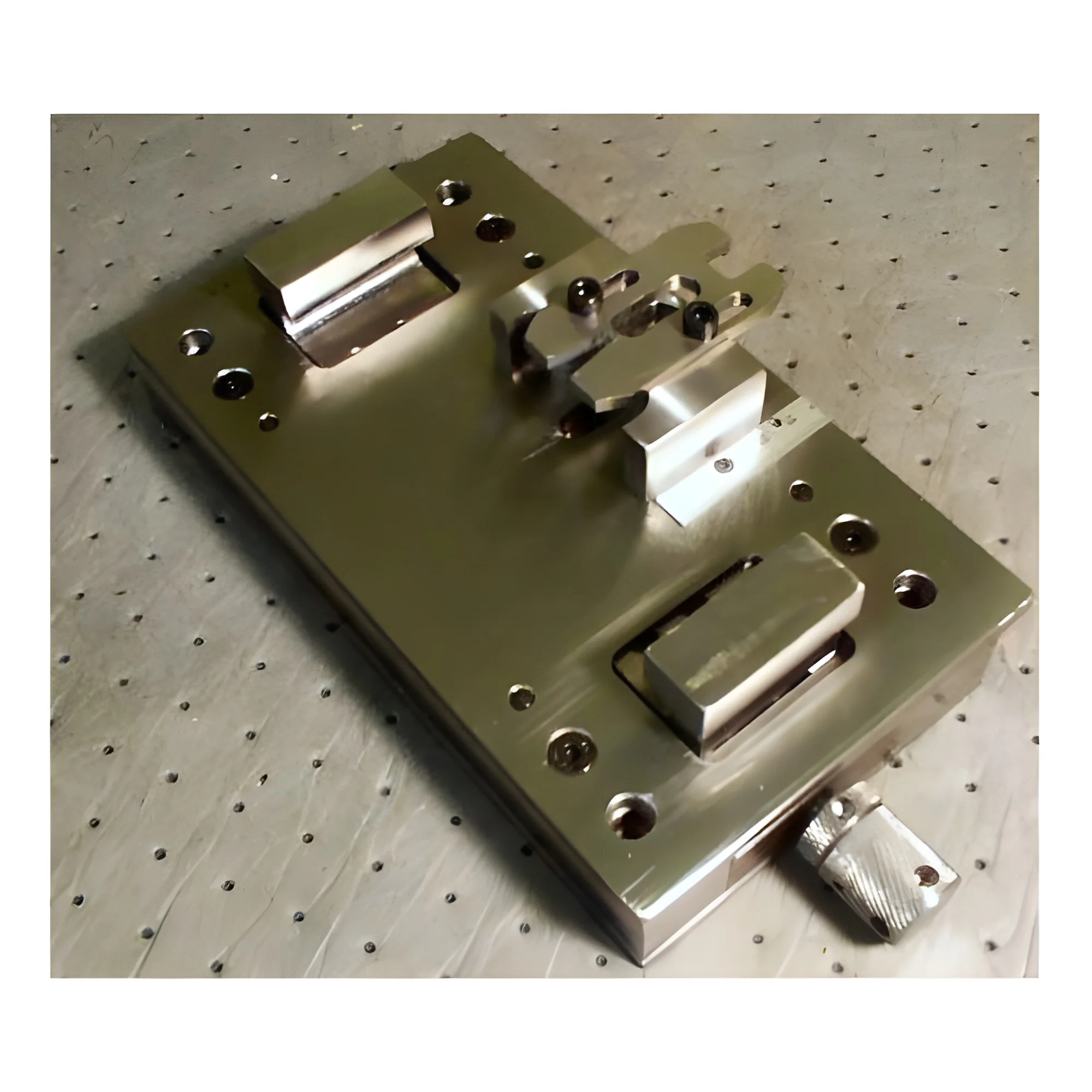
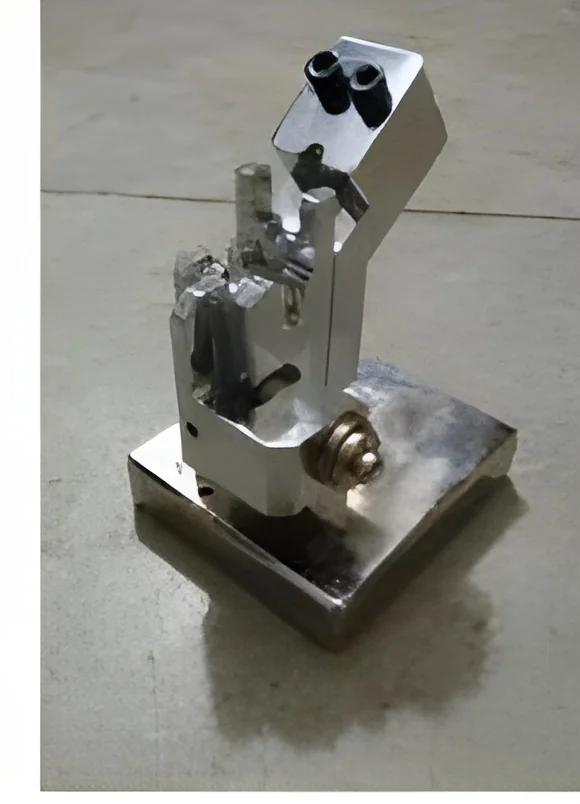
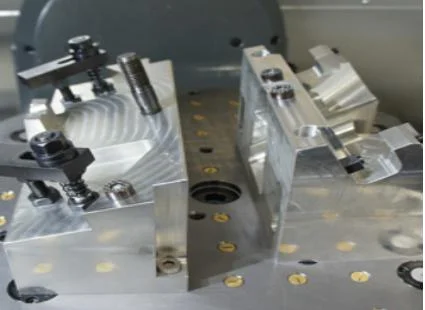
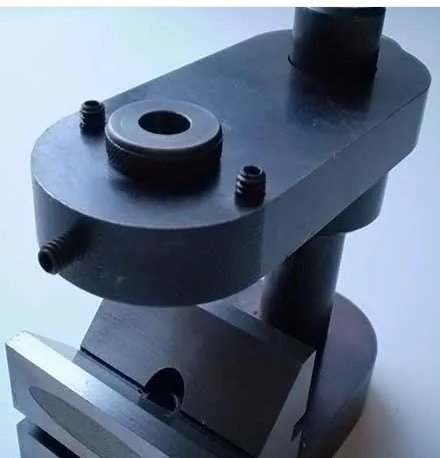
𝗪𝗵𝗮𝘁 𝗮𝗿𝗲 𝗝𝗶𝗴𝘀 & 𝗙𝗶𝘅𝘁𝘂𝗿𝗲𝘀?
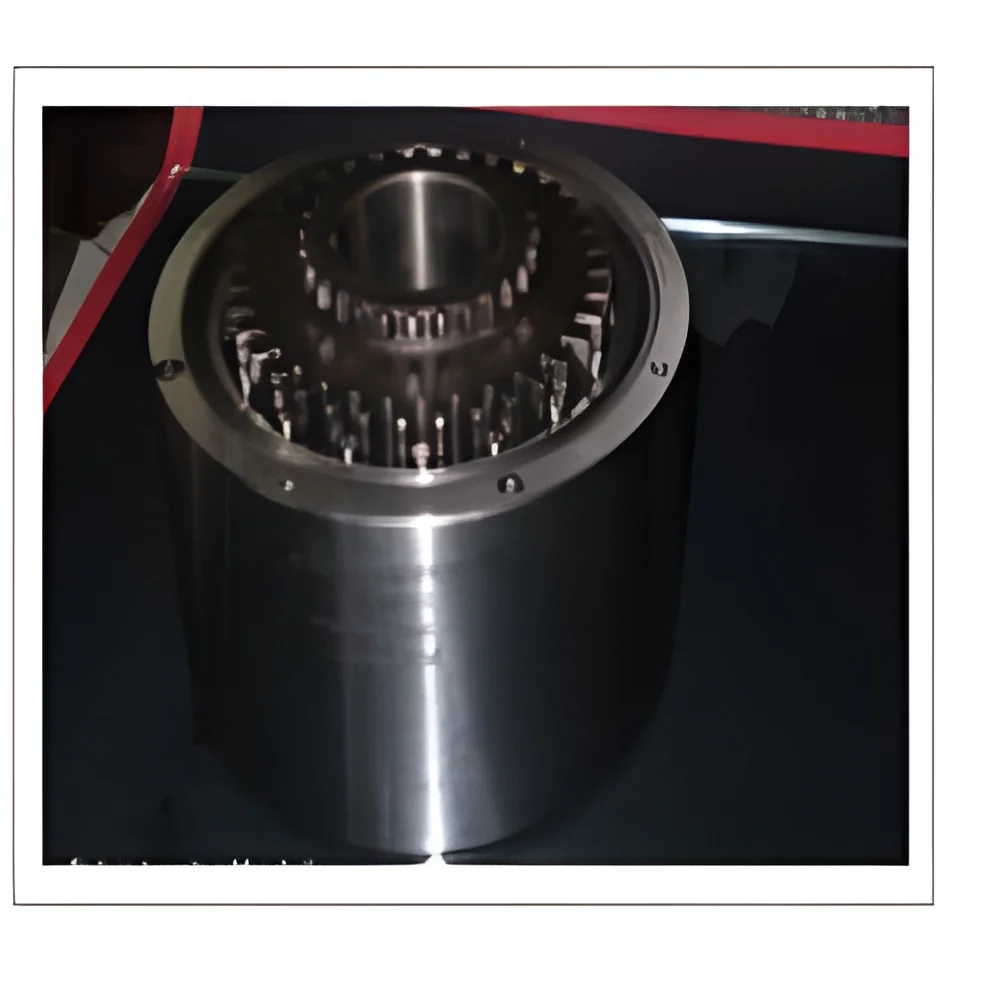
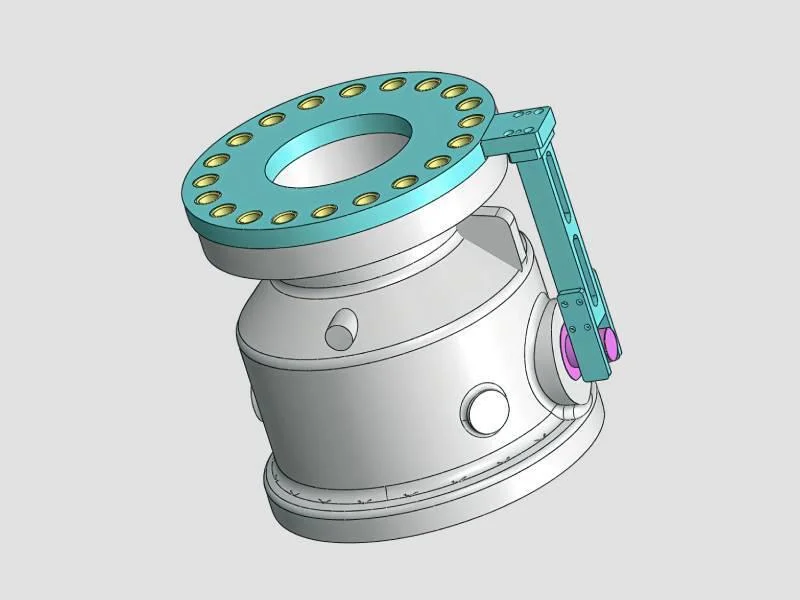
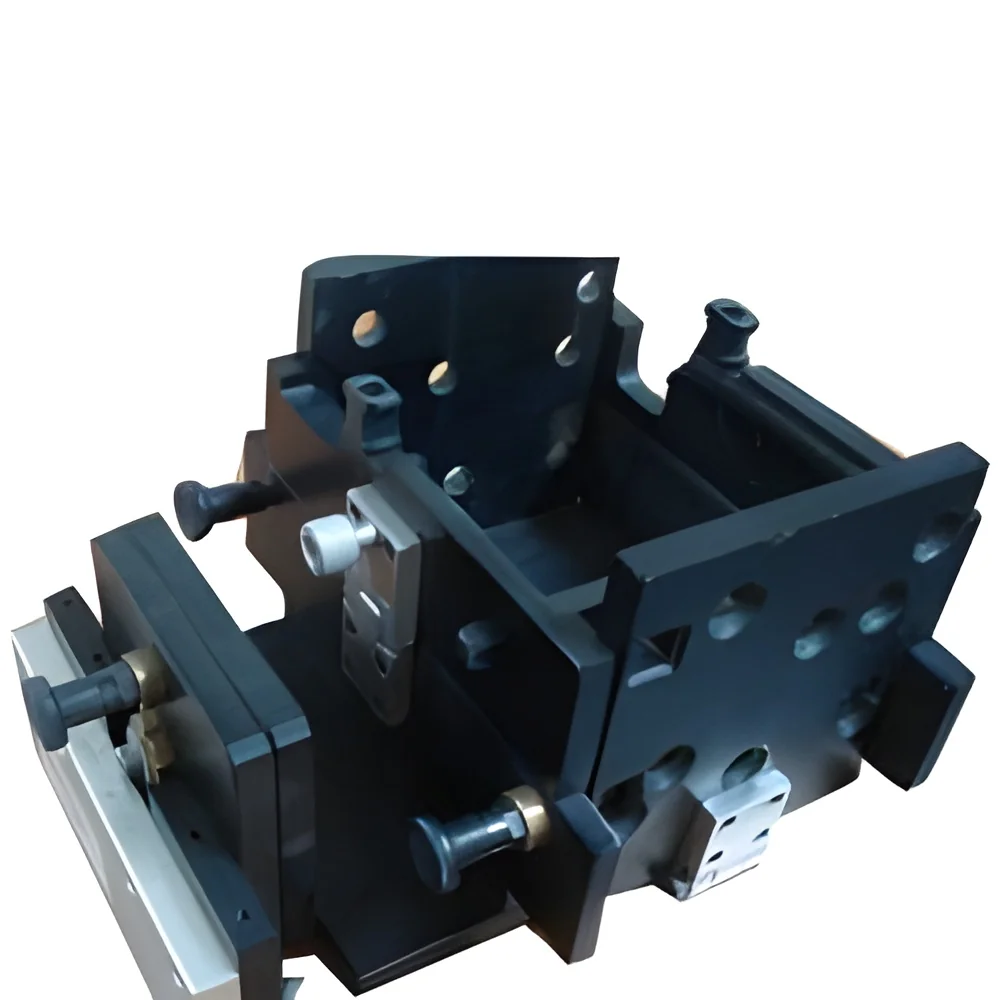
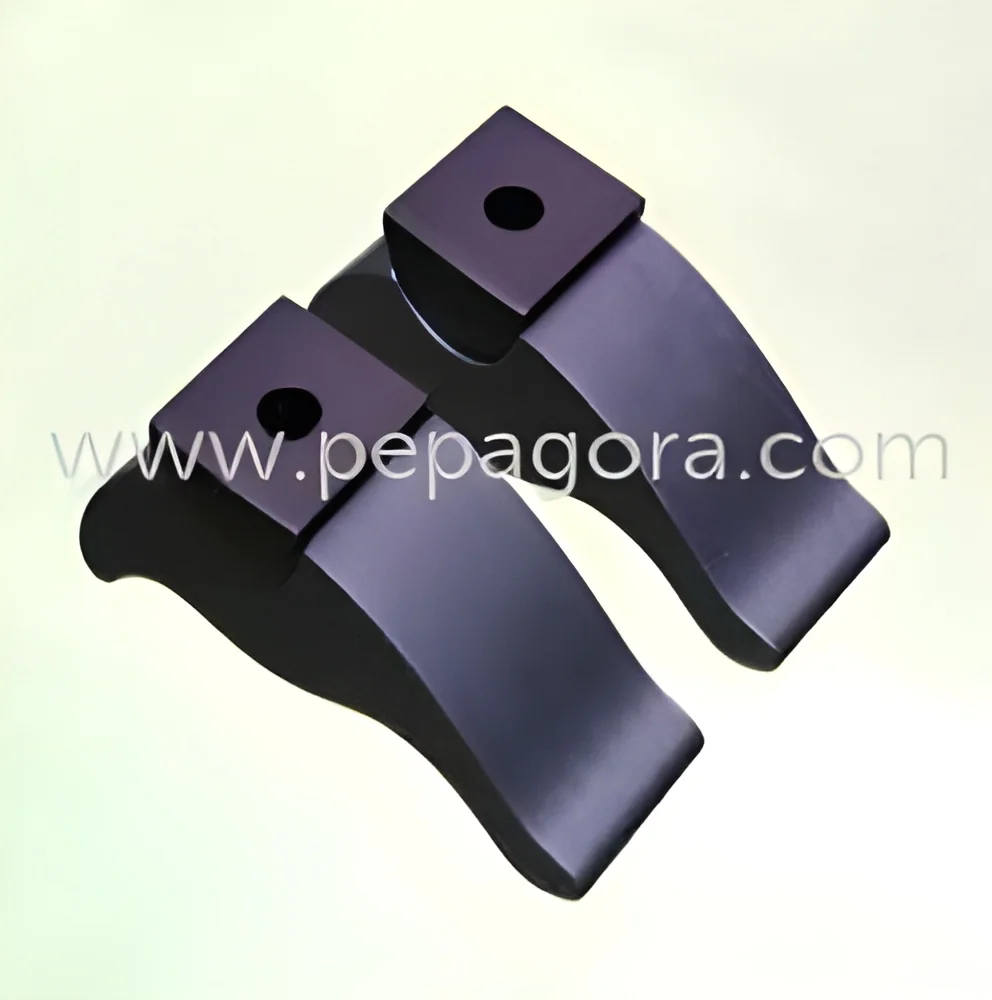
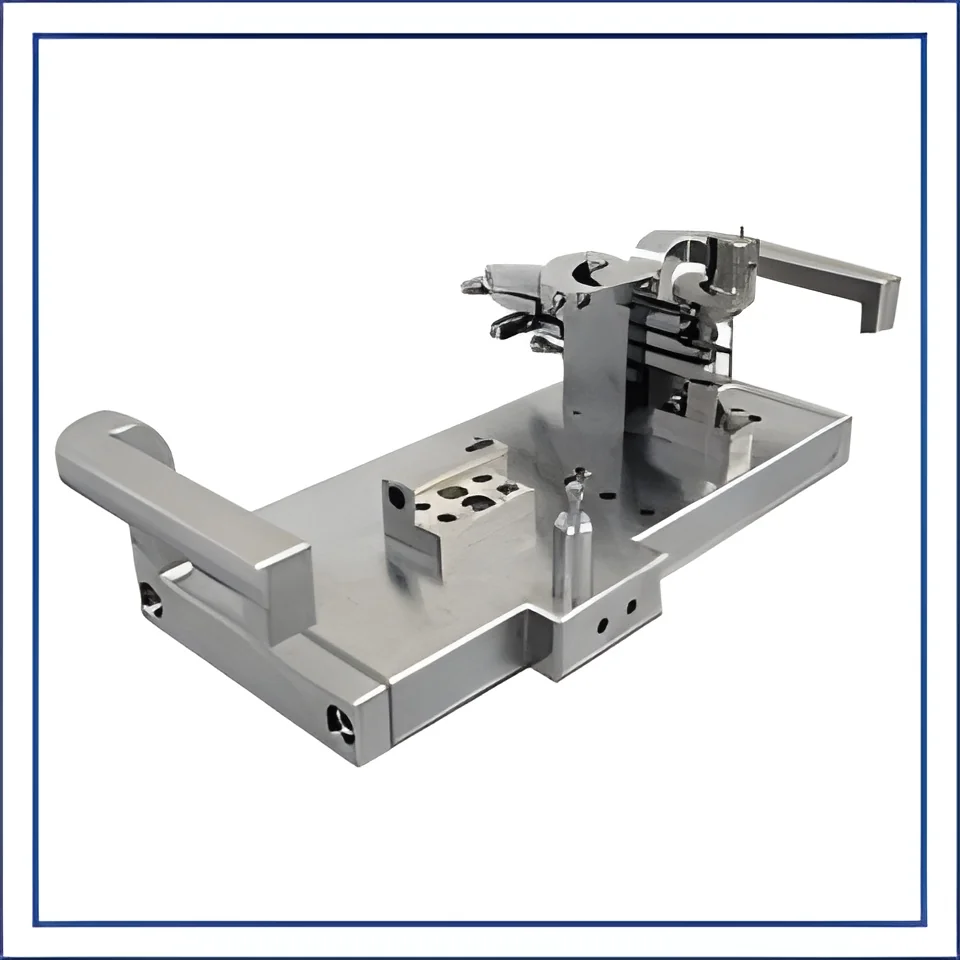
Jigs and fixtures are essential tools used in manufacturing processes to hold and support workpieces. They are designed to provide stability and accuracy during various operations such as machining, welding, and assembly. Jigs guide the tool to ensure precise movements, while fixtures securely hold the workpiece in place, minimizing errors and enhancing productivity.
These tools play a crucial role in many business applications, including mass production and custom fabrication. By providing consistent and repeatable results, jigs and fixtures help manufacturers optimize their workflows and improve product quality. They are particularly relevant in industries such as automotive, aerospace, electronics, and metalworking, where precision and efficiency are paramount. As the demand for high-quality products continues to rise, the importance of jigs and fixtures in the manufacturing process remains significant.
𝗞𝗲𝘆 𝗙𝗲𝗮𝘁𝘂𝗿𝗲𝘀 𝗮𝗻𝗱 𝗦𝗽𝗲𝗰𝗶𝗳𝗶𝗰𝗮𝘁𝗶𝗼𝗻𝘀
Jigs and fixtures come with various features and specifications tailored to meet diverse manufacturing needs. Understanding these specifications is essential for businesses to select the right tools for their operations.
Key specifications include:
1. Material Type
- Common materials include steel, aluminum, and plastic.
- Each material offers different levels of strength, weight, and cost.
2. Design Complexity
- Jigs and fixtures can range from simple designs to complex configurations.
- Complexity affects the accuracy and versatility of the tool.
3. Load Capacity
- Different jigs and fixtures can handle varying weights.
- Load capacity is crucial for ensuring safety and effectiveness.
4. Customization Options
- Many jigs and fixtures can be customized to fit specific applications.
- Custom designs improve efficiency and accuracy in production.
5. Compatibility
- Jigs and fixtures should be compatible with specific machinery and tools.
- Proper compatibility ensures optimal performance.
6. Adjustability
- Some jigs offer adjustable features to accommodate different workpiece sizes.
- Adjustability enhances flexibility in production processes.
7. Ease of Use
- User-friendly designs contribute to quicker setup times and ease of operation.
- Simplicity in operation reduces training time for workers.
In summary, understanding these features and specifications can help businesses choose the right jigs and fixtures for their production needs.
𝗖𝗼𝗺𝗺𝗼𝗻 𝗔𝗽𝗽𝗹𝗶𝗰𝗮𝘁𝗶𝗼𝗻𝘀 𝗮𝗻𝗱 𝗨𝘀𝗲 𝗖𝗮𝘀𝗲𝘀
Jigs and fixtures are utilized across multiple industries to enhance manufacturing efficiency and precision.
1. Automotive: In the automotive industry, jigs and fixtures are used for assembling components with high accuracy, ensuring that parts fit together correctly during production.
2. Aerospace: Aerospace manufacturers rely on these tools to maintain strict tolerances while fabricating complex components that require exceptional precision.
3. Electronics: In electronics manufacturing, jigs are employed for placing and soldering components on circuit boards, ensuring consistent quality in assembly.
4. Metalworking: Metal fabrication shops use jigs and fixtures to hold workpieces securely during cutting and welding processes, improving safety and accuracy.
5. Woodworking: In woodworking, jigs assist in making precise cuts and joints, enhancing the quality of finished products.
6. Medical Devices: The medical device industry utilizes jigs for assembling intricate parts that must meet rigorous safety and quality standards.
7. Construction: In construction, fixtures help with the accurate placement of structural elements, ensuring structural integrity.
𝗣𝗿𝗼𝗱𝘂𝗰𝘁 𝗩𝗮𝗿𝗶𝗮𝗻𝘁𝘀 𝗮𝗻𝗱 𝗦𝘂𝗯𝗰𝗮𝘁𝗲𝗴𝗼𝗿𝗶𝗲𝘀
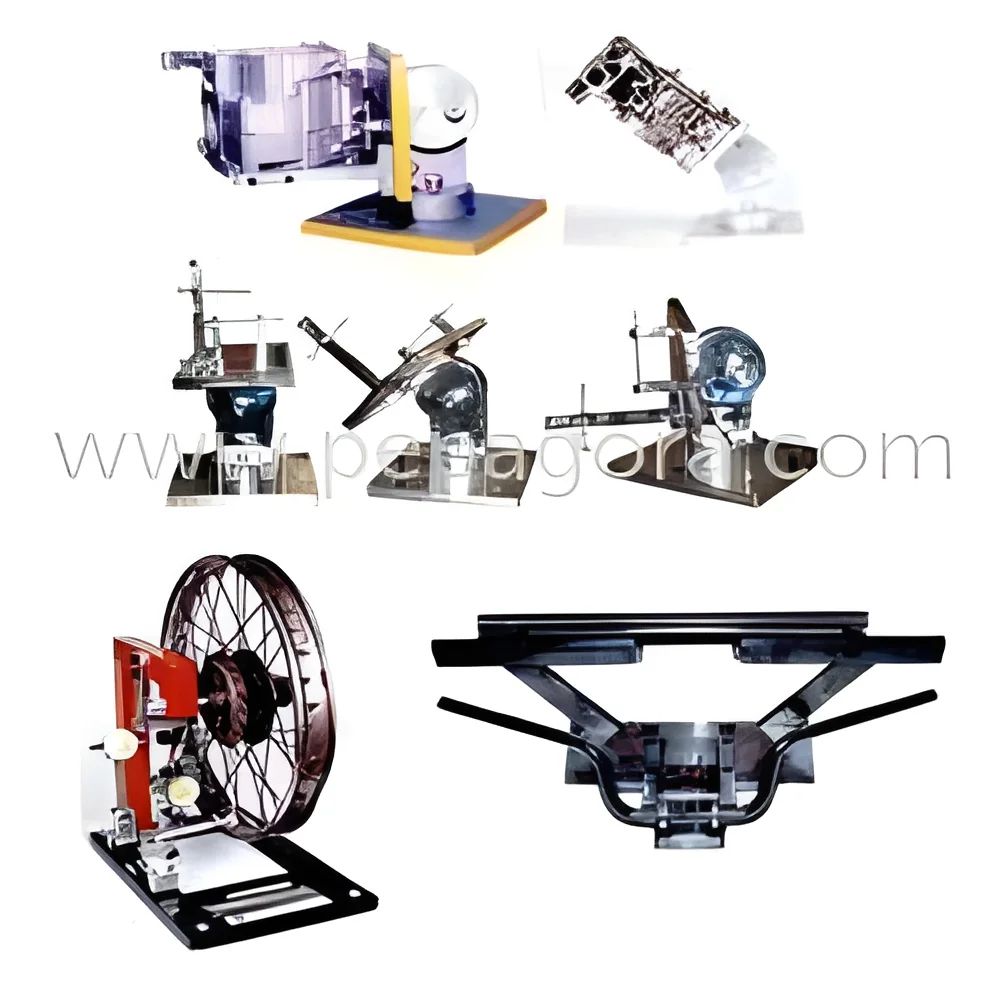
Jigs and fixtures come in various forms to cater to specific manufacturing needs.
Standard Jigs
Standard jigs are pre-designed tools that can be used for repetitive tasks. They provide a cost-effective solution for businesses that require consistent results without the need for custom designs.
Custom Jigs
Custom jigs are tailored to meet the specific requirements of a project. These jigs may involve complex designs and are often used in specialized applications where standard options are insufficient.
Universal Fixtures
Universal fixtures can be adjusted to hold different types of workpieces. Their versatility makes them suitable for businesses that handle a variety of materials and shapes.
Dedicated Fixtures
Dedicated fixtures are designed for a specific task or component. They enhance efficiency and accuracy for high-volume production runs where the same part is manufactured repeatedly.
Multi-Station Jigs
Multi-station jigs allow for simultaneous operations, increasing throughput in manufacturing processes. They are particularly beneficial in assembly lines where several tasks are performed concurrently.
𝗕𝗲𝗻𝗲𝗳𝗶𝘁𝘀 𝗮𝗻𝗱 𝗔𝗱𝘃𝗮𝗻𝘁𝗮𝗴𝗲𝘀
Choosing the right jigs and fixtures offers numerous advantages for businesses.
1. Improved Precision: Jigs and fixtures enhance the accuracy of manufacturing processes, reducing the likelihood of errors in production.
2. Increased Efficiency: By streamlining operations, these tools minimize setup times and allow for faster production cycles.
3. Enhanced Safety: Securely holding workpieces reduces the risk of accidents during machining or assembly.
4. Cost-Effective: Utilizing jigs and fixtures can lower production costs by reducing waste and rework due to inaccuracies.
5. Versatility: Many jigs and fixtures can be customized or adjusted to accommodate different tasks, making them suitable for various applications.
6. Consistent Quality: These tools ensure that products meet quality standards by providing uniformity in manufacturing processes.
𝗕𝘂𝘆𝗶𝗻𝗴 𝗚𝘂𝗶𝗱𝗲 𝗳𝗼𝗿 𝗕𝟮𝗕 𝗕𝘂𝘆𝗲𝗿𝘀
When sourcing jigs and fixtures, businesses should consider several critical factors to ensure they make informed purchasing decisions.
1. Quality Assessment: Evaluate the materials and construction of jigs and fixtures to ensure they meet industry standards. Look for tools that are durable and reliable for long-term use.
2. Supplier Verification: Investigate potential suppliers to confirm their reliability and reputation in the market. Established suppliers are likely to provide better customer service and support.
3. Pricing and MOQ: Understand the pricing structure and minimum order quantities to align with your budget and production requirements. Compare costs among different suppliers to find the best value.
4. Delivery and Lead Times: Assess suppliers' delivery capabilities and lead times to ensure timely receipt of products. Efficient logistics are crucial for maintaining production schedules.
5. Compliance Requirements: Ensure that the jigs and fixtures meet relevant industry regulations and safety standards. Compliance with certifications can be a critical factor in the purchasing decision.
𝗖𝗼𝗺𝗽𝗹𝗶𝗮𝗻𝗰𝗲 𝗮𝗻𝗱 𝗖𝗲𝗿𝘁𝗶𝗳𝗶𝗰𝗮𝘁𝗶𝗼𝗻𝘀
Compliance with industry standards is vital for ensuring the safety and effectiveness of jigs and fixtures.
Relevant quality standards like ISO 9001 ensure that a manufacturer adheres to consistent quality management practices. This certification indicates that the products meet the necessary requirements for quality assurance.
Additionally, industry certifications such as CE mark are crucial for products sold in Europe. This certification confirms that the jigs and fixtures comply with European safety and health regulations.
Safety and testing requirements are also important. Manufacturers should ensure that their jigs and fixtures are tested for durability and safety to prevent workplace accidents.
Regional compliance considerations may vary, so businesses should be aware of local regulations that could affect their operations.
𝗪𝗵𝘆 𝗦𝗼𝘂𝗿𝗰𝗲 𝗝𝗶𝗴𝘀 & 𝗙𝗶𝘅𝘁𝘂𝗿𝗲𝘀 𝗳𝗿𝗼𝗺 𝗣𝗲𝗽𝗮𝗴𝗼𝗿𝗮?
Pepagora provides a trusted platform for sourcing jigs and fixtures, offering several key advantages that enhance the buying experience.
Verified Supplier Network: Pepagora connects businesses with a network of verified suppliers. This ensures that buyers can trust the quality and reliability of the products they purchase.
Streamlined RFQ Process: The request for quotation process on Pepagora is designed to be user-friendly, allowing buyers to easily compare prices and offerings from multiple suppliers.
Trade Assurance and Support: Buyers benefit from trade assurance, which protects their investments and ensures they receive the products as promised. Support services are also available to assist with any inquiries.
Regional Coverage: Pepagora's geographic reach encompasses India, the GCC, and Southeast Asia, making it easier for businesses to find local suppliers and reduce shipping times and costs.
By sourcing jigs and fixtures through Pepagora, businesses can enhance their manufacturing processes while ensuring quality and reliability.
Jigs and fixtures are tools used to control the location and motion of another tool during manufacturing operations. Jigs provide support and guidance for a tool, while fixtures securely hold the workpiece in place. Both are essential for improving the accuracy and efficiency of machining processes.
2
What are the different types of Jigs & Fixtures?
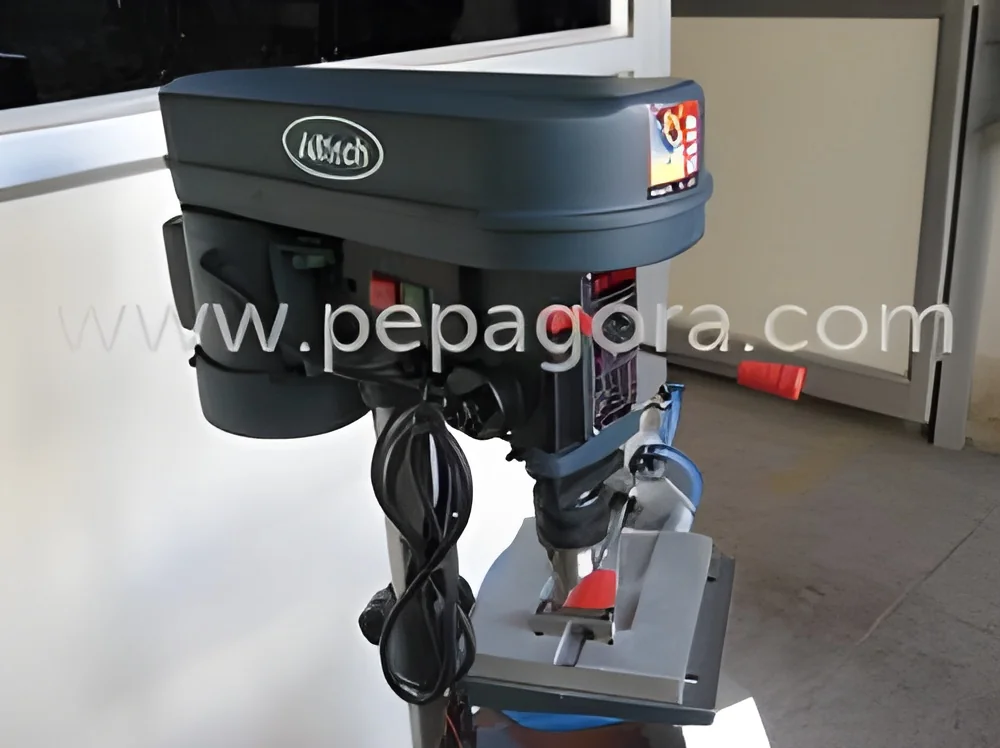
There are several types of jigs and fixtures, including drilling jigs, welding fixtures, assembly jigs, and machining fixtures. Each type is designed for specific applications and helps streamline production processes by ensuring consistency and precision in manufacturing.
3
How do I choose the right Jigs & Fixtures?
To choose the right jigs and fixtures, consider factors such as the type of manufacturing process, the materials involved, and the level of precision required. It's also important to assess the production volume and whether the jigs and fixtures can be easily adapted for future projects.
4
What are the standard specifications for Jigs & Fixtures?
Standard specifications for jigs and fixtures often include dimensions, material types, load capacity, and tolerances. These specifications can vary based on the application and the industry standards that apply to specific manufacturing processes.
5
What is the price range for Jigs & Fixtures?
The price of jigs and fixtures can vary widely based on their complexity, materials, and intended use. Generally, they can range from a few thousand rupees for simple fixtures to several lakhs for highly specialized or custom-designed solutions.
6
What quality standards apply to Jigs & Fixtures?
Quality standards for jigs and fixtures typically include ISO and ASTM certifications, which ensure that they meet specified performance and safety criteria. Manufacturers often adhere to these standards to guarantee the reliability and durability of their products.
7
Where can I find Jigs & Fixtures suppliers in India?
You can find jigs and fixtures suppliers in India through B2B marketplaces like Pepagora, trade shows, and industry directories. It's advisable to compare multiple suppliers based on their offerings, customer reviews, and certifications to make an informed choice.
8
Can Jigs & Fixtures be customized?
Yes, jigs and fixtures can be customized to meet specific manufacturing needs. Customization may involve adjustments in design, materials, and dimensions to ensure optimal performance for particular applications.
9
What is the typical minimum order quantity for Jigs & Fixtures?
The typical minimum order quantity (MOQ) for jigs and fixtures varies by supplier and the complexity of the design. It can range from a single unit for simple fixtures to larger quantities for mass-produced jigs tailored for specific processes.
10
What is the typical lead time for Jigs & Fixtures?
The typical lead time for jigs and fixtures can range from a few weeks to several months, depending on the complexity of the design and the manufacturer's production capacity. It's important to confirm lead times with suppliers to ensure timely delivery for your projects.
Why Businesses Trust Pepagora
Thousands of companies trust Pepagora to source smarter and sell faster
Expand Your Sales Globally
25000+Products listed.Get discovered by global buyers

 IN
IN