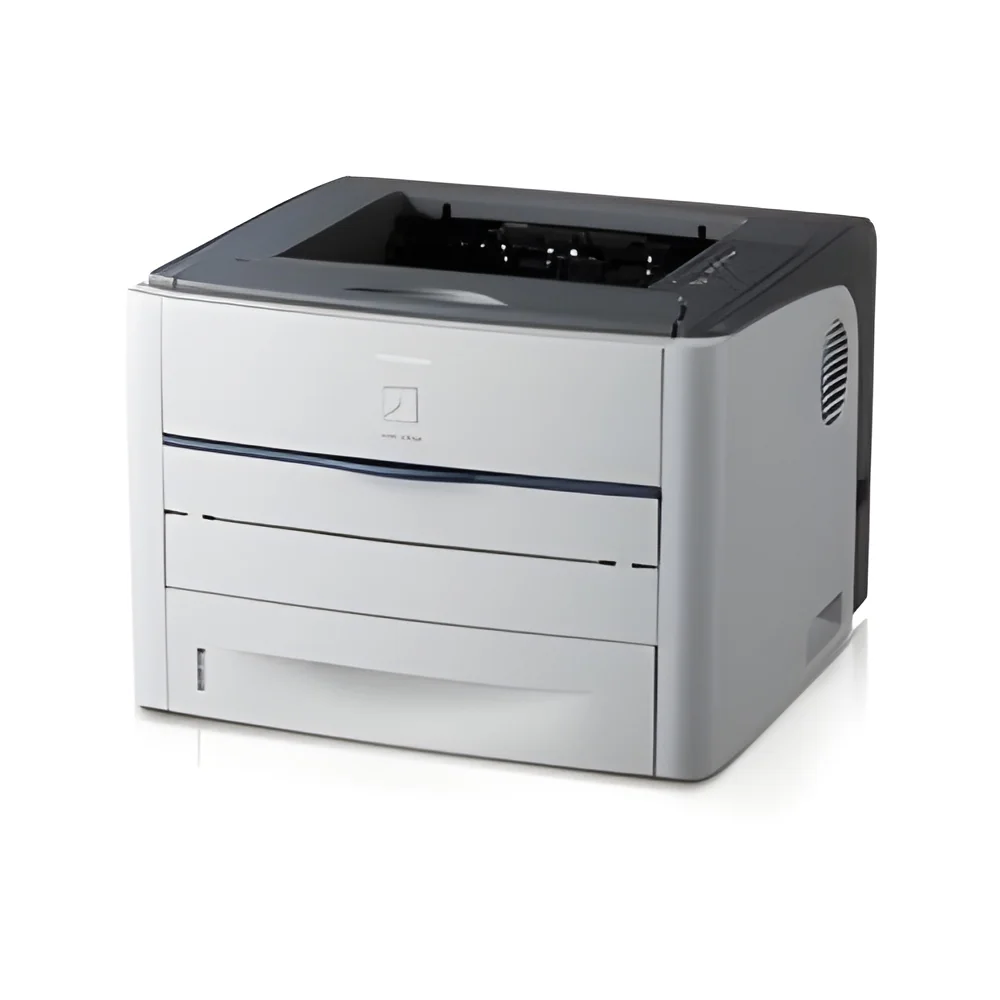
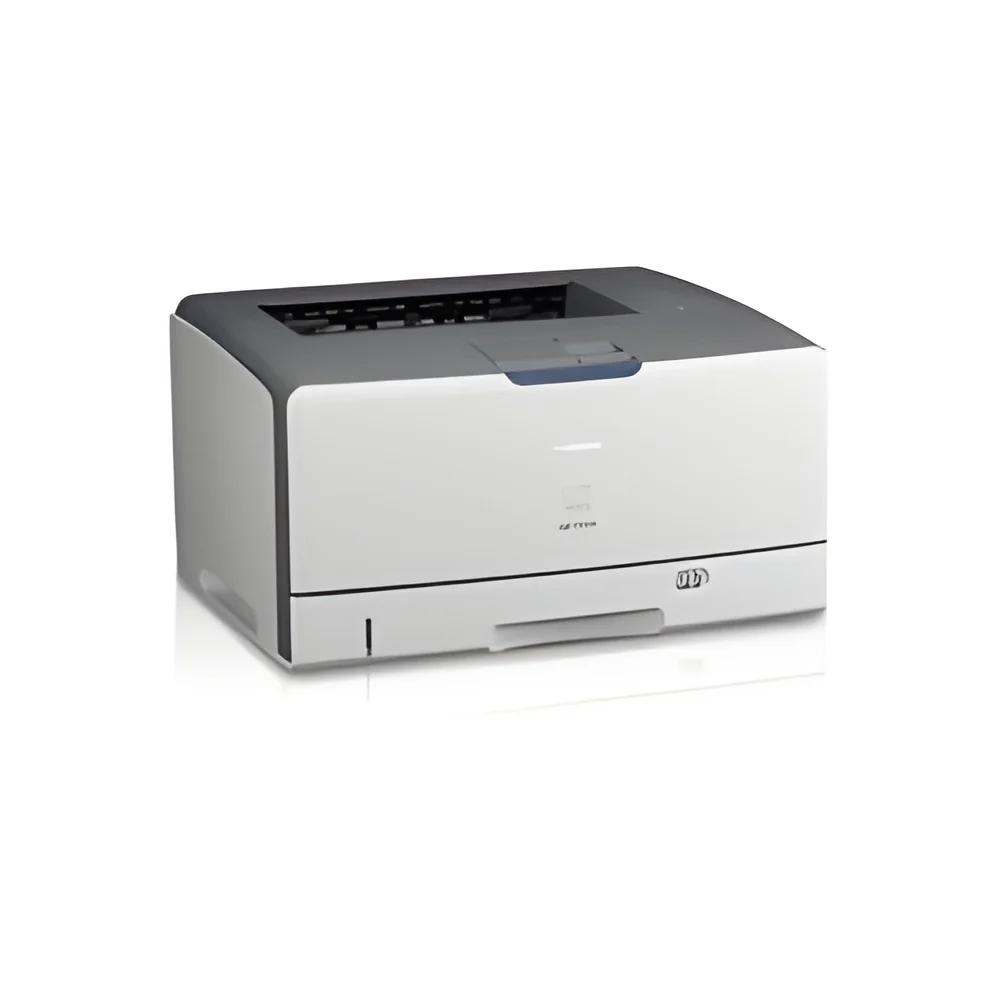
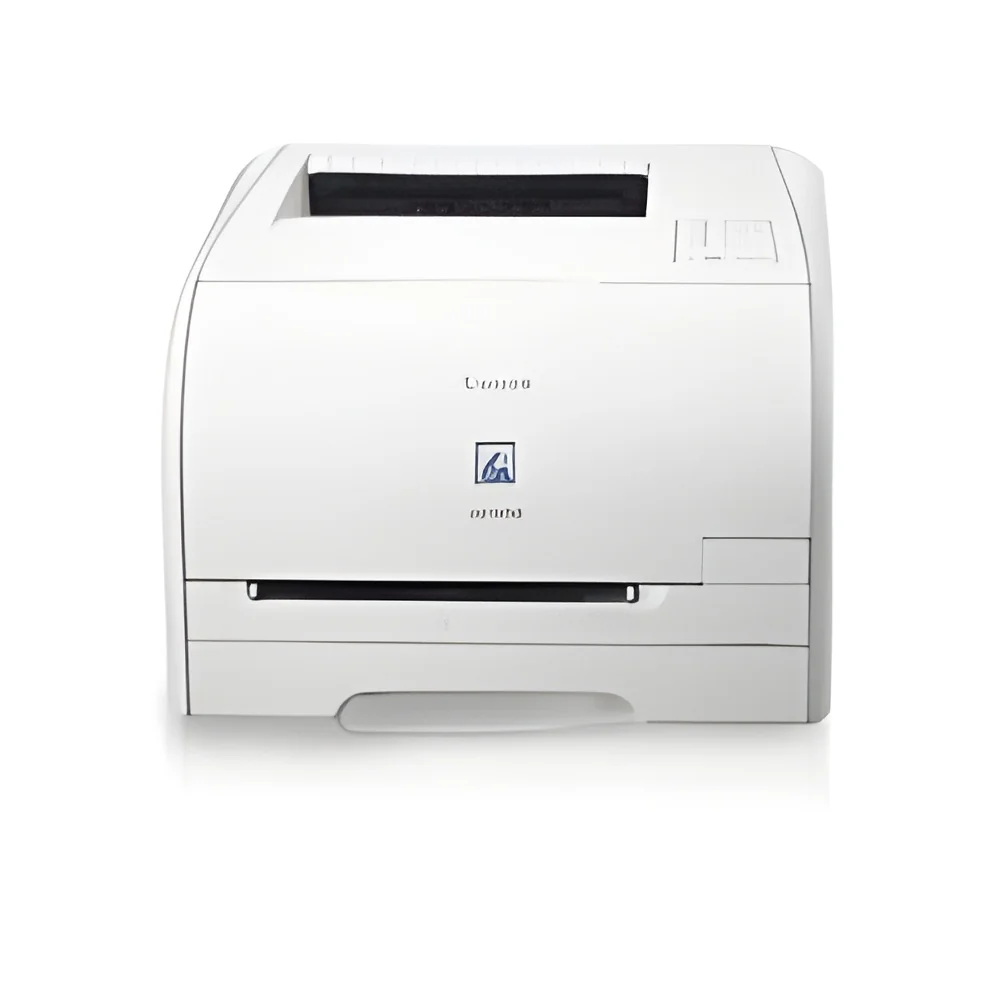
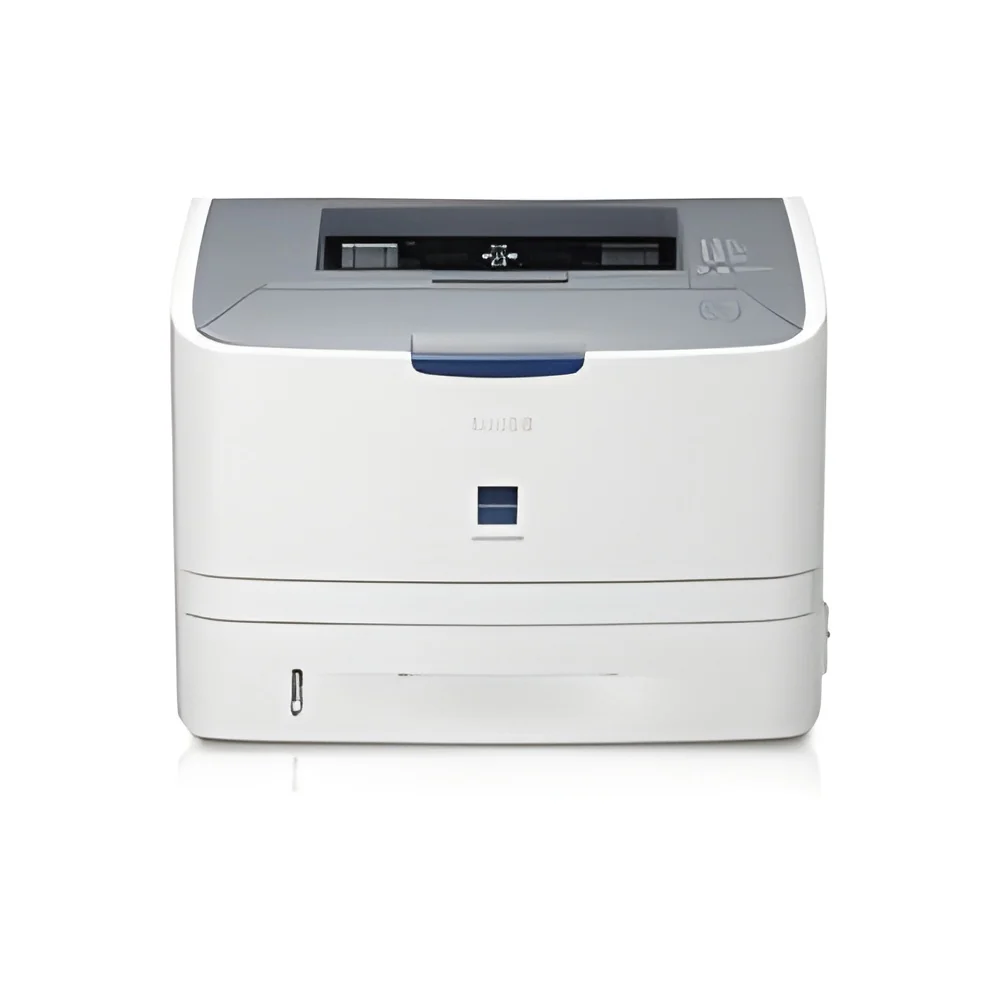
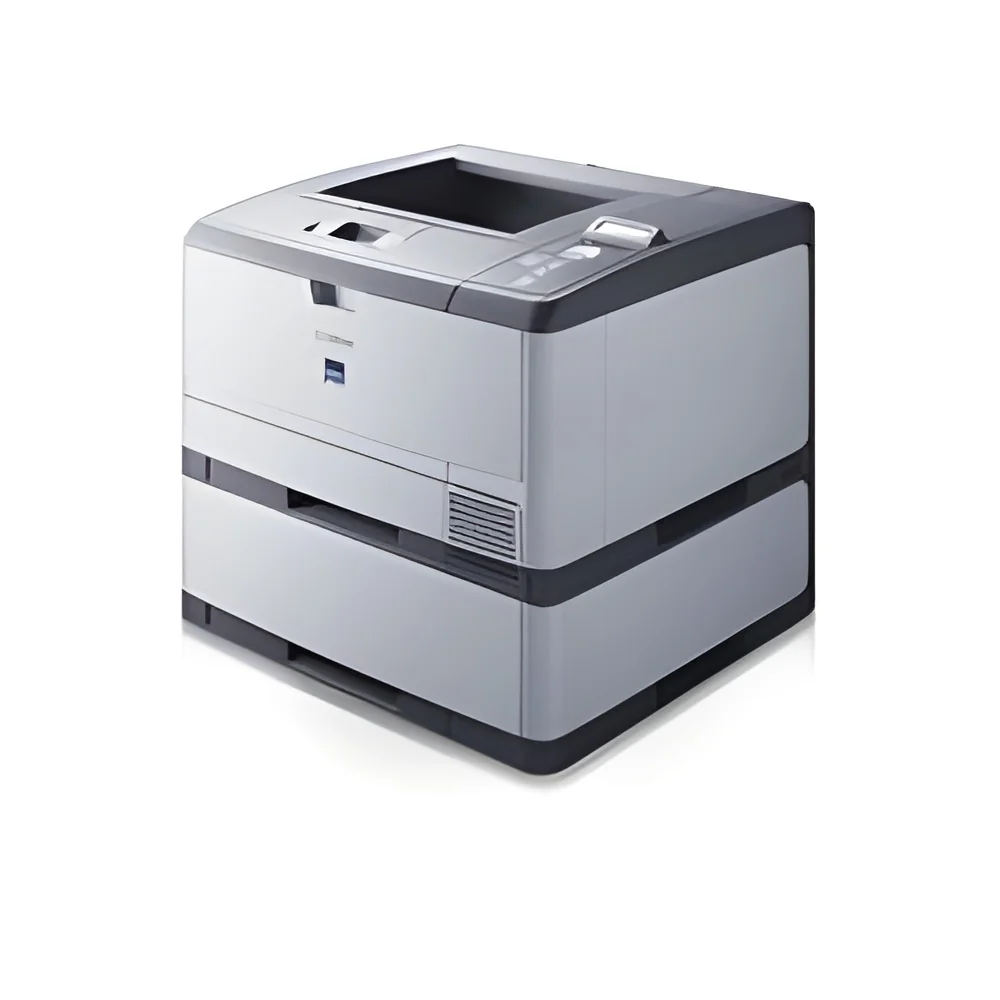
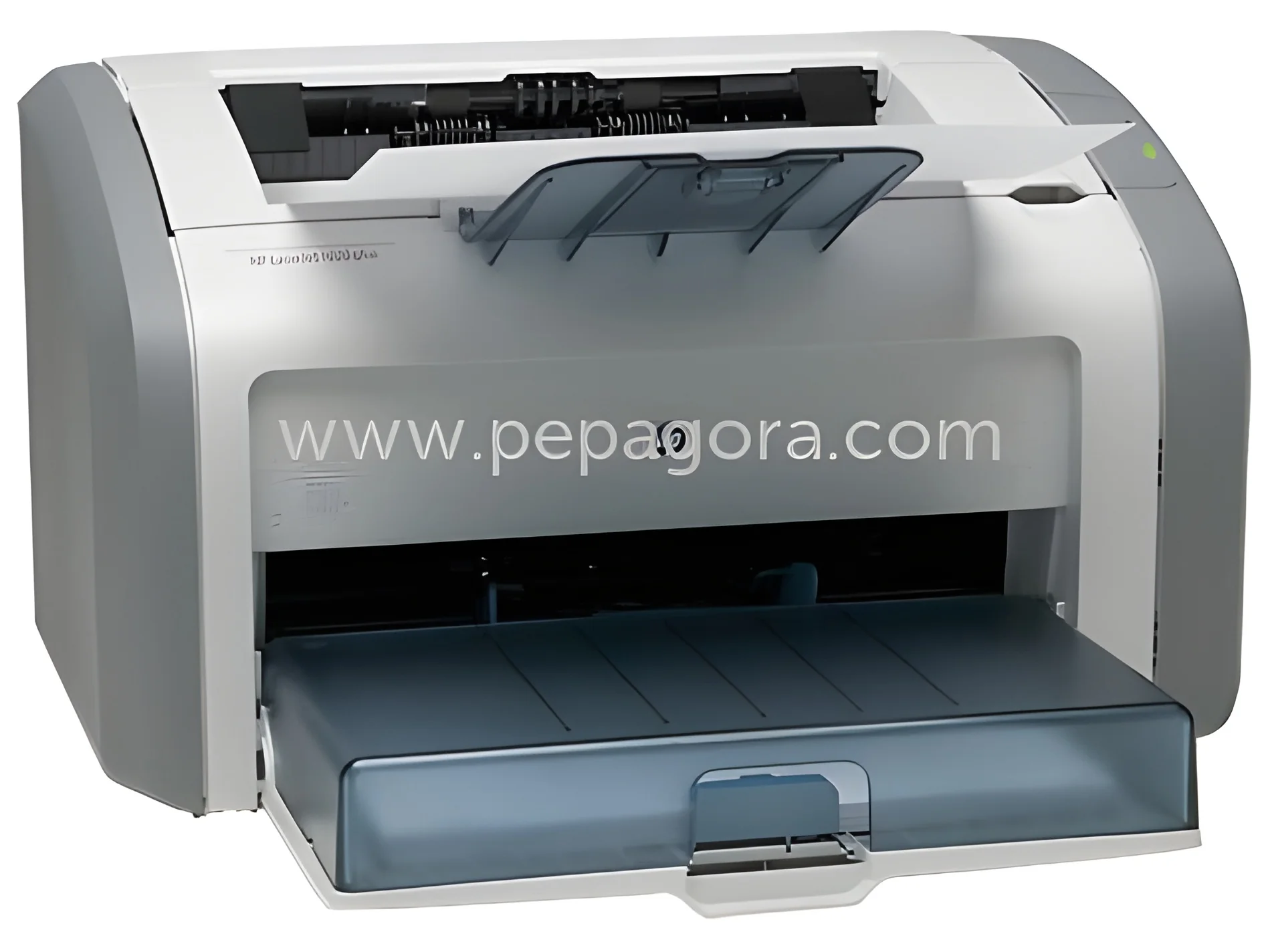
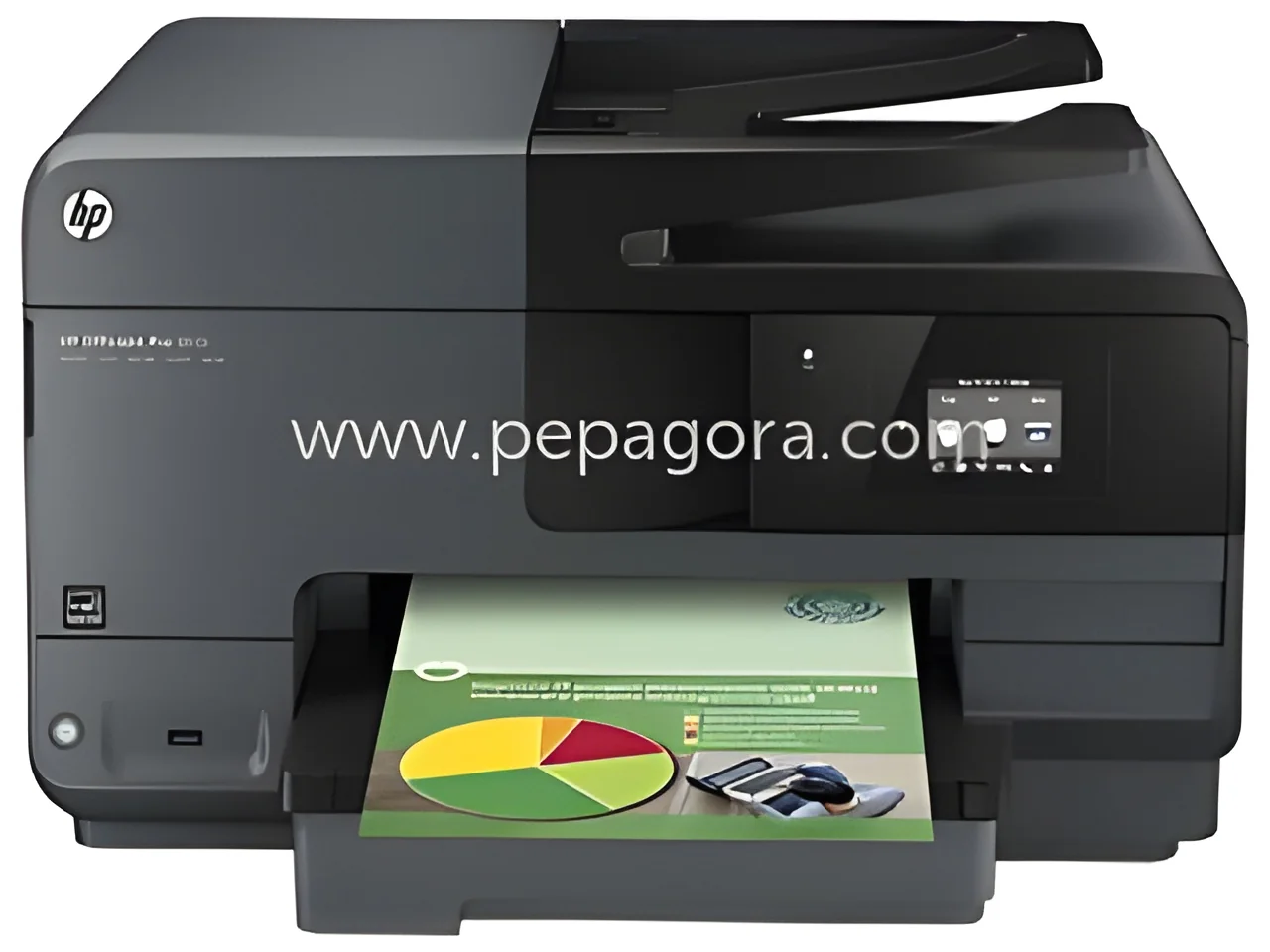
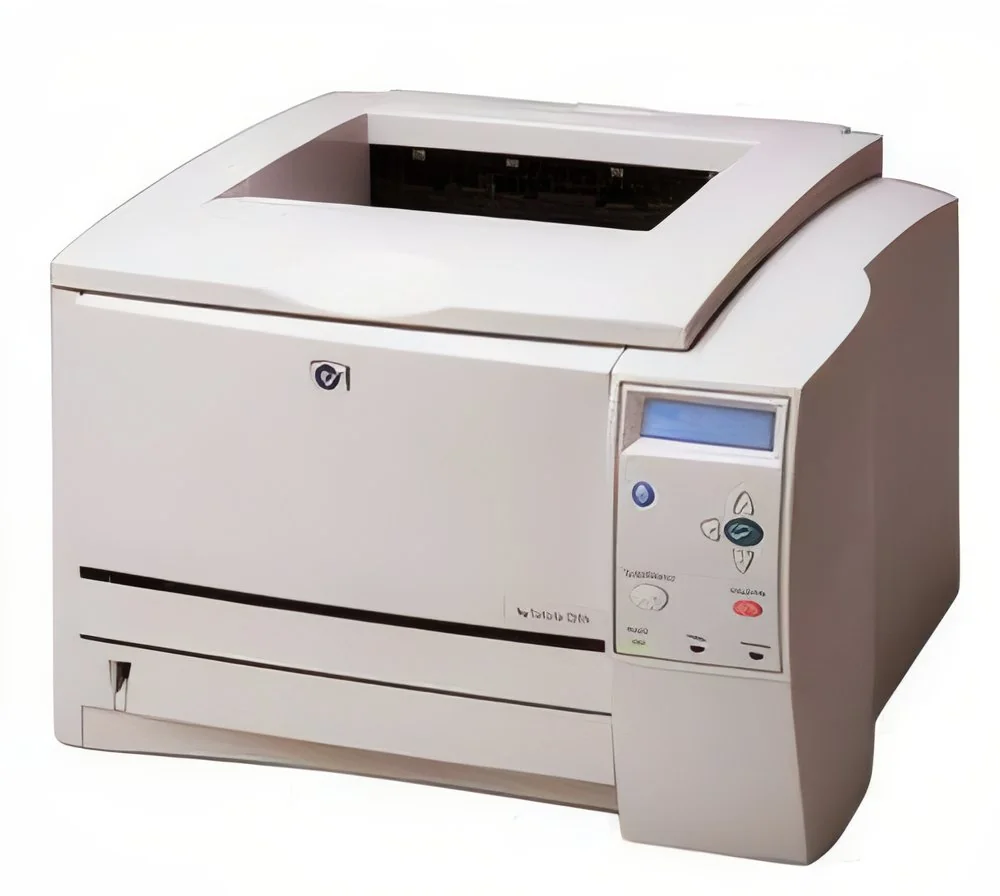
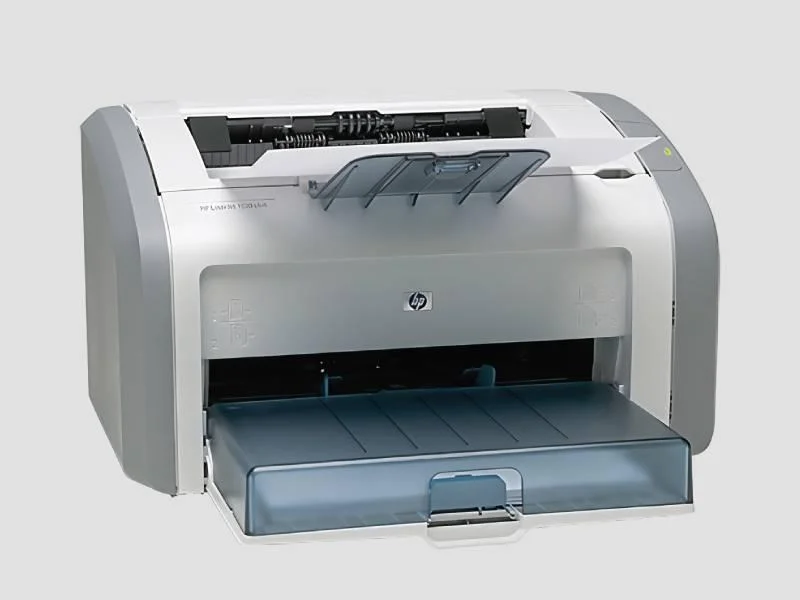
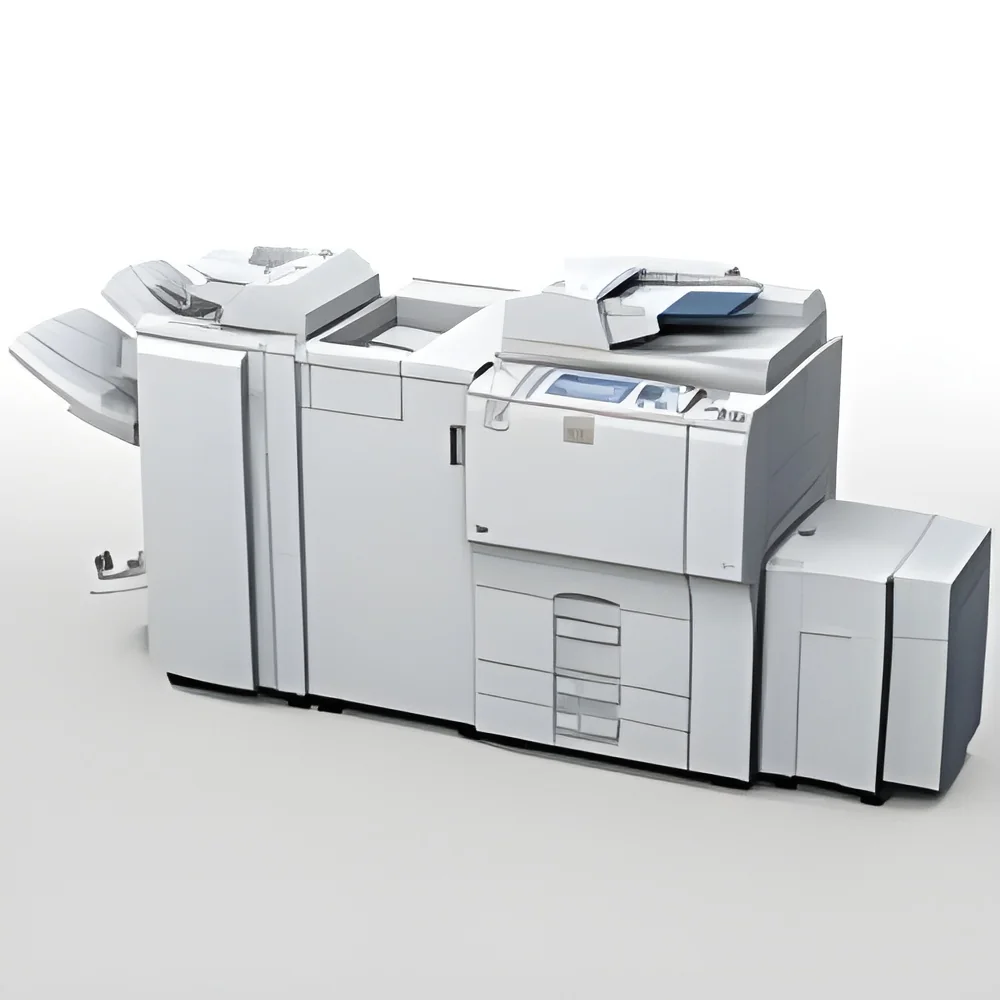
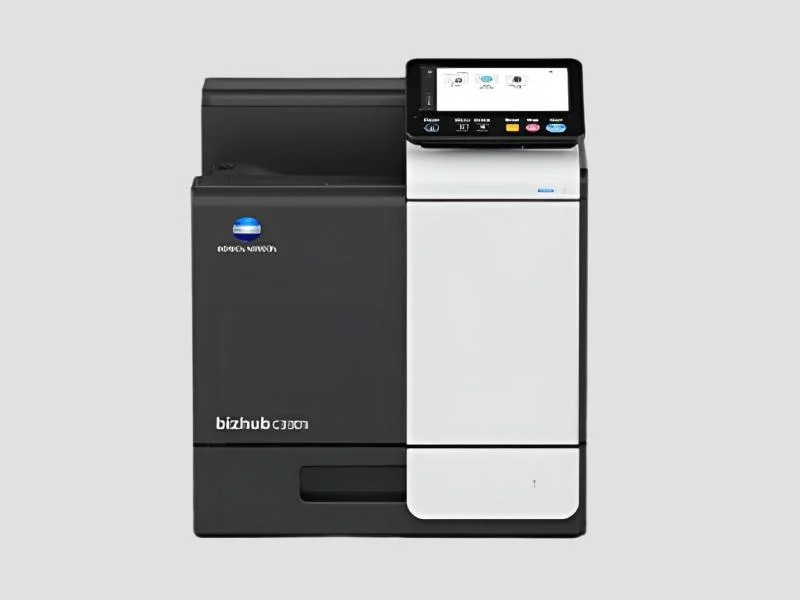
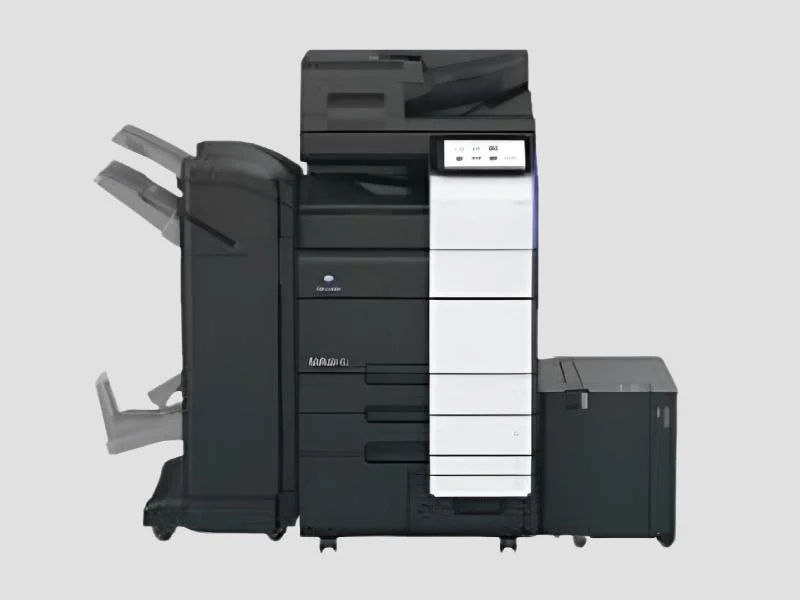
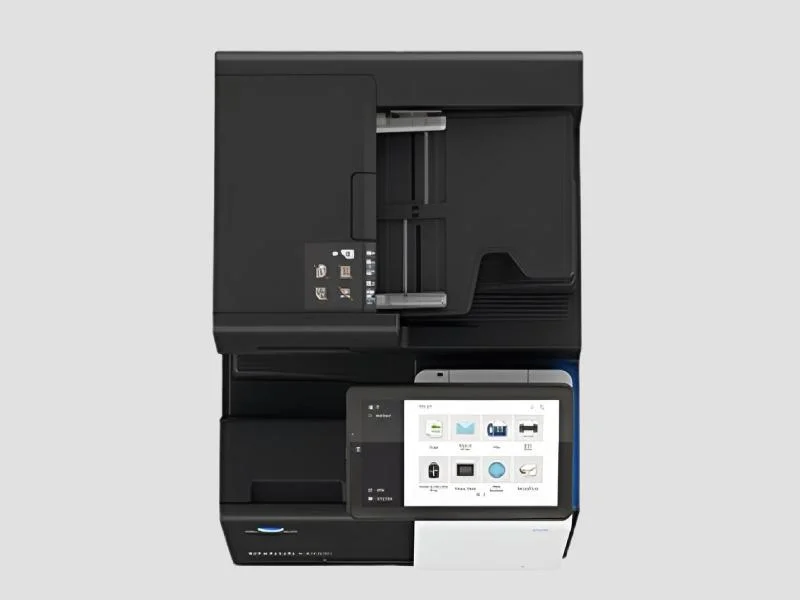
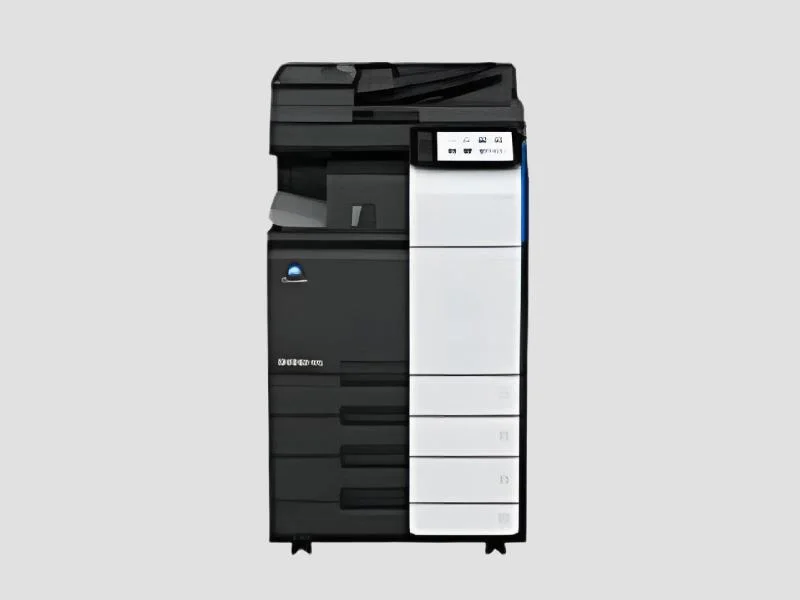
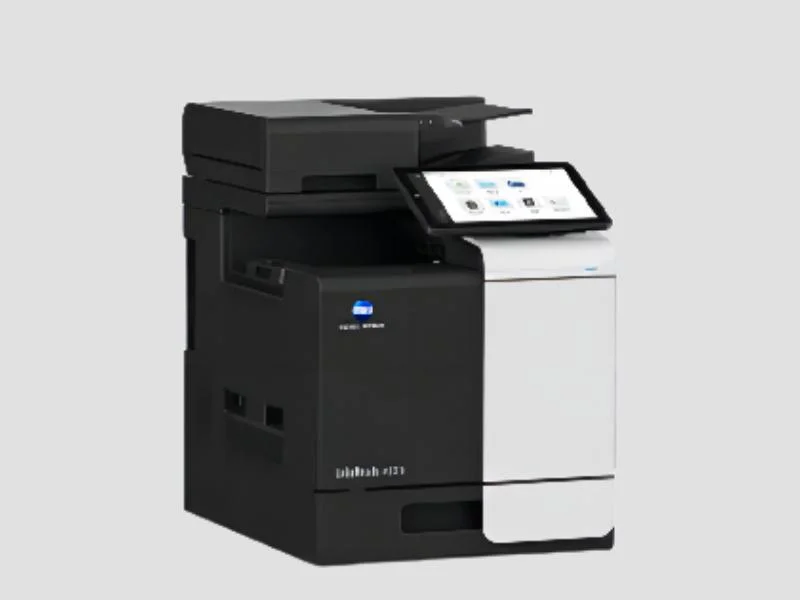
𝗪𝗵𝗮𝘁 𝗮𝗿𝗲 𝗟𝗮𝘀𝗲𝗿 𝗣𝗿𝗶𝗻𝘁𝗲𝗿𝘀?
Laser printers are advanced printing devices that utilize laser technology to produce high-quality documents. They work by using a focused beam of light to transfer an image onto a drum, which then applies toner to the paper. This method allows for faster printing speeds and greater precision compared to traditional inkjet printers. Laser printers are known for their efficiency, durability, and ability to handle high-volume printing tasks.
These printers are primarily used in business environments where large quantities of documents need to be printed quickly and cost-effectively. Common applications include printing reports, invoices, presentations, and marketing materials. Their ability to produce sharp text and graphics makes them suitable for professional settings. As more businesses transition to digital documentation, laser printers remain relevant by offering reliable performance for both small offices and large enterprises.
In the market context, laser printers are essential tools in various industries. They are widely adopted in sectors such as education, healthcare, and finance, where high-quality printing is critical. The growth of remote work and online services has further increased the demand for efficient printing solutions, solidifying laser printers' position as a staple in commercial printing.
𝗞𝗲𝘆 𝗙𝗲𝗮𝘁𝘂𝗿𝗲𝘀 𝗮𝗻𝗱 𝗦𝗽𝗲𝗰𝗶𝗳𝗶𝗰𝗮𝘁𝗶𝗼𝗻𝘀
Laser printers come equipped with a variety of features designed to enhance performance and usability. Understanding these specifications is crucial for businesses looking to invest in the right printing technology.
Key specifications include:
1. Print Speed
- Measures the number of pages printed per minute (PPM).
- Typically ranges from 20 to 60 PPM for business models.
2. Print Resolution
- Refers to the quality of the printed output, measured in dots per inch (DPI).
- Common resolutions range from 600 DPI to 2400 DPI.
3. Monthly Duty Cycle
- Indicates the maximum number of pages a printer can handle in a month.
- Often varies from 20,000 to over 150,000 pages depending on the model.
4. Paper Handling
- Describes the types and sizes of paper the printer can accommodate.
- Supports various media types including letter, legal, and envelopes.
5. Connectivity Options
- Refers to how the printer connects to devices, such as USB, Ethernet, or wireless.
- Many models now include mobile printing capabilities.
6. Toner Capacity
- Indicates the yield of toner cartridges, affecting print costs.
- High-capacity cartridges can print thousands of pages before replacement.
7. Energy Efficiency
- Measures the printer's power consumption.
- Many models are ENERGY STAR certified for reduced environmental impact.
8. Security Features
- Includes options like secure printing and data encryption.
- Essential for protecting sensitive information in business settings.
In summary, selecting a laser printer involves understanding these key features and specifications to ensure it meets the operational needs of a business.
𝗖𝗼𝗺𝗺𝗼𝗻 𝗔𝗽𝗽𝗹𝗶𝗰𝗮𝘁𝗶𝗼𝗻𝘀 𝗮𝗻𝗱 𝗨𝘀𝗲 𝗖𝗮𝘀𝗲𝘀
Laser printers find applications across various industries, serving diverse printing needs.
1. Education: In schools and universities, laser printers are used for printing lesson plans, exams, and student materials efficiently and in high volumes.
2. Healthcare: Hospitals and clinics use laser printers to produce patient records, lab results, and medical documentation, which require precise and secure printing.
3. Finance: In the finance sector, laser printers are vital for printing invoices, financial reports, and compliance documents that demand high quality and accuracy.
4. Legal: Law firms rely on laser printers for printing contracts, legal briefs, and case files, where clarity and professionalism are essential.
5. Marketing: Advertising agencies utilize laser printers for high-quality marketing materials, such as brochures, flyers, and presentation documents.
6. Manufacturing: In manufacturing settings, laser printers are used for printing labels, product manuals, and compliance documentation.
7. Government: Government offices depend on laser printers for printing official documents, reports, and public notices that require a professional appearance.
𝗣𝗿𝗼𝗱𝘂𝗰𝘁 𝗩𝗮𝗿𝗶𝗮𝗻𝘁𝘀 𝗮𝗻𝗱 𝗦𝘂𝗯𝗰𝗮𝘁𝗲𝗴𝗼𝗿𝗶𝗲𝘀
Laser printers come in various models, each designed to meet specific business needs.
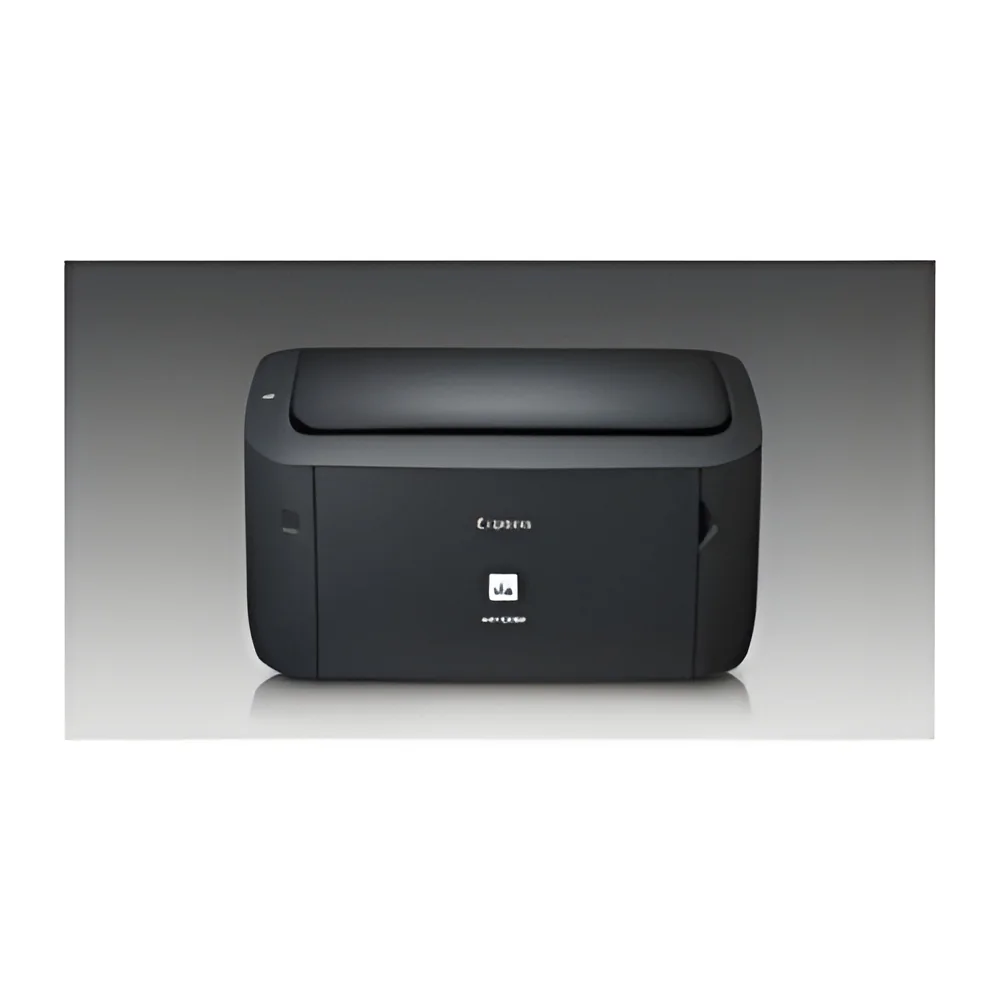
Small Office/Home Office Printers: These compact laser printers are ideal for low to moderate printing volumes. They offer essential features in a space-saving design, making them suitable for small businesses or home offices.
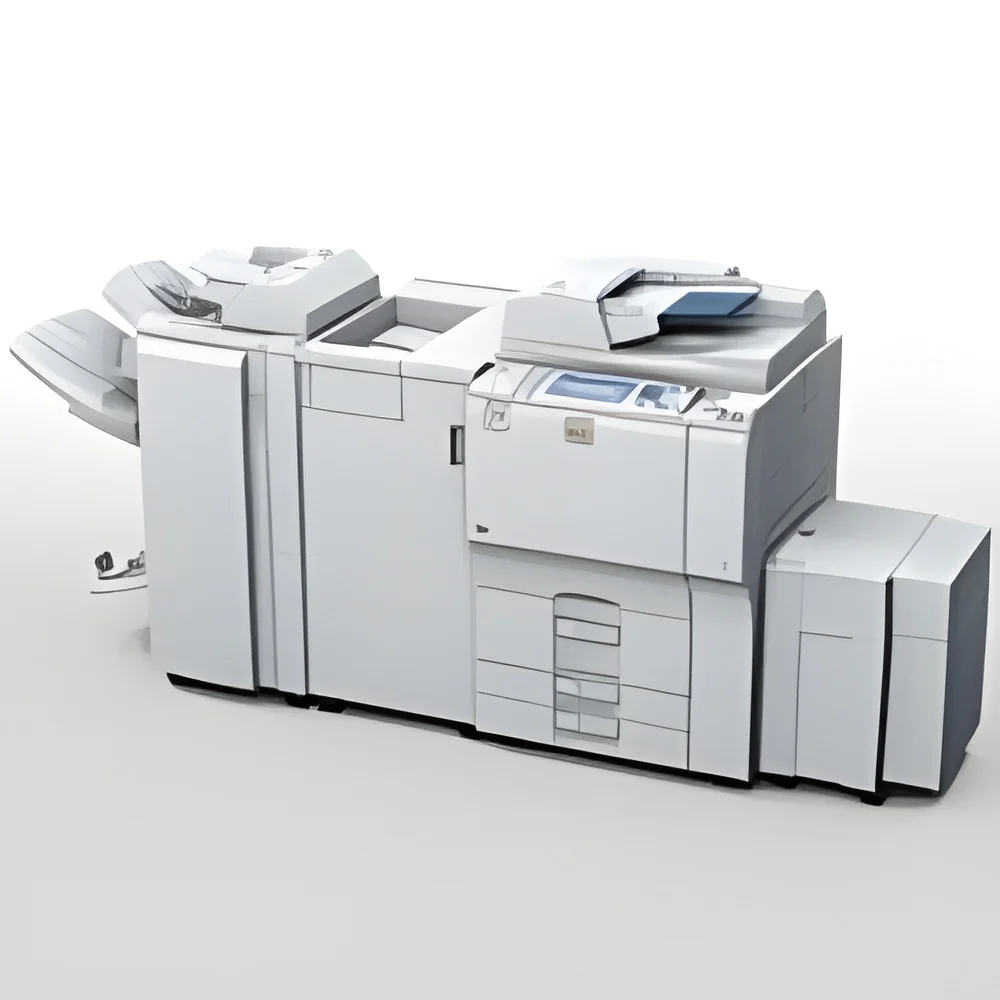
Workgroup Printers: Designed for larger teams, these printers provide high-speed printing and robust paper handling capabilities. Workgroup printers can handle the demands of multiple users simultaneously, making them suitable for busy office environments.
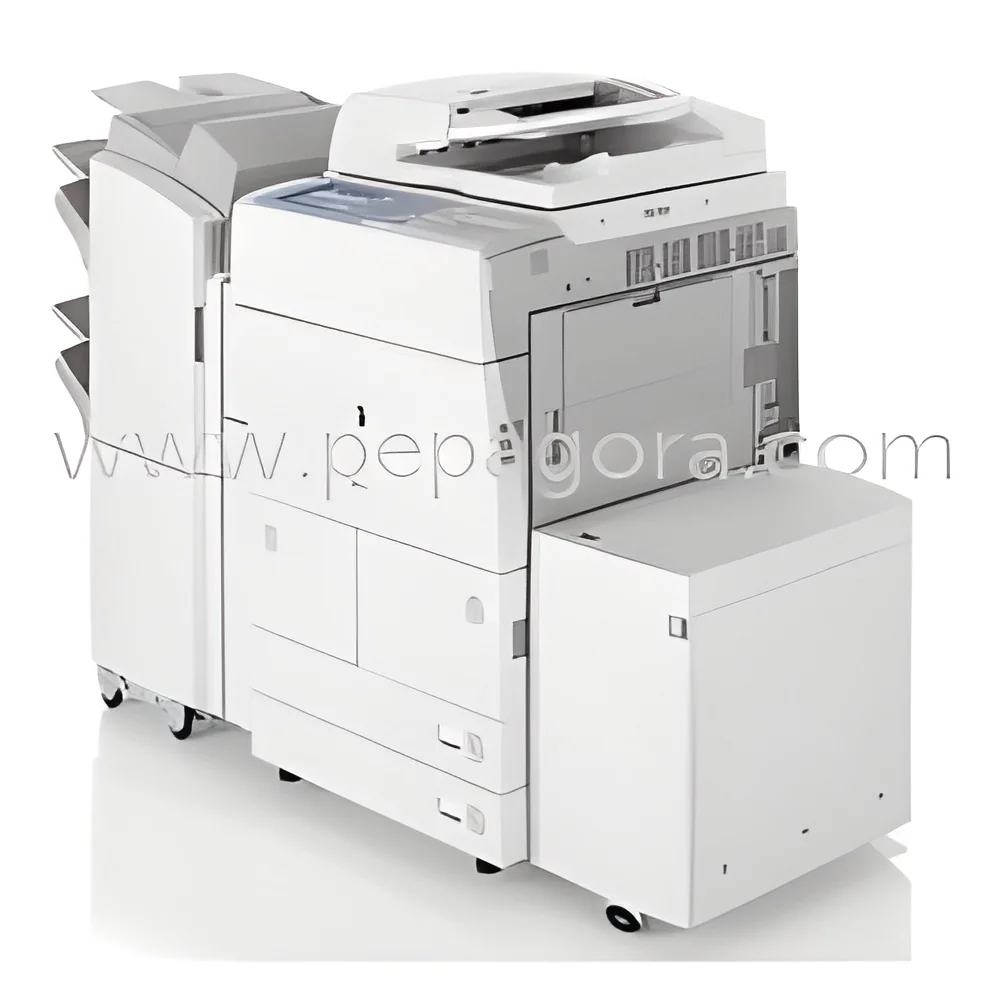
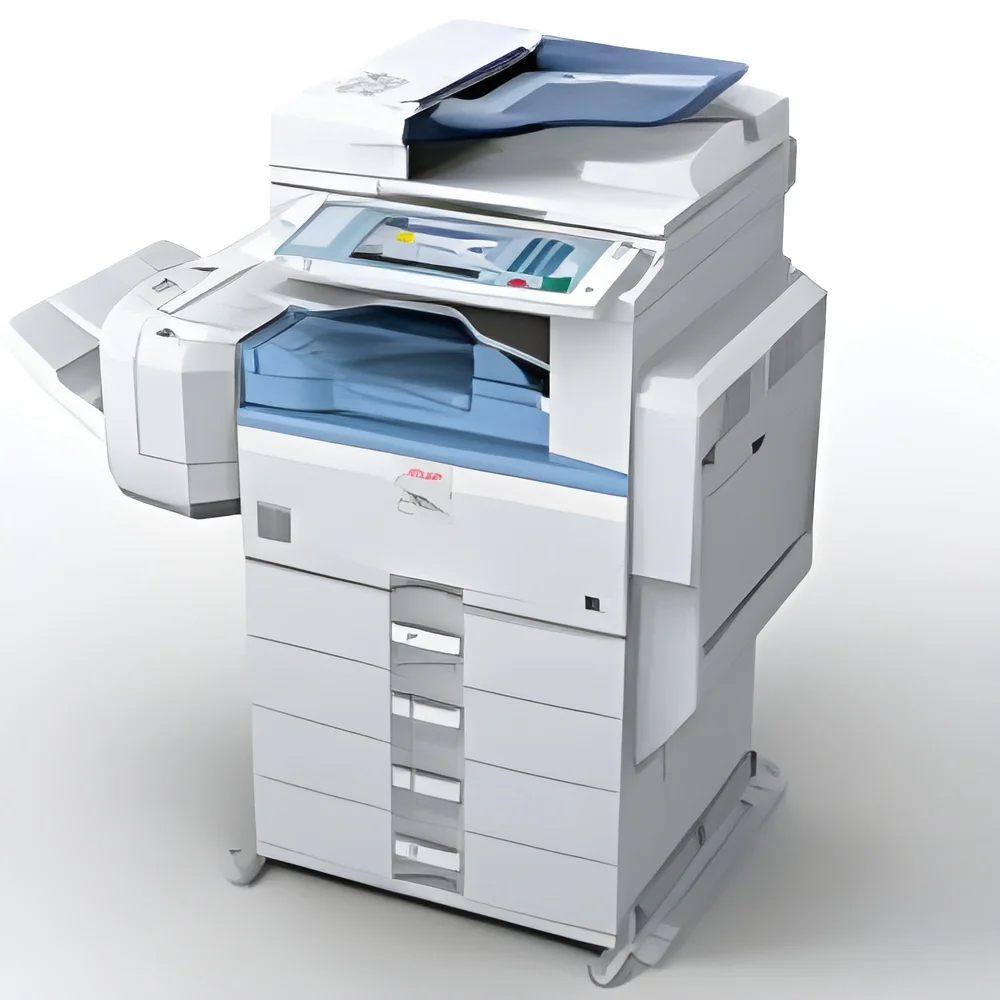
Multifunction Printers: These versatile devices combine printing, scanning, copying, and faxing capabilities in one unit. Multifunction laser printers are ideal for businesses looking to consolidate their office equipment.
𝗕𝗲𝗻𝗲𝗳𝗶𝘁𝘀 𝗮𝗻𝗱 𝗔𝗱𝘃𝗮𝗻𝘁𝗮𝗴𝗲𝘀
Laser printers offer numerous advantages that make them a preferred choice for businesses.
1. Cost Efficiency: Laser printers have a lower cost per page compared to inkjet printers, making them more economical for high-volume printing.
2. Speed: With fast printing speeds, laser printers can handle large print jobs quickly, improving workplace productivity.
3. Print Quality: They produce sharp, high-resolution text and images, ensuring professional-looking documents.
4. Durability: Laser printers are designed for long-term use and can withstand heavy workloads, making them reliable for business environments.
5. Low Maintenance: With fewer moving parts and less frequent toner replacement, laser printers require less maintenance than other types of printers.
6. Energy Efficiency: Many models are designed to consume less power, reducing overall operating costs and environmental impact.
𝗕𝘂𝘆𝗶𝗻𝗴 𝗚𝘂𝗶𝗱𝗲 𝗳𝗼𝗿 𝗕𝟮𝗕 𝗕𝘂𝘆𝗲𝗿𝘀
When sourcing laser printers, it’s essential to consider several factors to ensure the right fit for your business needs.
1. Quality Assessment: Evaluate print quality through samples before purchasing. Look for features such as high DPI and consistent output.
2. Supplier Verification: Vet potential suppliers by checking their reputations, customer reviews, and certifications to ensure reliability.
3. Pricing and MOQ: Compare prices across suppliers and inquire about minimum order quantities to find the best deal without overcommitting.
4. Delivery and Lead Times: Understand the supplier’s logistics capabilities and estimated delivery times to avoid delays in your operations.
5. Compliance Requirements: Ensure that the printers meet industry standards and regulations relevant to your business, such as safety and environmental guidelines.
𝗖𝗼𝗺𝗽𝗹𝗶𝗮𝗻𝗰𝗲 𝗮𝗻𝗱 𝗖𝗲𝗿𝘁𝗶𝗳𝗶𝗰𝗮𝘁𝗶𝗼𝗻𝘀
Laser printers must adhere to various compliance standards and certifications to ensure quality and safety.
ISO 9001 is a widely recognized quality management standard that many manufacturers strive to meet. This certification indicates that a company has established a quality management system to consistently provide products that meet customer and regulatory requirements.
Additionally, CE marking demonstrates that laser printers comply with European health, safety, and environmental protection standards. This certification is particularly important for businesses operating within the European market.
Safety and testing requirements for laser printers encompass electrical safety, electromagnetic compatibility, and environmental impact assessments. Regional compliance considerations may vary, with different markets requiring adherence to specific local regulations.
𝗪𝗵𝘆 𝗦𝗼𝘂𝗿𝗰𝗲 𝗟𝗮𝘀𝗲𝗿 𝗣𝗿𝗶𝗻𝘁𝗲𝗿𝘀 𝗳𝗿𝗼𝗺 𝗣𝗲𝗽𝗮𝗴𝗼𝗿𝗮?
Pepagora provides a trusted platform for sourcing laser printers, offering several key advantages to B2B buyers.
Verified Supplier Network: Pepagora connects buyers with a network of verified suppliers, ensuring that businesses can find reputable manufacturers and distributors for their printing needs.
Streamlined RFQ Process: The platform simplifies the quotation process, allowing buyers to request prices and information from multiple suppliers easily. This efficiency helps businesses make informed purchasing decisions.
Trade Assurance and Support: Pepagora offers trade assurance, protecting buyers’ investments and ensuring that they receive the products as promised. Support services are also available to assist buyers throughout the sourcing process.
Regional Coverage: With a strong presence in India, the GCC, and Southeast Asia, Pepagora facilitates connections with suppliers across these regions, making it easier for businesses to source laser printers that meet their specific requirements.
<p>Laser printers are high-speed printers that use a laser beam to produce high-quality text and images on paper. They work by transferring toner onto the paper through an electrostatic process, which is then fused to the paper using heat. Laser printers are widely used in offices and businesses due to their efficiency and cost-effectiveness for high-volume printing.</p>
2
What are the different types of Laser Printers?
<p>There are mainly two types of laser printers: monochrome and color laser printers. Monochrome laser printers print in black and white, making them ideal for text-heavy documents, while color laser printers can produce vibrant, multi-colored prints suitable for graphics and images. Additionally, there are multifunction laser printers that combine printing, scanning, copying, and faxing capabilities in one device.</p>
3
How do I choose the right Laser Printers?
<p>Choosing the right laser printer depends on your specific needs such as print volume, color preference, and additional features like scanning or copying. Consider factors like print speed, page yield, and connectivity options. It's also important to evaluate the total cost of ownership, including the price of toner cartridges and maintenance.</p>
4
What are the standard specifications for Laser Printers?
<p>Standard specifications for laser printers include print speed measured in pages per minute (PPM), print resolution indicated in dots per inch (DPI), and monthly duty cycle which shows the maximum number of pages a printer can handle per month. Additionally, memory size, connectivity options (USB, Ethernet, Wi-Fi), and paper handling capabilities are also critical specifications to consider.</p>
5
What is the price range for Laser Printers?
<p>The price range for laser printers can vary significantly based on features and brand. Basic monochrome laser printers start at approximately ₹10,000, while high-end color laser printers can range from ₹25,000 to over ₹1,00,000. It's advisable to compare different models and their specifications to find a suitable option that fits your budget.</p>
6
What quality standards apply to Laser Printers?
<p>Laser printers are generally required to meet specific quality standards such as ISO/IEC 24711 for measuring page yield and ISO/IEC 24734 for measuring print speed. Additionally, printers may need to comply with environmental standards like Energy Star certification, ensuring energy efficiency and reduced environmental impact during operation.</p>
7
Where can I find Laser Printers suppliers in India?
<p>You can find laser printer suppliers in India through online B2B marketplaces like Pepagora, where you can connect with various manufacturers and distributors. Additionally, trade shows, industrial exhibitions, and direct inquiries with established brands can also help you source reliable suppliers for laser printers.</p>
8
Can Laser Printers be customized?
<p>Yes, many manufacturers offer customization options for laser printers, allowing businesses to tailor features such as printing speed, memory, and additional functionalities. Customization may also include branding options, where companies can have their logos printed on the devices. It's best to discuss specific requirements with suppliers to explore available options.</p>
9
What is the typical minimum order quantity for Laser Printers?
<p>The typical minimum order quantity (MOQ) for laser printers varies by supplier and manufacturer. Generally, MOQs can range from a single unit for small businesses to bulk orders of 10 or more units for larger enterprises. It's advisable to confirm the MOQ with individual suppliers when placing an order.</p>
10
What is the typical lead time for Laser Printers?
<p>The typical lead time for laser printers can range from a few days to several weeks, depending on the supplier's inventory and production capabilities. Custom orders may take longer due to manufacturing and configuration processes. It's recommended to check with the supplier for specific lead times during the ordering process.</p>
Why Businesses Trust Pepagora
Thousands of companies trust Pepagora to source smarter and sell faster
Expand Your Sales Globally
25000+Products listed.Get discovered by global buyers

 IN
IN