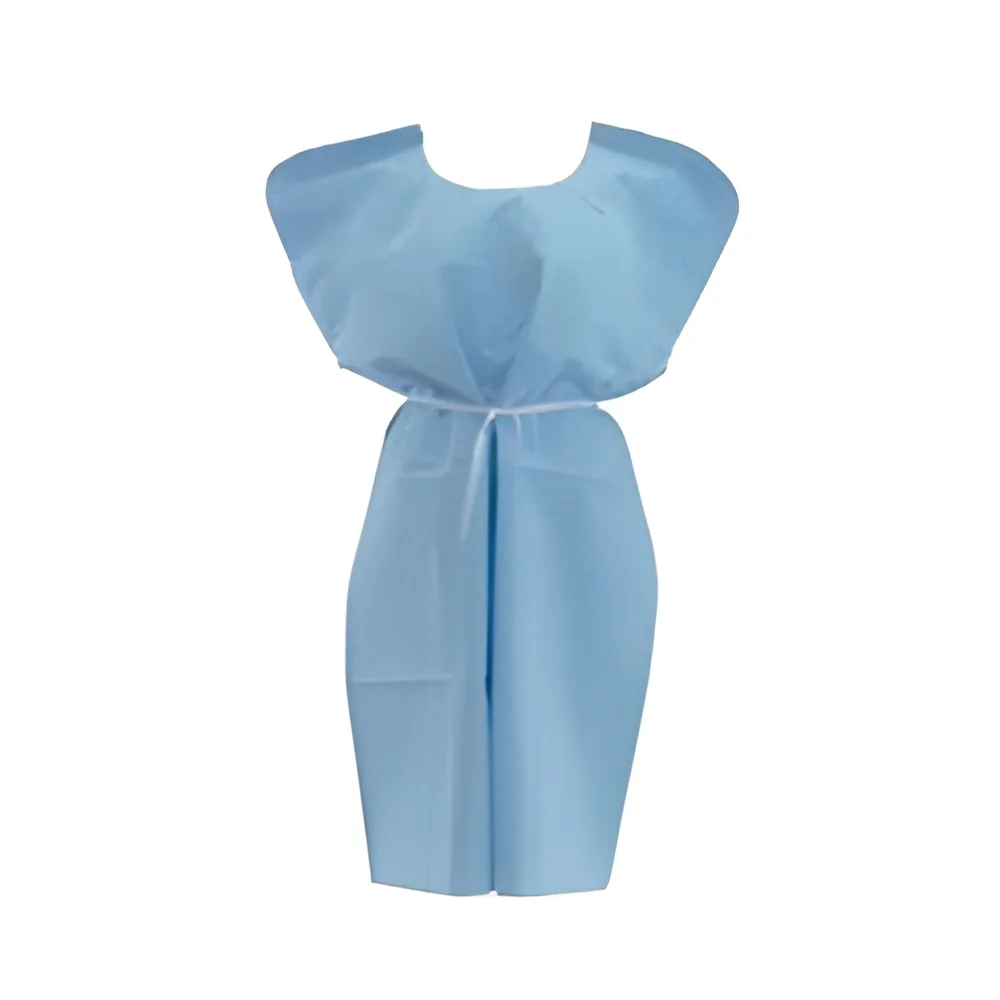
𝗪𝗵𝗮𝘁 𝗮𝗿𝗲 𝗟𝗲𝗮𝗱 𝗔𝗽𝗿𝗼𝗻𝘀 𝗳𝗼𝗿 𝗥𝗮𝗱𝗶𝗼𝗹𝗼𝗴𝘆?
Lead aprons for radiology are protective garments designed to shield medical personnel and patients from harmful radiation exposure during diagnostic imaging procedures. These aprons are made from lead or lead-equivalent materials, which effectively absorb and block radiation, thereby minimizing the risk of radiation-related health issues. The design of lead aprons typically includes adjustable straps to ensure a secure fit and comfort during use.
The primary applications of lead aprons are found in radiology departments, dental offices, and interventional radiology settings. Medical professionals, including radiologists and technicians, rely on these aprons to protect themselves while performing X-rays, CT scans, and other imaging procedures. The use of lead aprons is crucial in maintaining safety standards in healthcare environments where radiation is present, ensuring that workers can perform their duties without compromising their health.
In today's healthcare landscape, the relevance of lead aprons cannot be overstated. As the frequency of imaging procedures increases, so do concerns about radiation exposure. The market for lead aprons is growing, driven by advancements in healthcare technology and a heightened focus on safety protocols. Hospitals and clinics are increasingly investing in high-quality lead aprons to comply with safety regulations and provide a safe working environment for their staff.
𝗞𝗲𝘆 𝗙𝗲𝗮𝘁𝘂𝗿𝗲𝘀 𝗮𝗻𝗱 𝗦𝗽𝗲𝗰𝗶𝗳𝗶𝗰𝗮𝘁𝗶𝗼𝗻𝘀
Lead aprons are equipped with several key features that enhance their effectiveness and usability. They are designed to provide maximum protection while ensuring comfort and ease of movement.
Key specifications include:
1. Material Composition
- Made from lead or lead-equivalent materials
- Offers varying levels of radiation protection based on material thickness
2. Weight
- Generally ranges between 5 to 10 kilograms
- Lightweight options are available for ease of use
3. Size Options
- Available in multiple sizes to fit different body types
- Custom sizing may be available upon request
4. Design Features
- Includes adjustable straps and front closures for secure fit
- Options for wrap-around designs for enhanced coverage
5. Radiation Protection Levels
- Typically rated for 0.25 mm to 1.0 mm lead equivalency
- Specific ratings are available based on intended use
6. Maintenance Guidelines
- Easy to clean and maintain
- Can be wiped down with appropriate disinfectants
7. Certification
- Complies with relevant safety standards, such as CE certification
8. Durability
- Designed for long-term use in demanding environments
- Resistant to wear and tear from regular handling
In summary, lead aprons are essential protective gear that combines safety, comfort, and durability, making them a vital component of radiological practices.
𝗖𝗼𝗺𝗺𝗼𝗻 𝗔𝗽𝗽𝗹𝗶𝗰𝗮𝘁𝗶𝗼𝗻𝘀 𝗮𝗻𝗱 𝗨𝘀𝗲 𝗖𝗮𝘀𝗲𝘀
Lead aprons are utilized across various sectors where radiation exposure is a concern.
1. Healthcare: In hospitals and clinics, lead aprons protect medical staff during X-ray and MRI procedures, ensuring their safety from radiation.
2. Dentistry: Dental professionals use lead aprons to shield patients and themselves during radiographic examinations, which are common in dental diagnostics.
3. Veterinary Medicine: Veterinarians rely on lead aprons when performing radiological procedures on animals, safeguarding them from radiation.
4. Research Facilities: In laboratories conducting radiological research, lead aprons are essential for protecting staff from experimental radiation exposure.
5. Industrial Applications: In industries that utilize radiographic testing, lead aprons are worn by technicians to mitigate radiation risks during inspections.
6. Academia: Educational institutions training future healthcare professionals include the use of lead aprons in their radiology and imaging courses.
7. Emergency Services: First responders may use lead aprons in situations where they are exposed to radiation during rescue operations.
𝗣𝗿𝗼𝗱𝘂𝗰𝘁 𝗩𝗮𝗿𝗶𝗮𝗻𝘁𝘀 𝗮𝗻𝗱 𝗦𝘂𝗯𝗰𝗮𝘁𝗲𝗴𝗼𝗿𝗶𝗲𝘀
Lead aprons come in various designs and styles to cater to different needs.
Standard Lead Apron
This variant is designed for general use in hospitals and clinics. It features a classic design with adjustable straps, providing essential radiation protection for medical staff during imaging procedures.
Pregnancy Lead Apron
Specially designed for expectant mothers, this variant offers enhanced protection for both the mother and the unborn child. It typically features a front panel that can be adjusted to fit comfortably over the baby bump.
Pediatric Lead Apron
This variant is tailored for children, ensuring they receive appropriate protection during radiological exams. It is lightweight and designed for smaller body frames.
Lead Apron with Thyroid Collar
This apron incorporates a thyroid collar for added protection to sensitive areas during imaging. It is commonly used in dental and radiology settings.
𝗕𝗲𝗻𝗲𝗳𝗶𝘁𝘀 𝗮𝗻𝗱 𝗔𝗱𝘃𝗮𝗻𝘁𝗮𝗴𝗲𝘀
Lead aprons provide significant advantages in healthcare and industrial applications.
Key benefits include:
1. Radiation Protection: Lead aprons effectively shield the wearer from harmful radiation, reducing the risk of exposure.
2. Compliance with Safety Standards: Using lead aprons helps facilities comply with regulatory requirements regarding radiation safety.
3. Enhanced Comfort: Many lead aprons are designed with comfort in mind, allowing for ease of movement during procedures.
4. Versatility: Lead aprons can be used in various settings, including hospitals, dental offices, and veterinary clinics.
5. Long-Lasting Durability: High-quality lead aprons are built to last, providing reliable protection over time.
6. Customizable Options: Many manufacturers offer customization for size and design to meet specific needs.
𝗕𝘂𝘆𝗶𝗻𝗴 𝗚𝘂𝗶𝗱𝗲 𝗳𝗼𝗿 𝗕𝟮𝗕 𝗕𝘂𝘆𝗲𝗿𝘀
When sourcing lead aprons for radiology, several factors should be considered to make informed purchasing decisions.
1. Quality Assessment: It is essential to evaluate the quality of the materials and construction of the lead aprons. Look for products that meet safety standards and have a good reputation in the industry.
2. Supplier Verification: Vet potential suppliers by checking their certifications, customer reviews, and track record in the market. Reliable suppliers will provide transparency about their manufacturing processes.
3. Pricing and MOQ: Understand the pricing structure and the minimum order quantity (MOQ) required by suppliers. Compare prices among different vendors to ensure competitive rates while considering quality.
4. Delivery and Lead Times: Inquire about the expected delivery times and shipping options. Efficient logistics are crucial for timely procurement.
5. Compliance Requirements: Ensure that the lead aprons comply with relevant industry standards and regulations, such as CE marking, to guarantee safety and effectiveness.
𝗖𝗼𝗺𝗽𝗹𝗶𝗮𝗻𝗰𝗲 𝗮𝗻𝗱 𝗖𝗲𝗿𝘁𝗶𝗳𝗶𝗰𝗮𝘁𝗶𝗼𝗻𝘀
Lead aprons must adhere to various safety and quality standards to ensure effective protection against radiation.
Relevant quality standards include ISO 9001, which outlines the requirements for a quality management system, ensuring that manufacturers consistently provide products that meet customer and regulatory requirements.
In addition, the CE certification is crucial for lead aprons marketed in Europe, indicating that the product meets safety, health, and environmental protection standards.
Safety and testing requirements involve rigorous evaluation of the materials used in the aprons to ensure they provide adequate radiation shielding.
Regional compliance considerations may vary, and it is essential for manufacturers and suppliers to understand local regulations governing the use of lead aprons in healthcare and industrial settings.
𝗪𝗵𝘆 𝗦𝗼𝘂𝗿𝗰𝗲 𝗟𝗲𝗮𝗱 𝗔𝗽𝗿𝗼𝗻𝘀 𝗳𝗼𝗿 𝗥𝗮𝗱𝗶𝗼𝗹𝗼𝗴𝘆 𝗳𝗿𝗼𝗺 𝗣𝗲𝗽𝗮𝗴𝗼𝗿𝗮?
Pepagora offers a trusted platform for sourcing lead aprons for radiology, providing several key advantages to B2B buyers.
The verified supplier network includes reputable manufacturers known for their high-quality products. This ensures that buyers can find reliable options that meet their needs.
The streamlined RFQ process simplifies the procurement experience, allowing buyers to request quotes from multiple suppliers easily. This efficient approach helps buyers make informed decisions quickly.
Trade assurance and support are integral to the service, offering protection for buyers against potential risks. This includes guarantees on product quality and timely delivery.
Finally, Pepagora's regional coverage extends to India, the GCC, and Southeast Asia, enabling buyers from various regions to access quality lead aprons suited to their specific requirements.
Lead aprons for radiology are protective garments designed to shield the body from harmful ionizing radiation during medical imaging procedures. They are typically made from lead or lead-equivalent materials, providing a barrier to minimize radiation exposure for patients and healthcare professionals.
2
What are the different types of Lead Aprons for Radiology?
There are several types of lead aprons for radiology, including front-protection aprons, wrap-around aprons, and pediatric aprons. Each type is designed to offer varying levels of protection depending on the specific needs of the medical procedure and the user.
3
How do I choose the right Lead Aprons for Radiology?
To choose the right lead aprons for radiology, consider factors such as the level of radiation protection required, the fit and comfort of the apron, and the ease of movement during procedures. It's also important to select aprons that comply with safety standards and are made from durable materials.
4
What are the standard specifications for Lead Aprons for Radiology?
Standard specifications for lead aprons for radiology include the lead equivalency, which is typically measured in mm, and the apron weight. Most lead aprons provide a lead equivalency of 0.25mm to 0.5mm to ensure adequate protection against radiation.
5
What is the price range for Lead Aprons for Radiology?
The price range for lead aprons for radiology can vary widely based on factors such as the type, quality, and manufacturer. Generally, prices can range from INR 2,500 to INR 15,000 or more, depending on the specifications and features of the aprons.
6
What quality standards apply to Lead Aprons for Radiology?
Lead aprons for radiology must meet specific quality standards set by organizations such as the American National Standards Institute (ANSI) and the International Electrotechnical Commission (IEC). Compliance with these standards ensures that the aprons provide adequate protection and are safe for use in medical environments.
7
Where can I find Lead Aprons for Radiology suppliers in India?
You can find lead aprons for radiology suppliers in India through various online B2B marketplaces, medical equipment suppliers, and specialized manufacturers. Websites like Pepagora.com can provide a comprehensive list of verified suppliers and manufacturers in this category.
8
Can Lead Aprons for Radiology be customized?
Yes, lead aprons for radiology can often be customized to meet specific requirements. Customization options may include different sizes, colors, and additional features such as pockets or adjustable straps to enhance comfort and usability.
9
What is the typical minimum order quantity for Lead Aprons for Radiology?
The typical minimum order quantity (MOQ) for lead aprons for radiology can vary by supplier, but it generally ranges from 5 to 10 units. It is advisable to check with individual suppliers for their specific MOQ policies.
10
What is the typical lead time for Lead Aprons for Radiology?
The typical lead time for lead aprons for radiology can vary depending on factors such as the supplier and the level of customization required. Generally, lead times range from 2 to 6 weeks for standard orders, while customized orders may take longer.
Why Businesses Trust Pepagora
Thousands of companies trust Pepagora to source smarter and sell faster
Expand Your Sales Globally
25000+Products listed.Get discovered by global buyers

 IN
IN