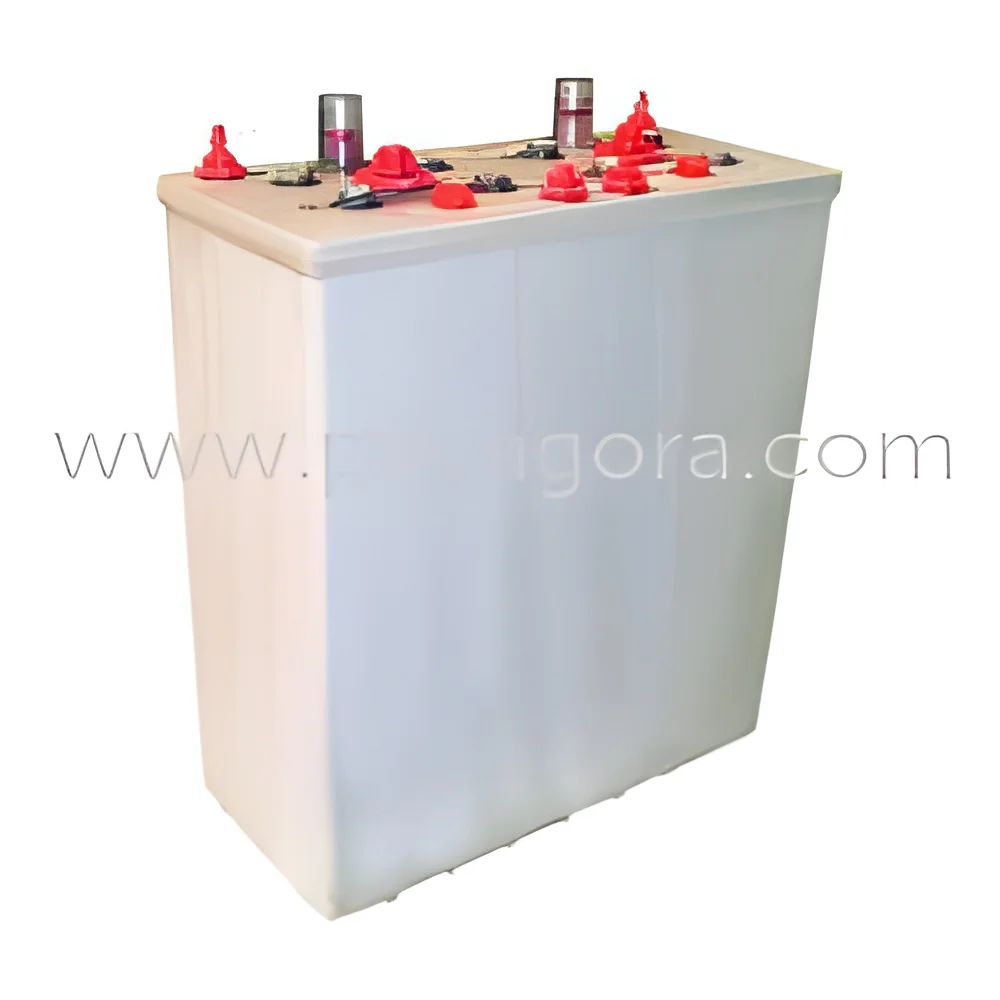
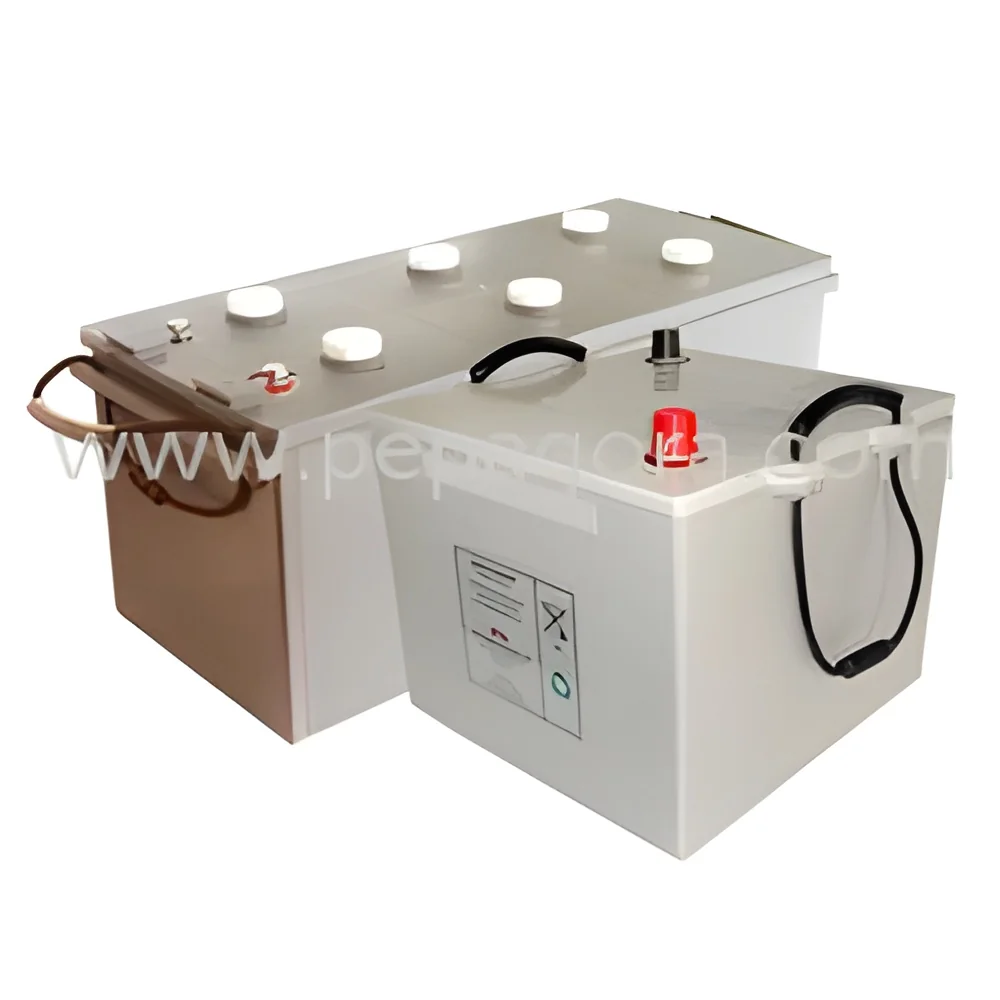
𝗪𝗵𝗮𝘁 𝗮𝗿𝗲 𝗟𝗲𝗮𝗱-𝗔𝗰𝗶𝗱 𝗕𝗮𝘁𝘁𝗲𝗿𝗶𝗲𝘀?
Lead-acid batteries are rechargeable energy storage devices that utilize lead dioxide and sponge lead as electrodes, along with a sulfuric acid electrolyte. These batteries have been in use for over 150 years, making them one of the oldest types of rechargeable batteries available. They are known for their reliability, cost-effectiveness, and ability to deliver high surge currents, which makes them suitable for a variety of applications.
In the business context, lead-acid batteries are predominantly used in automotive, industrial, and renewable energy sectors. They power vehicles, including cars, trucks, and forklifts, and are integral in backup power systems and uninterruptible power supplies (UPS). Their ability to withstand deep discharges and rapid charging cycles makes them particularly valuable in applications that require dependable energy sources.
The relevance of lead-acid batteries in today's market is significant. As industries transition towards more sustainable energy solutions, the demand for lead-acid batteries remains strong, particularly in sectors where cost and efficiency are critical. Despite the rise of newer battery technologies, lead-acid batteries continue to hold a substantial share of the market due to their established performance and recycling capabilities.
𝗞𝗲𝘆 𝗙𝗲𝗮𝘁𝘂𝗿𝗲𝘀 𝗮𝗻𝗱 𝗦𝗽𝗲𝗰𝗶𝗳𝗶𝗰𝗮𝘁𝗶𝗼𝗻𝘀
Lead-acid batteries offer several key features that contribute to their widespread use. Known for their robustness, they are designed to perform well under various conditions, making them suitable for both stationary and mobile applications. Understanding the specifications of lead-acid batteries is essential for selecting the right product for specific needs.
Key specifications include:
1. Capacity
- Measured in ampere-hours (Ah), this determines how much energy the battery can store and deliver.
- Common ranges vary from 20 Ah to over 2000 Ah.
2. Voltage
- Standard lead-acid batteries typically come in 6V or 12V configurations.
- Voltage can affect the performance and compatibility with various applications.
3. Cycle Life
- Refers to the number of charge-discharge cycles a battery can undergo before its capacity significantly degrades.
- Typical cycle life ranges from 200 to 600 cycles depending on usage.
4. Weight
- Weight can affect portability and installation, with lead-acid batteries generally weighing between 20 to 60 kg for standard models.
5. Self-Discharge Rate
- Indicates how quickly a battery loses its charge when not in use.
- Lead-acid batteries typically have a self-discharge rate of about 3-5% per month.
6. Operating Temperature Range
- Most lead-acid batteries operate effectively within a temperature range of -20 to 50 degrees Celsius.
7. Maintenance Needs
- Some lead-acid batteries require regular maintenance, including water topping and terminal cleaning, while sealed types do not.
8. Environmental Impact
- Lead-acid batteries are highly recyclable, with over 95% of their components being recoverable.
In summary, lead-acid batteries provide a mix of reliability, affordability, and established technology that makes them a staple in various industrial applications.
𝗖𝗼𝗺𝗺𝗼𝗻 𝗔𝗽𝗽𝗹𝗶𝗰𝗮𝘁𝗶𝗼𝗻𝘀 𝗮𝗻𝗱 𝗨𝘀𝗲 𝗖𝗮𝘀𝗲𝘀
Lead-acid batteries are utilized across multiple sectors due to their versatility and dependability.
1. Automotive: They are widely used as starter batteries in vehicles, providing the necessary power to start engines and run electrical systems.
2. Industrial: Forklifts and other heavy machinery often rely on lead-acid batteries for their energy needs, particularly in warehouses and manufacturing plants.
3. Renewable Energy: These batteries serve as storage solutions for solar and wind energy systems, allowing efficient energy management.
4. Telecommunications: Lead-acid batteries provide backup power for telecom equipment, ensuring continuous operation during outages.
5. Uninterruptible Power Supplies (UPS): They are commonly used in UPS systems to maintain power to critical systems during electrical failures.
6. Marine Applications: Boats and ships utilize lead-acid batteries for starting engines and powering onboard electronics.
7. Emergency Lighting: Lead-acid batteries are often used in emergency lighting systems, providing essential illumination during power failures.
𝗣𝗿𝗼𝗱𝘂𝗰𝘁 𝗩𝗮𝗿𝗶𝗮𝗻𝘁𝘀 𝗮𝗻𝗱 𝗦𝘂𝗯𝗰𝗮𝘁𝗲𝗴𝗼𝗿𝗶𝗲𝘀
Lead-acid batteries come in various configurations to meet different application needs.
Flooded Lead-Acid Batteries: These traditional batteries require regular maintenance, including water topping. They are widely used in industrial settings due to their high capacity and cycle life.
Sealed Lead-Acid Batteries: These maintenance-free options are designed to prevent electrolyte spillage. They are commonly used in applications like alarms and emergency lighting.
AGM Batteries: Absorbent Glass Mat (AGM) batteries offer high performance and faster charging capabilities. They are ideal for applications requiring frequent cycling, such as renewable energy systems.
Gel Batteries: These batteries use a gel electrolyte, making them spill-proof and suitable for extreme temperatures. They are often used in renewable energy and marine applications.
𝗕𝗲𝗻𝗲𝗳𝗶𝘁𝘀 𝗮𝗻𝗱 𝗔𝗱𝘃𝗮𝗻𝘁𝗮𝗴𝗲𝘀
Lead-acid batteries present various advantages that make them a preferred choice in many industrial applications.
1. Cost-Effectiveness: Lead-acid batteries are generally more affordable compared to other battery technologies, making them accessible for businesses.
2. High Surge Current: They can deliver high burst currents, which is particularly beneficial for applications like starting engines.
3. Established Technology: With over a century of use, lead-acid batteries have a proven track record of reliability.
4. Recycling Potential: These batteries are highly recyclable, which helps reduce environmental impact and promotes sustainability.
5. Wide Availability: Lead-acid batteries are widely available and supported by a robust supply chain, facilitating easy procurement.
6. Versatility: They can be used in a variety of applications, from automotive to industrial and renewable energy sectors.
𝗕𝘂𝘆𝗶𝗻𝗴 𝗚𝘂𝗶𝗱𝗲 𝗳𝗼𝗿 𝗕𝟮𝗕 𝗕𝘂𝘆𝗲𝗿𝘀
When sourcing lead-acid batteries, it is crucial for B2B buyers to consider several factors to ensure a successful purchase.
1. Quality Assessment: Evaluate battery quality based on manufacturer reputation, performance specifications, and reliability. Look for products that meet industry standards.
2. Supplier Verification: Vet potential suppliers to ensure they have a track record of providing quality products and reliable service. Consider certifications and customer reviews.
3. Pricing and MOQ: Compare prices and understand the minimum order quantities (MOQ) required by suppliers. This will help in budgeting and planning inventory.
4. Delivery and Lead Times: Discuss logistics with suppliers to determine delivery schedules and lead times, ensuring that battery availability aligns with operational needs.
5. Compliance Requirements: Understand regulatory requirements relevant to lead-acid batteries, including safety and environmental standards, to ensure compliance.
𝗖𝗼𝗺𝗽𝗹𝗶𝗮𝗻𝗰𝗲 𝗮𝗻𝗱 𝗖𝗲𝗿𝘁𝗶𝗳𝗶𝗰𝗮𝘁𝗶𝗼𝗻𝘀
Lead-acid batteries must adhere to various compliance and certification standards to ensure safety and quality.
Relevant quality standards include ISO 9001, which focuses on quality management systems, ensuring that manufacturers maintain high-quality production practices. Additionally, HACCP and GDP standards may apply in specific industries to ensure safety and effectiveness.
Industry certifications, such as CE marking, indicate compliance with European safety standards, which can be crucial for businesses operating in or exporting to Europe.
Safety and testing requirements are essential for lead-acid batteries, involving rigorous assessments to prevent failures. These may include evaluating performance under extreme conditions and ensuring proper handling of hazardous materials.
Regional compliance considerations are also important, as regulations can vary by country. Businesses should be aware of local laws governing the use and disposal of lead-acid batteries to avoid penalties.
𝗪𝗵𝘆 𝗦𝗼𝘂𝗿𝗰𝗲 𝗟𝗲𝗮𝗱-𝗔𝗰𝗶𝗱 𝗕𝗮𝘁𝘁𝗲𝗿𝗶𝗲𝘀 𝗳𝗿𝗼𝗺 𝗣𝗲𝗽𝗮𝗴𝗼𝗿𝗮?
Pepagora offers a trusted platform for sourcing lead-acid batteries, providing numerous advantages for B2B buyers.
Verified Supplier Network: Pepagora ensures that all suppliers are thoroughly vetted, providing buyers with confidence in the quality and reliability of the products offered.
Streamlined RFQ Process: The platform facilitates a straightforward Request for Quotation (RFQ) process, allowing buyers to easily compare multiple offers and choose the best option.
Trade Assurance and Support: Buyers receive protection through trade assurance, which helps mitigate risks associated with purchasing, ensuring that transactions are secure and satisfactory.
Regional Coverage: Pepagora has a broad geographic reach, serving markets in India, GCC, and Southeast Asia. This extensive coverage allows buyers to find suppliers that are close to their operations, reducing shipping times and costs.
Lead-Acid Batteries are a type of rechargeable battery that uses lead dioxide and sponge lead as electrodes, with sulfuric acid as the electrolyte. They are widely used in various applications, including automotive, industrial, and backup power systems due to their high reliability and cost-effectiveness.
2
What are the different types of Lead-Acid Batteries?
The main types of Lead-Acid Batteries are flooded lead-acid, sealed lead-acid (SLA), and gel lead-acid batteries. Flooded lead-acid batteries require regular maintenance and are often used in applications like automotive and industrial, while sealed lead-acid batteries are maintenance-free and suitable for portable applications.
3
How do I choose the right Lead-Acid Batteries?
Choosing the right Lead-Acid Batteries depends on your specific application requirements, such as voltage, capacity, size, and intended use. It's important to consider factors like discharge rates, charging cycles, and environmental conditions to ensure optimal performance and longevity.
4
What are the standard specifications for Lead-Acid Batteries?
Standard specifications for Lead-Acid Batteries typically include nominal voltage, capacity (measured in amp-hours), dimensions, weight, and discharge rates. Some batteries may also have specific temperature ranges and cycle life ratings that are important for particular applications.
5
What is the price range for Lead-Acid Batteries?
The price range for Lead-Acid Batteries can vary significantly based on factors such as type, capacity, and manufacturer. Generally, prices can range from a few hundred to several thousand Indian Rupees, depending on the specifications and intended use.
6
What quality standards apply to Lead-Acid Batteries?
Lead-Acid Batteries are subject to various quality standards, including ISO certifications and specific industry norms. Compliance with these standards ensures reliability, safety, and performance, making it essential to source from reputable manufacturers.
7
Where can I find Lead-Acid Batteries suppliers in India?
You can find Lead-Acid Batteries suppliers in India through B2B marketplaces like Pepagora.com, trade shows, and industry directories. Additionally, contacting manufacturers directly may provide insights into their product offerings and availability.
8
Can Lead-Acid Batteries be customized?
Yes, many manufacturers offer customization options for Lead-Acid Batteries, including specific sizes, capacities, and terminal types. Customization can help meet unique application requirements, though it may affect pricing and lead times.
9
What is the typical minimum order quantity for Lead-Acid Batteries?
The typical minimum order quantity (MOQ) for Lead-Acid Batteries can range from a few units for smaller suppliers to larger quantities for manufacturers. It's advisable to check with suppliers for their specific MOQs based on your purchasing needs.
10
What is the typical lead time for Lead-Acid Batteries?
The typical lead time for Lead-Acid Batteries can vary based on the supplier and order specifications, usually ranging from a few days to several weeks. Factors such as customization, production schedules, and shipping logistics can influence the overall delivery timeline.
Why Businesses Trust Pepagora
Thousands of companies trust Pepagora to source smarter and sell faster
Expand Your Sales Globally
25000+Products listed.Get discovered by global buyers

 IN
IN