𝗪𝗵𝗮𝘁 𝗮𝗿𝗲 𝗟𝗶𝗴𝗵𝘁𝗻𝗶𝗻𝗴 𝗔𝗿𝗿𝗲𝘀𝘁𝗲𝗿𝘀?
Lightning arresters are devices designed to protect electrical systems and infrastructure from the damaging effects of lightning strikes. They serve as a pathway for lightning energy to safely dissipate into the ground, preventing surges that can cause equipment failure or fire. By redirecting the lightning discharge away from sensitive components, these devices play a critical role in maintaining the integrity and safety of electrical installations.
The primary applications of lightning arresters include protecting transmission lines, substations, and various industrial equipment. They are commonly employed in sectors such as telecommunications, power generation, and construction, where safeguarding electrical systems from lightning-induced damage is essential. In today's world, where reliance on technology and electrical infrastructure continues to grow, the significance of lightning arresters in minimizing risks and ensuring operational continuity has become increasingly evident.
The market for lightning arresters is expanding due to growing awareness of electrical safety and the increasing frequency of severe weather events. Industries are actively seeking reliable solutions to mitigate the risks associated with lightning strikes. As such, manufacturers are innovating to develop more effective and durable products that meet the evolving needs of the market.
𝗞𝗲𝘆 𝗙𝗲𝗮𝘁𝘂𝗿𝗲𝘀 𝗮𝗻𝗱 𝗦𝗽𝗲𝗰𝗶𝗳𝗶𝗰𝗮𝘁𝗶𝗼𝗻𝘀
Lightning arresters come equipped with several key features that enhance their performance and reliability. These features are critical for ensuring optimal protection of electrical systems.
Key specifications include:
1. Voltage Rating
- Determines the maximum voltage the arrester can handle
- Typically ranges from 1 kV to over 100 kV
2. Energy Absorption Capacity
- Reflects the amount of energy the device can absorb from a lightning strike
- Measured in joules or kilojoules
3. Response Time
- Indicates how quickly the arrester can react to a lightning event
- Generally in the range of nanoseconds
4. Insulation Resistance
- Measures the resistance to electrical leakage
- Values can exceed 1,000 megohms
5. Temperature Range
- Specifies the operational temperature limits
- Data not available
6. Humidity Control
- Indicates the device's ability to function in various humidity levels
- Data not available
7. Monitoring Features
- Some models include monitoring capabilities for real-time performance tracking
- Data not available
8. Compliance and Certification
- Ensures the product meets industry standards and safety requirements
- Certified by CE standards
In summary, understanding these specifications is crucial for selecting the appropriate lightning arrester for specific applications, ensuring both safety and reliability.
𝗖𝗼𝗺𝗺𝗼𝗻 𝗔𝗽𝗽𝗹𝗶𝗰𝗮𝘁𝗶𝗼𝗻𝘀 𝗮𝗻𝗱 𝗨𝘀𝗲 𝗖𝗮𝘀𝗲𝘀
Lightning arresters are versatile devices used across various industries to protect electrical infrastructure from lightning damage.
1. Telecommunications: Lightning arresters are vital for protecting communication towers and equipment from lightning strikes, ensuring uninterrupted service and safeguarding valuable technology.
2. Power Generation: In power plants, lightning arresters shield transformers and generators from surges, helping to maintain operational efficiency and prevent costly downtime.
3. Construction: Building sites often use lightning arresters to protect temporary electrical installations from lightning strikes, ensuring worker safety and equipment integrity.
4. Transportation: Airports and railways utilize lightning arresters to protect signaling systems and power supplies, ensuring safe operations during storms.
5. Oil and Gas: In this sector, lightning arresters safeguard critical infrastructure such as refineries and storage facilities from lightning-related hazards.
6. Data Centers: Lightning arresters protect sensitive electronic equipment in data centers, maintaining data integrity and minimizing service disruptions.
7. Renewable Energy: Solar and wind farms implement lightning arresters to protect their installations from lightning strikes, ensuring the longevity of their systems.
𝗣𝗿𝗼𝗱𝘂𝗰𝘁 𝗩𝗮𝗿𝗶𝗮𝗻𝘁𝘀 𝗮𝗻𝗱 𝗦𝘂𝗯𝗰𝗮𝘁𝗲𝗴𝗼𝗿𝗶𝗲𝘀
Lightning arresters come in various configurations to cater to different protection needs and applications. Each variant offers unique features tailored to specific environments.
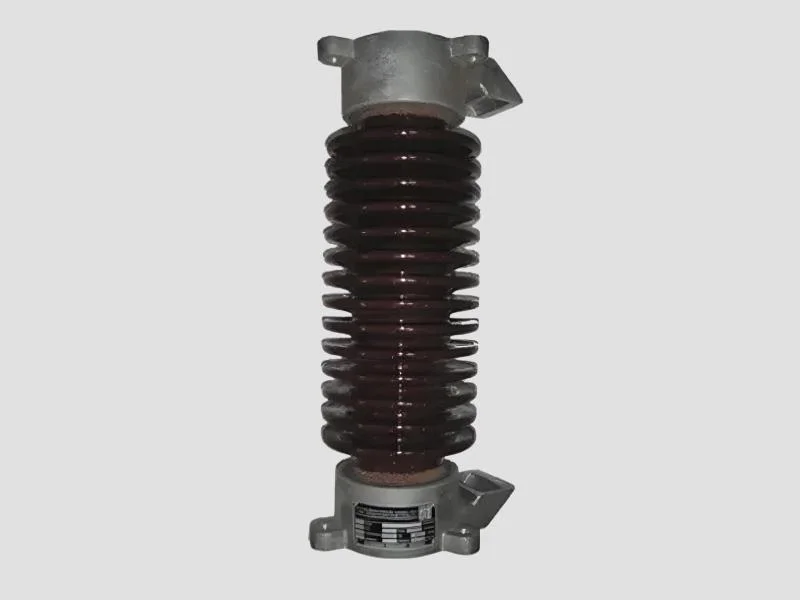
Metal Oxide Varistor (MOV) Arresters: These arresters utilize metal oxide varistors to clamp voltage spikes. They are commonly used in power distribution systems due to their high energy absorption capacity and fast response times.
Gap Type Arresters: Often used in outdoor applications, gap type arresters have a physical gap that ionizes during a lightning event. This design is effective in high-voltage environments.
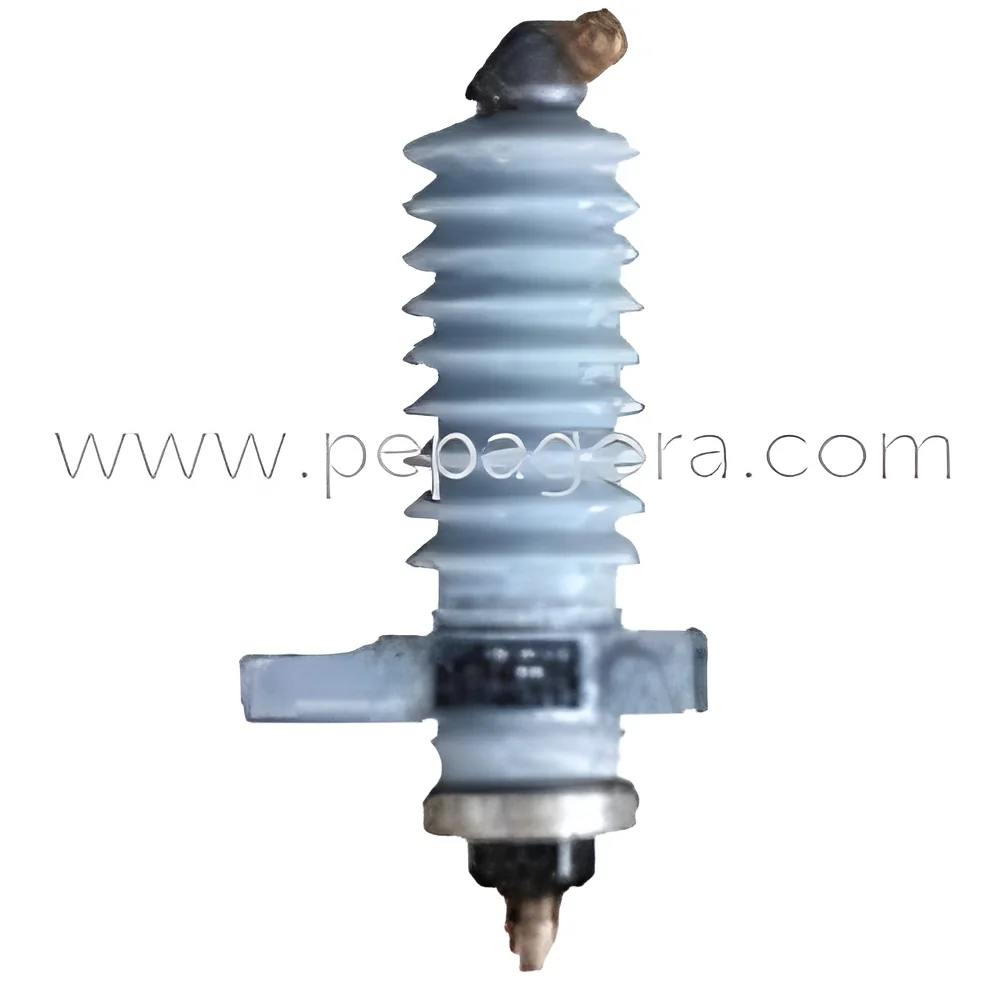
Polymer Lightning Arresters: These are designed for flexibility and durability, featuring a polymer housing that withstands harsh environmental conditions. They are commonly used in utility applications.
Composite Lightning Arresters: Combining various technologies, composite arresters offer enhanced performance and reliability. They are suitable for diverse industrial applications requiring robust protection.
𝗕𝗲𝗻𝗲𝗳𝗶𝘁𝘀 𝗮𝗻𝗱 𝗔𝗱𝘃𝗮𝗻𝘁𝗮𝗴𝗲𝘀
Investing in lightning arresters provides several key advantages for businesses looking to protect their electrical systems.
1. Enhanced Safety: Lightning arresters significantly reduce the risk of fire and equipment damage caused by lightning strikes, ensuring a safer working environment.
2. Cost Savings: By preventing damage to electrical equipment, businesses can avoid costly repairs and downtime, leading to substantial savings over time.
3. Increased Reliability: With effective lightning protection, electrical systems operate more reliably, minimizing disruptions that can impact productivity.
4. Compliance Assurance: Using certified lightning arresters helps businesses meet regulatory requirements and industry standards, enhancing credibility and trust.
5. Versatility: Lightning arresters are suitable for various applications, making them a flexible solution for different industries and environments.
6. Improved System Longevity: Protecting electrical systems from lightning-induced surges extends the lifespan of equipment, contributing to long-term operational efficiency.
𝗕𝘂𝘆𝗶𝗻𝗴 𝗚𝘂𝗶𝗱𝗲 𝗳𝗼𝗿 𝗕𝟮𝗕 𝗕𝘂𝘆𝗲𝗿𝘀
When sourcing lightning arresters, B2B buyers should consider several important factors to ensure they select the right product for their needs.
1. Quality Assessment: Evaluate the quality of the arresters by reviewing manufacturer certifications and compliance with industry standards. Reliable products are essential for effective protection.
2. Supplier Verification: Vet potential suppliers by checking their history, customer reviews, and reputation in the market. A verified supplier network ensures access to high-quality products.
3. Pricing and MOQ: Compare pricing among different suppliers while considering the minimum order quantity (MOQ). This helps in budgeting and ensuring that bulk needs are met without overspending.
4. Delivery and Lead Times: Understand the logistics involved, including delivery schedules and lead times. Timely delivery is crucial for project planning and avoiding delays.
5. Compliance Requirements: Ensure that the products meet all necessary regulatory and safety standards relevant to your industry. Compliance is vital for legal and operational reasons.
𝗖𝗼𝗺𝗽𝗹𝗶𝗮𝗻𝗰𝗲 𝗮𝗻𝗱 𝗖𝗲𝗿𝘁𝗶𝗳𝗶𝗰𝗮𝘁𝗶𝗼𝗻𝘀
Lightning arresters must adhere to various quality standards and regulations to ensure performance and safety. Adherence to ISO 9001 quality management standards is often required, ensuring that manufacturers maintain consistent quality in their products.
Additionally, lightning arresters should have CE certification, indicating compliance with European safety standards. This certification assures buyers that the products have been thoroughly tested for safety and performance.
Safety and testing requirements also play a significant role in the approval of lightning arresters. Devices must undergo rigorous testing to ensure they can effectively handle lightning strikes and prevent damage to electrical systems.
Regional compliance considerations are essential as different regions may have specific regulatory requirements. Buyers should ensure that the products they source meet the legal requirements applicable in their operational areas.
𝗪𝗵𝘆 𝗦𝗼𝘂𝗿𝗰𝗲 𝗟𝗶𝗴𝗵𝘁𝗻𝗶𝗻𝗴 𝗔𝗿𝗿𝗲𝘀𝘁𝗲𝗿𝘀 𝗳𝗿𝗼𝗺 𝗣𝗲𝗽𝗮𝗴𝗼𝗿𝗮?
Pepagora provides a trusted platform for sourcing lightning arresters, offering several key advantages for B2B buyers.
The verified supplier network at Pepagora ensures that buyers have access to reputable manufacturers who meet industry standards. This verification process reduces the risk of sourcing low-quality products and enhances overall safety.
The streamlined RFQ process simplifies the quotation and procurement steps, allowing buyers to quickly receive competitive offers from multiple suppliers. This efficiency helps businesses make informed purchasing decisions.
Trade assurance and support are also integral to the Pepagora experience. Buyers benefit from buyer protection measures, giving them confidence in their transactions and ensuring that their investments are secure.
Finally, Pepagora's regional coverage extends across India, the GCC, and Southeast Asia, providing buyers with access to a diverse range of suppliers and products. This broad reach allows businesses to find suitable lightning arresters tailored to their specific needs, regardless of location.
Lightning arresters are devices used to protect electrical systems and structures from lightning strikes. They work by providing a low-resistance path to the ground, redirecting the lightning's energy away from sensitive equipment and preventing damage.
2
What are the different types of Lightning Arresters?
There are several types of lightning arresters, including rod-type, gap-type, and hybrid models. Rod-type arresters are often mounted on tall structures, while gap-type arresters cleave the voltage to ensure safety. Hybrid models combine features from both types for enhanced protection.
3
How do I choose the right Lightning Arresters?
Choosing the right lightning arrester involves considering factors such as the type of structure, local weather conditions, and the level of protection required. Consulting with a professional or referencing manufacturer specifications can help ensure you select the appropriate model.
4
What are the standard specifications for Lightning Arresters?
Standard specifications for lightning arresters include voltage rating, discharge current capacity, and insulation resistance. Other factors such as material composition and physical dimensions also play a role in their performance and reliability.
5
What is the price range for Lightning Arresters?
The price of lightning arresters can vary widely depending on the type, specifications, and manufacturer. Generally, prices can range from a few thousand to several tens of thousands of Indian Rupees.
6
What quality standards apply to Lightning Arresters?
Lightning arresters must adhere to various quality standards, including those set by the Bureau of Indian Standards (BIS) and international standards such as IEC 62305. Compliance with these standards ensures that the products are reliable and effective in preventing lightning damage.
7
Where can I find Lightning Arresters suppliers in India?
You can find lightning arresters suppliers in India through online B2B marketplaces like Pepagora, industry trade shows, or by searching manufacturer directories. It is advisable to check supplier ratings and reviews for quality assurance.
8
Can Lightning Arresters be customized?
Yes, many manufacturers offer customization options for lightning arresters to meet specific requirements. Customization may include adjustments in size, material, or design features based on the intended application.
9
What is the typical minimum order quantity for Lightning Arresters?
The typical minimum order quantity (MOQ) for lightning arresters varies depending on the supplier and the product specifications. Generally, MOQs can range from 10 to 100 units, but it is advisable to confirm with individual suppliers.
10
What is the typical lead time for Lightning Arresters?
The typical lead time for lightning arresters can vary based on factors such as order quantity, customization, and supplier location. Generally, lead times range from 2 to 6 weeks, but it is recommended to check with the supplier for precise timelines.
Why Businesses Trust Pepagora
Thousands of companies trust Pepagora to source smarter and sell faster
Expand Your Sales Globally
25000+Products listed.Get discovered by global buyers

 IN
IN