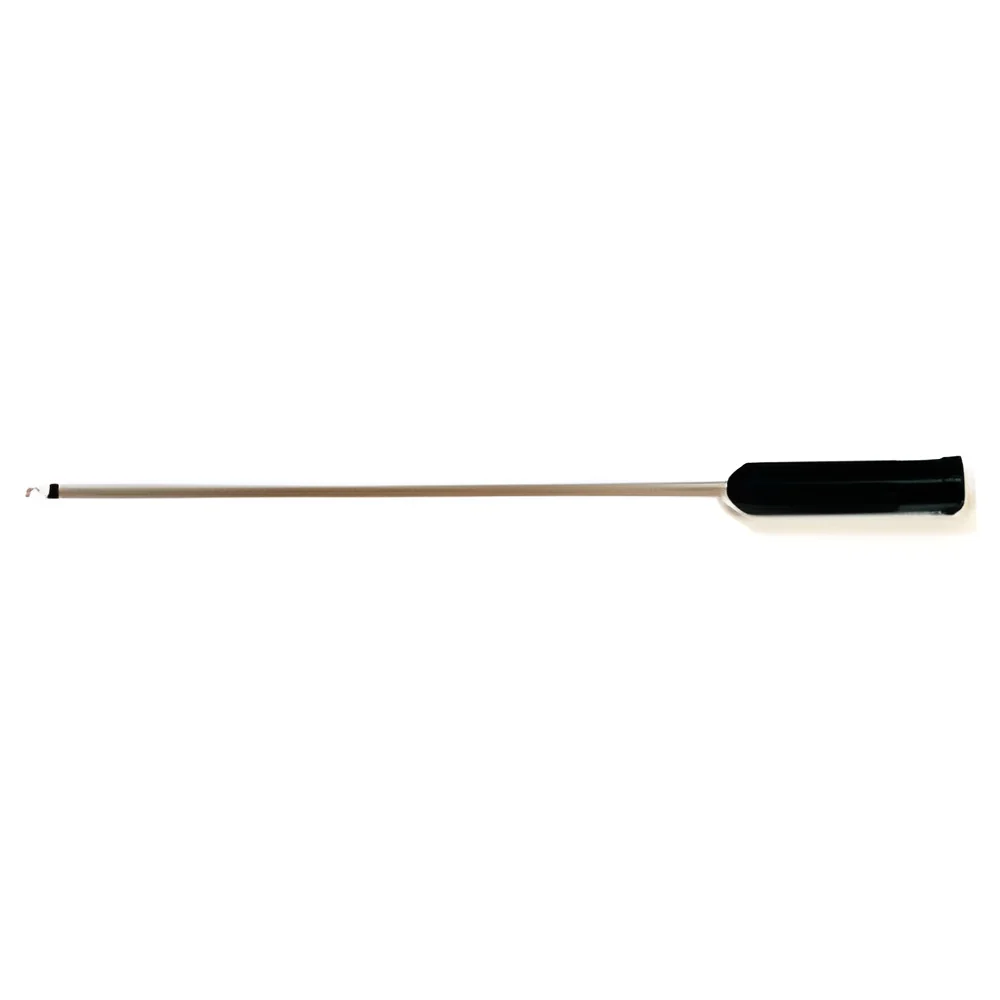
𝗪𝗵𝗮𝘁 𝗮𝗿𝗲 𝗟𝗼𝗰𝗸𝗶𝗻𝗴 𝗖𝗹𝗮𝗺𝗽𝘀?
Locking clamps are versatile fastening tools designed to securely hold objects in place. They operate through a simple mechanism that allows the user to apply significant pressure to the materials being clamped. This pressure is maintained by a locking mechanism, ensuring that the workpieces remain firmly in position until the user decides to release them.
These clamps are widely used in various applications, including woodworking, metalworking, and assembly tasks, where a reliable grip is crucial. Businesses rely on locking clamps to improve efficiency and safety in their operations. By providing a stable hold, these tools help prevent movement during processes such as drilling, welding, or crafting. Industries such as construction, automotive, and manufacturing particularly benefit from the use of locking clamps, making them an essential tool in many professional settings.
𝗞𝗲𝘆 𝗙𝗲𝗮𝘁𝘂𝗿𝗲𝘀 𝗮𝗻𝗱 𝗦𝗽𝗲𝗰𝗶𝗳𝗶𝗰𝗮𝘁𝗶𝗼𝗻𝘀
Locking clamps come equipped with a range of features that enhance their functionality and usability. Understanding these specifications is crucial for selecting the right clamp for specific applications.
Key specifications include:
1. Clamping Force
- The amount of pressure the clamp can exert on the workpiece.
- Ranges typically from 100 to 500 pounds depending on the model.
2. Jaw Opening
- The maximum distance the clamp can span.
- Varies from 2 inches to 12 inches based on design.
3. Material Construction
- Common materials include steel and aluminum for durability.
- Some variants may feature corrosion-resistant coatings.
4. Locking Mechanism
- Types include trigger locks and screw locks.
- Ensures secure clamping without accidental release.
5. Handle Design
- Ergonomic handles for comfortable grip during use.
- May include rubber grips for improved handling.
6. Weight
- The overall weight of the clamp affects portability.
- Weight typically ranges from 1 to 5 pounds.
7. Finish
- Surface finishes may include powder-coated or polished.
- Enhances durability and resistance to wear.
8. Compatibility
- Designed to work with various materials such as wood, metal, and plastic.
- Ensures versatility in applications.
Overall, these specifications provide essential information for buyers looking to select the optimal locking clamp for their needs.
𝗖𝗼𝗺𝗺𝗼𝗻 𝗔𝗽𝗽𝗹𝗶𝗰𝗮𝘁𝗶𝗼𝗻𝘀 𝗮𝗻𝗱 𝗨𝘀𝗲 𝗖𝗮𝘀𝗲𝘀
Locking clamps are utilized across a variety of industries due to their effectiveness and reliability.
1. Manufacturing: In manufacturing settings, locking clamps are used to hold components during assembly processes. Their ability to maintain a firm grip allows for precision work and improves overall productivity.
2. Automotive: In the automotive industry, these clamps secure parts during repairs or assembly. They are essential for tasks like welding, where stability is crucial for quality.
3. Woodworking: Woodworkers rely on locking clamps to hold pieces securely while cutting or drilling. This helps ensure accuracy and safety during intricate projects.
4. Construction: In construction, locking clamps assist in holding materials together for framing or installation. They provide a temporary hold that simplifies the building process.
5. Metal Fabrication: Locking clamps are valuable in metal fabrication for holding metal parts in place during welding and machining. Their strength and reliability ensure consistent results.
6. DIY Projects: Hobbyists and DIY enthusiasts also use locking clamps for various home projects. They offer a practical solution for securing materials quickly and effectively.
7. Educational Institutions: Schools and workshops that focus on technical training often use locking clamps for hands-on learning. They provide students with the tools needed for practical exercises.
𝗣𝗿𝗼𝗱𝘂𝗰𝘁 𝗩𝗮𝗿𝗶𝗮𝗻𝘁𝘀 𝗮𝗻𝗱 𝗦𝘂𝗯𝗰𝗮𝘁𝗲𝗴𝗼𝗿𝗶𝗲𝘀
Locking clamps come in various designs to suit different applications.
C-Clamp: This variant features a C-shaped frame and is commonly used in woodworking and metalworking. Its design allows for easy adjustment and a secure grip on flat surfaces.
Locking Plier: Known for its plier-like design, this variant is ideal for gripping irregular shapes. It is especially useful in automotive and repair tasks where a firm hold is needed.
Quick-Release Clamp: This variant allows for fast adjustments, making it suitable for applications requiring frequent repositioning. Its efficiency is beneficial in high-paced work environments.
Heavy-Duty Clamp: Designed for industrial use, this variant offers enhanced clamping force and durability. It is ideal for applications involving heavy materials and demanding conditions.
𝗕𝗲𝗻𝗲𝗳𝗶𝘁𝘀 𝗮𝗻𝗱 𝗔𝗱𝘃𝗮𝗻𝘁𝗮𝗴𝗲𝘀
Locking clamps offer numerous benefits that enhance their appeal to businesses.
1. Increased Efficiency: The ability to securely hold materials allows for faster work processes, reducing time spent on adjustments.
2. Enhanced Safety: By keeping workpieces stable, locking clamps minimize the risk of accidents during operations, contributing to a safer work environment.
3. Versatility: These clamps can be used on a variety of materials, making them suitable for multiple applications across different industries.
4. Durability: Constructed from robust materials, locking clamps are built to withstand heavy use and harsh conditions, ensuring long-lasting performance.
5. Cost-Effectiveness: Investing in quality locking clamps can lead to significant savings by reducing the need for repairs and rework due to unstable workpieces.
6. Ease of Use: The straightforward design of locking clamps makes them user-friendly, allowing workers to operate them with minimal training.
𝗕𝘂𝘆𝗶𝗻𝗴 𝗚𝘂𝗶𝗱𝗲 𝗳𝗼𝗿 𝗕𝟮𝗕 𝗕𝘂𝘆𝗲𝗿𝘀
When sourcing locking clamps, it is essential to consider several key factors to ensure a successful purchase.
1. Quality Assessment: Evaluate the materials and construction of the clamps. Look for durable materials and a solid build to ensure reliability and longevity.
2. Supplier Verification: Verify the credibility of suppliers by checking their reputation and customer reviews. Ensure they have a track record of providing quality products.
3. Pricing and MOQ: Compare prices across various suppliers while considering the minimum order quantity. Finding a balance between cost and quality is crucial.
4. Delivery and Lead Times: Inquire about delivery schedules and lead times to ensure that the clamps will arrive when needed for your projects.
5. Compliance Requirements: Ensure that the clamps meet all relevant industry standards and regulations. This is vital for maintaining safety and quality in your operations.
𝗖𝗼𝗺𝗽𝗹𝗶𝗮𝗻𝗰𝗲 𝗮𝗻𝗱 𝗖𝗲𝗿𝘁𝗶𝗳𝗶𝗰𝗮𝘁𝗶𝗼𝗻𝘀
Locking clamps are subject to several quality standards and certifications that ensure their reliability and safety in industrial applications.
ISO 9001 is an international standard that outlines quality management systems. Compliance indicates that the manufacturer adheres to consistent quality control processes.
CE certification signifies that a product meets European safety, health, and environmental protection standards. This certification is essential for selling products in the European market.
Safety and testing requirements are critical for locking clamps. They should undergo rigorous testing to ensure they can handle specified loads and resist wear over time.
Regional compliance considerations may vary by market. It is essential to research specific regulations in regions where the clamps will be used to ensure compliance.
𝗪𝗵𝘆 𝗦𝗼𝘂𝗿𝗰𝗲 𝗟𝗼𝗰𝗸𝗶𝗻𝗴 𝗖𝗹𝗮𝗺𝗽𝘀 𝗳𝗿𝗼𝗺 𝗣𝗲𝗽𝗮𝗴𝗼𝗿𝗮?
Pepagora provides a trusted platform for sourcing locking clamps, offering several key advantages for businesses.
Verified Supplier Network: Pepagora connects buyers with a network of verified suppliers, ensuring quality and reliability in the purchasing process. This reduces the risk of sourcing subpar products.
Streamlined RFQ Process: The Request for Quotation (RFQ) system simplifies the process of obtaining pricing and availability from multiple suppliers. Buyers can efficiently compare options to make informed decisions.
Trade Assurance and Support: Pepagora offers trade assurance, providing buyers with protection during transactions. This support enhances confidence in the purchasing process.
Regional Coverage: With a strong presence in India, the GCC, and Southeast Asia, Pepagora facilitates access to a wide range of locking clamps. This geographic reach ensures that businesses can find suitable suppliers close to their operations.
Locking clamps are mechanical devices used to securely hold objects in place. They feature a locking mechanism that provides a strong and stable grip, making them ideal for various applications in woodworking, metalworking, and assembly tasks.
2
What are the different types of Locking Clamps?
There are several types of locking clamps, including trigger clamps, C-clamps, and plier-style clamps. Each type is designed for specific applications, with variations in size, clamping force, and jaw design to accommodate different materials and tasks.
3
How do I choose the right Locking Clamps?
To choose the right locking clamps, consider the size and shape of the objects you need to clamp, as well as the required clamping force. Additionally, evaluate the material and durability of the clamp to ensure it meets your specific application needs.
4
What are the standard specifications for Locking Clamps?
Standard specifications for locking clamps typically include the clamping capacity, jaw width, and overall length. It is also important to check the material used in construction, such as steel or aluminum, which affects the clamp's strength and durability.
5
What is the price range for Locking Clamps?
The price range for locking clamps varies based on the type, size, and material. Generally, you can expect to pay anywhere from INR 200 to INR 2000 per unit, depending on the specifications and brand.
6
What quality standards apply to Locking Clamps?
Locking clamps should comply with industry quality standards such as ISO and ANSI, which ensure reliability and safety during use. Additionally, manufacturers may follow specific testing protocols to verify the performance and durability of their products.
7
Where can I find Locking Clamps suppliers in India?
You can find locking clamps suppliers in India through various online B2B marketplaces, industrial supply stores, and manufacturer directories. Websites like Pepagora.com can connect you with trusted suppliers and manufacturers in the industry.
8
Can Locking Clamps be customized?
Yes, many manufacturers offer customization options for locking clamps, including size, material, and special features. Custom clamps can be designed to meet specific application requirements or unique project needs.
9
What is the typical minimum order quantity for Locking Clamps?
The typical minimum order quantity (MOQ) for locking clamps varies by supplier, but it often ranges from 10 to 100 units. It's advisable to check with individual suppliers to understand their specific MOQ requirements.
10
What is the typical lead time for Locking Clamps?
The typical lead time for locking clamps can range from a few days to several weeks, depending on the supplier, order quantity, and whether customization is required. Always confirm the lead time with your supplier before placing an order.
Why Businesses Trust Pepagora
Thousands of companies trust Pepagora to source smarter and sell faster
Expand Your Sales Globally
25000+Products listed.Get discovered by global buyers

 IN
IN