𝗪𝗵𝗮𝘁 𝗮𝗿𝗲 𝗠𝗮𝗴𝗻𝗲𝘀𝗶𝘂𝗺 𝗢𝘅𝗶𝗱𝗲?
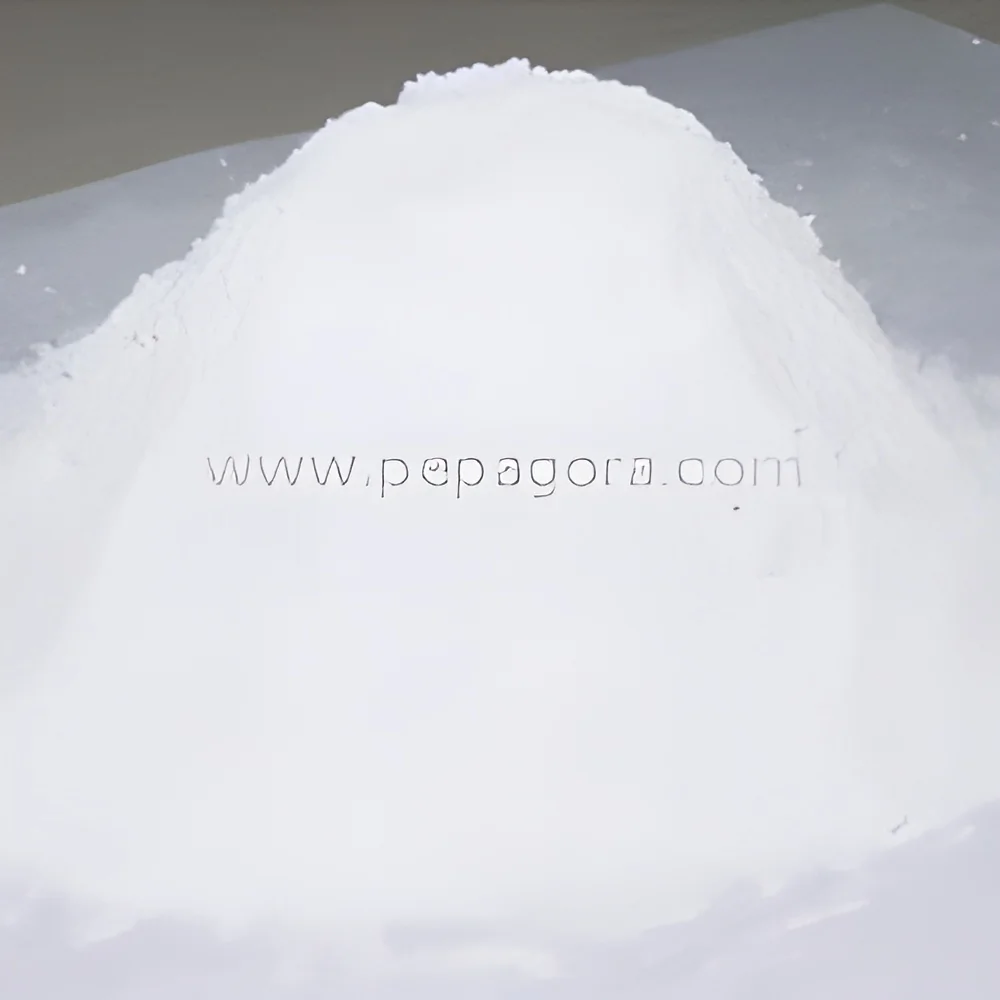
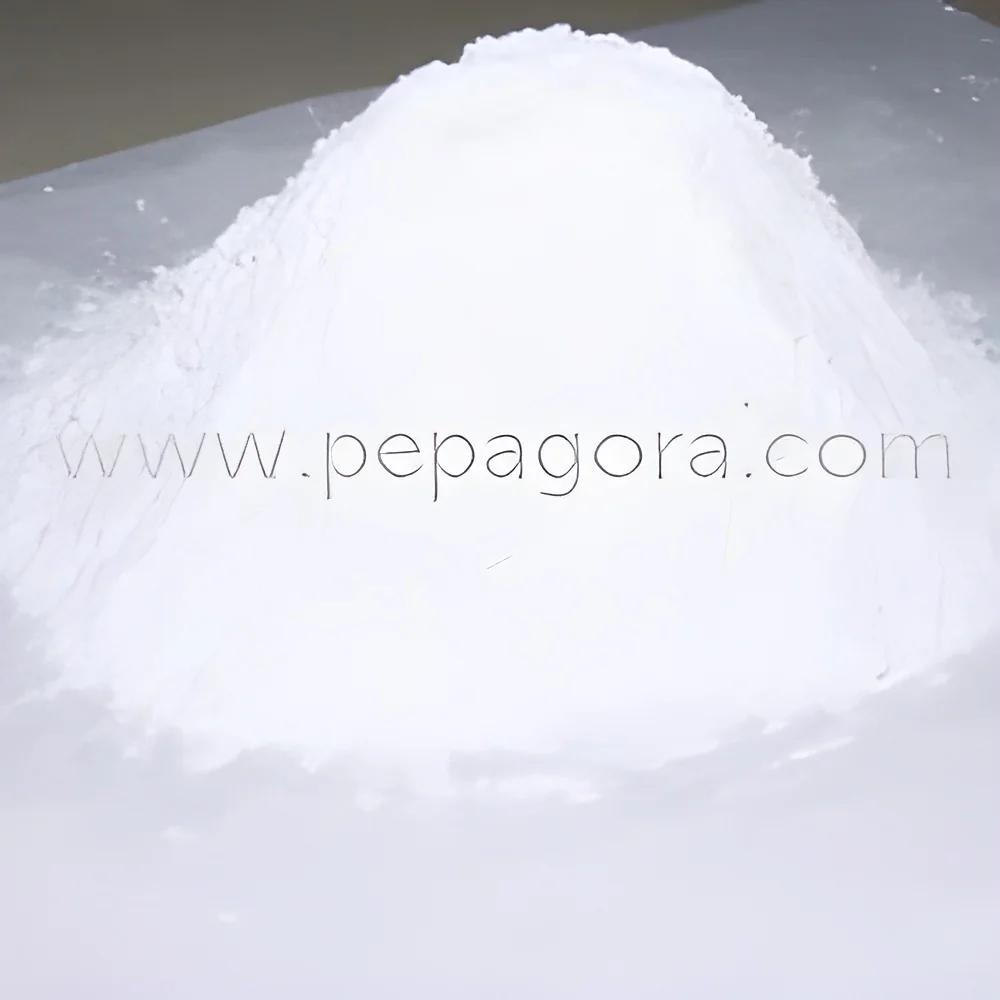
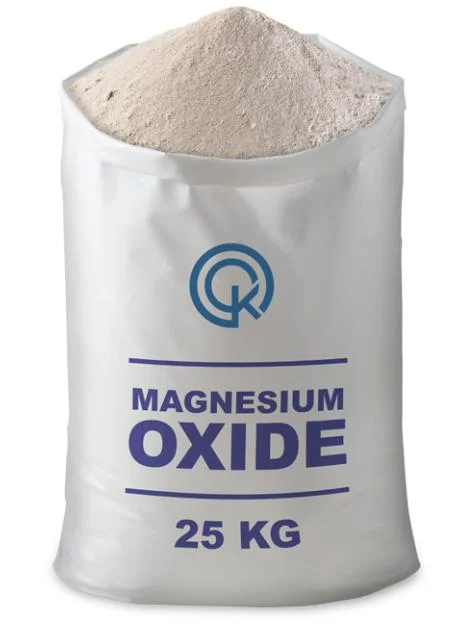
Magnesium oxide is a white solid mineral compound with the chemical formula MgO. It is derived from magnesium and oxygen and is known for its high melting point and thermal stability. This inorganic compound is widely recognized for its versatility and is used across various industrial applications. It can be produced through the calcination of magnesium carbonate or by directly reacting magnesium with oxygen.
Magnesium oxide is primarily utilized in construction, agriculture, and manufacturing. In the construction industry, it is used as a refractory material, in cement production, and as an insulating material. In agriculture, it serves as a soil conditioner and is vital for plant growth due to its magnesium content. The manufacturing sector uses magnesium oxide in the production of ceramics, glass, and various chemicals. Given its extensive applications, magnesium oxide is a significant component in many industries, contributing to its market relevance.
𝗞𝗲𝘆 𝗙𝗲𝗮𝘁𝘂𝗿𝗲𝘀 𝗮𝗻𝗱 𝗦𝗽𝗲𝗰𝗶𝗳𝗶𝗰𝗮𝘁𝗶𝗼𝗻𝘀
Magnesium oxide possesses several key features that make it suitable for various applications. When purchasing this product, it is essential to consider its specifications to ensure it meets your needs.
Key specifications include:
1. Purity Level
- Generally available in grades ranging from 85% to 99.9% purity.
- Higher purity levels are suitable for specialized applications.
2. Particle Size
- Typically offered in fine, medium, and coarse grades.
- The particle size can influence performance in applications like ceramics.
3. Bulk Density
- Varies based on the grade, generally around 0.5 to 1.0 g/cm³.
- Important for material handling and packaging considerations.
4. pH Level
- Usually alkaline with a pH of around 10-12 when mixed with water.
- Essential for agricultural applications affecting soil chemistry.
5. Melting Point
- High melting point of approximately 2852 degrees Celsius.
- Suitable for high-temperature industrial applications.
6. Solubility
- Sparingly soluble in water, but soluble in acids.
- Impacts its use in chemical processes.
7. Regulatory Compliance
- Must meet various industry standards, including CE marking.
- Important for ensuring safety and reliability in applications.
In summary, understanding these specifications will guide B2B buyers in selecting the right magnesium oxide for their specific industrial needs.
𝗖𝗼𝗺𝗺𝗼𝗻 𝗔𝗽𝗽𝗹𝗶𝗰𝗮𝘁𝗶𝗼𝗻𝘀 𝗮𝗻𝗱 𝗨𝘀𝗲 𝗖𝗮𝘀𝗲𝘀
Magnesium oxide is utilized across a wide range of industries due to its unique properties and effectiveness.
1. Construction: In this sector, magnesium oxide is used as a key ingredient in fire-resistant boards and insulation materials, providing thermal stability and strength to building materials.
2. Agriculture: It serves as a soil amendment, enhancing magnesium availability to crops and improving overall soil health.
3. Manufacturing: In the production of ceramics and glass, magnesium oxide acts as a flux, aiding in the melting process and improving the quality of finished products.
4. Pharmaceuticals: It is used as an active ingredient in antacids and dietary supplements, promoting digestive health.
5. Animal Feed: Magnesium oxide is commonly included in animal feed formulations to ensure livestock receive adequate magnesium for optimal health.
6. Environmental Applications: It is used in wastewater treatment processes to neutralize acidic effluents and assist in removing heavy metals.
7. Chemical Production: Magnesium oxide is a precursor for various magnesium compounds, making it essential in the chemical manufacturing industry.
𝗣𝗿𝗼𝗱𝘂𝗰𝘁 𝗩𝗮𝗿𝗶𝗮𝗻𝘁𝘀 𝗮𝗻𝗱 𝗦𝘂𝗯𝗰𝗮𝘁𝗲𝗴𝗼𝗿𝗶𝗲𝘀
Magnesium oxide is available in various forms, catering to different industrial requirements.
Hydrated Magnesium Oxide
This variant includes water in its structure, making it ideal for applications requiring a specific moisture content. It is often used in agriculture and as a filler in various products.
Dead Burned Magnesium Oxide
Produced by heating magnesium oxide at high temperatures, this variant is characterized by its high density and low reactivity. It is essential in refractory applications.
Caustic Calcined Magnesium Oxide
Also known as magnesium hydroxide, this variant is produced through the calcination process and is often used in the production of magnesium compounds and as a filler in plastics.
𝗕𝗲𝗻𝗲𝗳𝗶𝘁𝘀 𝗮𝗻𝗱 𝗔𝗱𝘃𝗮𝗻𝘁𝗮𝗴𝗲𝘀
Magnesium oxide offers numerous advantages that enhance its appeal to B2B buyers.
1. Versatility: Its wide range of applications across different industries makes it a valuable material for various business needs.
2. Thermal Stability: The high melting point of magnesium oxide allows it to perform well in high-temperature environments, making it suitable for refractory applications.
3. Nutritional Benefits: In agriculture and animal feed, magnesium oxide supplies essential magnesium, promoting healthy plant growth and livestock health.
4. Cost-Effectiveness: Its availability and various grades allow buyers to choose options that fit their budget while meeting quality standards.
5. Environmentally Friendly: Magnesium oxide is a naturally occurring mineral, making it an eco-friendly choice compared to synthetic alternatives.
6. Regulatory Compliance: Most magnesium oxide products meet industry standards, ensuring safety and reliability for buyers.
𝗕𝘂𝘆𝗶𝗻𝗴 𝗚𝘂𝗶𝗱𝗲 𝗳𝗼𝗿 𝗕𝟮𝗕 𝗕𝘂𝘆𝗲𝗿𝘀
When sourcing magnesium oxide, it is crucial for B2B buyers to consider several key factors to ensure a successful purchase.
1. Quality Assessment: Evaluate the purity and specifications of magnesium oxide to ensure it meets the requirements of your application. Look for certifications and quality standards that the product adheres to.
2. Supplier Verification: Conduct thorough research on potential suppliers. Verify their credentials, reputation, and history in the industry to ensure they provide high-quality products.
3. Pricing and MOQ: Understand the pricing structure and minimum order quantities. Compare quotes from different suppliers to find the best value for your business.
4. Delivery and Lead Times: Inquire about logistics, delivery schedules, and lead times. Timely delivery is crucial for maintaining production schedules and meeting customer demands.
5. Compliance Requirements: Ensure that the magnesium oxide being purchased meets regional and international compliance standards. This is particularly important for industries like pharmaceuticals and food production.
𝗖𝗼𝗺𝗽𝗹𝗶𝗮𝗻𝗰𝗲 𝗮𝗻𝗱 𝗖𝗲𝗿𝘁𝗶𝗳𝗶𝗰𝗮𝘁𝗶𝗼𝗻𝘀
Magnesium oxide must adhere to specific compliance and certification standards to ensure safety and quality.
Relevant quality standards such as ISO 9001 and HACCP are often applied to the production of magnesium oxide, ensuring that manufacturing processes meet international quality assurance regulations. Certifications like CE mark indicate that the product complies with European safety and health requirements.
Safety and testing requirements are also critical, especially for applications in food and pharmaceuticals. Proper testing ensures that the magnesium oxide is free from contaminants and safe for use.
Regional compliance considerations may vary. It is essential for buyers to be aware of local regulations governing the use of magnesium oxide in their specific industries to ensure compliance and avoid potential legal issues.
𝗪𝗵𝘆 𝗦𝗼𝘂𝗿𝗰𝗲 𝗠𝗮𝗴𝗻𝗲𝘀𝗶𝘂𝗺 𝗢𝘅𝗶𝗱𝗲 𝗳𝗿𝗼𝗺 𝗣𝗲𝗽𝗮𝗴𝗼𝗿𝗮?
Pepagora offers a reliable platform for sourcing magnesium oxide, providing several key advantages to B2B buyers.
Verified Supplier Network: Pepagora maintains a robust network of verified suppliers, ensuring that all products meet quality and safety standards. This network helps buyers find trustworthy sources for their magnesium oxide needs.
Streamlined RFQ Process: The request for quotation (RFQ) process on Pepagora is designed to be efficient and user-friendly. Buyers can easily submit requests and receive competitive quotes from multiple suppliers, simplifying the sourcing process.
Trade Assurance and Support: Pepagora provides buyers with trade assurance, protecting their transactions and ensuring that they receive the products as specified. The platform also offers support throughout the purchasing process to address any concerns.
Regional Coverage: With a strong presence in India, the GCC, and Southeast Asia, Pepagora facilitates access to magnesium oxide suppliers across these regions. This geographic reach allows buyers to connect with local suppliers who understand regional market dynamics.
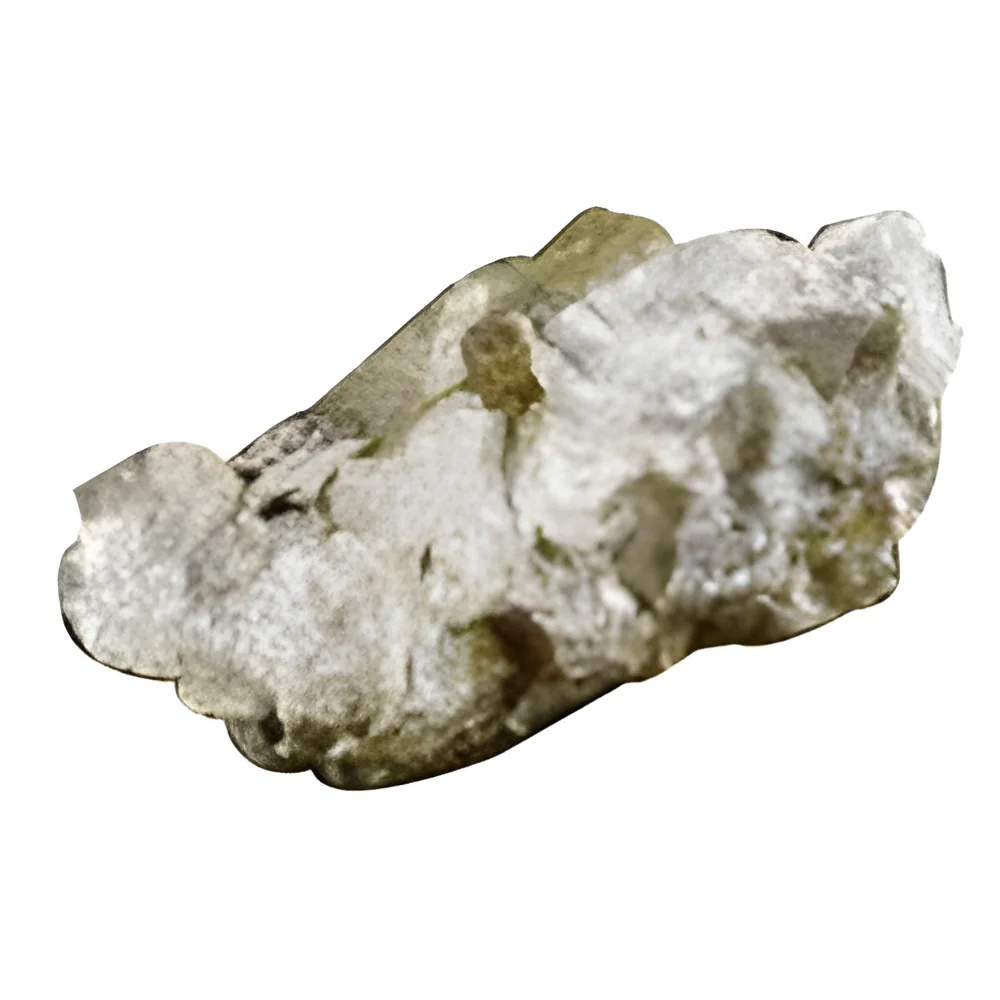
Magnesium Oxide (MgO) is a white solid mineral that occurs in nature as the mineral periclase and is a source of magnesium. It is widely used in various industries, including construction, agriculture, and pharmaceuticals, due to its versatile properties.
2
What are the different types of Magnesium Oxide?
There are several types of Magnesium Oxide, including light magnesium oxide, heavy magnesium oxide, and magnesium oxide hydrate. Each type has specific properties and applications, making it suitable for different industrial uses.
3
How do I choose the right Magnesium Oxide?
Choosing the right Magnesium Oxide involves considering factors such as purity level, particle size, and intended application. It is advisable to consult with suppliers or experts to determine which type best meets your specific requirements.
4
What are the standard specifications for Magnesium Oxide?
Standard specifications for Magnesium Oxide typically include purity percentage, particle size distribution, and moisture content. These specifications can vary based on the intended use, so it's important to refer to industry standards relevant to your application.
5
What is the price range for Magnesium Oxide?
The price of Magnesium Oxide can vary widely depending on factors such as quality, quantity, and supplier. Generally, prices can range from INR 20 to INR 100 per kilogram, but it's best to check with suppliers for current pricing.
6
What quality standards apply to Magnesium Oxide?
Quality standards for Magnesium Oxide may include ISO certifications, as well as specifications set by organizations such as ASTM or REACH. Compliance with these standards ensures that the product meets safety and performance requirements.
7
Where can I find Magnesium Oxide suppliers in India?
You can find Magnesium Oxide suppliers in India through online B2B marketplaces, industry trade shows, and local directories. Platforms like Pepagora.com provide a convenient way to connect with reputable suppliers and manufacturers.
8
Can Magnesium Oxide be customized?
Yes, Magnesium Oxide can be customized in terms of purity, particle size, and packaging based on the buyer's requirements. It is advisable to discuss customization options directly with suppliers to ensure that your specific needs are met.
9
What is the typical minimum order quantity for Magnesium Oxide?
The typical minimum order quantity (MOQ) for Magnesium Oxide may vary by supplier but generally ranges from 100 kg to 1000 kg. It is important to confirm the MOQ with the supplier before placing an order.
10
What is the typical lead time for Magnesium Oxide?
The typical lead time for Magnesium Oxide can range from 1 to 4 weeks, depending on the supplier's stock levels and the size of the order. Always check with the supplier for their specific lead times when placing an order.
Why Businesses Trust Pepagora
Thousands of companies trust Pepagora to source smarter and sell faster
Expand Your Sales Globally
25000+Products listed.Get discovered by global buyers

 IN
IN