𝗪𝗵𝗮𝘁 𝗮𝗿𝗲 𝗠𝗮𝘁𝗲𝗿𝗶𝗮𝗹 𝗛𝗮𝗻𝗱𝗹𝗶𝗻𝗴 𝗧𝗿𝗼𝗹𝗹𝗲𝘆𝘀?
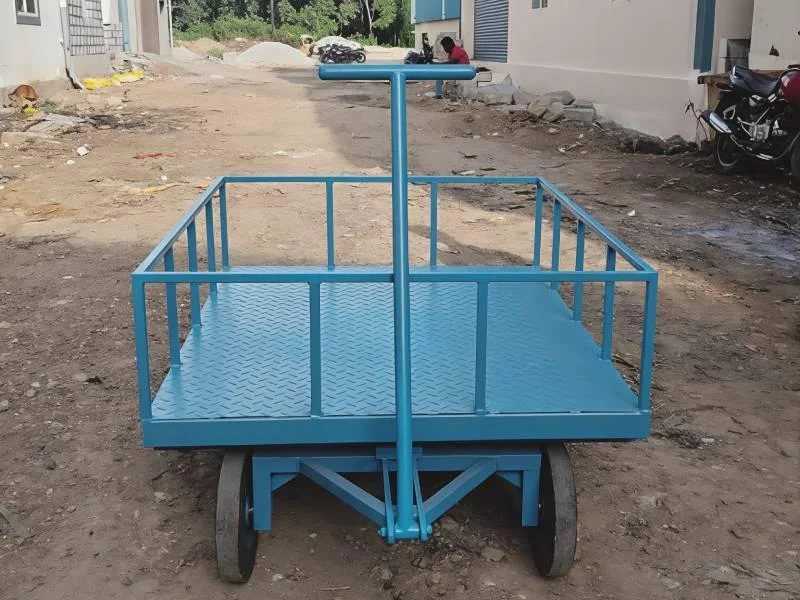
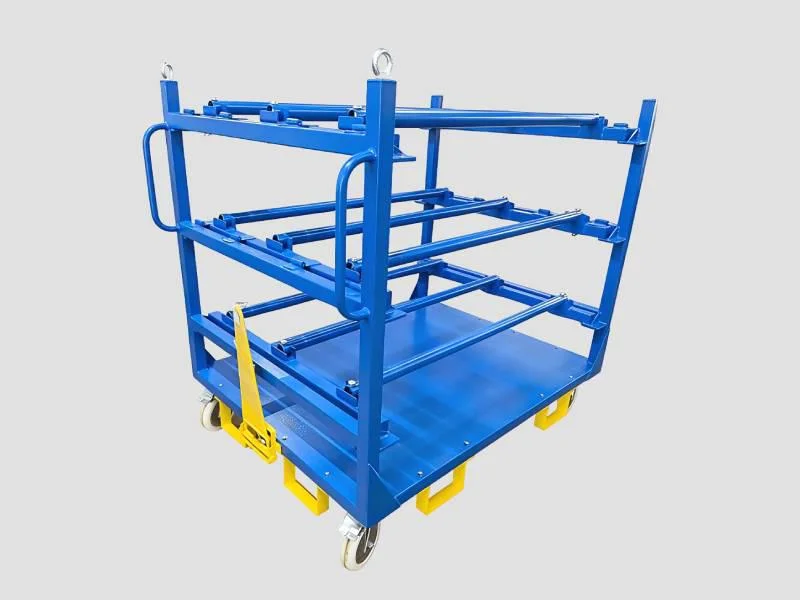
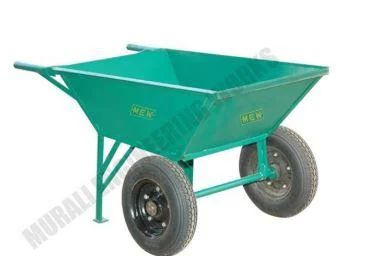
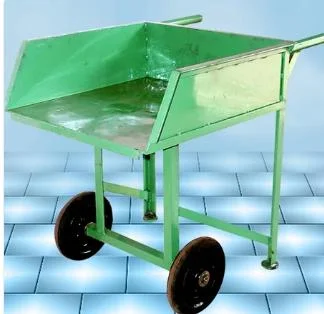
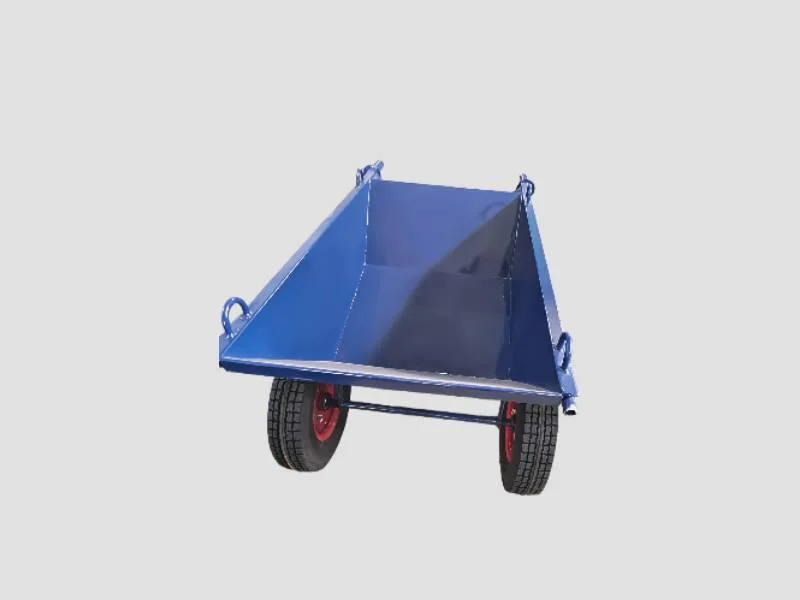
Material handling trolleys are essential equipment designed to facilitate the movement of goods and materials within various industrial settings. These trolleys come in different designs and sizes, allowing them to cater to a wide range of material handling needs. Their primary function is to transport items safely and efficiently, reducing the physical burden on workers and enhancing productivity in warehouses, factories, and distribution centers.
These trolleys are commonly used in numerous applications, including inventory management, assembly lines, and shipping operations. Businesses leverage material handling trolleys to streamline operations, minimize the risk of workplace injuries, and improve overall workflow efficiency. With the growing emphasis on automation and efficiency in manufacturing and logistics, the demand for high-quality material handling trolleys continues to rise across various industries.
The relevance of material handling trolleys in today’s market cannot be overstated. As industries evolve and expand, the need for effective material handling solutions increases. Trolleys play a pivotal role in optimizing supply chain processes, ensuring that goods are moved quickly and safely from one point to another. This has made them a critical investment for businesses looking to enhance their operational capabilities.
𝗞𝗲𝘆 𝗙𝗲𝗮𝘁𝘂𝗿𝗲𝘀 𝗮𝗻𝗱 𝗦𝗽𝗲𝗰𝗶𝗳𝗶𝗰𝗮𝘁𝗶𝗼𝗻𝘀
Material handling trolleys are equipped with several key features that enhance their functionality and performance. Understanding these specifications is crucial for businesses when selecting the right trolley for their needs.
Key specifications include:
1. Load Capacity
- This refers to the maximum weight the trolley can safely transport.
- Typical load capacities range from 150 kg to 1000 kg, depending on the model.
2. Wheel Type
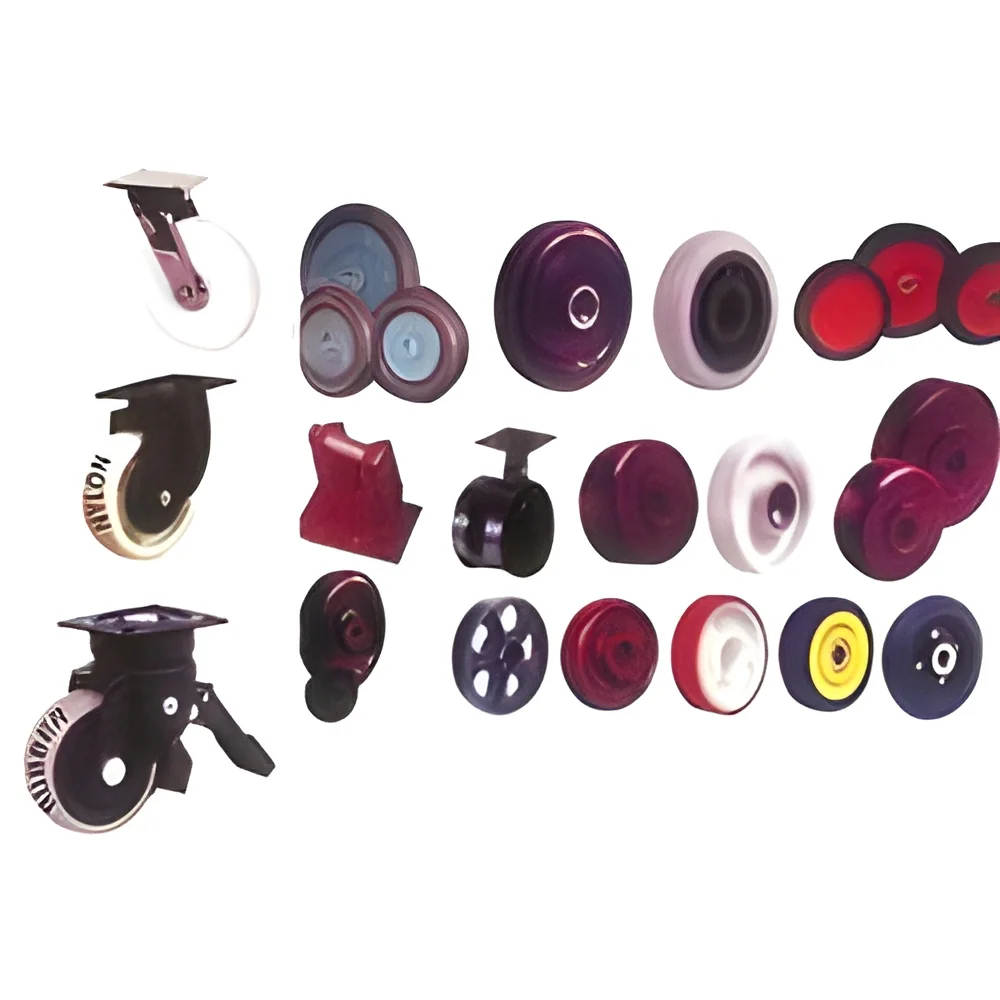
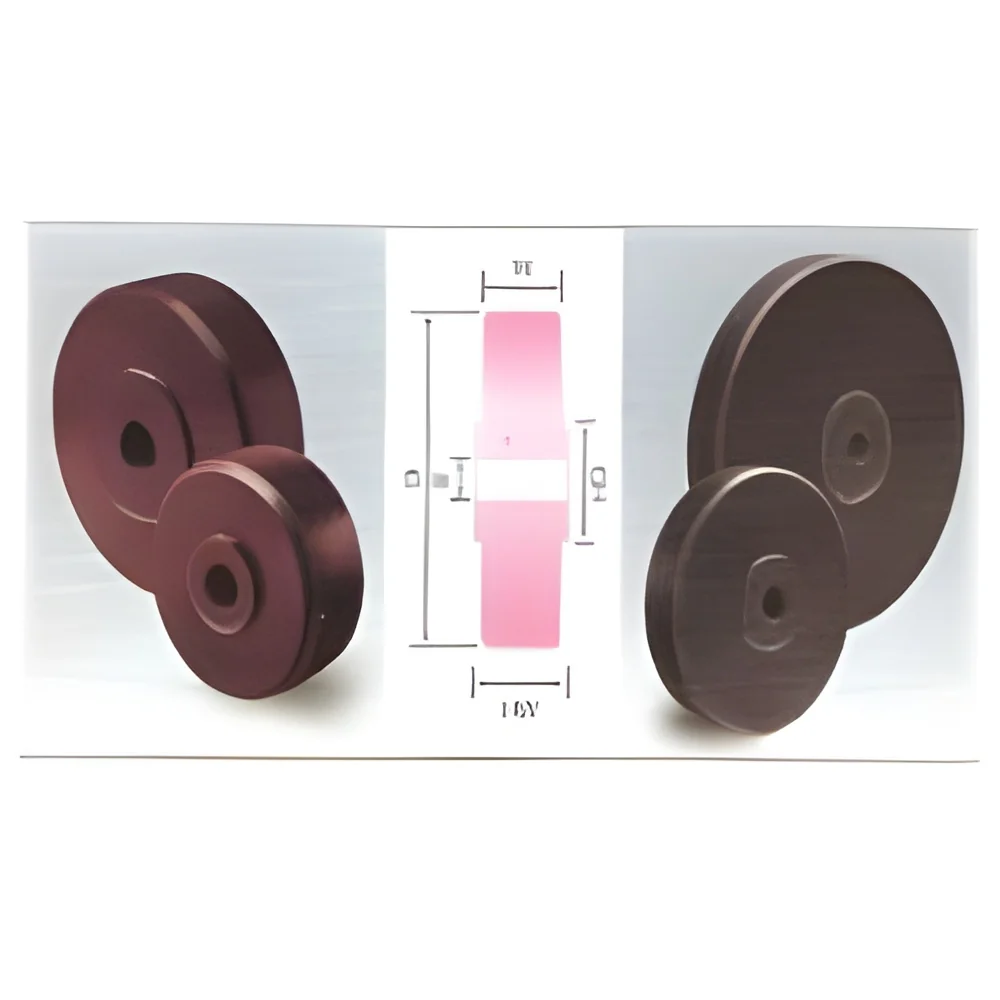
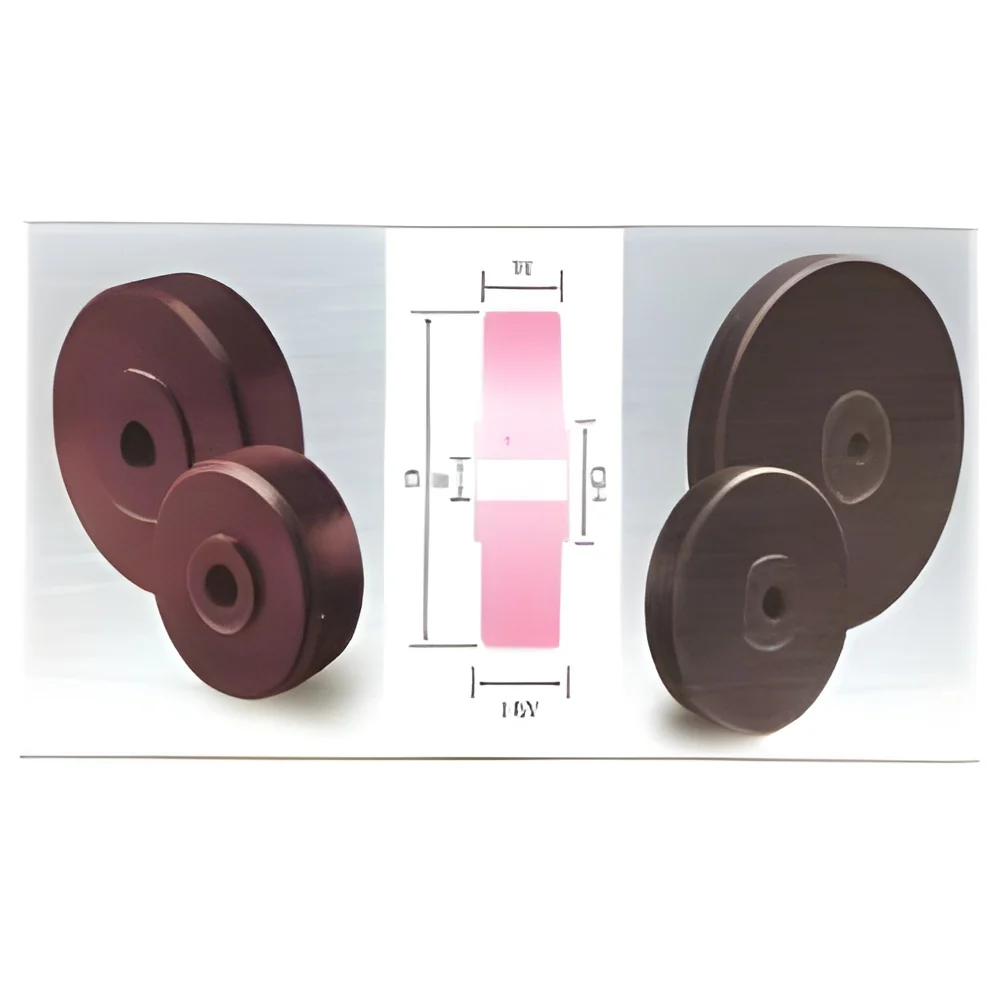
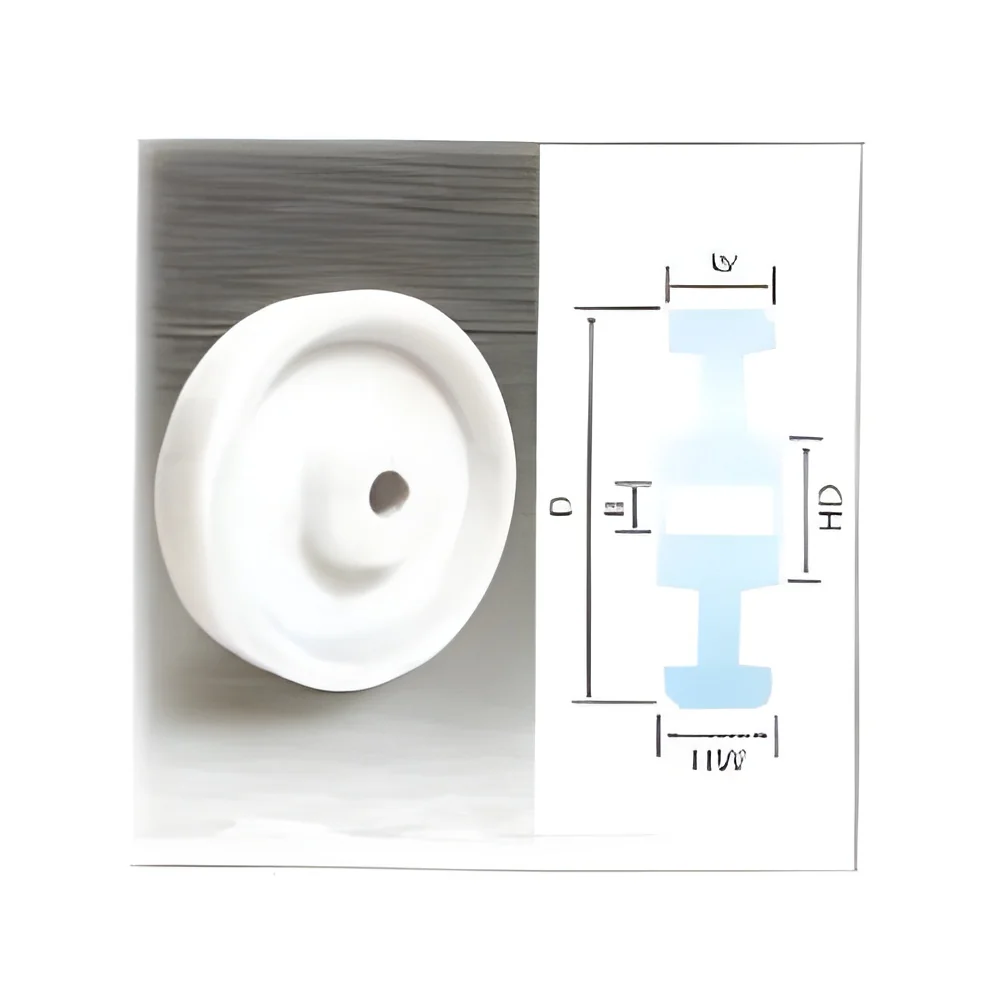
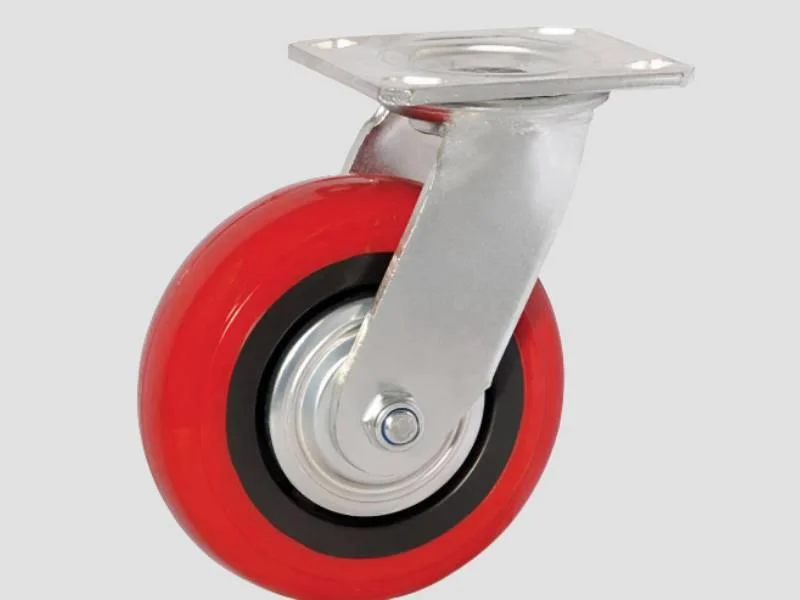
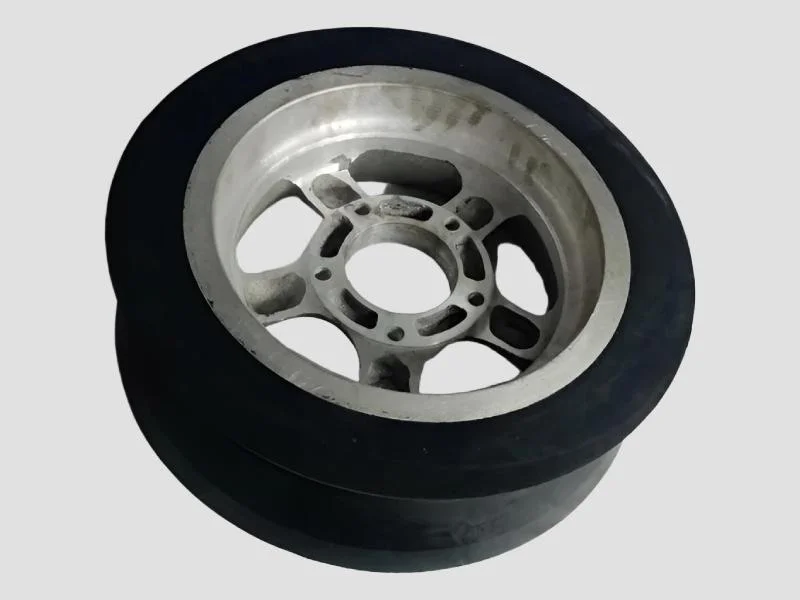
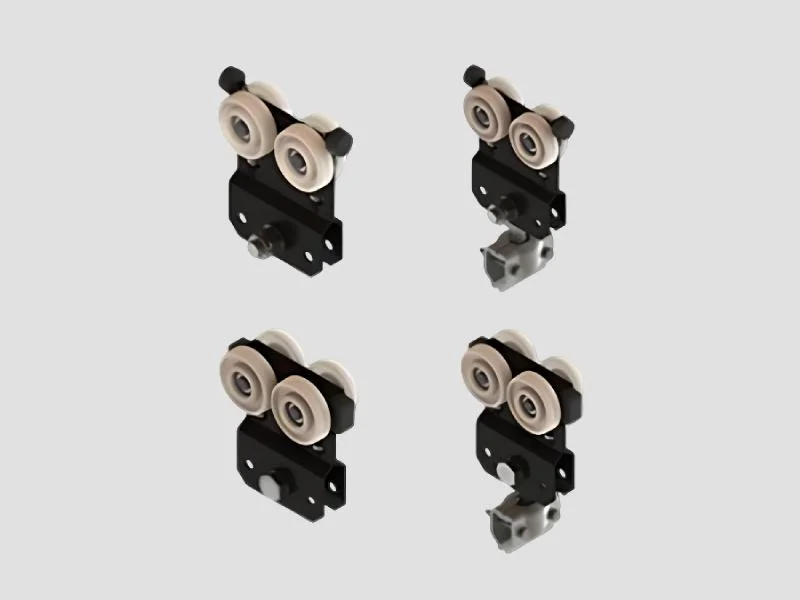
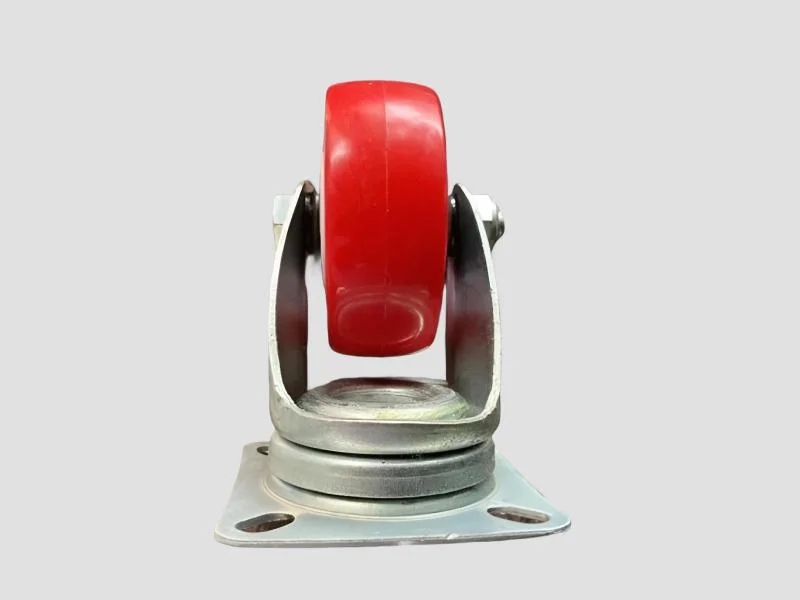
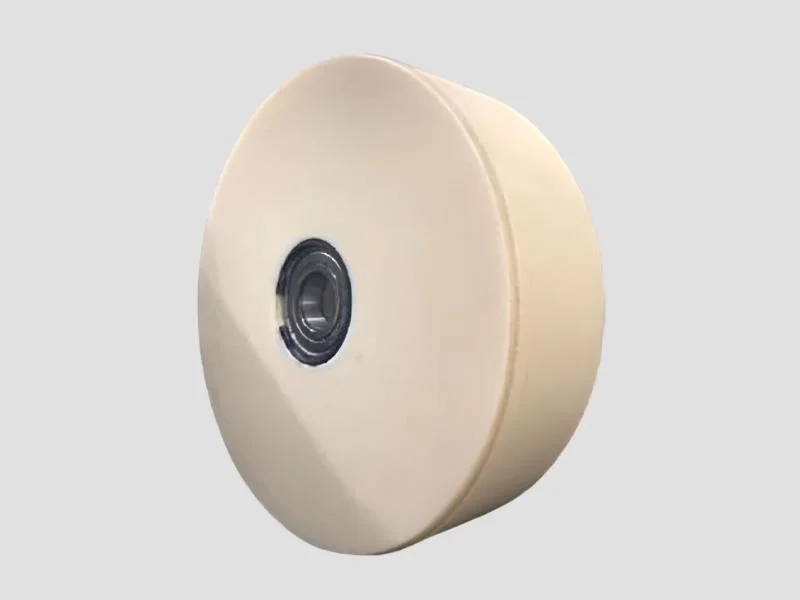
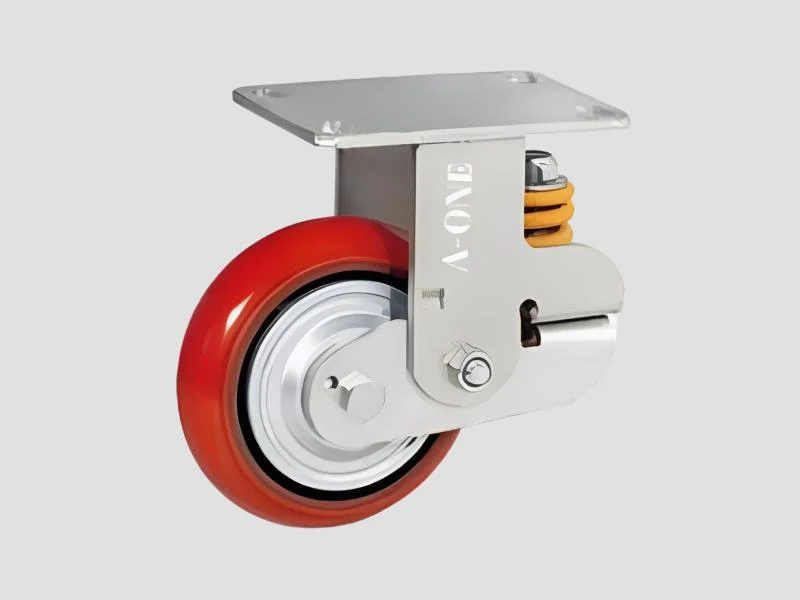
- Trolleys can have different wheel types, such as rubber, polyurethane, or metal.
- Wheel selection impacts maneuverability, durability, and surface compatibility.
3. Frame Material
- Common materials include steel, aluminum, or plastic.
- The choice of material affects the trolley's strength, weight, and corrosion resistance.
4. Dimensions
- Trolley dimensions vary widely to accommodate different load sizes.
- Standard dimensions typically range from 800 mm to 2000 mm in length.
5. Handle Design
- Handles may be fixed or adjustable for ease of use.
- Ergonomic designs can help reduce strain on workers.
6. Folding Capability
- Some trolleys can fold for easy storage and transport.
- This feature is beneficial for companies with limited space.
7. Customization Options
- Many suppliers offer customization to meet specific business needs.
- Options may include colors, sizes, and additional features.
8. Safety Features
- Some trolleys include brakes, bumpers, or safety guards.
- These features enhance user safety during operation.
In summary, understanding the key features and specifications of material handling trolleys is vital for making informed purchasing decisions. Businesses should evaluate their specific needs against these specifications to select the most suitable trolley.
𝗖𝗼𝗺𝗺𝗼𝗻 𝗔𝗽𝗽𝗹𝗶𝗰𝗮𝘁𝗶𝗼𝗻𝘀 𝗮𝗻𝗱 𝗨𝘀𝗲 𝗖𝗮𝘀𝗲𝘀
Material handling trolleys are indispensable across various industries, providing solutions for efficient material transport.
1. Warehousing: Trolleys are used for moving inventory and organizing stock efficiently within warehouses. They help streamline operations and reduce the time spent retrieving goods.
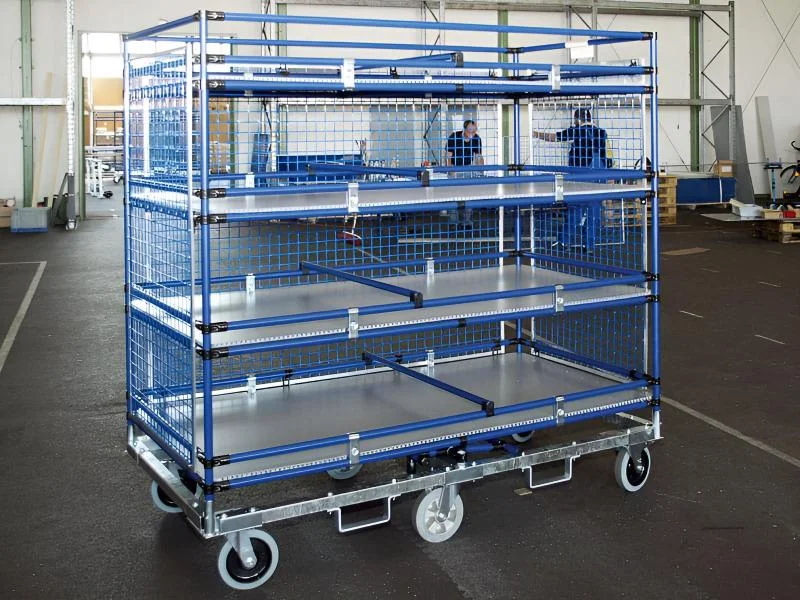
2. Manufacturing: In manufacturing settings, trolleys facilitate the transportation of components and finished products along assembly lines, enhancing production flow and reducing manual handling.
3. Retail: Retail environments utilize trolleys for restocking shelves and transporting merchandise. They enable staff to manage inventory quickly and effectively.
4. Food and Beverage: In the food industry, trolleys are essential for moving ingredients and finished products within kitchens and distribution centers while maintaining hygiene standards.
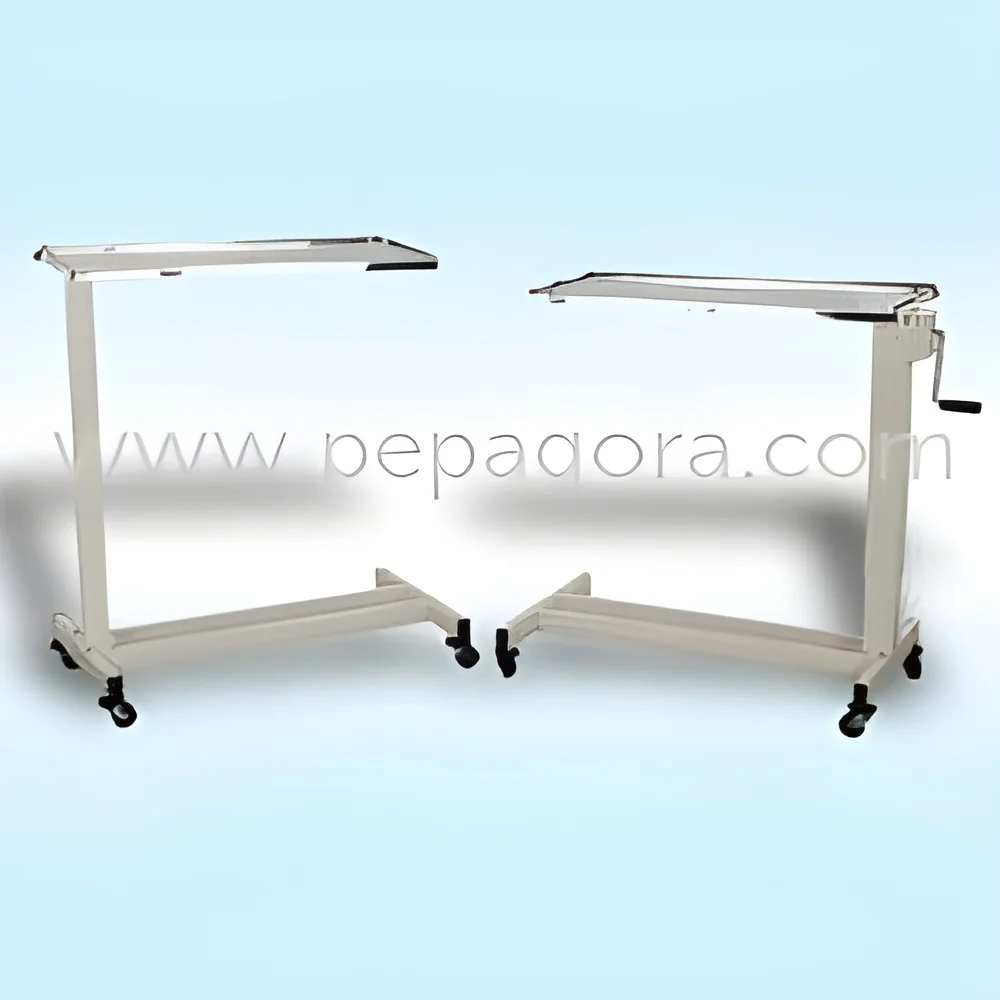
5. Healthcare: Hospitals and clinics use trolleys for transporting medical supplies and equipment, ensuring that essential items are readily available where needed.
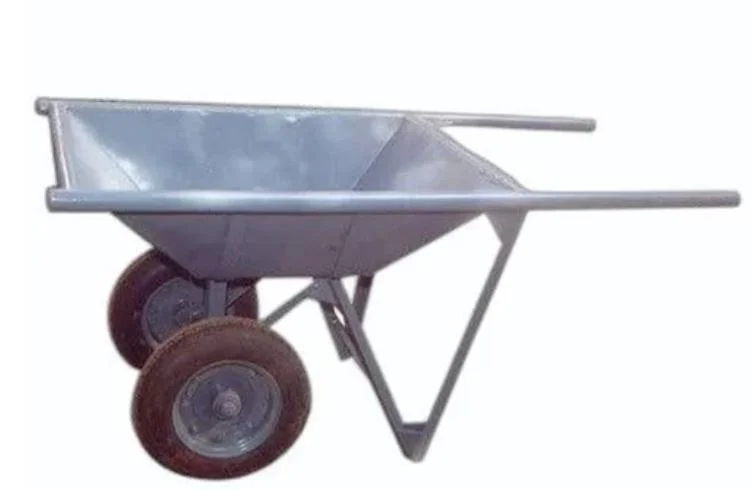
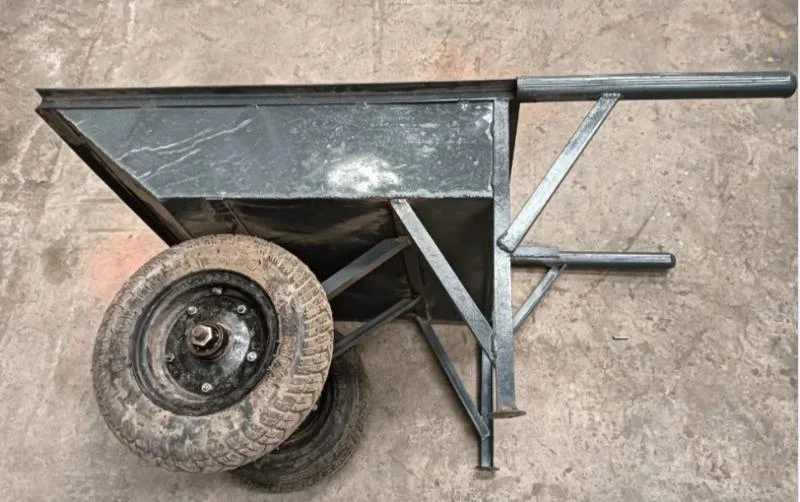
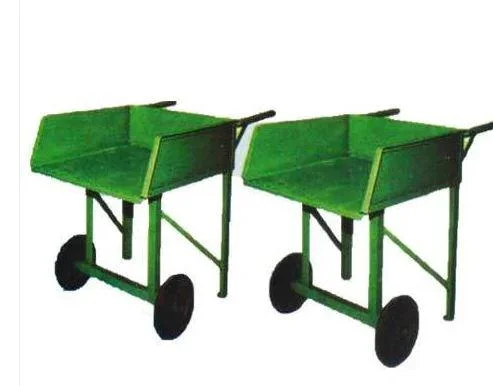
6. Construction: Trolleys help move tools and materials on construction sites, improving efficiency and safety for workers.
7. Hospitality: Hotels and restaurants employ trolleys for transporting linens, dishes, and cleaning supplies, contributing to efficient service delivery.
𝗣𝗿𝗼𝗱𝘂𝗰𝘁 𝗩𝗮𝗿𝗶𝗮𝗻𝘁𝘀 𝗮𝗻𝗱 𝗦𝘂𝗯𝗰𝗮𝘁𝗲𝗴𝗼𝗿𝗶𝗲𝘀
Material handling trolleys come in various forms to meet diverse business needs.
Standard Trolleys
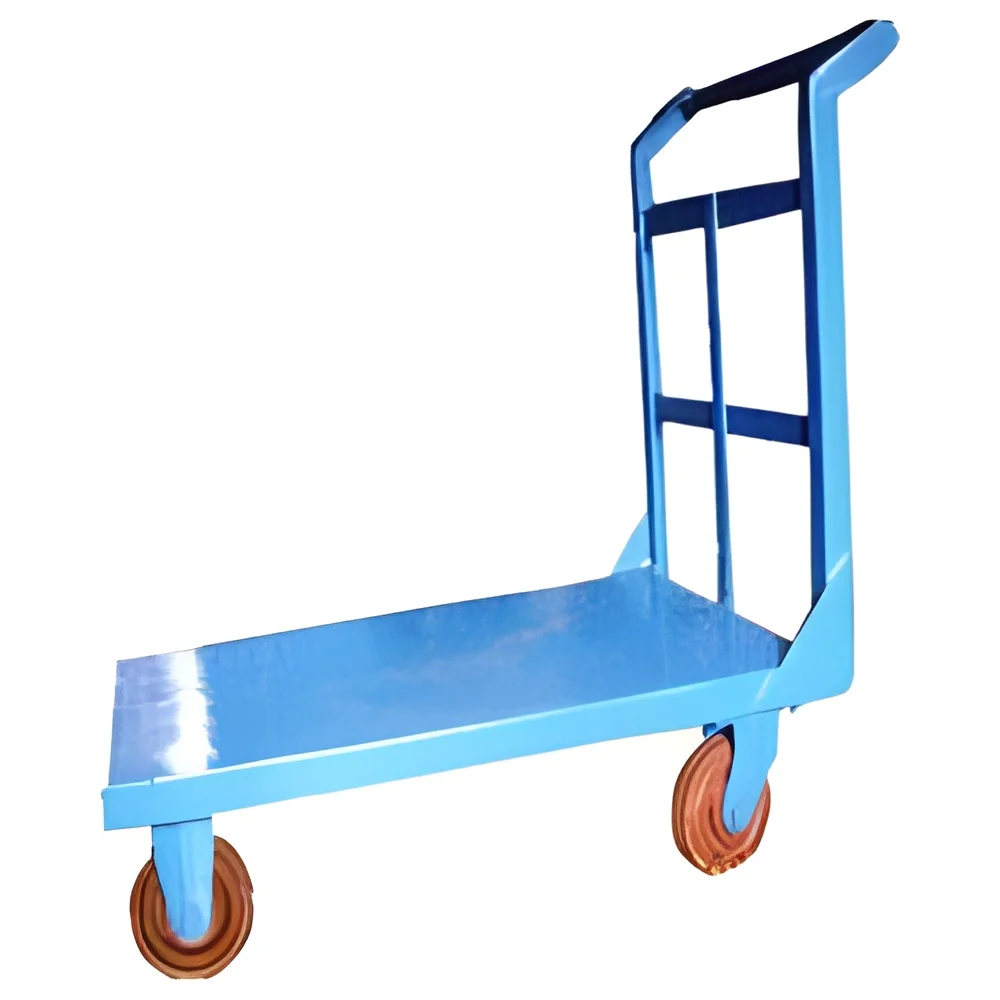
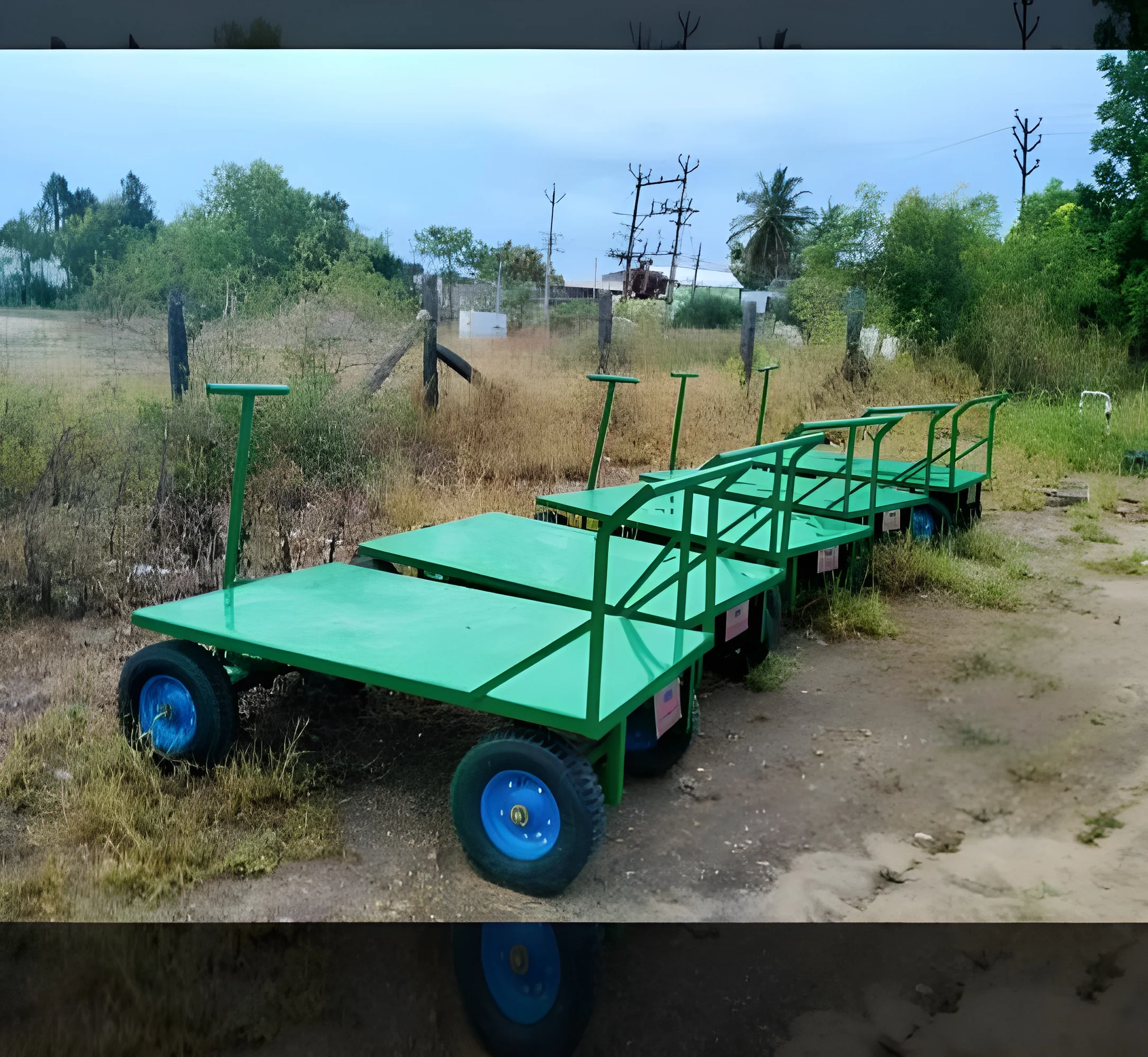
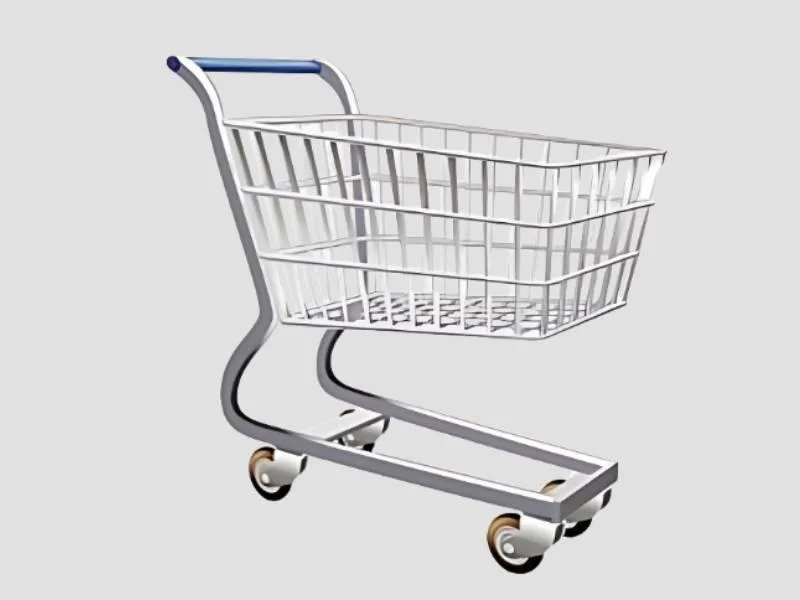
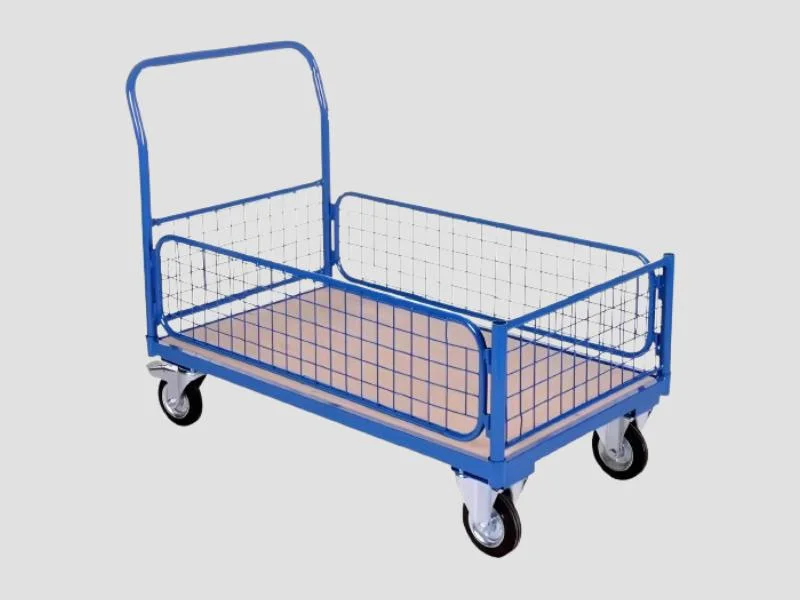
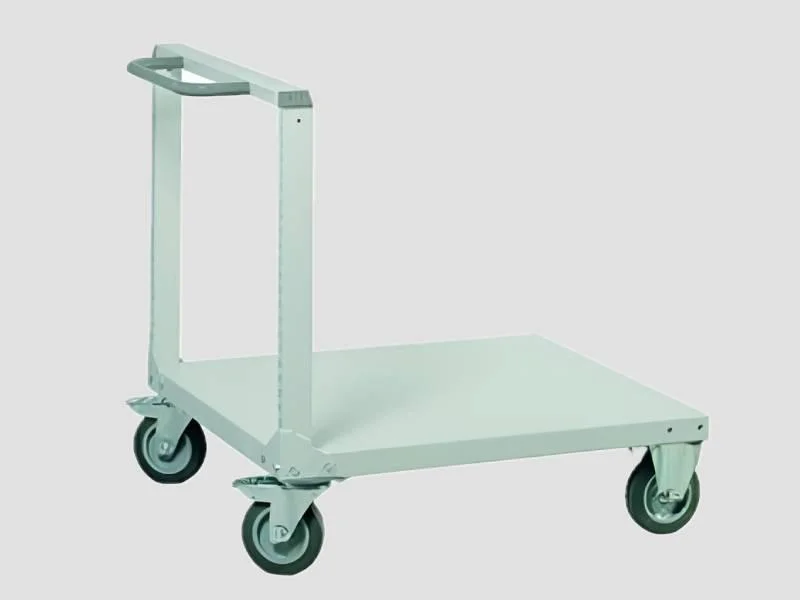
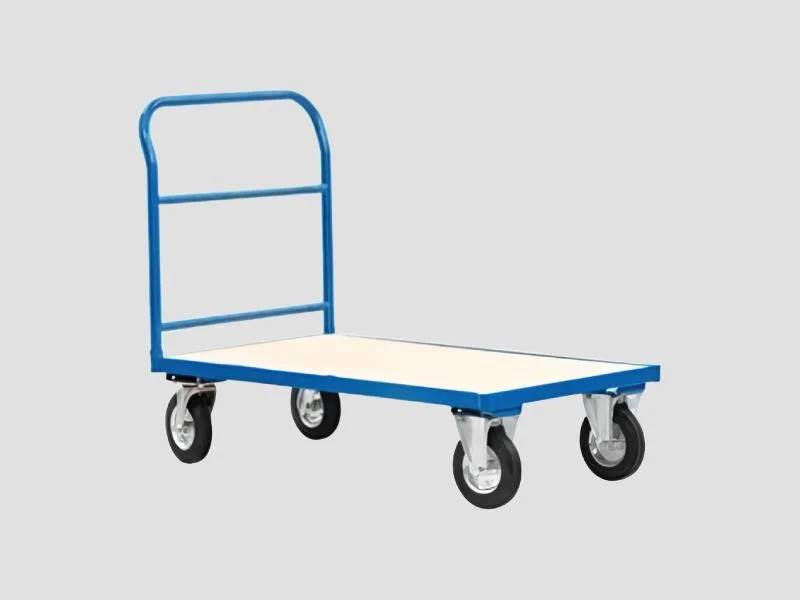
These are versatile and suitable for general use in warehouses, factories, and retail environments. They typically feature a flat platform for easy loading and unloading.
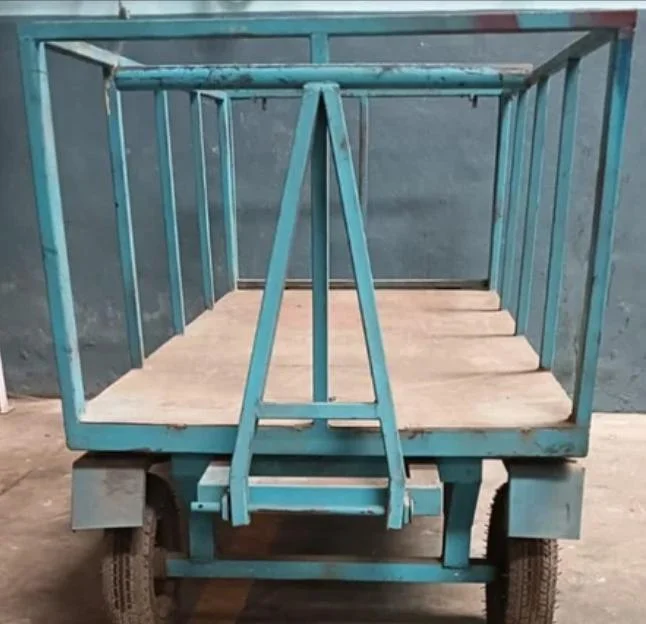
Platform Trolleys
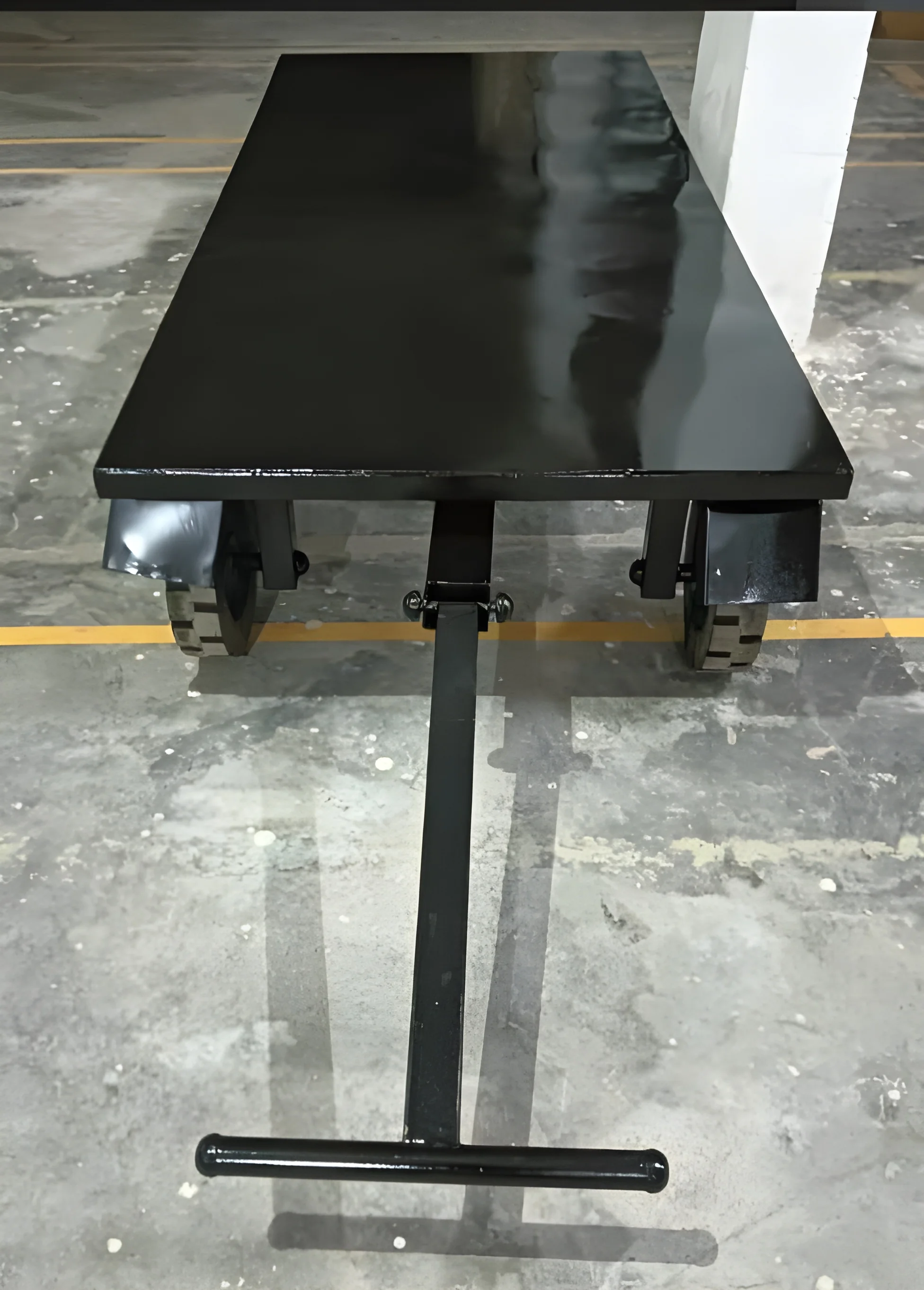
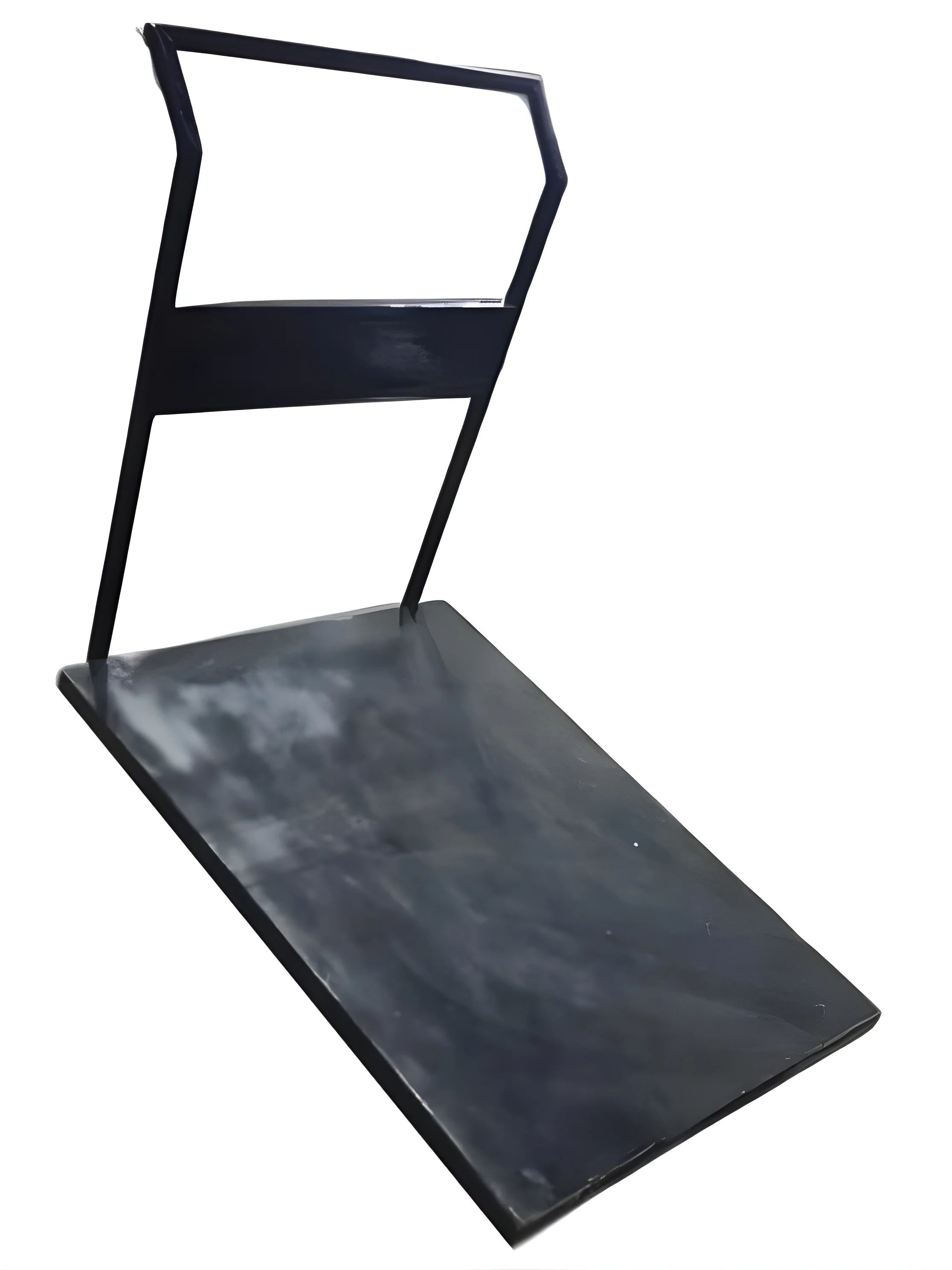
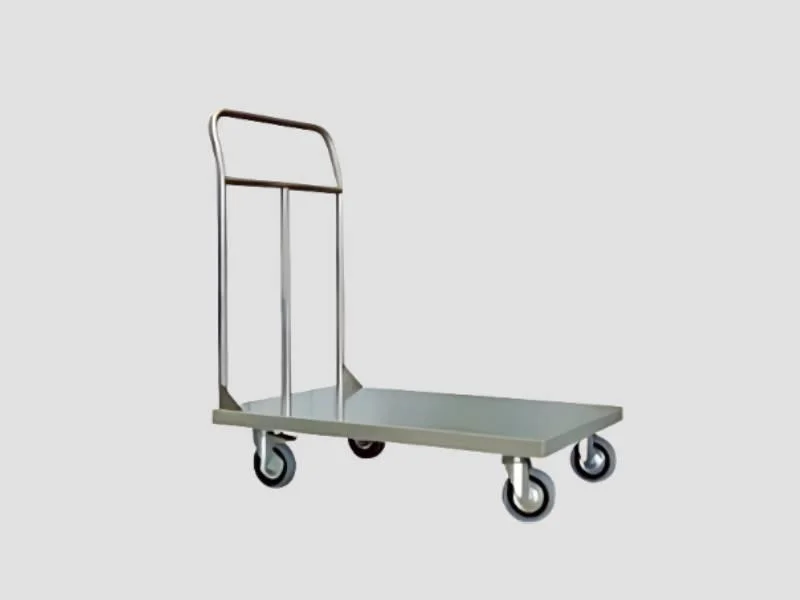
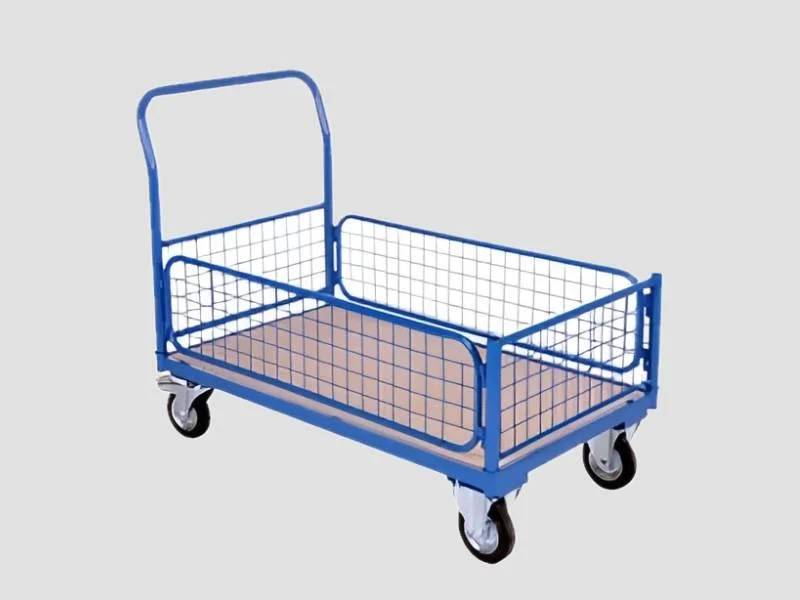
Platform trolleys provide a large flat surface for transporting heavy items. They are ideal for moving bulk goods and can often accommodate larger loads than standard trolleys.
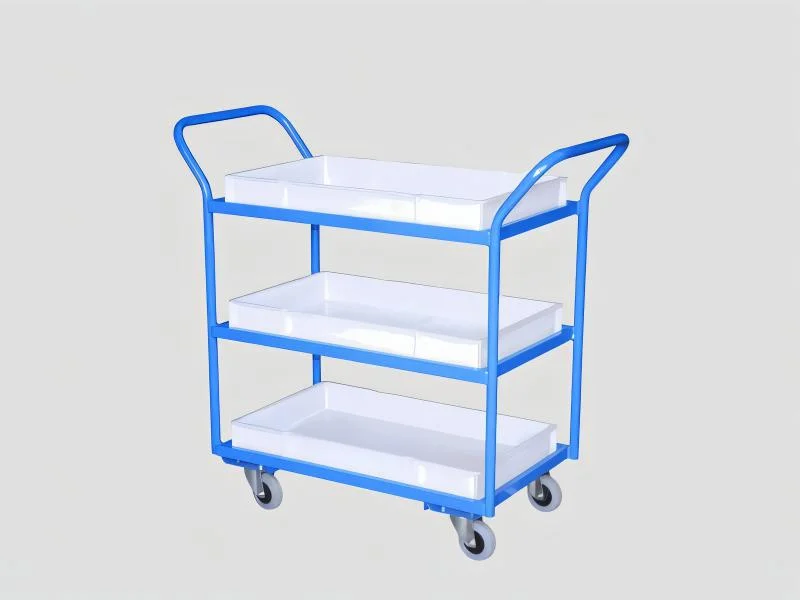
Utility Trolleys
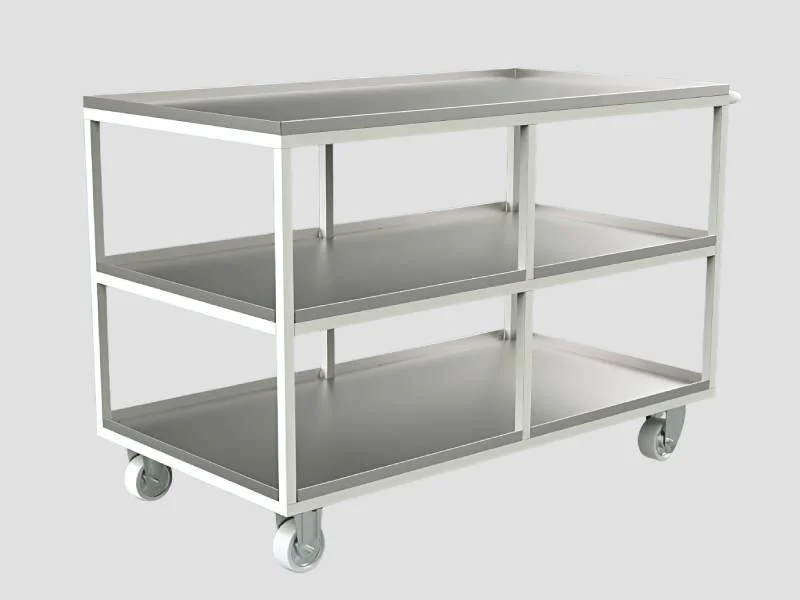
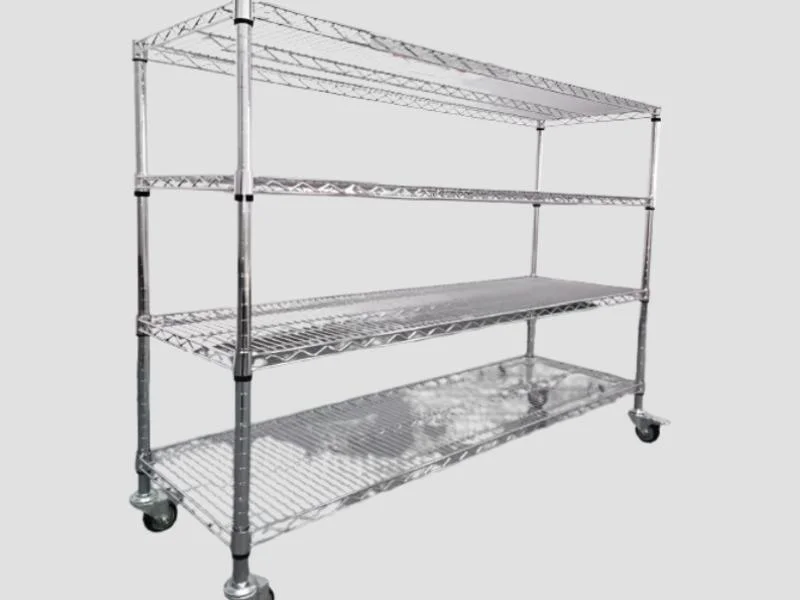
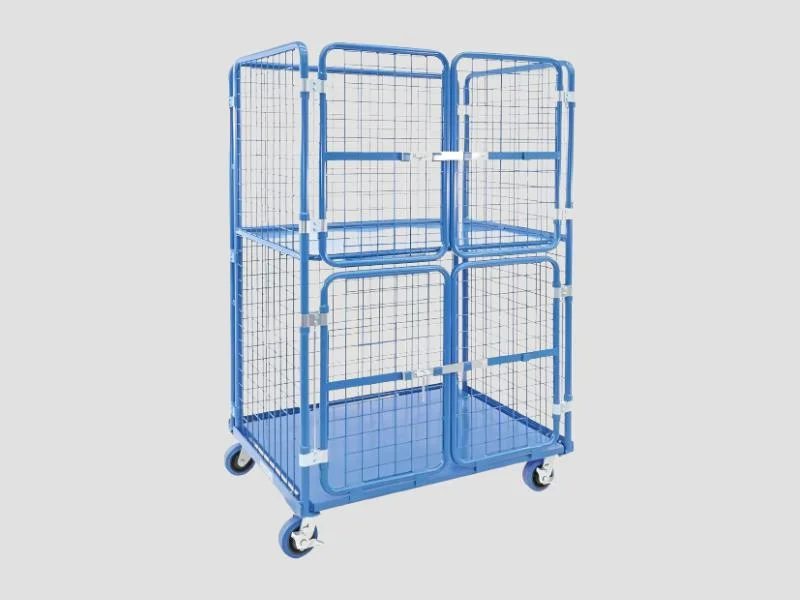
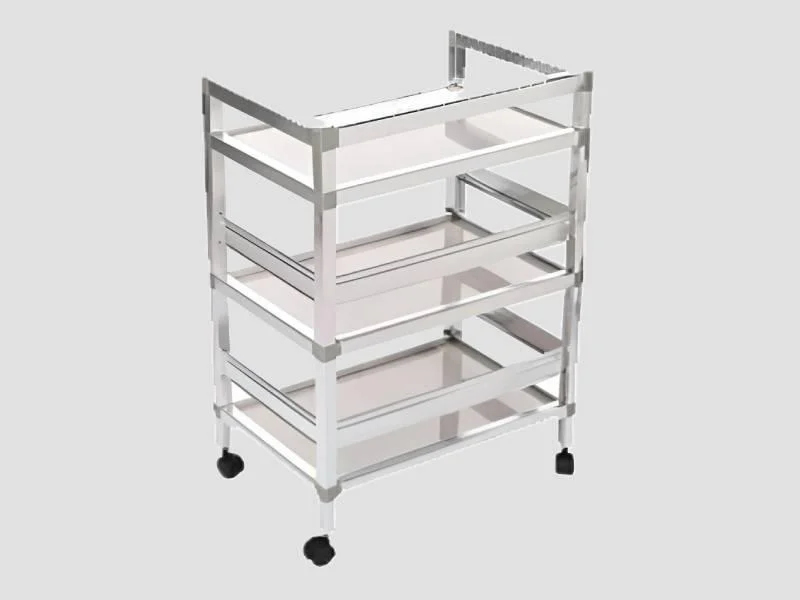
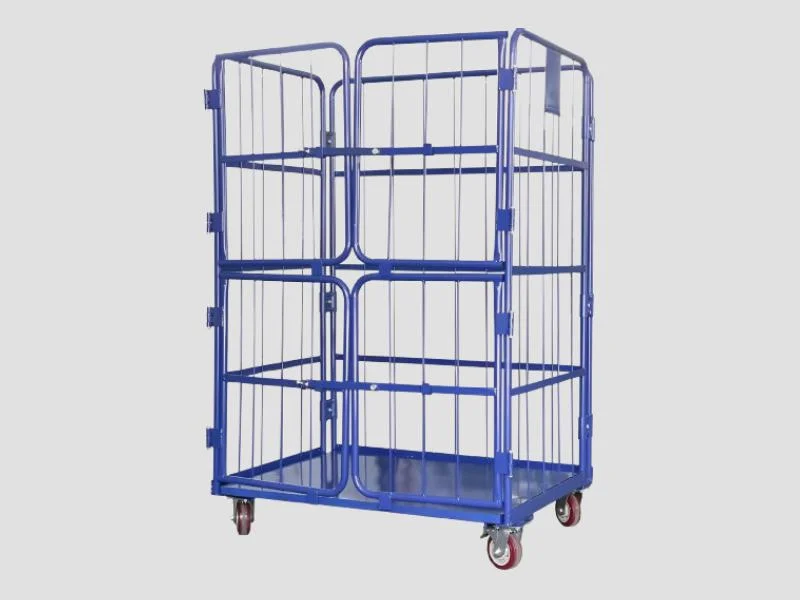
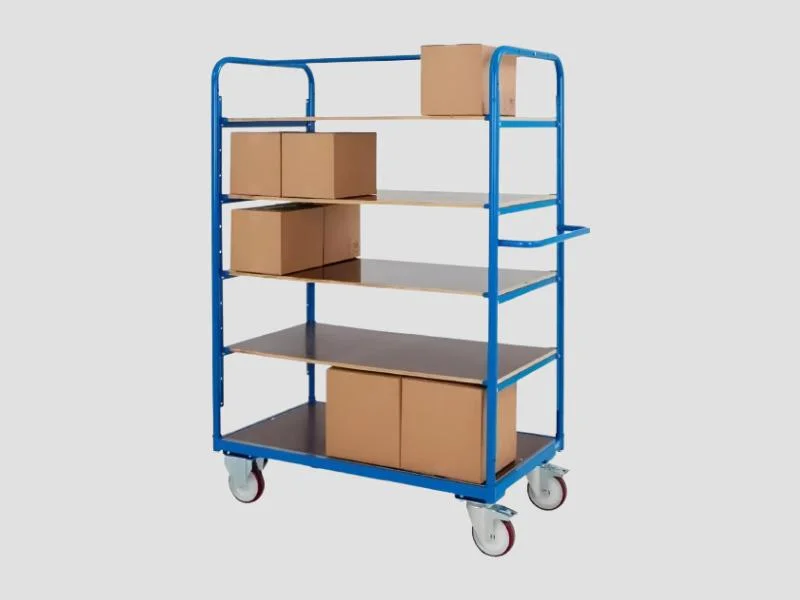
Utility trolleys are designed for specific applications, such as food service or medical supply transport. They may include shelves, bins, or compartments for organized storage.
Folding Trolleys
Folding trolleys are compact and easily stored when not in use. They are ideal for businesses with limited space and are convenient for transport between locations.
𝗕𝗲𝗻𝗲𝗳𝗶𝘁𝘀 𝗮𝗻𝗱 𝗔𝗱𝘃𝗮𝗻𝘁𝗮𝗴𝗲𝘀
Investing in material handling trolleys offers numerous benefits that can significantly enhance operational efficiency.
1. Increased Efficiency: Trolleys streamline the movement of goods, reducing the time and effort required by workers, which leads to higher productivity.
2. Enhanced Safety: Using trolleys minimizes manual lifting and carrying, lowering the risk of workplace injuries and ensuring a safer work environment.
3. Versatility: Material handling trolleys can be used in various settings, adapting to the specific needs of different industries and applications.
4. Cost-Effective: By improving efficiency and safety, trolleys can lead to significant cost savings in labor and injury-related expenses.
5. Easy Maintenance: Most trolleys require minimal maintenance, making them a practical investment for businesses.
6. Customization Options: Many suppliers offer customization, allowing businesses to tailor trolleys to their specific requirements.
𝗕𝘂𝘆𝗶𝗻𝗴 𝗚𝘂𝗶𝗱𝗲 𝗳𝗼𝗿 𝗕𝟮𝗕 𝗕𝘂𝘆𝗲𝗿𝘀
When sourcing material handling trolleys, there are several key factors to consider to ensure you make an informed decision.
1. Quality Assessment: Evaluate the quality of the trolleys by reviewing materials, construction methods, and load ratings. Higher quality often leads to better durability and performance.
2. Supplier Verification: Research potential suppliers to confirm their credibility and reputation in the market. Look for reviews and testimonials from other businesses.
3. Pricing and MOQ: Understand the pricing structure and any minimum order quantity (MOQ) requirements. Compare costs from different suppliers to find the best value.
4. Delivery and Lead Times: Confirm the delivery timelines and logistics involved in shipping the trolleys. Efficient delivery is crucial for maintaining operations.
5. Compliance Requirements: Ensure that the trolleys meet industry standards and regulations, including safety and quality certifications.
𝗖𝗼𝗺𝗽𝗹𝗶𝗮𝗻𝗰𝗲 𝗮𝗻𝗱 𝗖𝗲𝗿𝘁𝗶𝗳𝗶𝗰𝗮𝘁𝗶𝗼𝗻𝘀
Material handling trolleys must adhere to various quality standards and certifications to ensure reliable performance and safety.
ISO 9001 is a globally recognized standard that focuses on quality management systems. Compliance with this standard indicates that a supplier follows consistent quality control practices.
CE certification is crucial for products sold in Europe, indicating that the trolleys meet health, safety, and environmental protection standards.
Safety and testing requirements are paramount in ensuring that trolleys can safely handle the loads they are designed for. Manufacturers should conduct rigorous testing to verify the durability and reliability of their products.
Regional compliance considerations may vary, so it is essential to understand any local regulations regarding material handling equipment used in specific industries.
𝗪𝗵𝘆 𝗦𝗼𝘂𝗿𝗰𝗲 𝗠𝗮𝘁𝗲𝗿𝗶𝗮𝗹 𝗛𝗮𝗻𝗱𝗹𝗶𝗻𝗴 𝗧𝗿𝗼𝗹𝗹𝗲𝘆𝘀 𝗳𝗿𝗼𝗺 𝗣𝗲𝗽𝗮𝗴𝗼𝗿𝗮?
Pepagora offers a reliable platform for sourcing material handling trolleys, providing several advantages to B2B buyers.
Verified Supplier Network: Pepagora connects businesses with a network of verified suppliers, ensuring that buyers receive high-quality products from reputable manufacturers.
Streamlined RFQ Process: The request for quotation (RFQ) process on Pepagora is straightforward and efficient, allowing buyers to obtain multiple quotes quickly and easily.
Trade Assurance and Support: Buyers benefit from trade assurance policies that protect their purchases, ensuring a secure transaction and support throughout the buying process.
Regional Coverage: Pepagora's extensive reach across India, the GCC, and Southeast Asia makes it a convenient choice for businesses looking to source material handling trolleys from diverse markets.
Material Handling Trolleys are wheeled devices used to transport goods and materials within a facility. They are designed to improve efficiency and safety in various industries by simplifying the movement of heavy or bulky items.
2
What are the different types of Material Handling Trolleys?
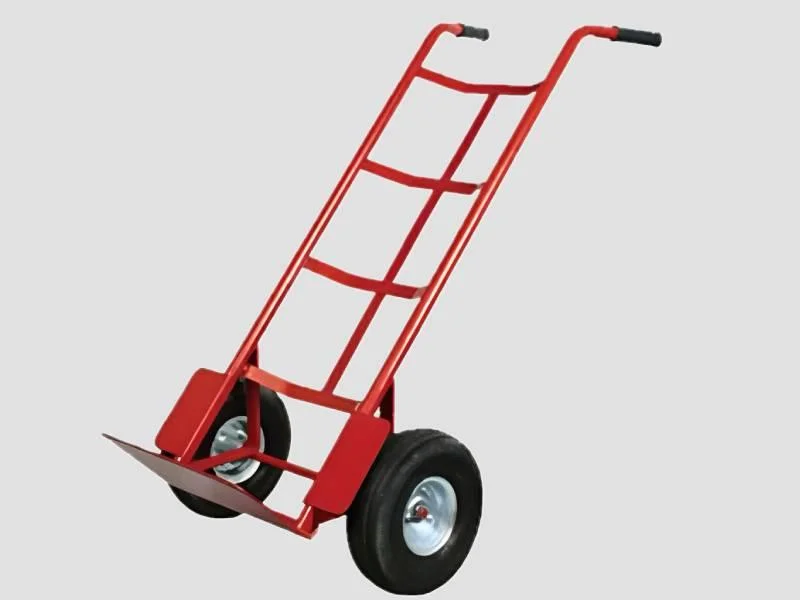
There are several types of Material Handling Trolleys, including platform trolleys, hand trucks, and stacker trolleys. Each type serves specific purposes, such as lifting, transporting, or stacking materials, catering to various operational needs.
3
How do I choose the right Material Handling Trolleys?
Choosing the right Material Handling Trolleys involves assessing the weight and dimensions of the items to be transported, the work environment, and the required mobility. It's also important to consider the trolley's load capacity and ergonomics for user comfort.
4
What are the standard specifications for Material Handling Trolleys?
Standard specifications for Material Handling Trolleys typically include load capacity, dimensions, wheel type, and construction material. These specifications ensure that the trolley meets the demands of the specific tasks it will perform.
5
What is the price range for Material Handling Trolleys?
The price range for Material Handling Trolleys can vary widely based on type, specifications, and manufacturer. Basic models may start around INR 2,000, while more advanced trolleys can cost upwards of INR 15,000 or more.
6
What quality standards apply to Material Handling Trolleys?
Quality standards for Material Handling Trolleys often include compliance with ISO and other relevant industry certifications. These standards ensure that the trolleys are safe, durable, and efficient for material handling operations.
7
Where can I find Material Handling Trolleys suppliers in India?
Material Handling Trolleys suppliers can be found through online B2B marketplaces, industry trade shows, and manufacturer directories. Platforms like Pepagora.com are useful for connecting with reputable suppliers in India.
8
Can Material Handling Trolleys be customized?
Yes, Material Handling Trolleys can often be customized to meet specific requirements such as size, load capacity, and additional features. Customization options may vary by manufacturer, so it's advisable to discuss needs with potential suppliers.
9
What is the typical minimum order quantity for Material Handling Trolleys?
The typical minimum order quantity (MOQ) for Material Handling Trolleys can vary by supplier and product type. Generally, MOQs may range from one unit for standard models to larger quantities for bulk orders.
10
What is the typical lead time for Material Handling Trolleys?
The typical lead time for Material Handling Trolleys can range from a few days to several weeks, depending on the supplier, stock availability, and any customization requests. It is recommended to check with the supplier for specific delivery timelines.
Why Businesses Trust Pepagora
Thousands of companies trust Pepagora to source smarter and sell faster
Expand Your Sales Globally
25000+Products listed.Get discovered by global buyers

 IN
IN