𝗪𝗵𝗮𝘁 𝗮𝗿𝗲 𝗠𝗼𝗯𝗶𝗹𝗲 𝗔𝗲𝗿𝗶𝗮𝗹 𝗪𝗼𝗿𝗸 𝗣𝗹𝗮𝘁𝗳𝗼𝗿𝗺𝘀?
Mobile Aerial Work Platforms (MAWPs) are versatile lifting devices designed to elevate workers, tools, and equipment to various heights safely and efficiently. These platforms provide a stable work surface and are commonly used in construction, maintenance, and industrial applications. They come in various configurations, including scissor lifts, boom lifts, and personnel lifts, allowing for flexibility based on specific job requirements.
The primary uses of MAWPs include tasks such as building maintenance, installation of HVAC systems, and electrical work. They enable workers to access hard-to-reach areas without the risks associated with ladders and scaffolding. Businesses across sectors like construction, manufacturing, and warehousing benefit from these platforms due to their ability to enhance productivity and safety while reducing labor costs.
In today's market, the demand for Mobile Aerial Work Platforms continues to rise as industries prioritize safety and efficiency. The push for automation and improved access solutions has led to a growing range of models and features designed to meet diverse operational needs. As companies look for ways to optimize their workflows, MAWPs are becoming integral to modern industrial practices.
𝗞𝗲𝘆 𝗙𝗲𝗮𝘁𝘂𝗿𝗲𝘀 𝗮𝗻𝗱 𝗦𝗽𝗲𝗰𝗶𝗳𝗶𝗰𝗮𝘁𝗶𝗼𝗻𝘀
Mobile Aerial Work Platforms are equipped with various features that enhance safety, efficiency, and usability. Understanding these specifications is essential for making informed purchasing decisions.
Key specifications include:
1. Platform Height
- The maximum height the platform can reach
- Typically ranges from 10 to 60 feet, depending on the model
2. Load Capacity
- The maximum weight the platform can safely support
- Commonly ranges from 500 to 1,000 pounds
3. Drive Type
- The mechanism used for mobility
- Options include electric, diesel, or hybrid drive systems
4. Platform Size
- The dimensions of the working platform
- Sizes can vary from 2 feet by 4 feet to larger configurations
5. Gradeability
- The maximum slope the platform can operate on safely
- Usually between 20% and 50%
6. Power Source
- The type of energy used to operate the platform
- Options include battery-powered, gas, or electric
7. Safety Features
- Includes fall protection systems, emergency stop buttons, and guardrails
8. Control System
- The type of controls used for operation
- Can be manual or remote-controlled for enhanced maneuverability
These specifications are critical in determining the right Mobile Aerial Work Platform for specific applications and operational environments.
𝗖𝗼𝗺𝗺𝗼𝗻 𝗔𝗽𝗽𝗹𝗶𝗰𝗮𝘁𝗶𝗼𝗻𝘀 𝗮𝗻𝗱 𝗨𝘀𝗲 𝗖𝗮𝘀𝗲𝘀
Mobile Aerial Work Platforms serve various industries with their versatility and efficiency.
1. Construction: MAWPs are essential in construction sites for tasks such as framing, roofing, and installing lighting systems. They allow workers to reach elevated areas safely and efficiently.
2. Maintenance: Facilities management teams utilize MAWPs for building maintenance tasks, including painting, window cleaning, and HVAC servicing, reducing downtime and improving safety.
3. Manufacturing: In manufacturing settings, these platforms assist in assembly line work, equipment maintenance, and inventory management, optimizing workflow and productivity.
4. Warehousing: Mobile Aerial Work Platforms are used in warehouses for stock retrieval and shelving tasks, enabling easy access to high storage areas.
5. Event Management: For setting up stages and lighting at events, MAWPs provide quick access without the hazards associated with traditional ladders.
6. Telecommunications: These platforms are crucial for installing and maintaining telecommunications equipment on tall structures and towers.
7. Electrical Services: Utility companies use MAWPs for overhead electrical work, ensuring safe access to power lines and equipment.
𝗣𝗿𝗼𝗱𝘂𝗰𝘁 𝗩𝗮𝗿𝗶𝗮𝗻𝘁𝘀 𝗮𝗻𝗱 𝗦𝘂𝗯𝗰𝗮𝘁𝗲𝗴𝗼𝗿𝗶𝗲𝘀
Mobile Aerial Work Platforms come in various types, each designed for specific applications and environments.
Scissor Lifts: These platforms feature a crisscrossing support system that allows for vertical lifting. They are ideal for indoor construction and maintenance tasks, offering a stable platform for workers.
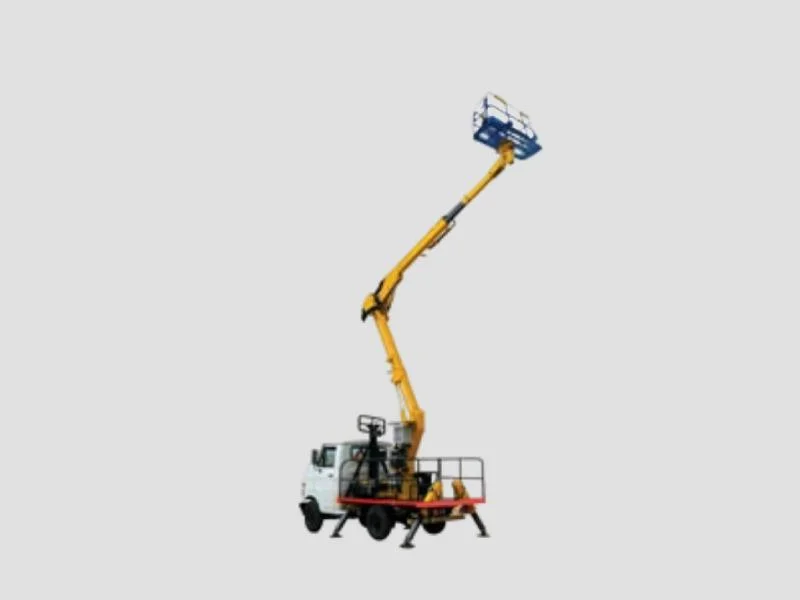
Boom Lifts: Equipped with extendable arms, boom lifts can access higher and more difficult-to-reach areas. They are commonly used in construction and tree trimming, providing flexibility in movement.
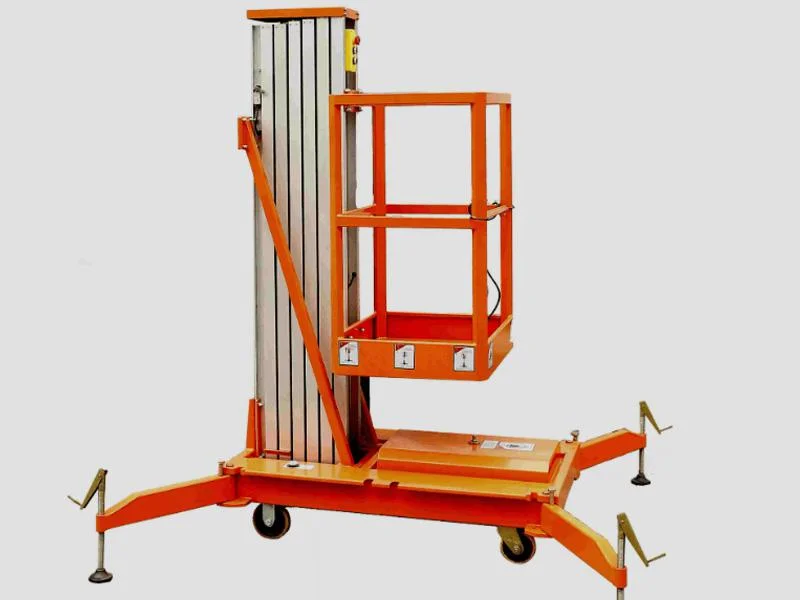
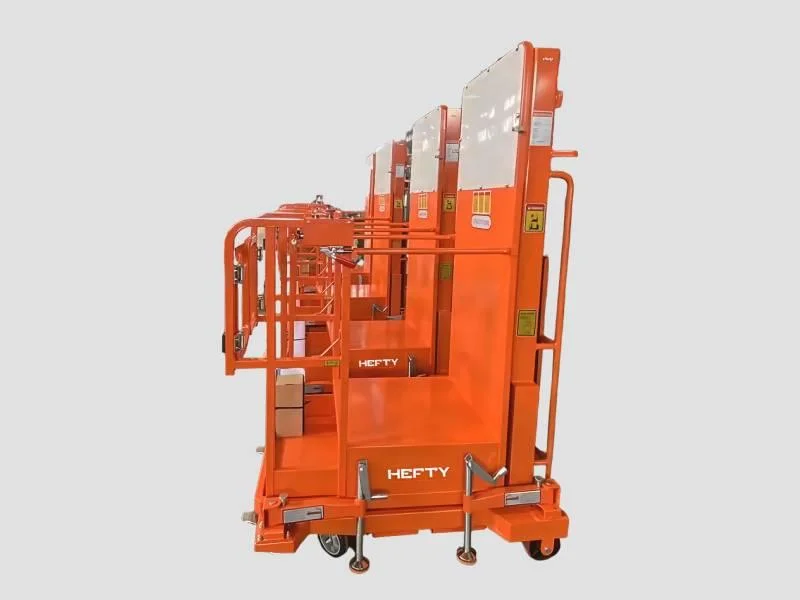
Personnel Lifts: These compact lifts are designed for transporting personnel to elevated work areas, making them suitable for tight spaces and indoor applications.
𝗕𝗲𝗻𝗲𝗳𝗶𝘁𝘀 𝗮𝗻𝗱 𝗔𝗱𝘃𝗮𝗻𝘁𝗮𝗴𝗲𝘀
Mobile Aerial Work Platforms provide numerous benefits that enhance operational efficiency and safety.
1. Enhanced Safety: MAWPs reduce the risk of falls compared to ladders and scaffolding, providing a secure working environment.
2. Increased Productivity: By allowing workers to access elevated areas quickly, these platforms enhance workflow and minimize downtime.
3. Versatility: With various models available, MAWPs can be utilized across diverse industries and applications, making them a valuable investment.
4. Cost-Effective: Reducing labor costs associated with manual lifting and improving efficiency translates to significant savings for businesses.
5. Easy to Operate: Most platforms feature user-friendly controls, enabling quick training for operators and reducing the learning curve.
6. Space-Efficient: Many models are designed for compact environments, making them suitable for indoor use and crowded job sites.
𝗕𝘂𝘆𝗶𝗻𝗴 𝗚𝘂𝗶𝗱𝗲 𝗳𝗼𝗿 𝗕𝟮𝗕 𝗕𝘂𝘆𝗲𝗿𝘀
When sourcing Mobile Aerial Work Platforms, consider several factors to ensure you select the right equipment for your needs.
1. Quality Assessment: Evaluate the quality standards and durability of the platforms. Look for models that meet recognized safety certifications to ensure reliability.
2. Supplier Verification: Vet suppliers by checking their reputation, customer reviews, and industry experience. This step will help ensure you partner with a reputable provider.
3. Pricing and MOQ: Understand the pricing structure and minimum order quantities (MOQ) associated with different models. Compare options to find the best fit for your budget.
4. Delivery and Lead Times: Inquire about delivery schedules and lead times to ensure the equipment arrives when needed, minimizing project delays.
5. Compliance Requirements: Familiarize yourself with local regulations and compliance standards, ensuring the platforms you choose meet all necessary legal requirements.
𝗖𝗼𝗺𝗽𝗹𝗶𝗮𝗻𝗰𝗲 𝗮𝗻𝗱 𝗖𝗲𝗿𝘁𝗶𝗳𝗶𝗰𝗮𝘁𝗶𝗼𝗻𝘀
Mobile Aerial Work Platforms must adhere to several quality standards and certifications to ensure safety and reliability.
Relevant standards include ISO 9001, which emphasizes quality management systems. This standard ensures that manufacturers maintain consistent quality in their products.
Industry certifications like CE indicate compliance with European safety standards, providing assurance that the equipment has been tested for safety and performance.
Safety and testing requirements are critical. Platforms must undergo rigorous testing to meet safety standards, ensuring they can handle designated loads and operate safely at height.
Regional compliance considerations vary. Different countries may have specific regulations regarding equipment design, operation, and safety, making it essential for buyers to verify local requirements.
𝗪𝗵𝘆 𝗦𝗼𝘂𝗿𝗰𝗲 𝗠𝗼𝗯𝗶𝗹𝗲 𝗔𝗲𝗿𝗶𝗮𝗹 𝗪𝗼𝗿𝗸 𝗣𝗹𝗮𝘁𝗳𝗼𝗿𝗺𝘀 𝗳𝗿𝗼𝗺 𝗣𝗲𝗽𝗮𝗴𝗼𝗿𝗮?
Pepagora provides a trusted platform for sourcing Mobile Aerial Work Platforms with several key advantages.
Verified Supplier Network: Pepagora connects buyers with a network of verified suppliers who have undergone thorough vetting. This ensures that you are dealing with reputable manufacturers and distributors.
Streamlined RFQ Process: The platform simplifies the request-for-quotation (RFQ) process, allowing buyers to easily compare offers from multiple suppliers. This efficiency helps save time and resources.
Trade Assurance and Support: Pepagora offers trade assurance to protect buyers throughout the purchasing process. This includes support for any issues that may arise, ensuring a smooth transaction.
Regional Coverage: With a presence in India, the GCC, and Southeast Asia, Pepagora provides extensive regional coverage. This allows buyers to access local suppliers and facilitate timely delivery of Mobile Aerial Work Platforms tailored to their specific needs.
Mobile Aerial Work Platforms (MAWPs) are equipment designed to provide temporary access to elevated areas for tasks such as construction, maintenance, and inspection. They are typically mobile, allowing users to easily reposition them to different work sites.
2
What are the different types of Mobile Aerial Work Platforms?
The different types of Mobile Aerial Work Platforms include scissor lifts, boom lifts, and vertical lifts. Each type is suited for specific applications, with scissor lifts offering stable platforms for vertical access, while boom lifts provide extended reach for more challenging tasks.
3
How do I choose the right Mobile Aerial Work Platforms?
Choosing the right Mobile Aerial Work Platform involves assessing the height requirements, weight capacity, and terrain conditions of your work site. Additionally, consider the platform's maneuverability, ease of operation, and safety features to ensure it meets your specific needs.
4
What are the standard specifications for Mobile Aerial Work Platforms?
Standard specifications for Mobile Aerial Work Platforms typically include maximum working height, load capacity, platform dimensions, and power source options. It's essential to refer to the manufacturer's specifications to ensure compliance with safety regulations and operational requirements.
5
What is the price range for Mobile Aerial Work Platforms?
The price range for Mobile Aerial Work Platforms can vary widely based on type, specifications, and manufacturer. Generally, prices can start from a few lakhs to several crores, depending on the features and capabilities of the equipment.
6
What quality standards apply to Mobile Aerial Work Platforms?
Mobile Aerial Work Platforms must comply with various safety and quality standards, such as those set by the Occupational Safety and Health Administration (OSHA) and the American National Standards Institute (ANSI). Additionally, manufacturers often adhere to international standards like ISO for quality assurance.
7
Where can I find Mobile Aerial Work Platforms suppliers in India?
You can find Mobile Aerial Work Platforms suppliers in India through online B2B marketplaces like Pepagora. Additionally, industry trade shows and exhibitions are great places to connect with manufacturers and suppliers.
8
Can Mobile Aerial Work Platforms be customized?
Yes, many manufacturers offer customization options for Mobile Aerial Work Platforms to meet specific customer requirements. Customizations may include modifications in size, load capacity, or additional safety features.
9
What is the typical minimum order quantity for Mobile Aerial Work Platforms?
The typical minimum order quantity for Mobile Aerial Work Platforms can vary by supplier and product type. However, it is common for manufacturers to have a minimum order of one unit, especially for specialized or customized platforms.
10
What is the typical lead time for Mobile Aerial Work Platforms?
The typical lead time for Mobile Aerial Work Platforms can range from a few weeks to several months, depending on factors such as availability, customization, and production schedules. It is advisable to check with the supplier for accurate delivery timelines.
Why Businesses Trust Pepagora
Thousands of companies trust Pepagora to source smarter and sell faster
Expand Your Sales Globally
25000+Products listed.Get discovered by global buyers

 IN
IN