What are MS Channels (C-Channels)?
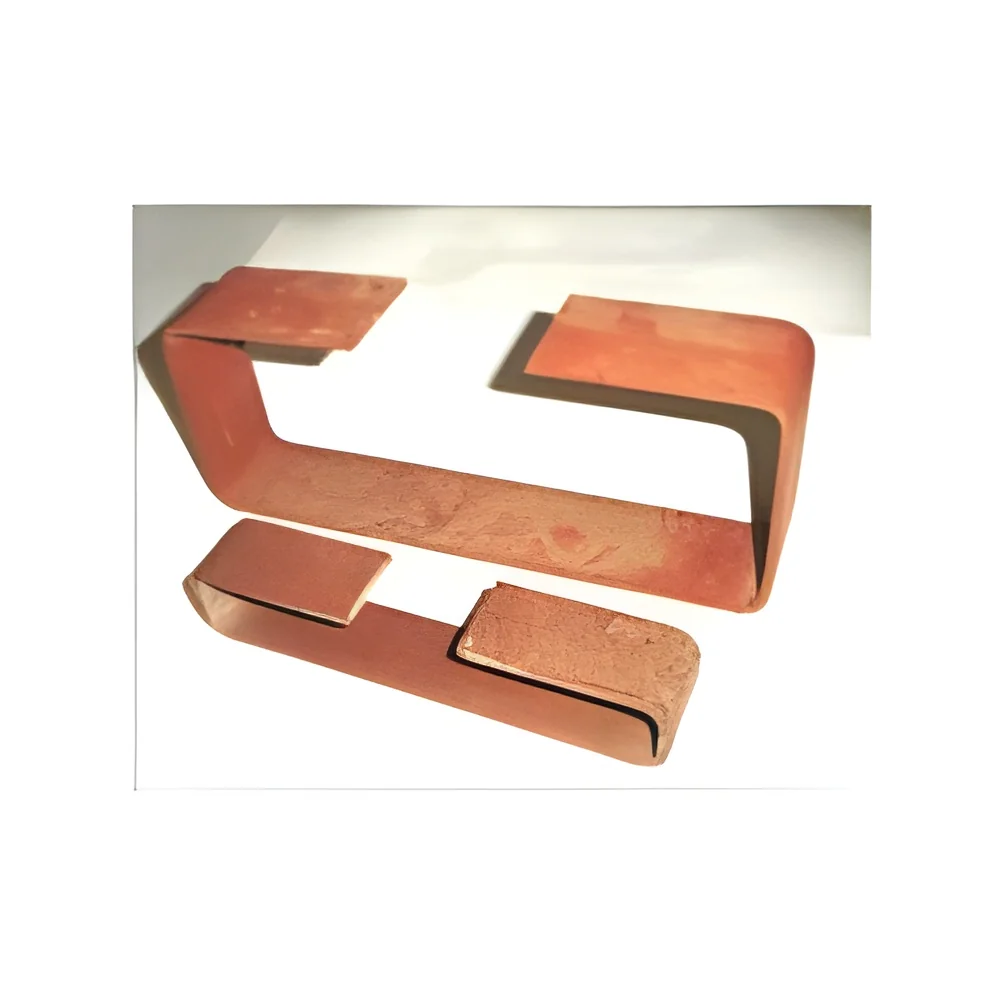
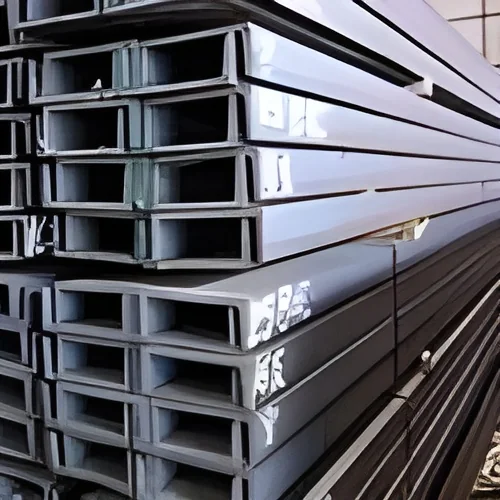
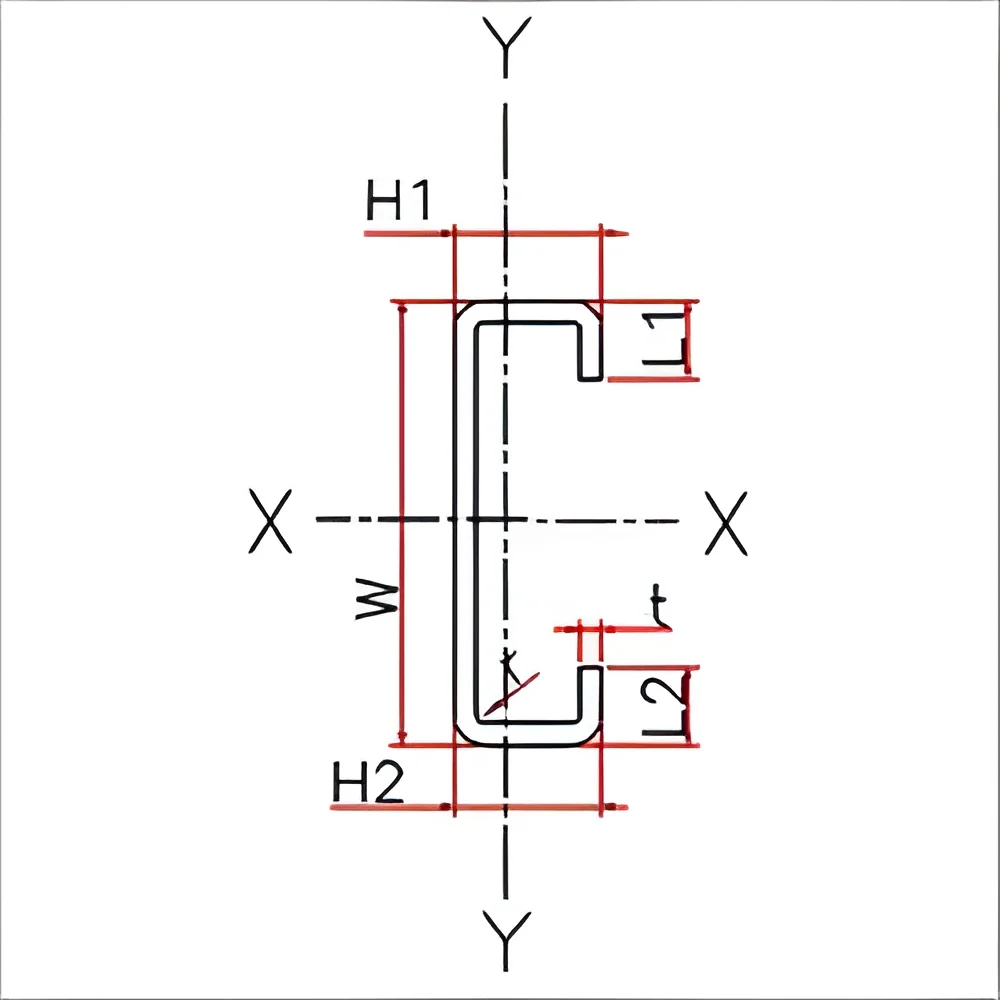
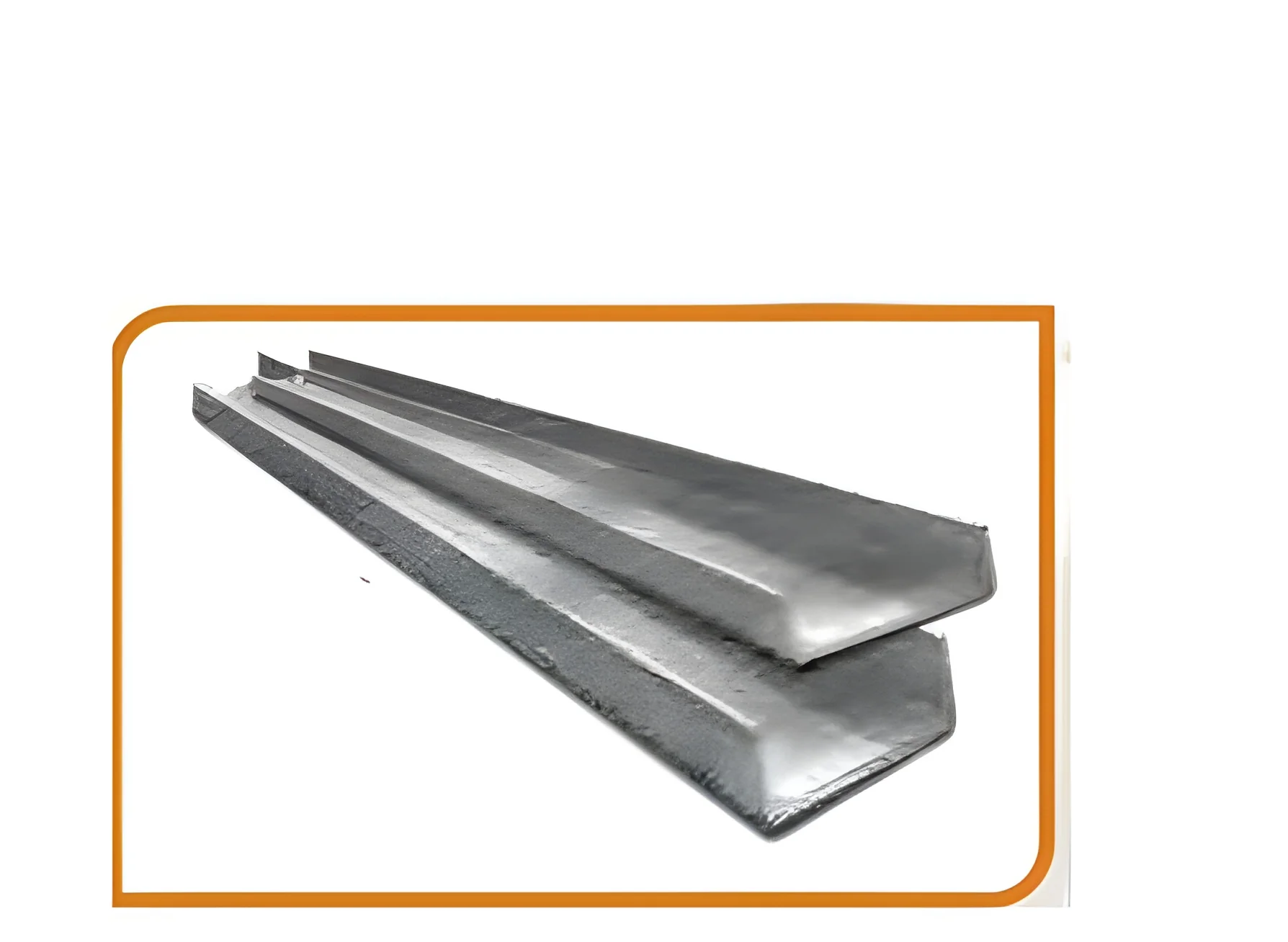
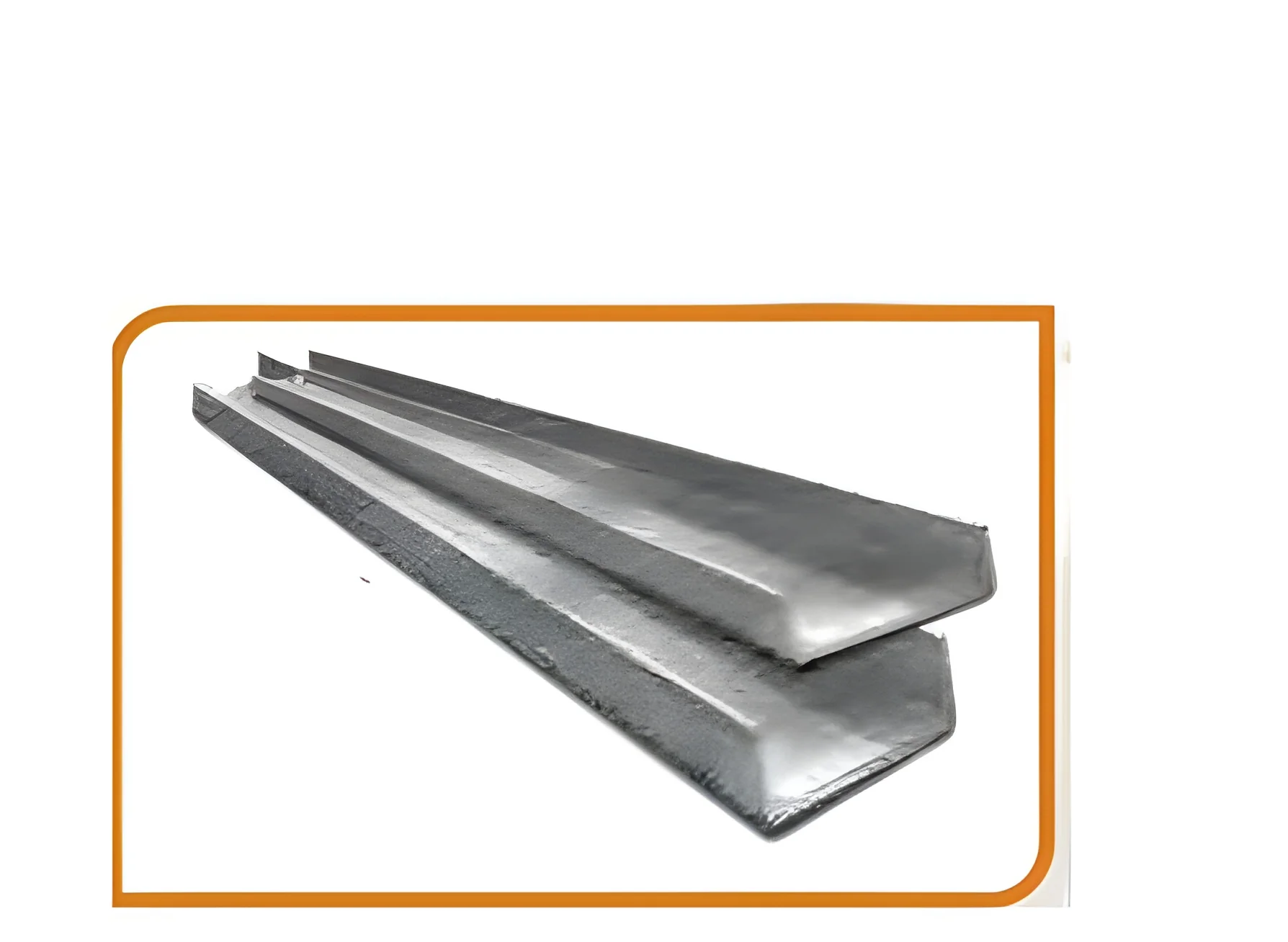
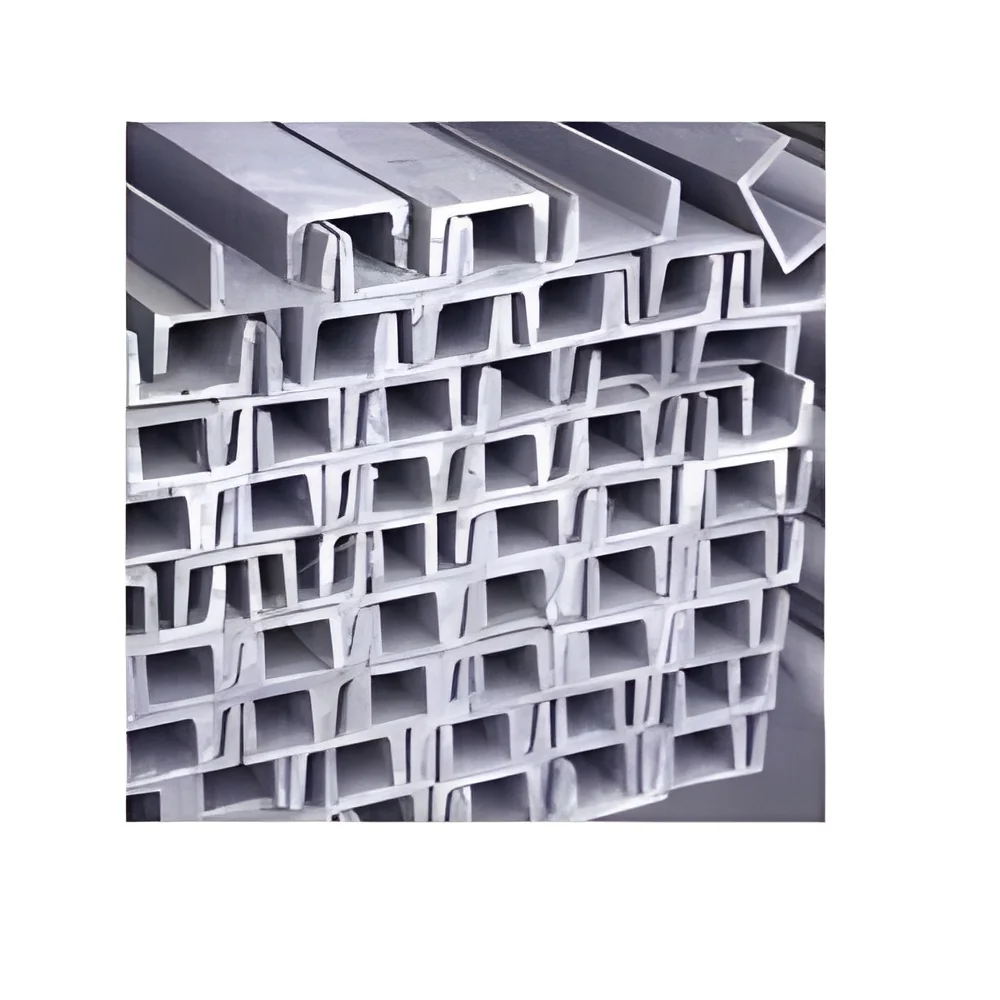
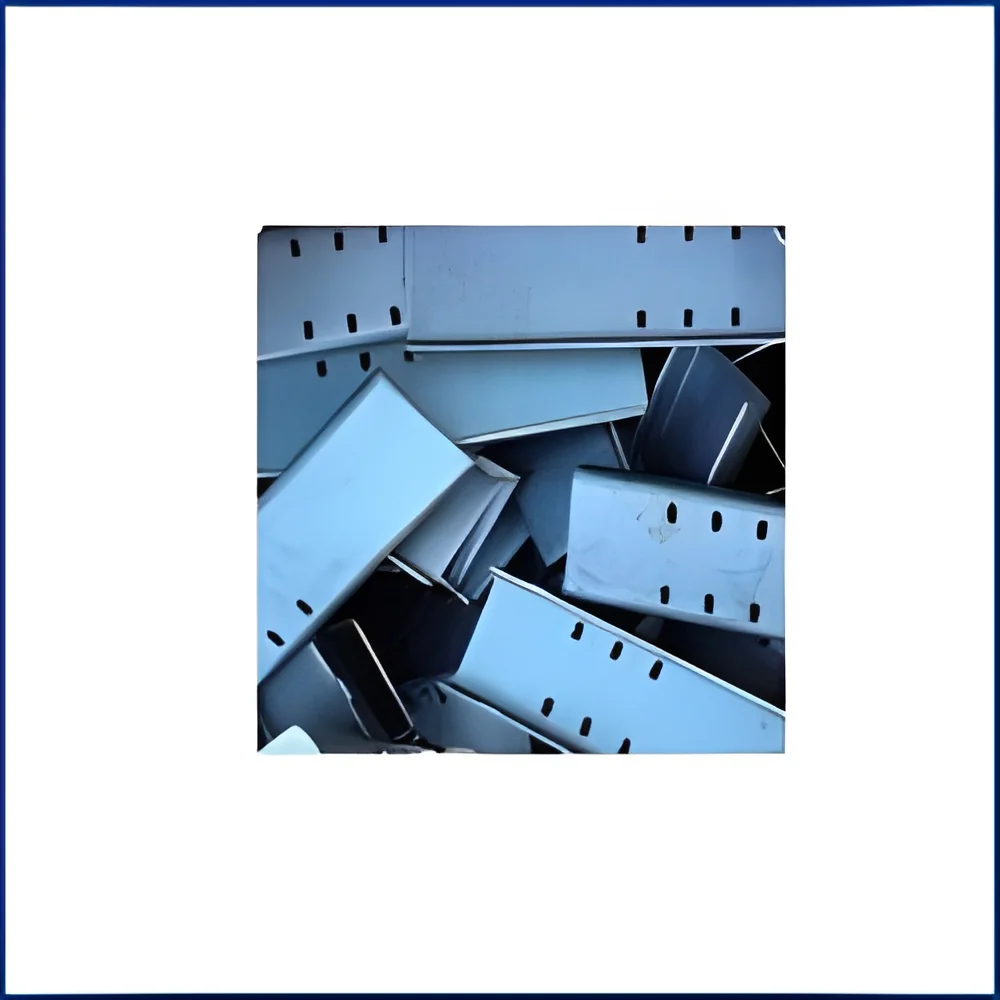
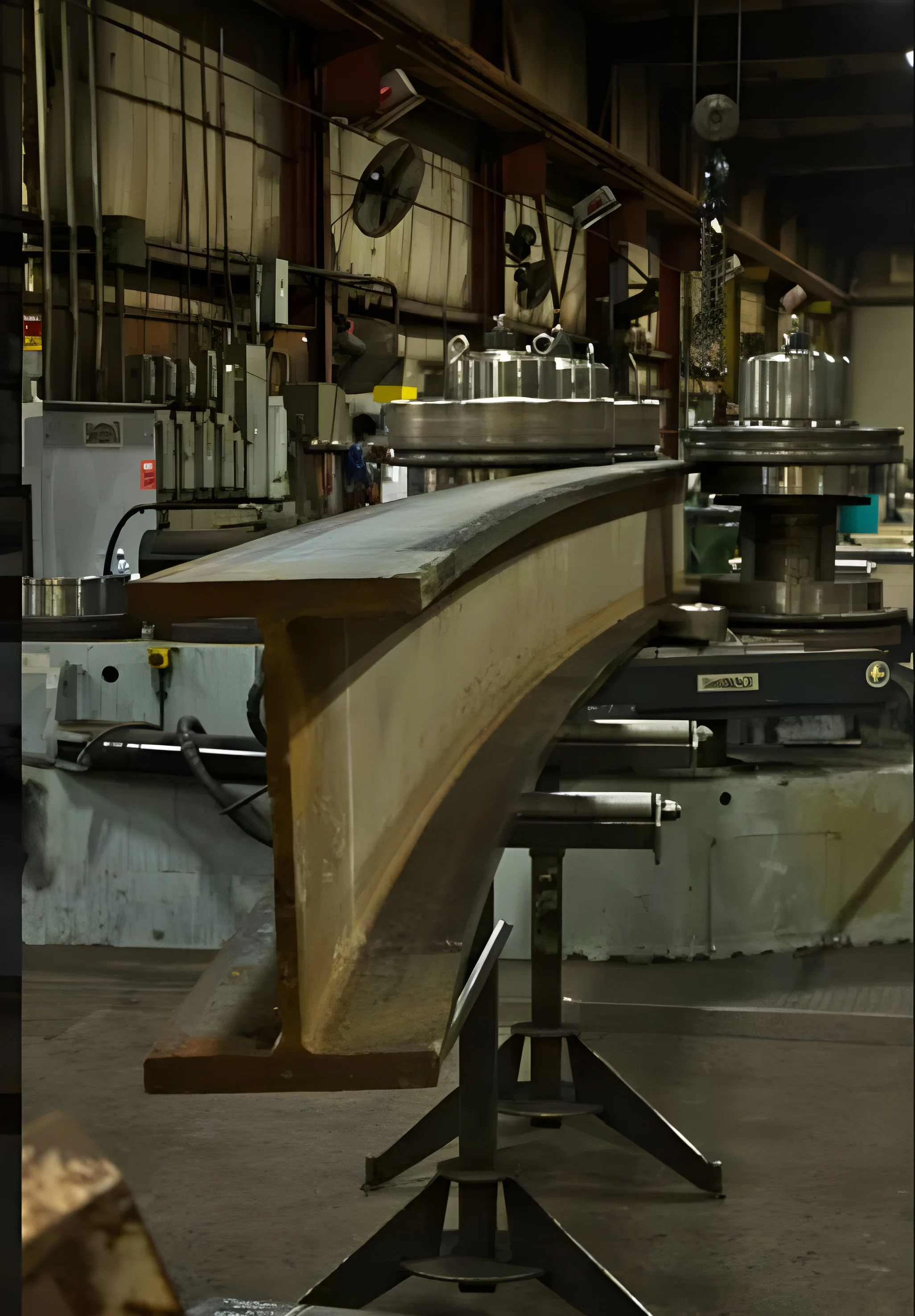
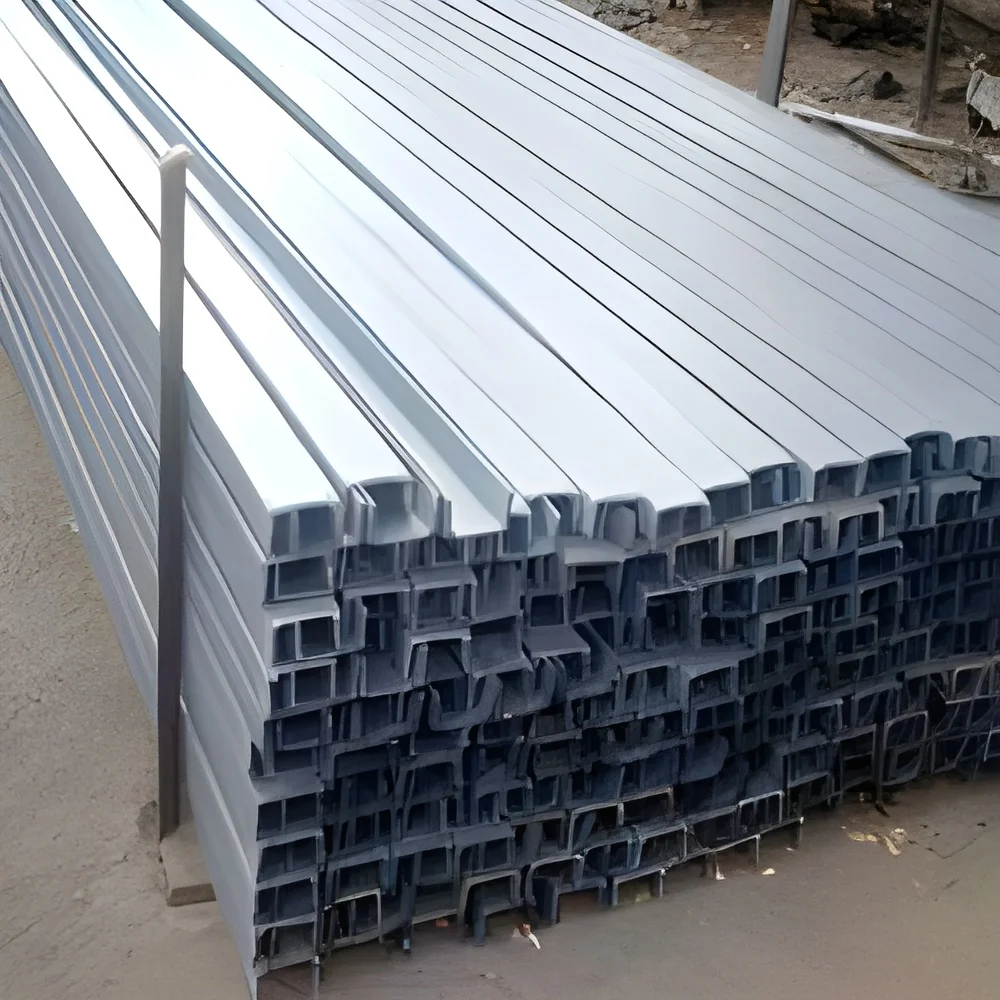
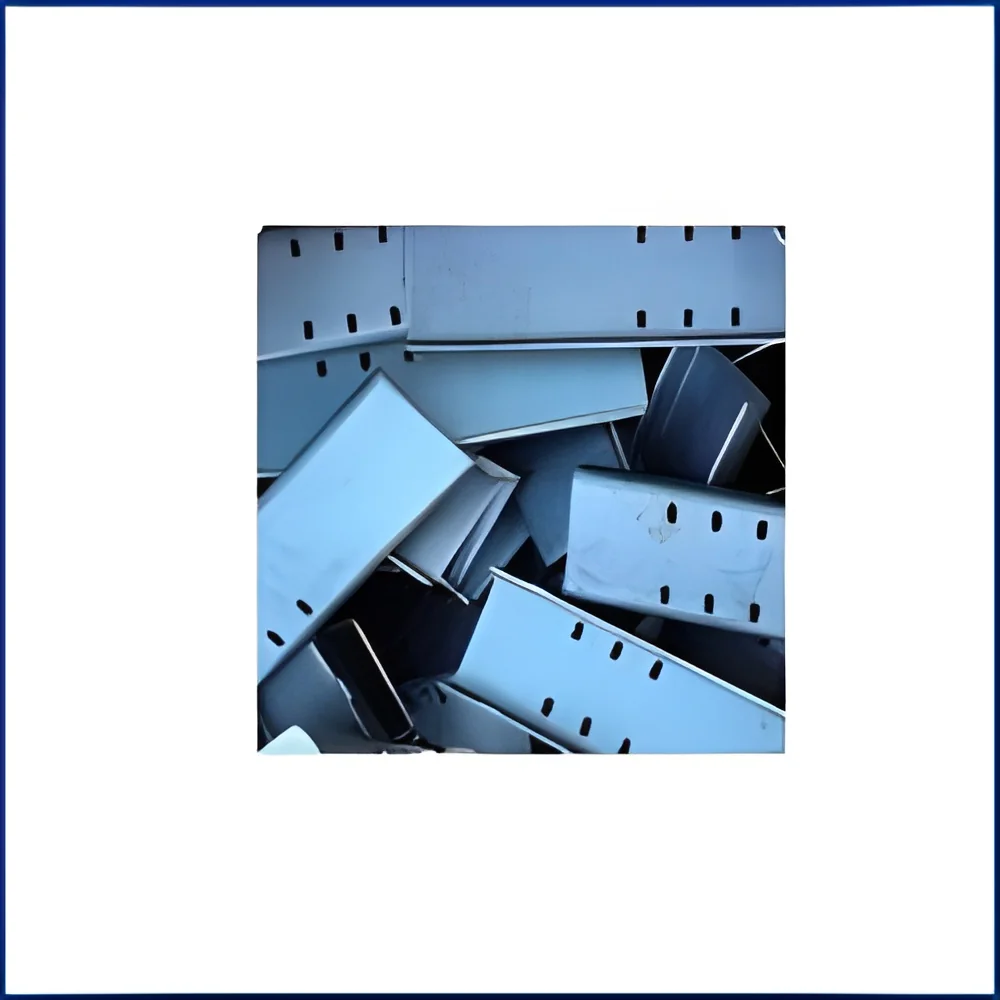
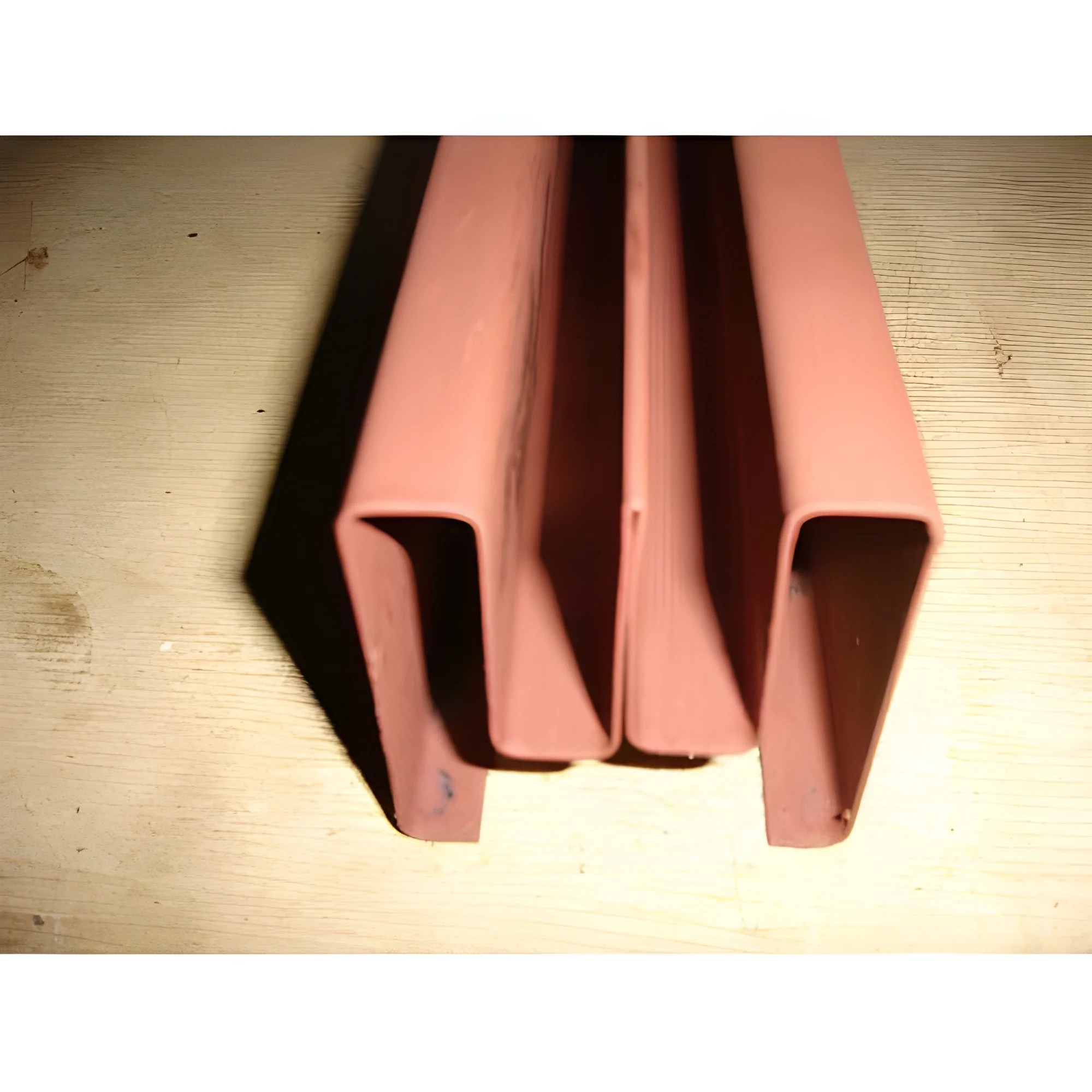
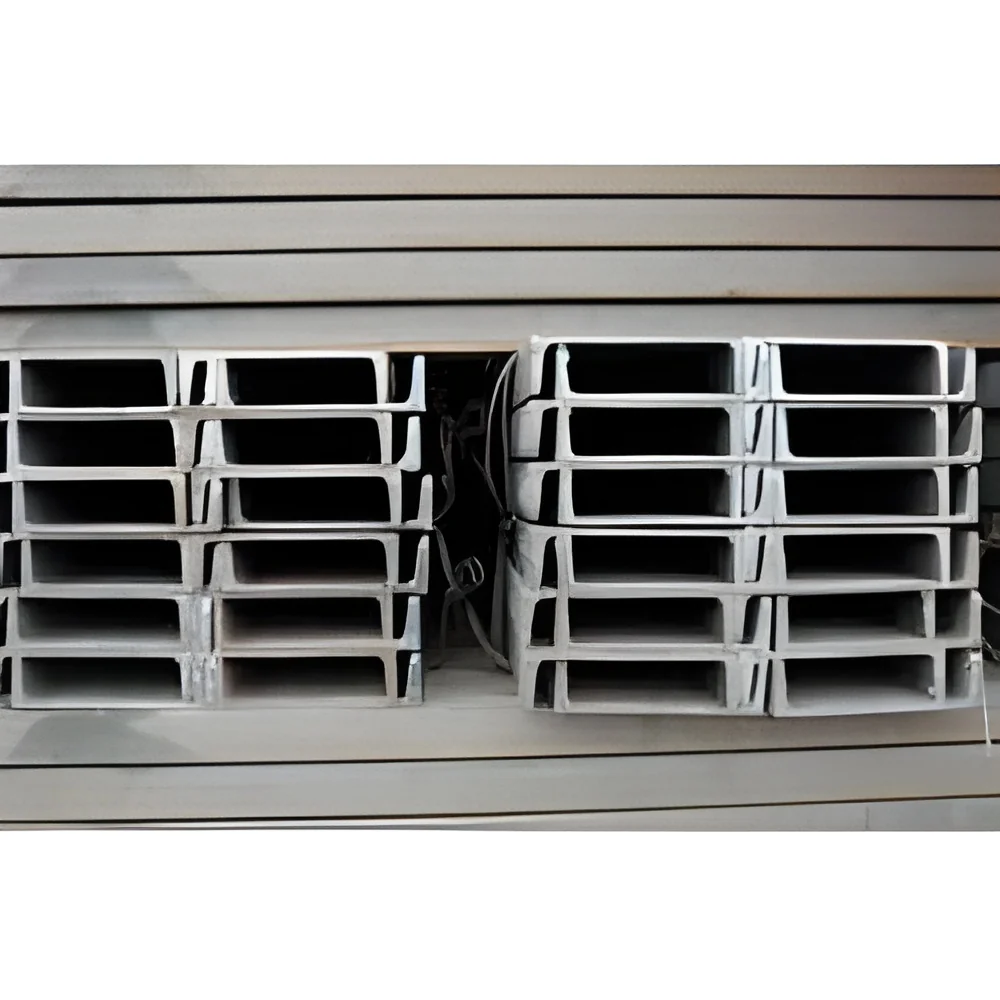
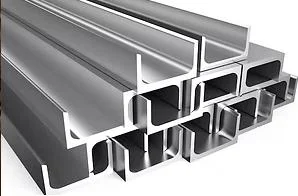
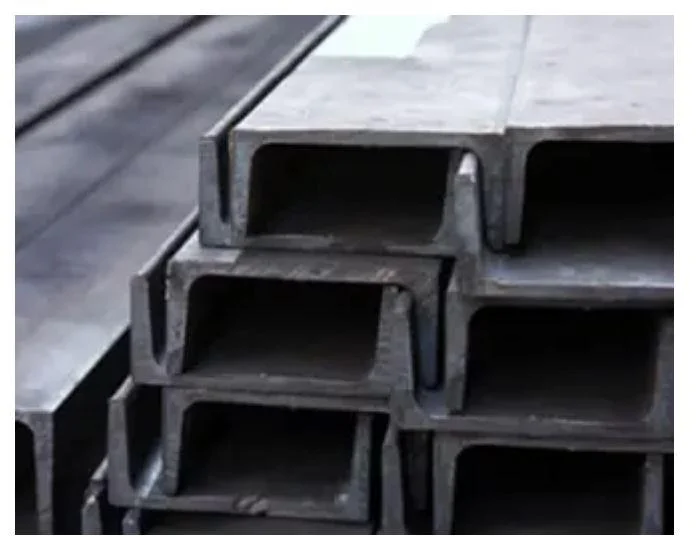
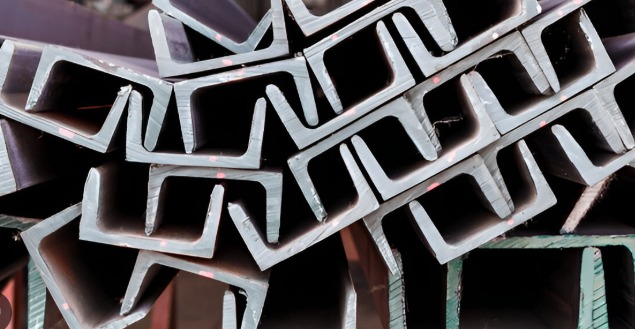
MS Channels, commonly referred to as C-Channels, are structural components made from mild steel. They are characterized by their C-shaped cross-section, which provides significant strength and support in various applications. These channels are manufactured through processes such as hot rolling or cold forming, ensuring they meet the required specifications for durability and performance in industrial settings.
The primary uses of MS Channels include construction, automotive, manufacturing, and various infrastructure projects. They serve as essential components for building frames, supports, and other structural elements. Due to their strength and versatility, MS Channels are often utilized in the fabrication of racks, shelving systems, and other load-bearing applications. Their relevance spans multiple industries, making them a staple in infrastructure development and manufacturing processes.
In the current market context, MS Channels are integral to sectors that demand reliable and robust materials. The growing construction industry and the rising need for durable structural components drive the demand for MS Channels. As businesses seek efficient solutions for their projects, the use of quality C-Channels has become increasingly important, ensuring safety and longevity in various applications.
𝗞𝗲𝘆 𝗙𝗲𝗮𝘁𝘂𝗿𝗲𝘀 𝗮𝗻𝗱 𝗦𝗽𝗲𝗰𝗶𝗳𝗶𝗰𝗮𝘁𝗶𝗼𝗻𝘀
MS Channels are designed with several key features that enhance their functionality and adaptability in different environments. Understanding these specifications is crucial for selecting the right product for specific applications.
Key specifications include:
1. Material Quality
- Made from mild steel for optimal strength and flexibility
- Complies with industry standards for structural integrity
2. Dimensions
- Available in various heights and widths to suit different needs
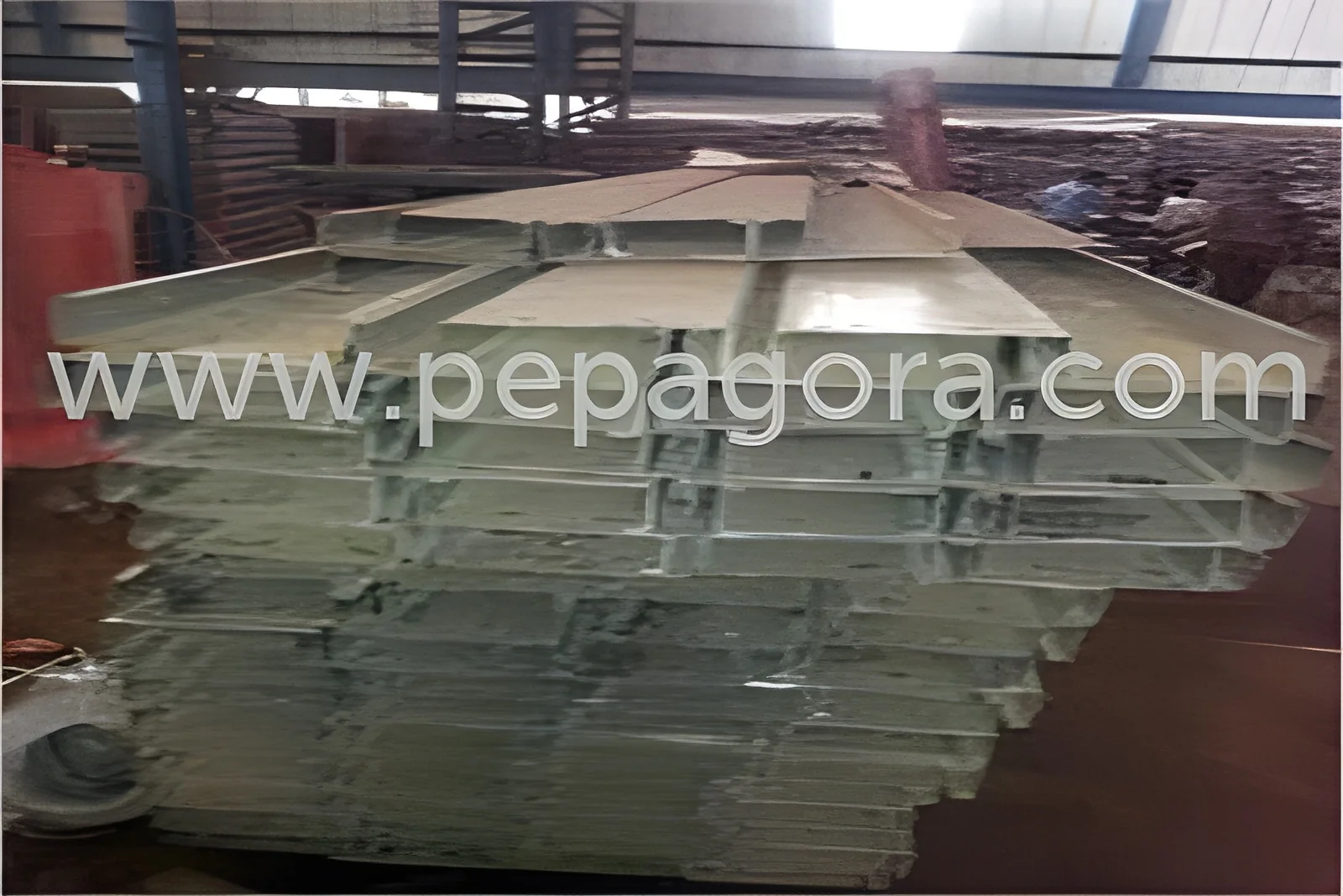
- Standard lengths typically range from 6 to 12 meters
3. Weight Per Meter
- Varies based on dimensions and thickness
- Critical for load-bearing calculations
4. Surface Treatment
- Often galvanized or coated for corrosion resistance
- Enhances durability in outdoor or harsh environments
5. Tolerance Levels
- Specific tolerances for dimensions to ensure compatibility with other components
- Essential for maintaining structural integrity
6. Finishing Options
- Available in different finishes to meet aesthetic or functional requirements
- Options may include painted, unpainted, or galvanized
7. Load Capacity
- Designed to support varying loads depending on size and thickness
- Vital for determining suitability for specific applications
In summary, selecting the right MS Channels involves understanding their specifications and features, ensuring they meet the requirements of the intended application.
𝗖𝗼𝗺𝗺𝗼𝗻 𝗔𝗽𝗽𝗹𝗶𝗰𝗮𝘁𝗶𝗼𝗻𝘀 𝗮𝗻𝗱 𝗨𝘀𝗲 𝗖𝗮𝘀𝗲𝘀
MS Channels are utilized across a multitude of industries due to their versatile nature.
1. Construction: MS Channels are commonly used in the construction of buildings, bridges, and other infrastructure projects, providing essential support and framing.
2. Automotive: In the automotive sector, C-Channels are employed in the manufacture of vehicle frames and chassis, offering strength and structural integrity.
3. Manufacturing: Factories often use MS Channels for creating conveyor systems, shelving units, and other equipment that requires robust support.
4. Retail: Retail environments utilize C-Channels for shelving and display units, enhancing product visibility while ensuring stability.
5. HVAC: MS Channels are integral in the construction of HVAC duct systems, providing a sturdy framework for ventilation solutions.
6. Agriculture: In agricultural settings, C-Channels are used in the construction of greenhouses and storage structures, promoting efficiency and durability.
7. Mining: The mining industry employs MS Channels for structural support in mines and processing facilities, ensuring safety and reliability.
𝗣𝗿𝗼𝗱𝘂𝗰𝘁 𝗩𝗮𝗿𝗶𝗮𝗻𝘁𝘀 𝗮𝗻𝗱 𝗦𝘂𝗯𝗰𝗮𝘁𝗲𝗴𝗼𝗿𝗶𝗲𝘀
While specific subcategories for MS Channels may not be available, there are various product variants based on dimensions and features.
Standard C-Channel
This variant features a traditional C-shaped design, widely used in construction and manufacturing for its strength and versatility. It is available in various heights and thicknesses to accommodate different load requirements.
Heavy-Duty C-Channel
Designed for more demanding applications, this variant provides additional structural strength and is ideal for heavy loads in industrial settings. Its thicker walls make it suitable for supporting substantial weight.
Lightweight C-Channel
This variant offers a more economical solution for applications where weight is a concern. It is commonly used in less demanding structural applications, such as lightweight shelving or framing.
𝗕𝗲𝗻𝗲𝗳𝗶𝘁𝘀 𝗮𝗻𝗱 𝗔𝗱𝘃𝗮𝗻𝘁𝗮𝗴𝗲𝘀
MS Channels offer numerous benefits that make them a preferred choice for various applications.
1. Strength and Durability: MS Channels are constructed from robust mild steel, ensuring they can withstand heavy loads and resist deformation over time.
2. Versatility: Their adaptable design allows them to be used in a wide range of applications across different industries, making them a valuable component in any project.
3. Cost-Effectiveness: The affordability of MS Channels, coupled with their durability, makes them a cost-effective solution for structural needs.
4. Ease of Installation: MS Channels can be easily cut and welded, simplifying the installation process in various projects.
5. Corrosion Resistance: Many MS Channels come with protective coatings, enhancing their resistance to corrosion and extending their service life.
6. Customization: Manufacturers often offer options for customizing dimensions and finishes, allowing businesses to obtain the specific product that meets their requirements.
𝗕𝘂𝘆𝗶𝗻𝗴 𝗚𝘂𝗶𝗱𝗲 𝗳𝗼𝗿 𝗕𝟮𝗕 𝗕𝘂𝘆𝗲𝗿𝘀
When sourcing MS Channels, it is essential to consider several factors to ensure you make an informed purchase.
1. Quality Assessment: Evaluate the quality of the materials used in the MS Channels. Look for certifications and compliance with relevant industry standards to ensure reliability.
2. Supplier Verification: Vet potential suppliers to confirm their reputation and reliability in delivering high-quality products. Check reviews, ratings, and any certifications they may possess.
3. Pricing and MOQ: Understand the pricing structure and minimum order quantities (MOQ) required by suppliers. This will help in budgeting and planning your procurement strategy.
4. Delivery and Lead Times: Inquire about the expected delivery timelines and any associated logistics. Ensure that suppliers can meet your project deadlines.
5. Compliance Requirements: Be aware of any regulatory requirements that apply to your industry. Ensure that the MS Channels comply with standards pertinent to your application.
𝗖𝗼𝗺𝗽𝗹𝗶𝗮𝗻𝗰𝗲 𝗮𝗻𝗱 𝗖𝗲𝗿𝘁𝗶𝗳𝗶𝗰𝗮𝘁𝗶𝗼𝗻𝘀
MS Channels must meet various compliance and certification standards to ensure quality and safety. Relevant quality standards include ISO 9001, which focuses on quality management systems, and CE certification, indicating compliance with European safety standards.
Additionally, adherence to safety and testing requirements is vital for ensuring that these channels can withstand the conditions of their intended applications. Regional compliance considerations may vary, so it is essential to understand local regulations regarding the use of structural materials in your specific market.
By ensuring compliance with these standards, businesses can mitigate risks and ensure the reliable performance of MS Channels in their applications.
Why Source MS Channels (C-Channels) from Pepagora?
Pepagora offers a reliable platform for sourcing MS Channels with several key advantages that benefit B2B buyers.
Verified Supplier Network: Pepagora ensures that all suppliers in their network are thoroughly vetted, providing buyers with confidence in the quality and reliability of the products they source.
Streamlined RFQ Process: The platform simplifies the request for quotation (RFQ) process, allowing buyers to easily compare prices and specifications from multiple suppliers, saving time and increasing efficiency.
Trade Assurance and Support: Pepagora provides buyer protection through trade assurance, ensuring that transactions are secure and that buyers receive the products they expect.
Regional Coverage: With a strong presence in markets such as India, the Gulf Cooperation Council (GCC), and Southeast Asia, Pepagora offers extensive regional coverage, making it easier for businesses to source MS Channels no matter their location.
In summary, choosing Pepagora for sourcing MS Channels ensures access to quality products, reliable suppliers, and a user-friendly purchasing experience.
MS Channels, also known as C-Channels, are structural steel components shaped like the letter 'C'. They are used in various construction and manufacturing applications for support and framing due to their strength and versatility.
2
What are the different types of MS Channels (C-Channels)?
MS Channels (C-Channels) come in various sizes and thicknesses, with common types including standard C-Channels, U-Channels, and those with specific dimensions for particular applications. Each type serves different structural needs depending on the load-bearing requirements.
3
How do I choose the right MS Channels (C-Channels)?
Choosing the right MS Channels involves considering factors such as the load capacity, dimensions, and the specific application for which they will be used. Consulting with a structural engineer can also help ensure you select the appropriate type and size for your project.
4
What are the standard specifications for MS Channels (C-Channels)?
Standard specifications for MS Channels include dimensions (height, width, and thickness), material grade (such as IS2062), and weight per meter. These specifications are typically outlined in industry standards and can vary by manufacturer.
5
What is the price range for MS Channels (C-Channels)?
The price range for MS Channels can vary widely based on factors such as size, thickness, and the manufacturer. Generally, prices can range from INR 50 to INR 150 per kilogram, but it is advisable to check with suppliers for accurate quotes based on specific requirements.
6
What quality standards apply to MS Channels (C-Channels)?
MS Channels must comply with quality standards such as IS 2062 for structural steel, ensuring they meet safety and performance criteria. Regular quality checks and certifications from manufacturers can also confirm adherence to these standards.
7
Where can I find MS Channels (C-Channels) suppliers in India?
You can find MS Channels suppliers in India through B2B marketplaces like Pepagora, local steel manufacturers, and industrial supply companies. Online directories and trade shows are also good resources to connect with reputable suppliers.
8
Can MS Channels (C-Channels) be customized?
Yes, MS Channels can be customized to meet specific dimensions and requirements based on the needs of the project. Many manufacturers offer customization options for length, thickness, and surface treatments.
9
What is the typical minimum order quantity for MS Channels (C-Channels)?
The typical minimum order quantity (MOQ) for MS Channels can vary by supplier but often ranges from 1 ton to 5 tons. It's best to check with individual suppliers for their specific MOQ policies.
10
What is the typical lead time for MS Channels (C-Channels)?
The typical lead time for MS Channels can range from 7 to 30 days, depending on the supplier, order quantity, and whether customization is required. It is advisable to confirm lead times when placing an order.
Why Businesses Trust Pepagora
Thousands of companies trust Pepagora to source smarter and sell faster
Expand Your Sales Globally
25000+Products listed.Get discovered by global buyers

 IN
IN