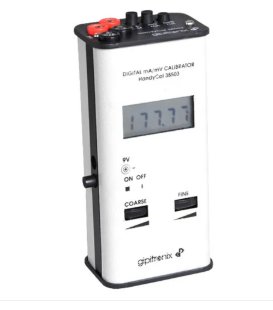
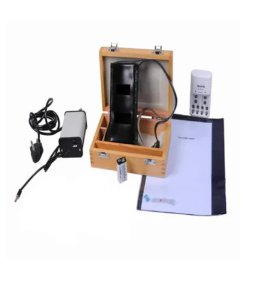
𝗪𝗵𝗮𝘁 𝗮𝗿𝗲 𝗠𝘂𝗹𝘁𝗶𝗳𝘂𝗻𝗰𝘁𝗶𝗼𝗻 𝗖𝗮𝗹𝗶𝗯𝗿𝗮𝘁𝗼𝗿𝘀?
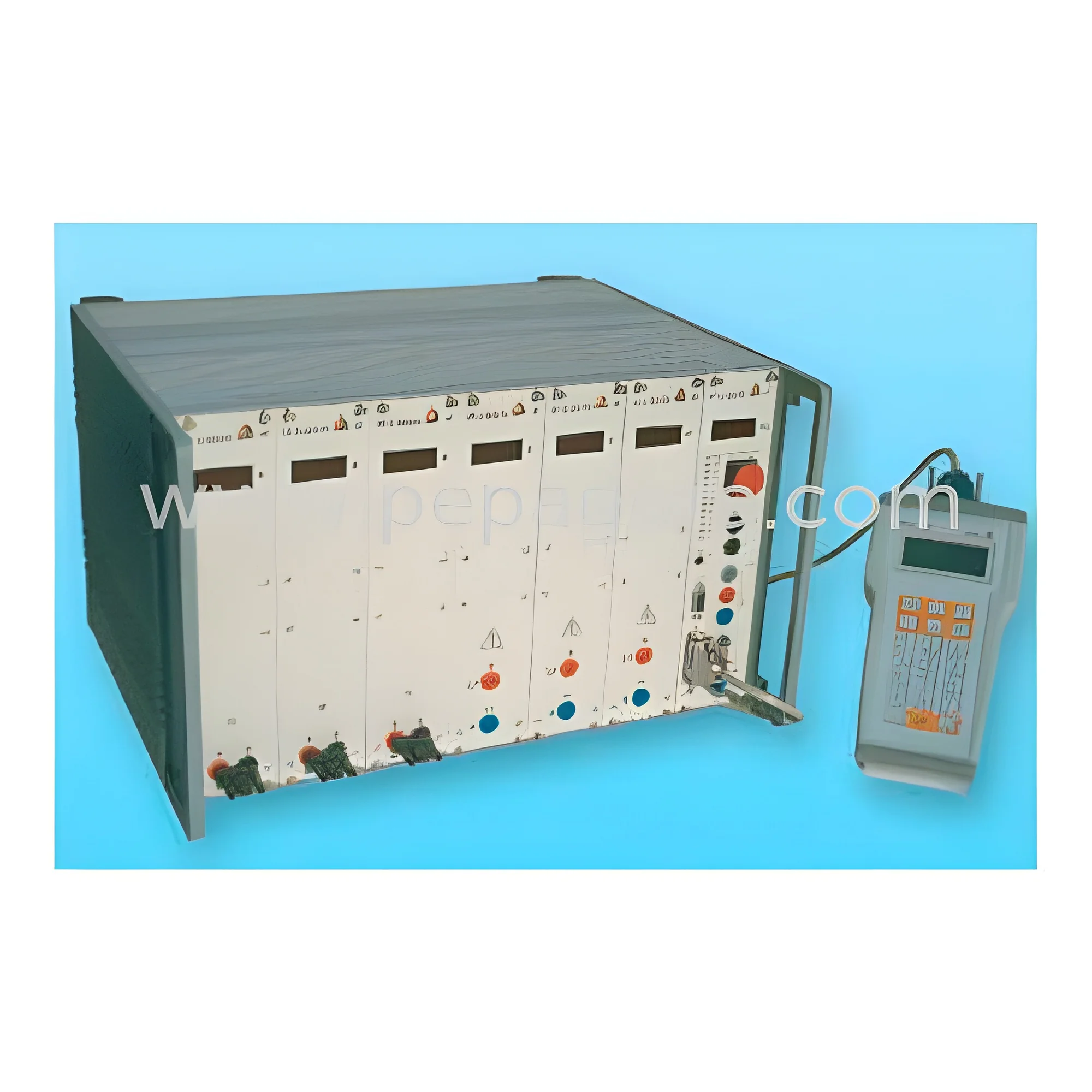
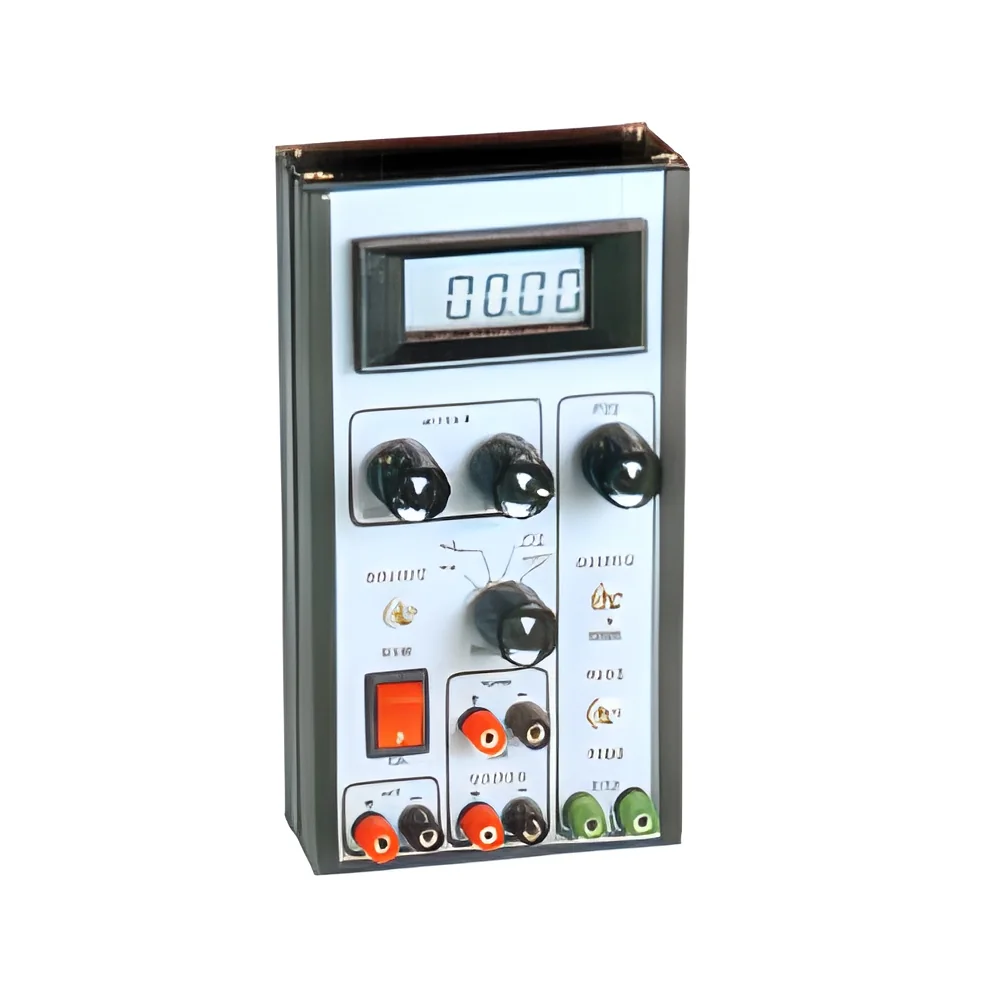
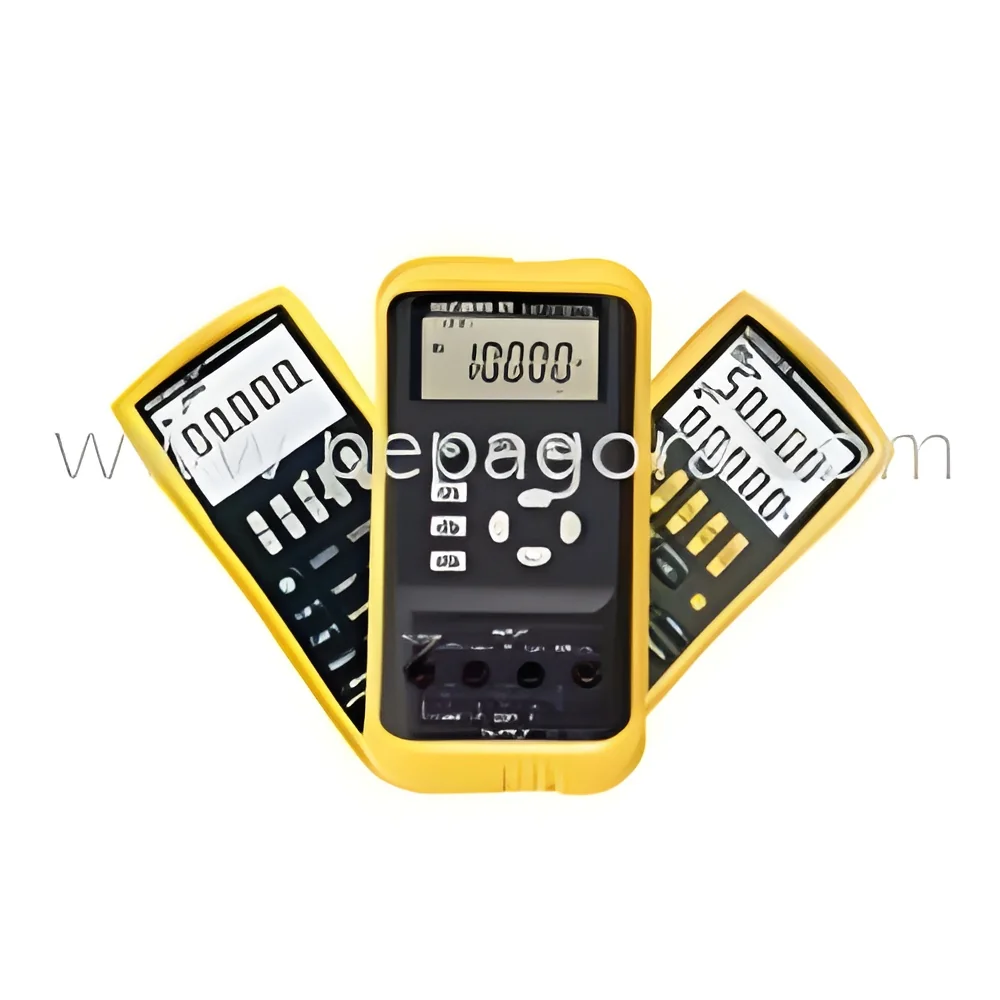
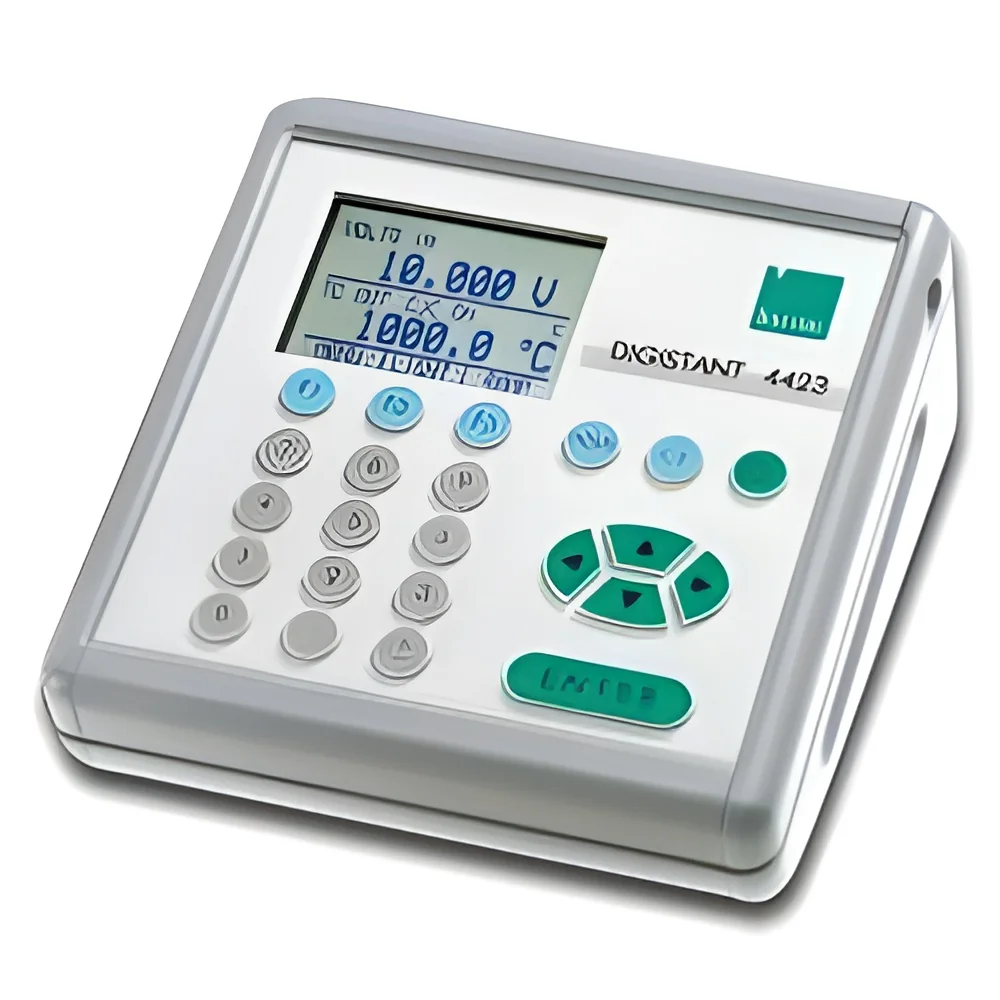
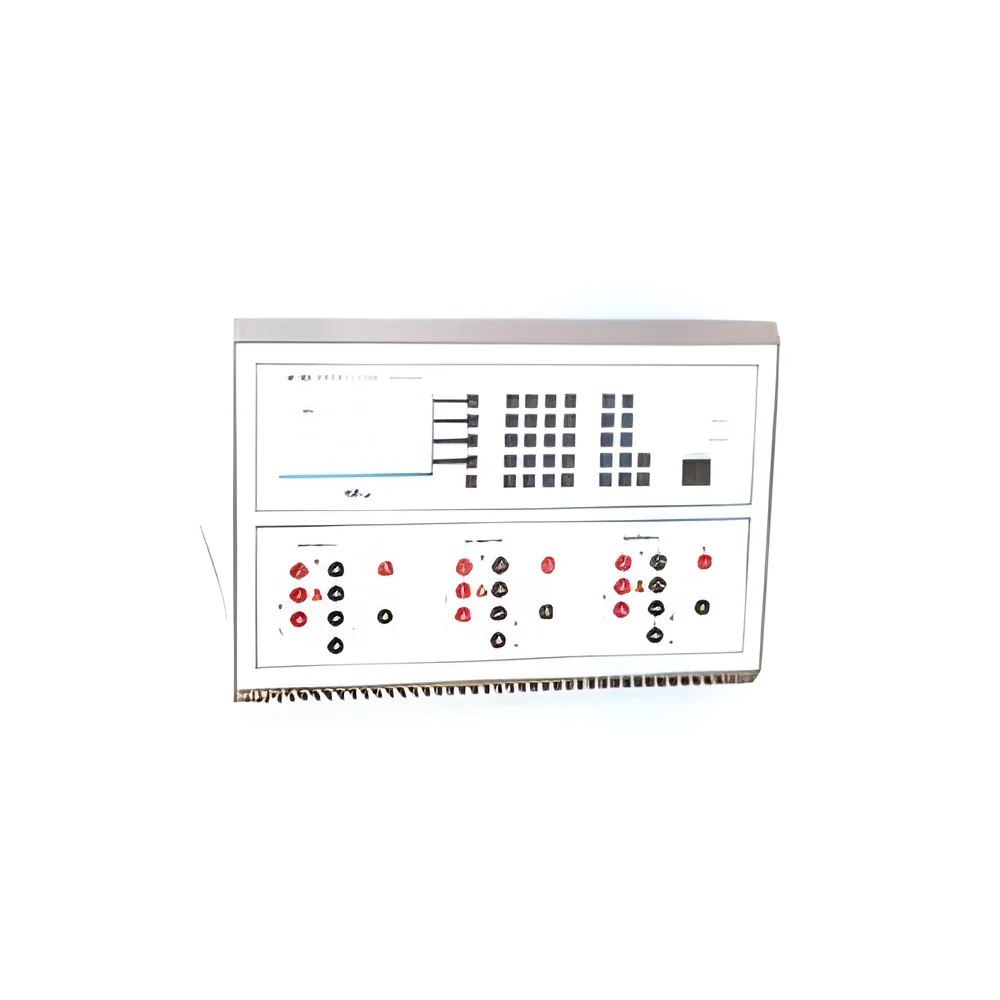
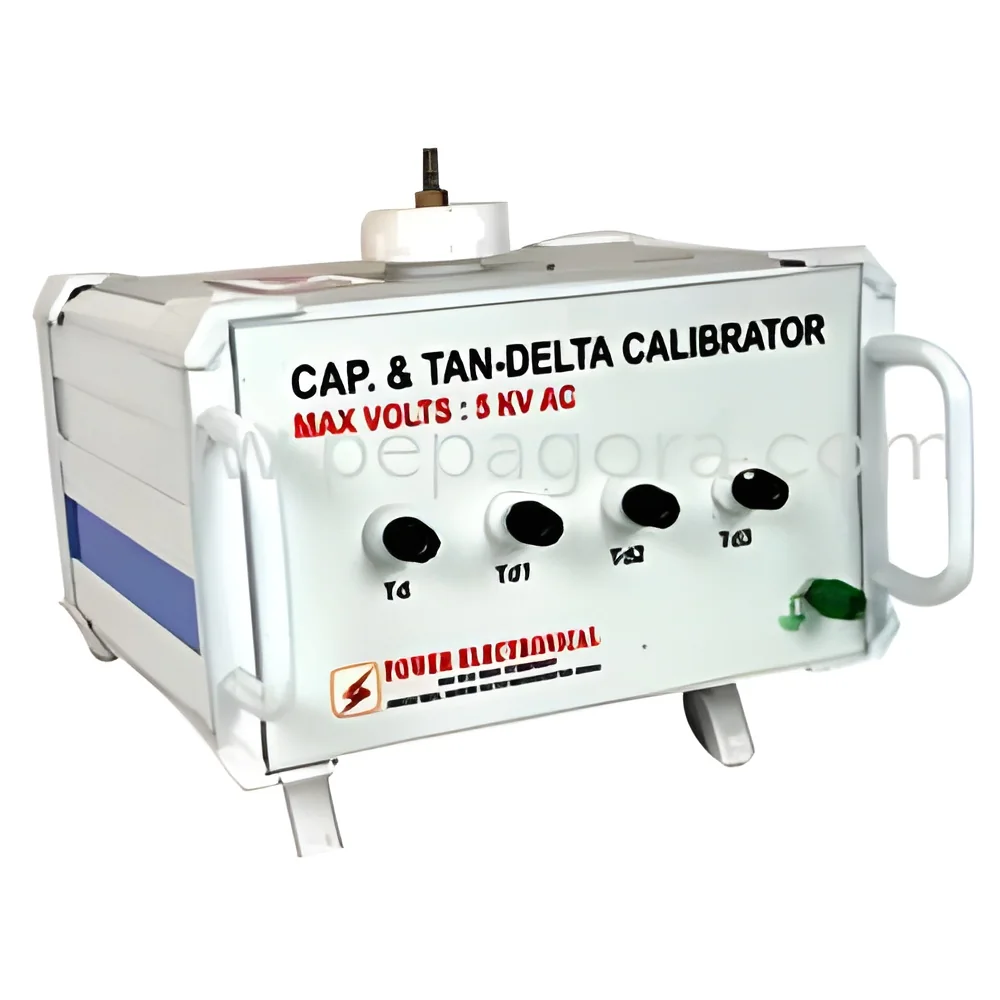
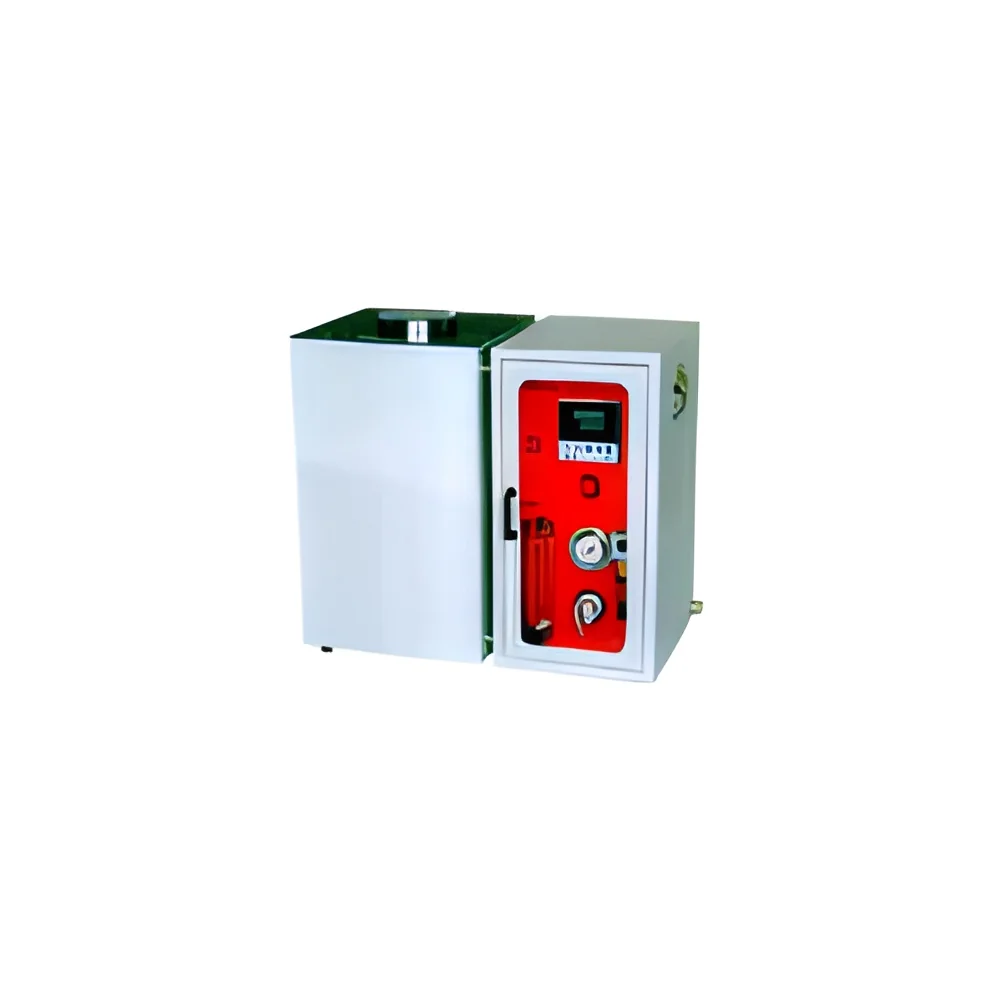
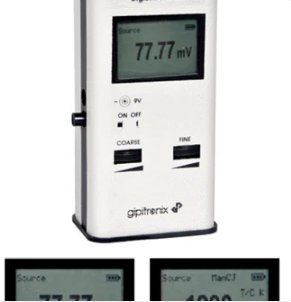
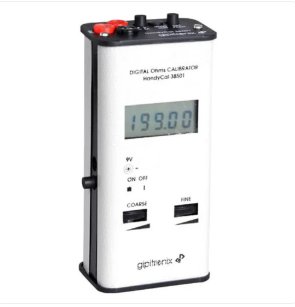
Multifunction calibrators are versatile instruments used to verify and calibrate various types of measurement devices. They can simulate different electrical signals, such as voltage, current, and resistance. This capability allows users to perform multiple calibration tasks with a single device, thus enhancing efficiency and reducing the need for multiple instruments.
These calibrators are primarily utilized in industries where precise measurement is critical, such as manufacturing, telecommunications, and laboratory settings. They ensure that equipment operates within specified tolerances, thereby maintaining quality control and compliance with industry standards. Multifunction calibrators are essential tools for service technicians and quality assurance teams, enabling them to carry out accurate calibrations and diagnostics on a range of measurement devices.
The relevance of multifunction calibrators spans across various industries, reflecting their importance in the market. As technology evolves, the need for precise calibration continues to grow, making these devices integral in maintaining operational efficiency and product quality.
𝗞𝗲𝘆 𝗙𝗲𝗮𝘁𝘂𝗿𝗲𝘀 𝗮𝗻𝗱 𝗦𝗽𝗲𝗰𝗶𝗳𝗶𝗰𝗮𝘁𝗶𝗼𝗻𝘀
Multifunction calibrators come equipped with a variety of features designed to meet diverse calibration needs. Understanding these specifications is essential for selecting the right calibrator for specific applications.
Key specifications include:
1. Signal Generation Capabilities
- Can generate multiple types of signals, including voltage, current, and resistance.
- Typical ranges can vary widely depending on the model.
2. Accuracy and Precision
- High accuracy ratings are crucial for reliable measurements.
- Precision often expressed in parts per million (ppm) or percentage of reading.
3. User Interface
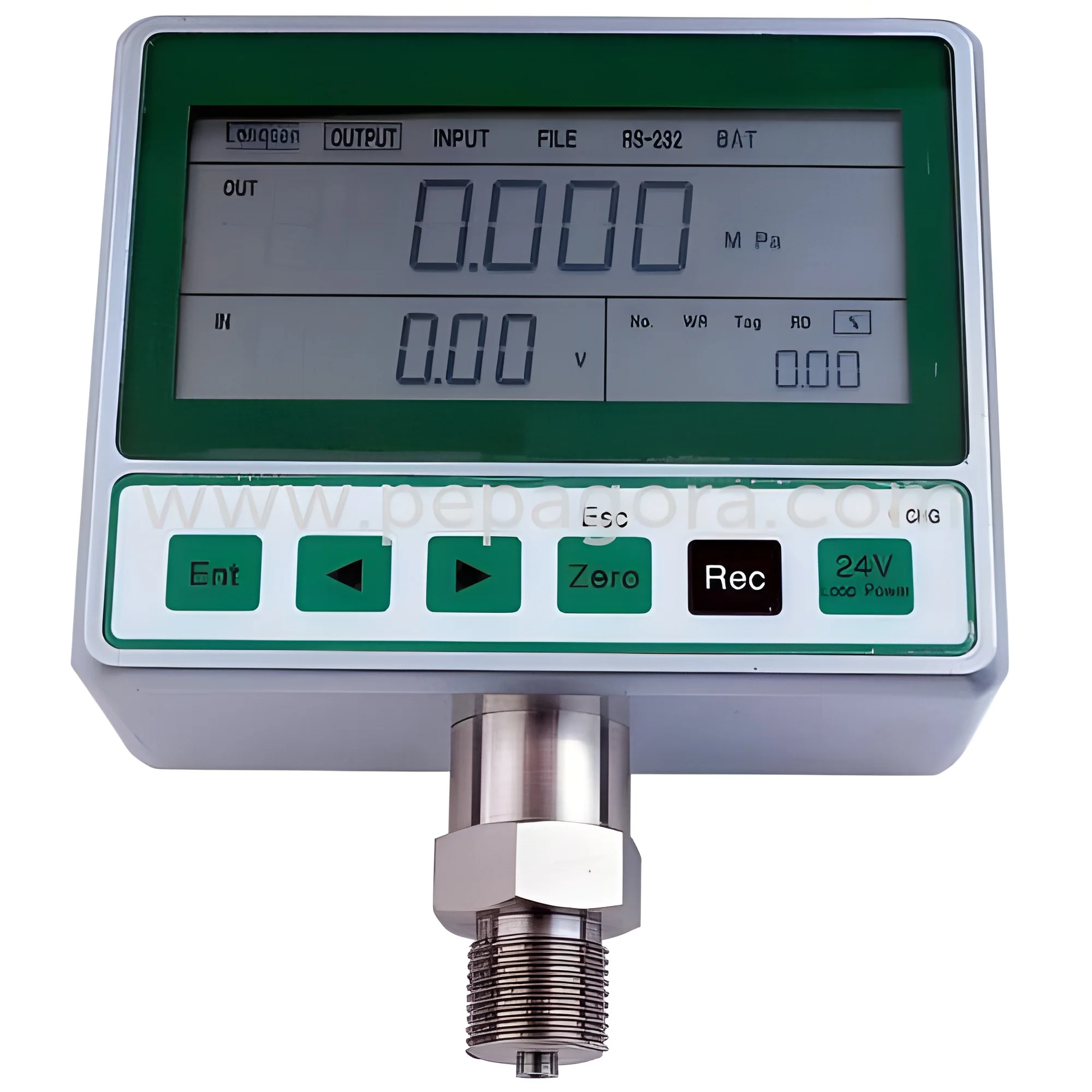
- Many calibrators feature intuitive displays and user-friendly controls.
- Some models offer touch screens for easier navigation.
4. Portability
- Compact designs allow for easy transport and use in various settings.
- Battery-operated options enhance mobility.
5. Connectivity Options
- Availability of communication ports such as USB, RS-232, or Bluetooth for data transfer.
- Some models support integration with calibration software.
6. Measurement Functions
- Ability to measure and compare inputs from other devices.
- Can include functionalities for temperature and pressure measurements.
7. Data Logging
- Some calibrators can store measurement data for analysis and reporting.
- Useful for maintaining records and compliance with regulations.
8. Environmental Protection
- Certain models are designed to be resistant to dust and moisture.
- Ensures reliable operation in challenging environments.
With these features, multifunction calibrators are well-equipped to handle various calibration tasks efficiently.
𝗖𝗼𝗺𝗺𝗼𝗻 𝗔𝗽𝗽𝗹𝗶𝗰𝗮𝘁𝗶𝗼𝗻𝘀 𝗮𝗻𝗱 𝗨𝘀𝗲 𝗖𝗮𝘀𝗲𝘀
Multifunction calibrators are used across multiple industries, showcasing their versatility and importance.
1. Manufacturing: In manufacturing, calibrators ensure that production equipment maintains precise measurements, which is crucial for quality control and operational efficiency.
2. Telecommunications: These devices are used to calibrate telecommunications equipment, ensuring signal integrity and compliance with industry standards.
3. Laboratory Testing: In laboratories, calibrators are essential for verifying the accuracy of measurement instruments used in experiments and analyses.
4. Automotive: In the automotive industry, multifunction calibrators help in testing and calibrating sensors and electronic systems within vehicles.
5. Aerospace: These tools play a critical role in calibrating equipment used in aircraft systems, ensuring safety and compliance with regulatory standards.
6. Energy: In the energy sector, calibrators help maintain precision in measuring equipment used in power generation and distribution.
7. HVAC: Multifunction calibrators are used to verify the performance of HVAC systems, ensuring optimal operation and energy efficiency.
𝗣𝗿𝗼𝗱𝘂𝗰𝘁 𝗩𝗮𝗿𝗶𝗮𝗻𝘁𝘀 𝗮𝗻𝗱 𝗦𝘂𝗯𝗰𝗮𝘁𝗲𝗴𝗼𝗿𝗶𝗲𝘀
Multifunction calibrators come in various models to address specific calibration needs across different sectors.
Portable Multifunction Calibrators
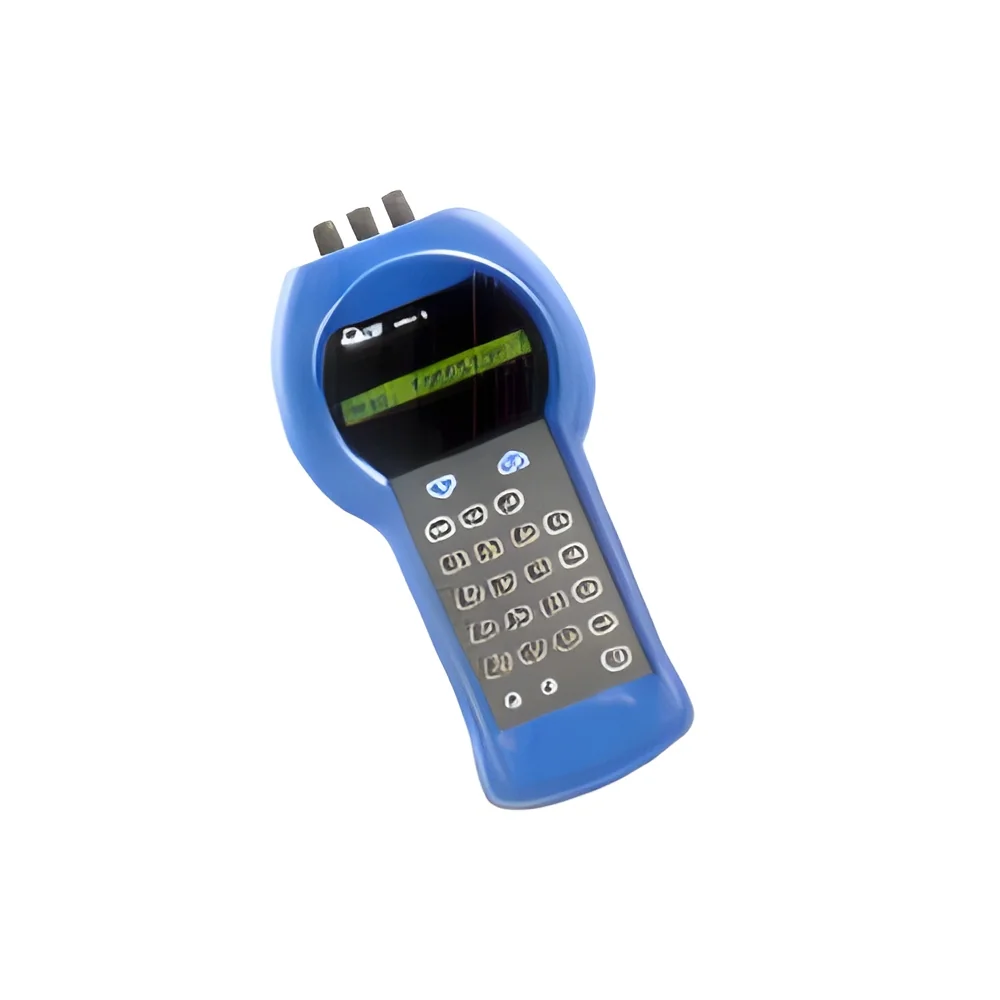
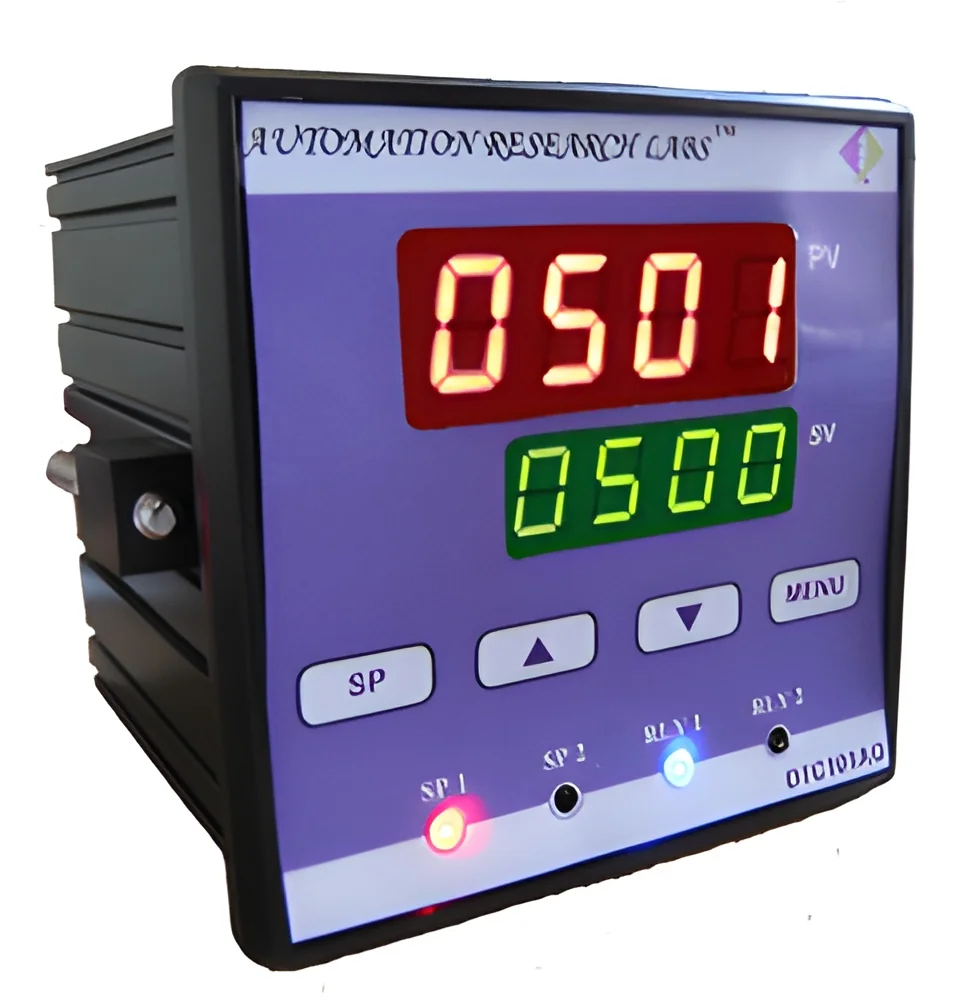
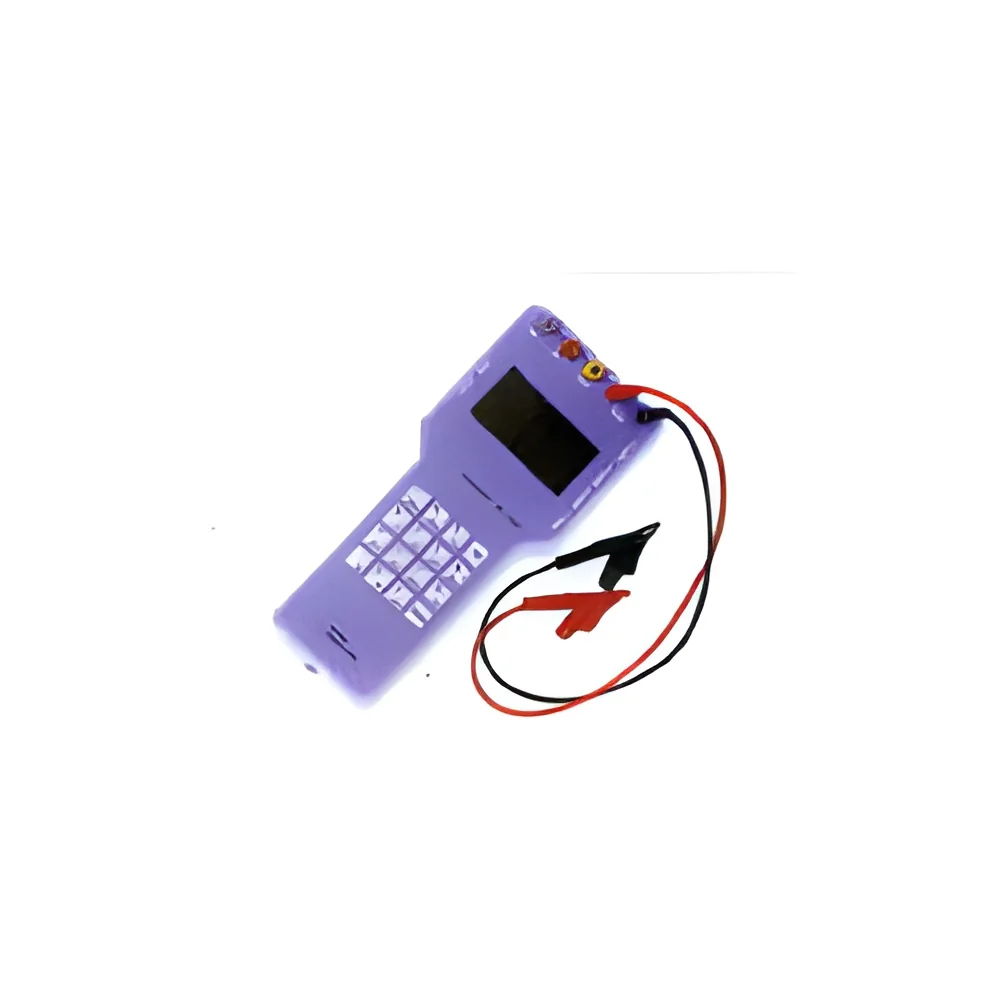
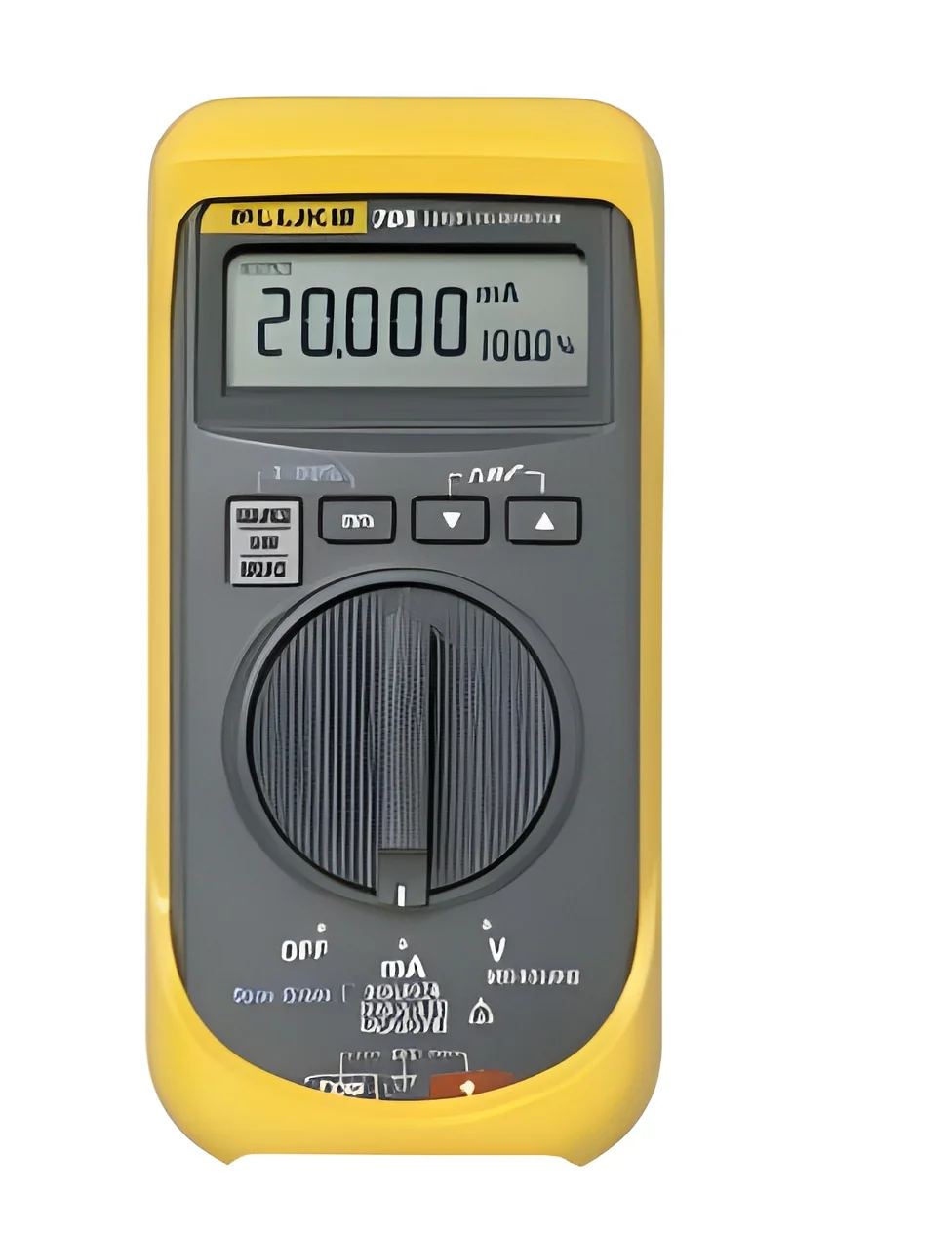
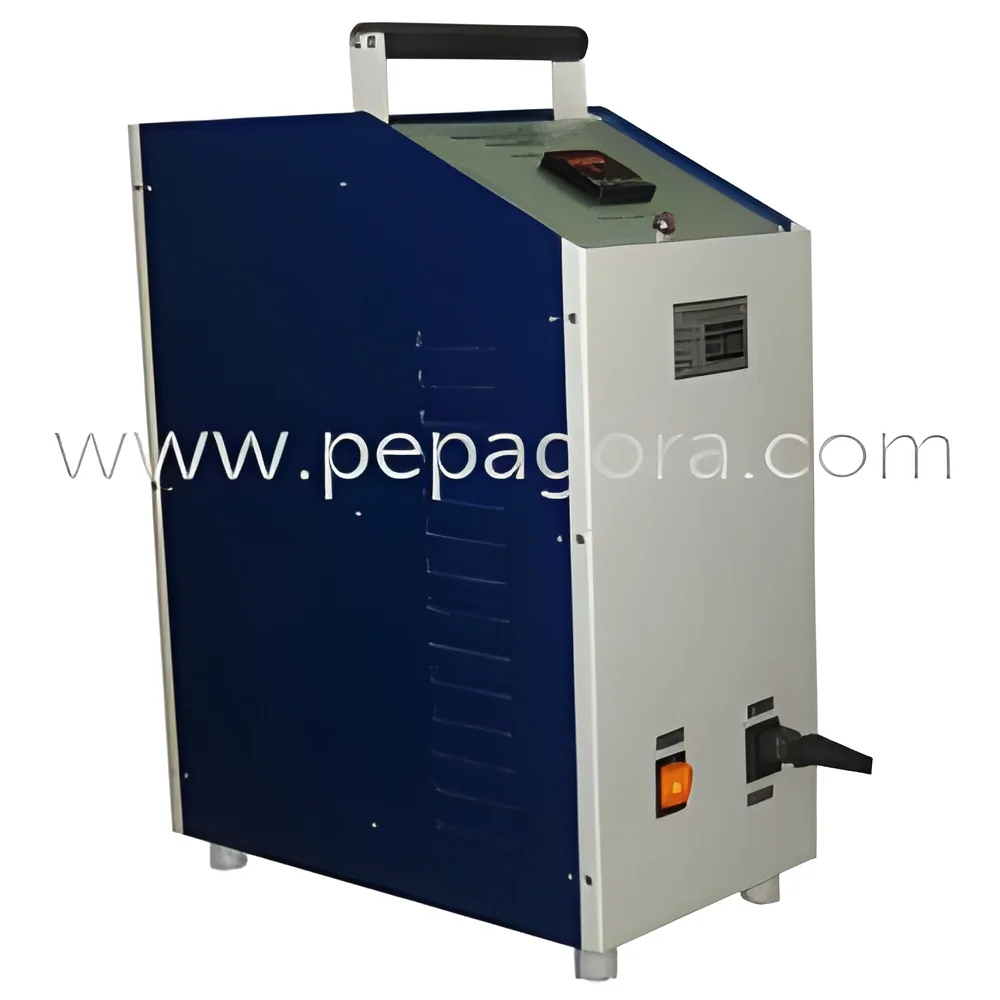
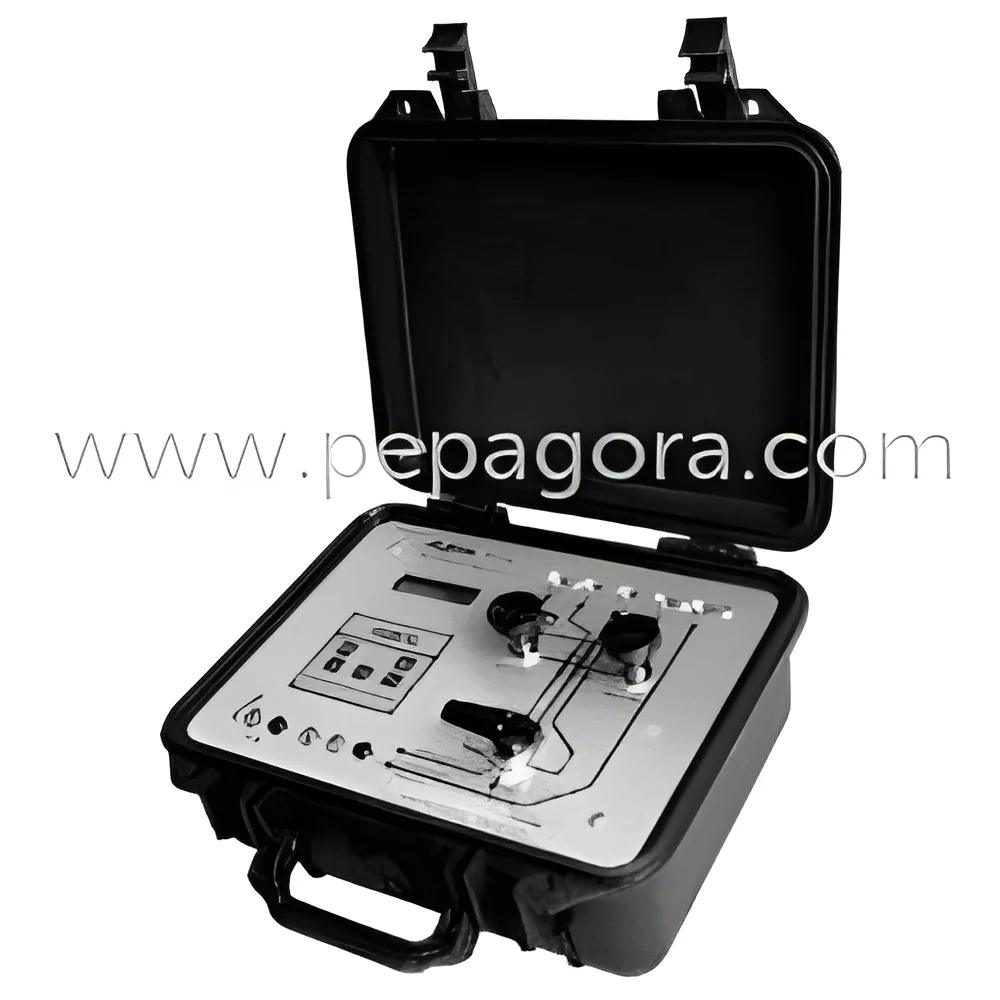
These compact devices are designed for field use, allowing technicians to perform calibrations on-site. They often feature battery operation and rugged designs for durability.
Bench-top Multifunction Calibrators
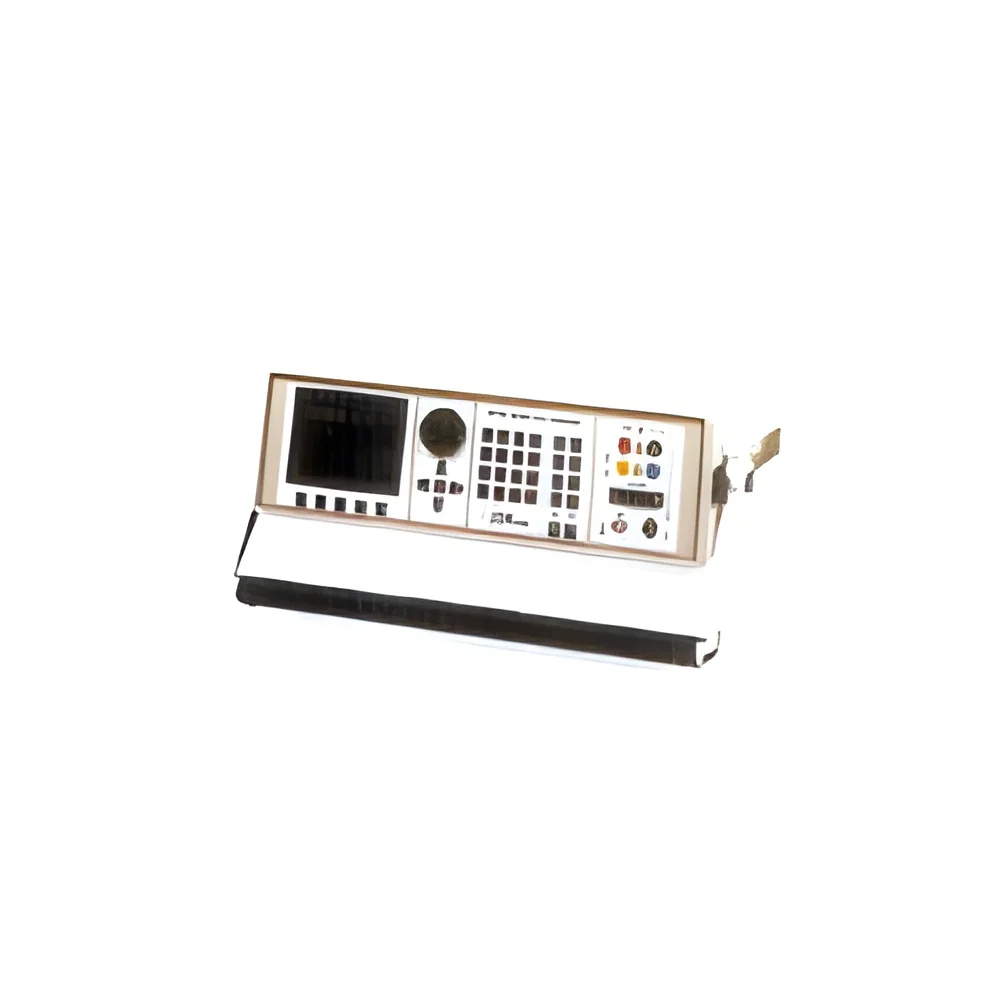
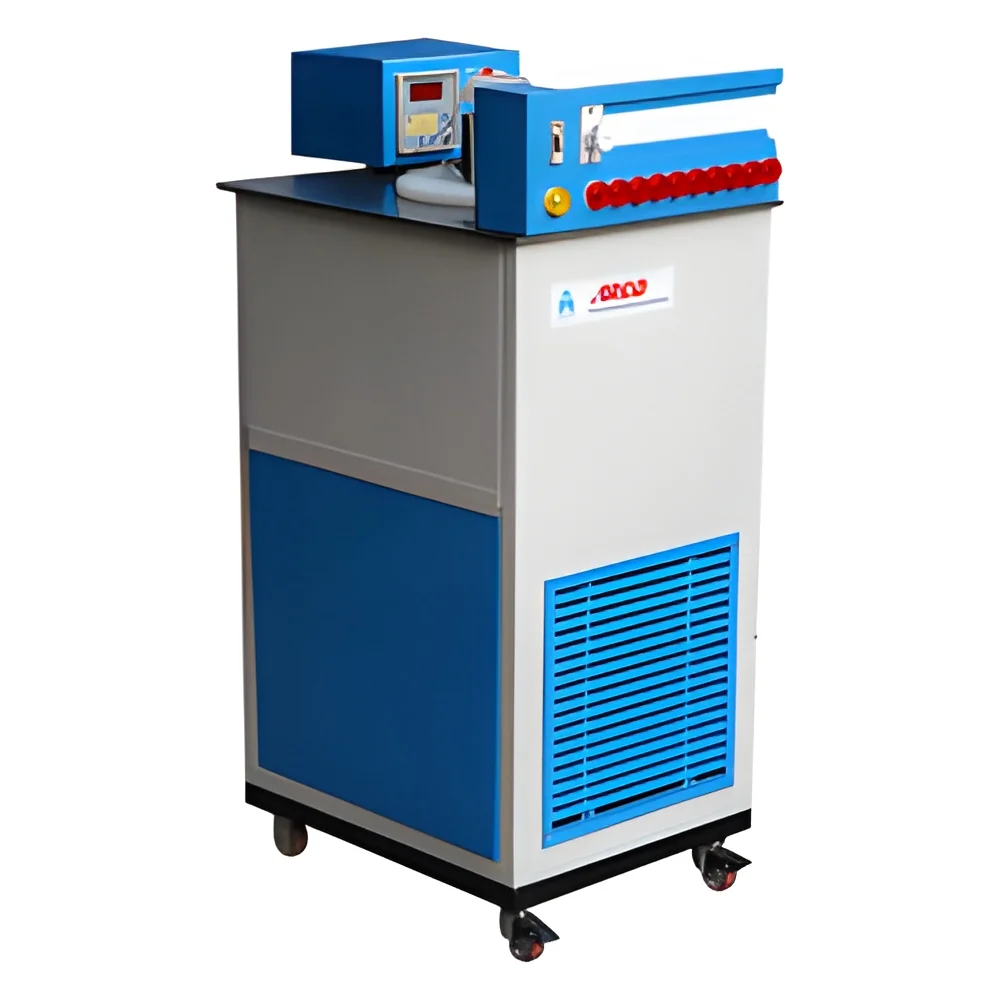
Ideal for laboratory settings, these models provide advanced functionalities and higher accuracy. They are typically used for calibration in controlled environments where precision is paramount.
High-Precision Calibrators
These calibrators are designed for applications requiring the highest accuracy. They are often used in specialized industries such as aerospace and medical instrumentation.
𝗕𝗲𝗻𝗲𝗳𝗶𝘁𝘀 𝗮𝗻𝗱 𝗔𝗱𝘃𝗮𝗻𝘁𝗮𝗴𝗲𝘀
Multifunction calibrators offer a range of benefits that enhance operational efficiency and effectiveness.
1. Cost-Effective Solution: By combining multiple calibration functions in one device, businesses can save on the cost of acquiring and maintaining several instruments.
2. Increased Efficiency: The ability to perform various calibrations with a single device reduces downtime and increases productivity in operations.
3. Enhanced Accuracy: High accuracy ratings ensure that measurements are reliable, which is critical for maintaining quality control.
4. User-Friendly Design: Many models feature intuitive interfaces, making it easier for technicians to operate and perform calibrations.
5. Versatile Applications: These calibrators can be utilized across multiple industries, adding to their value in diverse operational settings.
6. Compliance Assurance: Regular calibration using these devices helps businesses meet industry standards and regulatory requirements.
𝗕𝘂𝘆𝗶𝗻𝗴 𝗚𝘂𝗶𝗱𝗲 𝗳𝗼𝗿 𝗕𝟮𝗕 𝗕𝘂𝘆𝗲𝗿𝘀
When sourcing multifunction calibrators, it is important for B2B buyers to consider several key factors to ensure they select the right product.
1. Quality Assessment: Buyers should evaluate the quality of the calibrators by reviewing specifications, user reviews, and manufacturer reputation. Quality ensures reliable performance and longevity.
2. Supplier Verification: It is crucial to vet suppliers by checking their certifications and customer feedback. A reputable supplier will provide reliable products and support.
3. Pricing and MOQ: Understanding the price range for multifunction calibrators and the minimum order quantity (MOQ) is essential for budgeting and procurement planning.
4. Delivery and Lead Times: Buyers should inquire about delivery schedules and lead times to ensure timely acquisition of equipment, especially for urgent calibration needs.
5. Compliance Requirements: Familiarity with regulatory compliance is necessary, as different industries may have specific standards that calibrators must meet.
𝗖𝗼𝗺𝗽𝗹𝗶𝗮𝗻𝗰𝗲 𝗮𝗻𝗱 𝗖𝗲𝗿𝘁𝗶𝗳𝗶𝗰𝗮𝘁𝗶𝗼𝗻𝘀
Multifunction calibrators must adhere to various quality standards to ensure they meet industry requirements. Some of the relevant standards include ISO 9001, which focuses on quality management systems, and other specific industry standards such as HACCP for food safety and GDP for good distribution practices.
Additionally, certifications such as CE and UL indicate that the calibrators comply with safety and performance regulations. These certifications are crucial for ensuring that devices are safe for use in various environments.
Testing requirements are also essential to ensure accuracy and reliability. Regular testing and calibration help maintain compliance with regional regulations, which can vary significantly depending on the market.
𝗪𝗵𝘆 𝗦𝗼𝘂𝗿𝗰𝗲 𝗠𝘂𝗹𝘁𝗶𝗳𝘂𝗻𝗰𝘁𝗶𝗼𝗻 𝗖𝗮𝗹𝗶𝗯𝗿𝗮𝘁𝗼𝗿𝘀 𝗳𝗿𝗼𝗺 𝗣𝗲𝗽𝗮𝗴𝗼𝗿𝗮?
Pepagora offers a reliable platform for sourcing multifunction calibrators, providing several key advantages for buyers.
Verified Supplier Network: Pepagora ensures a network of verified suppliers, giving buyers confidence in the quality and reliability of the products they purchase.
Streamlined RFQ Process: The request for quotation (RFQ) process is designed to facilitate quick and efficient procurement, allowing buyers to obtain competitive pricing and options easily.
Trade Assurance and Support: Buyers benefit from trade assurance, which protects transactions and ensures that they receive the products as expected. This added layer of security fosters trust in the purchasing process.
Regional Coverage: With a strong presence in India, the GCC, and Southeast Asia, Pepagora offers extensive regional coverage, making it easier for businesses to find local suppliers and receive timely support.
Multifunction Calibrators are versatile instruments used to calibrate a variety of measuring devices such as temperature, pressure, and electrical signals. They are essential for ensuring accuracy in industrial, laboratory, and field applications. By providing multiple calibration functions in one device, they help streamline processes and reduce the need for multiple instruments.
2
What are the different types of Multifunction Calibrators?
The different types of Multifunction Calibrators include temperature calibrators, pressure calibrators, and electrical calibrators. Each type is designed to handle specific measurement ranges and functions, such as thermocouple or resistance measurement. Some models may combine several calibration capabilities into one unit, offering greater flexibility.
3
How do I choose the right Multifunction Calibrators?
Choosing the right Multifunction Calibrators involves considering factors such as the types of measurements you need to perform, the range of calibration required, and the precision levels necessary for your applications. Additionally, evaluate the ease of use, portability, and compatibility with existing equipment. Consulting with suppliers can also provide insights into the best options available.
4
What are the standard specifications for Multifunction Calibrators?
Standard specifications for Multifunction Calibrators typically include measurement range, accuracy, resolution, and stability. Other important specifications may involve temperature coefficients, output capabilities, and input types. It’s essential to review these specifications to ensure the calibrator meets the needs of your specific applications.
5
What is the price range for Multifunction Calibrators?
The price range for Multifunction Calibrators can vary widely based on features, specifications, and brand. Generally, prices can start from a few thousand rupees and can go up to several lakhs for high-end models. It's advisable to compare different products and suppliers to find the best value for your needs.
6
What quality standards apply to Multifunction Calibrators?
Multifunction Calibrators must adhere to various quality standards such as ISO 9001 and other relevant industry-specific certifications. These standards ensure that the devices meet certain accuracy and reliability benchmarks, which is critical for calibration tasks. Always check for certification details when sourcing these instruments.
7
Where can I find Multifunction Calibrators suppliers in India?
You can find Multifunction Calibrators suppliers in India through various online B2B marketplaces, trade shows, and industry-specific directories. Pepagora.com is an excellent platform to connect with verified suppliers and manufacturers of Multifunction Calibrators. Additionally, networking within industry groups can help identify reputable sources.
8
Can Multifunction Calibrators be customized?
Yes, many manufacturers offer customization options for Multifunction Calibrators to meet specific customer requirements. Customization can include adjustments in measurement ranges, output types, or additional features. It's advisable to discuss your specific needs with suppliers to see what options are available.
9
What is the typical minimum order quantity for Multifunction Calibrators?
The typical minimum order quantity (MOQ) for Multifunction Calibrators can vary depending on the manufacturer and the specific model. Generally, MOQs can range from one unit for standard models to larger quantities for customized units. Always confirm MOQs with the supplier before placing an order.
10
What is the typical lead time for Multifunction Calibrators?
The typical lead time for Multifunction Calibrators can vary based on factors such as stock availability, manufacturing time, and shipping. Generally, lead times can range from a few days for readily available stock to several weeks for custom orders. It’s important to inquire about lead times when ordering to ensure timely delivery.
Why Businesses Trust Pepagora
Thousands of companies trust Pepagora to source smarter and sell faster
Expand Your Sales Globally
25000+Products listed.Get discovered by global buyers

 IN
IN