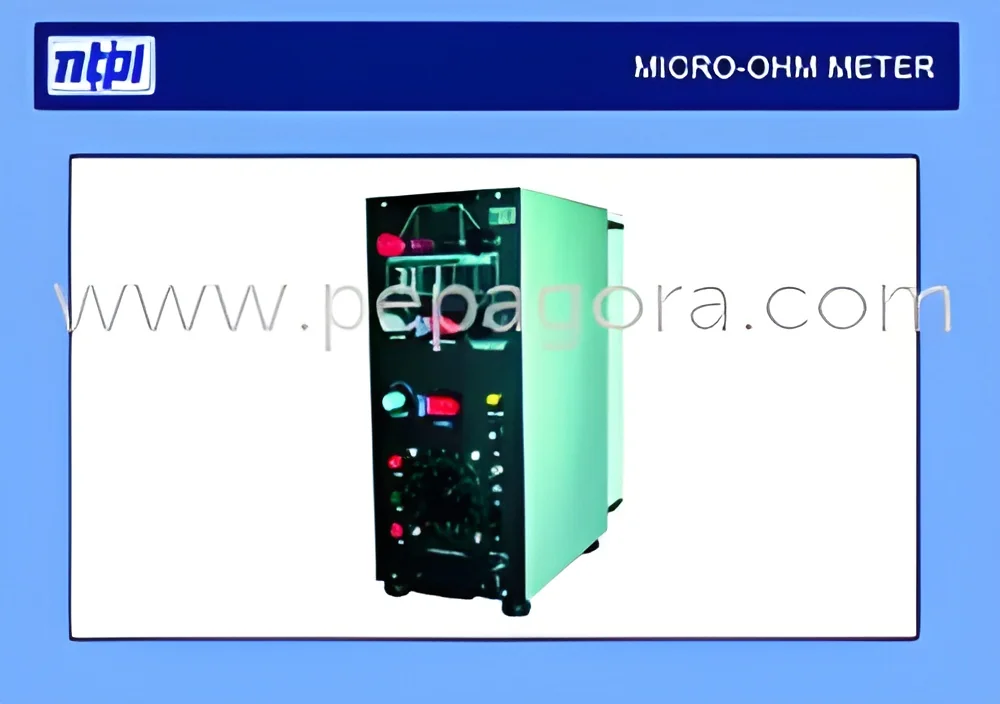
𝗪𝗵𝗮𝘁 𝗮𝗿𝗲 𝗠𝘂𝗹𝘁𝗶𝗺𝗲𝘁𝗲𝗿𝘀 & 𝗧𝗲𝘀𝘁𝗲𝗿𝘀?
Multimeters and testers are essential tools used to measure various electrical parameters, including voltage, current, and resistance. A multimeter combines multiple measurement functions in one device, allowing technicians and engineers to conduct a wide range of tests efficiently. Testers, on the other hand, are often designed for specific applications, such as checking continuity or measuring capacitance. Both instruments are crucial in diagnosing electrical issues and ensuring proper functionality of electrical systems.
These devices find extensive use across various sectors, including electronics, telecommunications, and manufacturing. In these industries, multimeters and testers are employed for troubleshooting, maintenance, and quality control. For instance, in the electronics industry, engineers use these tools to verify circuit functionality, while maintenance technicians in manufacturing facilities utilize them to ensure machine reliability. The growing complexity of electrical systems in industries underscores the importance and relevance of these measuring devices in today's market.
With an increasing emphasis on safety and efficiency, the demand for high-quality multimeters and testers is on the rise. As businesses invest in advanced technologies, the need for reliable measurement tools becomes critical. This market trend reflects a broader move towards automation and smart technologies, where accurate measurements are vital for operational success.
𝗞𝗲𝘆 𝗙𝗲𝗮𝘁𝘂𝗿𝗲𝘀 𝗮𝗻𝗱 𝗦𝗽𝗲𝗰𝗶𝗳𝗶𝗰𝗮𝘁𝗶𝗼𝗻𝘀
Multimeters and testers come equipped with a range of features that enhance their usability and functionality. When selecting these tools, it's important to consider specific specifications that align with your business needs.
Key specifications include:
1. Measurement Range
- Multimeters typically measure voltage (AC/DC), current (AC/DC), and resistance.
- Standard ranges can vary; for example, voltage measurements may range from millivolts to 1000 volts.
2. Display Type
- Most multimeters feature digital displays for easy reading.
- Some models may include analog displays for traditional readings.
3. Accuracy Level
- Accuracy is crucial; common specifications may range from ±0.5% to ±2%.
- Higher accuracy levels are essential for precision measurements.
4. Data Logging Capabilities
- Some multimeters can log data over time for analysis.
- This feature is valuable in environments requiring ongoing monitoring.
5. Safety Ratings
- Devices often come with safety ratings, such as CAT III or CAT IV.
- These ratings indicate the device's ability to handle overvoltage conditions.
6. Battery Life
- Extended battery life is important for field use.
- Typical battery life can range from 200 to 1000 hours, depending on usage.
7. Size and Portability
- Compact designs enhance portability, making them ideal for on-site work.
- Lightweight models are easier to carry and use in tight spaces.
8. Connectivity Options
- Some advanced models offer Bluetooth or USB connectivity.
- This allows for data transfer to computers or mobile devices for further analysis.
In summary, understanding these specifications is fundamental when selecting multimeters and testers that meet the technical demands of your business.
𝗖𝗼𝗺𝗺𝗼𝗻 𝗔𝗽𝗽𝗹𝗶𝗰𝗮𝘁𝗶𝗼𝗻𝘀 𝗮𝗻𝗱 𝗨𝘀𝗲 𝗖𝗮𝘀𝗲𝘀
Multimeters and testers are versatile instruments used across numerous industries.
1. Electronics: In the electronics sector, these tools are used for circuit testing, component verification, and ensuring the integrity of electrical connections.
2. Telecommunications: Technicians use multimeters to troubleshoot and maintain communication systems, checking signal strength and integrity.
3. Manufacturing: In manufacturing, these devices are crucial for equipment maintenance, helping to identify electrical issues before they lead to failures.
4. Automotive: Automotive technicians rely on multimeters to diagnose electrical problems in vehicles, ensuring all electrical systems function correctly.
5. HVAC: In heating, ventilation, and air conditioning, these tools are used to measure electrical parameters of systems, optimizing performance and safety.
6. Construction: Electricians use multimeters to verify electrical installations and ensure compliance with safety standards.
7. Renewable Energy: In the renewable energy sector, multimeters help monitor and test solar panels and wind turbines, ensuring efficient energy production.
𝗣𝗿𝗼𝗱𝘂𝗰𝘁 𝗩𝗮𝗿𝗶𝗮𝗻𝘁𝘀 𝗮𝗻𝗱 𝗦𝘂𝗯𝗰𝗮𝘁𝗲𝗴𝗼𝗿𝗶𝗲𝘀
Multimeters and testers come in various configurations, catering to different needs and applications. This diversity allows businesses to select tools that best fit their specific requirements.
Digital Multimeters: These are the most common type, offering a range of features including data logging and multiple measurement modes. They are user-friendly and suitable for both professionals and hobbyists.
Clamp Meters: Designed for measuring current without disconnecting the circuit, clamp meters are ideal for electricians working in live environments. They provide quick and accurate readings, enhancing safety.
Analog Multimeters: Though less common today, analog multimeters are still used in specific applications where visual feedback is preferred. They are typically more affordable but may lack the precision of digital models.
Insulation Resistance Testers: These specialized testers measure the insulation resistance of electrical systems. They are essential in ensuring that electrical installations are safe and compliant with regulations.
𝗕𝗲𝗻𝗲𝗳𝗶𝘁𝘀 𝗮𝗻𝗱 𝗔𝗱𝘃𝗮𝗻𝘁𝗮𝗴𝗲𝘀
Investing in quality multimeters and testers offers numerous advantages for businesses.
1. Enhanced Accuracy: High-quality multimeters provide precise measurements, reducing the risk of errors in diagnostics and repairs.
2. Increased Efficiency: With multiple functions in one device, multimeters save time and streamline testing processes, leading to quicker problem resolution.
3. Improved Safety: Devices with high safety ratings protect users from electrical hazards, ensuring safe operation in various environments.
4. Cost-Effectiveness: Reliable tools reduce the need for frequent replacements, offering long-term savings for businesses.
5. Versatility: Multimeters and testers are suitable for a wide array of applications, making them a valuable investment for diverse industries.
6. User-Friendly Features: Many modern devices come with intuitive interfaces and displays, making them accessible for users with varying levels of expertise.
𝗕𝘂𝘆𝗶𝗻𝗴 𝗚𝘂𝗶𝗱𝗲 𝗳𝗼𝗿 𝗕𝟮𝗕 𝗕𝘂𝘆𝗲𝗿𝘀
When sourcing multimeters and testers for your business, consider the following factors to ensure you select the right tools.
1. Quality Assessment: Look for devices that meet industry standards and have positive reviews. Check for certifications that indicate reliability and performance.
2. Supplier Verification: Vet potential suppliers by checking their reputation and customer feedback. A verified supplier network can ensure consistent quality and service.
3. Pricing and MOQ: Evaluate pricing in relation to the features offered. Understand the minimum order quantity (MOQ) to align with your budget and needs.
4. Delivery and Lead Times: Consider logistics and delivery times when placing orders. Timely delivery is crucial for maintaining operational efficiency.
5. Compliance Requirements: Ensure that the multimeters and testers comply with relevant regulations and standards. This helps avoid legal issues and enhances product reliability.
𝗖𝗼𝗺𝗽𝗹𝗶𝗮𝗻𝗰𝗲 𝗮𝗻𝗱 𝗖𝗲𝗿𝘁𝗶𝗳𝗶𝗰𝗮𝘁𝗶𝗼𝗻𝘀
Compliance and certifications play a significant role in the selection of multimeters and testers. Key quality standards include ISO 9001, which emphasizes consistent quality management practices. Adherence to HACCP and GDP guidelines ensures that products meet safety and performance expectations.
Industry certifications such as CE and UL indicate that the devices have undergone rigorous testing and meet safety standards. These certifications give buyers confidence in the product’s reliability and safety.
Additionally, safety and testing requirements vary by region. It is essential to be aware of local compliance standards to ensure that the instruments used are suitable for specific applications. This knowledge helps safeguard against potential risks and enhances operational safety.
𝗪𝗵𝘆 𝗦𝗼𝘂𝗿𝗰𝗲 𝗠𝘂𝗹𝘁𝗶𝗺𝗲𝘁𝗲𝗿𝘀 & 𝗧𝗲𝘀𝘁𝗲𝗿𝘀 𝗳𝗿𝗼𝗺 𝗣𝗲𝗽𝗮𝗴𝗼𝗿𝗮?
Pepagora provides a trusted platform for sourcing multimeters and testers, offering numerous advantages for B2B buyers.
Verified Supplier Network: Pepagora connects buyers with a network of verified suppliers, ensuring that products meet high standards of quality and reliability. This verification process helps mitigate risks associated with sourcing.
Streamlined RFQ Process: The request for quotation (RFQ) process on Pepagora is designed to be efficient, allowing buyers to receive competitive quotes quickly. This saves time and simplifies the purchasing process.
Trade Assurance and Support: Buyers benefit from trade assurance programs that protect their transactions. Pepagora offers support throughout the buying process, helping to resolve any issues that may arise.
Regional Coverage: With coverage extending across India, the GCC, and Southeast Asia, Pepagora provides a broad reach for sourcing needs. This allows businesses to find the right tools, regardless of their location, ensuring they have access to the best products available.
Multimeters & Testers are electronic measuring instruments used to measure voltage, current, resistance, and other electrical parameters. They are essential tools in various fields such as electronics, telecommunications, and electrical engineering.
2
What are the different types of Multimeters & Testers?
There are primarily two types of multimeters: analog and digital. Digital multimeters provide a numerical display of readings, while analog multimeters use a needle and scale. Additionally, specialized testers include insulation testers, earth testers, and clamp meters designed for specific applications.
3
How do I choose the right Multimeters & Testers?
When selecting Multimeters & Testers, consider factors such as measurement range, accuracy, and features like data logging and connectivity options. It's also important to evaluate the specific applications you will be using the testers for, such as basic electrical work or advanced troubleshooting.
4
What are the standard specifications for Multimeters & Testers?
Standard specifications include measurement ranges for voltage (AC and DC), current (AC and DC), resistance, capacitance, and frequency. Additional specifications may include display type, battery life, and safety ratings, which are crucial for ensuring reliable performance.
5
What is the price range for Multimeters & Testers?
The price range for Multimeters & Testers varies widely based on features and specifications. Basic models can start from around ₹1,000, while advanced multimeters with specialized features can go up to ₹20,000 or more.
6
What quality standards apply to Multimeters & Testers?
Quality standards for Multimeters & Testers include compliance with international safety and performance standards such as IEC61010 for electrical safety. Additionally, manufacturers often adhere to ISO certifications to ensure product quality and reliability.
7
Where can I find Multimeters & Testers suppliers in India?
You can find Multimeters & Testers suppliers in India through B2B marketplaces like Pepagora.com, where various manufacturers and distributors list their products. Additionally, industry trade shows and exhibitions can also be a good source for networking with suppliers.
8
Can Multimeters & Testers be customized?
Yes, many manufacturers offer customization options for Multimeters & Testers to meet specific customer requirements. Customization may include features such as branding, tailored measurement ranges, or specialized connectors.
9
What is the typical minimum order quantity for Multimeters & Testers?
The typical minimum order quantity (MOQ) for Multimeters & Testers can vary by supplier and product type. Generally, MOQs can range from as low as 10 units to several hundred units for bulk orders.
10
What is the typical lead time for Multimeters & Testers?
The typical lead time for Multimeters & Testers varies depending on the supplier and order size. Standard lead times can range from 1 to 4 weeks, but customized orders may require additional time for production.
Why Businesses Trust Pepagora
Thousands of companies trust Pepagora to source smarter and sell faster
Expand Your Sales Globally
25000+Products listed.Get discovered by global buyers

 IN
IN