𝗪𝗵𝗮𝘁 𝗮𝗿𝗲 𝗡𝗮𝘀𝗼𝗴𝗮𝘀𝘁𝗿𝗶𝗰 𝗧𝘂𝗯𝗲𝘀?
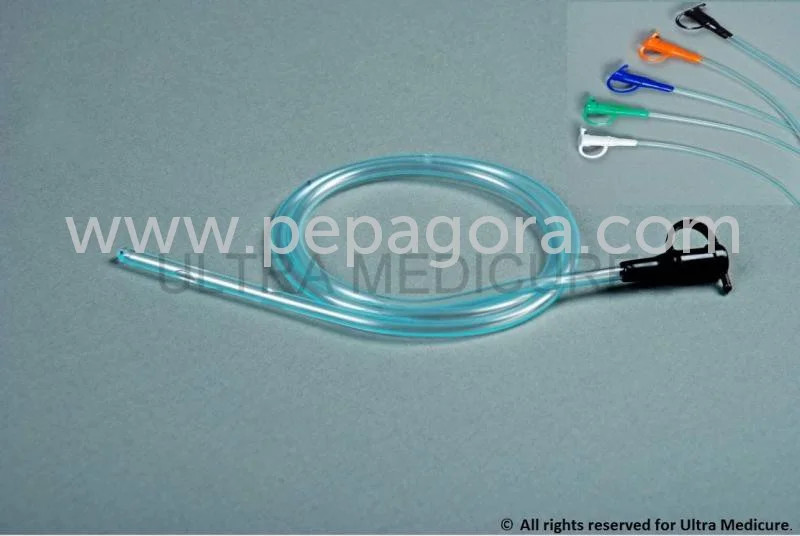
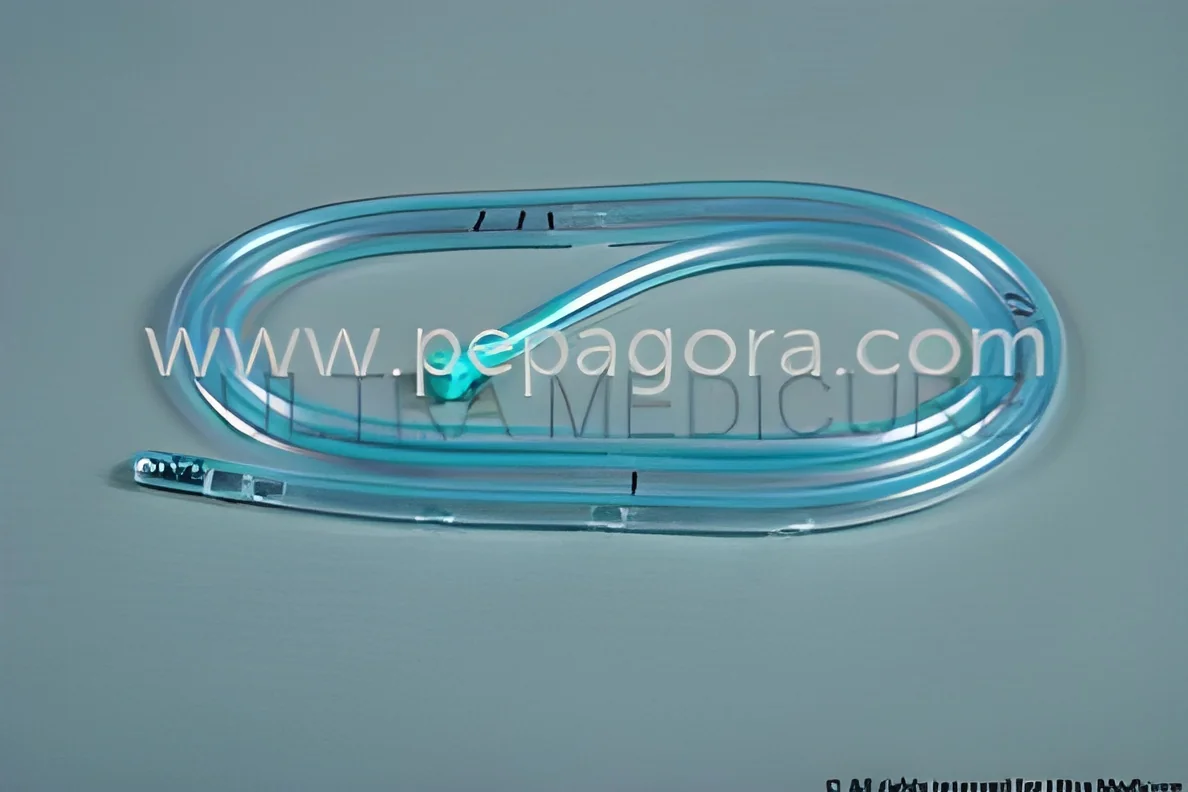
Nasogastric tubes are flexible medical devices designed to be inserted through the nose, down the esophagus, and into the stomach. These tubes are typically made from materials such as polyurethane or silicone, allowing for a comfortable fit and minimizing irritation to the mucosal lining. Nasogastric tubes serve various functions, including feeding patients who cannot eat by mouth, administering medications, and draining stomach contents for diagnostic purposes.
In healthcare settings, nasogastric tubes are essential for patient management, particularly in critical care and surgical units. They are widely used in hospitals, nursing homes, and outpatient facilities. Medical professionals rely on these tubes to ensure proper nutrition and medication delivery to patients with swallowing difficulties or impaired gastrointestinal function. The market for nasogastric tubes continues to grow, driven by advancements in medical technology and an increasing aging population requiring specialized care.
𝗞𝗲𝘆 𝗙𝗲𝗮𝘁𝘂𝗿𝗲𝘀 𝗮𝗻𝗱 𝗦𝗽𝗲𝗰𝗶𝗳𝗶𝗰𝗮𝘁𝗶𝗼𝗻𝘀
Nasogastric tubes come with several key features that enhance their functionality and usability in clinical settings. Understanding these specifications is crucial for healthcare providers and purchasing managers.
Key specifications include:
1. Material Composition
- Typically made from polyurethane or silicone
- Biocompatible and flexible for patient comfort
2. Tube Diameter
- Ranges from 5 French to 18 French
- Size selection based on patient needs and intended use
3. Length Options
- Available in various lengths, generally ranging from 30 cm to 120 cm
- Length selected based on patient anatomy and clinical requirements
4. Design Type
- Standard and weighted options available
- Weighted tubes help facilitate placement and reduce displacement
5. Connector Type
- Compatible with standard feeding and suction devices
- Ensures secure connections during use
6. Sterility
- Sterile packaging to prevent infection
- Single-use to ensure safety and hygiene
7. Visibility Features
- Some tubes come with radiopaque strips for easy visibility on X-rays
- Aids in confirming proper placement
8. Color Coding
- Often color-coded by size for easy identification
- Helps healthcare professionals quickly select the appropriate tube
In summary, nasogastric tubes are designed with critical specifications to meet the diverse needs of patients and healthcare providers. Selecting the correct specifications is essential for effective treatment.
𝗖𝗼𝗺𝗺𝗼𝗻 𝗔𝗽𝗽𝗹𝗶𝗰𝗮𝘁𝗶𝗼𝗻𝘀 𝗮𝗻𝗱 𝗨𝘀𝗲 𝗖𝗮𝘀𝗲𝘀
Nasogastric tubes find applications in various healthcare settings, catering to multiple patient needs.
1. Hospital Settings: Used for feeding patients unable to ingest food orally, such as those in intensive care or post-operative recovery.
2. Long-term Care Facilities: Assist in the management of patients with chronic conditions requiring ongoing nutritional support.
3. Pediatric Care: Used in children who have difficulty swallowing or require enteral feeding for growth and development.
4. Gastroenterology: Employed for gastric decompression and the removal of stomach contents for diagnostic testing.
5. Emergency Medicine: Critical in emergency situations for immediate access to the gastrointestinal tract for medication or nutrition delivery.
6. Palliative Care: Used to provide comfort and nutrition to patients with terminal illnesses when oral intake is not possible.
7. Outpatient Services: Utilized in outpatient settings for patients requiring short-term feeding or medication administration.
𝗣𝗿𝗼𝗱𝘂𝗰𝘁 𝗩𝗮𝗿𝗶𝗮𝗻𝘁𝘀 𝗮𝗻𝗱 𝗦𝘂𝗯𝗰𝗮𝘁𝗲𝗴𝗼𝗿𝗶𝗲𝘀
Nasogastric tubes are available in several variants to suit different clinical needs.
Standard Nasogastric Tube
This variant is the most commonly used type and is suitable for general feeding and medication administration. It features a flexible design and is available in various sizes.
Weighted Nasogastric Tube
Equipped with a weighted tip, this variant facilitates easier placement and reduces the risk of tube displacement. It is particularly useful in patients with high risk of tube migration.
Suction Nasogastric Tube
This variant is specifically designed for gastric decompression and is utilized in cases of bowel obstruction or postoperative recovery. It allows for efficient removal of gastric contents.
𝗕𝗲𝗻𝗲𝗳𝗶𝘁𝘀 𝗮𝗻𝗱 𝗔𝗱𝘃𝗮𝗻𝘁𝗮𝗴𝗲𝘀
Nasogastric tubes offer several benefits that make them an essential tool in patient care.
1. Effective Nutrition Delivery: They provide a reliable means of delivering nutrition to patients who cannot eat by mouth, ensuring they receive necessary caloric intake.
2. Medication Administration: Nasogastric tubes allow for the efficient delivery of medications directly into the stomach, improving patient compliance.
3. Diagnostic Utility: These tubes enable healthcare providers to obtain gastric contents for diagnostic testing, aiding in accurate assessments.
4. Flexibility in Use: Available in various sizes and types, nasogastric tubes can be tailored to meet individual patient needs.
5. Ease of Insertion: The design of nasogastric tubes allows for relatively simple insertion, which can be performed by trained medical staff.
6. Cost-Effective Solution: Compared to alternative feeding methods, nasogastric tubes provide a budget-friendly option for patient management.
𝗕𝘂𝘆𝗶𝗻𝗴 𝗚𝘂𝗶𝗱𝗲 𝗳𝗼𝗿 𝗕𝟮𝗕 𝗕𝘂𝘆𝗲𝗿𝘀
When sourcing nasogastric tubes, it is important for B2B buyers to consider several factors to ensure they select the right products.
1. Quality Assessment: Buyers should evaluate the quality of the nasogastric tubes by checking for certifications and compliance with industry standards.
2. Supplier Verification: It is essential to vet suppliers for their reputation, reliability, and ability to deliver products on time.
3. Pricing and MOQ: Understanding the market pricing and minimum order quantities can help in budgeting and securing favorable deals.
4. Delivery and Lead Times: Buyers should inquire about shipping logistics and expected lead times to ensure timely availability of products.
5. Compliance Requirements: Buyers must be aware of any regulatory requirements governing the use of medical devices in their respective regions.
𝗖𝗼𝗺𝗽𝗹𝗶𝗮𝗻𝗰𝗲 𝗮𝗻𝗱 𝗖𝗲𝗿𝘁𝗶𝗳𝗶𝗰𝗮𝘁𝗶𝗼𝗻𝘀
Compliance with quality standards is critical for nasogastric tubes to ensure safety and effectiveness. Manufacturers often adhere to ISO 9001 standards, which outline requirements for quality management systems.
Additionally, nasogastric tubes may carry the CE mark, indicating compliance with European health, safety, and environmental protection standards. This certification assures healthcare providers of the product's safety and efficacy.
Safety and testing requirements include thorough evaluations to prevent complications such as misplacement or infection. Buyers should also consider regional compliance regulations that may vary, ensuring that products meet local healthcare standards.
𝗪𝗵𝘆 𝗦𝗼𝘂𝗿𝗰𝗲 𝗡𝗮𝘀𝗼𝗴𝗮𝘀𝘁𝗿𝗶𝗰 𝗧𝘂𝗯𝗲𝘀 𝗳𝗿𝗼𝗺 𝗣𝗲𝗽𝗮𝗴𝗼𝗿𝗮?
Pepagora offers a reliable platform for sourcing nasogastric tubes, providing several advantages to buyers.
Verified Supplier Network: The platform connects buyers with verified suppliers, ensuring a trustworthy source for quality medical devices.
Streamlined RFQ Process: Pepagora facilitates a straightforward request for quotation system that allows buyers to quickly compare prices and options.
Trade Assurance and Support: Buyers are protected through trade assurance features, ensuring that transactions are secure and that support is available if issues arise.
Regional Coverage: With a strong presence in India, the GCC, and Southeast Asia, Pepagora provides extensive geographic reach, making it easier for buyers to source products locally or regionally.
Nasogastric Tubes are flexible tubes inserted through the nose, down the esophagus, and into the stomach. They are primarily used for feeding patients who cannot eat by mouth, administering medications, or draining stomach contents.
2
What are the different types of Nasogastric Tubes?
There are several types of Nasogastric Tubes, including Salem sump tubes, Levin tubes, and feeding tubes. Each type serves specific purposes, such as decompression, feeding, or medication delivery.
3
How do I choose the right Nasogastric Tubes?
Choosing the right Nasogastric Tube depends on the patient's medical needs, the intended use, and the size and material of the tube. Consulting with medical professionals can help ensure the appropriate selection.
4
What are the standard specifications for Nasogastric Tubes?
Standard specifications for Nasogastric Tubes include length, diameter, and materials used, such as PVC or silicone. These specifications may vary based on the intended application and manufacturer.
5
What is the price range for Nasogastric Tubes?
The price range for Nasogastric Tubes can vary widely based on type, material, and supplier, typically ranging from INR 50 to INR 500 per unit. Bulk purchases may lead to reduced costs.
6
What quality standards apply to Nasogastric Tubes?
Nasogastric Tubes must meet specific quality standards, such as those set by the Bureau of Indian Standards (BIS) and international standards like ISO. Compliance ensures the safety and efficacy of the tubes.
7
Where can I find Nasogastric Tubes suppliers in India?
You can find Nasogastric Tubes suppliers in India through online B2B marketplaces, medical supply directories, and local medical equipment distributors. Pepagora.com is a reliable platform to connect with manufacturers and suppliers.
8
Can Nasogastric Tubes be customized?
Yes, some manufacturers offer customization options for Nasogastric Tubes, including variations in size, length, and materials. Customization may be beneficial for specific medical applications or patient needs.
9
What is the typical minimum order quantity for Nasogastric Tubes?
The typical minimum order quantity for Nasogastric Tubes can vary by manufacturer but usually ranges from 50 to 100 units. It's advisable to check with suppliers for their specific MOQ requirements.
10
What is the typical lead time for Nasogastric Tubes?
The typical lead time for Nasogastric Tubes can range from 1 to 4 weeks, depending on the supplier and order size. Factors such as customization and shipping logistics may also affect delivery times.
Why Businesses Trust Pepagora
Thousands of companies trust Pepagora to source smarter and sell faster
Expand Your Sales Globally
25000+Products listed.Get discovered by global buyers

 IN
IN