𝗪𝗵𝗮𝘁 𝗮𝗿𝗲 𝗡𝗲𝗼𝗽𝗿𝗲𝗻𝗲 𝗥𝘂𝗯𝗯𝗲𝗿?
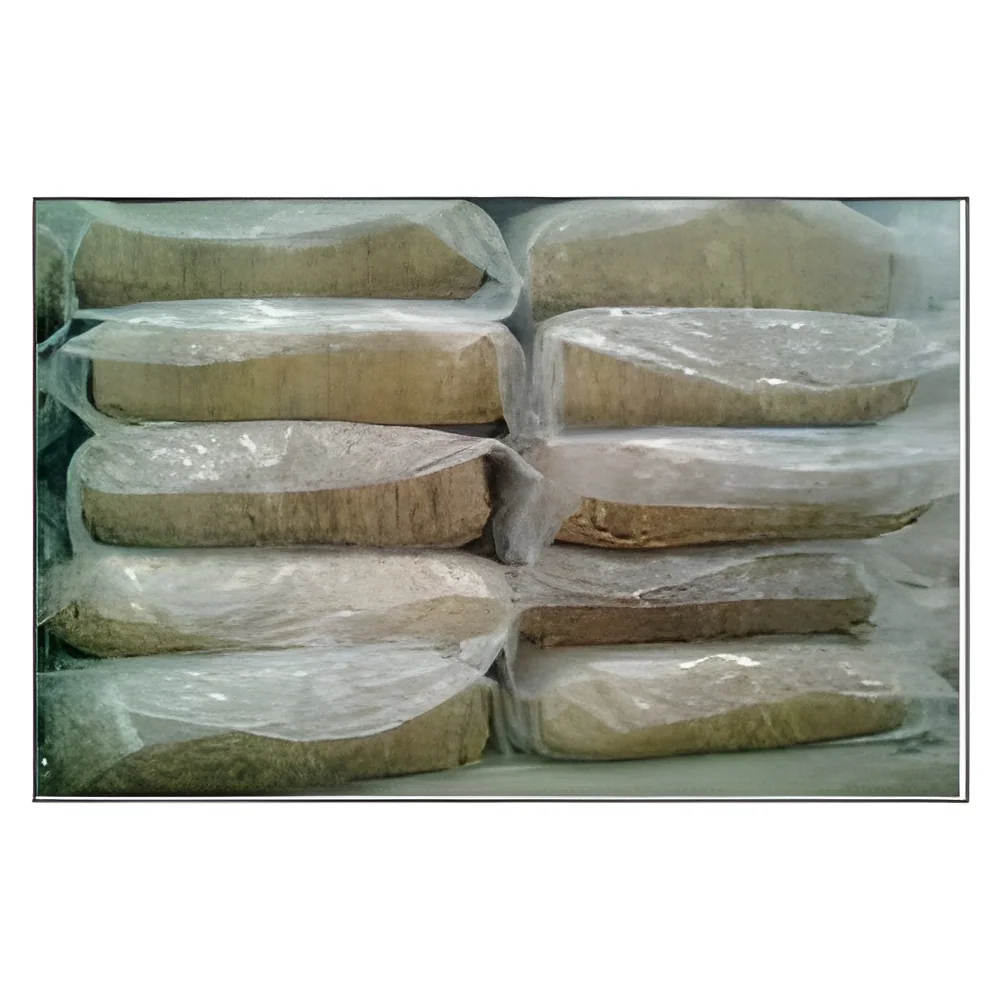
Neoprene rubber is a synthetic rubber that is produced by the polymerization of chloroprene. This material is known for its versatility and durability, making it suitable for a variety of applications. Neoprene exhibits excellent resistance to oils, chemicals, and environmental factors, which enhances its longevity and performance in challenging conditions. Its ability to maintain flexibility across a wide temperature range is another notable characteristic that makes it a preferred choice in various industries.
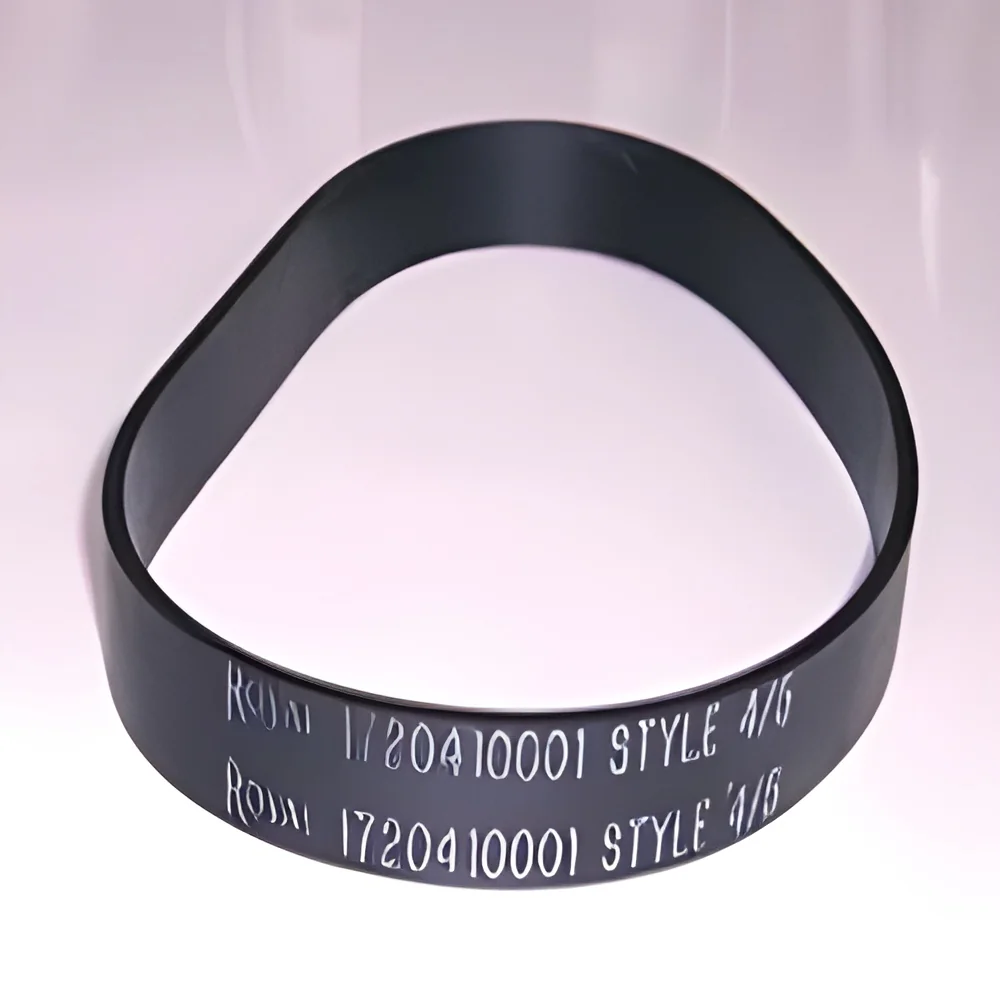
Neoprene rubber is widely used in industries including automotive, construction, electronics, and healthcare. In the automotive sector, it is often utilized in gaskets, seals, and hoses due to its high resilience and durability. In construction, neoprene serves as an effective material for insulation and waterproofing applications. Additionally, it is used in medical devices and protective gear, demonstrating its versatility and importance across different fields. As industries continue to innovate and expand, the demand for neoprene rubber remains strong, reflecting its critical role in modern manufacturing and design.
𝗞𝗲𝘆 𝗙𝗲𝗮𝘁𝘂𝗿𝗲𝘀 𝗮𝗻𝗱 𝗦𝗽𝗲𝗰𝗶𝗳𝗶𝗰𝗮𝘁𝗶𝗼𝗻𝘀
Neoprene rubber possesses several key features that enhance its applicability and performance in various situations. Its unique composition allows it to withstand extreme environmental conditions while maintaining structural integrity. The following specifications outline the essential characteristics of neoprene rubber.
1. Temperature Resistance
- Neoprene rubber can endure a wide temperature range, typically from -40°C to 120°C.
- This feature makes it suitable for both hot and cold applications.
2. Chemical Resistance
- It shows strong resistance to oils, fuels, and many chemicals, making it ideal for industrial applications.
- This property helps prevent degradation over time in harsh environments.
3. Flexibility and Elasticity
- Neoprene maintains flexibility even when subjected to stress or deformation.
- It can return to its original shape after stretching, ensuring durability.
4. Waterproofing
- The material is inherently waterproof, making it excellent for applications requiring moisture resistance.
- This feature is critical in marine and outdoor applications.
5. Aging Resistance
- Neoprene exhibits resistance to aging and degradation from UV exposure, ensuring longevity.
- This quality makes it suitable for outdoor and prolonged use.
6. Sound and Vibration Damping
- Neoprene rubber is effective in reducing noise and vibration, enhancing comfort and safety in various applications.
- This property is particularly valuable in automotive and machinery uses.
7. Customizability
- Neoprene can be manufactured in various grades and thicknesses to meet specific application needs.
- This adaptability allows for tailored solutions in industrial and commercial settings.
In summary, neoprene rubber is a highly versatile material with features that make it applicable in numerous industries. Its ability to resist extreme conditions while maintaining performance is a significant advantage.
𝗖𝗼𝗺𝗺𝗼𝗻 𝗔𝗽𝗽𝗹𝗶𝗰𝗮𝘁𝗶𝗼𝗻𝘀 𝗮𝗻𝗱 𝗨𝘀𝗲 𝗖𝗮𝘀𝗲𝘀
Neoprene rubber serves multiple industries, each benefiting from its unique properties and capabilities.
1. Automotive: In the automotive sector, neoprene is utilized for gaskets, seals, and hoses. Its chemical resistance and durability ensure reliable performance in vehicle components.
2. Construction: Neoprene is often used in construction for insulation and waterproofing membranes. Its flexibility allows it to adapt to various structural movements.
3. Electronics: In the electronics industry, neoprene serves as an effective insulation material for wires and cables, providing protection against moisture and environmental factors.
4. Healthcare: Neoprene rubber is commonly found in medical devices such as braces and supports. Its comfort and flexibility make it ideal for wearable applications.
5. Marine: In marine applications, neoprene is used for wetsuits and other gear. Its waterproof nature and insulation properties are essential for cold water activities.
6. Sports Equipment: Neoprene is frequently used in the production of protective gear, such as knee pads and elbow guards, due to its shock-absorbing capabilities.
7. Packaging: Neoprene is also employed in packaging solutions for sensitive equipment. Its cushioning properties help protect items during transport.
𝗣𝗿𝗼𝗱𝘂𝗰𝘁 𝗩𝗮𝗿𝗶𝗮𝗻𝘁𝘀 𝗮𝗻𝗱 𝗦𝘂𝗯𝗰𝗮𝘁𝗲𝗴𝗼𝗿𝗶𝗲𝘀
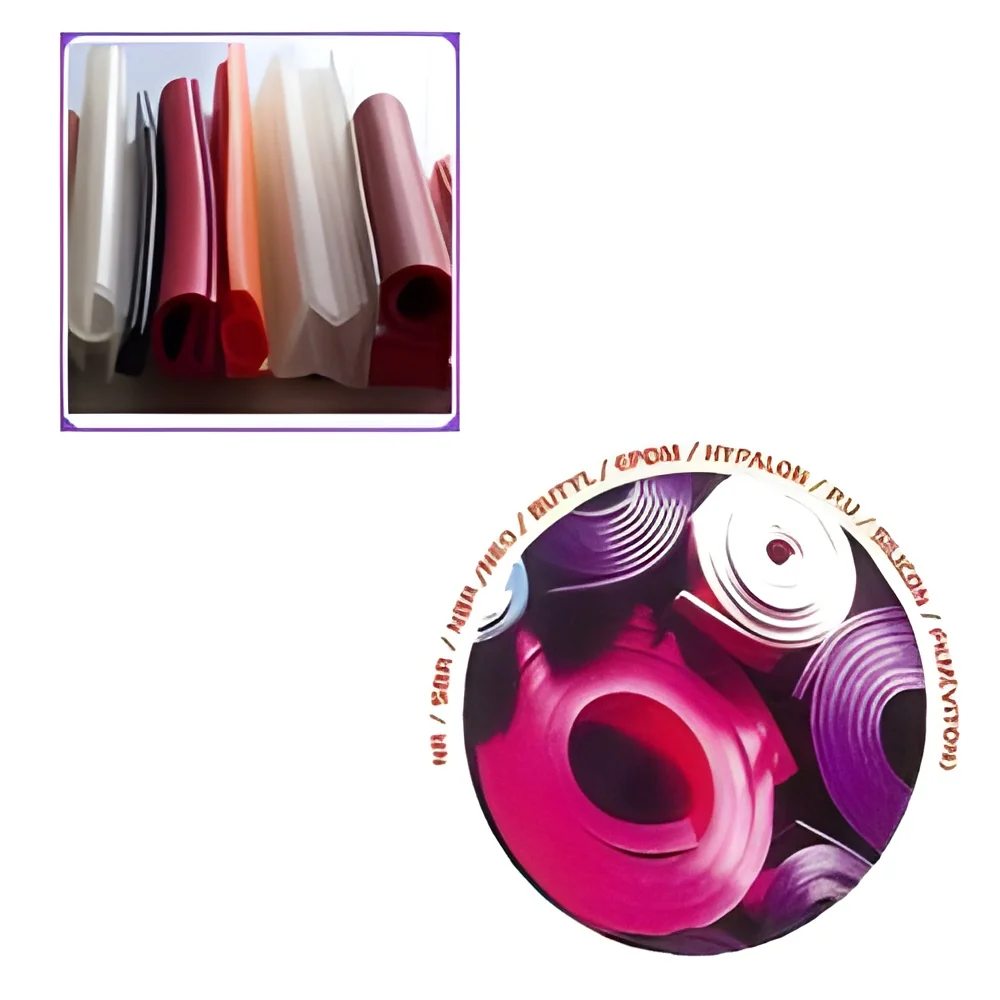
Neoprene rubber is available in various forms to cater to specific needs and applications.
Closed Cell Neoprene
Closed cell neoprene is characterized by its dense structure, providing excellent insulation and buoyancy. It is widely used in marine applications, including boat fenders and wetsuits, due to its resistance to water absorption.
Open Cell Neoprene
Open cell neoprene is more flexible and breathable than its closed-cell counterpart. It is often used in applications where comfort and adaptability are key, such as in protective clothing and medical supports.
Custom Neoprene Solutions
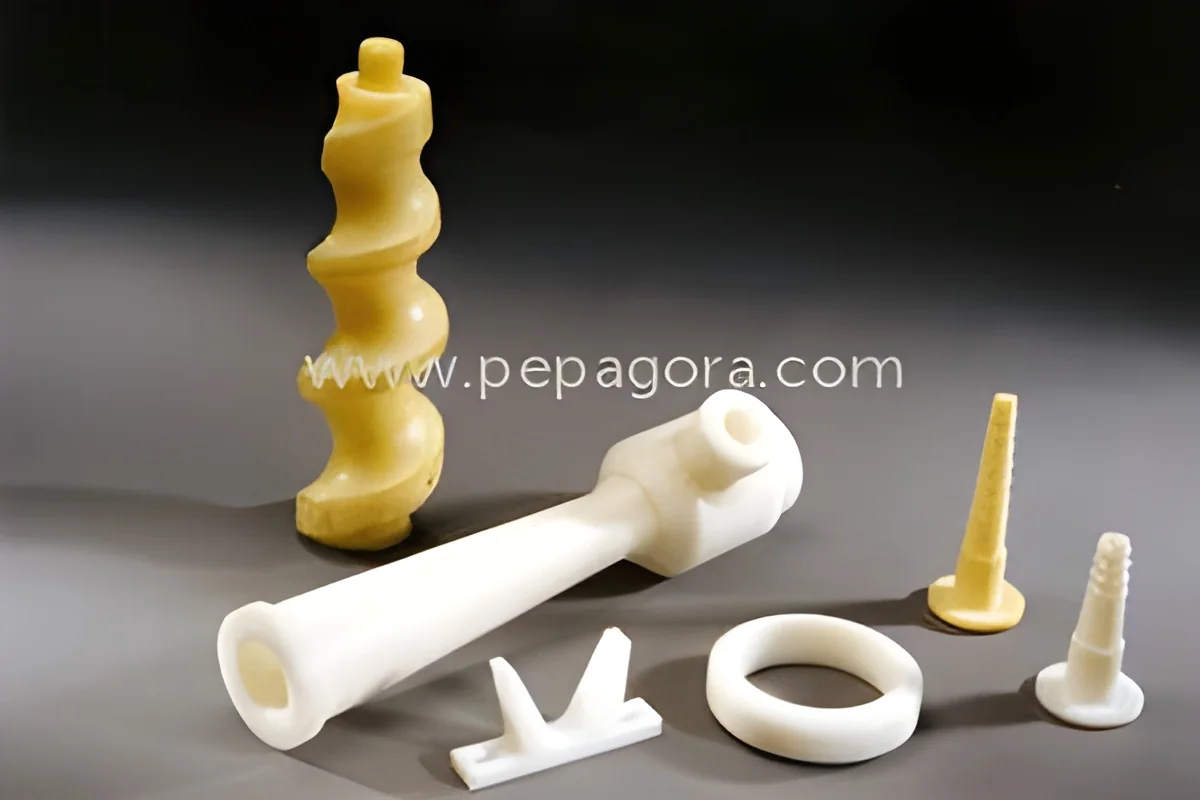
For specialized applications, neoprene can be customized in terms of thickness, density, and formulation. This allows manufacturers to create tailored solutions that meet unique operational demands.
𝗕𝗲𝗻𝗲𝗳𝗶𝘁𝘀 𝗮𝗻𝗱 𝗔𝗱𝘃𝗮𝗻𝘁𝗮𝗴𝗲𝘀
The use of neoprene rubber offers numerous benefits that enhance its appeal across diverse industries.
1. Durability: Neoprene is known for its long-lasting properties, making it an economical choice for many applications.
2. Versatility: The material can be tailored for various uses, from automotive parts to medical devices, ensuring broad applicability.
3. Environmental Resistance: Neoprene's resistance to UV, chemicals, and moisture allows it to perform reliably in harsh conditions.
4. Comfort: Its flexible nature provides comfort in wearable applications, making it suitable for protective gear and clothing.
5. Sound Damping: Neoprene effectively reduces noise and vibration, enhancing user experience in automotive and machinery applications.
6. Cost-Effective: The longevity and performance of neoprene contribute to lower overall costs in maintenance and replacement.
𝗕𝘂𝘆𝗶𝗻𝗴 𝗚𝘂𝗶𝗱𝗲 𝗳𝗼𝗿 𝗕𝟮𝗕 𝗕𝘂𝘆𝗲𝗿𝘀
When sourcing neoprene rubber, several factors should be considered to ensure that the right material is selected for specific applications.
1. Quality Assessment: It is essential to evaluate the quality of neoprene rubber by checking for certifications and compliance with standards. High-quality neoprene will have consistent properties and characteristics.
2. Supplier Verification: Vetting suppliers is crucial to ensure reliability. Look for manufacturers with a proven track record, positive reviews, and certifications that indicate adherence to quality standards.
3. Pricing and MOQ: Understanding the pricing structure and minimum order quantities (MOQ) is important for budgeting. Compare prices among suppliers to find competitive options that meet your needs.
4. Delivery and Lead Times: Assess the logistics involved, including delivery times and shipping methods. Timely delivery is essential to maintain production schedules.
5. Compliance Requirements: Ensure that the neoprene rubber meets any relevant industry regulations or standards. This is particularly important in sectors such as healthcare and food packaging.
𝗖𝗼𝗺𝗽𝗹𝗶𝗮𝗻𝗰𝗲 𝗮𝗻𝗱 𝗖𝗲𝗿𝘁𝗶𝗳𝗶𝗰𝗮𝘁𝗶𝗼𝗻𝘀
Neoprene rubber must adhere to various quality standards and certifications to ensure its reliability and safety in applications across industries.
Relevant standards include ISO 9001, which focuses on quality management systems, and CE marking that indicates compliance with European health, safety, and environmental requirements.
Industry certifications play a crucial role in ensuring that neoprene rubber meets specific performance criteria. CE certification is particularly essential for products sold in European markets, ensuring they comply with safety and environmental regulations.
In addition, compliance with safety and testing requirements is vital, as it ensures that products made from neoprene rubber do not pose risks to users. Manufacturers must conduct thorough testing to confirm the material's durability and performance under various conditions.
Regional compliance considerations may vary significantly, making it essential for B2B buyers to be aware of local regulations. Understanding these requirements helps ensure that the sourced neoprene rubber meets all necessary legal standards.
𝗪𝗵𝘆 𝗦𝗼𝘂𝗿𝗰𝗲 𝗡𝗲𝗼𝗽𝗿𝗲𝗻𝗲 𝗥𝘂𝗯𝗯𝗲𝗿 𝗳𝗿𝗼𝗺 𝗣𝗲𝗽𝗮𝗴𝗼𝗿𝗮?
Pepagora provides a trusted platform for sourcing neoprene rubber, offering several key advantages that cater to B2B buyers.
Verified Supplier Network: Pepagora features a network of verified suppliers, ensuring that buyers have access to quality products from reputable manufacturers. This verification process enhances buyer confidence and minimizes risks.
Streamlined RFQ Process: The request for quotation (RFQ) process on Pepagora is designed to be efficient and user-friendly. Buyers can easily submit their requirements and receive competitive quotations, simplifying the sourcing process.
Trade Assurance and Support: Pepagora offers trade assurance, providing buyers with protection against potential risks in transactions. This support instills confidence in the purchasing process and ensures a safer experience.
Regional Coverage: With a focus on markets in India, the GCC, and Southeast Asia, Pepagora provides regional coverage that enables buyers to access local suppliers and products. This geographic reach enhances availability and responsiveness to buyer needs.
In summary, Pepagora is a reliable platform for businesses looking to source high-quality neoprene rubber, supported by a robust network and streamlined processes that facilitate effective purchasing.
Neoprene Rubber is a synthetic rubber that is made from polychloroprene. It is known for its excellent chemical stability, flexibility, and resistance to heat, ozone, and weathering, making it suitable for a wide range of applications including automotive, construction, and medical industries.
2
What are the different types of Neoprene Rubber?
There are several types of Neoprene Rubber, including closed-cell and open-cell Neoprene. Closed-cell Neoprene is often used for insulation and flotation devices, while open-cell Neoprene is commonly utilized in applications requiring cushioning and flexibility.
3
How do I choose the right Neoprene Rubber?
Choosing the right Neoprene Rubber depends on the intended application and environmental conditions. Consider factors such as thickness, density, and the specific resistance properties required for chemicals, heat, or weathering.
4
What are the standard specifications for Neoprene Rubber?
Standard specifications for Neoprene Rubber typically include hardness, tensile strength, elongation, and resistance to temperature and chemicals. These specifications can vary based on the specific grade or type of Neoprene being used.
5
What is the price range for Neoprene Rubber?
The price range for Neoprene Rubber can vary significantly based on quality, type, and supplier. Generally, you can expect prices to range from INR 150 to INR 600 per kilogram, depending on these factors.
6
What quality standards apply to Neoprene Rubber?
Neoprene Rubber is often produced according to international quality standards such as ISO, ASTM, and DIN. These standards ensure that the material meets specific performance and safety criteria for various applications.
7
Where can I find Neoprene Rubber suppliers in India?
You can find Neoprene Rubber suppliers in India through B2B marketplaces like Pepagora.com, industry trade shows, and online directories. It's advisable to compare suppliers based on their product offerings and customer reviews.
8
Can Neoprene Rubber be customized?
Yes, Neoprene Rubber can be customized to meet specific requirements such as size, shape, and formulation. Many manufacturers offer customization options to cater to unique applications and client specifications.
9
What is the typical minimum order quantity for Neoprene Rubber?
The typical minimum order quantity (MOQ) for Neoprene Rubber can vary by supplier, but it generally ranges from 100 to 500 kilograms. It is advisable to check with individual suppliers for their specific MOQs.
10
What is the typical lead time for Neoprene Rubber?
The typical lead time for Neoprene Rubber orders can range from 1 to 4 weeks, depending on factors such as order size, customization requirements, and supplier capabilities. Always confirm the lead time with the supplier prior to placing an order.
Why Businesses Trust Pepagora
Thousands of companies trust Pepagora to source smarter and sell faster
Expand Your Sales Globally
25000+Products listed.Get discovered by global buyers

 IN
IN