𝗪𝗵𝗮𝘁 𝗮𝗿𝗲 𝗡𝗶𝘁𝗿𝗶𝗰 𝗔𝗰𝗶𝗱?
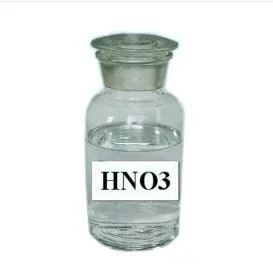
Nitric Acid is a strong mineral acid with the chemical formula HNO3. It is colorless, has a pungent odor, and is highly corrosive. Nitric Acid is known for its ability to dissolve metals and is often used in various industrial applications. It is produced through the oxidation of ammonia, and its production involves the Ostwald process, which converts ammonia into nitric oxide, subsequently oxidized to nitrogen dioxide and absorbed in water.
The primary uses of Nitric Acid span multiple industries, including fertilizers, explosives, and metal processing. In agriculture, it is a key ingredient in the production of nitrogen-based fertilizers, which are essential for plant growth. In the explosives industry, Nitric Acid is used to synthesize compounds like TNT. Additionally, in metal processing, it serves as an etchant and cleaning agent for metals like copper and silver. The relevance of Nitric Acid in these sectors underscores its importance in the global market, as it plays a vital role in key manufacturing processes and agricultural productivity.
𝗞𝗲𝘆 𝗙𝗲𝗮𝘁𝘂𝗿𝗲𝘀 𝗮𝗻𝗱 𝗦𝗽𝗲𝗰𝗶𝗳𝗶𝗰𝗮𝘁𝗶𝗼𝗻𝘀
Nitric Acid is characterized by several important features and specifications that define its quality and usability across different applications. Understanding these specifications is essential for businesses looking to incorporate Nitric Acid into their operations.
Key specifications include:
1. Purity Level
- Typically ranges from 68% to 98%
- Higher purity levels are preferred for specific applications
2. Concentration
- Available in various concentrations to meet specific needs
- Common concentrations include 30%, 50%, and 70%
3. Density
- Varies based on concentration, generally around 1.41 g/cm³ for concentrated forms
- Important for shipping and storage considerations
4. Boiling Point
- Approximately 83 °C for concentrated Nitric Acid
- Affects handling and processing conditions
5. pH Level
- Strongly acidic, with a pH of around 1-2
- Critical for applications requiring specific acidity levels
6. Chemical Compatibility
- Highly reactive with bases and reducing agents
- Must be stored and handled away from incompatible materials
7. Storage Requirements
- Needs to be stored in a cool, well-ventilated area
- Containers must be made of compatible materials such as glass or certain plastics
In summary, the specifications of Nitric Acid are crucial in determining its suitability for various industrial applications and ensuring safe handling and storage.
𝗖𝗼𝗺𝗺𝗼𝗻 𝗔𝗽𝗽𝗹𝗶𝗰𝗮𝘁𝗶𝗼𝗻𝘀 𝗮𝗻𝗱 𝗨𝘀𝗲 𝗖𝗮𝘀𝗲𝘀
Nitric Acid finds applications across a diverse range of industries, highlighting its versatility and importance in industrial processes.
1. Agriculture: Used primarily in the production of nitrogen fertilizers, which enhance soil fertility and crop yield.
2. Explosives Manufacturing: A critical component in the synthesis of explosives such as TNT and nitroglycerin, contributing to the defense and construction sectors.
3. Metal Processing: Acts as an etching and cleaning agent for metals, improving surface quality and preparing materials for further processing.
4. Pharmaceuticals: Utilized in the synthesis of various pharmaceutical compounds, demonstrating its relevance in the healthcare industry.
5. Electronics: Plays a role in the production of electronic components, particularly in the manufacturing of semiconductors.
6. Wastewater Treatment: Employed in neutralizing alkaline waste, aiding in environmental management and compliance.
7. Laboratory Reagents: Commonly used in research and analytical labs for various chemical reactions and experiments.
𝗣𝗿𝗼𝗱𝘂𝗰𝘁 𝗩𝗮𝗿𝗶𝗮𝗻𝘁𝘀 𝗮𝗻𝗱 𝗦𝘂𝗯𝗰𝗮𝘁𝗲𝗴𝗼𝗿𝗶𝗲𝘀
Nitric Acid comes in various forms to cater to different industrial needs. While specific subcategories are not detailed, the following variants are commonly recognized in the industry.
Concentrated Nitric Acid
This variant typically contains 68% to 98% nitric acid and is widely used in industrial applications such as fertilizer production and explosives manufacturing. Its high concentration makes it effective for processes requiring strong acidity.
Diluted Nitric Acid
Diluted forms of Nitric Acid contain lower concentrations, making them suitable for applications in laboratories and educational settings. They are often used for less aggressive reactions and as cleaning agents.
𝗕𝗲𝗻𝗲𝗳𝗶𝘁𝘀 𝗮𝗻𝗱 𝗔𝗱𝘃𝗮𝗻𝘁𝗮𝗴𝗲𝘀
Nitric Acid offers several benefits that make it essential for various industrial applications.
1. High Reactivity: Its strong acidic properties allow it to react with a wide range of substances, making it versatile for multiple applications.
2. Essential for Fertilizers: Contributes significantly to agricultural productivity by providing vital nutrients for crops.
3. Effective Cleaning Agent: Its ability to dissolve metals makes it an excellent choice for cleaning and etching surfaces in metal processing.
4. Supports Explosives Manufacturing: Plays a critical role in producing explosive materials, ensuring safety and efficiency in various industries.
5. Environmental Management: Assists in wastewater treatment processes, helping industries comply with environmental regulations.
6. Reliable Performance: Offers consistent and reliable results across various applications, ensuring high-quality outcomes.
𝗕𝘂𝘆𝗶𝗻𝗴 𝗚𝘂𝗶𝗱𝗲 𝗳𝗼𝗿 𝗕𝟮𝗕 𝗕𝘂𝘆𝗲𝗿𝘀
When sourcing Nitric Acid, it is crucial for B2B buyers to consider several important factors to ensure they make informed decisions.
1. Quality Assessment: Evaluate the purity and concentration levels of Nitric Acid to match your specific application needs. High-quality acid will perform more effectively in industrial processes.
2. Supplier Verification: Vet suppliers for reliability and compliance with industry standards. Ensure they have a good track record and relevant certifications to guarantee product quality.
3. Pricing and MOQ: Assess pricing structures and minimum order quantities (MOQ) to align with budget constraints and operational requirements. Compare multiple suppliers for the best deals.
4. Delivery and Lead Times: Consider logistics and delivery schedules to ensure timely availability of Nitric Acid for production processes. Efficient supply chain management is key.
5. Compliance Requirements: Ensure that suppliers adhere to regulatory requirements and safety standards. This is critical for maintaining operational integrity and legal compliance.
𝗖𝗼𝗺𝗽𝗹𝗶𝗮𝗻𝗰𝗲 𝗮𝗻𝗱 𝗖𝗲𝗿𝘁𝗶𝗳𝗶𝗰𝗮𝘁𝗶𝗼𝗻𝘀
Nitric Acid must adhere to several quality and safety standards to ensure its safe use in industrial applications. Relevant quality standards include ISO 9001, which governs quality management systems, ensuring consistent product quality and reliability.
Industry certifications such as CE are crucial for demonstrating compliance with European safety standards. This certification assures customers that the product meets stringent safety and performance criteria.
Safety and testing requirements are also vital. Nitric Acid is classified as a hazardous material, requiring appropriate handling and storage practices to mitigate risks. Regular testing ensures that the product remains within acceptable safety parameters.
Additionally, regional compliance considerations may vary. It is essential to stay informed about local regulations governing chemical handling and distribution to maintain compliance across different markets.
𝗪𝗵𝘆 𝗦𝗼𝘂𝗿𝗰𝗲 𝗡𝗶𝘁𝗿𝗶𝗰 𝗔𝗰𝗶𝗱 𝗳𝗿𝗼𝗺 𝗣𝗲𝗽𝗮𝗴𝗼𝗿𝗮?
Pepagora provides a trusted platform for sourcing Nitric Acid, offering several key advantages that benefit B2B buyers.
Verified Supplier Network: Pepagora connects buyers with a range of verified suppliers, ensuring that the products sourced meet high-quality standards. This network promotes reliability and trust among users.
Streamlined RFQ Process: The platform features an efficient Request for Quotation (RFQ) system that simplifies the procurement process. Buyers can easily request quotes from multiple suppliers, fostering competitive pricing.
Trade Assurance and Support: Pepagora offers buyer protection through trade assurance features, providing support throughout the sourcing process. This assurance builds confidence in purchasing decisions.
Regional Coverage: With a wide geographic reach across India, the GCC, and Southeast Asia, Pepagora facilitates access to local and international suppliers, enhancing sourcing options for businesses in various regions.
Nitric Acid is a highly corrosive mineral acid with the chemical formula HNO3. It is commonly used in fertilizers, explosives, and as a reagent in various chemical processes.
2
What are the different types of Nitric Acid?
Nitric Acid can be categorized into two main types: concentrated and dilute. Concentrated Nitric Acid contains about 68% nitric acid by weight, while dilute Nitric Acid contains a lower concentration, often used for specific applications in laboratories and industries.
3
How do I choose the right Nitric Acid?
To choose the right Nitric Acid, consider the specific application and required concentration. It is also important to review the purity and quality standards to ensure it meets your industrial needs.
4
What are the standard specifications for Nitric Acid?
Standard specifications for Nitric Acid typically include concentration, purity level, and the presence of impurities. Common specifications may require a minimum concentration of 68% for industrial applications.
5
What is the price range for Nitric Acid?
The price of Nitric Acid can vary based on factors such as purity, quantity, and supplier. Generally, prices can range from INR 25 to INR 50 per liter, but it is advisable to check with suppliers for current pricing.
6
What quality standards apply to Nitric Acid?
Nitric Acid is subject to various quality standards depending on its intended use, such as ISO and ASTM standards. These standards ensure the acid meets specific purity and quality requirements for industrial applications.
7
Where can I find Nitric Acid suppliers in India?
You can find Nitric Acid suppliers in India through online B2B marketplaces, chemical supply companies, and industry directories. Platforms like Pepagora.com can help connect you with reputable suppliers.
8
Can Nitric Acid be customized?
Yes, Nitric Acid can be customized in terms of concentration and packaging according to specific industrial requirements. It is advisable to discuss customization options with suppliers to meet your needs.
9
What is the typical minimum order quantity for Nitric Acid?
The typical minimum order quantity (MOQ) for Nitric Acid can vary by supplier but generally ranges from 100 liters to 1000 liters. It is best to confirm the MOQ with individual suppliers.
10
What is the typical lead time for Nitric Acid?
The typical lead time for Nitric Acid orders can range from 1 to 4 weeks, depending on the supplier and the quantity ordered. It is recommended to check with suppliers for specific lead times based on your order.
Why Businesses Trust Pepagora
Thousands of companies trust Pepagora to source smarter and sell faster
Expand Your Sales Globally
25000+Products listed.Get discovered by global buyers

 IN
IN