𝗪𝗵𝗮𝘁 𝗮𝗿𝗲 𝗢𝗘𝗠 & 𝗖𝘂𝘀𝘁𝗼𝗺 𝗜𝗻𝘁𝗲𝗿𝗶𝗼𝗿 𝗔𝗰𝗰𝗲𝘀𝘀𝗼𝗿𝗶𝗲𝘀?
OEM (Original Equipment Manufacturer) and custom interior accessories refer to specialized components designed for vehicles, machinery, and various equipment. These accessories are tailored to enhance the functionality, aesthetics, and comfort of the interior spaces. OEM accessories are produced by the same manufacturers that create the original parts, ensuring compatibility and quality. Custom accessories, on the other hand, are designed to meet specific requirements of businesses, allowing for personalization and unique features that standard options may not provide.
These accessories find applications across multiple sectors, including automotive, aerospace, and industrial machinery. Businesses use OEM and custom interior accessories to improve user experience, optimize space utilization, and ensure compliance with industry standards. They play a crucial role in differentiating products in competitive markets, leading to improved customer satisfaction and loyalty. As industries evolve, the demand for high-quality, adaptable interior solutions continues to grow, making OEM and custom accessories increasingly relevant in today's marketplace.
𝗞𝗲𝘆 𝗙𝗲𝗮𝘁𝘂𝗿𝗲𝘀 𝗮𝗻𝗱 𝗦𝗽𝗲𝗰𝗶𝗳𝗶𝗰𝗮𝘁𝗶𝗼𝗻𝘀
OEM and custom interior accessories come with a range of features and specifications that cater to diverse business needs. These specifications help ensure that the products meet quality standards and customer expectations while providing functionality and durability.
Key specifications include:
1. Material Quality
- Typically made from high-grade plastics, metals, or composites
- Ensures durability and resistance to wear and tear
2. Customization Options
- Availability of tailored designs, colors, and finishes
- Allows businesses to align products with brand identity
3. Compatibility
- Designed to fit specific models of vehicles or machinery
- Ensures seamless integration with original systems
4. Ergonomic Design
- Focused on user comfort and ease of use
- Enhances the overall experience for operators and passengers
5. Safety Standards
- Meets industry safety requirements and regulations
- Reduces liability and enhances user confidence
6. Environmental Considerations
- Use of eco-friendly materials and processes
- Supports sustainability initiatives within businesses
7. Performance Metrics
- Tested for functionality under various conditions
- Ensures reliability and optimal operation
8. Warranty and Support
- Generally comes with manufacturer warranties
- Access to customer support for troubleshooting and guidance
These features and specifications collectively contribute to the effectiveness and appeal of OEM and custom interior accessories, making them essential for businesses looking to enhance their offerings.
𝗖𝗼𝗺𝗺𝗼𝗻 𝗔𝗽𝗽𝗹𝗶𝗰𝗮𝘁𝗶𝗼𝗻𝘀 𝗮𝗻𝗱 𝗨𝘀𝗲 𝗖𝗮𝘀𝗲𝘀
OEM and custom interior accessories serve various industries, providing tailored solutions for specific needs.
1. Automotive: In the automotive industry, these accessories improve vehicle aesthetics and functionality, including custom floor mats, dashboard trims, and seating enhancements.
2. Aerospace: Custom interior components are crucial for aircraft, improving passenger comfort and safety features, such as soundproofing and optimized seating arrangements.
3. Industrial Machinery: In manufacturing settings, these accessories enhance operator safety and equipment efficiency through customized control panels and ergonomic seating solutions.
4. Marine: OEM accessories for boats and ships focus on durability and water resistance, including customized storage solutions and interior finishes.
5. Commercial Vehicles: Fleet operators use customized interior accessories to improve driver comfort and productivity, such as specialized storage and control systems.
6. Retail Displays: Businesses use custom accessories for in-store displays, enhancing product visibility and customer engagement through tailored shelving and signage.
7. Hospitality: Hotels and restaurants utilize OEM accessories to create inviting atmospheres, including custom furnishings and decor elements.
𝗣𝗿𝗼𝗱𝘂𝗰𝘁 𝗩𝗮𝗿𝗶𝗮𝗻𝘁𝘀 𝗮𝗻𝗱 𝗦𝘂𝗯𝗰𝗮𝘁𝗲𝗴𝗼𝗿𝗶𝗲𝘀
The diversity of OEM and custom interior accessories allows for a wide range of product variants, catering to different industry needs and preferences.
Interior Trim Accessories
These accessories include custom dashboard covers and door panel trims, designed to improve the aesthetic appeal of vehicles while providing protection against wear.
Seating Solutions
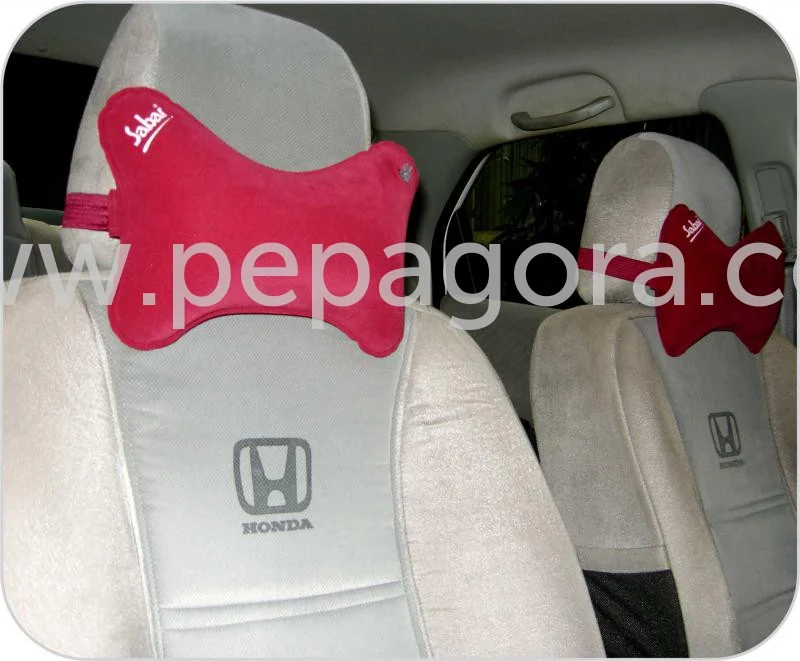
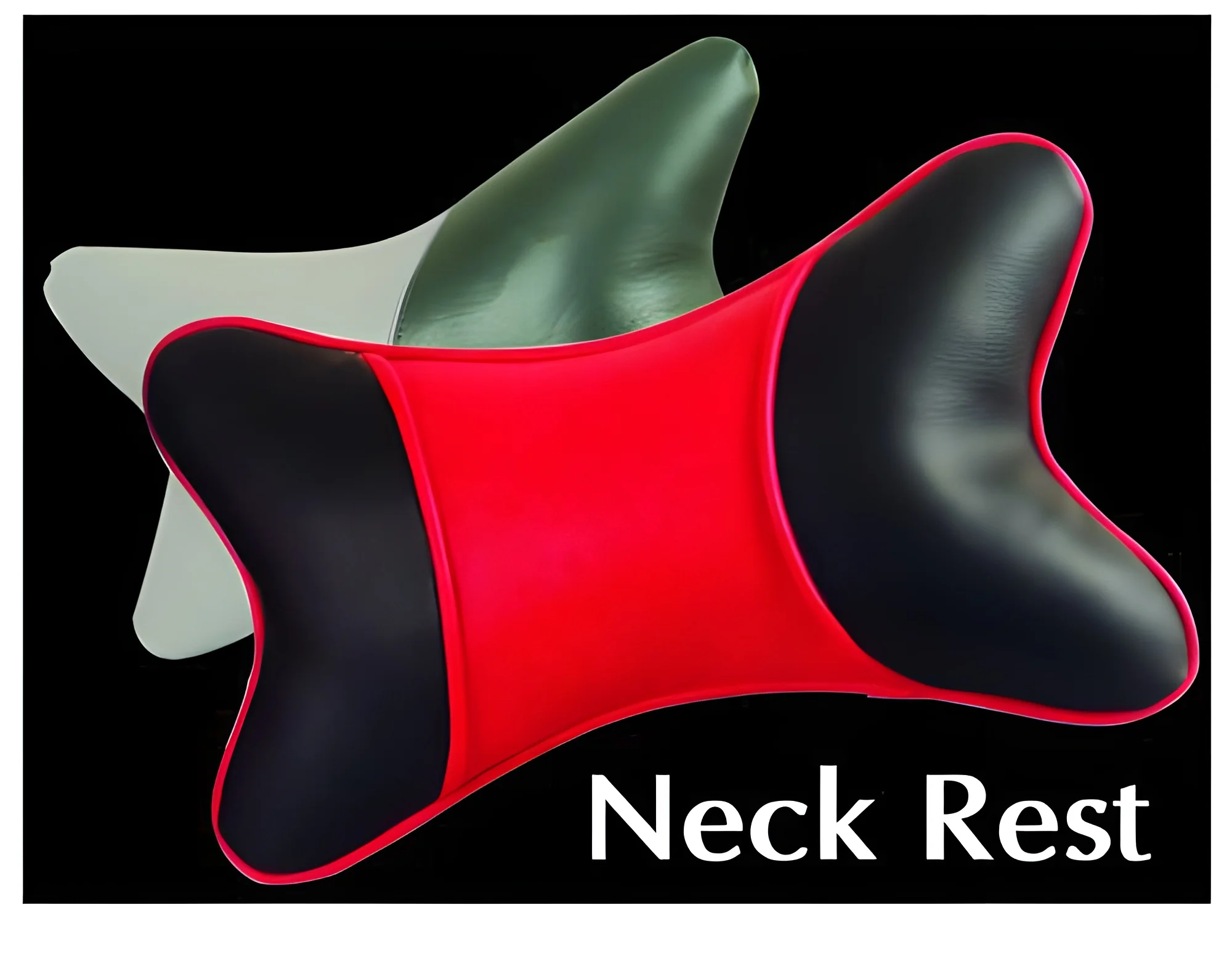
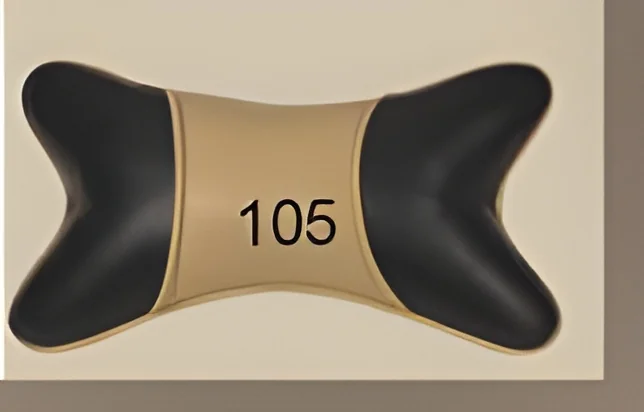
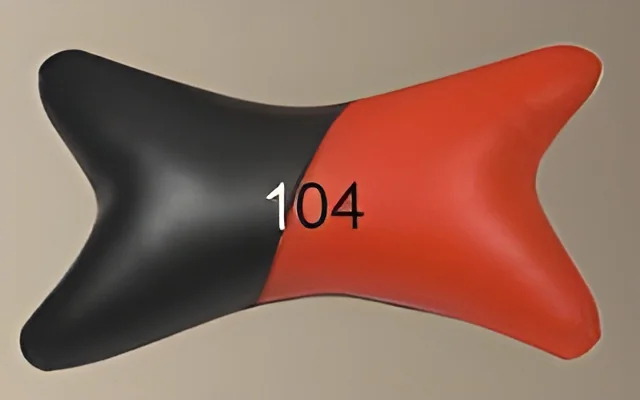
Custom seating options enhance comfort and support for operators and passengers. This category includes ergonomic seats, seat covers, and adjustable systems for various applications.
Storage Accessories
Designed for both vehicles and industrial settings, these accessories maximize space efficiency. Options include custom storage bins and organizational systems tailored to specific needs.
Control Panels
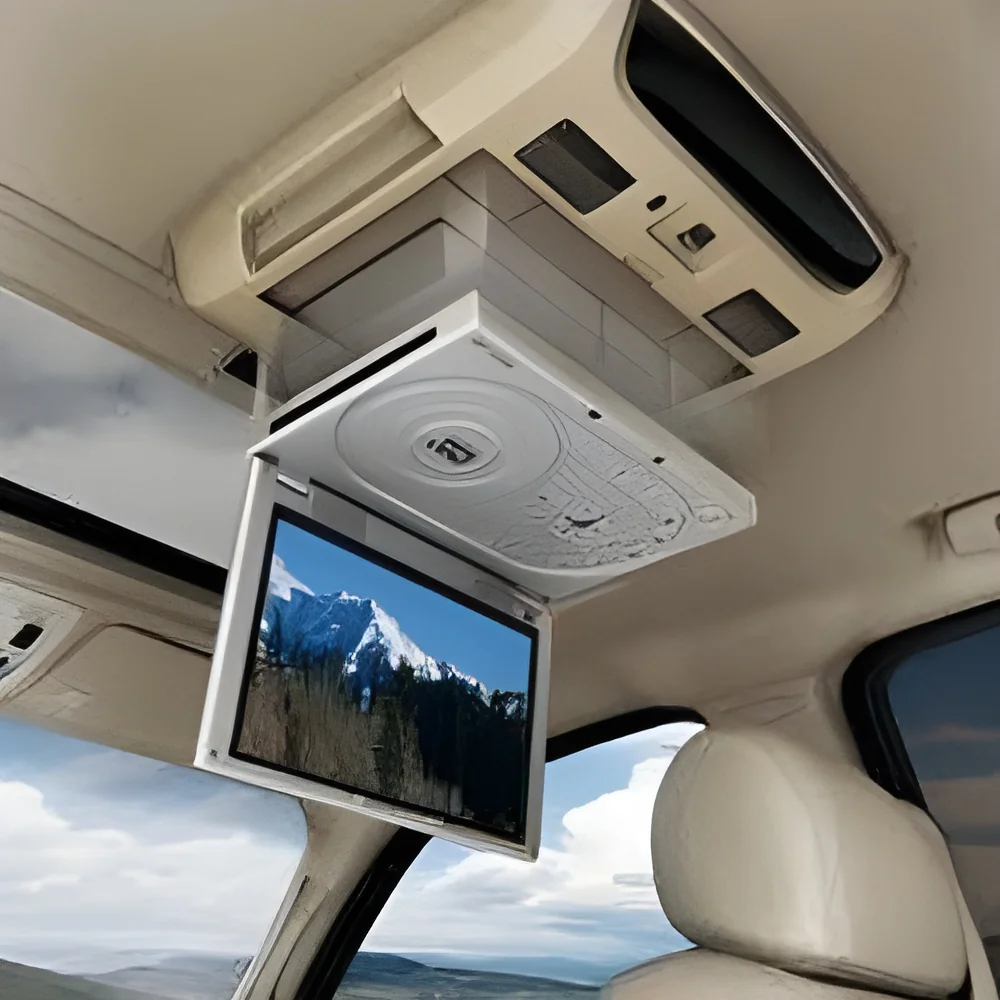
These are customized interfaces designed for machinery and vehicles to improve usability and safety. They can include unique layouts and integrated features for enhanced functionality.
𝗕𝗲𝗻𝗲𝗳𝗶𝘁𝘀 𝗮𝗻𝗱 𝗔𝗱𝘃𝗮𝗻𝘁𝗮𝗴𝗲𝘀
Sourcing OEM and custom interior accessories offers several key benefits to businesses aiming to enhance their products.
1. Quality Assurance: OEM accessories ensure high standards of quality and reliability, as they are produced by reputable manufacturers.
2. Customization Flexibility: Businesses can tailor accessories to meet specific requirements, improving product differentiation and customer satisfaction.
3. Enhanced User Experience: Well-designed accessories improve comfort and usability, leading to increased customer loyalty and repeat business.
4. Increased Value: Offering high-quality, customized accessories enhances the perceived value of the primary product, making it more attractive to end-users.
5. Compliance with Standards: OEM accessories often meet industry regulations, reducing the risk of non-compliance for businesses.
6. Competitive Advantage: Custom accessories can set a brand apart from competitors, helping businesses capture a larger market share.
𝗕𝘂𝘆𝗶𝗻𝗴 𝗚𝘂𝗶𝗱𝗲 𝗳𝗼𝗿 𝗕𝟮𝗕 𝗕𝘂𝘆𝗲𝗿𝘀
When sourcing OEM and custom interior accessories, several factors warrant careful consideration to ensure successful procurement.
1. Quality Assessment: Evaluate materials and construction methods to ensure durability and reliability. Request samples or certifications to verify quality.
2. Supplier Verification: Conduct background checks on potential suppliers. Look for reviews, ratings, and industry experience to confirm their credibility.
3. Pricing and MOQ: Understand the pricing structure and minimum order quantities. Ensure that costs align with your budget while considering potential discounts for bulk orders.
4. Delivery and Lead Times: Discuss logistics with suppliers to understand delivery schedules. Ensure that lead times align with your project timelines to avoid delays.
5. Compliance Requirements: Familiarize yourself with relevant industry regulations and standards. Ensure that the accessories meet these requirements to avoid compliance issues.
𝗖𝗼𝗺𝗽𝗹𝗶𝗮𝗻𝗰𝗲 𝗮𝗻𝗱 𝗖𝗲𝗿𝘁𝗶𝗳𝗶𝗰𝗮𝘁𝗶𝗼𝗻𝘀
Compliance and certifications are crucial aspects of OEM and custom interior accessories. These products often adhere to relevant quality standards such as ISO 9001, which emphasizes quality management systems. This standard ensures that manufacturers maintain consistent quality in their production processes, enhancing customer satisfaction.
Additionally, products may be certified under CE standards, indicating that they meet European safety, health, and environmental protection requirements. This certification is essential for businesses looking to operate in or export to European markets.
Safety and testing requirements are also critical, as many industries mandate specific safety protocols. Accessories should be tested for durability, performance, and safety to minimize risks associated with their use.
Finally, businesses should consider regional compliance requirements when sourcing accessories. Different regions may have unique regulations concerning materials, safety, and environmental impact, making it essential to ensure that products comply with local laws.
𝗪𝗵𝘆 𝗦𝗼𝘂𝗿𝗰𝗲 𝗢𝗘𝗠 & 𝗖𝘂𝘀𝘁𝗼𝗺 𝗜𝗻𝘁𝗲𝗿𝗶𝗼𝗿 𝗔𝗰𝗰𝗲𝘀𝘀𝗼𝗿𝗶𝗲𝘀 𝗳𝗿𝗼𝗺 𝗣𝗲𝗽𝗮𝗴𝗼𝗿𝗮?
Pepagora provides a trusted platform for sourcing OEM and custom interior accessories, offering several key advantages that benefit B2B buyers.
Verified Supplier Network: Pepagora collaborates with a diverse range of verified suppliers, ensuring that buyers can access high-quality products. This network facilitates the discovery of reliable manufacturers, reducing the risk of sourcing from unverified sources.
Streamlined RFQ Process: The platform's Request for Quotation (RFQ) system simplifies the process of obtaining quotes from multiple suppliers. This feature allows buyers to compare offerings efficiently, helping them make informed purchasing decisions.
Trade Assurance and Support: Pepagora offers trade assurance to protect buyers during transactions. This support includes safeguards against non-delivery and disputes, providing peace of mind throughout the sourcing process.
Regional Coverage: With a focus on markets in India, GCC, and Southeast Asia, Pepagora provides extensive regional coverage, connecting buyers with suppliers that understand local market dynamics and demands. This geographic reach enhances accessibility and ensures that businesses find the right products for their needs.
OEM (Original Equipment Manufacturer) & Custom Interior Accessories refer to parts and enhancements designed specifically for vehicles' interiors, tailored to meet specific requirements of manufacturers or consumers. These accessories include items such as custom floor mats, seat covers, and dashboard overlays that enhance functionality and aesthetics.
2
What are the different types of OEM & Custom Interior Accessories?
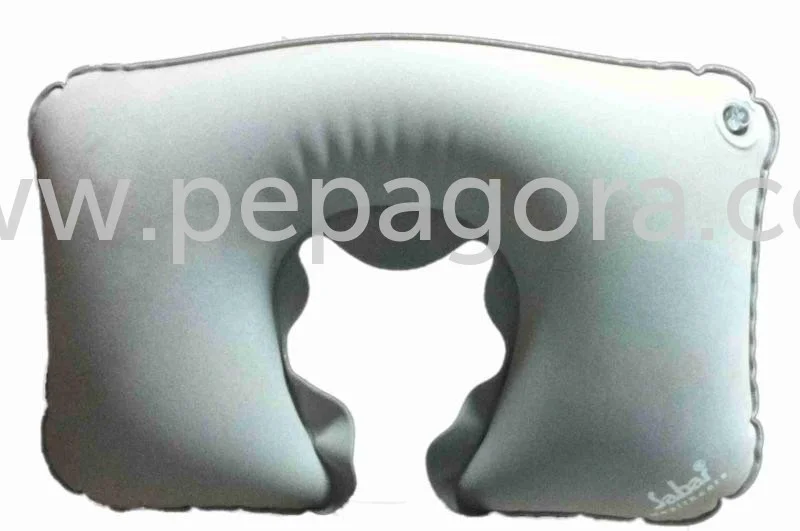
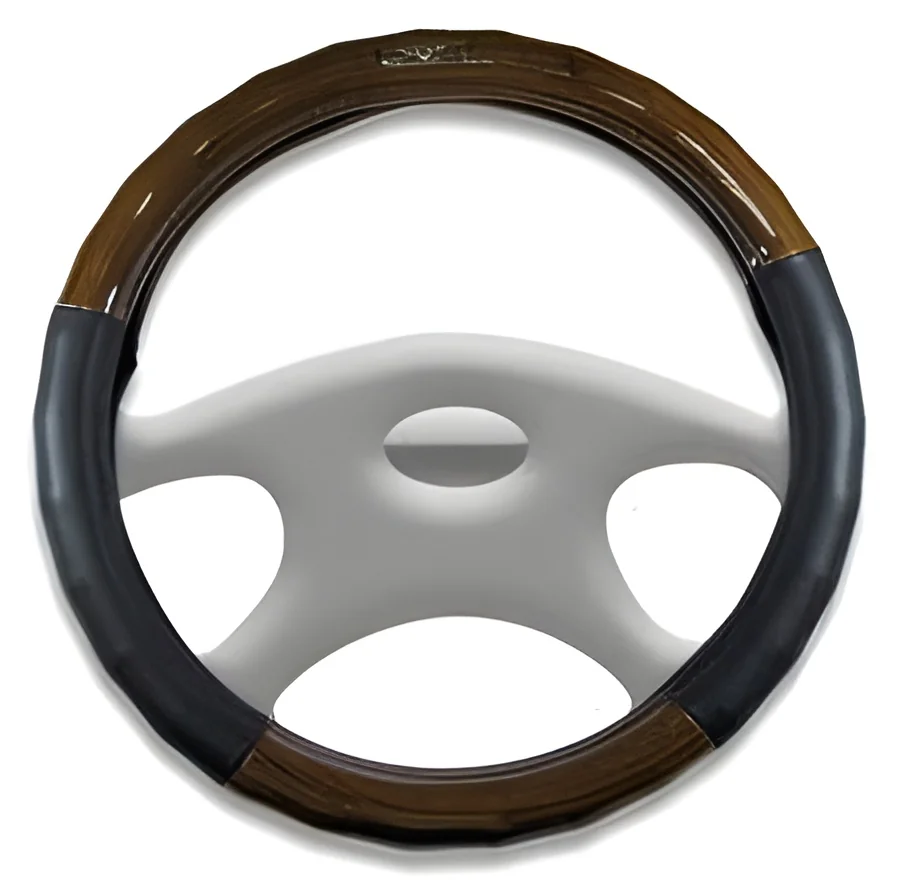
Different types of OEM & Custom Interior Accessories include seat covers, floor mats, steering wheel covers, interior lighting, storage solutions, and decorative trims. Each type serves distinct purposes, from improving comfort to enhancing the vehicle's appearance.
3
How do I choose the right OEM & Custom Interior Accessories?
To choose the right OEM & Custom Interior Accessories, consider factors such as compatibility with your vehicle model, material quality, and design preferences. It's also essential to assess the functionality of the accessories and read reviews from other users.
4
What are the standard specifications for OEM & Custom Interior Accessories?
Standard specifications for OEM & Custom Interior Accessories typically include dimensions, material type, weight capacity, and compatibility with vehicle models. Manufacturers may also provide details about durability and warranty periods.
5
What is the price range for OEM & Custom Interior Accessories?
The price range for OEM & Custom Interior Accessories can vary widely, typically from a few hundred to several thousand Indian Rupees, depending on the type, brand, and customization options. Bulk purchases may also affect pricing.
6
What quality standards apply to OEM & Custom Interior Accessories?
OEM & Custom Interior Accessories must adhere to industry standards such as ISO 9001 for quality management and may also comply with specific automotive safety regulations. Manufacturers often conduct rigorous testing to ensure durability and safety.
7
Where can I find OEM & Custom Interior Accessories suppliers in India?
You can find OEM & Custom Interior Accessories suppliers in India through online B2B marketplaces like Pepagora, industry trade shows, and automotive supply directories. It's advisable to verify supplier credentials and customer reviews before making a purchase.
8
Can OEM & Custom Interior Accessories be customized?
Yes, OEM & Custom Interior Accessories can often be customized to meet specific design or functional requirements. Many suppliers offer options for personalization in terms of materials, colors, and sizes.
9
What is the typical minimum order quantity for OEM & Custom Interior Accessories?
The typical minimum order quantity (MOQ) for OEM & Custom Interior Accessories varies by supplier but usually ranges from 50 to 100 units. It's best to check with individual suppliers for their specific MOQ policies.
10
What is the typical lead time for OEM & Custom Interior Accessories?
The typical lead time for OEM & Custom Interior Accessories can range from 2 to 12 weeks, depending on factors such as customization requirements, order volume, and supplier capabilities. It's advisable to confirm lead times with your supplier at the time of order.
Why Businesses Trust Pepagora
Thousands of companies trust Pepagora to source smarter and sell faster
Expand Your Sales Globally
25000+Products listed.Get discovered by global buyers

 IN
IN