𝗪𝗵𝗮𝘁 𝗮𝗿𝗲 𝗢𝗶𝗹 𝗕𝘂𝗿𝗻𝗲𝗿 𝗗𝗶𝗳𝗳𝘂𝘀𝗲𝗿𝘀?
Oil burner diffusers are essential components in oil heating systems that help in the efficient distribution of heated air or gases. They work by regulating the flow of oil and ensuring an even spread of heat throughout a space. This ensures optimal combustion and improves the overall performance of the heating system. By effectively managing the airflow, oil burner diffusers also enhance energy efficiency and reduce emissions.
These diffusers find primary use in various commercial and industrial applications, including manufacturing facilities, warehouses, and large residential buildings. They are particularly valuable in environments requiring consistent heating, such as food processing plants, where temperature control is crucial for product quality. Additionally, oil burner diffusers support various oil types, making them versatile for different heating needs across multiple sectors.
In terms of market context, the demand for oil burner diffusers is influenced by the industrial sector's growth and the increasing need for energy-efficient heating solutions. As industries move toward more sustainable practices, the role of oil burner diffusers in optimizing heating systems becomes increasingly relevant.
𝗞𝗲𝘆 𝗙𝗲𝗮𝘁𝘂𝗿𝗲𝘀 𝗮𝗻𝗱 𝗦𝗽𝗲𝗰𝗶𝗳𝗶𝗰𝗮𝘁𝗶𝗼𝗻𝘀
Oil burner diffusers come equipped with several key features that enhance their functionality and reliability. When evaluating these products, understanding their specifications is critical for selecting the right model for your needs.
Key specifications include:
1. Construction Material
- Typically made from durable metals such as stainless steel or galvanized steel
- Resistant to high temperatures and corrosive environments
2. Flow Rate
- Designed to accommodate various flow rates depending on application requirements
- Critical for ensuring optimal heating performance
3. Size and Dimensions
- Available in multiple sizes to fit different installation needs
- Custom sizing options may be available to meet specific project requirements
4. Pressure Ratings
- Constructed to handle specific pressure ranges relevant to oil burner systems
- Ensures safe and efficient operation under various working conditions
5. Temperature Range
- Designed to operate effectively within a specified temperature range
- Important for maintaining performance in extreme conditions
6. Compliance with Standards
- Often meets industry standards such as CE certification
- Guarantees adherence to safety and quality benchmarks
7. Installation Type
- Options for both direct and indirect installation methods
- Flexibility in installation enhances ease of use across different setups
8. Maintenance Requirements
- Low maintenance needs due to robust construction
- Designed for easy access to components for routine checks
In summary, understanding these features and specifications will help businesses make informed decisions when selecting oil burner diffusers that best suit their operational needs.
𝗖𝗼𝗺𝗺𝗼𝗻 𝗔𝗽𝗽𝗹𝗶𝗰𝗮𝘁𝗶𝗼𝗻𝘀 𝗮𝗻𝗱 𝗨𝘀𝗲 𝗖𝗮𝘀𝗲𝘀
Oil burner diffusers are utilized across a variety of industries, each benefiting from their unique capabilities.
1. Manufacturing: In manufacturing facilities, oil burner diffusers are essential for maintaining consistent temperatures during production processes, ensuring product quality and efficiency.
2. Food Processing: These diffusers play a critical role in food processing plants, where precise temperature control is necessary to preserve food safety and quality during cooking and storage.
3. Warehousing: In large warehouses, oil burner diffusers help maintain temperature stability, protecting stored goods from temperature fluctuations that could lead to spoilage or damage.
4. Residential Heating: Many residential heating systems rely on oil burners equipped with diffusers to provide effective and efficient heating throughout homes, particularly in colder climates.
5. Agricultural Facilities: In agricultural settings, oil burner diffusers are used in greenhouses and livestock barns to ensure optimal conditions for plant growth and animal welfare.
6. Textile Industry: The textile sector uses oil burner diffusers to regulate heating processes during dyeing and finishing, which are critical for achieving desired fabric qualities.
7. Automotive: In automotive manufacturing, these diffusers help maintain the necessary temperatures during various production stages, contributing to the overall efficiency of the assembly line.
𝗣𝗿𝗼𝗱𝘂𝗰𝘁 𝗩𝗮𝗿𝗶𝗮𝗻𝘁𝘀 𝗮𝗻𝗱 𝗦𝘂𝗯𝗰𝗮𝘁𝗲𝗴𝗼𝗿𝗶𝗲𝘀
Oil burner diffusers come in various designs, each tailored to meet specific needs in different applications.
Standard Diffuser
This variant is designed for general use in most oil burner applications, providing reliable performance and ease of installation. It is suitable for both residential and commercial settings.
High-Efficiency Diffuser
Engineered for enhanced performance, this variant maximizes airflow and minimizes energy loss. It is ideal for industrial applications where efficiency is a priority.
Adjustable Diffuser
Featuring adjustable settings, this diffuser allows users to customize airflow rates according to specific requirements. It is particularly useful in environments with variable heating needs.
Compact Diffuser
Designed for smaller spaces, this variant offers a space-saving solution without compromising on performance. It is perfect for residential and small commercial applications.
𝗕𝗲𝗻𝗲𝗳𝗶𝘁𝘀 𝗮𝗻𝗱 𝗔𝗱𝘃𝗮𝗻𝘁𝗮𝗴𝗲𝘀
Selecting oil burner diffusers provides numerous advantages that improve heating systems' efficiency and effectiveness.
1. Enhanced Efficiency: Oil burner diffusers ensure optimal combustion and heat distribution, leading to reduced energy consumption and lower operating costs.
2. Improved Air Quality: By controlling the airflow, these diffusers help maintain better indoor air quality, reducing the risk of pollutants and improving overall comfort.
3. Extended Equipment Life: Properly functioning diffusers contribute to less wear and tear on heating systems, ultimately extending the lifespan of the entire setup.
4. Versatility: Oil burner diffusers are compatible with various oil types and heating systems, making them suitable for multiple applications across diverse industries.
5. Easy Maintenance: Many models are designed for easy access and low maintenance, allowing businesses to save time and resources on upkeep.
6. Regulatory Compliance: Sourcing diffusers that meet industry standards ensures that heating systems operate within safety and quality guidelines, reducing liability risks.
𝗕𝘂𝘆𝗶𝗻𝗴 𝗚𝘂𝗶𝗱𝗲 𝗳𝗼𝗿 𝗕𝟮𝗕 𝗕𝘂𝘆𝗲𝗿𝘀
When sourcing oil burner diffusers, it is essential for B2B buyers to consider several key factors to ensure they select the right products.
1. Quality Assessment: Look for products that meet recognized quality standards such as CE certification. Consider the materials used and inquire about warranties.
2. Supplier Verification: Vet suppliers thoroughly to ensure they are reputable and reliable. Check references, reviews, and their track record in the industry.
3. Pricing and MOQ: Understand the pricing structure and minimum order quantities (MOQ) required by suppliers. Compare offers from multiple vendors to ensure competitive pricing.
4. Delivery and Lead Times: Inquire about delivery schedules and lead times to avoid disruptions in your operations. Confirm that suppliers can meet your timeline requirements.
5. Compliance Requirements: Ensure that the diffusers comply with relevant regulations and safety standards in your region. This includes certifications and documentation for auditing purposes.
𝗖𝗼𝗺𝗽𝗹𝗶𝗮𝗻𝗰𝗲 𝗮𝗻𝗱 𝗖𝗲𝗿𝘁𝗶𝗳𝗶𝗰𝗮𝘁𝗶𝗼𝗻𝘀
Oil burner diffusers must adhere to several compliance and certification standards to ensure safety and reliability in various applications. One of the most recognized quality standards is ISO 9001, which emphasizes a commitment to quality management systems. Compliance with HACCP and GDP guidelines is also crucial in industries like food processing, where safety and quality are paramount.
Additionally, many oil burner diffusers are certified with CE marking, indicating their compliance with European safety requirements. This certification reassures buyers that the products have undergone rigorous testing to meet established safety and performance standards.
Safety and testing requirements for oil burner diffusers include ensuring that materials can withstand high temperatures and pressures typical in heating applications. Regional compliance considerations may vary, so it is essential for buyers to be aware of local regulations and standards that apply to their specific industry.
𝗪𝗵𝘆 𝗦𝗼𝘂𝗿𝗰𝗲 𝗢𝗶𝗹 𝗕𝘂𝗿𝗻𝗲𝗿 𝗗𝗶𝗳𝗳𝘂𝘀𝗲𝗿𝘀 𝗳𝗿𝗼𝗺 𝗣𝗲𝗽𝗮𝗴𝗼𝗿𝗮?
Pepagora offers a trusted platform for sourcing oil burner diffusers, providing a range of advantages to B2B buyers. One of the key benefits is our verified supplier network. Each supplier is thoroughly vetted to ensure reliability and quality, giving buyers peace of mind when making purchasing decisions.
Our streamlined RFQ (Request for Quotation) process simplifies the sourcing journey. Buyers can easily request quotes from multiple suppliers, allowing for quick comparisons and informed decision-making.
Trade assurance and support are also integral to the Pepagora experience. We prioritize buyer protection, ensuring transactions are secure and that buyers receive the products they expect.
Finally, our regional coverage extends across India, the GCC, and Southeast Asia, making it convenient for businesses in these areas to access high-quality oil burner diffusers and connect with reputable suppliers.
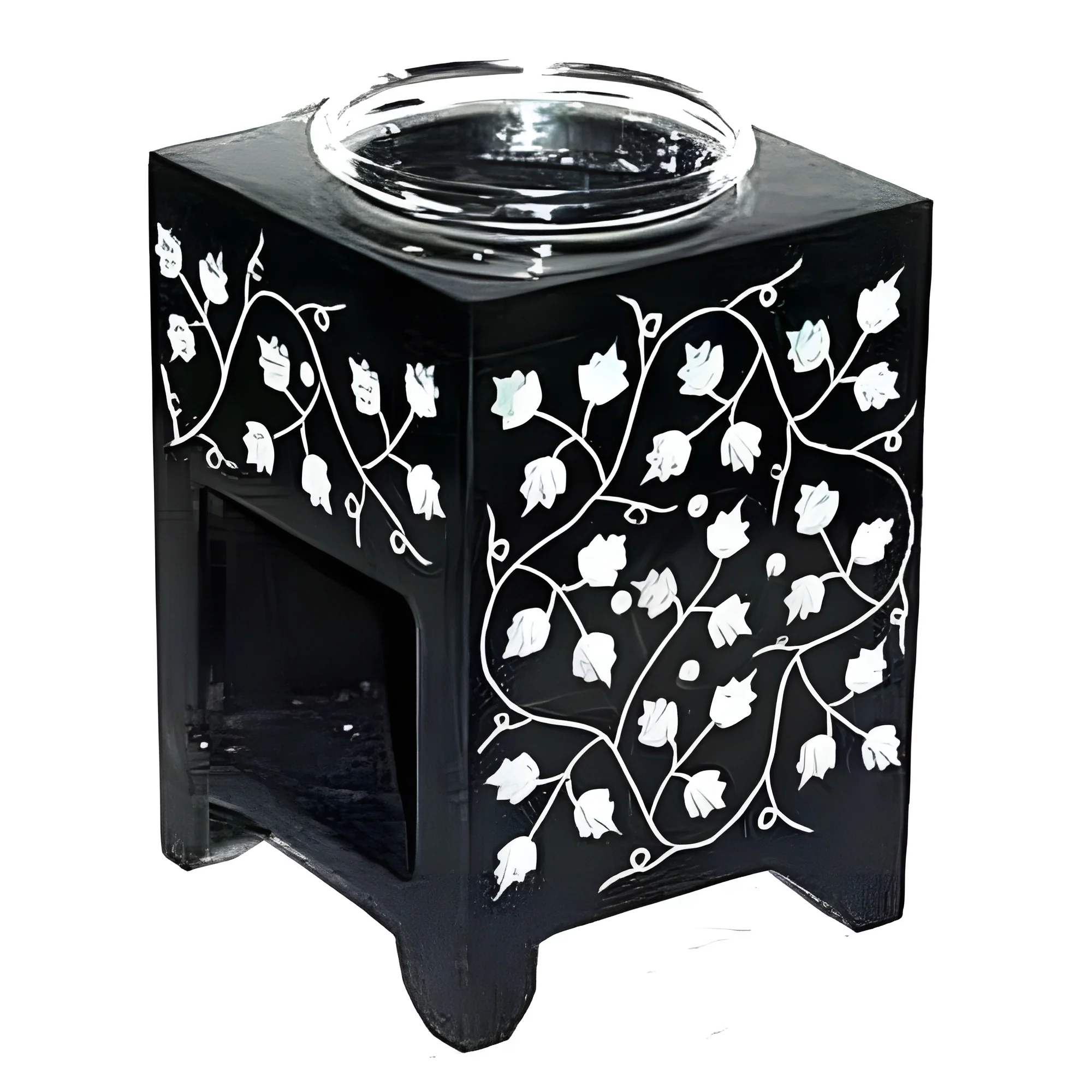
Oil Burner Diffusers are devices used to disperse essential oils or fragrances into the air through heat. They typically use a small flame or electric element to warm the oil, allowing it to evaporate and fill the space with scent.
2
What are the different types of Oil Burner Diffusers?
There are primarily three types of Oil Burner Diffusers: candle-based diffusers, electric diffusers, and ultrasonic diffusers. Candle-based diffusers use a flame to heat the oil, while electric diffusers use electricity to achieve the desired temperature. Ultrasonic diffusers combine water and essential oils to create a mist.
3
How do I choose the right Oil Burner Diffusers?
Choosing the right Oil Burner Diffusers depends on your specific needs, such as the size of the area you wish to scent and your preferred method of diffusion. Consider factors like ease of use, maintenance, and whether you prefer a flame or electric source.
4
What are the standard specifications for Oil Burner Diffusers?
Standard specifications for Oil Burner Diffusers may include materials used (ceramic, glass, or metal), capacity (size of the oil reservoir), and heating method (candle flame, electric, or ultrasonic). These specifications can impact the performance and durability of the diffuser.
5
What is the price range for Oil Burner Diffusers?
The price range for Oil Burner Diffusers can vary widely depending on the type, material, and brand. Generally, you can expect to pay anywhere from INR 200 to INR 5000 or more for high-end models.
6
What quality standards apply to Oil Burner Diffusers?
Quality standards for Oil Burner Diffusers typically include adherence to safety regulations, materials used, and performance efficiency. Manufacturers may also comply with ISO standards to ensure product reliability and consumer safety.
7
Where can I find Oil Burner Diffusers suppliers in India?
You can find Oil Burner Diffusers suppliers in India through various online B2B marketplaces, trade shows, and industry directories. Platforms like Pepagora.com offer a wide range of suppliers and manufacturers for easy sourcing.
8
Can Oil Burner Diffusers be customized?
Yes, many manufacturers offer customization options for Oil Burner Diffusers, including size, design, and color. Customization can help businesses create unique products that meet specific branding or functional requirements.
9
What is the typical minimum order quantity for Oil Burner Diffusers?
The typical minimum order quantity (MOQ) for Oil Burner Diffusers varies by supplier but often ranges from 50 to 100 units. It's advisable to check with individual suppliers for their specific MOQ requirements.
10
What is the typical lead time for Oil Burner Diffusers?
The typical lead time for Oil Burner Diffusers can range from 2 to 6 weeks, depending on the manufacturer's location, order volume, and whether customization is required. It's best to confirm lead times with your chosen supplier.
Why Businesses Trust Pepagora
Thousands of companies trust Pepagora to source smarter and sell faster
Expand Your Sales Globally
25000+Products listed.Get discovered by global buyers

 IN
IN