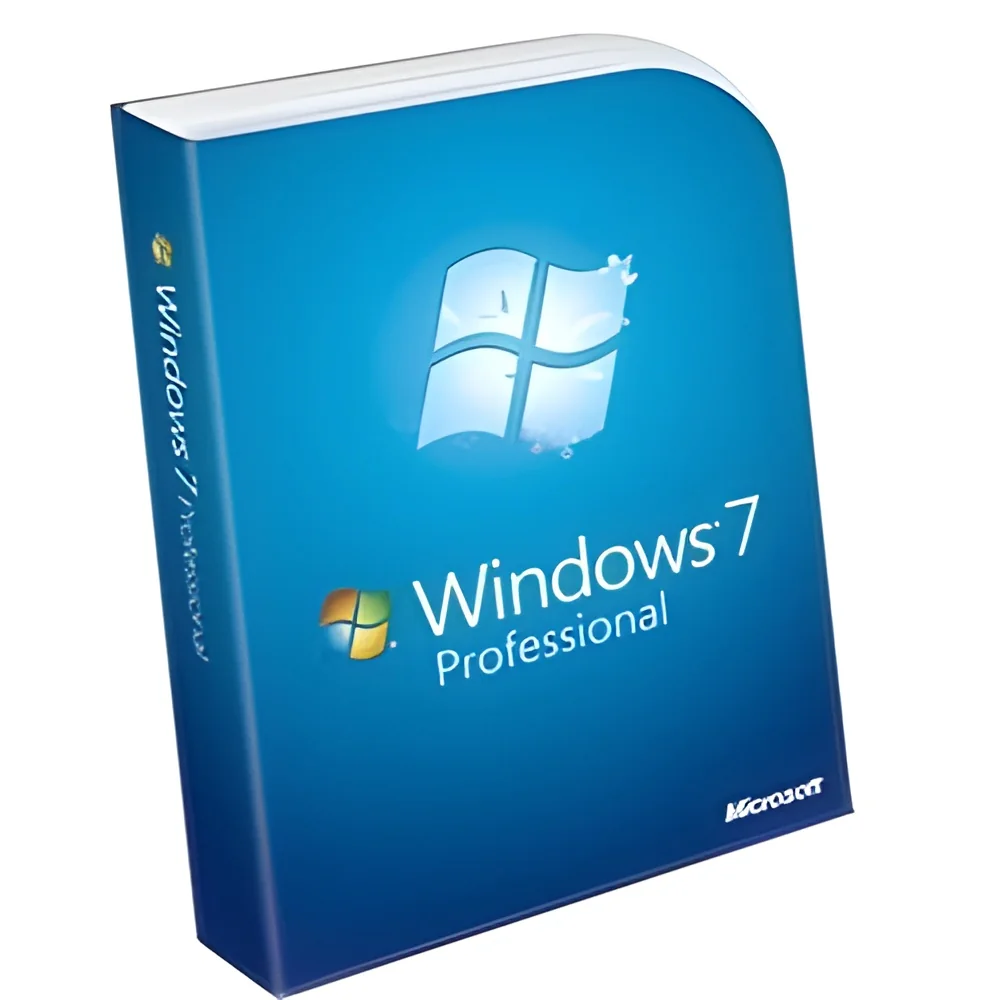
What are Operating System Licenses (Windows, Linux)?
Operating System Licenses for Windows and Linux are legal agreements that grant users the right to install, use, and manage the operating system software on their devices. These licenses define how the software can be used, the number of devices on which it can be installed, and the support options available to users. Windows, developed by Microsoft, is known for its user-friendly interface and widespread adoption across various sectors. Linux, an open-source operating system, offers flexibility and customization, making it popular among developers and enterprises.
In business applications, Operating System Licenses are essential for ensuring compliance and proper usage of software in organizational settings. Companies rely on these licenses to maintain operational efficiency, security, and compatibility with various applications. The choice between Windows and Linux often depends on the specific needs of the organization, such as software requirements, budget constraints, and IT infrastructure. As the demand for digital solutions grows, understanding the nuances of these operating systems becomes increasingly relevant in the market.
𝗞𝗲𝘆 𝗙𝗲𝗮𝘁𝘂𝗿𝗲𝘀 𝗮𝗻𝗱 𝗦𝗽𝗲𝗰𝗶𝗳𝗶𝗰𝗮𝘁𝗶𝗼𝗻𝘀
Operating System Licenses come with several key features and specifications that cater to various business needs. These specifications help organizations make informed decisions when selecting the appropriate operating system for their operations.
Key specifications include:
1. License Type
- Options include OEM, Retail, and Volume Licensing.
- Each type has different terms, pricing, and usage rights.
2. Compatibility
- Supports various hardware configurations.
- Ensures seamless integration with enterprise applications.
3. Security Features
- Built-in security protocols and updates.
- Regular patches to address vulnerabilities.
4. Support and Maintenance
- Varying levels of support depending on the license type.
- Access to technical assistance and updates.
5. Customization Options
- Linux offers extensive customization possibilities.
- Windows provides limited but significant personalization features.
6. User Interface
- Windows features a graphical user interface (GUI) designed for ease of use.
- Linux may offer different GUIs based on the distribution.
7. Cost Structure
- Pricing varies based on the license type and vendor.
- Linux generally has lower upfront costs due to its open-source nature.
In summary, understanding these specifications allows businesses to choose the right operating system that fits their requirements and budget.
𝗖𝗼𝗺𝗺𝗼𝗻 𝗔𝗽𝗽𝗹𝗶𝗰𝗮𝘁𝗶𝗼𝗻𝘀 𝗮𝗻𝗱 𝗨𝘀𝗲 𝗖𝗮𝘀𝗲𝘀
Operating System Licenses are utilized across various industries, each benefiting from the distinct features of Windows and Linux.
1. Education: Many educational institutions use Windows for its ease of use and compatibility with software required for learning. Linux is adopted in programming and IT courses for its open-source advantages.
2. Healthcare: Hospitals and clinics often rely on Windows for patient management systems, while Linux is used for data security and server management.
3. Manufacturing: Windows is common in production environments for its integration with enterprise resource planning (ERP) systems. Linux is preferred for automation and control systems due to its stability.
4. Finance: Financial institutions often choose Windows for its software availability and compliance features. Linux is used for server applications and high-frequency trading systems.
5. Government: Government agencies utilize Windows for office productivity and case management. Linux is favored for web servers and secure communications.
𝗣𝗿𝗼𝗱𝘂𝗰𝘁 𝗩𝗮𝗿𝗶𝗮𝗻𝘁𝘀 𝗮𝗻𝗱 𝗦𝘂𝗯𝗰𝗮𝘁𝗲𝗴𝗼𝗿𝗶𝗲𝘀
Operating System Licenses offer a range of variants, catering to different user needs and organizational sizes.
Windows 10 Pro
This variant is designed for small to medium businesses, offering advanced security features and management capabilities. It includes tools such as BitLocker encryption and remote desktop access.
Windows Server
Aimed at enterprise environments, Windows Server provides robust solutions for networking, hosting applications, and managing large-scale data centers. It is ideal for organizations requiring centralized management and high reliability.
Linux Ubuntu
A popular Linux distribution known for its user-friendly interface, Ubuntu is suitable for both personal and professional use. It supports a wide range of applications and is frequently used in development environments.
Linux CentOS
CentOS is designed for enterprise-level applications, providing a stable and secure platform. It is often used in server environments and is popular among developers looking for a reliable Linux distribution.
𝗕𝗲𝗻𝗲𝗳𝗶𝘁𝘀 𝗮𝗻𝗱 𝗔𝗱𝘃𝗮𝗻𝘁𝗮𝗴𝗲𝘀
Sourcing Operating System Licenses offers several benefits that enhance organizational efficiency and productivity.
1. Compliance Assurance: Having valid licenses ensures adherence to legal requirements, reducing the risk of penalties and legal issues.
2. Technical Support: Licensed software typically includes access to technical support, helping businesses resolve issues quickly.
3. Security Updates: Regular updates provide critical security patches, protecting businesses from vulnerabilities.
4. Improved Performance: Licensed operating systems often perform better due to optimized features and support.
5. Scalability: Organizations can easily scale their operations with flexible licensing options that accommodate growth.
6. Customization: Linux licenses allow for extensive customization, enabling businesses to tailor their operating environment to specific needs.
𝗕𝘂𝘆𝗶𝗻𝗴 𝗚𝘂𝗶𝗱𝗲 𝗳𝗼𝗿 𝗕𝟮𝗕 𝗕𝘂𝘆𝗲𝗿𝘀
When sourcing Operating System Licenses for Windows and Linux, it is essential to consider several factors to ensure a suitable purchase.
1. Quality Assessment: Verify the quality of the software by checking for authenticity and reviews from existing users. This helps avoid counterfeit or subpar products.
2. Supplier Verification: Vet potential suppliers to confirm their credibility and reliability. Look for certified partners with a history of providing quality licenses.
3. Pricing and MOQ: Understand the pricing structure and minimum order quantities. This can significantly impact budget planning and procurement strategies.
4. Delivery and Lead Times: Assess the logistics involved in the purchasing process. Timely delivery is crucial for maintaining operational continuity.
5. Compliance Requirements: Ensure that the licenses meet relevant regulatory standards and compliance needs specific to your industry.
𝗖𝗼𝗺𝗽𝗹𝗶𝗮𝗻𝗰𝗲 𝗮𝗻𝗱 𝗖𝗲𝗿𝘁𝗶𝗳𝗶𝗰𝗮𝘁𝗶𝗼𝗻𝘀
Operating System Licenses must adhere to several compliance and certification standards to ensure quality and reliability.
ISO 9001: This standard focuses on quality management systems, ensuring that products meet customer and regulatory requirements.
CE Certification: This certification indicates that a product meets European safety, health, and environmental protection requirements, which is essential for software used in various industries.
Safety and Testing Requirements: Compliance with safety standards ensures that the software is secure and reliable for users. Testing is conducted to validate functionality and performance.
Regional Compliance Considerations: Depending on the geographic location, specific compliance requirements may apply. It is important for businesses to understand local regulations governing software use.
Why Source Operating System Licenses (Windows, Linux) from Pepagora?
Pepagora provides a trusted platform for sourcing Operating System Licenses for Windows and Linux with several key advantages.
Verified Supplier Network: Pepagora collaborates with a network of verified suppliers, ensuring that buyers receive authentic licenses and reliable products.
Streamlined RFQ Process: The request for quotation (RFQ) system simplifies the purchasing process, allowing buyers to receive competitive quotes and make informed decisions quickly.
Trade Assurance and Support: Buyers benefit from trade assurance and support throughout the purchasing journey, providing peace of mind and protection against potential issues.
Regional Coverage: Pepagora has a broad geographic reach, serving markets in India, the GCC, and Southeast Asia. This enables businesses to access a wide range of operating system licenses tailored to their regional needs.
What are Operating System Licenses (Windows, Linux)?
Operating System Licenses (Windows, Linux) refer to the legal permissions granted to users to install and use operating systems on their computers. These licenses can be proprietary, like those for Windows, or open-source, like Linux distributions.
2
What are the different types of Operating System Licenses (Windows, Linux)?
The different types of Operating System Licenses include OEM licenses, retail licenses, volume licensing, and open-source licenses. OEM licenses are tied to hardware, retail licenses can be purchased by consumers, while volume licensing is designed for businesses with multiple installations.
3
How do I choose the right Operating System Licenses (Windows, Linux)?
Choosing the right Operating System License depends on your specific needs, such as the intended use, number of users, and preferred features. It's important to evaluate the compatibility with your hardware and software requirements as well.
4
What are the standard specifications for Operating System Licenses (Windows, Linux)?
Standard specifications for Operating System Licenses vary by type, but typically include system requirements such as processor type, RAM, storage space, and compatibility with existing software. Windows and Linux may have different requirements based on their versions.
5
What is the price range for Operating System Licenses (Windows, Linux)?
The price range for Operating System Licenses can vary significantly, with Windows licenses typically ranging from a few thousand to several thousand Indian Rupees, depending on the version and licensing type. Linux distributions are often free, but enterprise versions may have associated support costs.
6
What quality standards apply to Operating System Licenses (Windows, Linux)?
Quality standards for Operating System Licenses include compliance with industry regulations, security certifications, and performance benchmarks. Ensuring that the license is from a reputable source is crucial to maintaining system integrity.
7
Where can I find Operating System Licenses (Windows, Linux) suppliers in India?
Operating System Licenses can be sourced from various suppliers in India, including authorized resellers and online marketplaces. Websites like Pepagora.com provide a platform to connect with trusted manufacturers and suppliers.
8
Can Operating System Licenses (Windows, Linux) be customized?
Customizations for Operating System Licenses are typically limited to enterprise solutions, where organizations may request specific configurations or features. Standard licenses may not allow for significant modifications.
9
What is the typical minimum order quantity for Operating System Licenses (Windows, Linux)?
The typical minimum order quantity for Operating System Licenses varies by supplier and licensing type. For volume licenses, the MOQ may be as low as five units, while for retail licenses, it may be one unit.
10
What is the typical lead time for Operating System Licenses (Windows, Linux)?
The typical lead time for obtaining Operating System Licenses can range from immediate availability for retail licenses to a few days for bulk or volume licenses. Factors such as supplier processing times and order complexity may affect delivery times.
Why Businesses Trust Pepagora
Thousands of companies trust Pepagora to source smarter and sell faster
Expand Your Sales Globally
25000+Products listed.Get discovered by global buyers

 IN
IN