What are Organic Rice (Brown, Red, Black)?
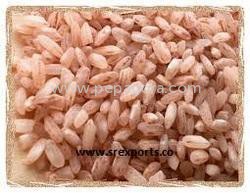
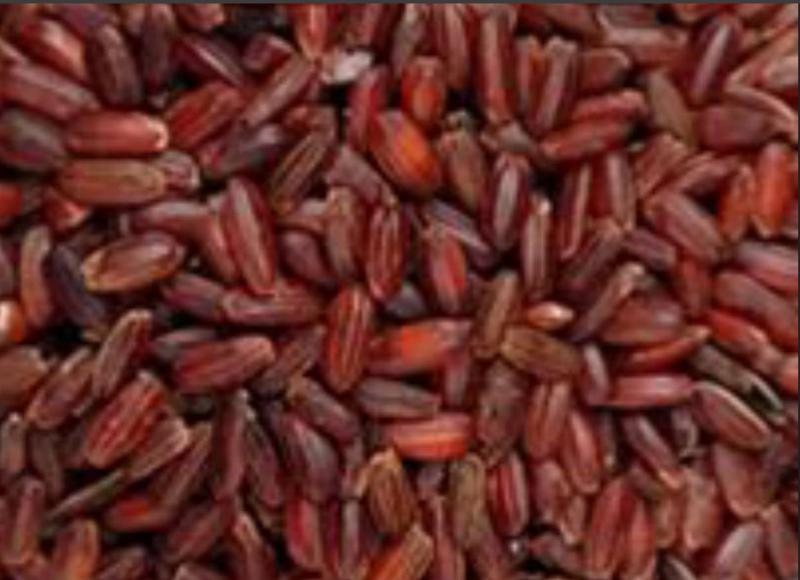
Organic rice refers to rice varieties that are cultivated without the use of synthetic fertilizers, pesticides, or genetically modified organisms. This category includes brown, red, and black rice, each offering unique nutritional benefits and flavors. Brown rice retains its bran and germ, making it a whole grain rich in fiber and essential nutrients. Red rice is characterized by its reddish-brown color, which comes from anthocyanins, providing antioxidant properties. Black rice, also known as forbidden rice, has a deep black color and is packed with antioxidants and a slightly sweet flavor.
These rice varieties have various uses across multiple sectors. In the food industry, they serve as staple ingredients for health-conscious consumers and gourmet dishes. Restaurants and catering services often incorporate organic rice into their menus to appeal to health-oriented clientele. Additionally, organic rice is used in the production of rice flour and snacks, making it relevant in the health food market. The growing demand for organic products reflects a broader trend in consumer preferences, emphasizing sustainability and health.
𝗞𝗲𝘆 𝗙𝗲𝗮𝘁𝘂𝗿𝗲𝘀 𝗮𝗻𝗱 𝗦𝗽𝗲𝗰𝗶𝗳𝗶𝗰𝗮𝘁𝗶𝗼𝗻𝘀
Organic rice comes with specific features and specifications that make it appealing to businesses. Understanding these can help buyers make informed choices.
Key specifications include:
1. Grain Type
- Brown rice is whole grain with a nutty flavor.
- Red rice is known for its earthy taste and high fiber content.
2. Nutritional Value
- High in antioxidants and essential minerals.
- Contains a significant amount of dietary fiber.
3. Certification
- Certified organic to ensure no synthetic chemicals are used.
- Complies with organic farming standards.
4. Moisture Content
- Typically ranges between 12-14%.
- Important for storage and shelf life.
5. Packaging Options
- Available in bulk or retail packaging.
- Eco-friendly packaging options are often offered.
6. Shelf Life
- Generally has a shelf life of 6-12 months when stored properly.
- Longer shelf life for vacuum-sealed packaging.
7. Cooking Time
- Brown rice takes about 40-50 minutes to cook.
- Red rice and black rice generally require longer cooking times.
8. Flavor Profile
- Brown rice has a mild, nutty flavor.
- Red rice has a richer, earthier taste.
- Black rice has a slightly sweet, nutty flavor.
These specifications highlight the unique properties of organic rice, making it a desirable choice for various applications.
𝗖𝗼𝗺𝗺𝗼𝗻 𝗔𝗽𝗽𝗹𝗶𝗰𝗮𝘁𝗶𝗼𝗻𝘀 𝗮𝗻𝗱 𝗨𝘀𝗲 𝗖𝗮𝘀𝗲𝘀
Organic rice is versatile and serves multiple industries effectively.
1. Food Service Industry: Restaurants and caterers use organic rice as a base for dishes, appealing to health-conscious consumers.
2. Health Food Market: Organic rice is a popular ingredient in health snacks and gluten-free products, aligning with the trend towards healthier eating.
3. Retail Grocery: Health-focused grocery stores stock organic rice varieties to meet consumer demand for organic and natural products.
4. Food Manufacturing: Manufacturers of rice-based products, such as flour and snacks, leverage organic rice for its quality and health benefits.
5. Export Markets: Organic rice is increasingly sought after in international markets, catering to global demand for organic products.
𝗣𝗿𝗼𝗱𝘂𝗰𝘁 𝗩𝗮𝗿𝗶𝗮𝗻𝘁𝘀 𝗮𝗻𝗱 𝗦𝘂𝗯𝗰𝗮𝘁𝗲𝗴𝗼𝗿𝗶𝗲𝘀
Organic rice includes several variants, each catering to different culinary needs and preferences.
Brown Rice: This whole grain is high in fiber and has a nutty flavor, making it ideal for salads, stir-fries, and as a side dish. It is often preferred for its health benefits and versatility in various cuisines.
Red Rice: Known for its rich flavor and high nutritional content, red rice is often used in traditional dishes. It adds color and texture to meals, making it a favorite among chefs focusing on gourmet cooking.
Black Rice: Black rice, often referred to as forbidden rice, is prized for its unique flavor and high antioxidant content. It is commonly used in desserts, salads, and as a striking side dish, appealing to health-conscious and gourmet diners.
𝗕𝗲𝗻𝗲𝗳𝗶𝘁𝘀 𝗮𝗻𝗱 𝗔𝗱𝘃𝗮𝗻𝘁𝗮𝗴𝗲𝘀
Sourcing organic rice offers several advantages that can enhance business operations and product offerings.
1. Health Benefits: Organic rice is rich in nutrients, including fiber, antioxidants, and essential minerals, promoting better health and wellness.
2. Consumer Demand: The trend toward organic products means higher consumer interest, allowing businesses to cater to a growing market segment.
3. Sustainability: Organic farming practices contribute to environmental sustainability, appealing to eco-conscious consumers and businesses.
4. Flavor Profile: The distinctive flavors of brown, red, and black rice can enhance the culinary experience, making dishes more appealing.
5. Versatility: Organic rice can be used in various applications, from main dishes to snacks, providing flexibility in product offerings.
6. Quality Assurance: Certified organic rice ensures high quality and safety standards, building trust with consumers.
𝗕𝘂𝘆𝗶𝗻𝗴 𝗚𝘂𝗶𝗱𝗲 𝗳𝗼𝗿 𝗕𝟮𝗕 𝗕𝘂𝘆𝗲𝗿𝘀
When sourcing organic rice, businesses should consider several key factors to ensure they make informed decisions.
1. Quality Assessment: Look for certifications such as organic or non-GMO to ensure the quality of the rice. Consider sensory evaluations, including taste and texture, to match product needs.
2. Supplier Verification: Vet suppliers thoroughly to ensure they adhere to organic farming standards and have a good reputation in the market. Checking references and reviews can provide insights into their reliability.
3. Pricing and MOQ: Understand the pricing structures and minimum order quantities (MOQ) offered by suppliers. Compare prices to ensure competitive and fair sourcing.
4. Delivery and Lead Times: Assess the logistics of delivery and lead times. Ensure that suppliers can meet your operational needs without significant delays.
5. Compliance Requirements: Be aware of regulatory compliance related to organic products. Ensure that suppliers can provide necessary documentation and adhere to local standards.
𝗖𝗼𝗺𝗽𝗹𝗶𝗮𝗻𝗰𝗲 𝗮𝗻𝗱 𝗖𝗲𝗿𝘁𝗶𝗳𝗶𝗰𝗮𝘁𝗶𝗼𝗻𝘀
Organic rice must meet various compliance and certification standards to ensure quality and safety in the market. Relevant quality standards include ISO 9001, which focuses on quality management systems, and HACCP, which emphasizes food safety. These standards help ensure that the rice is produced, processed, and handled properly.
Industry certifications, such as CE, demonstrate that the products meet European safety and health requirements. This can be particularly important for businesses exporting to international markets.
Safety and testing requirements are essential in the organic rice industry. Regular testing for contaminants and adherence to organic farming practices are crucial for maintaining product integrity.
Regional compliance considerations may vary, but it is vital to stay informed about the specific regulations in the regions where the rice will be sold or used. This ensures compliance with local organic standards and enhances marketability.
Why Source Organic Rice (Brown, Red, Black) from Pepagora?
Pepagora provides a trusted platform for sourcing organic rice, offering significant advantages for businesses looking to make informed purchasing decisions.
Verified Supplier Network: Pepagora connects buyers with a network of verified suppliers who adhere to strict organic farming standards. This ensures that businesses can source high-quality rice with confidence.
Streamlined RFQ Process: The platform simplifies the request for quotation process, allowing buyers to quickly compare prices and options from various suppliers. This efficiency helps businesses secure the best deals.
Trade Assurance and Support: Pepagora offers trade assurance, protecting buyers against potential risks in transactions. This added layer of security fosters trust and encourages smoother business interactions.
Regional Coverage: With a strong presence in India, the GCC, and Southeast Asia, Pepagora extends its reach to a broad market. This geographic coverage ensures that businesses can source organic rice from reliable suppliers in various regions.
Organic Rice refers to rice that is cultivated without the use of synthetic fertilizers, pesticides, or genetically modified organisms (GMOs). Brown, red, and black varieties are whole grains that retain their natural nutrients and have distinct flavors and textures.
2
What are the different types of Organic Rice (Brown, Red, Black)?
The main types of Organic Rice include Brown Rice, which is minimally processed and retains its bran layer; Red Rice, known for its rich color and nutty flavor; and Black Rice, often referred to as 'forbidden rice' due to its historical rarity and high antioxidant content. Each variety offers unique health benefits and culinary uses.
3
How do I choose the right Organic Rice (Brown, Red, Black)?
When selecting Organic Rice, consider factors such as the intended use, flavor profile, and nutritional benefits. It's also important to look for reputable suppliers and check for certifications that confirm the rice is organic.
4
What are the standard specifications for Organic Rice (Brown, Red, Black)?
Standard specifications for Organic Rice typically include moisture content, grain length, and absence of contaminants. Additionally, organic certification and quality grading can vary depending on regional standards.
5
What is the price range for Organic Rice (Brown, Red, Black)?
The price of Organic Rice can vary significantly based on the type, quality, and sourcing. Generally, you can expect to pay anywhere from INR 60 to INR 150 per kilogram, depending on market conditions and supplier pricing.
6
What quality standards apply to Organic Rice (Brown, Red, Black)?
Quality standards for Organic Rice include adherence to organic farming practices, absence of synthetic chemicals, and compliance with food safety regulations. Additionally, certifications from recognized bodies ensure that the rice meets organic standards.
7
Where can I find Organic Rice (Brown, Red, Black) suppliers in India?
You can find Organic Rice suppliers in India through online B2B marketplaces, agricultural trade shows, and local organic food networks. Websites like Pepagora.com offer a platform to connect with reliable manufacturers and suppliers.
8
Can Organic Rice (Brown, Red, Black) be customized?
Yes, some suppliers may offer customization options for Organic Rice, such as packaging sizes, blends, or specific processing methods. It's best to communicate your requirements directly with the supplier to see what options are available.
9
What is the typical minimum order quantity for Organic Rice (Brown, Red, Black)?
The typical minimum order quantity (MOQ) for Organic Rice varies by supplier, but it generally ranges from 500 kg to 1 ton. Always check with the supplier for their specific MOQ requirements before placing an order.
10
What is the typical lead time for Organic Rice (Brown, Red, Black)?
The lead time for Organic Rice can vary depending on the supplier and order size but usually ranges from 1 to 4 weeks. Factors such as processing time and shipping logistics may also affect delivery schedules.
Why Businesses Trust Pepagora
Thousands of companies trust Pepagora to source smarter and sell faster
Expand Your Sales Globally
25000+Products listed.Get discovered by global buyers

 IN
IN

 India
India