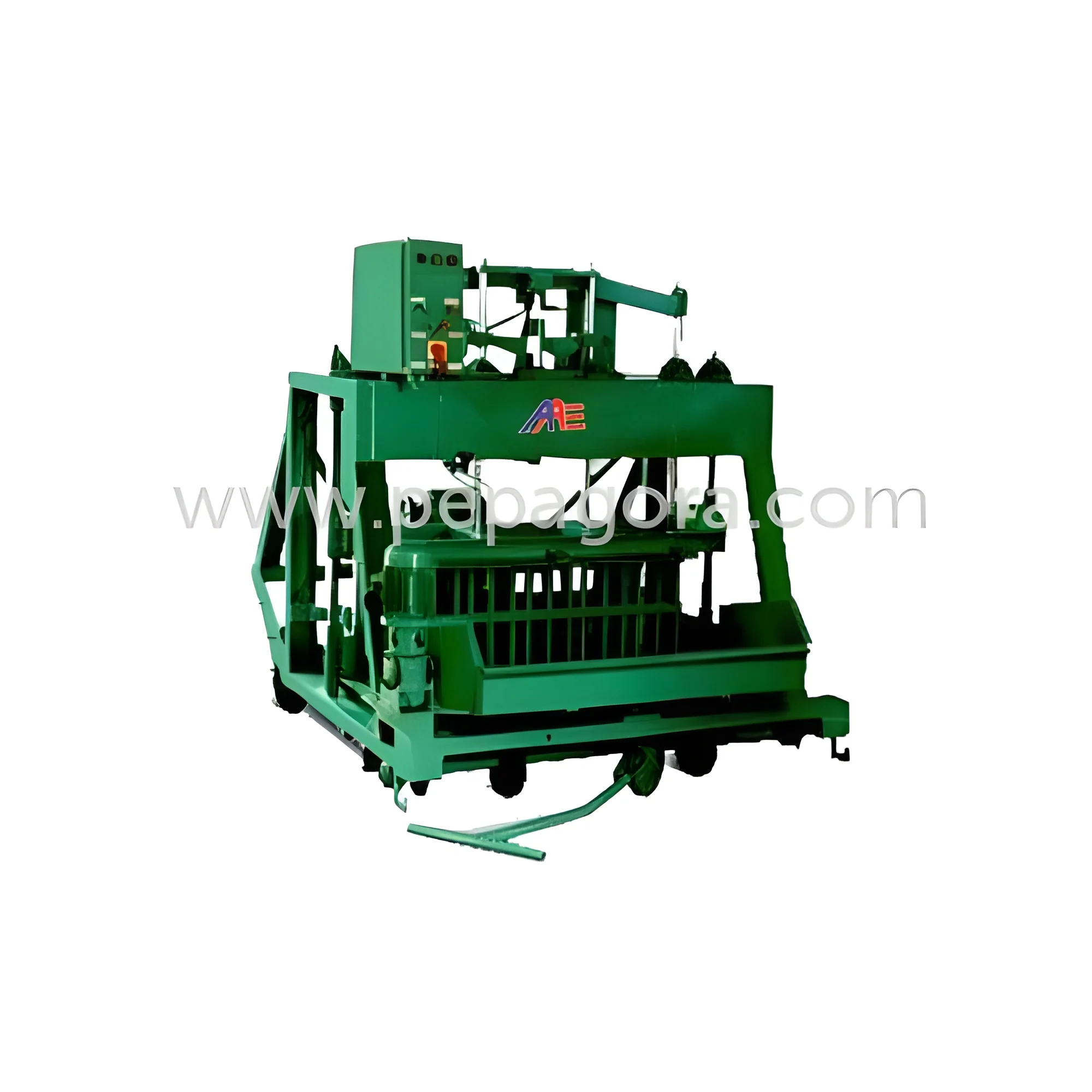
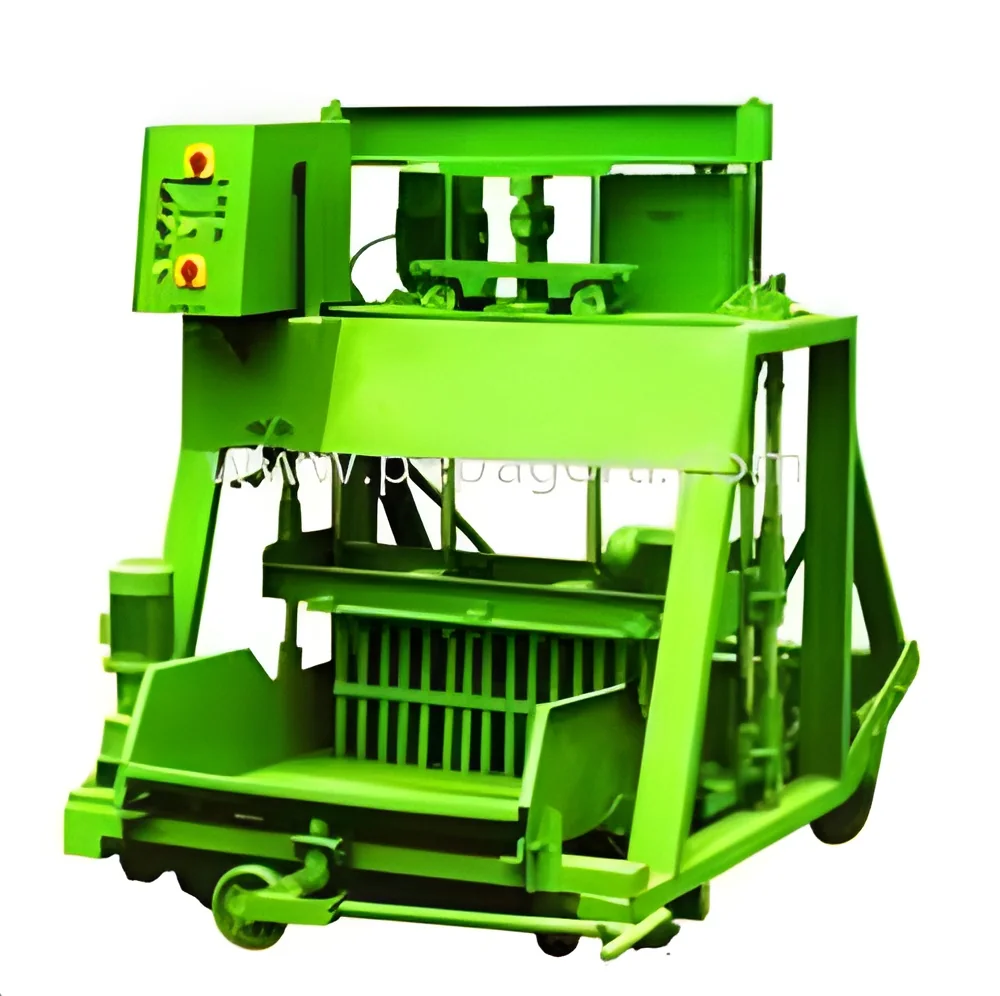
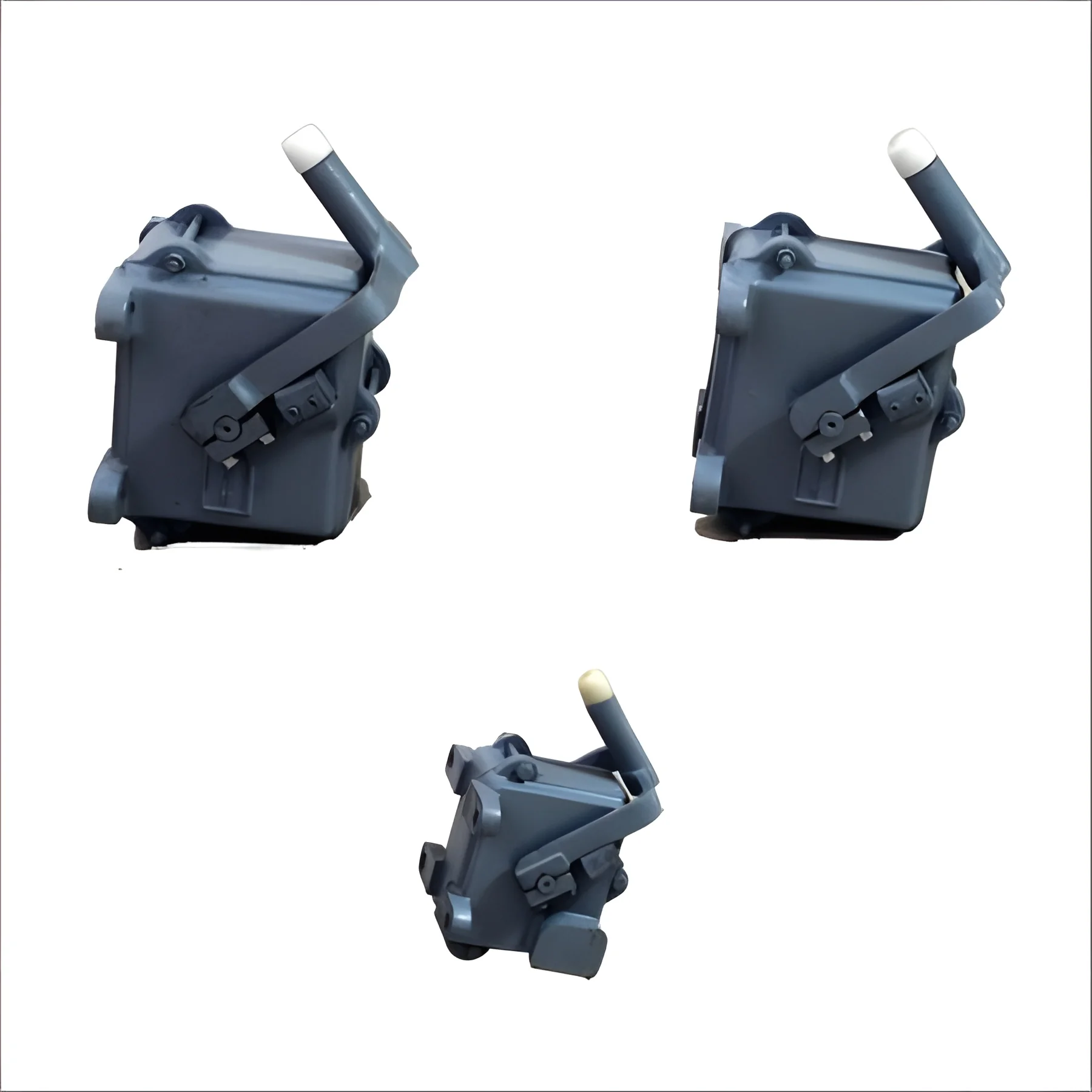
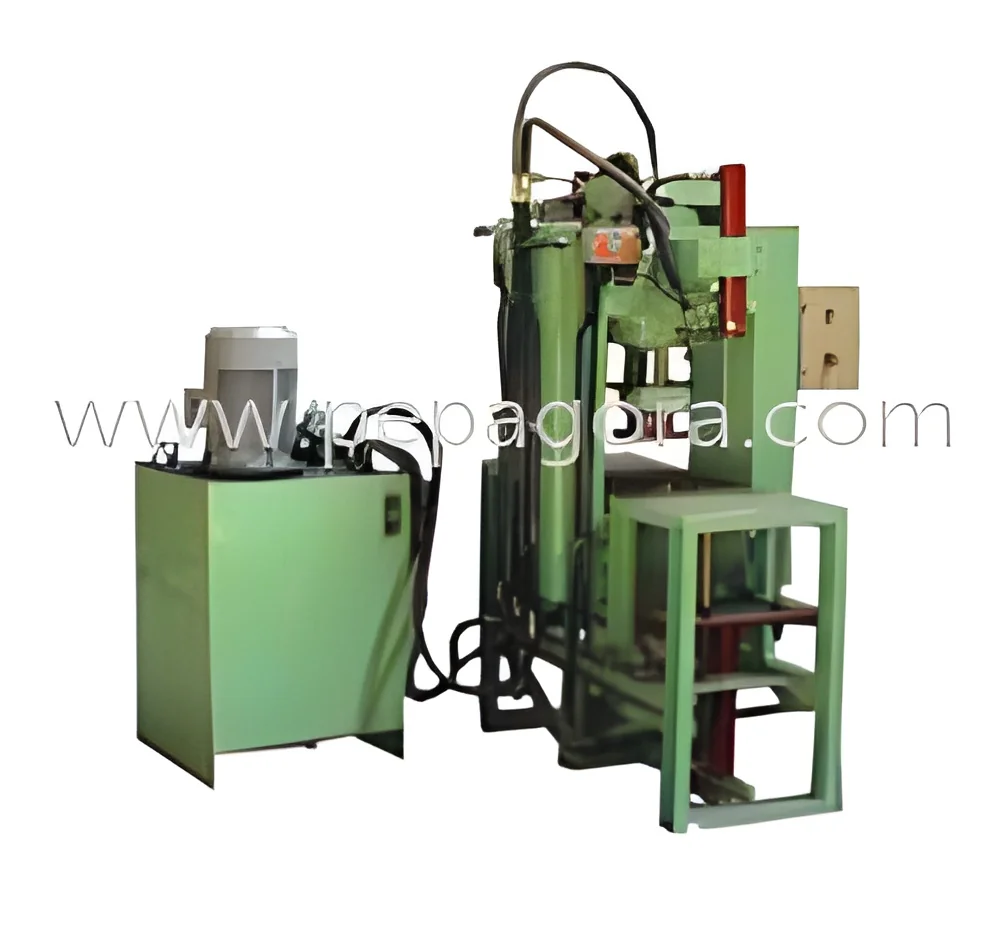
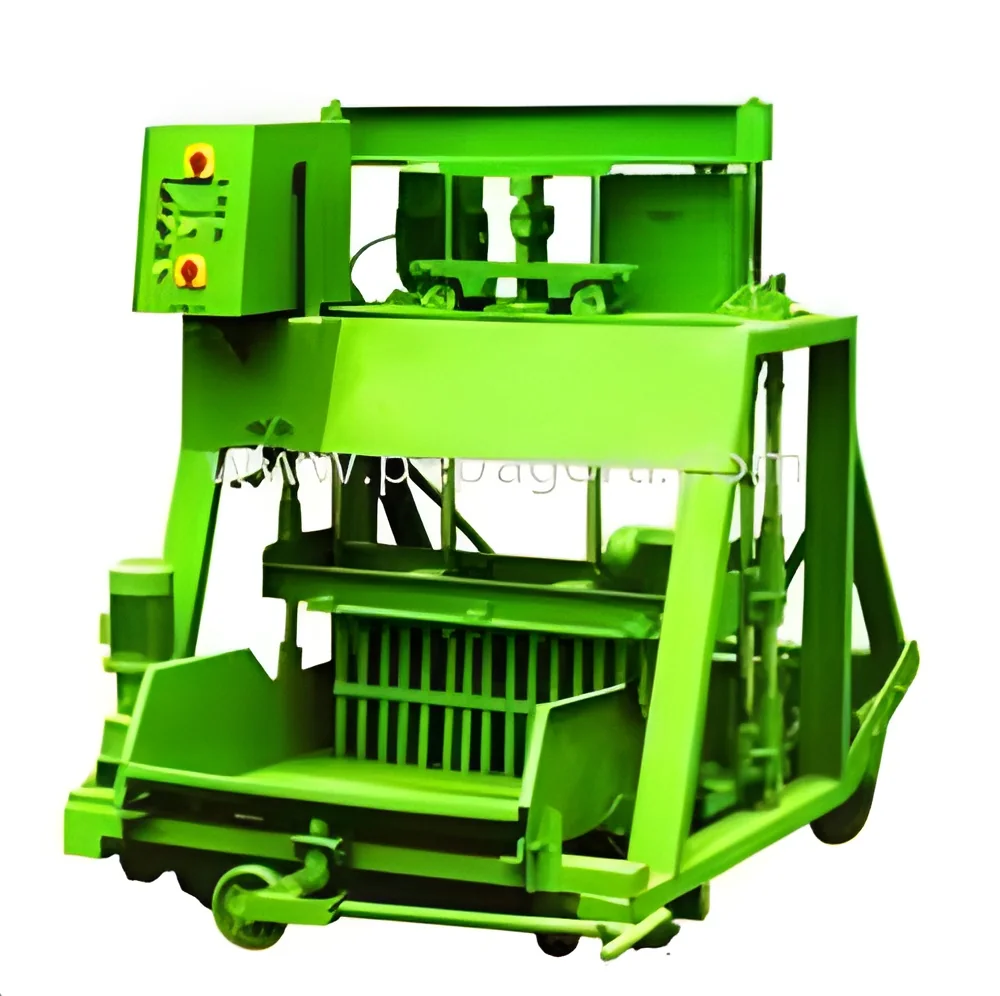
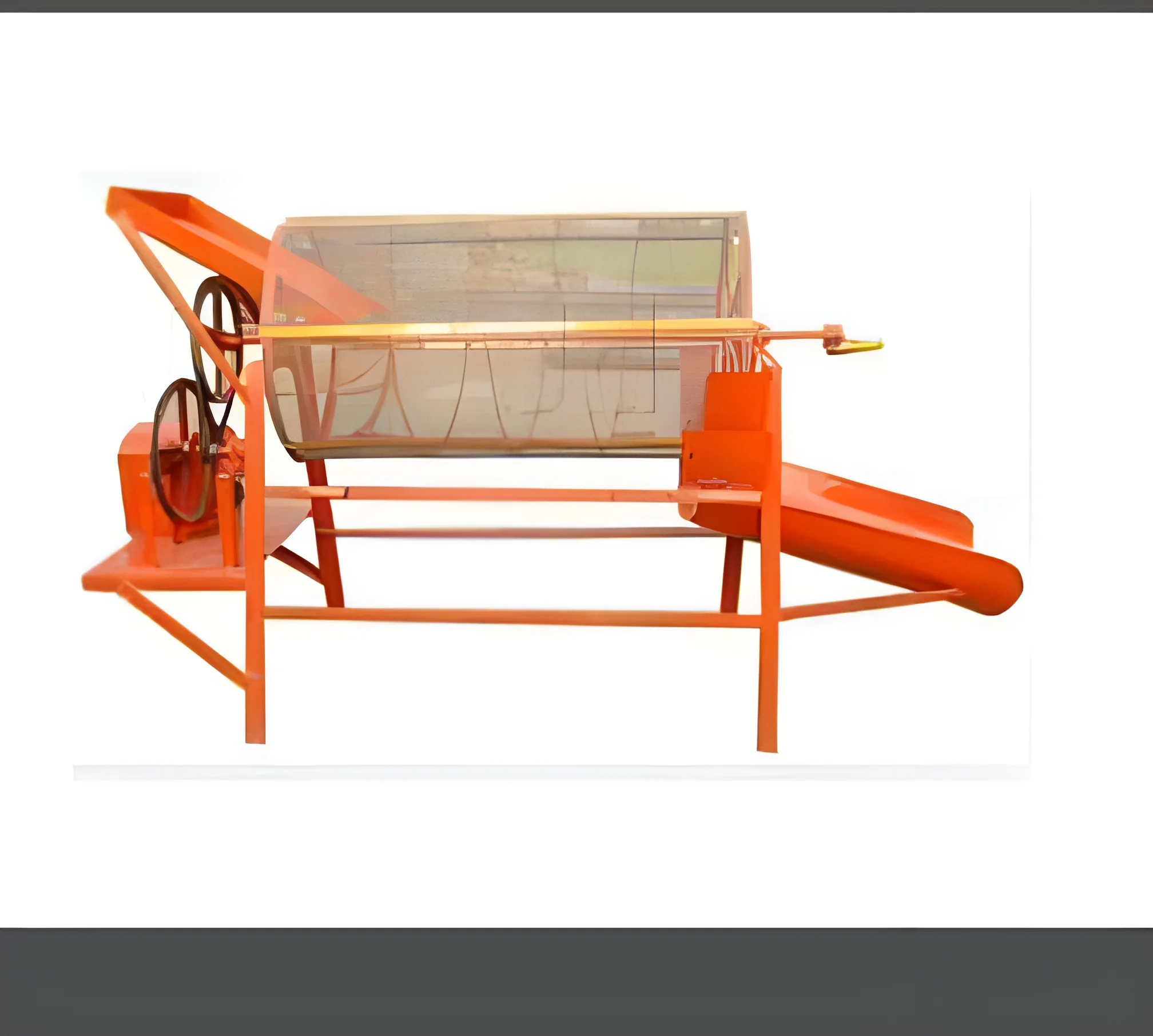
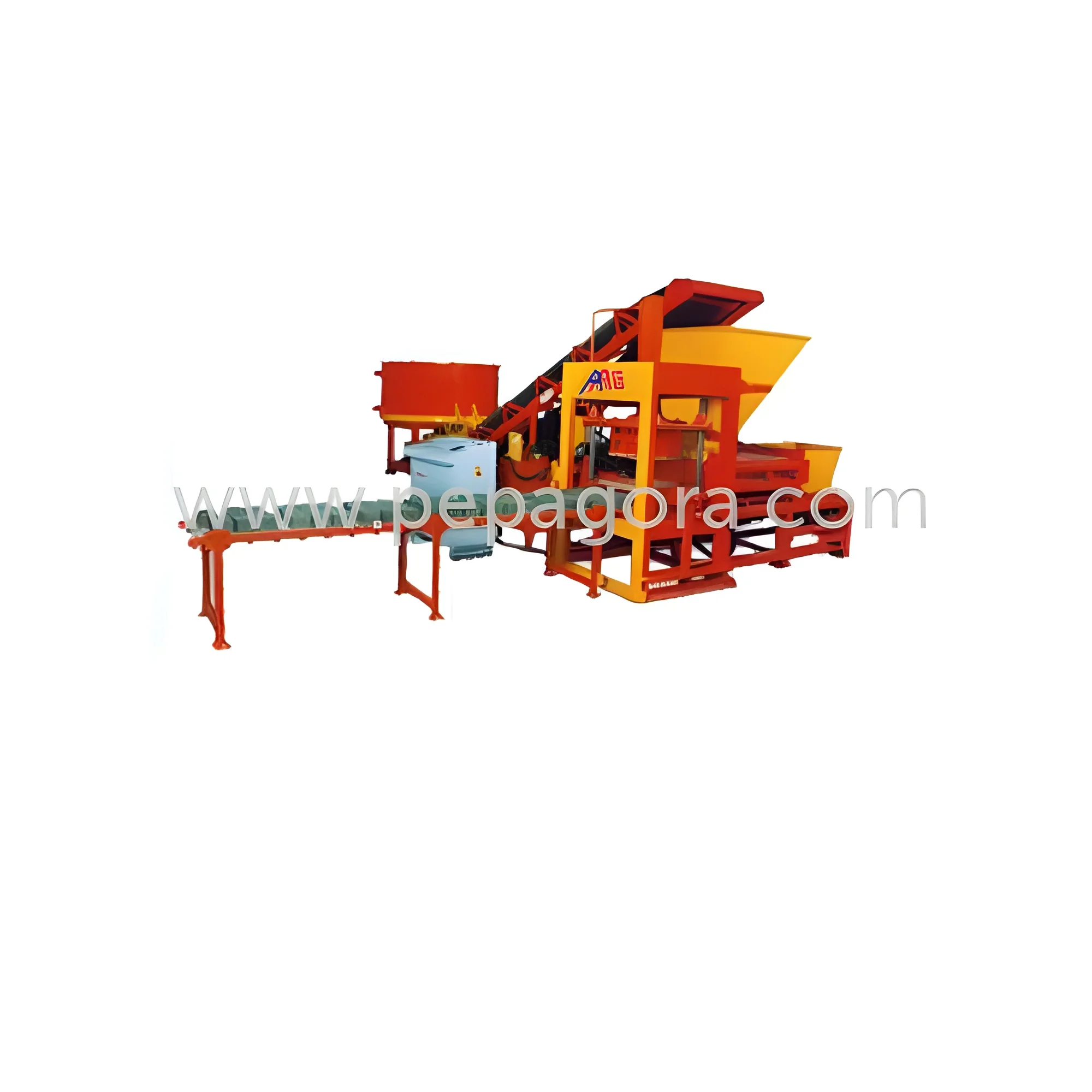
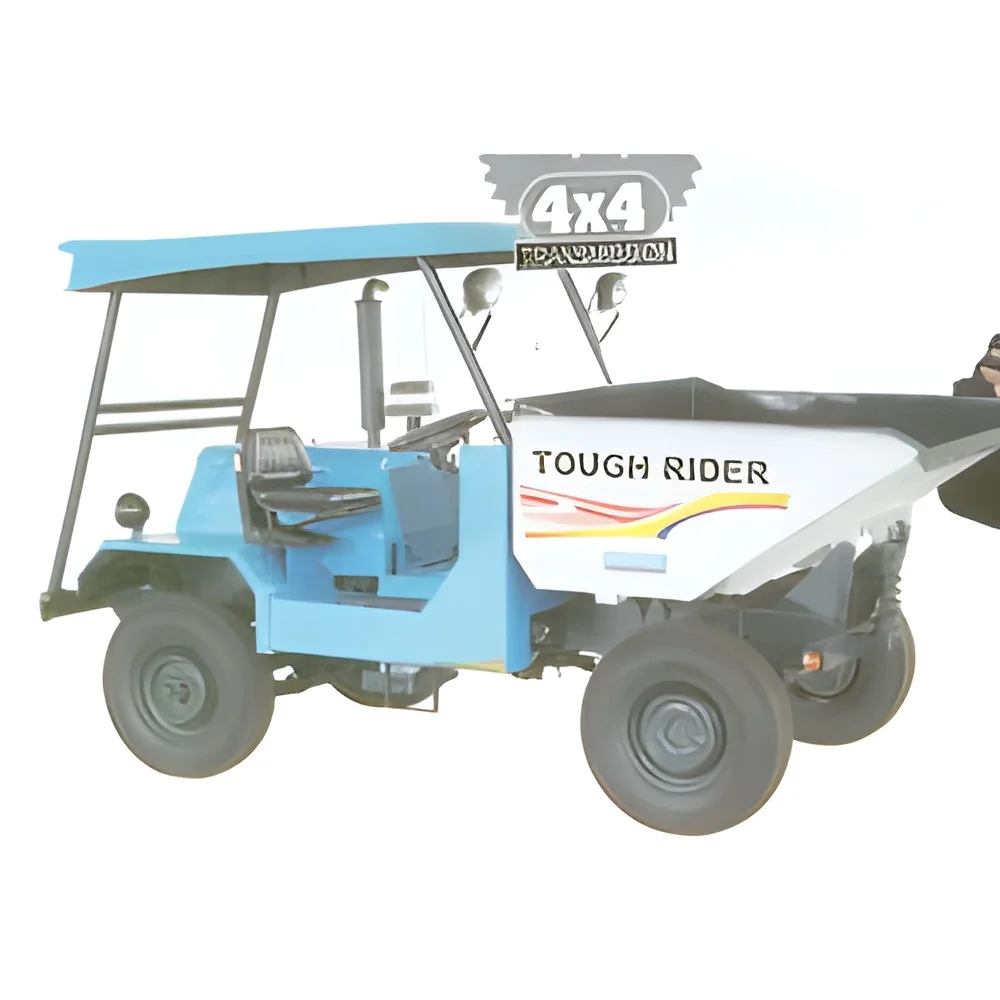
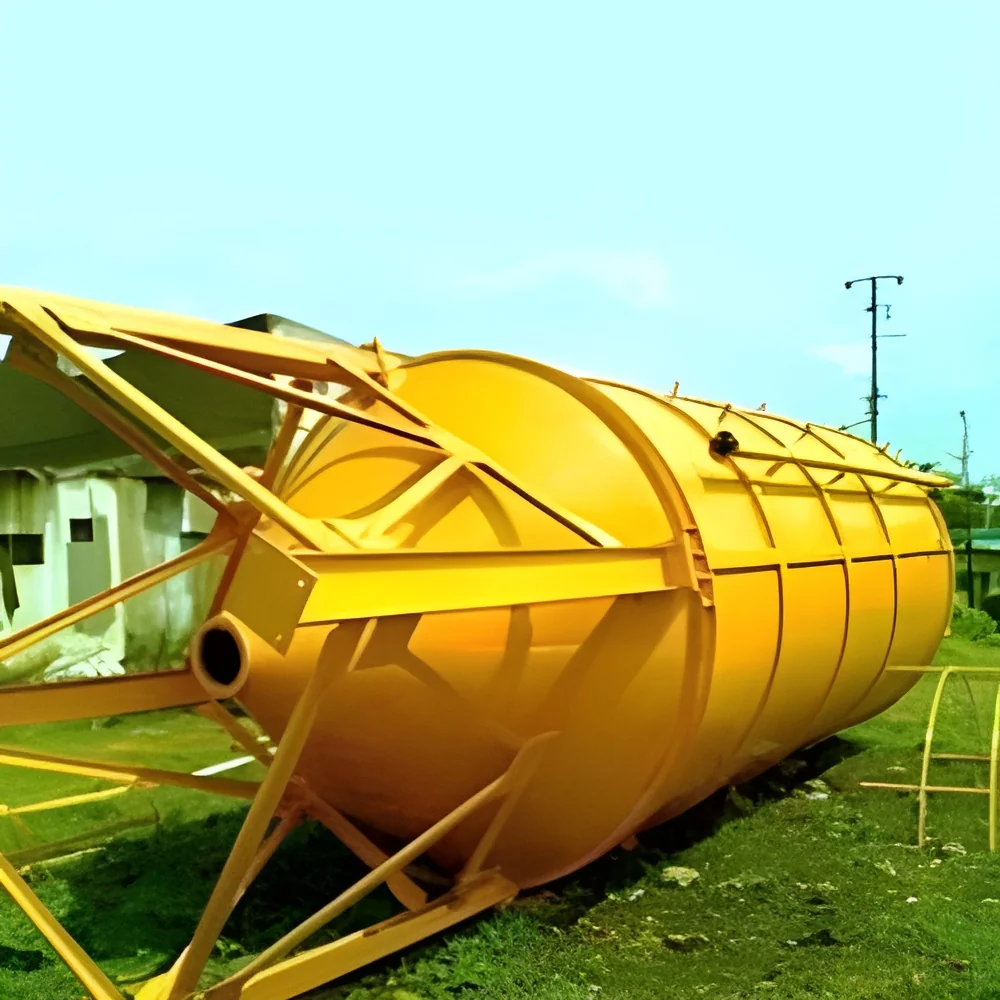
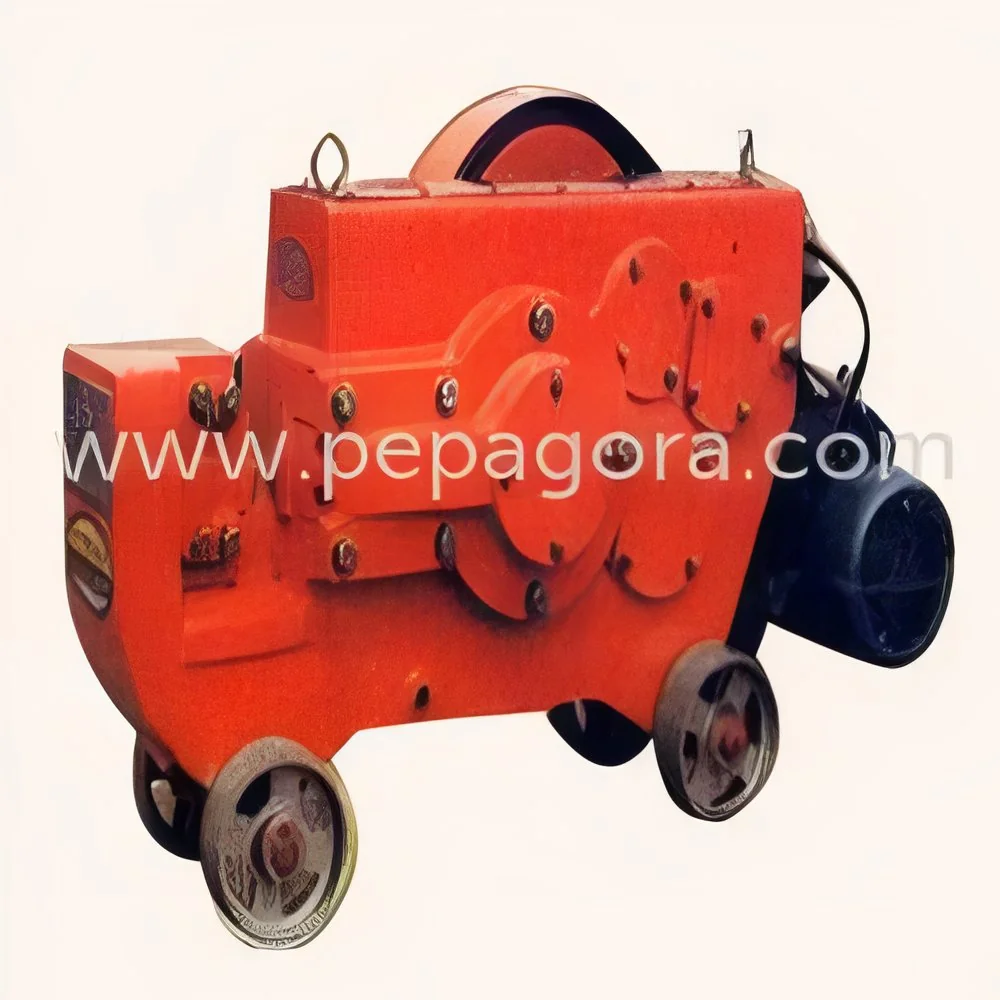
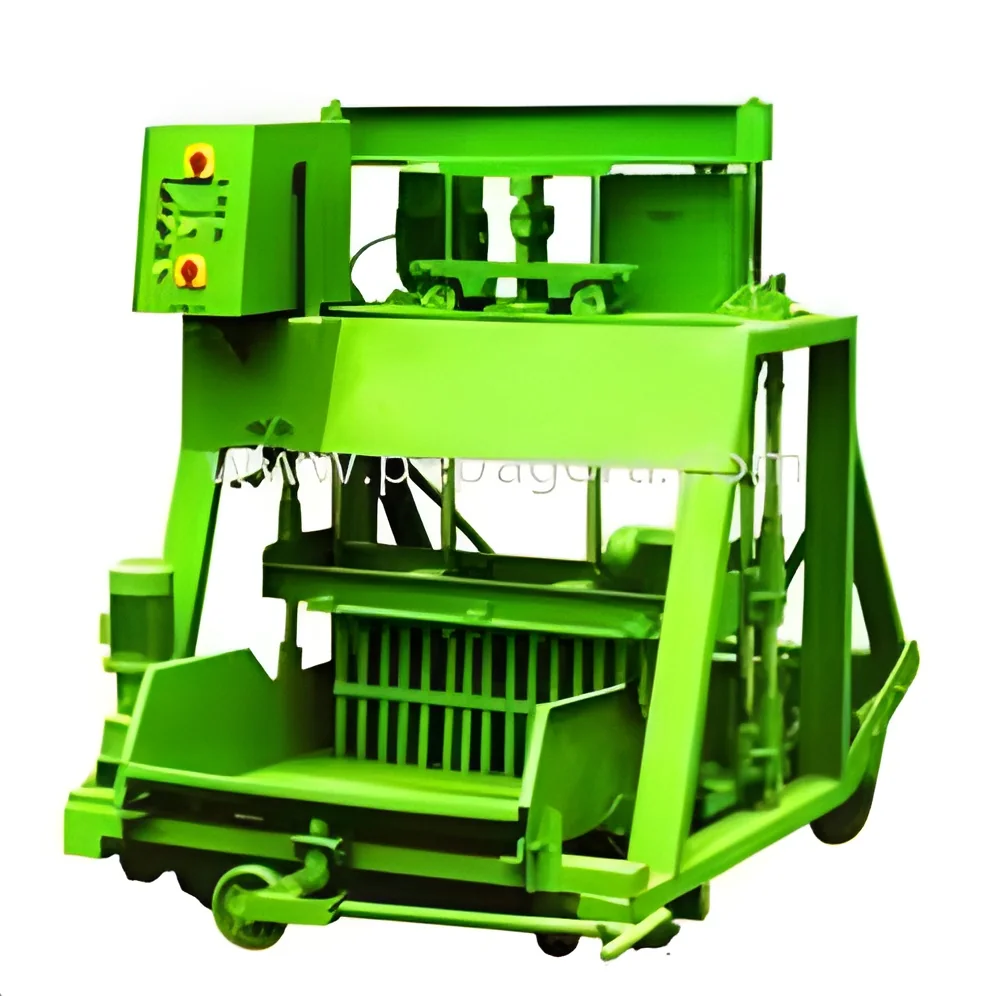
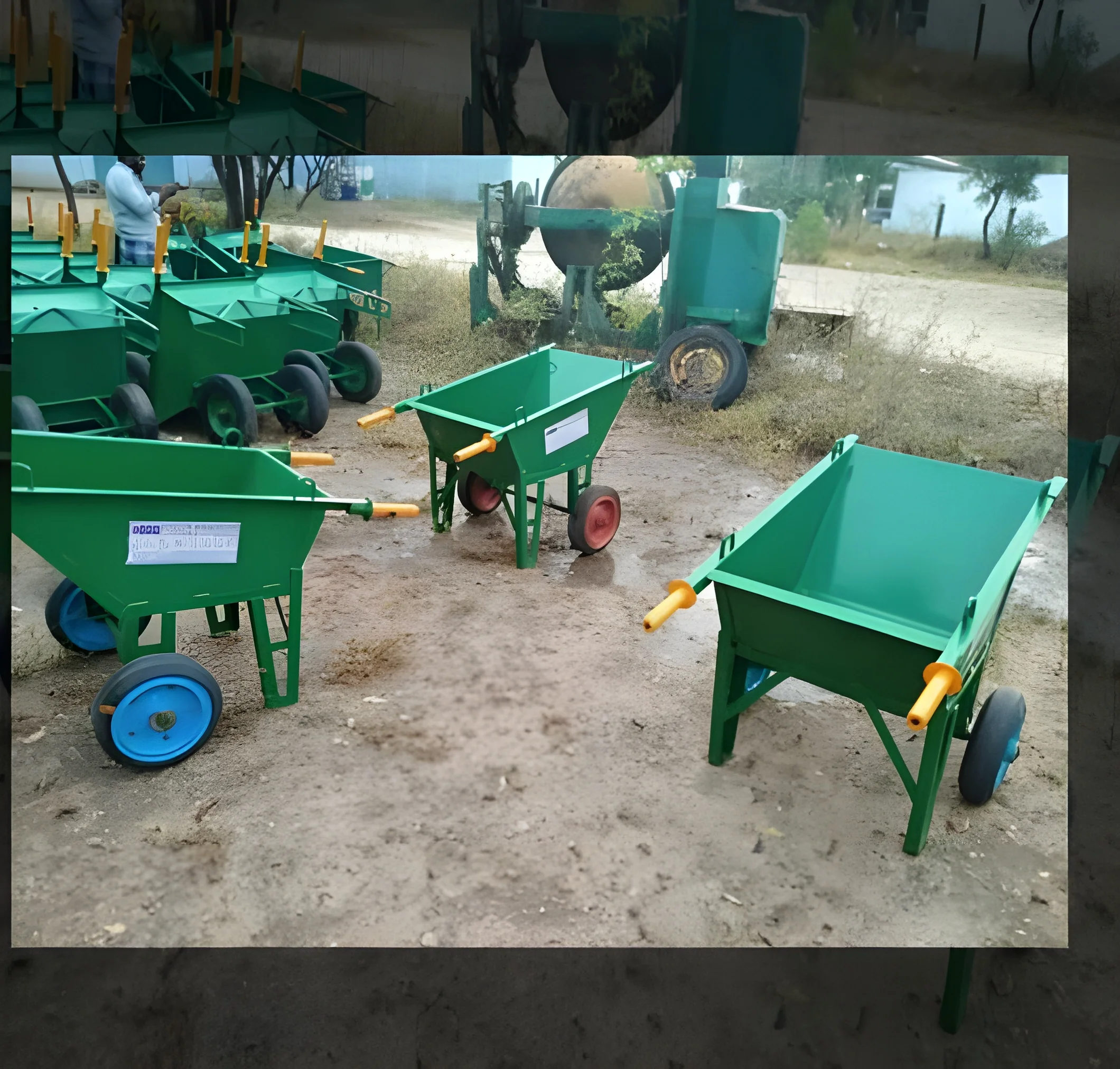
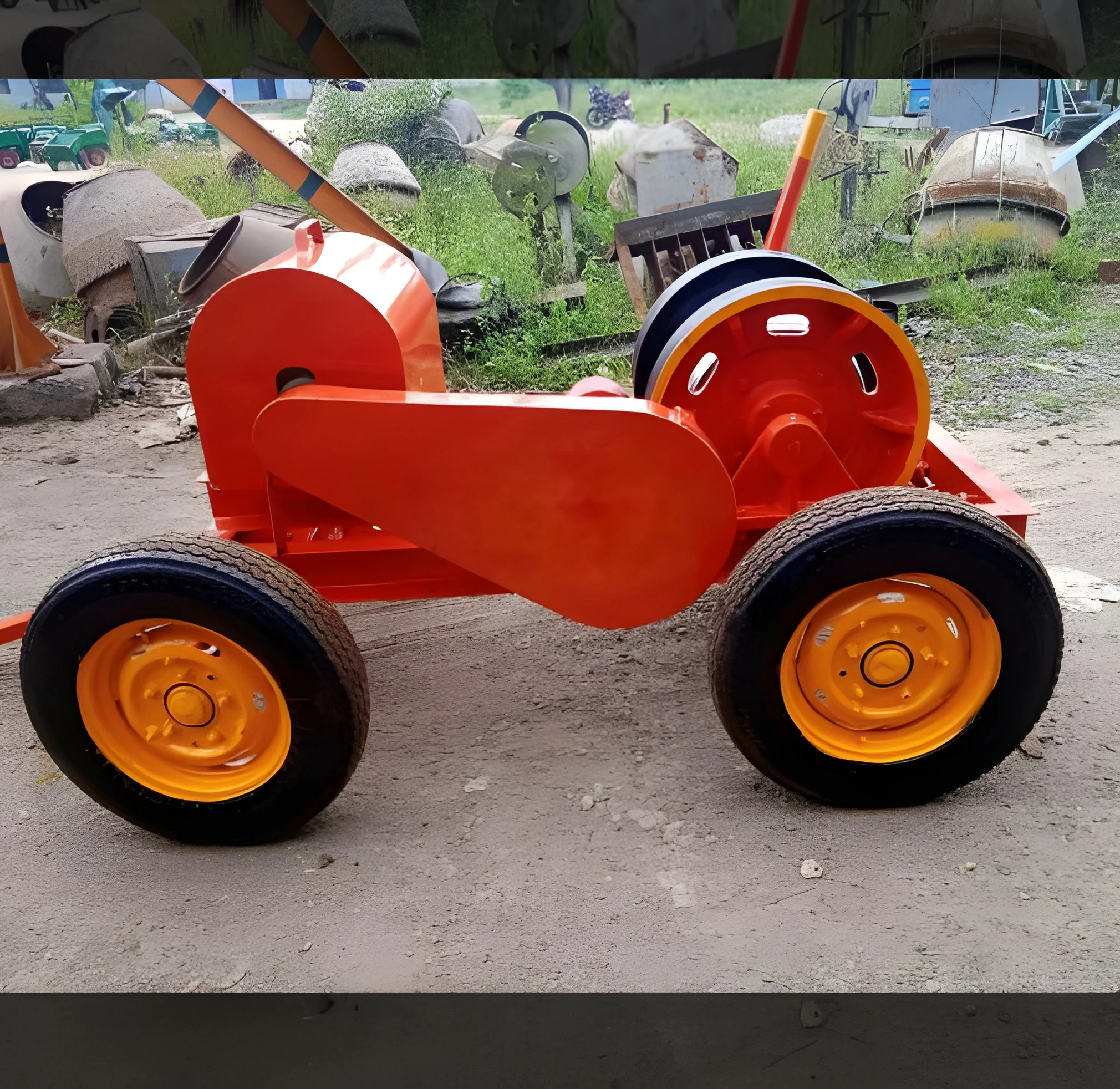
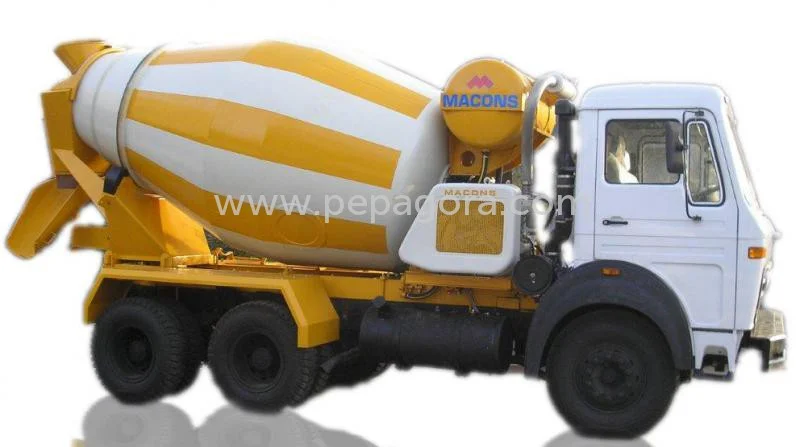
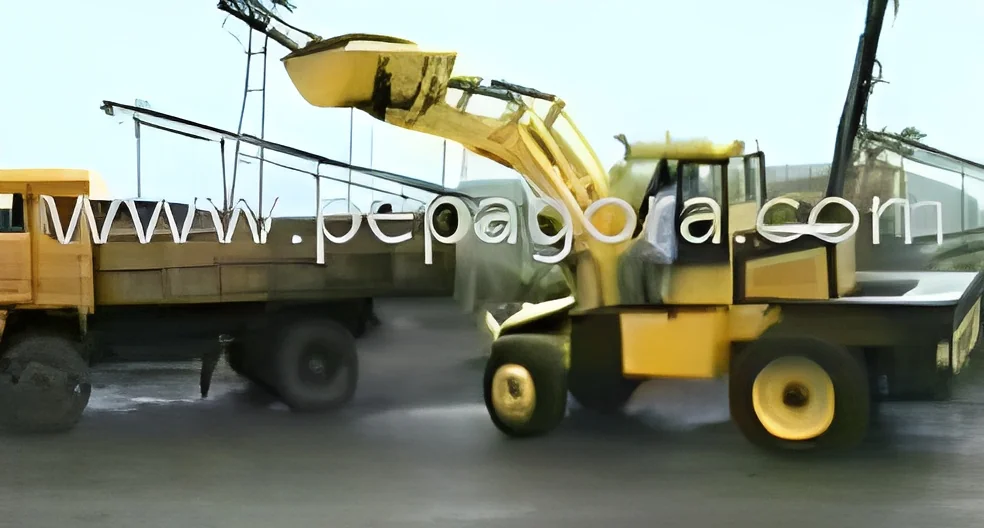
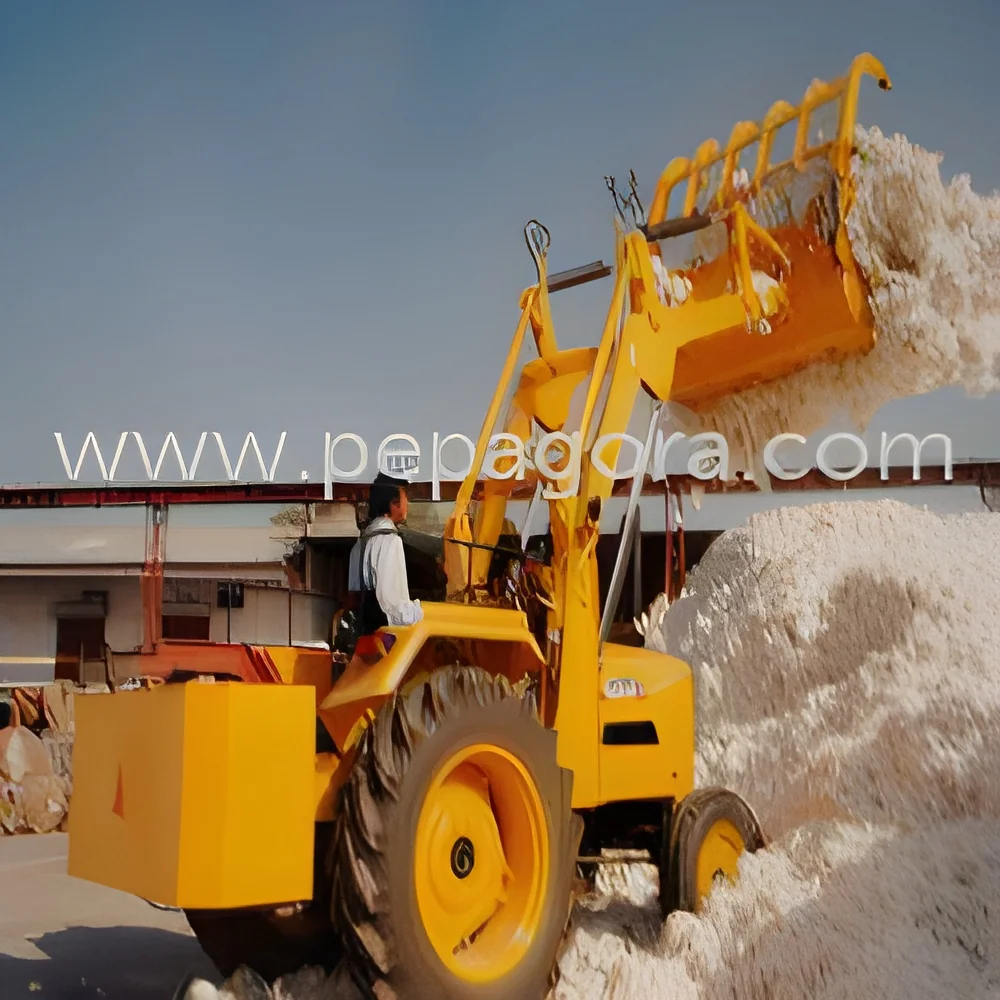
𝗪𝗵𝗮𝘁 𝗮𝗿𝗲 𝗢𝘁𝗵𝗲𝗿 𝗖𝗼𝗻𝘀𝘁𝗿𝘂𝗰𝘁𝗶𝗼𝗻 𝗠𝗮𝗰𝗵𝗶𝗻𝗲𝗿𝘆?
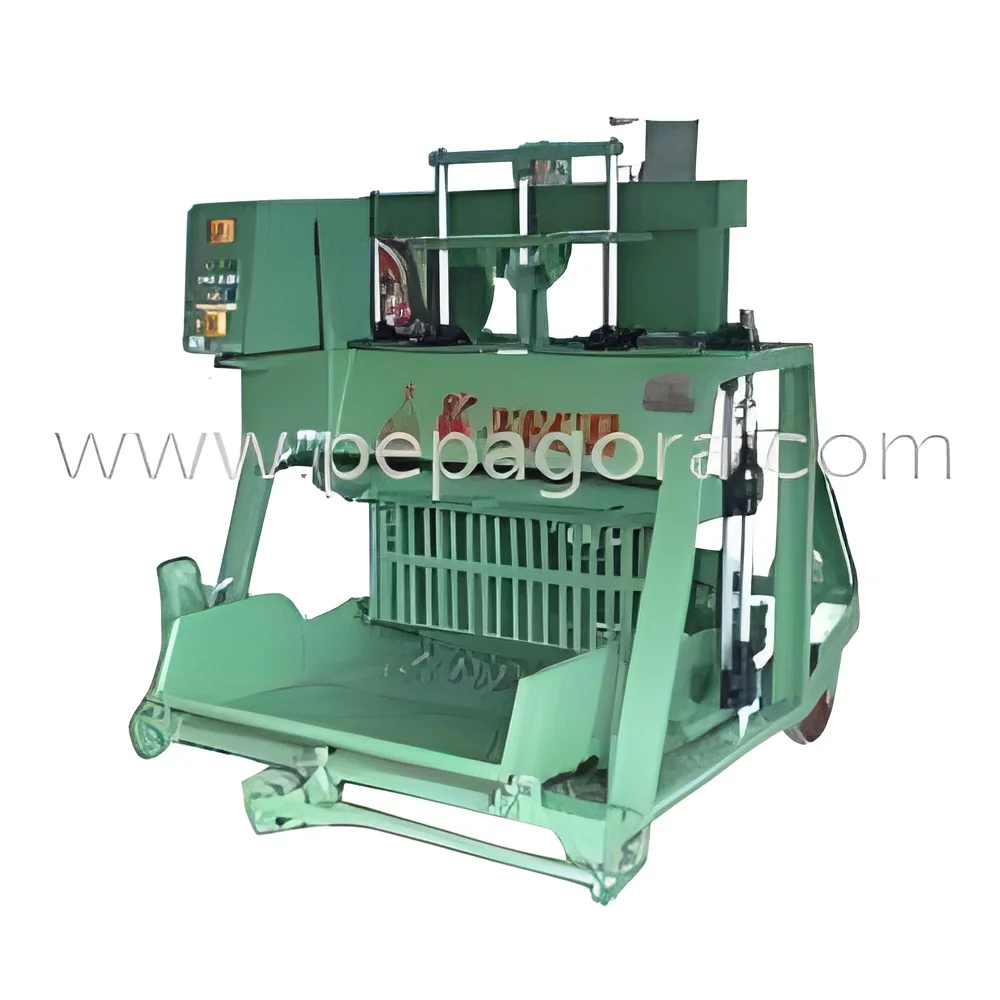
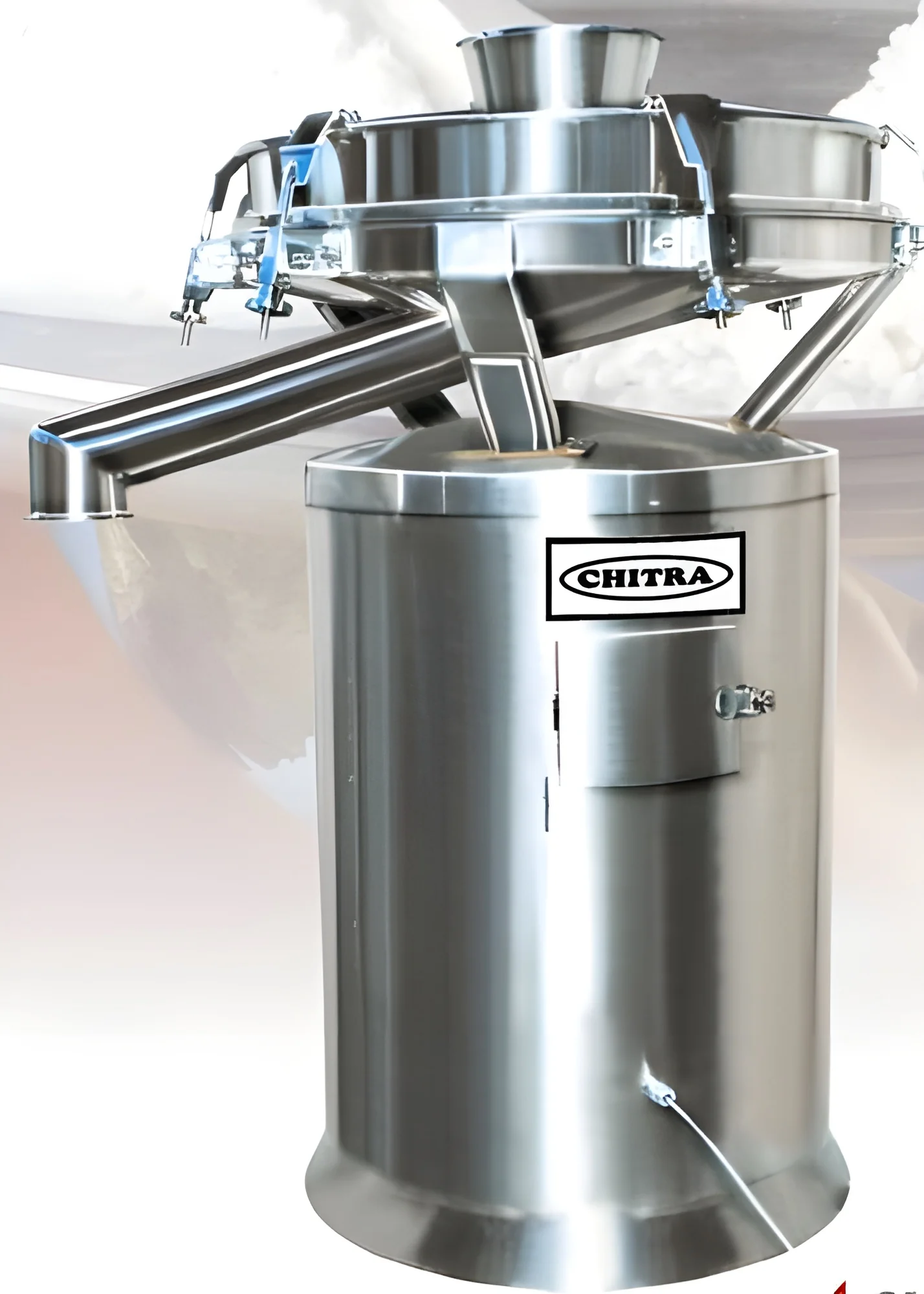
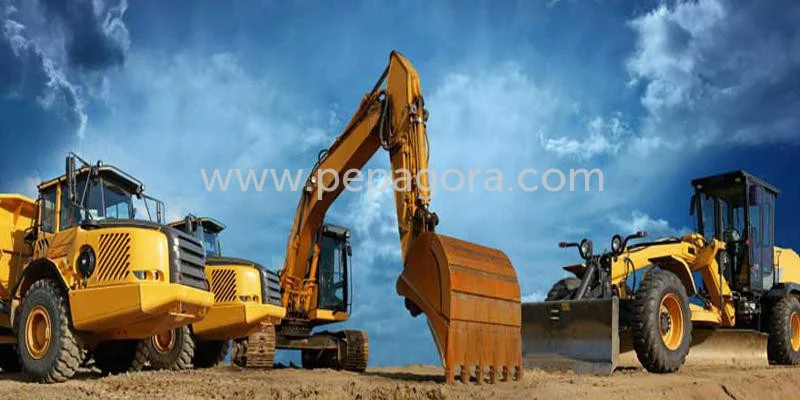
Other construction machinery encompasses a wide range of equipment used in construction projects beyond traditional machines like excavators and bulldozers. It includes specialized tools and machines that enhance efficiency and productivity at construction sites. These machines are designed to perform specific tasks such as lifting, transporting, or compacting materials, making them essential for various construction activities.
These machines find primary use in sectors such as civil engineering, commercial construction, and infrastructure development. They can be employed for tasks such as site preparation, demolition, material handling, and road construction. The relevance of other construction machinery in the industry is significant, as they help in completing projects on time and within budget, thereby contributing to overall project success.
𝗞𝗲𝘆 𝗙𝗲𝗮𝘁𝘂𝗿𝗲𝘀 𝗮𝗻𝗱 𝗦𝗽𝗲𝗰𝗶𝗳𝗶𝗰𝗮𝘁𝗶𝗼𝗻𝘀
Other construction machinery is characterized by a variety of features and specifications tailored to meet the diverse needs of construction projects. Understanding these specifications is crucial for selecting the right machinery for specific applications.
Key specifications include:
1. Operating Weight
- Indicates the overall weight of the machine, affecting stability and transportation.
- Typically ranges from several hundred kilograms to several tons.
2. Engine Power
- Represents the horsepower or kilowatts produced by the engine, influencing performance.
- Commonly ranges from 20 kW to over 200 kW.
3. Load Capacity
- Refers to the maximum weight the machine can handle safely.
- Can vary widely based on the type of machinery, often from 500 kg to several tons.
4. Maximum Reach
- Defines the farthest distance the machine can operate effectively.
- Can range from a few meters to over 15 meters, depending on the equipment.
5. Fuel Efficiency
- Measures the machine's fuel consumption relative to its output.
- Generally expressed in liters per hour or gallons per hour.
6. Operational Speed
- Indicates how quickly the machine can perform its tasks.
- Varies significantly based on the type of machinery, usually measured in meters per minute or revolutions per minute.
7. Safety Features
- Includes mechanisms designed to protect operators and bystanders.
- Common features are emergency stop buttons, seat belts, and rollover protection systems.
8. Maintenance Requirements
- Outlines the necessary upkeep to ensure optimal performance.
- Typically includes regular oil changes, filter replacements, and inspections.
In summary, understanding the key features and specifications of other construction machinery is essential for making informed purchasing decisions that align with project requirements.
𝗖𝗼𝗺𝗺𝗼𝗻 𝗔𝗽𝗽𝗹𝗶𝗰𝗮𝘁𝗶𝗼𝗻𝘀 𝗮𝗻𝗱 𝗨𝘀𝗲 𝗖𝗮𝘀𝗲𝘀
Other construction machinery serves various industries, enhancing operational efficiency and safety.
1. Civil Engineering: These machines are crucial for tasks like earthmoving, grading, and compacting soil during the construction of roads, bridges, and tunnels.
2. Commercial Construction: Equipment such as cranes and lifts are used to handle heavy materials, facilitating the construction of high-rise buildings and large commercial spaces.
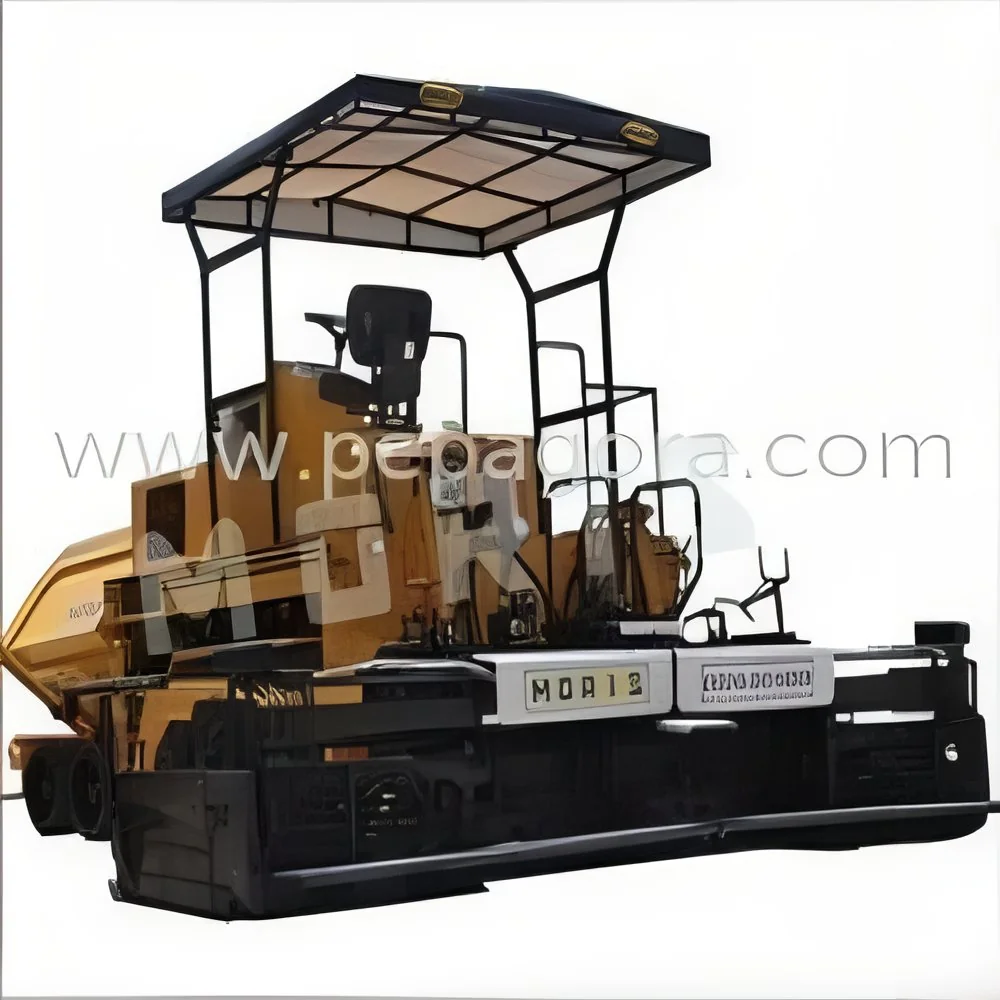
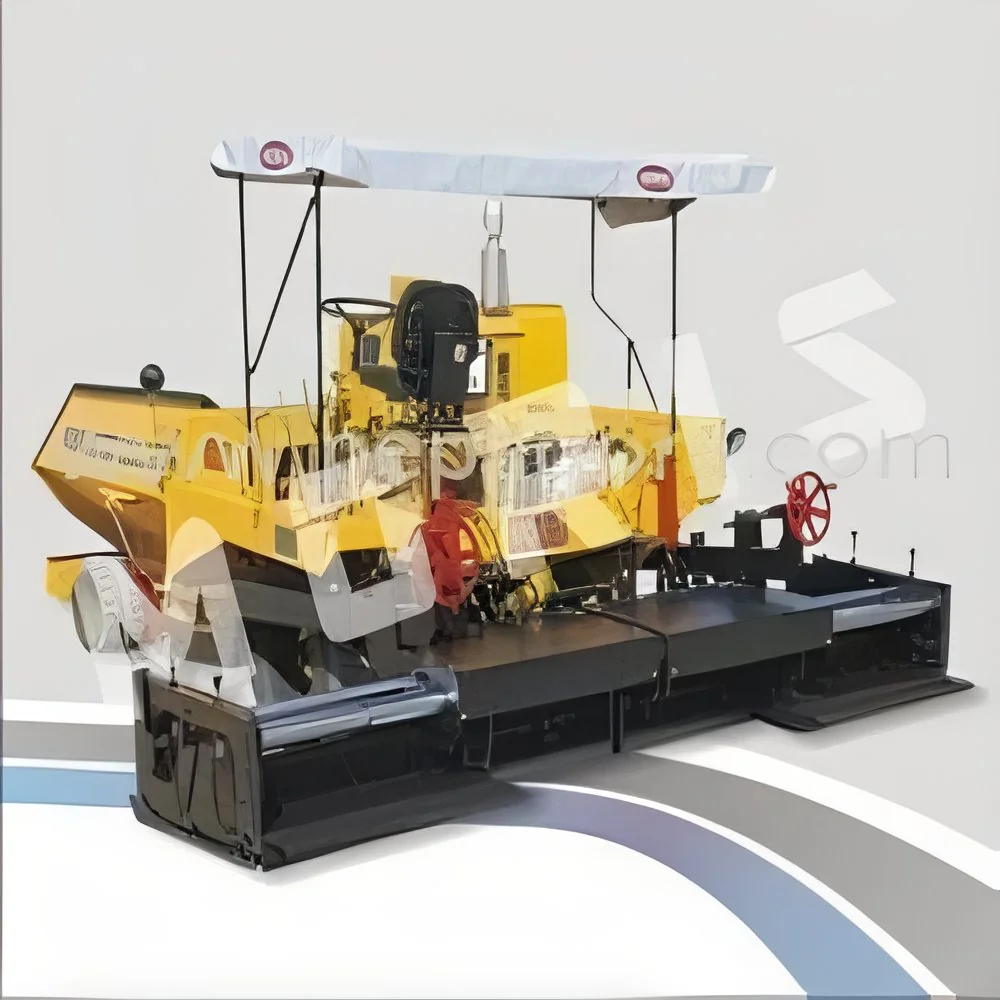
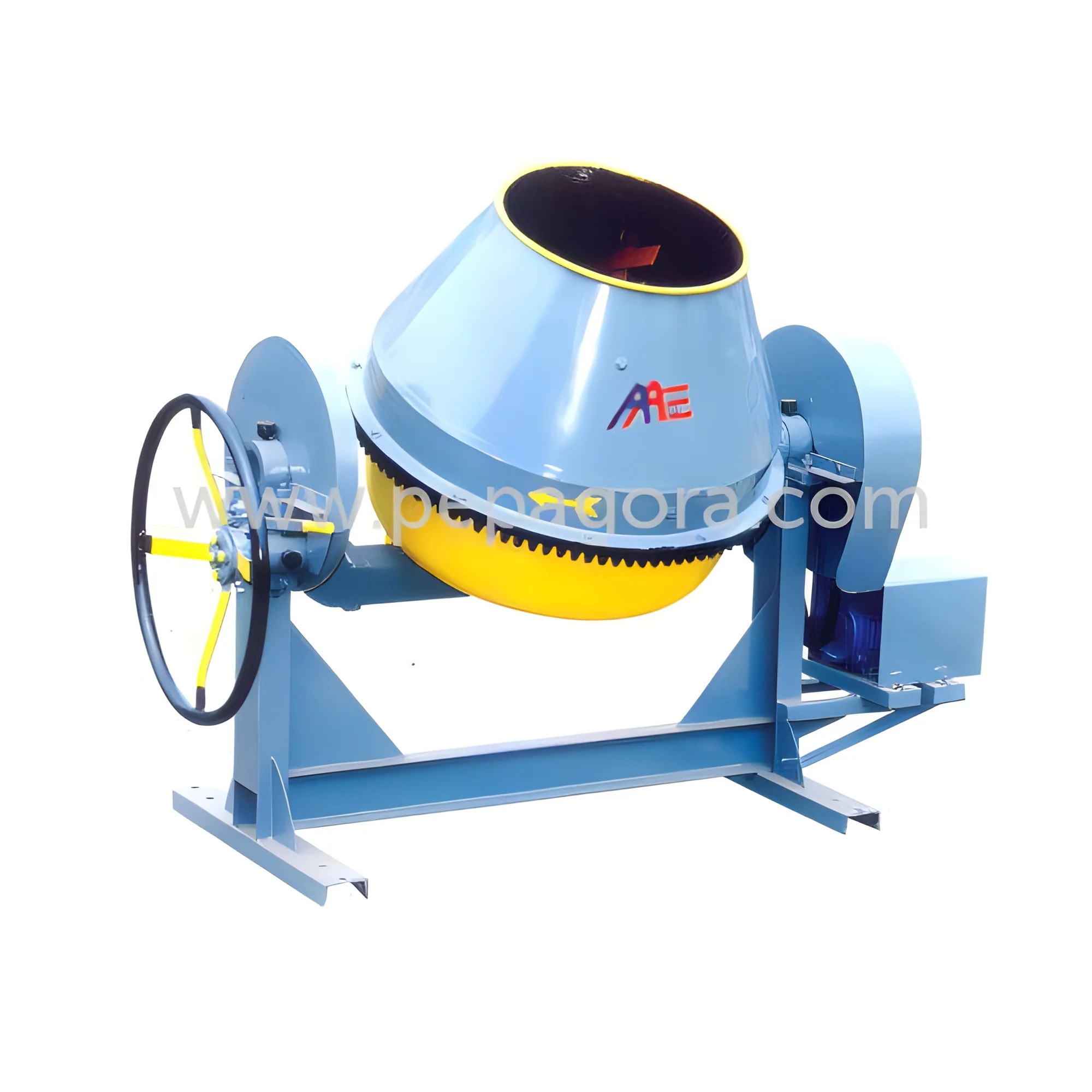
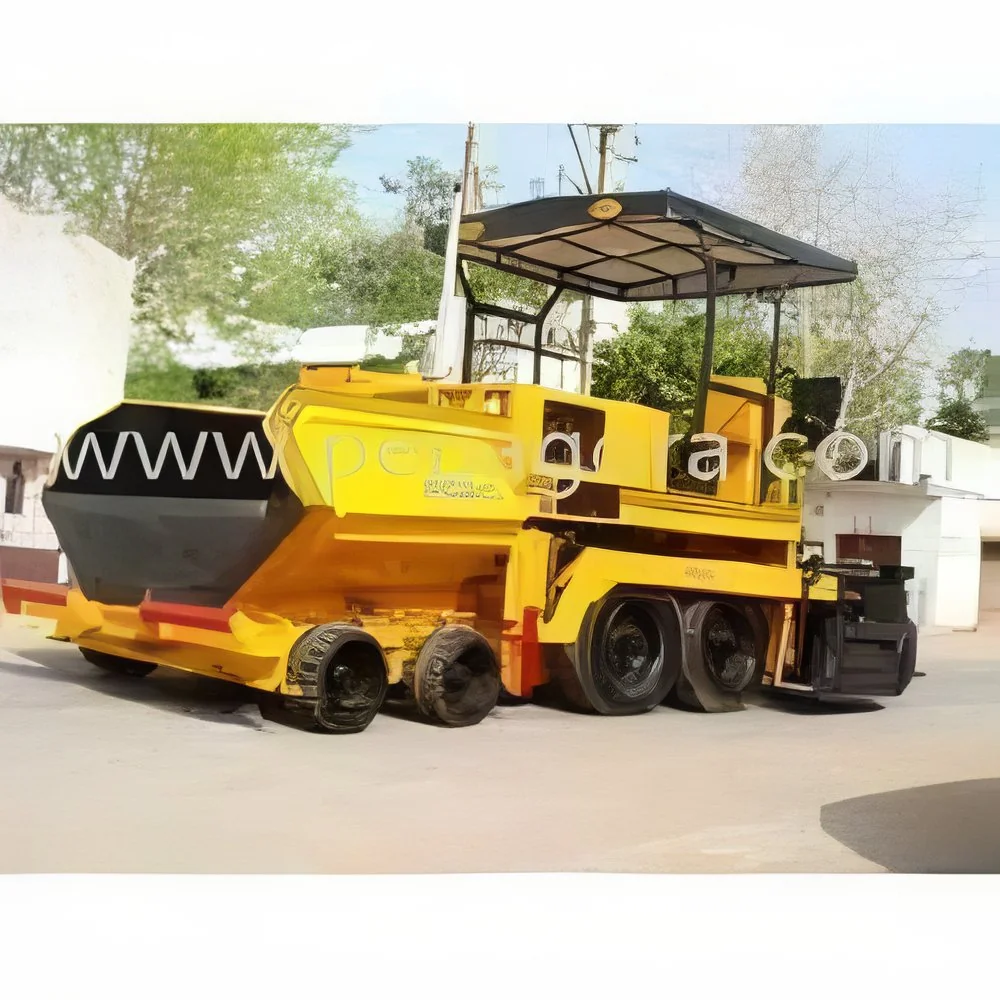
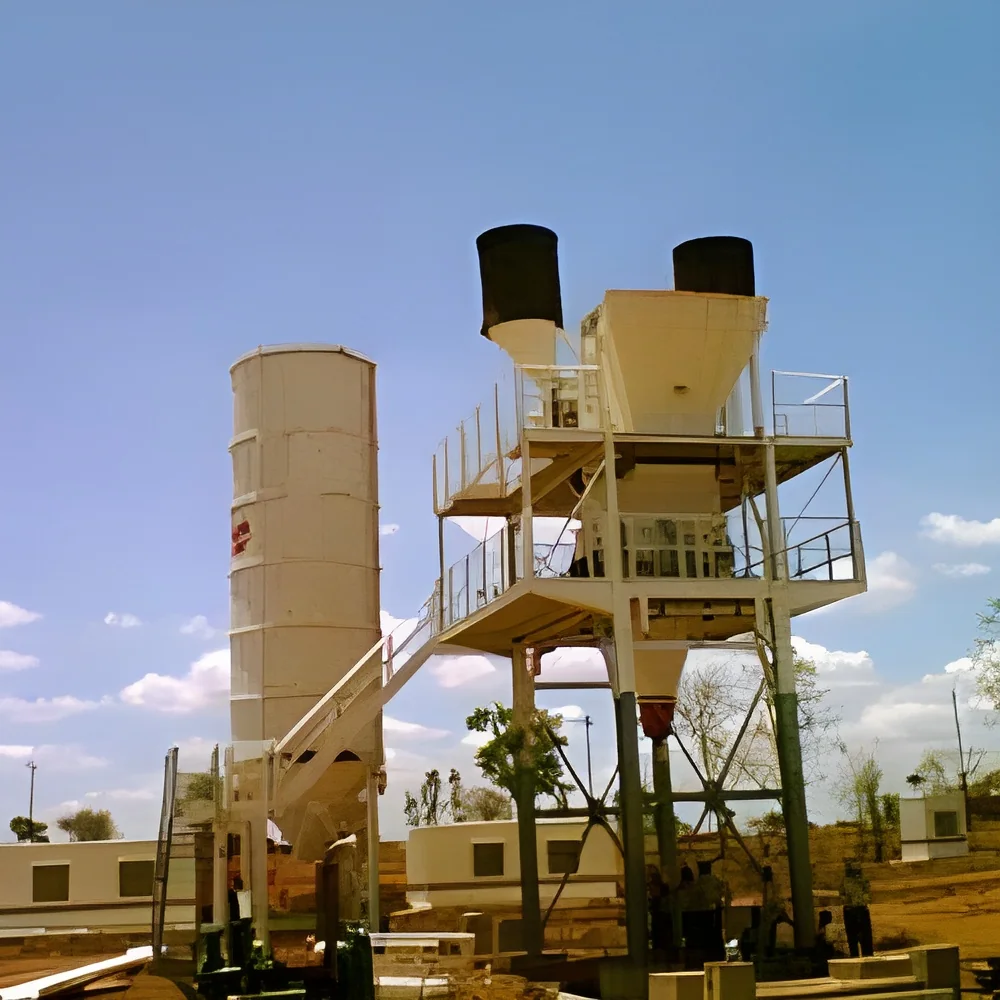
3. Infrastructure Development: Machinery such as asphalt pavers and concrete mixers play a vital role in developing and maintaining transportation networks, including roads and highways.
4. Mining: Specialized machinery is employed for extracting minerals and resources, ensuring effective material handling and processing.
5. Landscaping: Tools like skid-steer loaders and compactors are essential for site preparation, grading, and the installation of landscaping features.
6. Demolition: Other construction machinery is often utilized for safely dismantling structures and clearing debris from sites.
7. Utility Work: Equipment such as trenchers and directional drills is used for installing pipelines and electrical lines, ensuring efficient utility services.
𝗣𝗿𝗼𝗱𝘂𝗰𝘁 𝗩𝗮𝗿𝗶𝗮𝗻𝘁𝘀 𝗮𝗻𝗱 𝗦𝘂𝗯𝗰𝗮𝘁𝗲𝗴𝗼𝗿𝗶𝗲𝘀
The diversity of other construction machinery allows for various types and configurations tailored to specific applications.
Excavators
Excavators are versatile machines used for digging, lifting, and moving earth. They come in different sizes and configurations, making them suitable for projects ranging from small landscaping jobs to large-scale construction sites.
Cranes
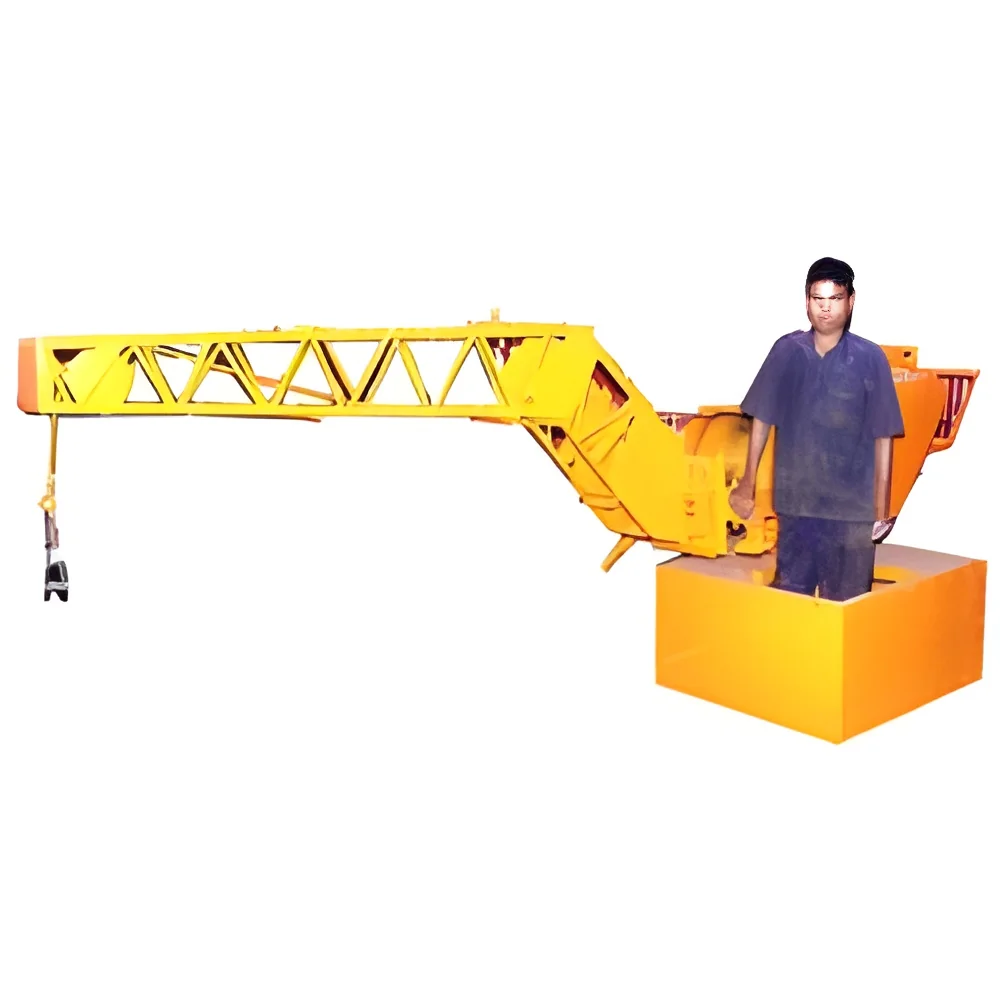
Cranes are essential for lifting and moving heavy materials to higher elevations. They can be mobile or stationary and are used in various construction scenarios, including building tall structures and facilitating heavy load transport.
Compactors
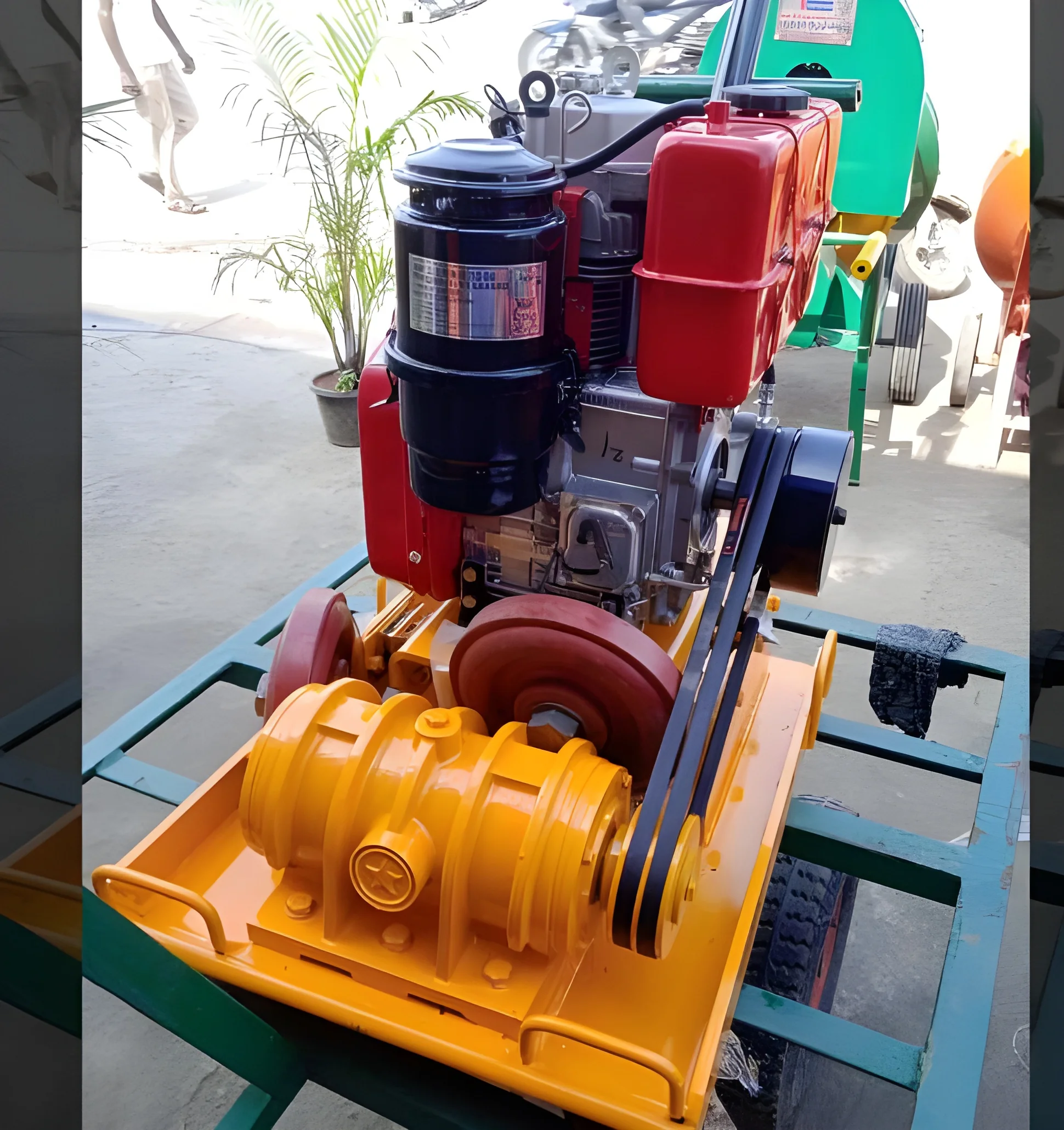
Compactors are used to compress materials such as soil and asphalt, ensuring a solid foundation for construction. They are vital in road construction and site preparation, providing the necessary density for stability.
Telehandlers
Telehandlers combine the features of a forklift and a crane, allowing for lifting and moving materials at various heights. They are commonly used in warehouse operations and construction sites requiring versatile material handling.
𝗕𝗲𝗻𝗲𝗳𝗶𝘁𝘀 𝗮𝗻𝗱 𝗔𝗱𝘃𝗮𝗻𝘁𝗮𝗴𝗲𝘀
Investing in other construction machinery provides considerable advantages for construction projects.
1. Increased Efficiency: These machines streamline operations, allowing tasks to be completed faster than manual methods.
2. Enhanced Safety: Modern construction machinery is equipped with safety features that reduce the risk of accidents and injuries on-site.
3. Versatility: Other construction machinery can be adapted for various applications, making them valuable for different projects.
4. Cost Savings: By improving productivity and reducing labor costs, these machines can lead to significant savings over time.
5. Better Quality Work: Advanced machinery ensures more precise and consistent results, leading to higher quality construction.
6. Reduced Environmental Impact: Many machines are designed to be more fuel-efficient and environmentally friendly, minimizing the carbon footprint of construction activities.
𝗕𝘂𝘆𝗶𝗻𝗴 𝗚𝘂𝗶𝗱𝗲 𝗳𝗼𝗿 𝗕𝟮𝗕 𝗕𝘂𝘆𝗲𝗿𝘀
When sourcing other construction machinery, several factors should be taken into account to ensure an informed purchase.
1. Quality Assessment: Evaluate the materials and construction of the machinery. Look for reputable manufacturers and consider machinery that complies with industry standards.
2. Supplier Verification: Vet potential suppliers by checking their credentials, customer reviews, and service history. Reliable suppliers should have a proven track record in the industry.
3. Pricing and MOQ: Understand the price range for the machinery you need and inquire about minimum order quantities. Balance cost with quality to ensure value for your investment.
4. Delivery and Lead Times: Discuss logistics with suppliers to determine delivery times and ensure that machinery arrives when needed for your project.
5. Compliance Requirements: Familiarize yourself with any relevant regulations and standards that apply to the machinery in your region to ensure compliance and avoid issues.
𝗖𝗼𝗺𝗽𝗹𝗶𝗮𝗻𝗰𝗲 𝗮𝗻𝗱 𝗖𝗲𝗿𝘁𝗶𝗳𝗶𝗰𝗮𝘁𝗶𝗼𝗻𝘀
Compliance with industry standards and certifications is essential for ensuring the safety and reliability of other construction machinery.
Relevant quality standards such as ISO 9001 ensure that manufacturers adhere to quality management principles, resulting in consistent product quality. Additionally, certifications like CE indicate compliance with European safety and environmental requirements.
Safety and testing requirements are critical for machinery to operate effectively and safely. This includes rigorous testing protocols to ensure that machines can withstand operational stresses and hazards.
Regional compliance considerations may vary based on local laws and regulations. Buyers should ensure that the machinery meets all requirements for the regions in which they operate.
𝗪𝗵𝘆 𝗦𝗼𝘂𝗿𝗰𝗲 𝗢𝘁𝗵𝗲𝗿 𝗖𝗼𝗻𝘀𝘁𝗿𝘂𝗰𝘁𝗶𝗼𝗻 𝗠𝗮𝗰𝗵𝗶𝗻𝗲𝗿𝘆 𝗳𝗿𝗼𝗺 𝗣𝗲𝗽𝗮𝗴𝗼𝗿𝗮?
Pepagora provides a trusted platform for sourcing other construction machinery with several key advantages.
Verified Supplier Network: Pepagora connects buyers with a network of verified suppliers, ensuring that they are dealing with reputable sources. This verification process helps mitigate risks associated with purchasing machinery.
Streamlined RFQ Process: The platform offers an efficient request for quotation (RFQ) system, facilitating quick and easy comparisons of prices and specifications across multiple suppliers.
Trade Assurance and Support: Buyers benefit from trade assurance programs that protect their purchases. Pepagora provides support throughout the procurement process, addressing any concerns that may arise.
Regional Coverage: With a strong presence in India, the GCC, and Southeast Asia, Pepagora ensures that buyers have access to a wide range of machinery options tailored to their specific regional needs. This geographical reach enhances convenience and accessibility for buyers seeking reliable construction machinery.
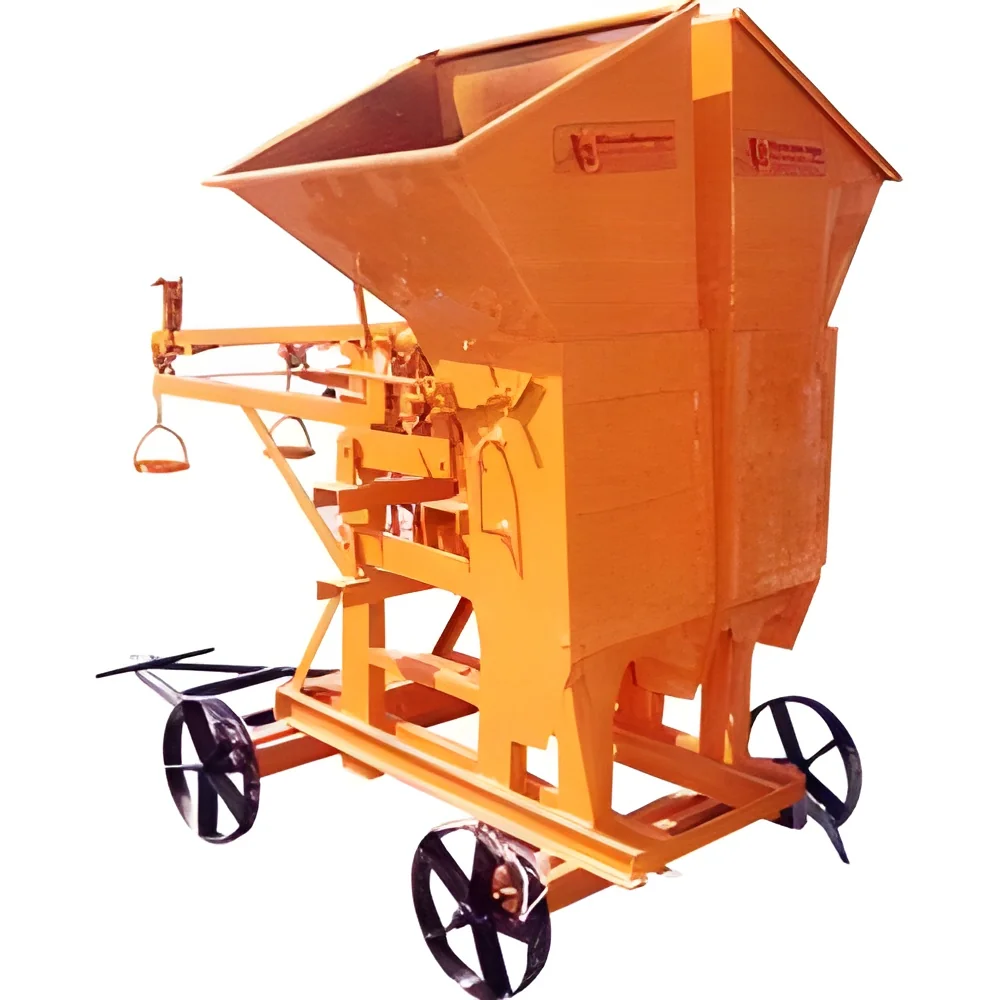
Other Construction Machinery refers to a category of equipment used in construction projects that do not fall under the standard classifications of heavy machinery. This includes a variety of machines that assist in tasks such as lifting, drilling, and material handling. Examples include concrete mixers, asphalt pavers, and compactors.
2
What are the different types of Other Construction Machinery?
The different types of Other Construction Machinery include equipment like concrete pumps, road rollers, and pile drivers. Each type serves a specific function in construction projects, aiding in tasks such as mixing, transporting, and compacting materials. Additionally, there are specific machines designed for specialized applications, including demolition and excavation.
3
How do I choose the right Other Construction Machinery?
Choosing the right Other Construction Machinery involves assessing the specific needs of your project, including the type of work to be done and the materials to be handled. It's important to consider factors such as machine capacity, efficiency, and compatibility with other equipment. Consulting with suppliers and reviewing machine specifications can also help ensure you select the best fit.
4
What are the standard specifications for Other Construction Machinery?
Standard specifications for Other Construction Machinery can vary widely depending on the type of machine and its intended use. Common specifications include power output, operational weight, capacity, and size dimensions. Additionally, safety features and operational guidelines are crucial aspects that should meet industry standards.
5
What is the price range for Other Construction Machinery?
The price range for Other Construction Machinery can vary significantly based on the type, brand, and specifications of the equipment. Generally, prices can start from a few thousand rupees for smaller machines and can go up to several lakhs for more complex and larger machinery. It's advisable to compare prices from multiple suppliers to get the best deal.
6
What quality standards apply to Other Construction Machinery?
Quality standards for Other Construction Machinery typically include compliance with local and international safety and performance regulations. Machines should meet certifications such as ISO and CE standards to ensure reliability and safety during operation. Regular maintenance and adherence to manufacturer guidelines are also essential for maintaining quality.
7
Where can I find Other Construction Machinery suppliers in India?
You can find Other Construction Machinery suppliers in India through various channels, including online marketplaces, industry trade shows, and construction equipment expos. Websites like Pepagora.com provide listings of manufacturers and suppliers, making it easier to connect with reputable vendors. Local construction equipment dealers can also be a valuable resource.
8
Can Other Construction Machinery be customized?
Yes, Other Construction Machinery can often be customized to meet specific project requirements. Many manufacturers offer options for modifications, such as size adjustments or the addition of specialized attachments. It's important to discuss your customization needs with the supplier to ensure they can accommodate your requests.
9
What is the typical minimum order quantity for Other Construction Machinery?
The typical minimum order quantity (MOQ) for Other Construction Machinery can vary by supplier and type of machinery. Some suppliers may allow single unit purchases, while others may require bulk orders for cost-effectiveness. It's advisable to inquire directly with suppliers to understand their specific MOQ policies.
10
What is the typical lead time for Other Construction Machinery?
The typical lead time for Other Construction Machinery can depend on factors such as the type of machinery, customization requirements, and supplier location. Generally, lead times can range from a few weeks to several months. It's best to confirm lead times with suppliers when placing an order to ensure timely delivery.
Why Businesses Trust Pepagora
Thousands of companies trust Pepagora to source smarter and sell faster
Expand Your Sales Globally
25000+Products listed.Get discovered by global buyers

 IN
IN