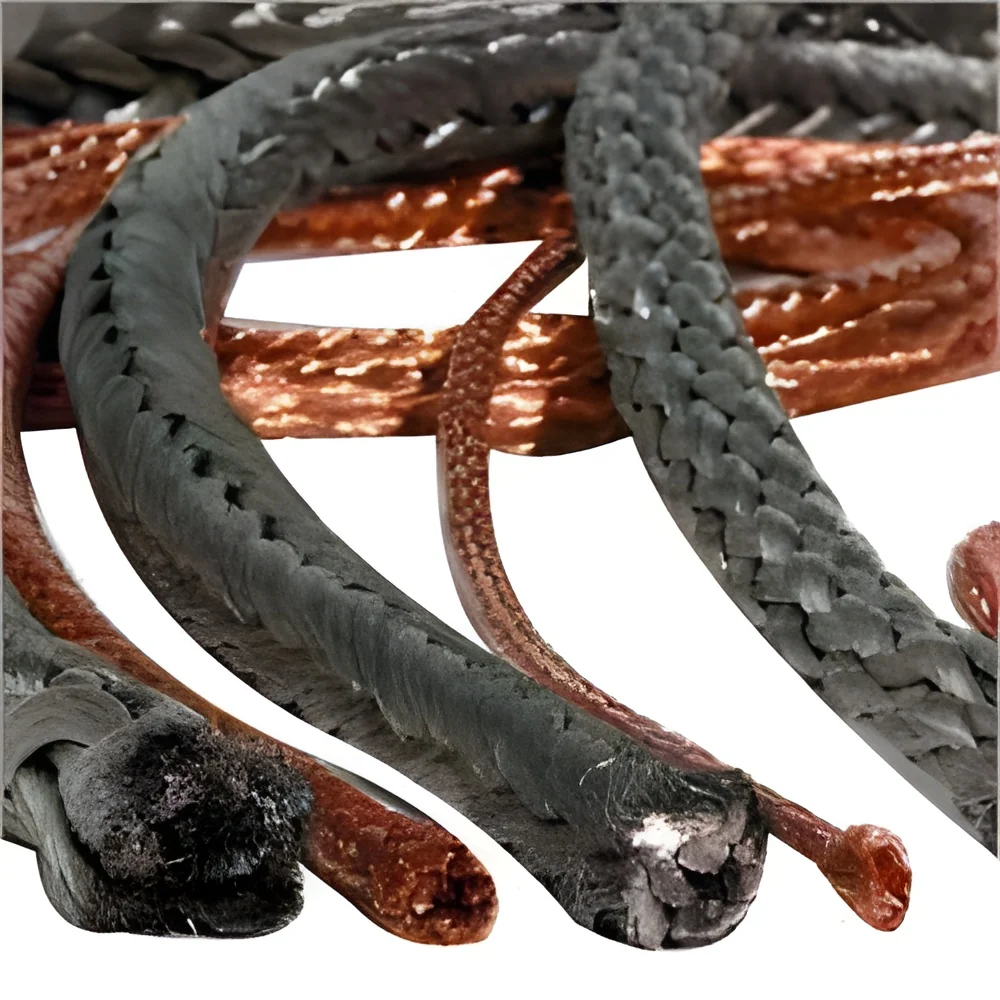
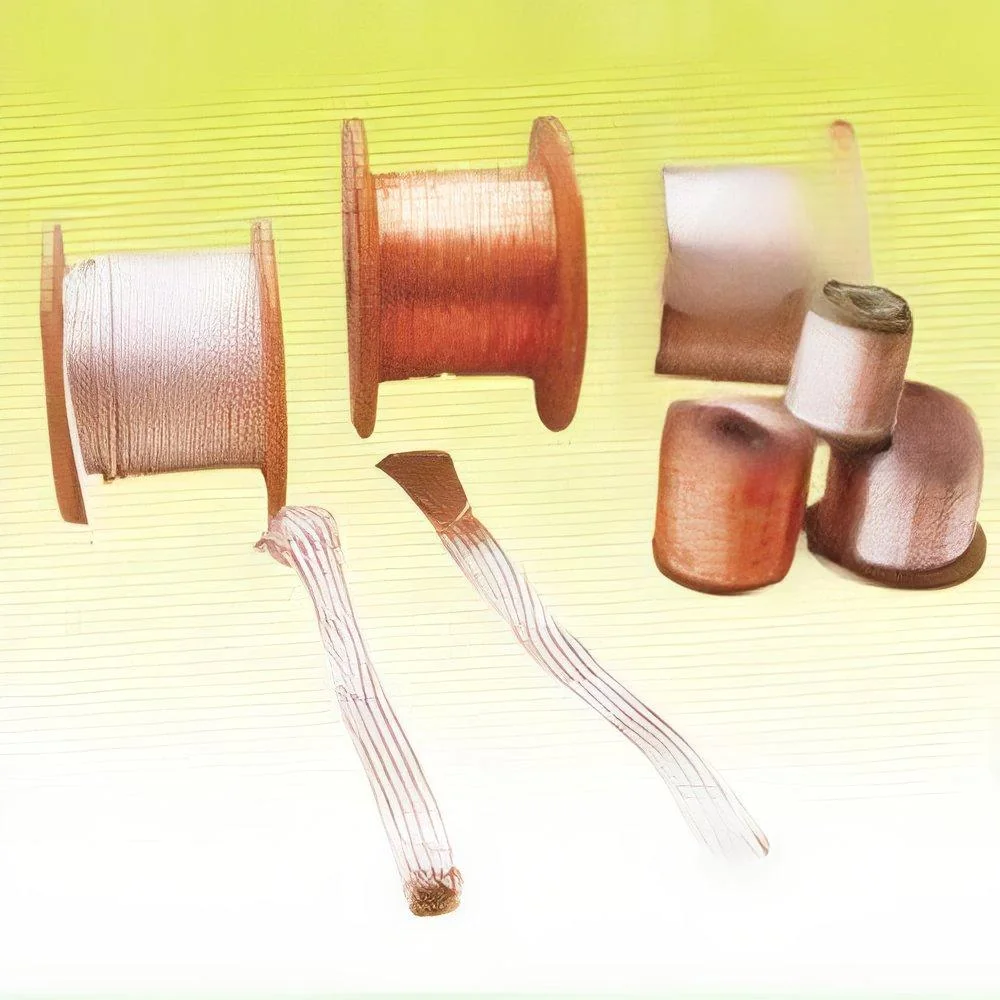
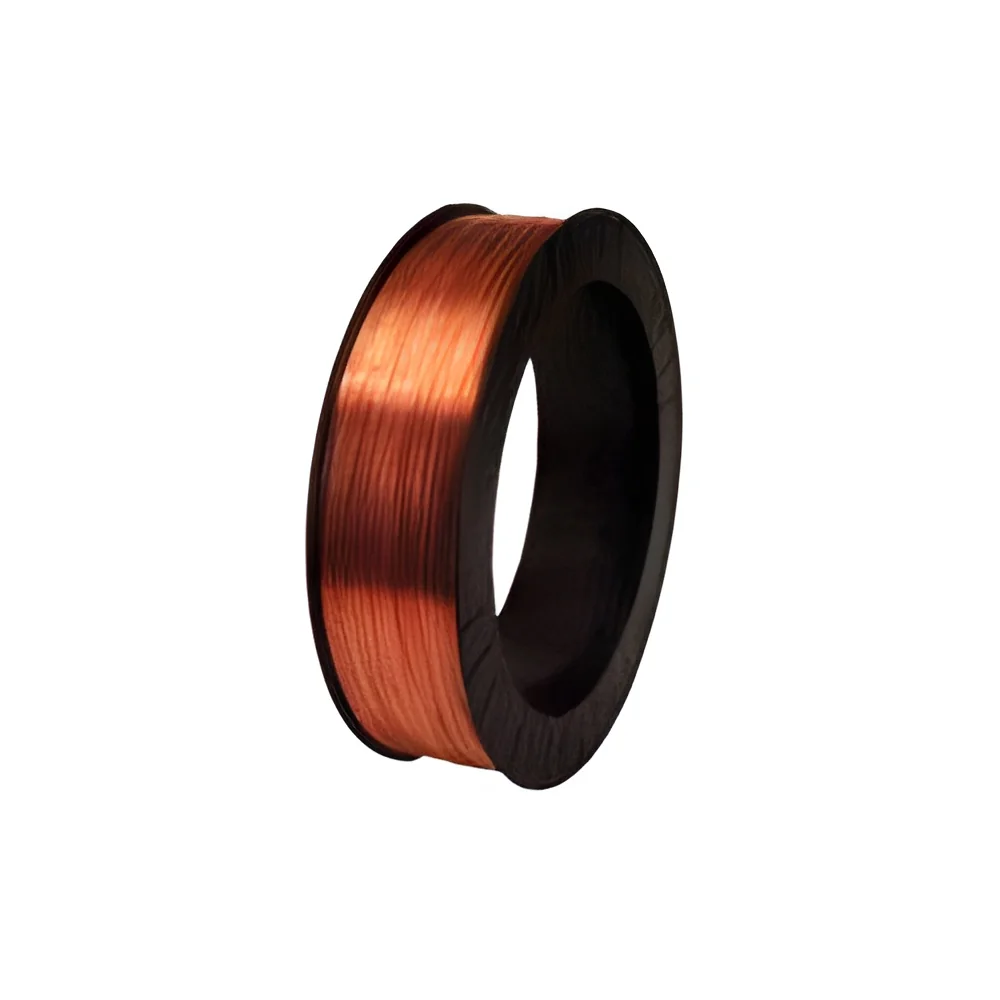
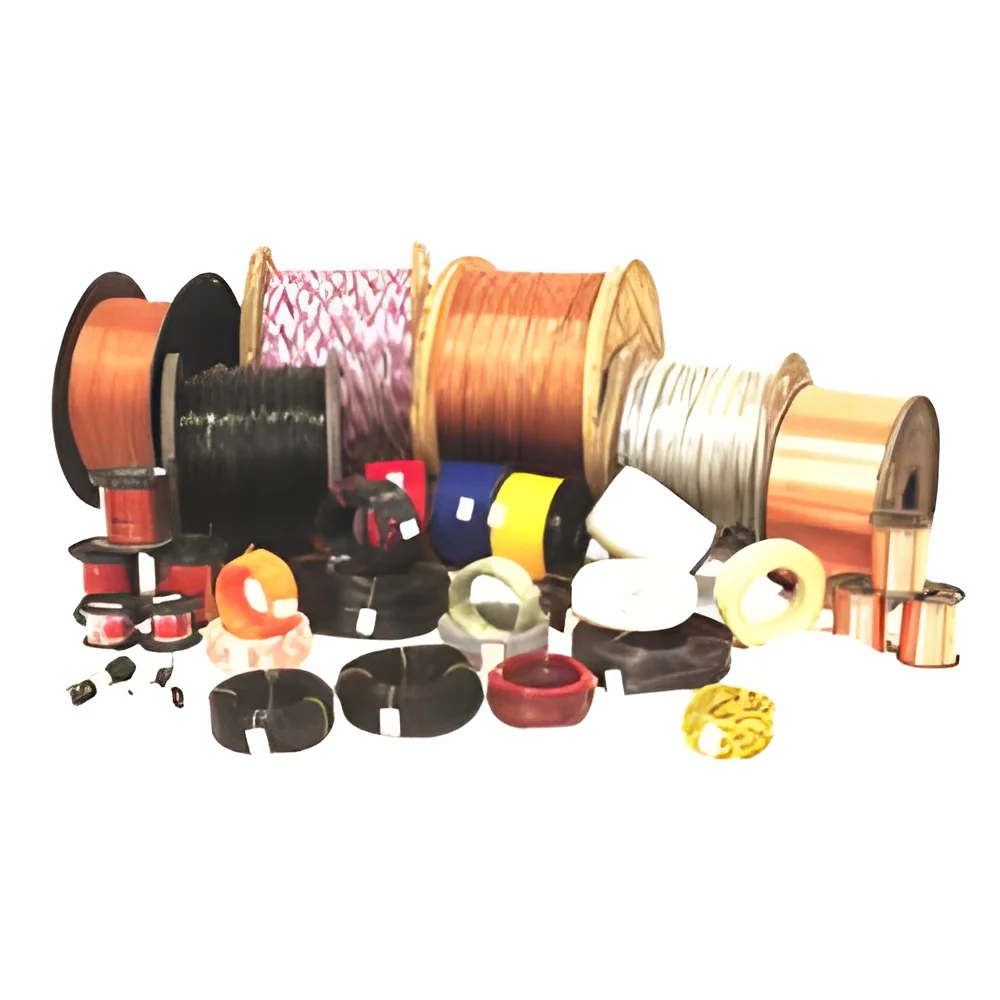
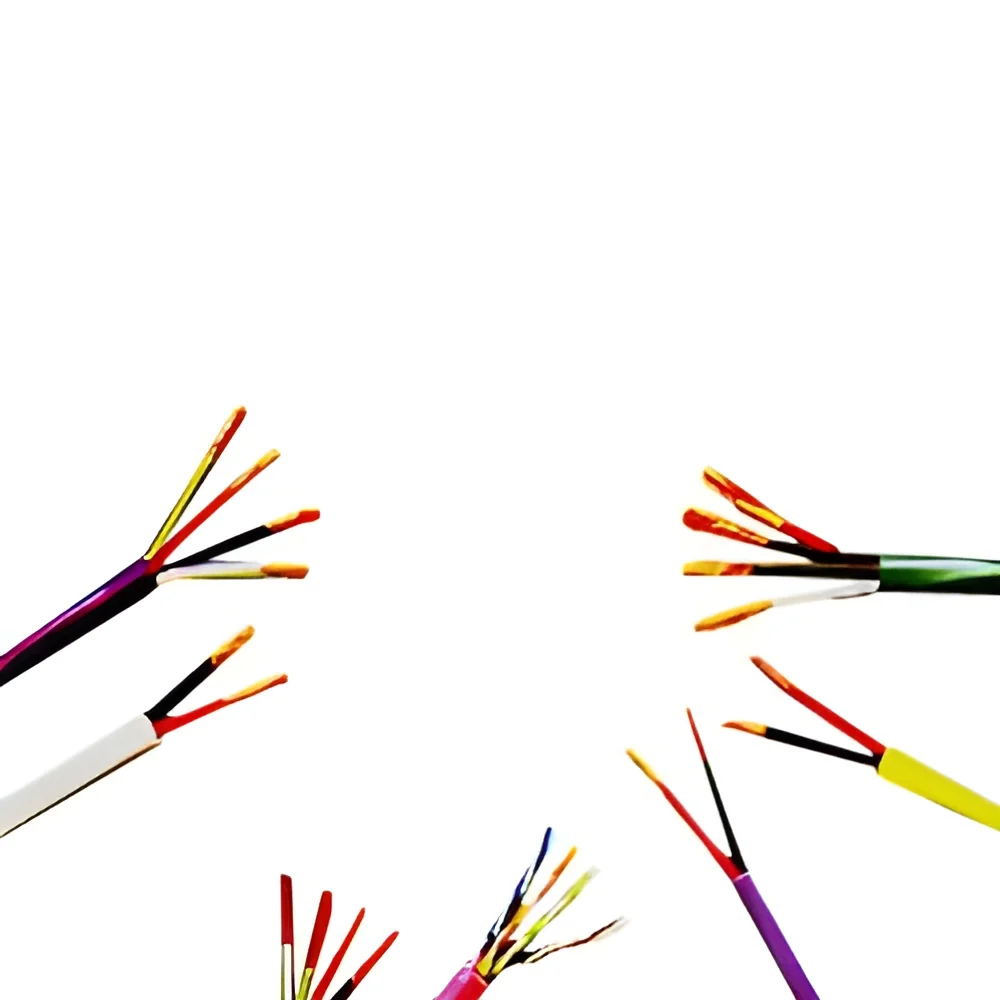
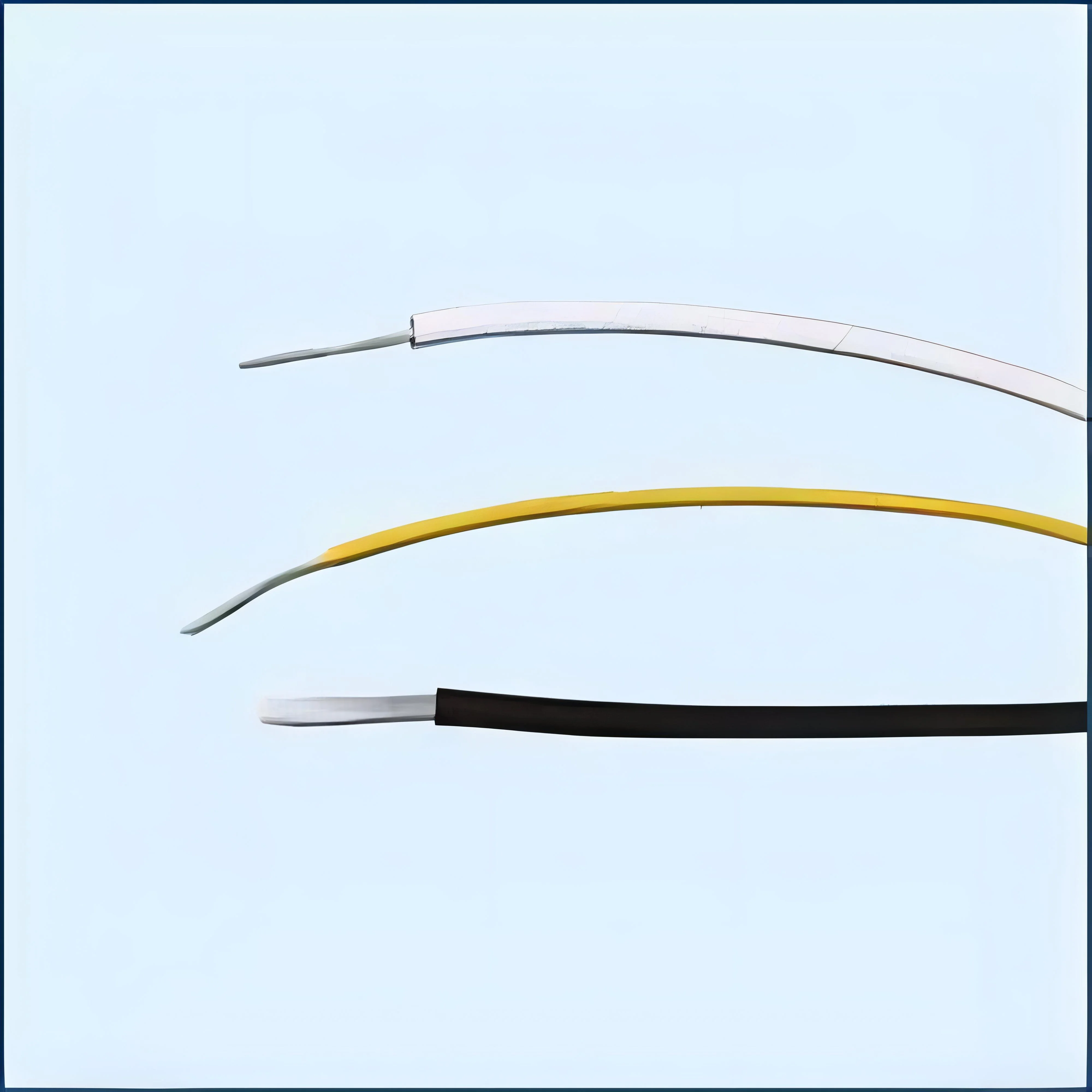
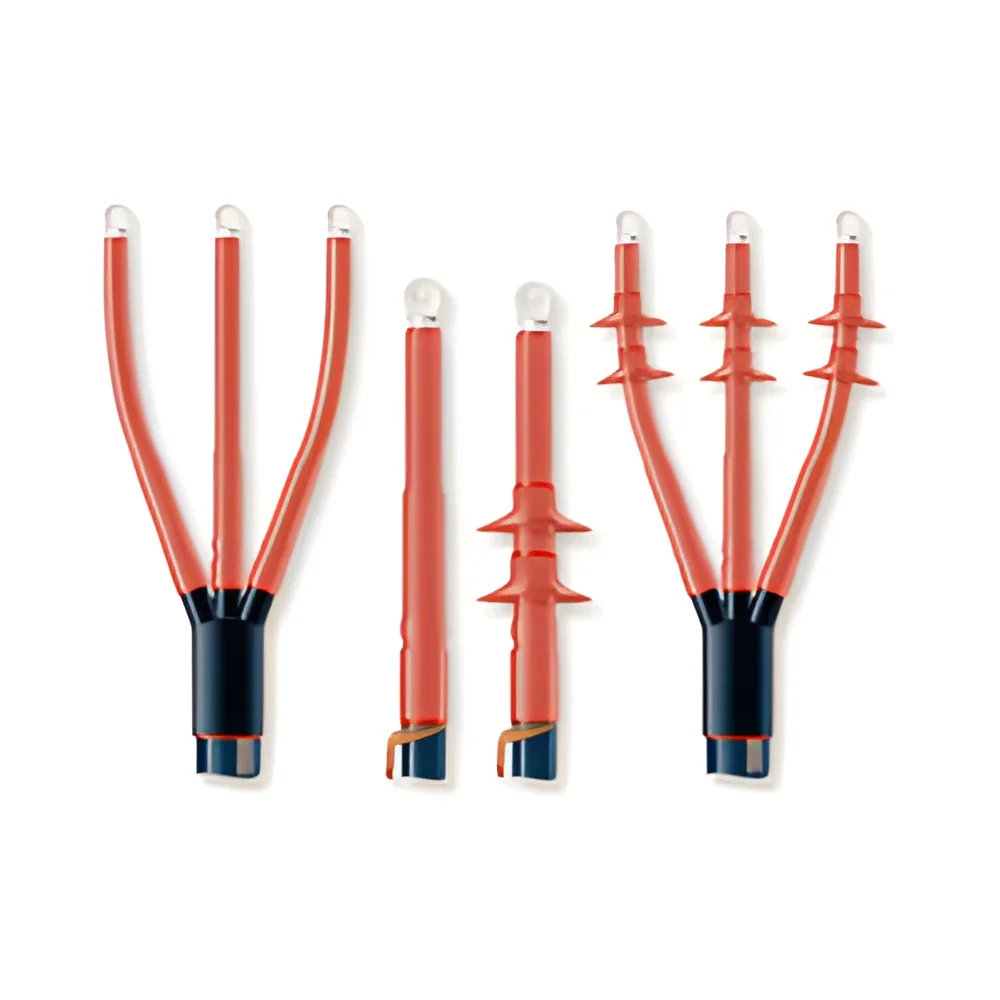
𝗪𝗵𝗮𝘁 𝗮𝗿𝗲 𝗢𝘁𝗵𝗲𝗿 𝗪𝗶𝗿𝗲𝘀 & 𝗖𝗮𝗯𝗹𝗲𝘀?
Other Wires & Cables refer to a broad category of electrical conductors that do not fall into the commonly defined categories such as power cables, communication cables, or specialty cables. This classification encompasses various types of wires and cables designed for specific applications that may require unique properties or configurations. These products are critical components in numerous electrical and electronic systems, facilitating the transmission of power and data across different environments.
The primary uses of Other Wires & Cables span a wide range of industries, including manufacturing, telecommunications, automotive, and construction. They are utilized in applications where standard cables may not meet specific requirements. This includes scenarios where flexibility, resistance to environmental factors, or unique dimensions are necessary. As industries evolve and technology advances, the demand for specialized wires and cables continues to grow, highlighting their importance in modern infrastructure and systems.
In the current market, Other Wires & Cables play a significant role in supporting various technological advancements. With the increasing complexity of electrical systems and the integration of smart technologies, these products are essential for efficient operation and connectivity. The global demand for these cables is driven by ongoing industrialization and the expansion of communication networks, underscoring their relevance in today’s economy.
𝗞𝗲𝘆 𝗙𝗲𝗮𝘁𝘂𝗿𝗲𝘀 𝗮𝗻𝗱 𝗦𝗽𝗲𝗰𝗶𝗳𝗶𝗰𝗮𝘁𝗶𝗼𝗻𝘀
When considering Other Wires & Cables, it is important to understand their key features and specifications. These specifications ensure that the cables meet the necessary performance standards for specific applications, providing reliability and safety.
Key specifications include:
1. Conductor Material
- Typically made from copper or aluminum to ensure effective conductivity.
- Copper is generally preferred for its superior conductivity.
2. Insulation Type
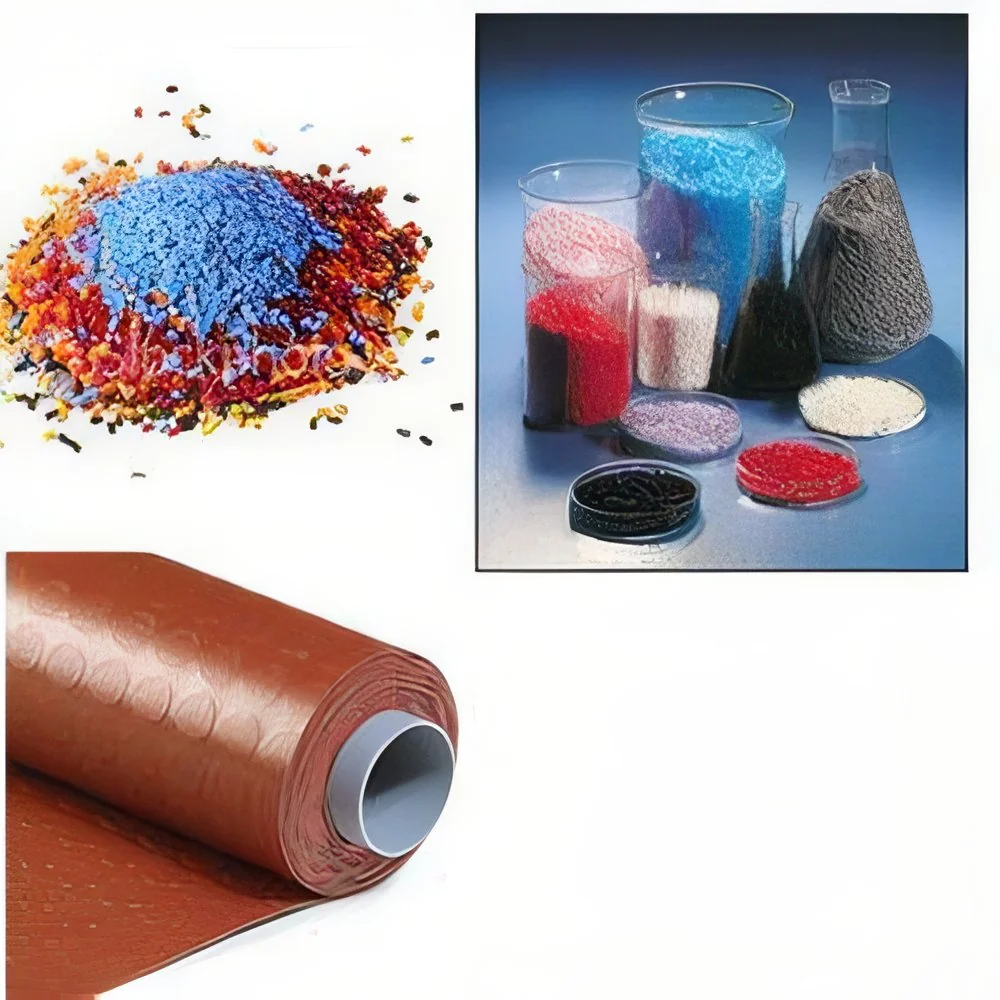
- Various insulation materials are available, including PVC, rubber, and thermoplastic elastomers.
- Different materials provide varying degrees of temperature and chemical resistance.
3. Voltage Rating
- Voltage ratings specify the maximum voltage the cable can safely carry.
- Common ratings include low voltage (up to 1,000 V) and high voltage (greater than 1,000 V).
4. Temperature Range
- Cables can be rated for specific temperature ranges, including both low and high extremes.
- Typical ranges may vary based on the insulation material used.
5. Flame Resistance
- Certain cables are designed to be flame-retardant, reducing the risk of fire in hazardous environments.
- Compliance with fire safety standards may be necessary for specific applications.
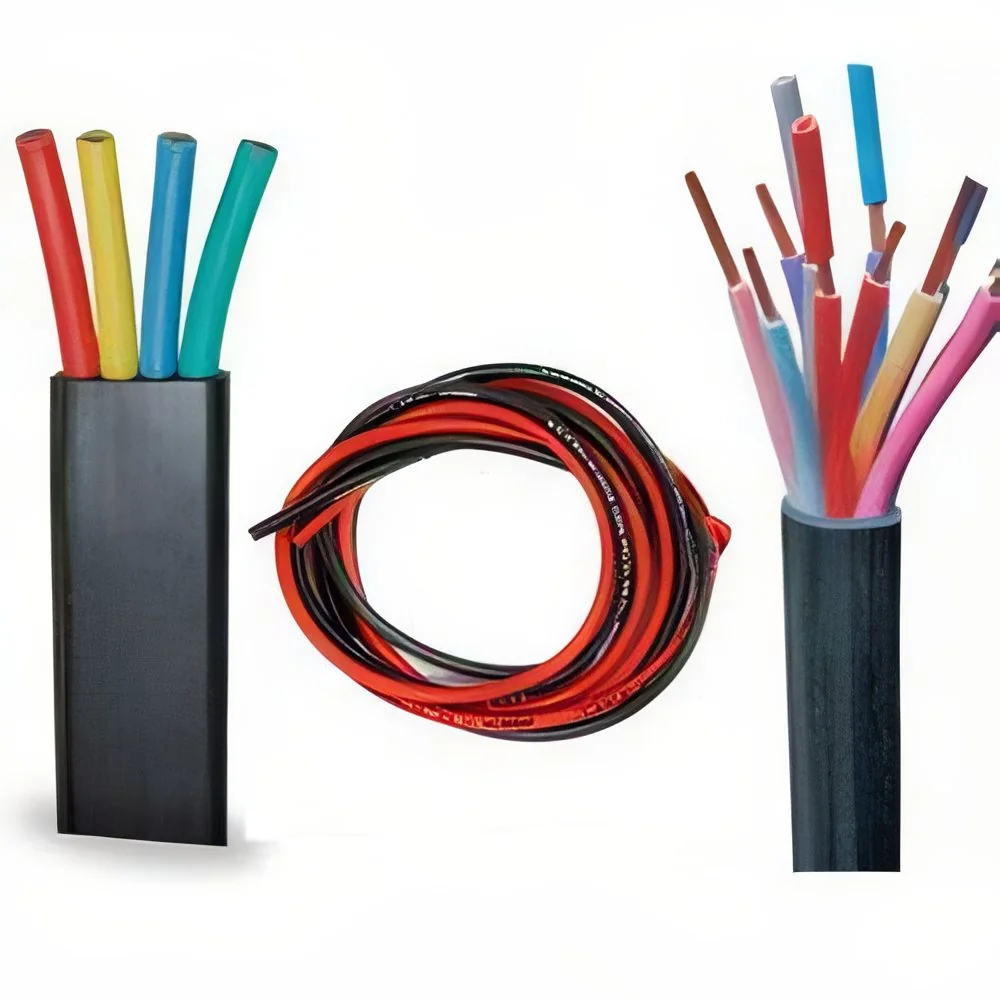
6. Cable Construction
- Includes the number of conductors, their arrangement, and the overall cable design.
- Multi-conductor cables may be used for complex applications requiring multiple signals.
7. Environmental Resistance
- Cables may be designed for outdoor use, with protection against UV rays, moisture, and temperature fluctuations.
- Certifications may indicate suitability for specific environmental conditions.
8. Compliance Standards
- Cables often conform to industry standards, such as CE certification, ensuring quality and safety.
- Compliance with local regulations may also be required.
In summary, understanding the key features and specifications of Other Wires & Cables is essential for selecting the right product for specific applications. This knowledge helps ensure that the cables will perform effectively and safely in their intended environments.
𝗖𝗼𝗺𝗺𝗼𝗻 𝗔𝗽𝗽𝗹𝗶𝗰𝗮𝘁𝗶𝗼𝗻𝘀 𝗮𝗻𝗱 𝗨𝘀𝗲 𝗖𝗮𝘀𝗲𝘀
Other Wires & Cables are utilized in a multitude of industries and applications, showcasing their versatility.
1. Manufacturing: These cables are frequently used in machinery and assembly lines, facilitating power distribution and control signals.
2. Telecommunications: In this sector, specialized cables enable high-speed data transmission, supporting internet and phone services.
3. Automotive: Automotive manufacturers rely on these cables for wiring harnesses and electronic components, ensuring connectivity and functionality.
4. Construction: In building projects, Other Wires & Cables are essential for electrical installations, including lighting and HVAC systems.
5. Aerospace: Cables in this industry must meet stringent regulations for weight and performance, ensuring safety and reliability in flight systems.
6. Renewable Energy: These cables are used in solar and wind energy systems to connect components and transmit power efficiently.
7. Marine: In marine applications, cables must withstand harsh environmental conditions, providing reliability for onboard electrical systems.
𝗣𝗿𝗼𝗱𝘂𝗰𝘁 𝗩𝗮𝗿𝗶𝗮𝗻𝘁𝘀 𝗮𝗻𝗱 𝗦𝘂𝗯𝗰𝗮𝘁𝗲𝗴𝗼𝗿𝗶𝗲𝘀
Other Wires & Cables come in various forms to meet the diverse needs of different industries. Each variant offers unique features suitable for specific applications.
Variant 1: Specialty Cables
These cables may include custom configurations designed for unique applications, such as robotics or medical devices. They often have enhanced flexibility and durability.
Variant 2: High-Temperature Cables
Designed for environments with extreme temperatures, these cables utilize specialized insulation materials to ensure performance under heat stress.
Variant 3: Low-Voltage Cables
These are commonly used in residential and commercial applications, suitable for power distribution in low-voltage systems.
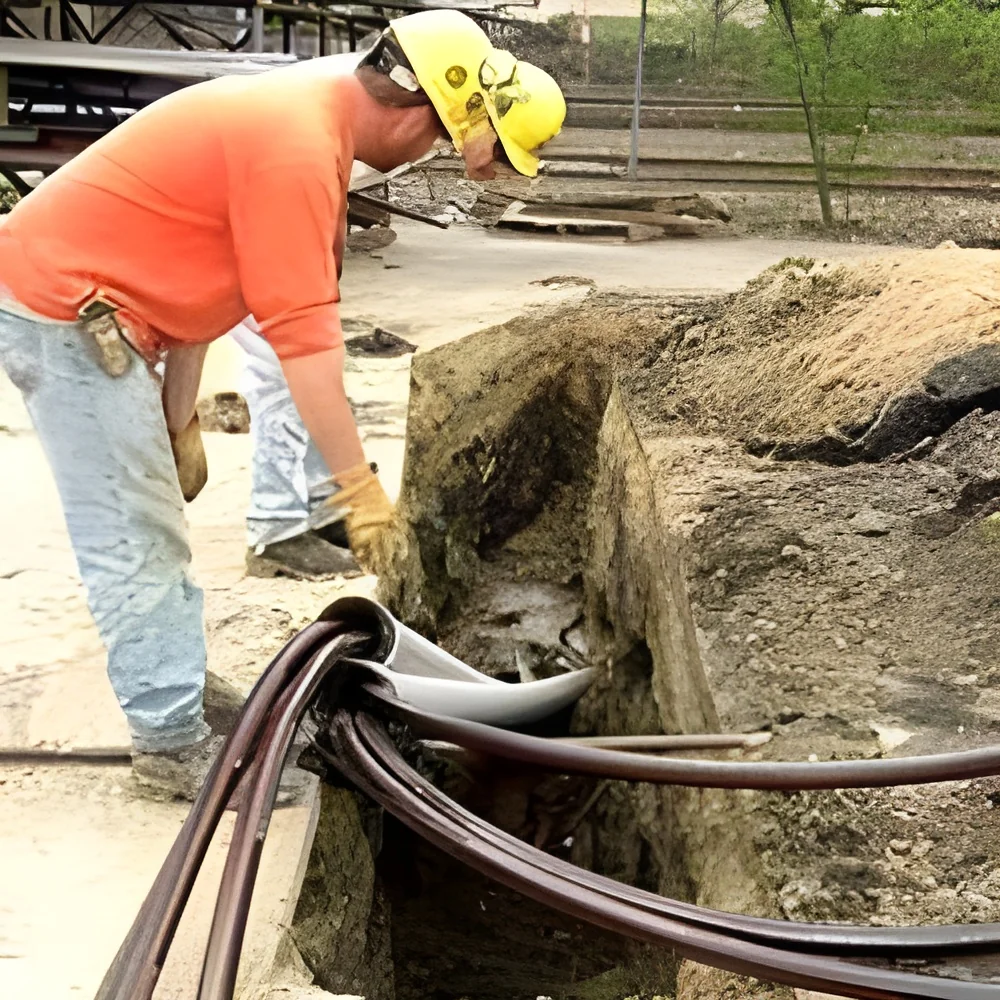
Variant 4: Armored Cables
These cables provide additional protection against physical damage, making them ideal for outdoor or industrial applications.
𝗕𝗲𝗻𝗲𝗳𝗶𝘁𝘀 𝗮𝗻𝗱 𝗔𝗱𝘃𝗮𝗻𝘁𝗮𝗴𝗲𝘀
Sourcing Other Wires & Cables offers several key benefits to businesses.
1. Versatility: These cables can be customized to meet specific needs across various industries, enhancing their applicability.
2. Reliability: High-quality cables ensure consistent performance, reducing the risk of failures in critical systems.
3. Safety: Compliance with industry standards ensures that cables meet safety requirements, protecting both equipment and personnel.
4. Cost-Effectiveness: Investing in durable cables can lead to long-term savings by minimizing maintenance and replacement costs.
5. Enhanced Performance: Specialized cables can improve the efficiency and effectiveness of electrical systems, contributing to overall productivity.
6. Technological Adaptability: As technology evolves, these cables can be designed to accommodate new advancements and applications.
𝗕𝘂𝘆𝗶𝗻𝗴 𝗚𝘂𝗶𝗱𝗲 𝗳𝗼𝗿 𝗕𝟮𝗕 𝗕𝘂𝘆𝗲𝗿𝘀
When sourcing Other Wires & Cables, B2B buyers should consider several key factors to make informed decisions.
1. Quality Assessment: Evaluate the quality of cables based on material, construction, and compliance with industry standards. Look for certifications that demonstrate reliability.
2. Supplier Verification: Conduct thorough research to verify suppliers’ credentials and track record. This ensures that you are dealing with reputable manufacturers.
3. Pricing and MOQ: Understand the pricing structures and minimum order quantities (MOQ) from suppliers to align with your budget and project needs.
4. Delivery and Lead Times: Factor in logistics by assessing delivery timelines. Timely delivery is crucial for maintaining project schedules.
5. Compliance Requirements: Ensure that the cables meet relevant regulatory and safety standards specific to your industry and region.
𝗖𝗼𝗺𝗽𝗹𝗶𝗮𝗻𝗰𝗲 𝗮𝗻𝗱 𝗖𝗲𝗿𝘁𝗶𝗳𝗶𝗰𝗮𝘁𝗶𝗼𝗻𝘀
Compliance and certifications are vital aspects of Other Wires & Cables, ensuring they meet necessary quality and safety standards.
Many cables conform to ISO 9001, which sets the criteria for quality management systems. This certification is crucial for manufacturers aiming to demonstrate their commitment to quality.
CE certification is also significant, indicating compliance with European safety, health, and environmental protection standards. This certification is essential for cables intended for the European market.
Safety and testing requirements are integral to the manufacturing process. Cables must undergo rigorous testing to ensure they can withstand environmental factors and perform reliably under various conditions.
Regional compliance considerations may vary, with different countries having specific regulations that cables must adhere to. Understanding these requirements is essential for global sourcing.
𝗪𝗵𝘆 𝗦𝗼𝘂𝗿𝗰𝗲 𝗢𝘁𝗵𝗲𝗿 𝗪𝗶𝗿𝗲𝘀 & 𝗖𝗮𝗯𝗹𝗲𝘀 𝗳𝗿𝗼𝗺 𝗣𝗲𝗽𝗮𝗴𝗼𝗿𝗮?
Pepagora provides a trusted platform for sourcing Other Wires & Cables, offering several key advantages that benefit B2B buyers.
Verified Supplier Network: Pepagora connects buyers with a network of verified suppliers, ensuring that you are working with reputable manufacturers who meet quality standards.
Streamlined RFQ Process: The platform simplifies the request for quotation process, allowing buyers to easily compare prices and specifications from multiple suppliers.
Trade Assurance and Support: Buyers can benefit from trade assurance features that protect their investments, providing peace of mind during transactions.
Regional Coverage: With a strong presence in India, the GCC, and Southeast Asia, Pepagora offers extensive geographic coverage, making it easier for businesses to source cables tailored to their specific regional needs.
Other Wires & Cables refer to various types of electrical conductors used for transmission of electricity and communication signals. They can include specialized wires and cables that do not fall under common categories like power cables or communication cables.
2
What are the different types of Other Wires & Cables?
Different types of Other Wires & Cables include coaxial cables, fiber optic cables, and specialty wires used for specific applications. Additionally, there are various insulation types, conductor materials, and shielding options that differentiate these cables.
3
How do I choose the right Other Wires & Cables?
Choosing the right Other Wires & Cables involves considering factors such as the specific application, voltage requirements, and environmental conditions. It is also essential to refer to technical specifications and standards relevant to your industry.
4
What are the standard specifications for Other Wires & Cables?
Standard specifications for Other Wires & Cables typically include conductor material, insulation type, voltage rating, and temperature range. Compliance with relevant national and international standards is also crucial for quality assurance.
5
What is the price range for Other Wires & Cables?
The price range for Other Wires & Cables can vary significantly based on factors such as type, material, and length. Generally, prices can range from a few rupees per meter to several hundred rupees, depending on the specifications.
6
What quality standards apply to Other Wires & Cables?
Quality standards for Other Wires & Cables often include IS (Indian Standards), IEC (International Electrotechnical Commission), and UL (Underwriters Laboratories) certifications. Ensuring compliance with these standards helps in guaranteeing safety and performance.
7
Where can I find Other Wires & Cables suppliers in India?
You can find Other Wires & Cables suppliers in India through various online B2B marketplaces, industry trade shows, and directories. Websites like Pepagora.com provide a platform to connect with manufacturers and suppliers in this category.
8
Can Other Wires & Cables be customized?
Yes, Other Wires & Cables can often be customized to meet specific requirements such as length, insulation type, and conductor materials. Many manufacturers offer customization options based on the unique needs of their clients.
9
What is the typical minimum order quantity for Other Wires & Cables?
The typical minimum order quantity (MOQ) for Other Wires & Cables varies by supplier and product type. Generally, MOQs can range from 100 meters to several kilometers, depending on the manufacturer’s policies.
10
What is the typical lead time for Other Wires & Cables?
The typical lead time for Other Wires & Cables can range from a few days to several weeks, depending on factors such as order size, customization, and supplier location. It is advisable to confirm lead times with the supplier at the time of order.
Why Businesses Trust Pepagora
Thousands of companies trust Pepagora to source smarter and sell faster
Expand Your Sales Globally
25000+Products listed.Get discovered by global buyers

 IN
IN