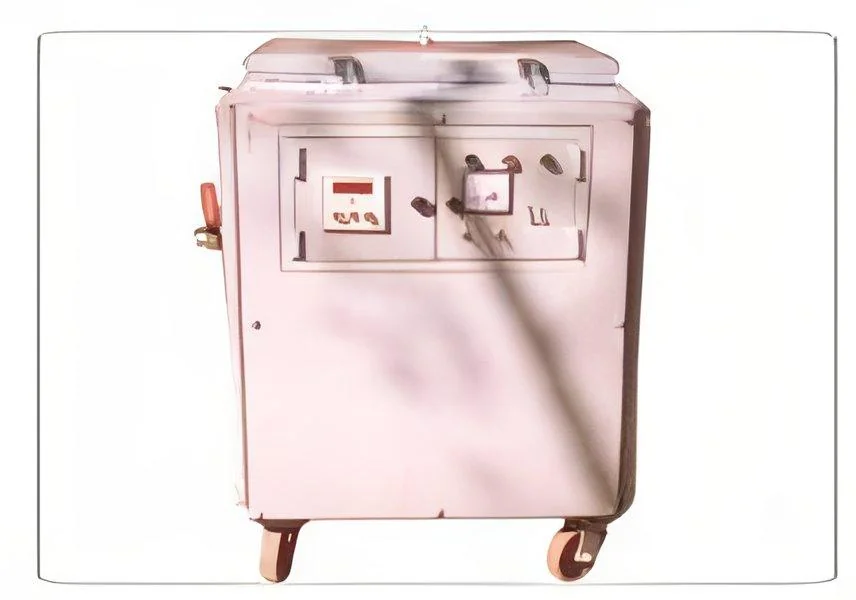
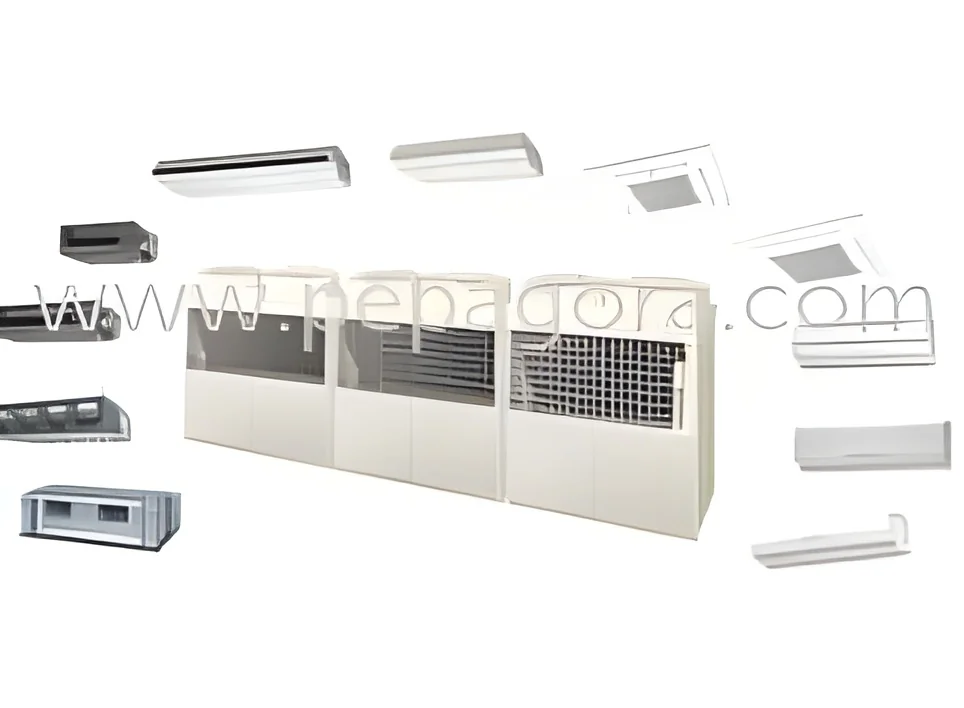
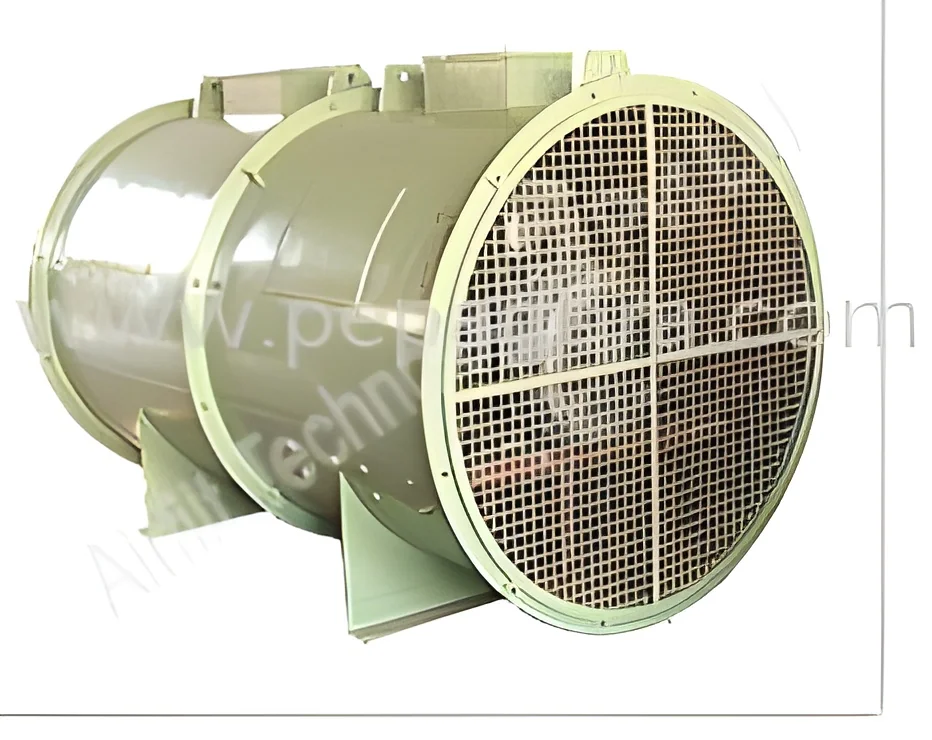
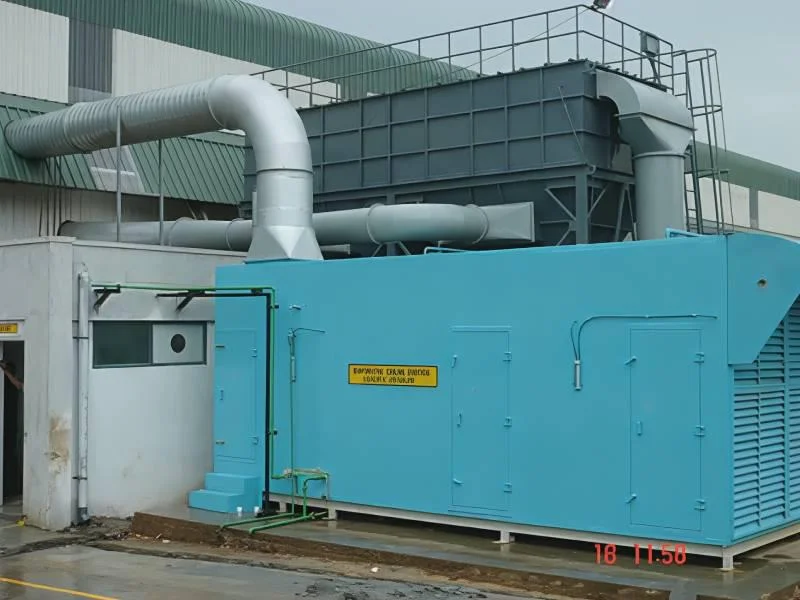
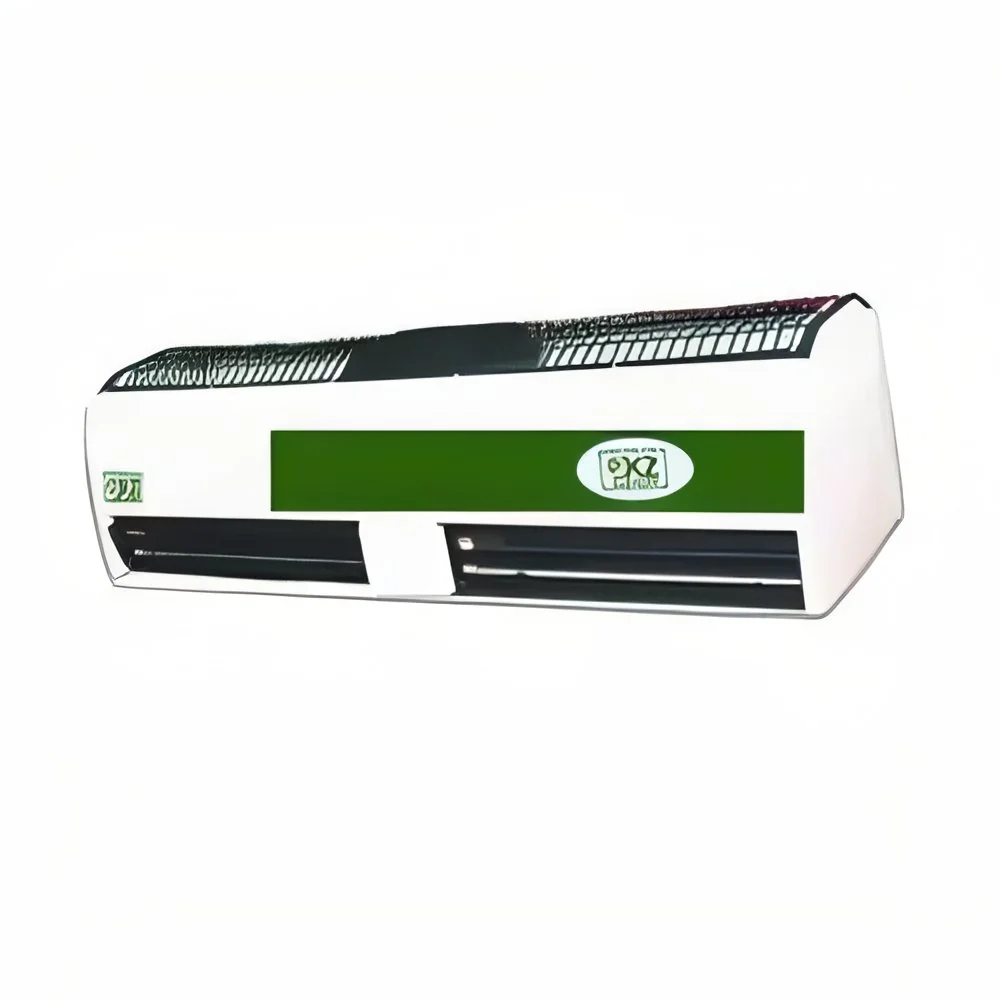
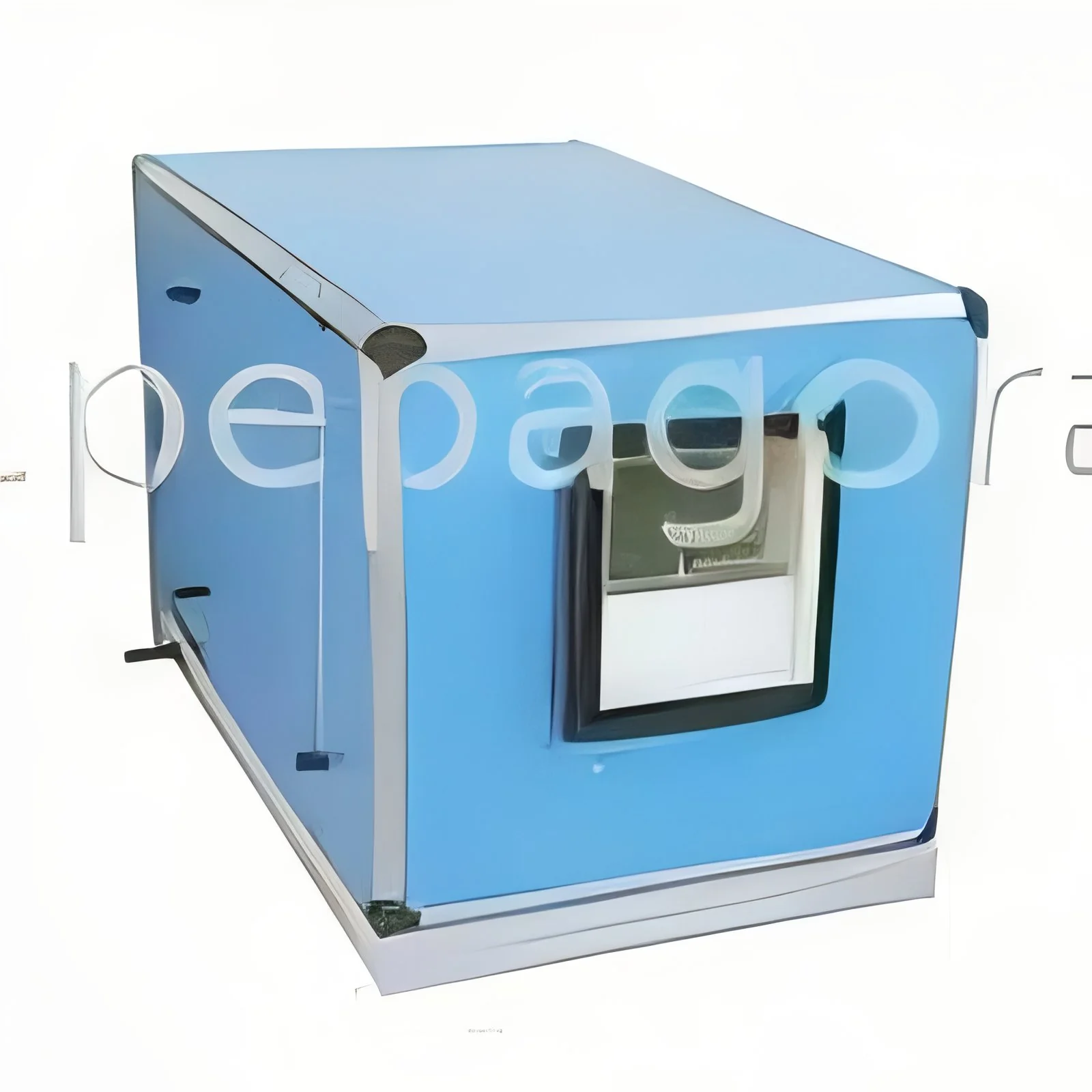
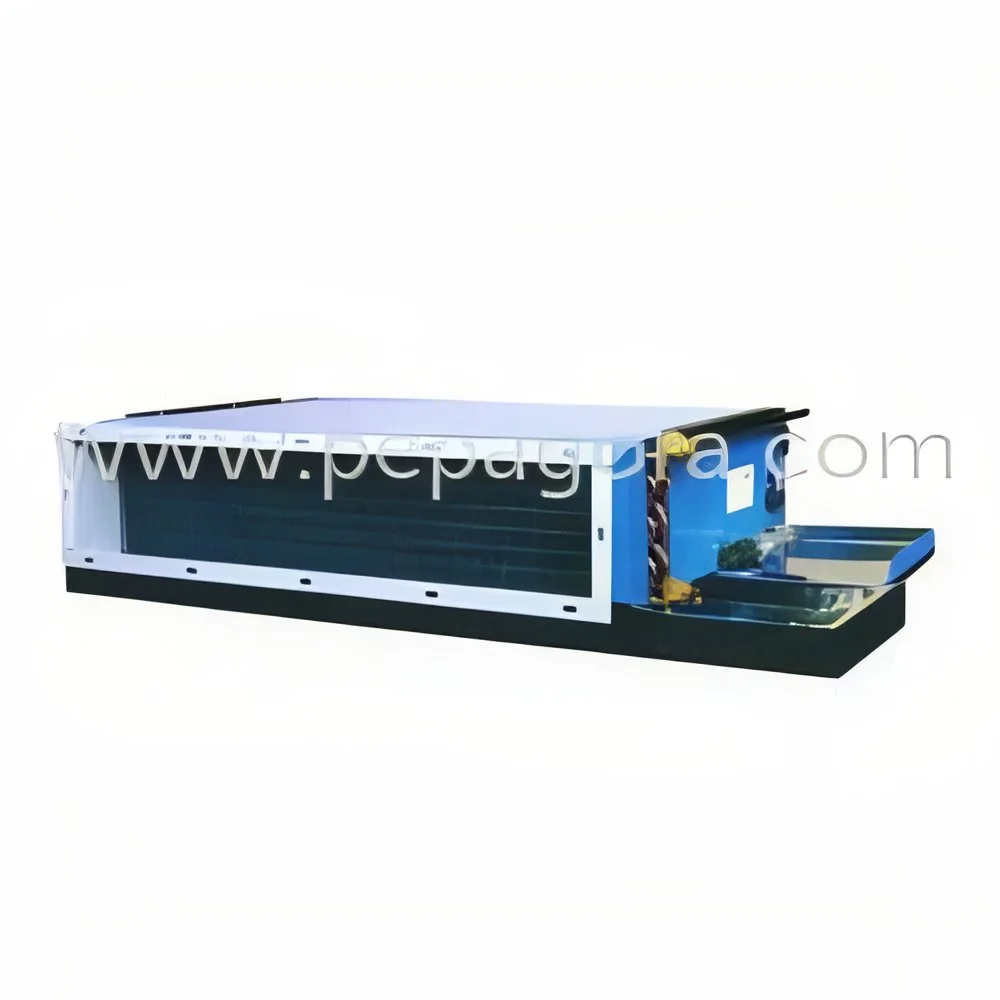
𝗪𝗵𝗮𝘁 𝗮𝗿𝗲 𝗣𝗮𝗰𝗸𝗮𝗴𝗲𝗱 𝗔𝗖 𝗨𝗻𝗶𝘁𝘀?
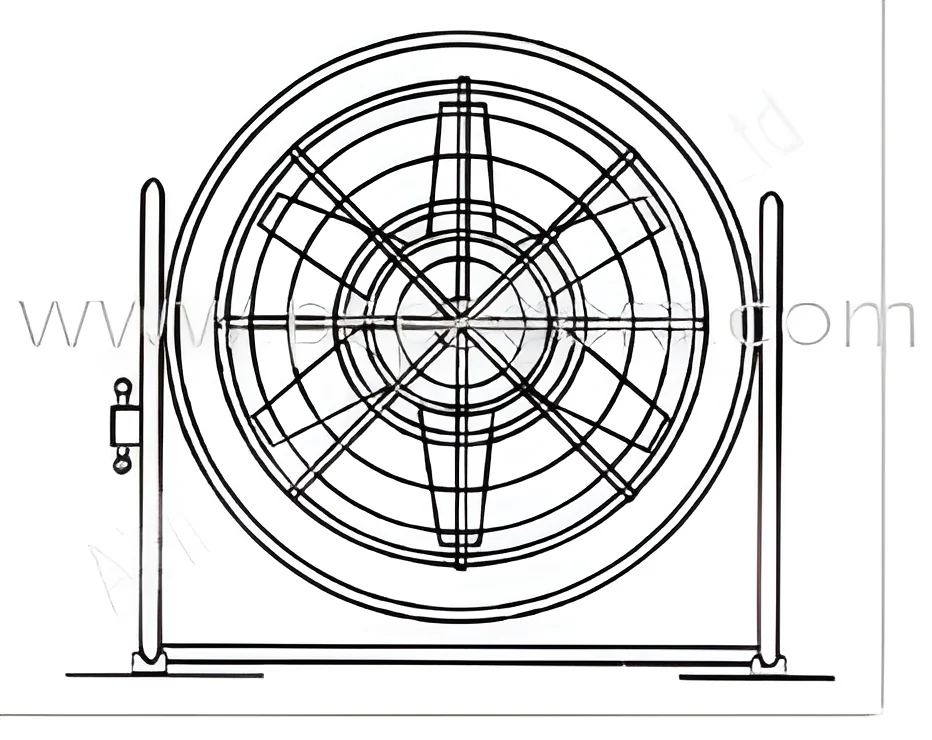
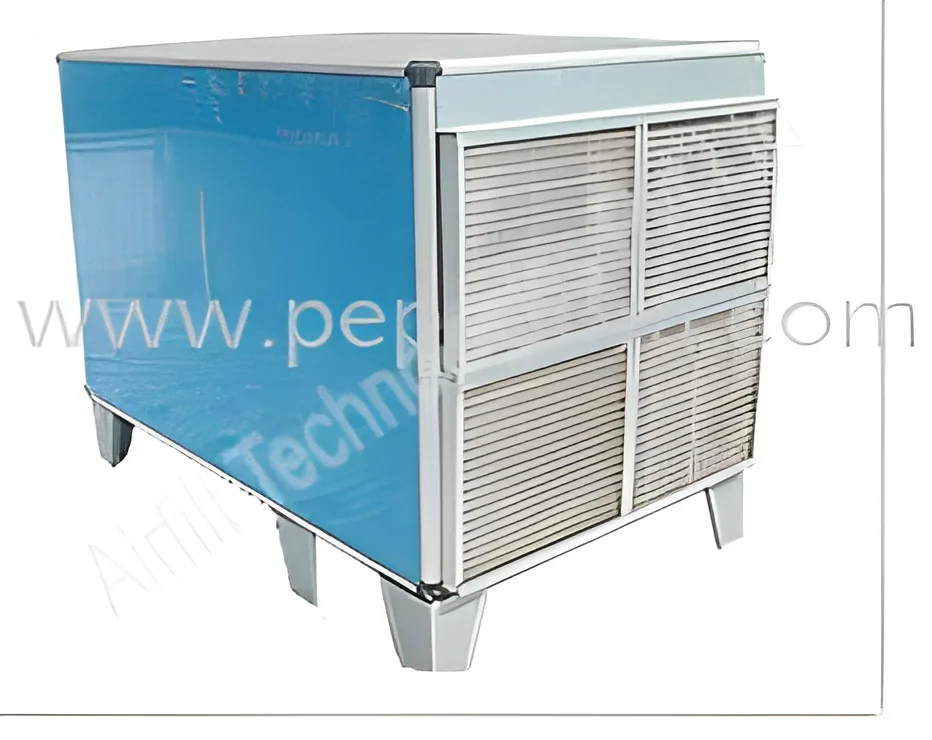
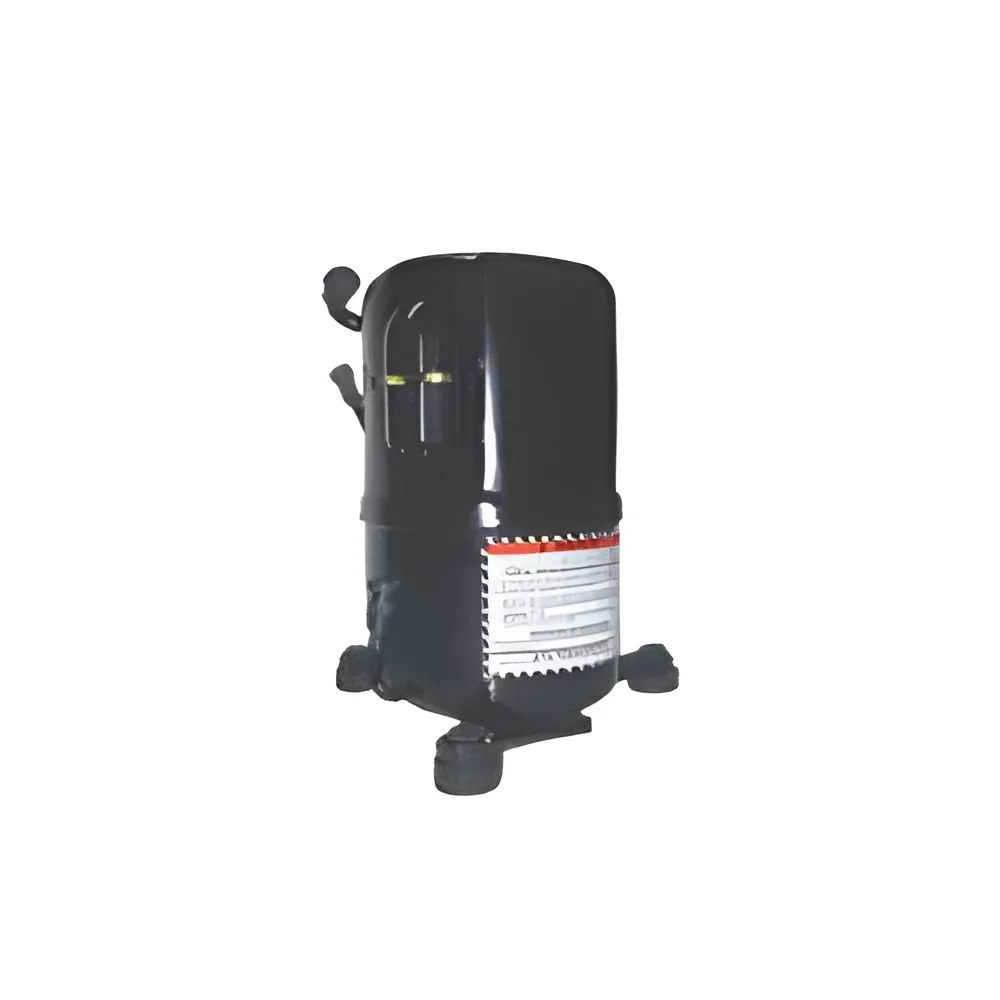
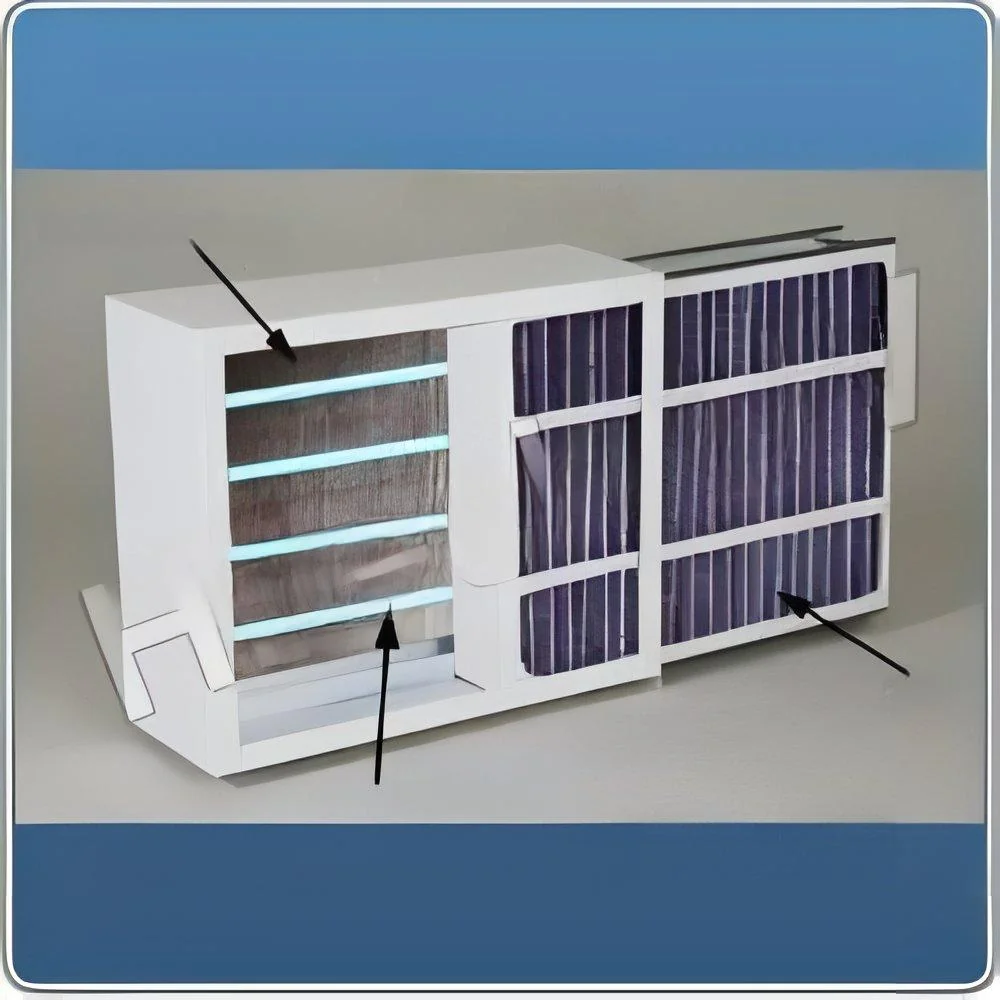
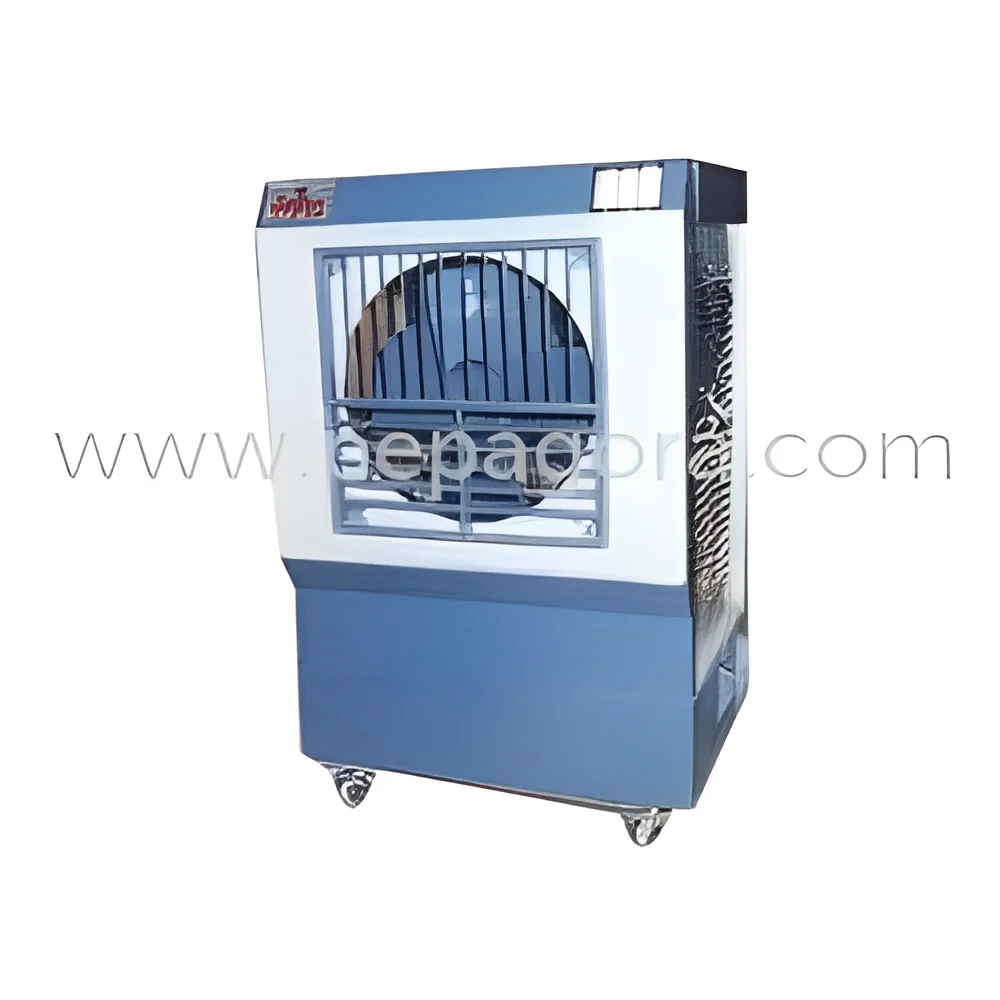
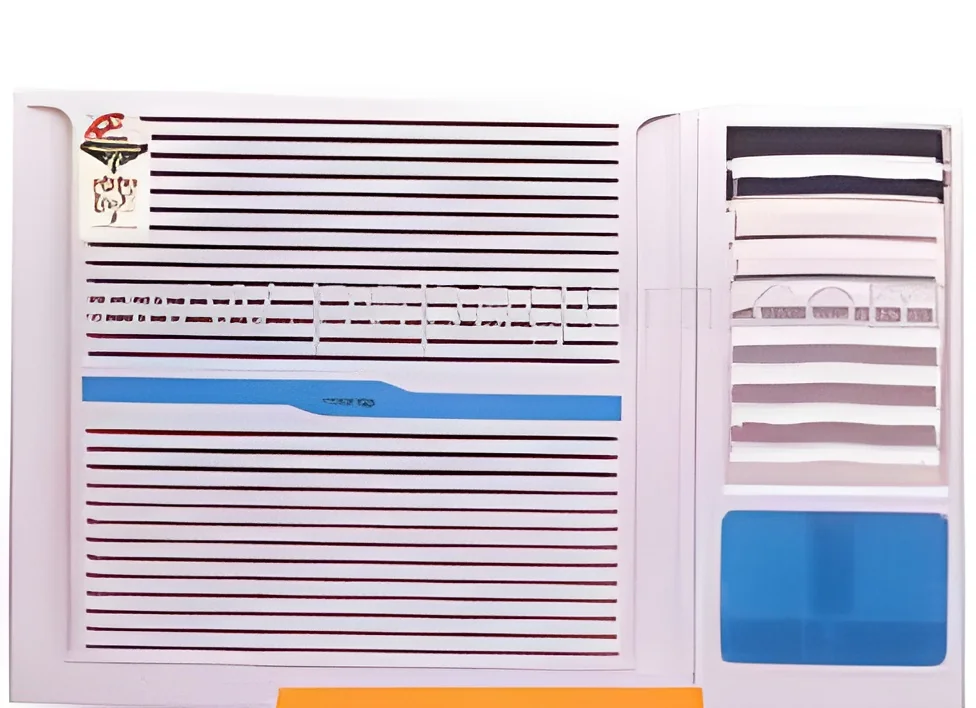
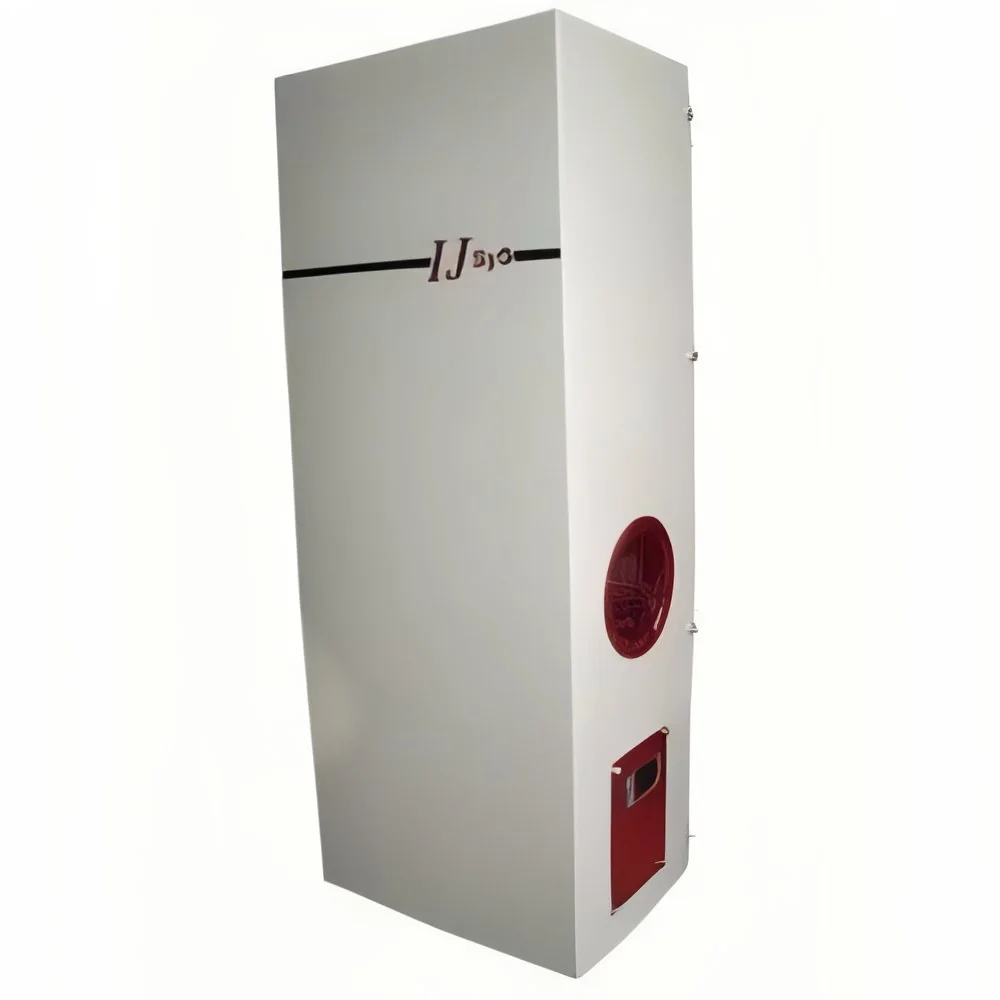
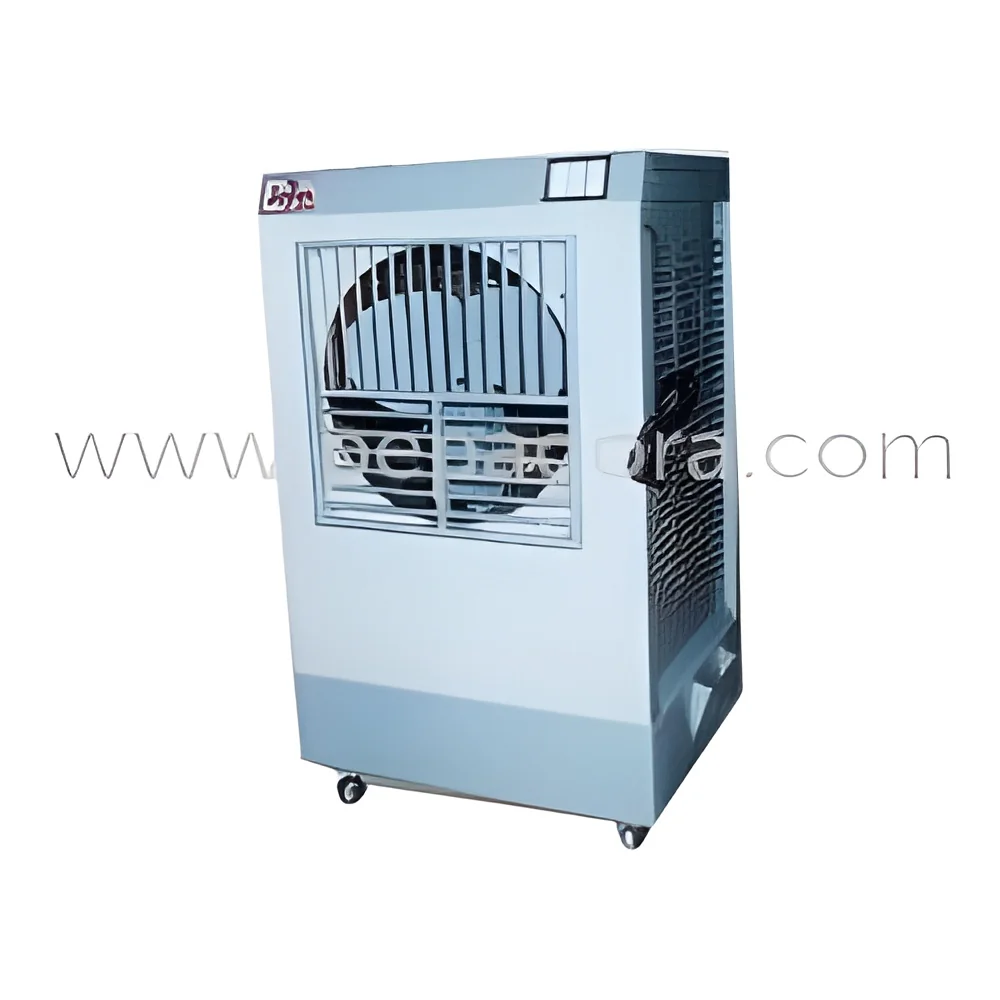
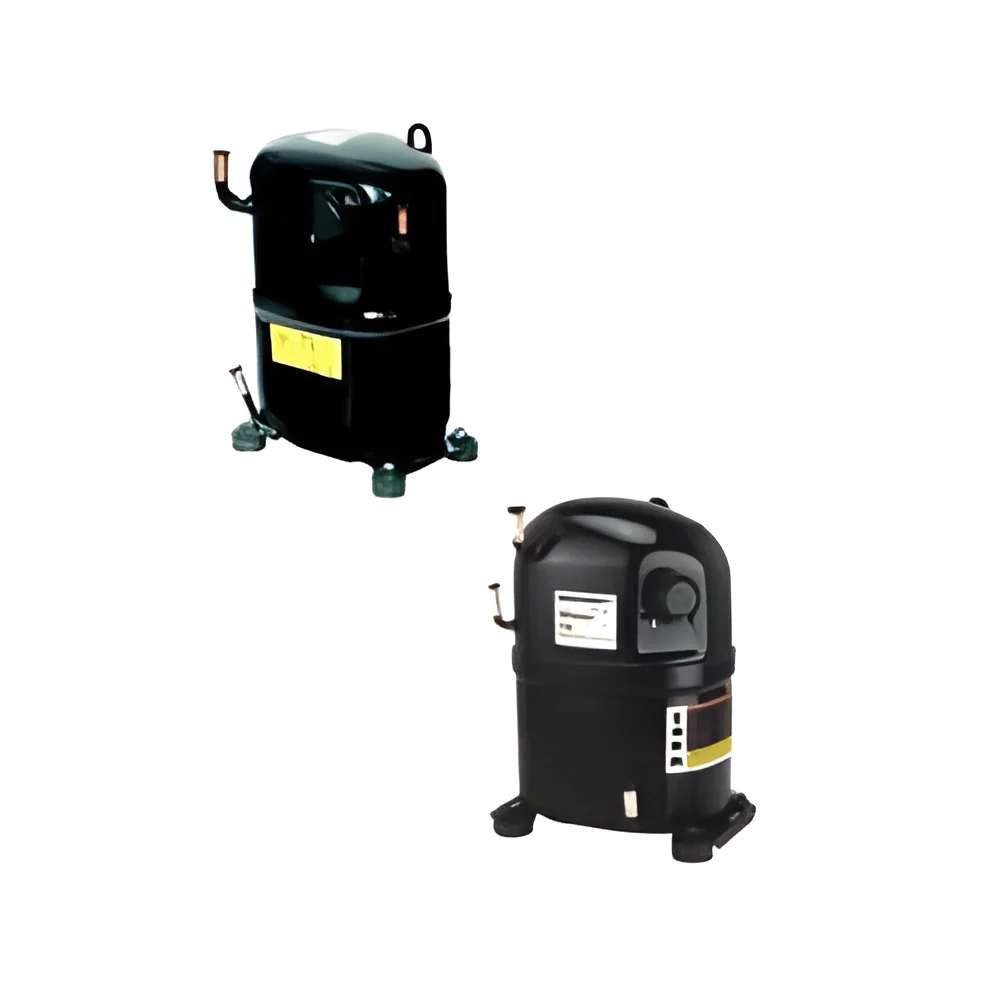
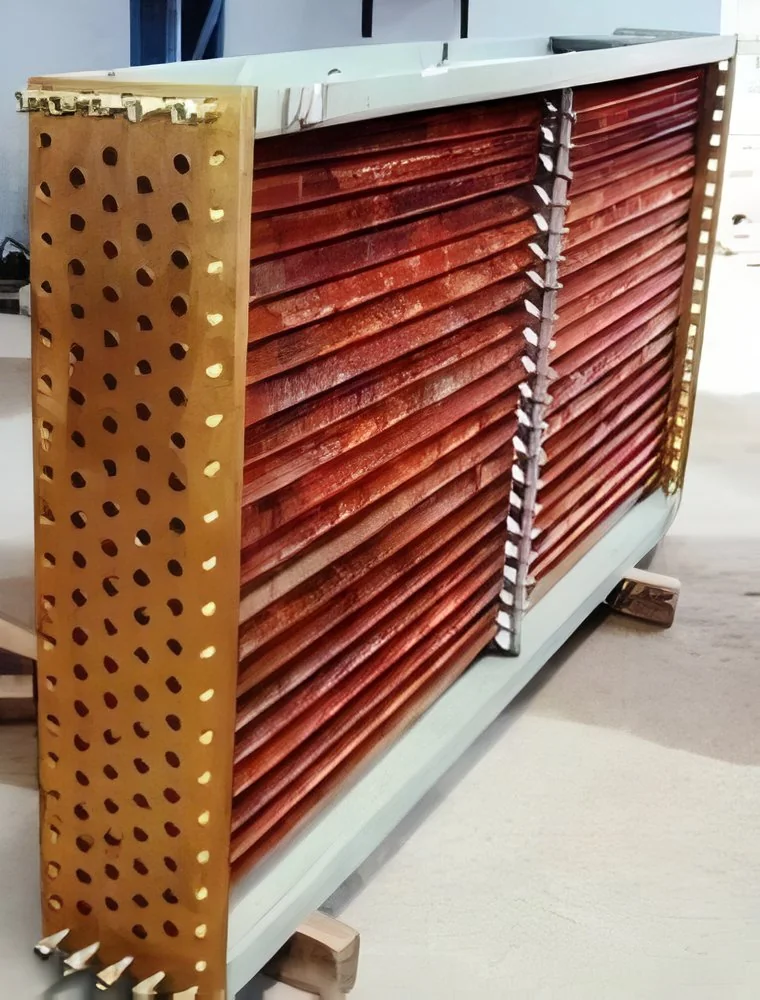
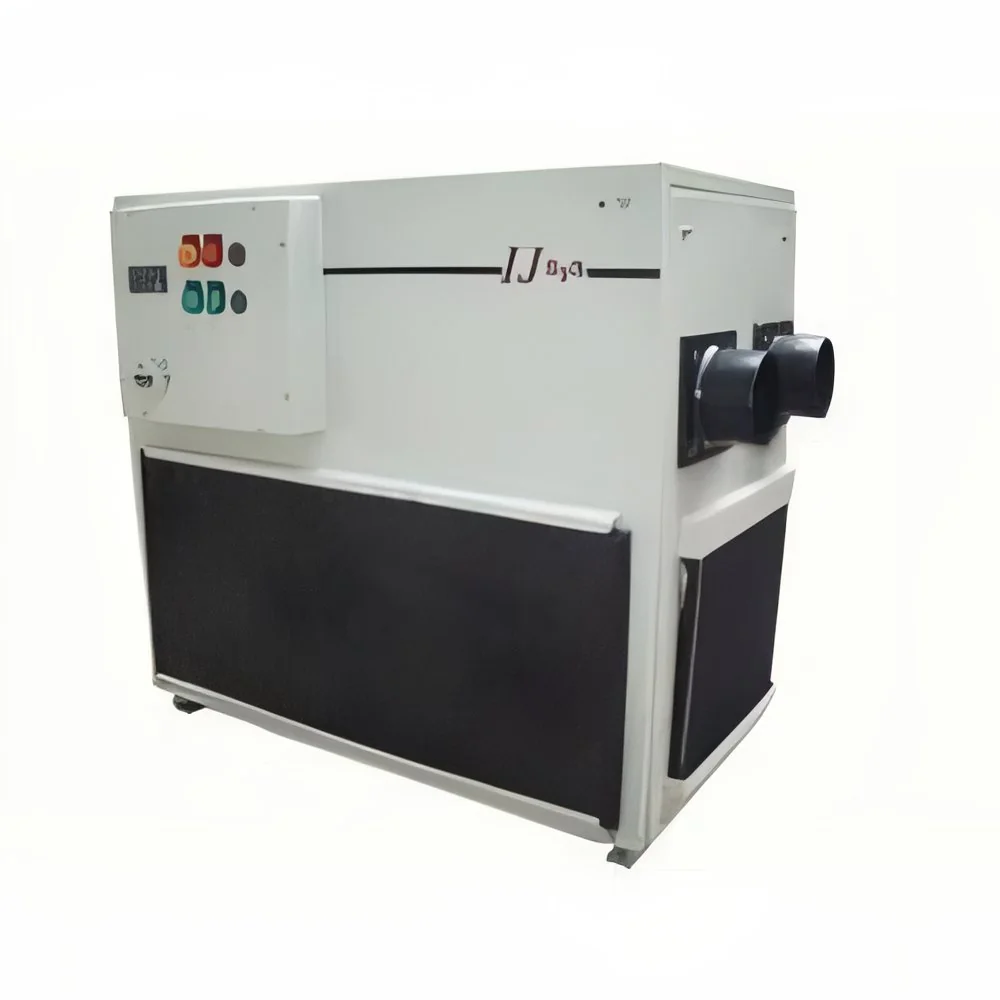
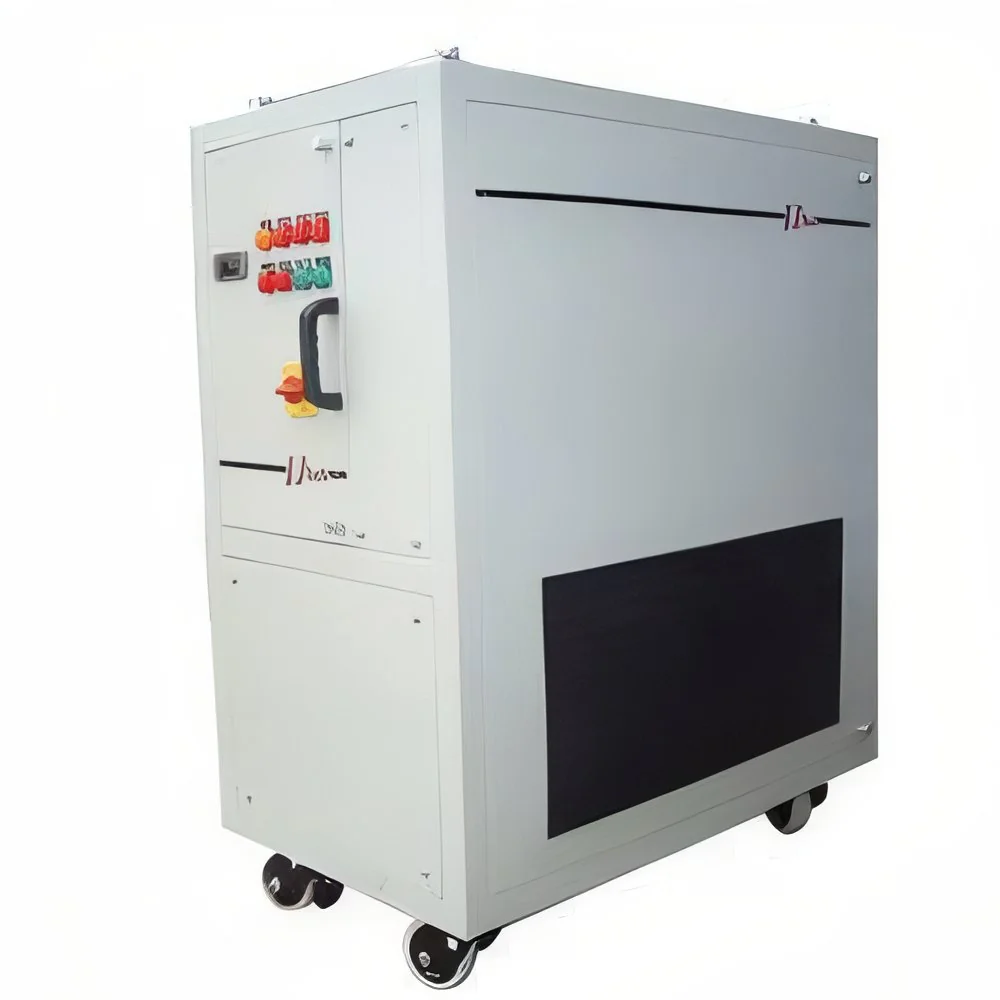
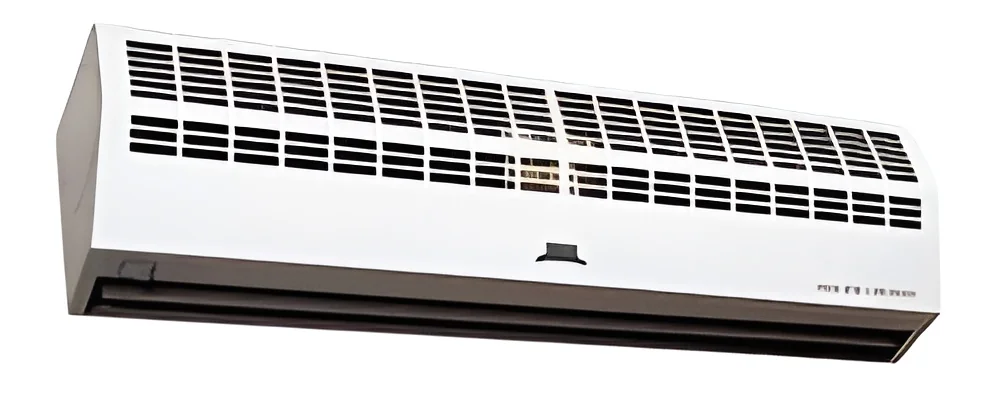
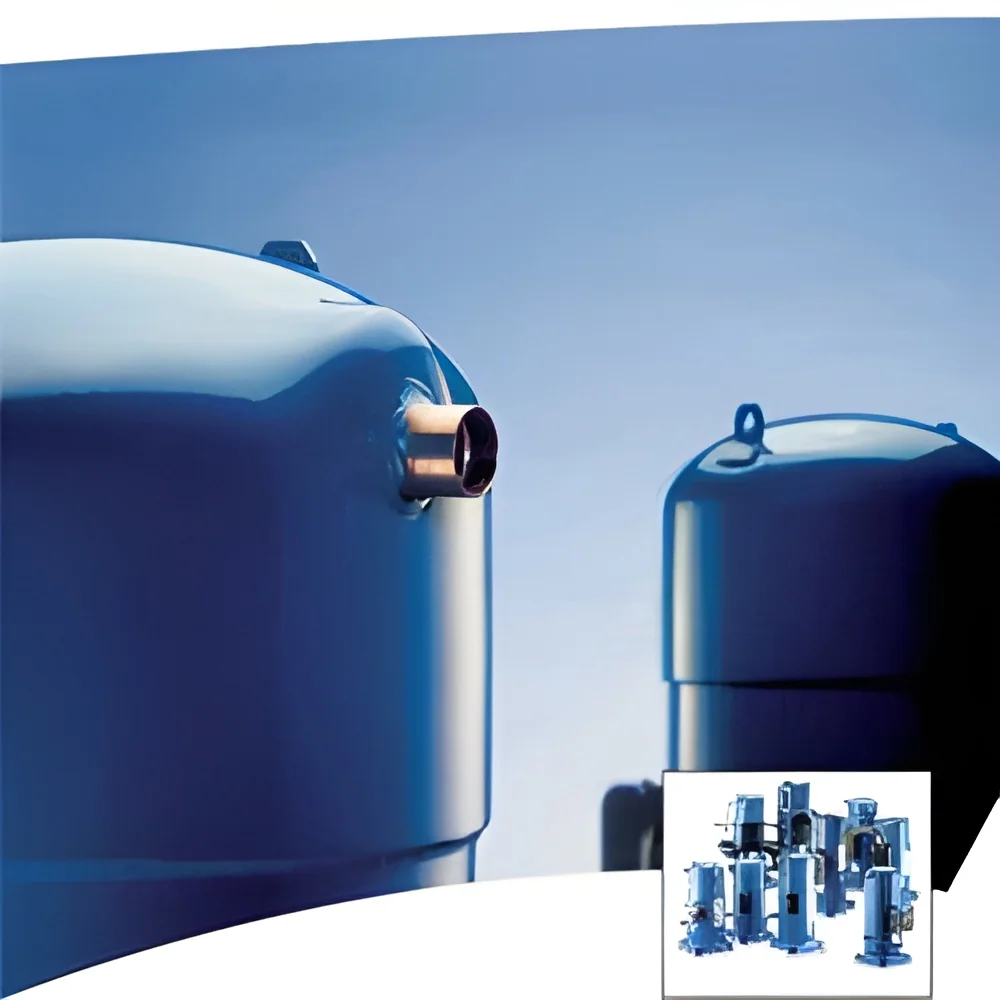
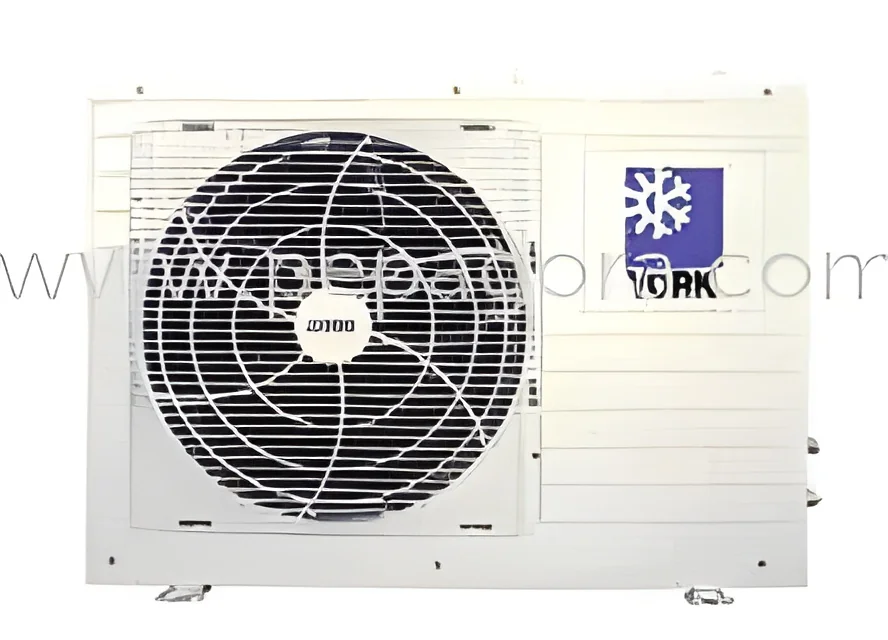
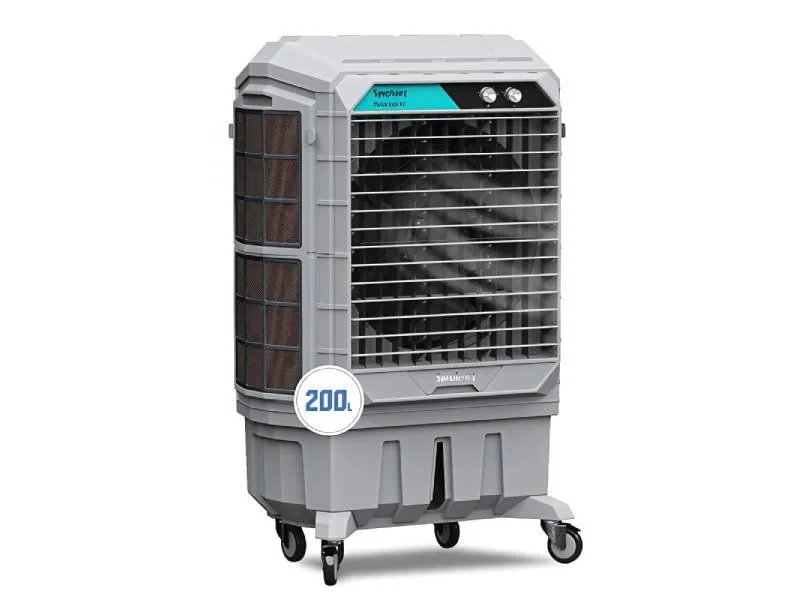
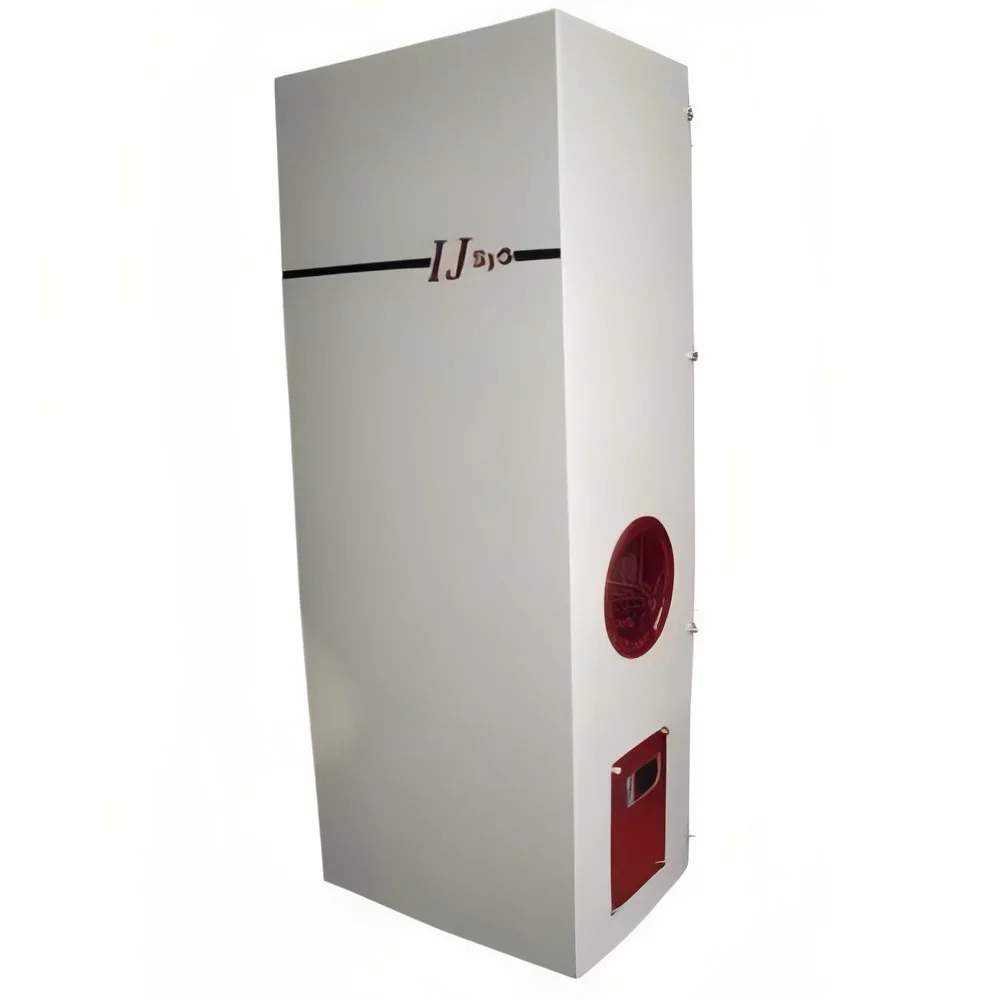
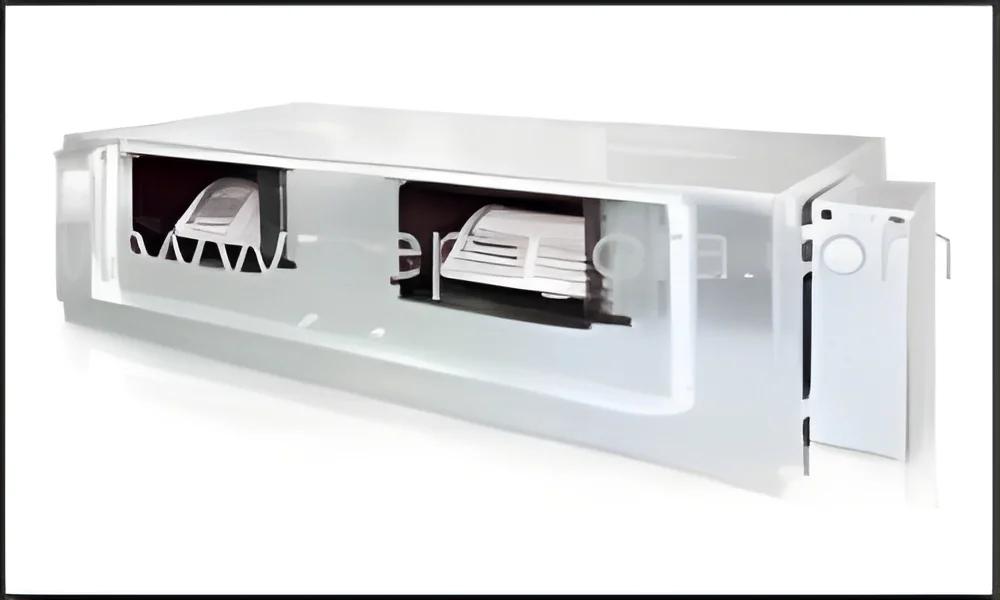
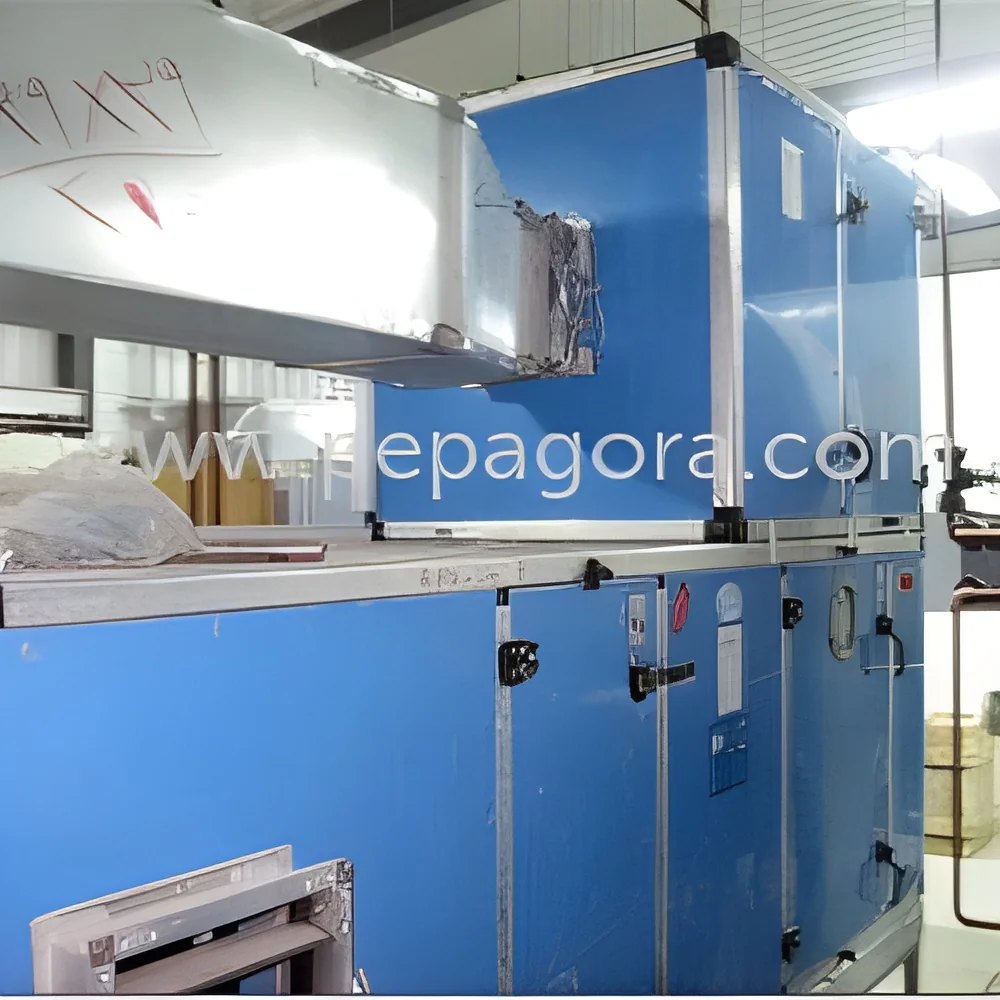
Packaged AC units are self-contained air conditioning systems designed to efficiently cool and dehumidify indoor spaces. These units combine all essential components, including the compressor, condenser, and evaporator, into a single package, making them easy to install and maintain. Typically used in commercial and industrial settings, packaged AC units provide a versatile solution for temperature control.
These units are primarily utilized in various business applications, such as office buildings, retail stores, and manufacturing facilities. They are ideal for spaces where traditional split systems are not feasible due to space limitations or installation challenges. Packaged AC units are also effective in providing consistent cooling for larger areas, ensuring comfort for employees and customers alike.
In the current market, the demand for packaged AC units is growing due to increased focus on energy efficiency and climate control in commercial spaces. Additionally, advancements in technology have led to improved performance and reliability, making these units a relevant choice for businesses looking to optimize their HVAC systems.
𝗞𝗲𝘆 𝗙𝗲𝗮𝘁𝘂𝗿𝗲𝘀 𝗮𝗻𝗱 𝗦𝗽𝗲𝗰𝗶𝗳𝗶𝗰𝗮𝘁𝗶𝗼𝗻𝘀
Packaged AC units come with several key features that enhance their efficiency and usability. They are designed to operate effectively in diverse environments while ensuring minimal energy consumption.
Key specifications include:
1. Cooling Capacity
- Measured in BTUs (British Thermal Units), indicating the amount of heat the unit can remove from a space per hour.
- Common ranges are between 5,000 to 60,000 BTUs.
2. Energy Efficiency Ratio (EER)
- A measure of the unit's cooling output divided by its power consumption.
- Higher EER ratings indicate greater energy efficiency.
3. Dimensions
- Size specifications vary based on the model but typically range from compact units for small spaces to larger units for extensive applications.
4. Voltage Options
- Available in multiple voltage configurations to suit different electrical systems, typically ranging from 208V to 480V.
5. Weight
- Units can vary significantly in weight, impacting installation requirements and transportation.
6. Noise Levels
- Noise ratings are measured in decibels (dB), with quieter units preferred in commercial settings.
7. Refrigerant Type
- Different refrigerants are used, with R-410A being common due to its environmental benefits.
8. Warranty
- Typically offered for 1 to 5 years, depending on the manufacturer and model.
In summary, understanding the specifications of packaged AC units is essential for businesses seeking to make informed purchasing decisions.
𝗖𝗼𝗺𝗺𝗼𝗻 𝗔𝗽𝗽𝗹𝗶𝗰𝗮𝘁𝗶𝗼𝗻𝘀 𝗮𝗻𝗱 𝗨𝘀𝗲 𝗖𝗮𝘀𝗲𝘀
Packaged AC units are versatile and suitable for various industries.
1. Retail: These units maintain a comfortable environment for customers in stores, allowing for an enjoyable shopping experience.
2. Office Buildings: Packaged AC units provide consistent cooling across open spaces and individual offices, promoting productivity.
3. Manufacturing: In industrial settings, these units help regulate temperatures, ensuring optimal conditions for equipment and personnel.
4. Hospitality: Hotels and restaurants utilize packaged AC units to enhance guest comfort in dining areas and guest rooms.
5. Healthcare: Hospitals and clinics rely on these systems for maintaining stable temperatures in patient care areas.
6. Educational Institutions: Schools and universities use packaged AC units to create conducive learning environments.
7. Data Centers: These units are crucial in regulating temperatures and humidity levels to protect sensitive electronic equipment.
𝗣𝗿𝗼𝗱𝘂𝗰𝘁 𝗩𝗮𝗿𝗶𝗮𝗻𝘁𝘀 𝗮𝗻𝗱 𝗦𝘂𝗯𝗰𝗮𝘁𝗲𝗴𝗼𝗿𝗶𝗲𝘀
Packaged AC units come in various configurations to suit specific needs.
Standard Packaged Units
These are the most common type, providing adequate cooling for general commercial spaces. They are designed for straightforward installation and maintenance.
Ducted Packaged Units
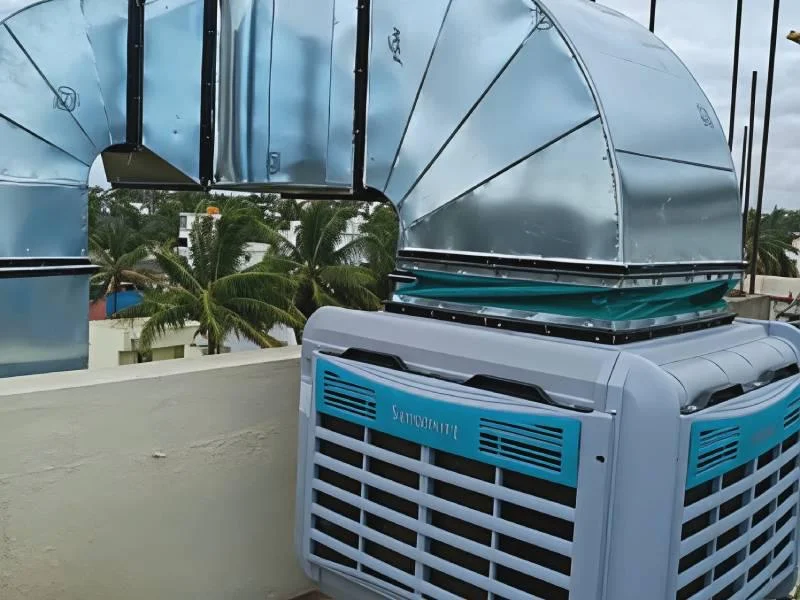
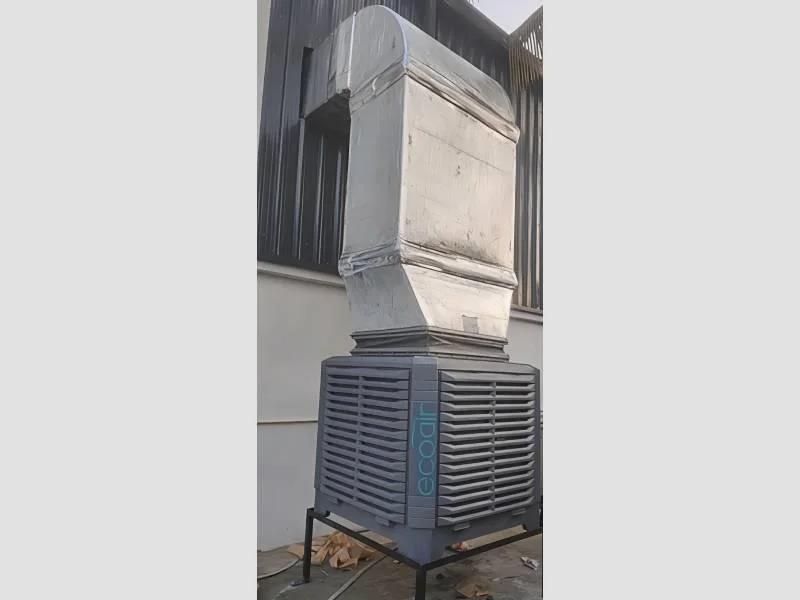
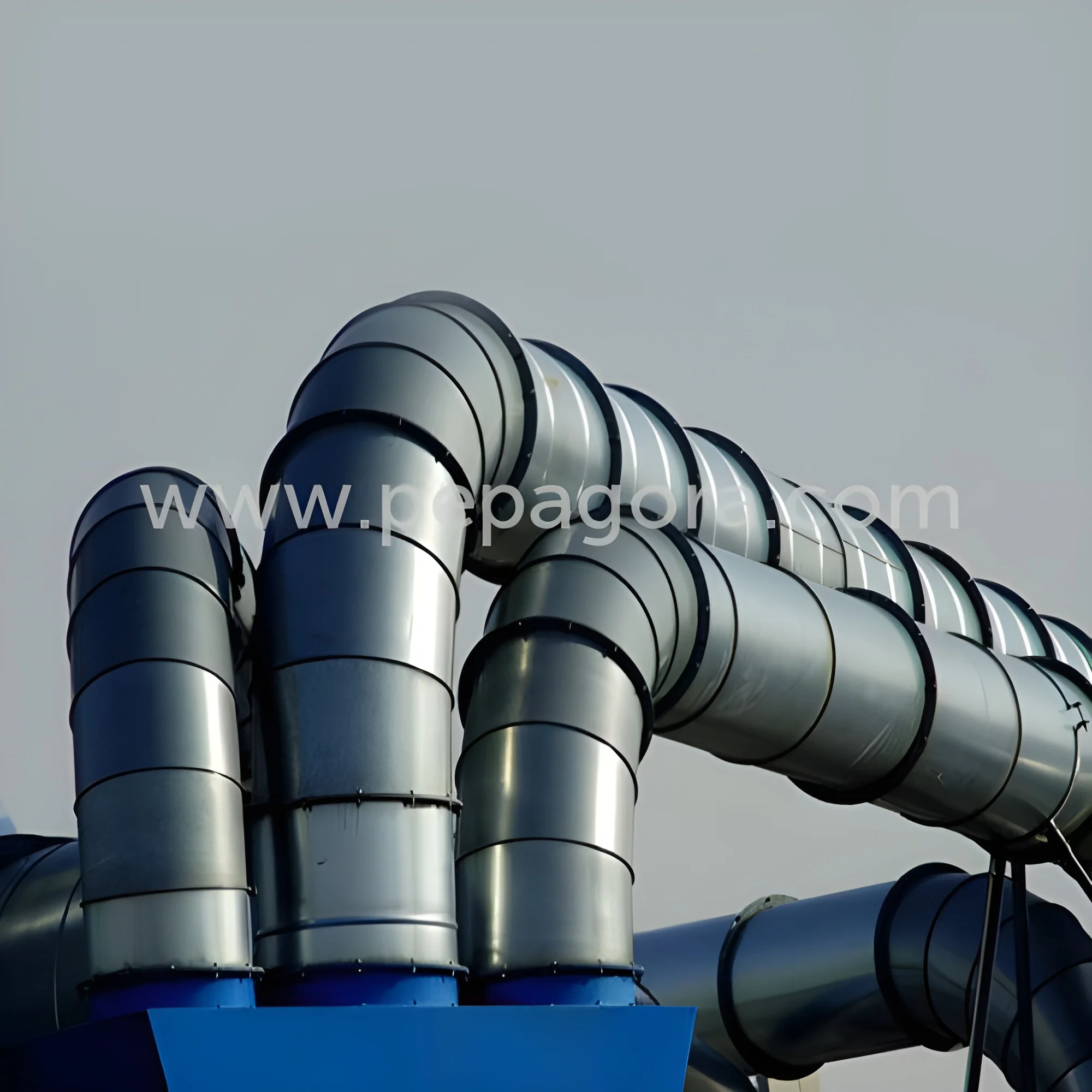
These units are equipped with ductwork to distribute conditioned air throughout larger buildings. They are ideal for spaces where ceiling height is limited.
Rooftop Packaged Units
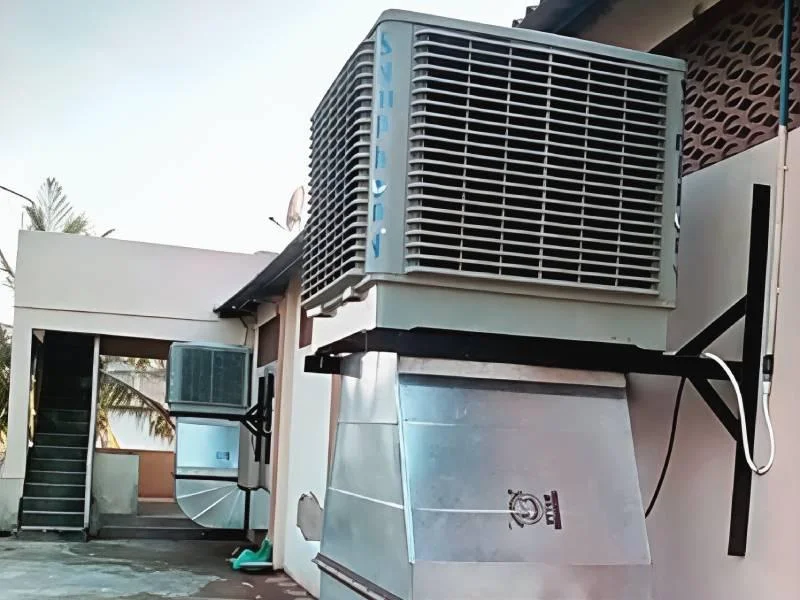
Designed for installation on building rooftops, these units save valuable ground space and offer efficient cooling for large areas.
𝗕𝗲𝗻𝗲𝗳𝗶𝘁𝘀 𝗮𝗻𝗱 𝗔𝗱𝘃𝗮𝗻𝘁𝗮𝗴𝗲𝘀
Packaged AC units offer numerous benefits for businesses.
1. Space Efficiency: The compact design of these units saves valuable floor space, making them suitable for various environments.
2. Cost-Effectiveness: Packaged units often have lower installation and maintenance costs compared to split systems.
3. Simplified Installation: The all-in-one design allows for quicker installation, reducing downtime.
4. Energy Efficiency: Many packaged AC units are designed to operate with high energy efficiency, leading to lower utility bills.
5. Versatility: Suitable for a wide range of applications, these units can adapt to different business needs.
6. Enhanced Air Quality: Equipped with filtration systems, packaged AC units help improve indoor air quality by reducing allergens and pollutants.
𝗕𝘂𝘆𝗶𝗻𝗴 𝗚𝘂𝗶𝗱𝗲 𝗳𝗼𝗿 𝗕𝟮𝗕 𝗕𝘂𝘆𝗲𝗿𝘀
When sourcing packaged AC units, there are several key factors to consider.
1. Quality Assessment: Evaluate the unit's build quality and reliability. Look for manufacturers with a good track record for durability and performance.
2. Supplier Verification: Ensure suppliers are reputable and have positive reviews. Check for certifications and industry recognition to validate their credibility.
3. Pricing and MOQ: Understand the pricing structure and minimum order quantities. Compare costs across different suppliers to find the best value.
4. Delivery and Lead Times: Inquire about logistics and shipping times. Timely delivery is crucial for project planning and execution.
5. Compliance Requirements: Be aware of any regulatory standards that must be met. This includes safety and environmental compliance to ensure the unit’s suitability for your location.
𝗖𝗼𝗺𝗽𝗹𝗶𝗮𝗻𝗰𝗲 𝗮𝗻𝗱 𝗖𝗲𝗿𝘁𝗶𝗳𝗶𝗰𝗮𝘁𝗶𝗼𝗻𝘀
Packaged AC units must adhere to various industry standards and certifications to ensure safety and efficiency.
Quality standards such as ISO 9001 focus on maintaining quality management systems that enhance product reliability and consistency.
Industry certifications like CE indicate compliance with European health, safety, and environmental protection standards.
Safety and testing requirements are crucial in ensuring that these products meet operational standards, providing peace of mind to businesses.
Regional compliance considerations may vary based on location, necessitating awareness of local regulations to ensure that all units are compliant.
𝗪𝗵𝘆 𝗦𝗼𝘂𝗿𝗰𝗲 𝗣𝗮𝗰𝗸𝗮𝗴𝗲𝗱 𝗔𝗖 𝗨𝗻𝗶𝘁𝘀 𝗳𝗿𝗼𝗺 𝗣𝗲𝗽𝗮𝗴𝗼𝗿𝗮?
Pepagora offers a trusted platform for sourcing packaged AC units, providing several distinct advantages.
Verified Supplier Network: Pepagora ensures that all suppliers are thoroughly vetted, offering buyers confidence in their sourcing decisions. This verification process helps ensure quality and reliability.
Streamlined RFQ Process: The request for quotation system simplifies the procurement process, allowing buyers to receive competitive offers quickly and efficiently.
Trade Assurance and Support: Buyers benefit from protections that ensure satisfaction with their purchases. Pepagora provides ongoing support to address any concerns that may arise after the sale.
Regional Coverage: With a strong presence in India, the GCC, and Southeast Asia, Pepagora connects buyers with local suppliers, facilitating easier access to packaged AC units tailored to regional needs.
Packaged AC Units are self-contained air conditioning systems that combine all the essential components, including the compressor, condenser, and evaporator, into a single unit. These units are designed for both residential and commercial applications, providing efficient cooling in a compact format.
2
What are the different types of Packaged AC Units?
There are primarily two types of Packaged AC Units: rooftop units and split units. Rooftop units are installed on the roof, while split units are mounted on the ground or walls, offering flexibility in installation and space-saving solutions.
3
How do I choose the right Packaged AC Units?
Selecting the right Packaged AC Unit involves considering factors such as the size of the space, cooling capacity, energy efficiency rating, and installation requirements. Consulting with HVAC professionals can also help in making an informed decision based on specific needs.
4
What are the standard specifications for Packaged AC Units?
Standard specifications for Packaged AC Units typically include cooling capacity measured in BTUs, energy efficiency ratio (EER), power consumption, and dimensions. It's essential to review these specifications to ensure the unit meets the requirements of the installation environment.
5
What is the price range for Packaged AC Units?
The price range for Packaged AC Units can vary widely based on brand, capacity, and features, typically ranging from INR 25,000 to INR 1,50,000. Factors such as installation costs and additional features may also influence the overall price.
6
What quality standards apply to Packaged AC Units?
Packaged AC Units must adhere to quality standards set by the Bureau of Indian Standards (BIS) and are often labeled with BEE star ratings for energy efficiency. Compliance with these standards ensures reliability and safety in operation.
7
Where can I find Packaged AC Units suppliers in India?
You can find Packaged AC Units suppliers in India through various B2B marketplaces, trade shows, and industry directories. Websites like Pepagora.com offer a platform to connect with reputable manufacturers and suppliers.
8
Can Packaged AC Units be customized?
Yes, many manufacturers offer customization options for Packaged AC Units to meet specific requirements. Customizations can include adjustments in capacity, design modifications, and additional features tailored to user needs.
9
What is the typical minimum order quantity for Packaged AC Units?
The typical minimum order quantity (MOQ) for Packaged AC Units varies by supplier but generally ranges from 1 to 5 units. It's advisable to check with individual suppliers for their specific MOQ policies.
10
What is the typical lead time for Packaged AC Units?
The typical lead time for Packaged AC Units can range from 2 to 6 weeks, depending on the supplier and the complexity of the order. Factors such as customization and availability of stock may also affect delivery times.
Why Businesses Trust Pepagora
Thousands of companies trust Pepagora to source smarter and sell faster
Expand Your Sales Globally
25000+Products listed.Get discovered by global buyers

 IN
IN