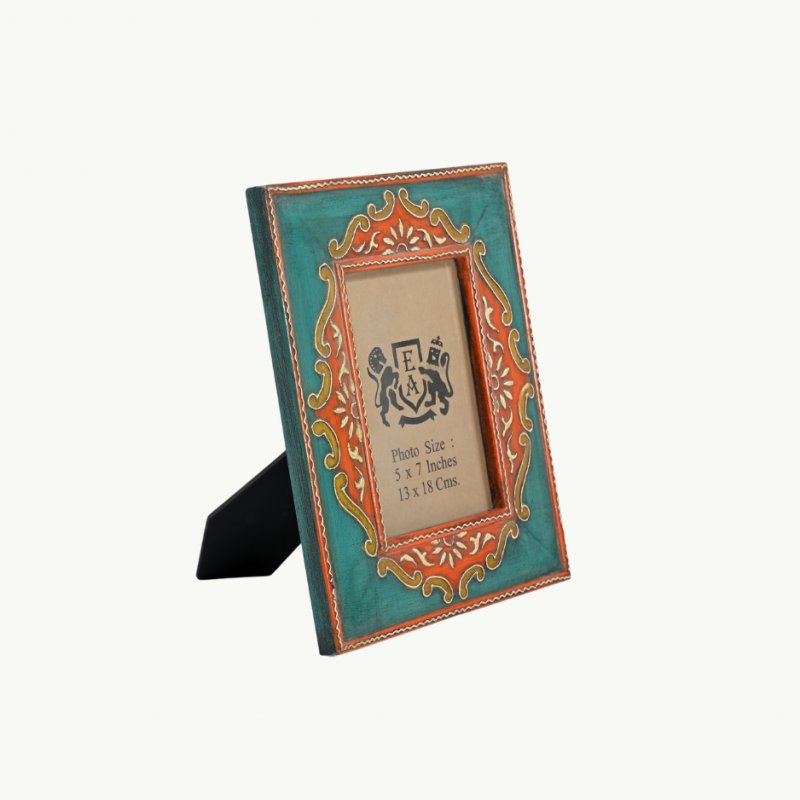
𝗪𝗵𝗮𝘁 𝗮𝗿𝗲 𝗣𝗵𝗼𝘁𝗼 𝗙𝗿𝗮𝗺𝗲𝘀?
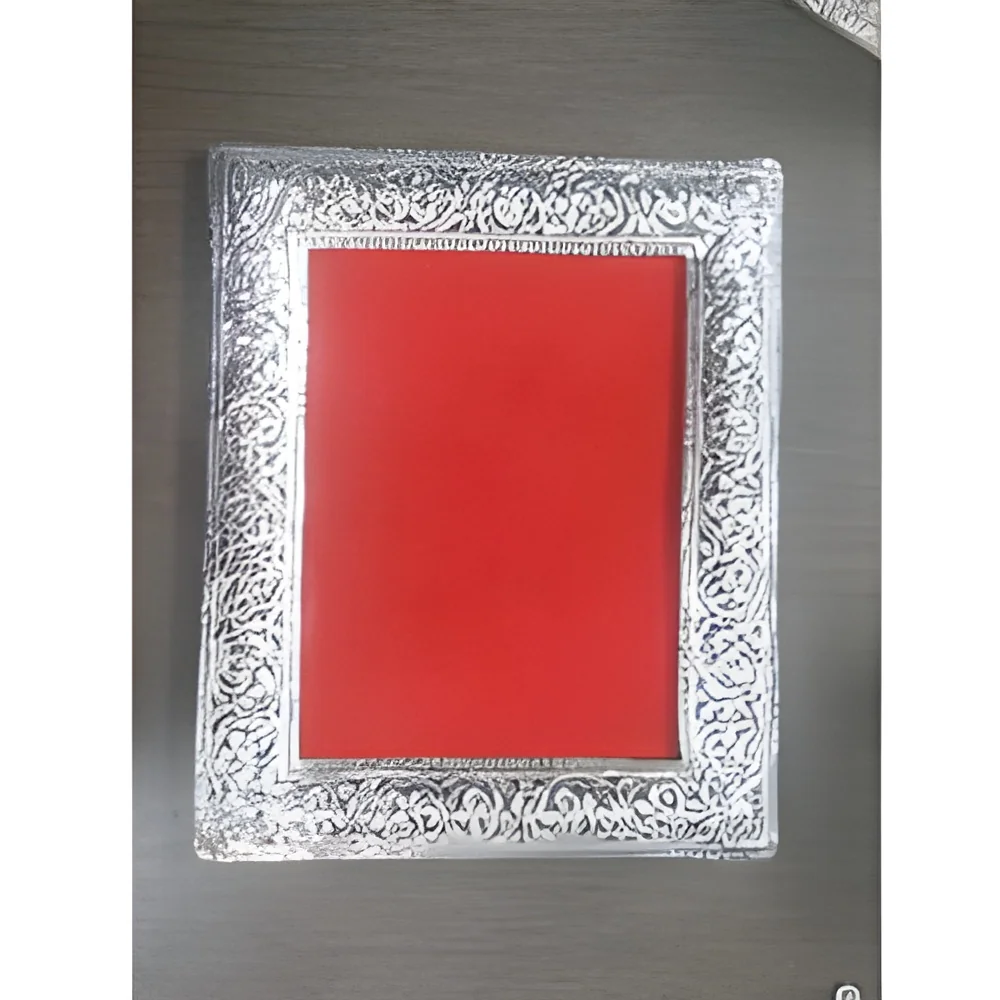
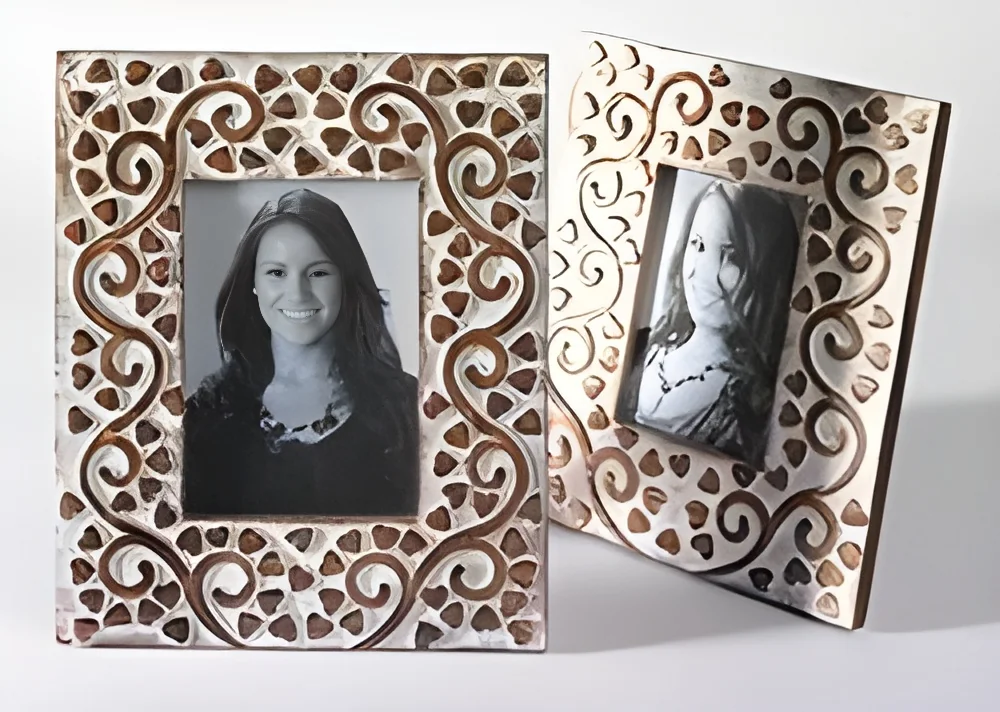
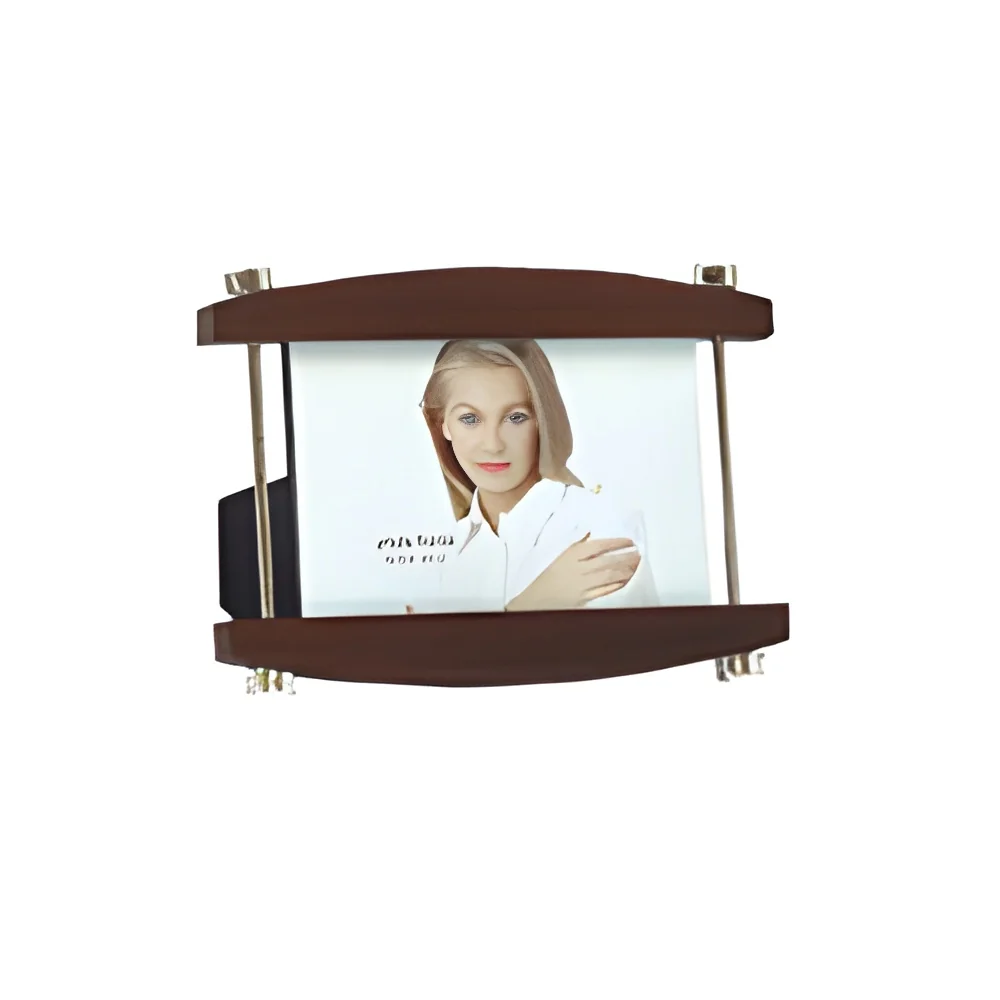
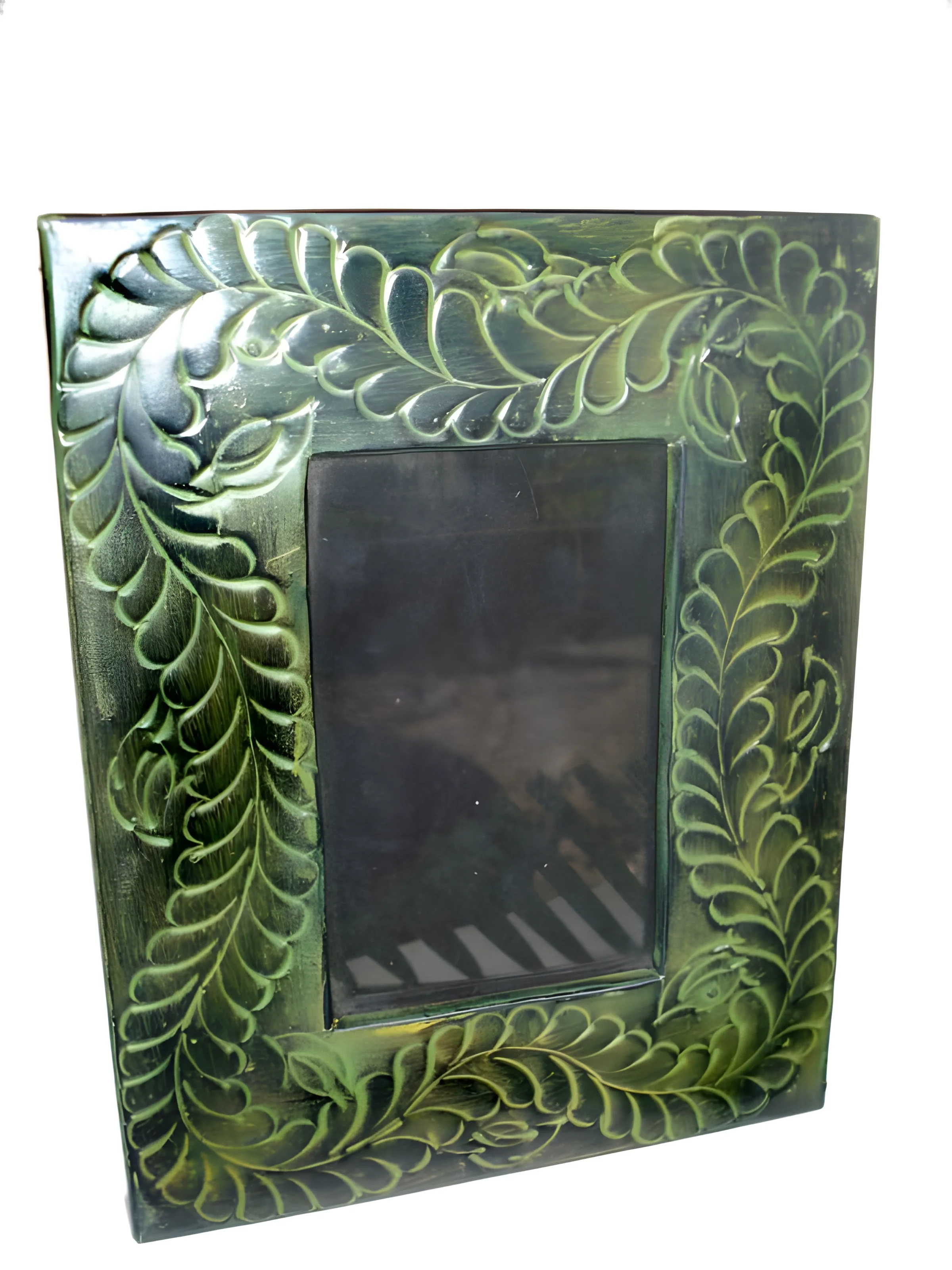
Photo frames are decorative structures designed to hold and display photographs, artwork, or other visual media. They come in various styles, materials, and sizes, catering to different aesthetic preferences and functional needs. Typically, photo frames are composed of a border that encases the image and a backing that provides support. They can be wall-mounted or stand on a flat surface, making them versatile for different display environments.
In a business context, photo frames are commonly used for a variety of applications, such as in offices, retail spaces, and homes. They are often utilized for displaying corporate achievements, employee recognition, or promotional material. Additionally, photo frames serve as gifts or decor in hospitality settings, enhancing the ambiance of hotels and restaurants by showcasing local art or memorable moments.
The market for photo frames is diverse and competitive, with a significant demand stemming from both individual consumers and businesses. Factors such as design trends, material quality, and customization options play a crucial role in driving sales. With the rise of e-commerce, sourcing photo frames has become easier for businesses, allowing for greater accessibility to a wide range of products.
𝗞𝗲𝘆 𝗙𝗲𝗮𝘁𝘂𝗿𝗲𝘀 𝗮𝗻𝗱 𝗦𝗽𝗲𝗰𝗶𝗳𝗶𝗰𝗮𝘁𝗶𝗼𝗻𝘀
Photo frames come with various features and specifications that cater to both aesthetic and functional needs. When considering photo frames, it is essential to understand these key attributes to make informed purchasing decisions.
Key specifications include:
1. Material Type
- Common materials include wood, metal, plastic, and glass.
- Each material offers different durability, weight, and aesthetic appeal.
2. Size Options
- Photo frames are available in standard sizes such as 4x6 inches, 5x7 inches, and 8x10 inches.
- Custom sizes can also be produced based on specific business requirements.
3. Orientation
- Frames can be designed for vertical or horizontal display.
- Some frames offer dual orientation capabilities for flexibility.
4. Mounting Type
- Options include wall-mounted frames and tabletop frames.
- Specific designs may include hooks, stands, or easels for easy setup.
5. Glass Quality
- Frames may feature standard glass, acrylic, or UV-protective glass.
- Higher quality glass options can enhance image clarity and longevity.
6. Customization Options
- Many suppliers offer printing, engraving, or design services for personalized frames.
- Custom branding is an attractive option for corporate gifts or promotional items.
7. Price Range
- Prices vary widely based on materials, size, and custom features.
- Businesses should consider budget constraints when selecting frames.
8. Certifications
- Compliance with safety standards such as CE certification ensures product reliability.
- Check for any additional certifications that may apply based on regional regulations.
Understanding these specifications can help businesses select the right photo frames that meet their needs and align with their branding strategies.
𝗖𝗼𝗺𝗺𝗼𝗻 𝗔𝗽𝗽𝗹𝗶𝗰𝗮𝘁𝗶𝗼𝗻𝘀 𝗮𝗻𝗱 𝗨𝘀𝗲 𝗖𝗮𝘀𝗲𝘀
Photo frames serve various industries, offering both functional and decorative purposes.
1. Corporate Offices: Photo frames are used to display employee achievements, team photos, and awards, enhancing workplace morale and culture.
2. Retail Spaces: Businesses often use frames to showcase product images, promotional materials, or customer testimonials, attracting potential buyers.
3. Hospitality Industry: Hotels and restaurants use photo frames to display local artwork or memorable moments, enriching the guest experience and ambiance.
4. Educational Institutions: Schools and universities utilize frames to display certificates, awards, and photographs of alumni, celebrating their achievements and fostering community spirit.
5. Event Planning: Photo frames can be used as decorative items at events such as weddings, conferences, and exhibitions, providing a personalized touch.
6. Home Decor: Consumers use photo frames to display personal memories, artwork, or family portraits, enhancing the aesthetic of living spaces.
7. Gifts and Souvenirs: Customized photo frames serve as thoughtful gifts for occasions such as birthdays, anniversaries, and corporate events, leaving a lasting impression.
𝗣𝗿𝗼𝗱𝘂𝗰𝘁 𝗩𝗮𝗿𝗶𝗮𝗻𝘁𝘀 𝗮𝗻𝗱 𝗦𝘂𝗯𝗰𝗮𝘁𝗲𝗴𝗼𝗿𝗶𝗲𝘀
Photo frames come in a variety of designs and styles to accommodate different preferences and uses. Each variant offers unique features that can cater to specific applications.
Classic Wooden Frames
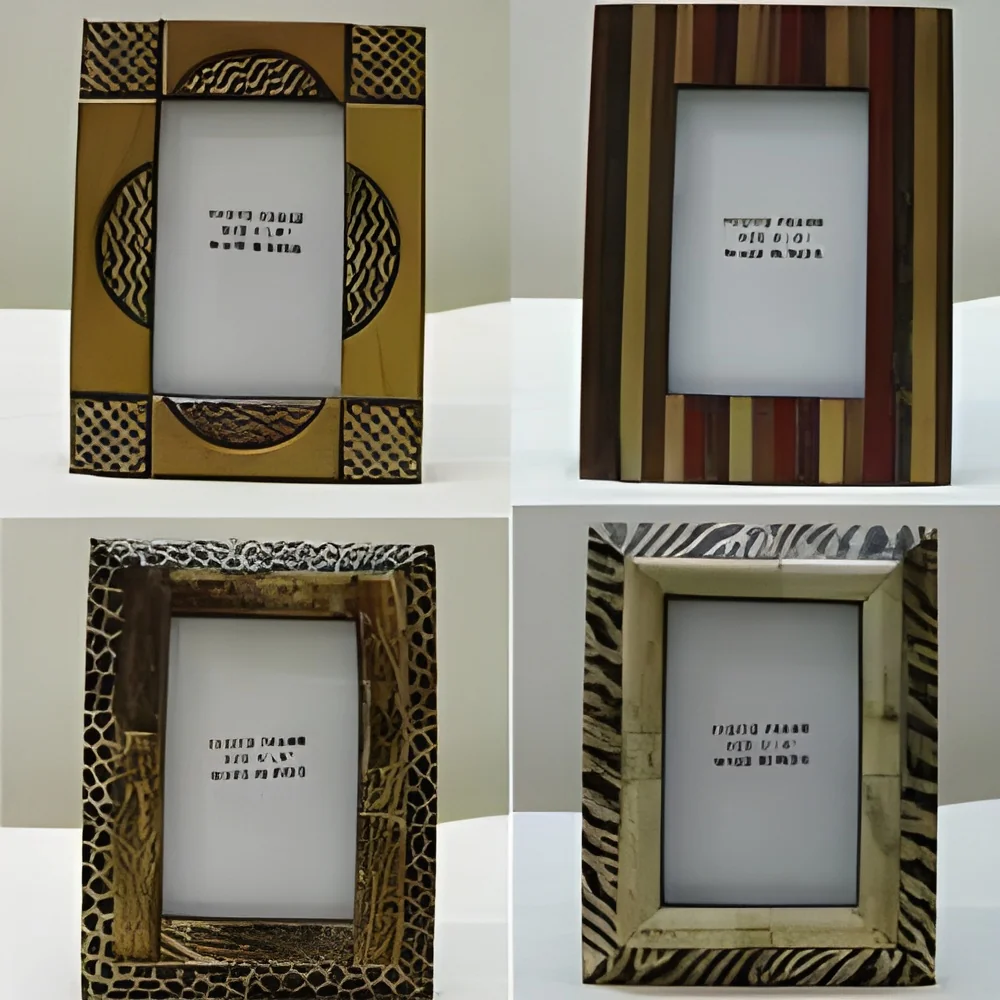
These frames are made from a variety of wood types and offer a timeless appeal. They can be stained or painted to fit any decor and are perfect for both home and office settings.
Modern Acrylic Frames
Acrylic frames offer a sleek, contemporary look. They are lightweight and durable, making them ideal for high-traffic areas or environments where durability is essential.
Collage Frames
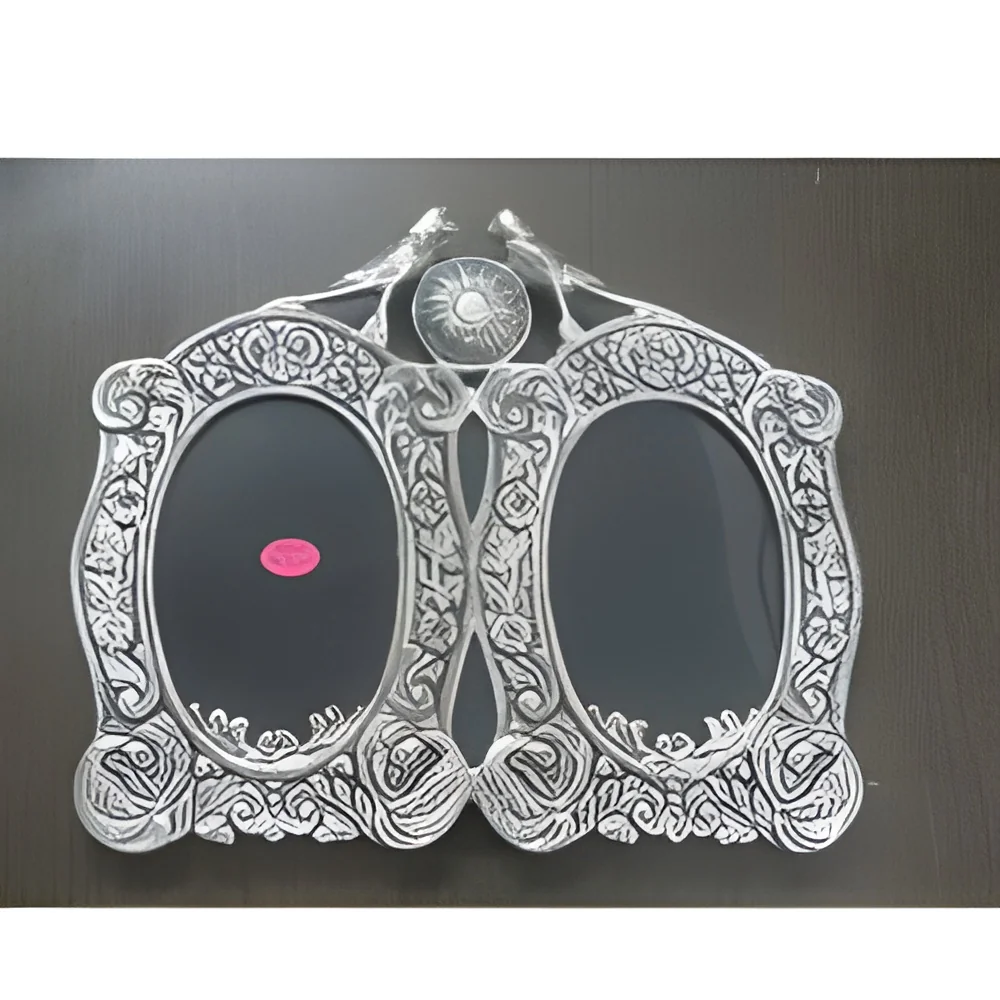
Collage frames are designed to hold multiple photos in a single frame. They are popular for showcasing family memories or themed collections, providing a visually engaging display.
Magnetic Frames
These frames use magnets to hold images securely. They are easy to change out, making them perfect for businesses that frequently update their displays or for personal use in homes.
𝗕𝗲𝗻𝗲𝗳𝗶𝘁𝘀 𝗮𝗻𝗱 𝗔𝗱𝘃𝗮𝗻𝘁𝗮𝗴𝗲𝘀
Photo frames offer several advantages for businesses and consumers alike.
1. Enhanced Presentation: Photo frames improve the presentation of images, making them more visually appealing and professional.
2. Customization: Many suppliers provide options for customization, allowing businesses to align frames with their branding or personal style.
3. Protection: Frames protect photographs and artwork from damage, dust, and fading, ensuring longevity and preserving memories.
4. Versatility: With a variety of styles, sizes, and materials, photo frames can complement any environment, from corporate offices to homes.
5. Affordability: Photo frames are available at various price points, making them accessible for businesses of all sizes.
6. Emotional Connection: Displaying personal or corporate memories fosters emotional connections, enhancing workplace culture and customer engagement.
𝗕𝘂𝘆𝗶𝗻𝗴 𝗚𝘂𝗶𝗱𝗲 𝗳𝗼𝗿 𝗕𝟮𝗕 𝗕𝘂𝘆𝗲𝗿𝘀
When sourcing photo frames, businesses should consider several factors to ensure they make the right purchase.
1. Quality Assessment: Evaluate the quality of materials and craftsmanship to ensure durability and longevity. Consider requesting samples to assess overall appearance and feel.
2. Supplier Verification: Vet suppliers by checking reviews, references, and their history in the industry. Reliable suppliers should have a proven track record of delivering quality products.
3. Pricing and MOQ: Clarify the pricing structure and minimum order quantities (MOQ) to align with budget constraints. Look for options that provide competitive pricing without compromising quality.
4. Delivery and Lead Times: Understand the supplier's delivery capabilities and lead times to ensure timely receipt of products. This is particularly important for businesses needing to meet deadlines for events or promotions.
5. Compliance Requirements: Ensure that the photo frames meet relevant compliance and safety standards. This includes certifications such as CE, which can signify adherence to quality and safety protocols.
𝗖𝗼𝗺𝗽𝗹𝗶𝗮𝗻𝗰𝗲 𝗮𝗻𝗱 𝗖𝗲𝗿𝘁𝗶𝗳𝗶𝗰𝗮𝘁𝗶𝗼𝗻𝘀
Photo frames must adhere to relevant quality standards to ensure safety and reliability. Compliance with ISO 9001 standards signifies a commitment to quality management systems, which can enhance product reliability.
Additionally, CE certification is crucial in many regions, indicating that the product meets European health, safety, and environmental protection standards. This certification can be particularly relevant for businesses looking to enter markets in Europe.
Safety and testing requirements should also be considered, especially for frames that may be used in environments with children or high traffic. It is important to verify that the materials used are non-toxic and safe for use.
Regional compliance considerations may vary, so businesses should familiarize themselves with local regulations to avoid potential legal issues.
𝗪𝗵𝘆 𝗦𝗼𝘂𝗿𝗰𝗲 𝗣𝗵𝗼𝘁𝗼 𝗙𝗿𝗮𝗺𝗲𝘀 𝗳𝗿𝗼𝗺 𝗣𝗲𝗽𝗮𝗴𝗼𝗿𝗮?
Pepagora offers a trusted platform for sourcing photo frames, providing several key advantages for B2B buyers.
Verified Supplier Network: Pepagora's supplier network is comprised of thoroughly vetted manufacturers and distributors, ensuring that buyers receive quality products from reputable sources.
Streamlined RFQ Process: The request for quotation (RFQ) system simplifies the sourcing process. Buyers can easily compare offers from multiple suppliers, allowing for more informed purchasing decisions.
Trade Assurance and Support: Pepagora provides trade assurance, offering protection for buyers against potential risks in transactions. This includes support in case of disputes, ensuring a smooth purchasing experience.
Regional Coverage: With a strong presence in India, the GCC, and Southeast Asia, Pepagora enables businesses to access a wide range of photo frames and related products, catering to diverse market needs and preferences.
Photo frames are protective and decorative structures that hold and display photographs or artwork. They come in various materials, sizes, and designs, serving both aesthetic and functional purposes in preserving images.
2
What are the different types of Photo Frames?
There are several types of photo frames including traditional wooden frames, metal frames, acrylic frames, and digital frames. Additionally, frames can come in various styles such as collage frames, shadow boxes, and easel backs, catering to different display preferences.
3
How do I choose the right Photo Frames?
Choosing the right photo frame involves considering the size and dimensions of the photo, the decor style of the space, and the material that complements the image. It's also important to think about whether you want a simple frame or one with decorative elements.
4
What are the standard specifications for Photo Frames?
Standard specifications for photo frames include dimensions (commonly 4x6, 5x7, 8x10 inches), material type (wood, metal, plastic), and mounting options (wall-mounted or tabletop). Additionally, frames may have glass or acrylic fronts for protection.
5
What is the price range for Photo Frames?
The price range for photo frames can vary widely based on material, size, and design. Generally, basic frames can start from as low as INR 100, while more elaborate or custom frames can cost several thousand rupees.
6
What quality standards apply to Photo Frames?
Quality standards for photo frames often focus on the durability of materials, the clarity of glass or acrylic fronts, and the craftsmanship of the frame. Frames should also be free from harmful chemicals that could damage photographs over time.
7
Where can I find Photo Frames suppliers in India?
You can find photo frames suppliers in India through online B2B marketplaces like Pepagora.com, trade exhibitions, or industry directories. It's advisable to check supplier credibility and product offerings before making a purchase.
8
Can Photo Frames be customized?
Yes, many manufacturers offer customization options for photo frames, including personalized sizes, colors, and designs. Custom frames allow businesses to cater to specific customer preferences or branding needs.
9
What is the typical minimum order quantity for Photo Frames?
The typical minimum order quantity (MOQ) for photo frames can vary by supplier but generally ranges from 50 to 100 pieces. Bulk orders often result in better pricing and availability.
10
What is the typical lead time for Photo Frames?
The typical lead time for photo frames depends on the supplier and the complexity of the order, but it usually ranges from 2 to 4 weeks. Custom orders may require additional time for production and delivery.
Why Businesses Trust Pepagora
Thousands of companies trust Pepagora to source smarter and sell faster
Expand Your Sales Globally
25000+Products listed.Get discovered by global buyers

 IN
IN