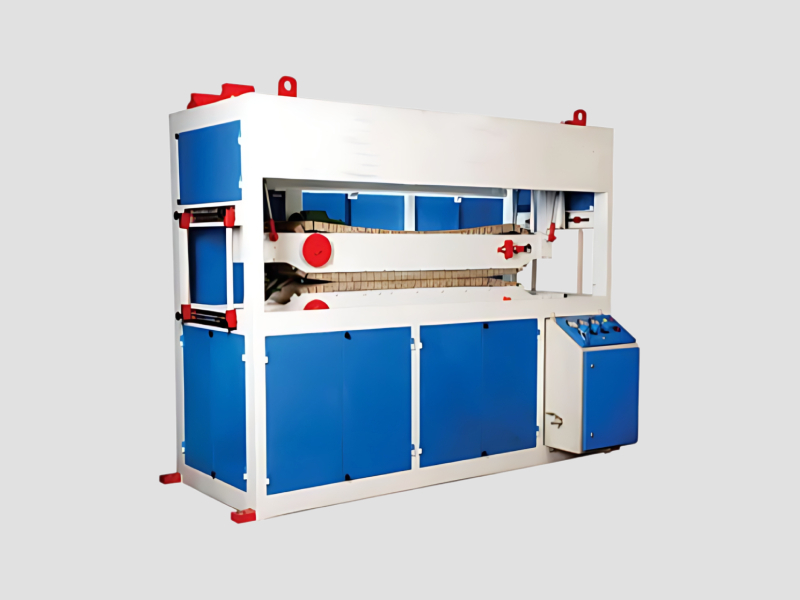
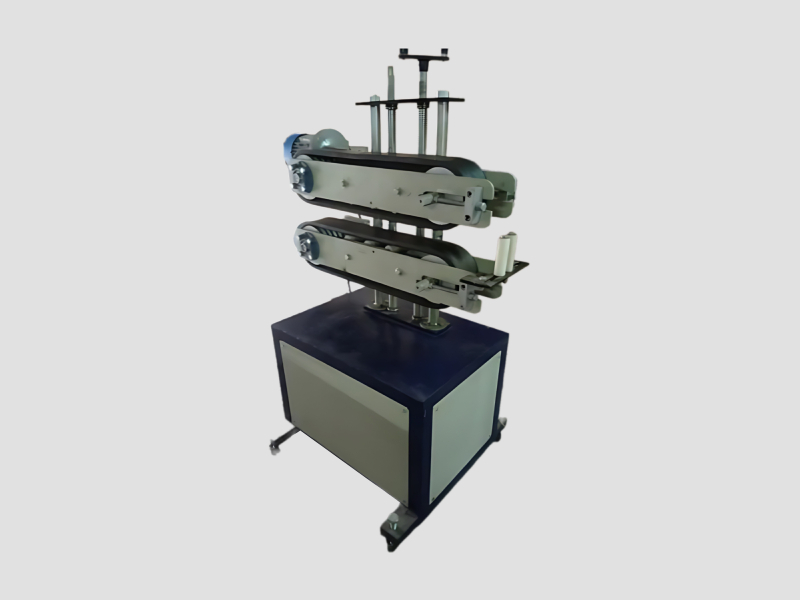
𝗪𝗵𝗮𝘁 𝗮𝗿𝗲 𝗣𝗹𝗮𝘀𝘁𝗶𝗰 𝗘𝘅𝘁𝗿𝘂𝘀𝗶𝗼𝗻 𝗟𝗶𝗻𝗲𝘀?
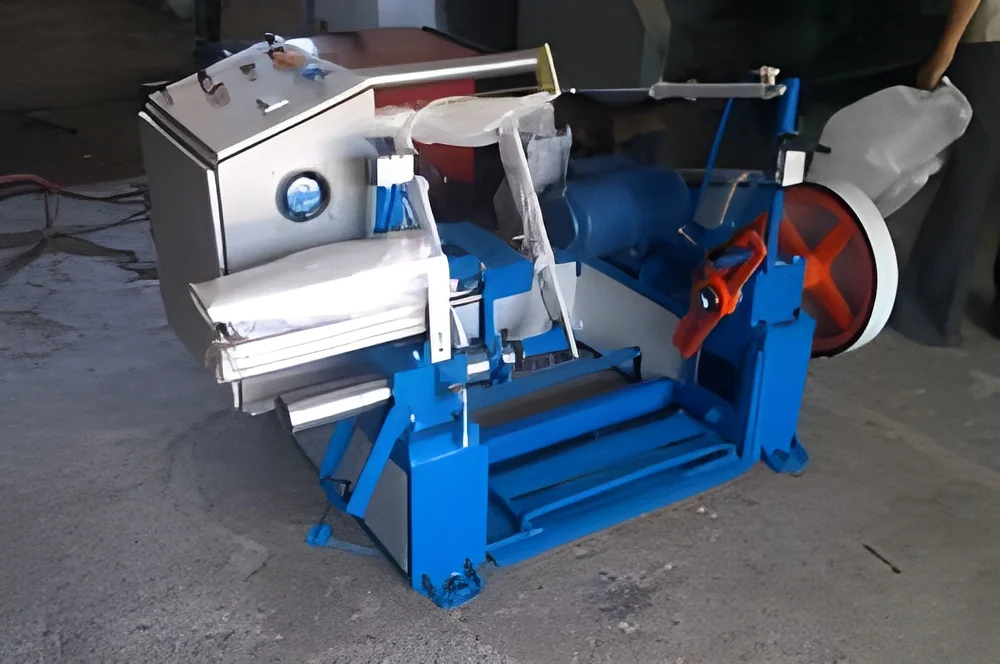
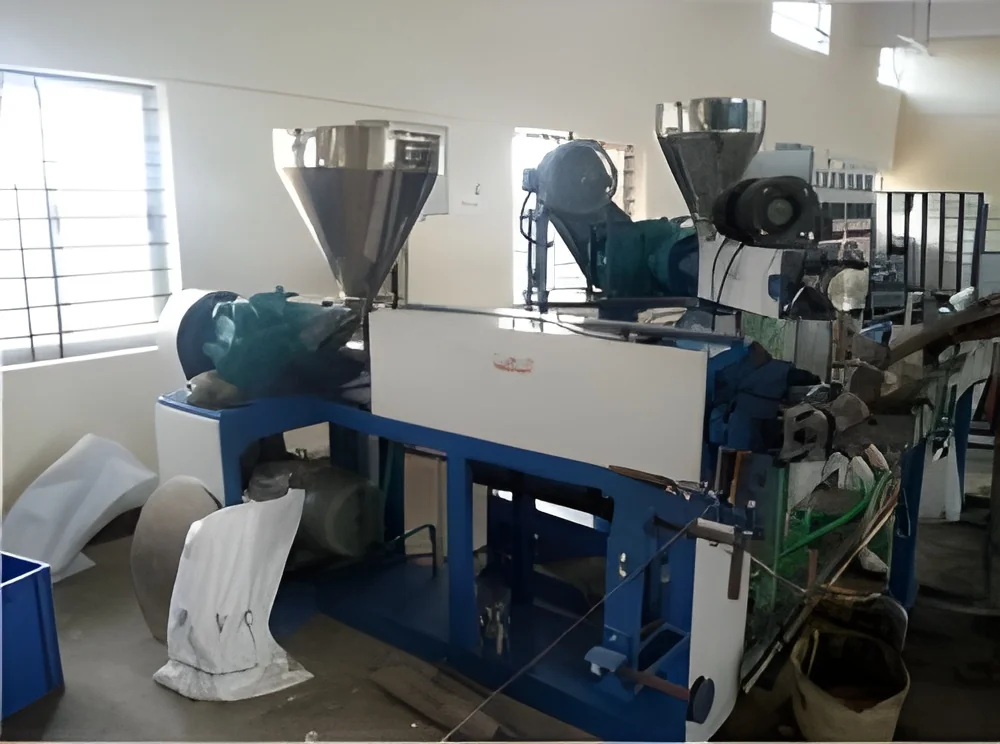
Plastic extrusion lines are manufacturing systems used to create plastic products by melting raw plastic material and shaping it through a die. This process involves feeding plastic granules into a heated barrel where they are melted and forced through a specific die to form various shapes and profiles. The resulting products can range from simple sheets and tubes to complex shapes used in various industries.
These lines are primarily used in industries such as packaging, automotive, construction, and consumer goods. They enable the efficient production of plastic components, which can be further processed or assembled into final products. The versatility of plastic extrusion lines makes them essential in modern manufacturing, allowing businesses to streamline production processes and reduce waste.
With the growing demand for plastic products globally, the market for plastic extrusion lines is expanding. Businesses are investing in advanced technology to enhance production efficiency and meet stringent quality standards. As sustainability becomes increasingly important, manufacturers are also exploring the use of recycled materials in extrusion processes, further highlighting the relevance of these lines in the current industrial landscape.
𝗞𝗲𝘆 𝗙𝗲𝗮𝘁𝘂𝗿𝗲𝘀 𝗮𝗻𝗱 𝗦𝗽𝗲𝗰𝗶𝗳𝗶𝗰𝗮𝘁𝗶𝗼𝗻𝘀
Plastic extrusion lines are equipped with a range of features designed to improve performance and efficiency. These specifications can vary based on the type of extrusion line and its intended use.
Key specifications include:
1. Extruder Type
- Options include single-screw and twin-screw extruders.
- Twin-screw extruders provide better mixing and material processing.
2. Production Capacity
- Measured in kilograms per hour, indicating the volume of plastic processed.
- Capacity can range from small-scale to industrial-scale production.
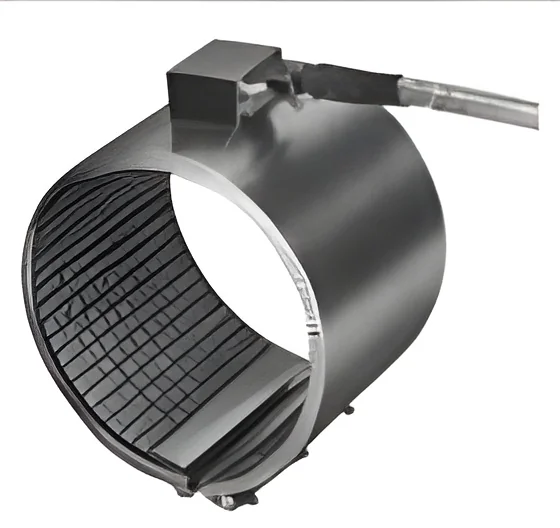
3. Temperature Control
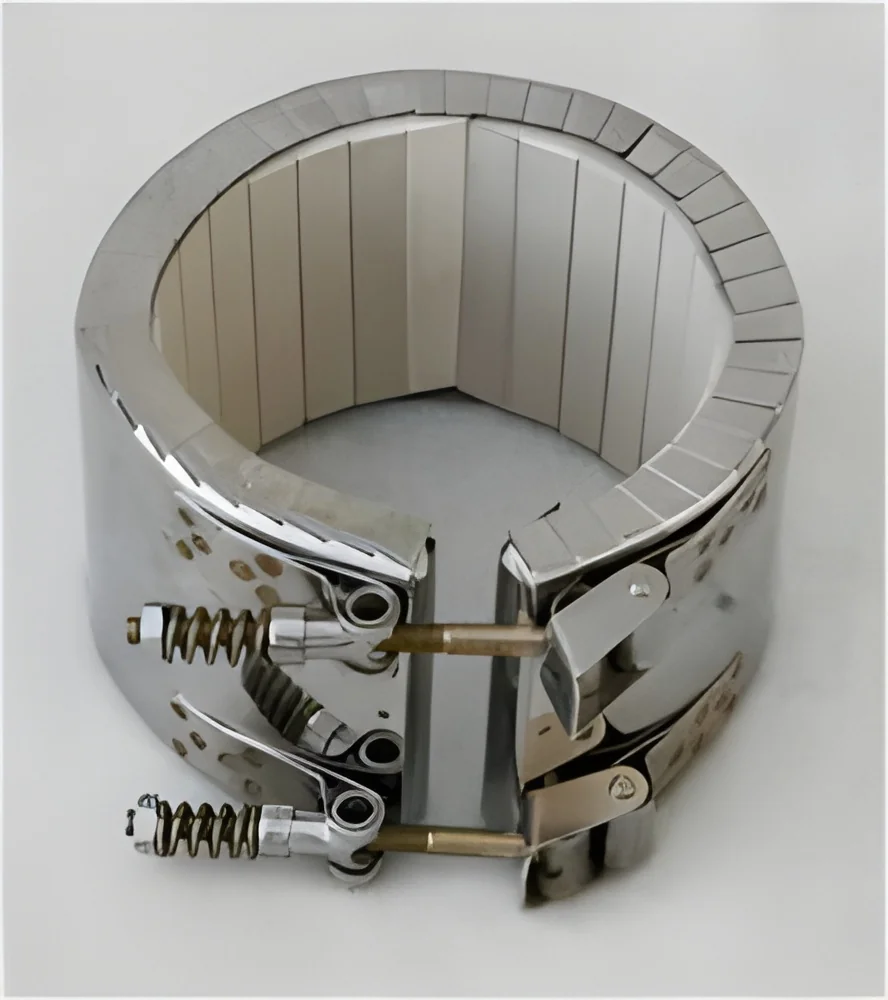
- Precise temperature control systems to ensure optimal melting and processing.
- Typically operates within specific temperature ranges for different materials.
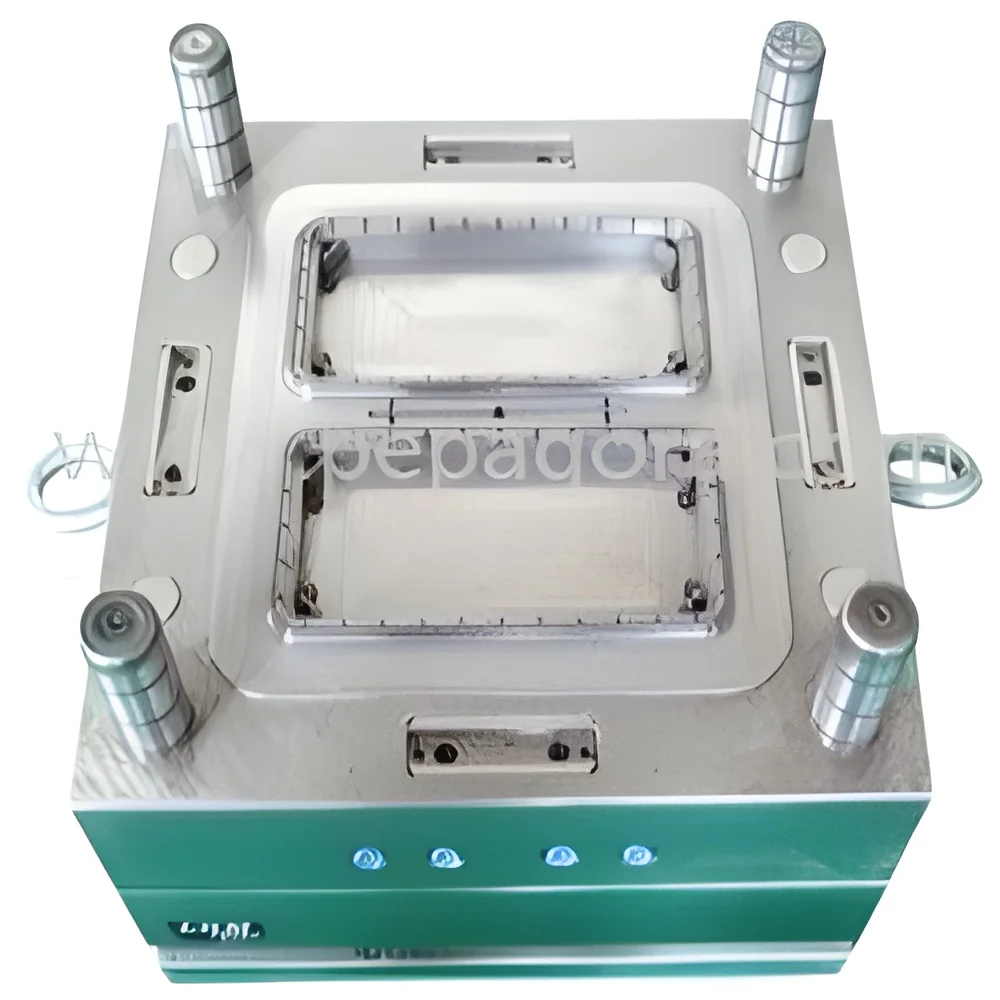
4. Die Design
- Customized dies for specific product shapes and profiles.
- Die design impacts the final product's quality and consistency.
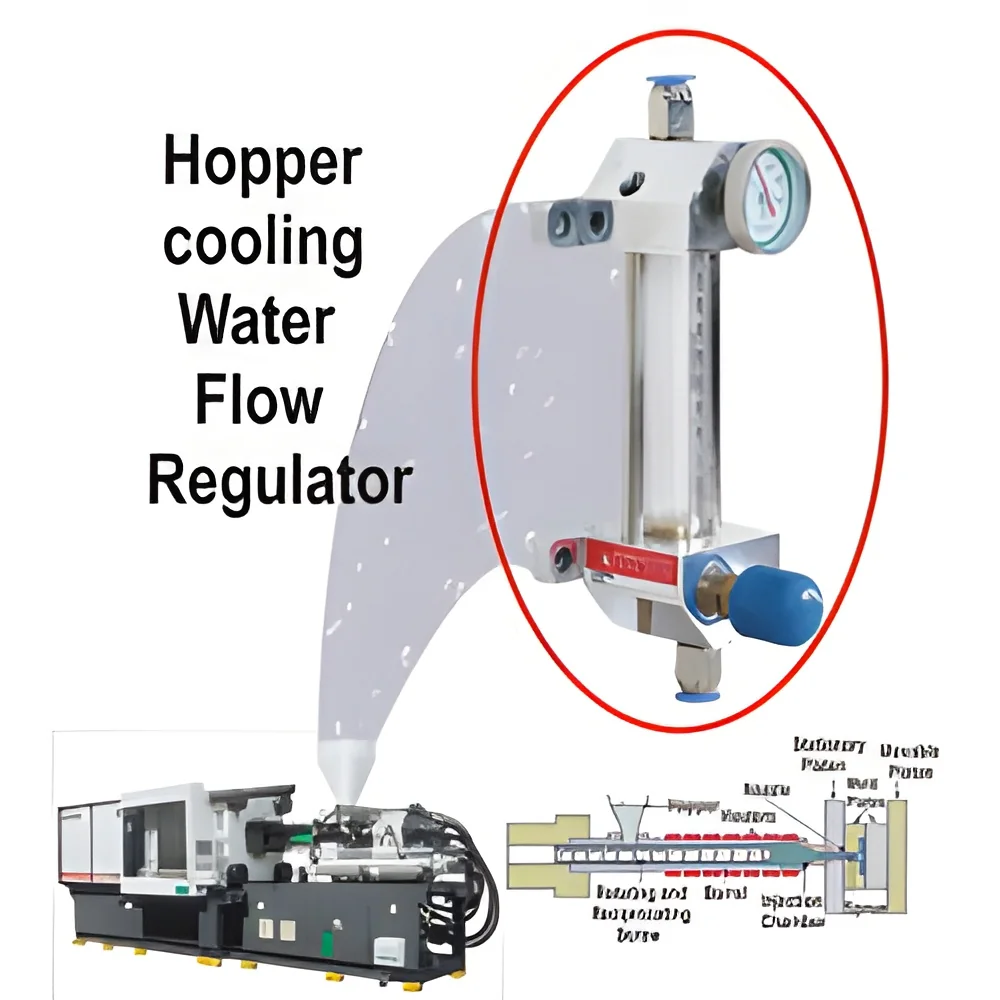
5. Cooling System
- Efficient cooling systems to solidify extruded products quickly.
- Ensures dimensional accuracy and surface quality.
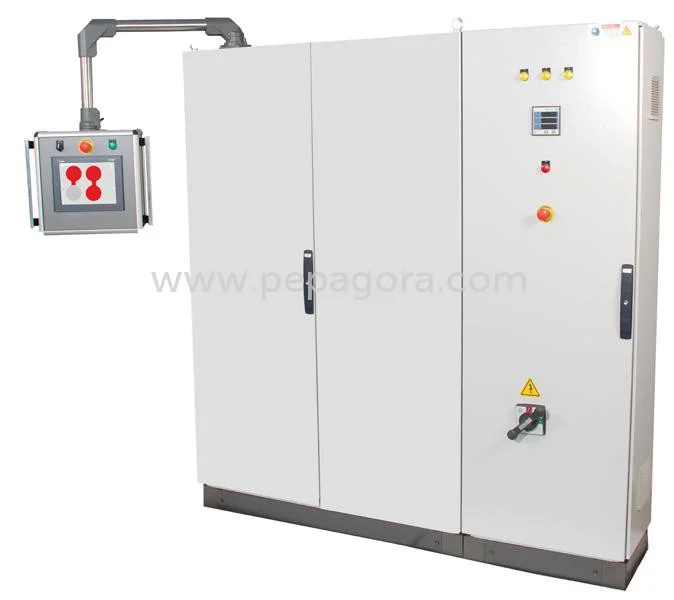
6. Control Systems
- Advanced control systems for monitoring and adjusting process parameters.
- Options for PLC (Programmable Logic Controller) integration for automation.
7. Material Compatibility
- Capable of processing various types of plastics, including thermoplastics and thermosets.
- Flexibility to handle different material blends.
8. Safety Features
- Includes emergency shut-off systems and safety interlocks.
- Designed to meet industry safety standards.
In summary, plastic extrusion lines are defined by their versatility, efficiency, and ability to produce high-quality plastic products across various industries.
𝗖𝗼𝗺𝗺𝗼𝗻 𝗔𝗽𝗽𝗹𝗶𝗰𝗮𝘁𝗶𝗼𝗻𝘀 𝗮𝗻𝗱 𝗨𝘀𝗲 𝗖𝗮𝘀𝗲𝘀
Plastic extrusion lines serve a wide range of industries, providing solutions for various applications.
1. Packaging: These lines produce plastic films, bags, and containers used in the packaging of food, pharmaceuticals, and consumer goods. The extrusion process allows for the creation of lightweight yet durable packaging solutions.
2. Automotive: Extruded plastic components are used in automotive interior and exterior parts, including dashboards, trims, and bumpers. The ability to create complex shapes enhances design flexibility.
3. Construction: Plastic extrusion lines manufacture pipes, profiles, and sheets used in construction materials. These products are vital for plumbing, insulation, and structural applications.
4. Consumer Goods: Various consumer products, such as toys, household items, and electronic casings, are produced through extrusion. The process allows for mass production of consistent and high-quality items.
5. Electrical and Electronics: Extruded plastic components are essential in the electrical and electronics industry, providing insulation and protection for wires and cables.
6. Medical: Specialized extrusion lines produce components used in medical devices and equipment. These products often require stringent quality and safety standards.
7. Agriculture: Extruded materials are used in agricultural films and greenhouse coverings, helping to enhance crop yields and protect plants.
𝗣𝗿𝗼𝗱𝘂𝗰𝘁 𝗩𝗮𝗿𝗶𝗮𝗻𝘁𝘀 𝗮𝗻𝗱 𝗦𝘂𝗯𝗰𝗮𝘁𝗲𝗴𝗼𝗿𝗶𝗲𝘀
Plastic extrusion lines come in various configurations to meet specific manufacturing needs. Each variant is designed to address particular applications and production requirements.
Single-Screw Extrusion Lines: These are the most common type of extrusion lines. They are cost-effective and suitable for a wide range of applications. Single-screw extruders are ideal for producing films, sheets, and simple profiles.
Twin-Screw Extrusion Lines: Known for their superior mixing capabilities, twin-screw extruders are used for compounding and processing materials with additives. They are preferred for applications requiring high precision and homogeneity.
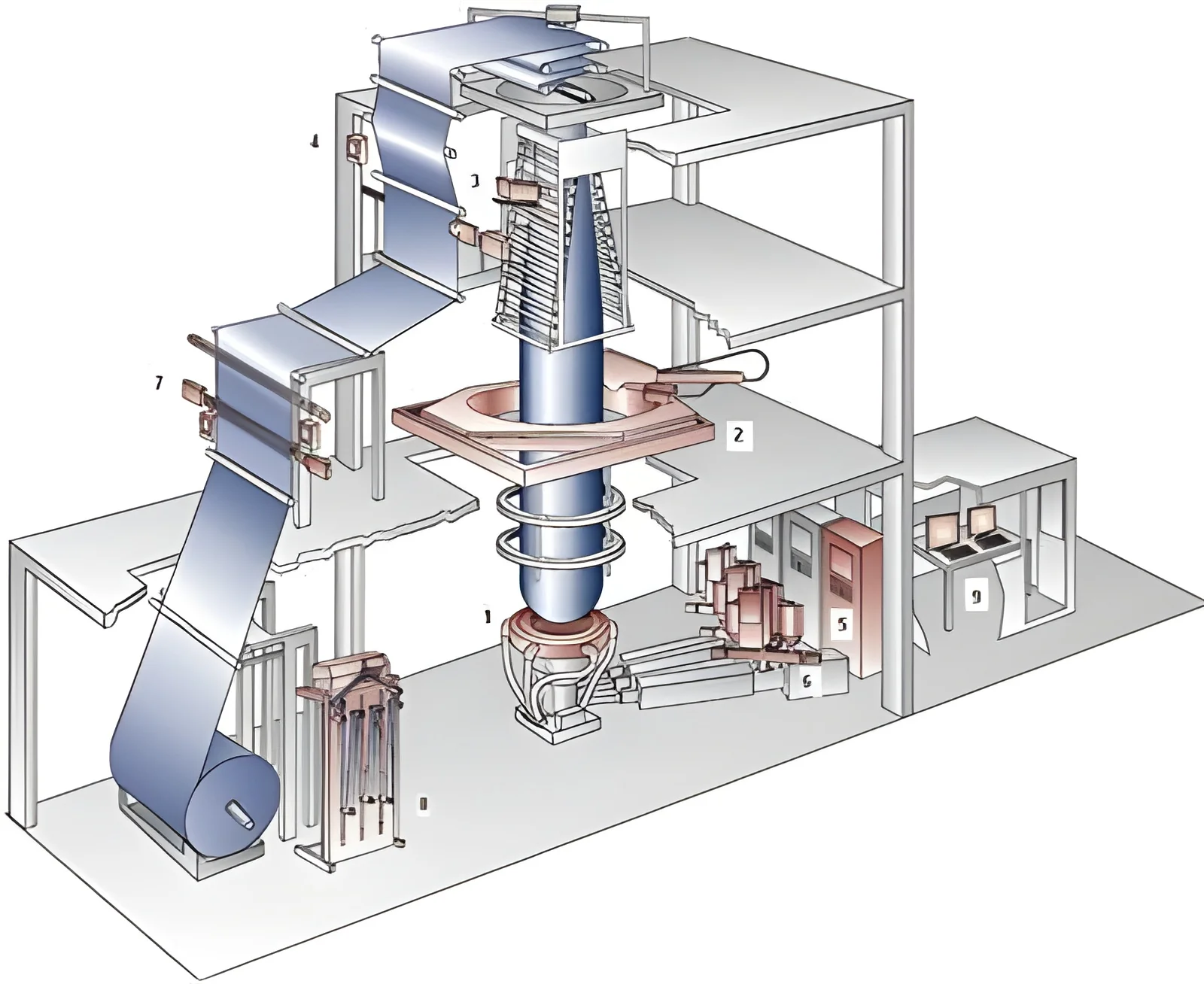
Blown Film Extrusion Lines: These specialized lines are designed for producing plastic films used in packaging applications. The blown film process allows for the creation of thin, flexible films with excellent barrier properties.
Sheet Extrusion Lines: These lines are tailored for producing plastic sheets used in a variety of applications, including signage, displays, and construction. They provide precise thickness control and surface quality.
Pipe and Profile Extrusion Lines: Designed for manufacturing pipes and profiles, these lines enable the production of durable plastic components used in plumbing and construction.
𝗕𝗲𝗻𝗲𝗳𝗶𝘁𝘀 𝗮𝗻𝗱 𝗔𝗱𝘃𝗮𝗻𝘁𝗮𝗴𝗲𝘀
Plastic extrusion lines offer numerous benefits that make them essential for modern manufacturing.
1. High Production Efficiency: These lines enable the continuous production of plastic products, significantly increasing output compared to traditional methods.
2. Versatility: Plastic extrusion lines can process a wide range of materials and produce various shapes, making them suitable for multiple industries.
3. Cost-Effectiveness: The ability to produce large quantities of products reduces manufacturing costs, making extrusion a financially viable option.
4. Customization: Manufacturers can design specific dies and processes to create unique product shapes and features, catering to specific market needs.
5. Reduced Waste: The extrusion process minimizes material waste, as excess material can often be recycled back into the production cycle.
6. Enhanced Product Quality: Advanced control systems ensure consistent quality in terms of dimensions, surface finish, and mechanical properties.
𝗕𝘂𝘆𝗶𝗻𝗴 𝗚𝘂𝗶𝗱𝗲 𝗳𝗼𝗿 𝗕𝟮𝗕 𝗕𝘂𝘆𝗲𝗿𝘀
When sourcing plastic extrusion lines, it is important for buyers to consider several key factors to ensure they make informed purchasing decisions.
1. Quality Assessment: Evaluate the quality of the extrusion lines by reviewing manufacturer certifications and industry standards. Consider factors such as the materials used and the reliability of components.
2. Supplier Verification: Conduct thorough research on potential suppliers. Check their reputation, experience in the industry, and customer reviews to ensure they can deliver quality products and support.
3. Pricing and MOQ: Understand the pricing structure and minimum order quantities (MOQ) required by suppliers. This will help in budgeting and planning for production needs.
4. Delivery and Lead Times: Inquire about delivery schedules and lead times. Timely delivery is crucial for maintaining production schedules and meeting customer demands.
5. Compliance Requirements: Ensure that the extrusion lines comply with relevant industry regulations and standards. This includes safety certifications and environmental compliance.
𝗖𝗼𝗺𝗽𝗹𝗶𝗮𝗻𝗰𝗲 𝗮𝗻𝗱 𝗖𝗲𝗿𝘁𝗶𝗳𝗶𝗰𝗮𝘁𝗶𝗼𝗻𝘀
Plastic extrusion lines are subject to various compliance and certification standards to ensure quality and safety.
ISO 9001 is a key quality management standard that many manufacturers adhere to. This certification ensures that the production process meets international quality benchmarks.
CE certification indicates that the equipment complies with European safety and environmental requirements. This certification is essential for manufacturers looking to enter the European market.
Safety and testing requirements are also critical. Manufacturers must implement rigorous testing protocols to ensure that their products meet safety guidelines and perform reliably under various conditions.
Additionally, regional compliance considerations may vary. Manufacturers must be aware of local regulations and standards when producing and marketing plastic extrusion lines in different countries.
𝗪𝗵𝘆 𝗦𝗼𝘂𝗿𝗰𝗲 𝗣𝗹𝗮𝘀𝘁𝗶𝗰 𝗘𝘅𝘁𝗿𝘂𝘀𝗶𝗼𝗻 𝗟𝗶𝗻𝗲𝘀 𝗳𝗿𝗼𝗺 𝗣𝗲𝗽𝗮𝗴𝗼𝗿𝗮?
Pepagora provides a trusted platform for sourcing plastic extrusion lines, offering several key advantages for B2B buyers.
Verified Supplier Network: Pepagora connects buyers with a network of verified suppliers. This ensures that buyers can find reliable manufacturers who meet industry standards and quality expectations.
Streamlined RFQ Process: The Request for Quotation (RFQ) process is designed to be efficient, allowing buyers to quickly receive quotations from multiple suppliers. This makes comparing options easier and faster.
Trade Assurance and Support: Buyers benefit from trade assurance programs that provide protection during transactions. Pepagora's support team is available to assist with any inquiries or issues that may arise throughout the purchasing process.
Regional Coverage: With a strong presence in India and the GCC region, as well as Southeast Asia, Pepagora offers extensive geographic reach. This allows buyers to access a diverse range of suppliers and products tailored to their specific needs.
Plastic Extrusion Lines are manufacturing systems used to process plastic materials into various shapes and profiles. They involve melting plastic pellets and forcing them through a die to create continuous lengths of plastic products such as sheets, pipes, and films.
2
What are the different types of Plastic Extrusion Lines?
There are several types of Plastic Extrusion Lines, including single-screw extruders, twin-screw extruders, and co-extruders. Each type is designed for specific applications and materials, providing varying degrees of mixing, processing efficiency, and product output.
3
How do I choose the right Plastic Extrusion Lines?
Choosing the right Plastic Extrusion Line depends on your production needs, including the type of plastic material, desired output rate, and product specifications. It is essential to evaluate factors such as the extruder design, die configuration, and the level of automation required.
4
What are the standard specifications for Plastic Extrusion Lines?
Standard specifications for Plastic Extrusion Lines include parameters like screw diameter, length-to-diameter ratio, output capacity, and temperature control range. Additionally, these lines should meet industry standards for energy efficiency and safety features.
5
What is the price range for Plastic Extrusion Lines?
The price range for Plastic Extrusion Lines can vary significantly based on specifications, capacity, and manufacturer. Generally, prices can start from a few lakhs to several crores in Indian Rupees, depending on the complexity and features of the equipment.
6
What quality standards apply to Plastic Extrusion Lines?
Plastic Extrusion Lines must adhere to various quality standards, including ISO certifications and safety regulations specific to the manufacturing process. Quality assurance practices should also be in place to ensure product consistency and reliability.
7
Where can I find Plastic Extrusion Lines suppliers in India?
You can find Plastic Extrusion Lines suppliers in India through online B2B marketplaces like Pepagora, industry trade shows, and local manufacturing directories. It's advisable to review supplier credentials and customer feedback before making a selection.
8
Can Plastic Extrusion Lines be customized?
Yes, Plastic Extrusion Lines can often be customized to meet specific production requirements. Customization may include modifications to the screw design, die configuration, and additional features for automation or control.
9
What is the typical minimum order quantity for Plastic Extrusion Lines?
The typical minimum order quantity (MOQ) for Plastic Extrusion Lines can vary by manufacturer but often ranges from one to several units. It's important to confirm the MOQ with the supplier before placing an order.
10
What is the typical lead time for Plastic Extrusion Lines?
The typical lead time for Plastic Extrusion Lines can range from a few weeks to several months, depending on the manufacturer and the level of customization required. It is advisable to discuss lead times upfront with suppliers to align production schedules.
Why Businesses Trust Pepagora
Thousands of companies trust Pepagora to source smarter and sell faster
Expand Your Sales Globally
25000+Products listed.Get discovered by global buyers

 IN
IN