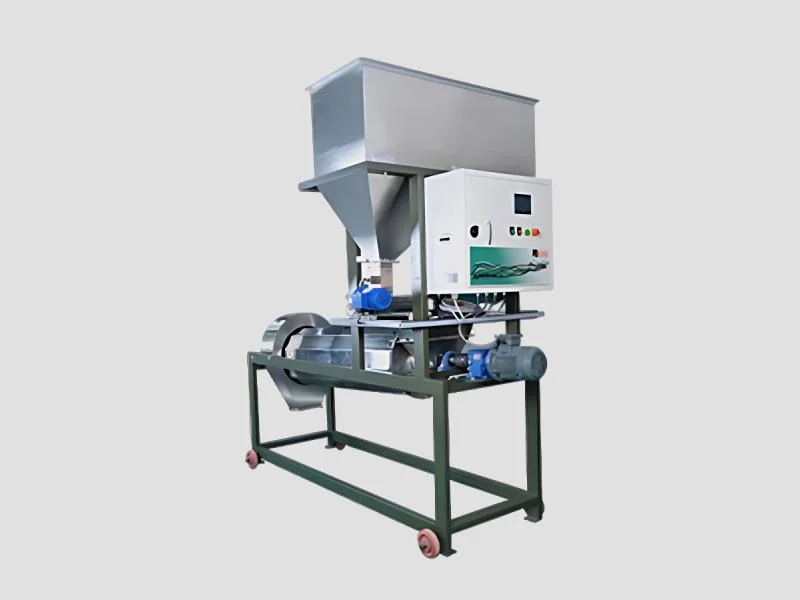
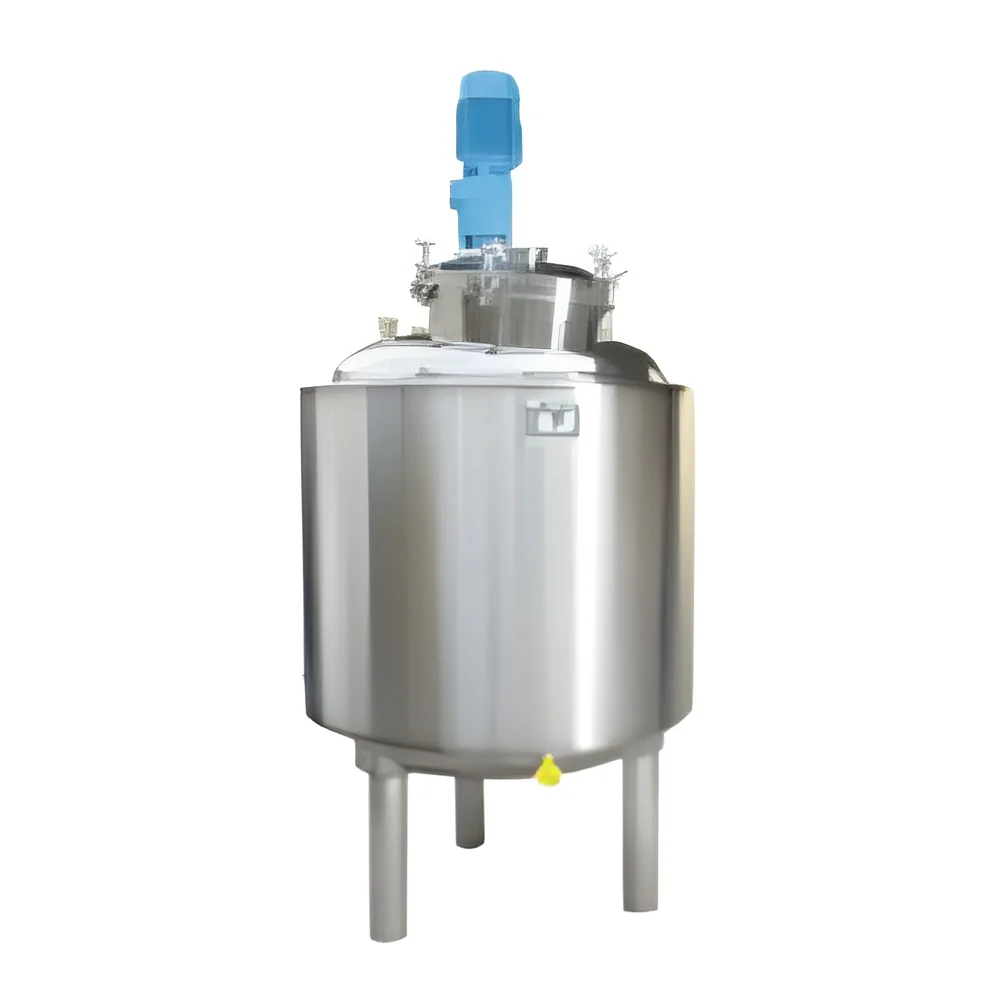
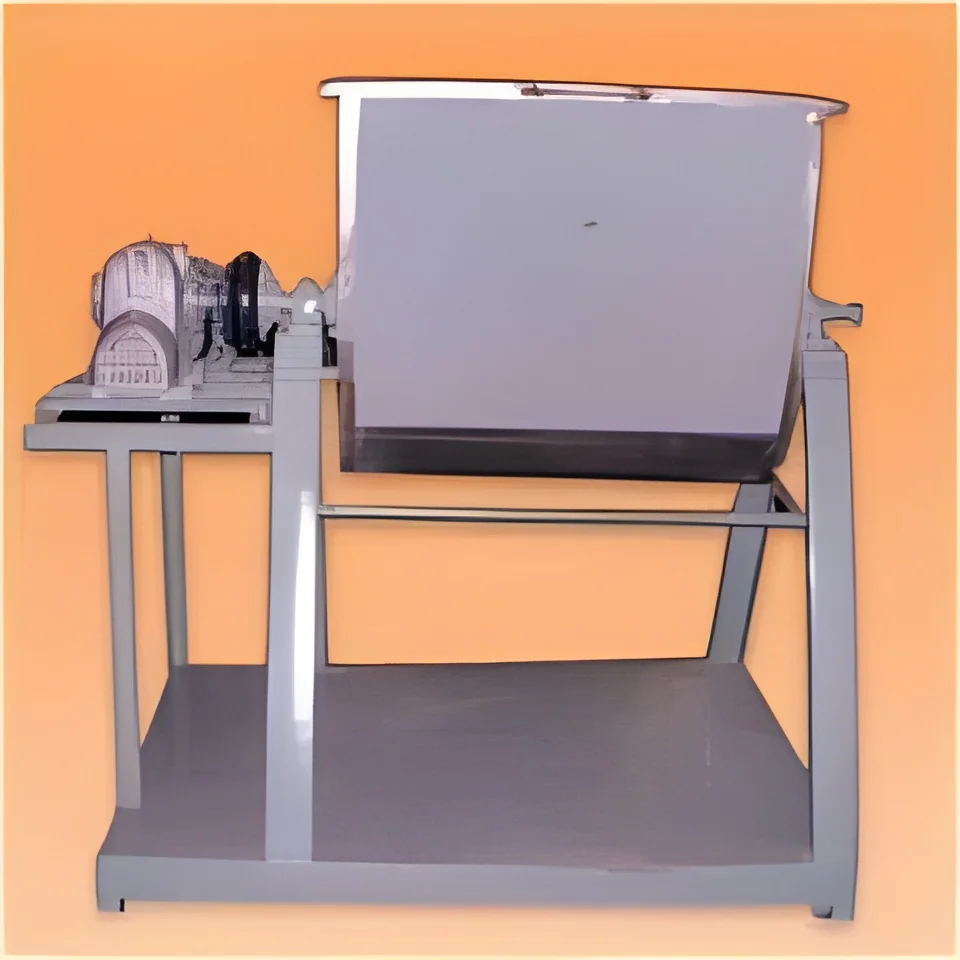
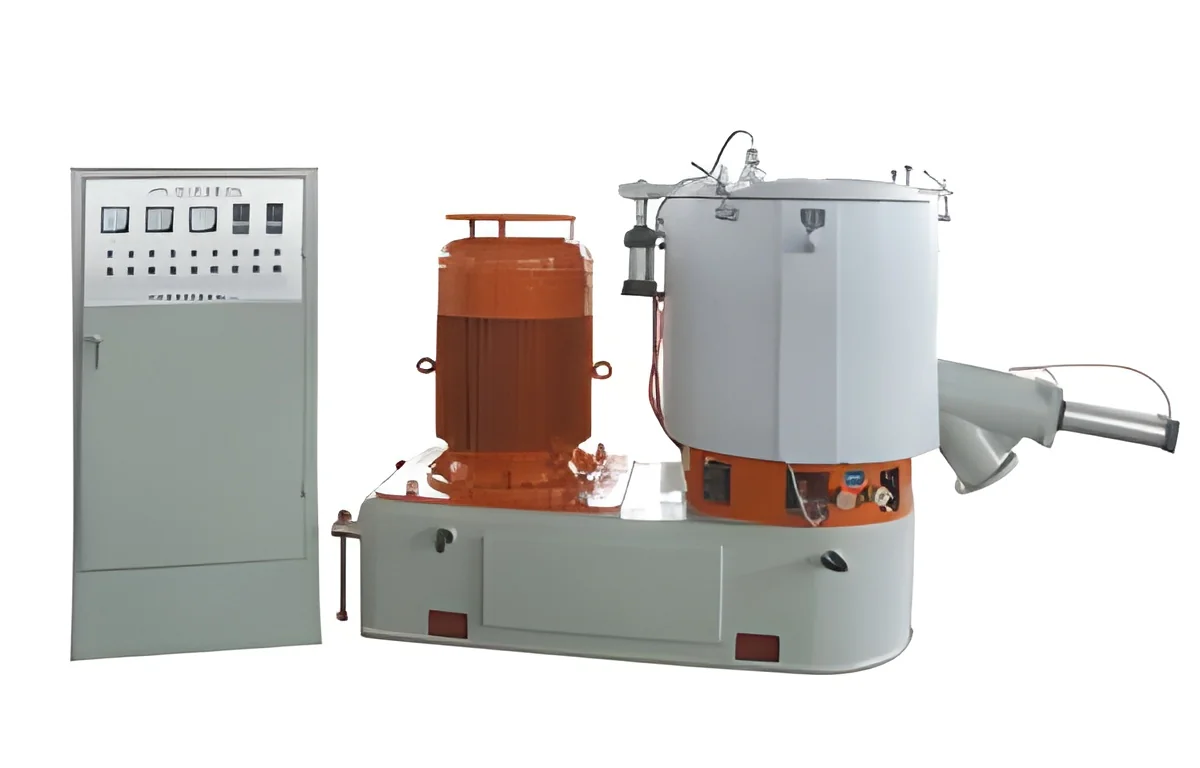
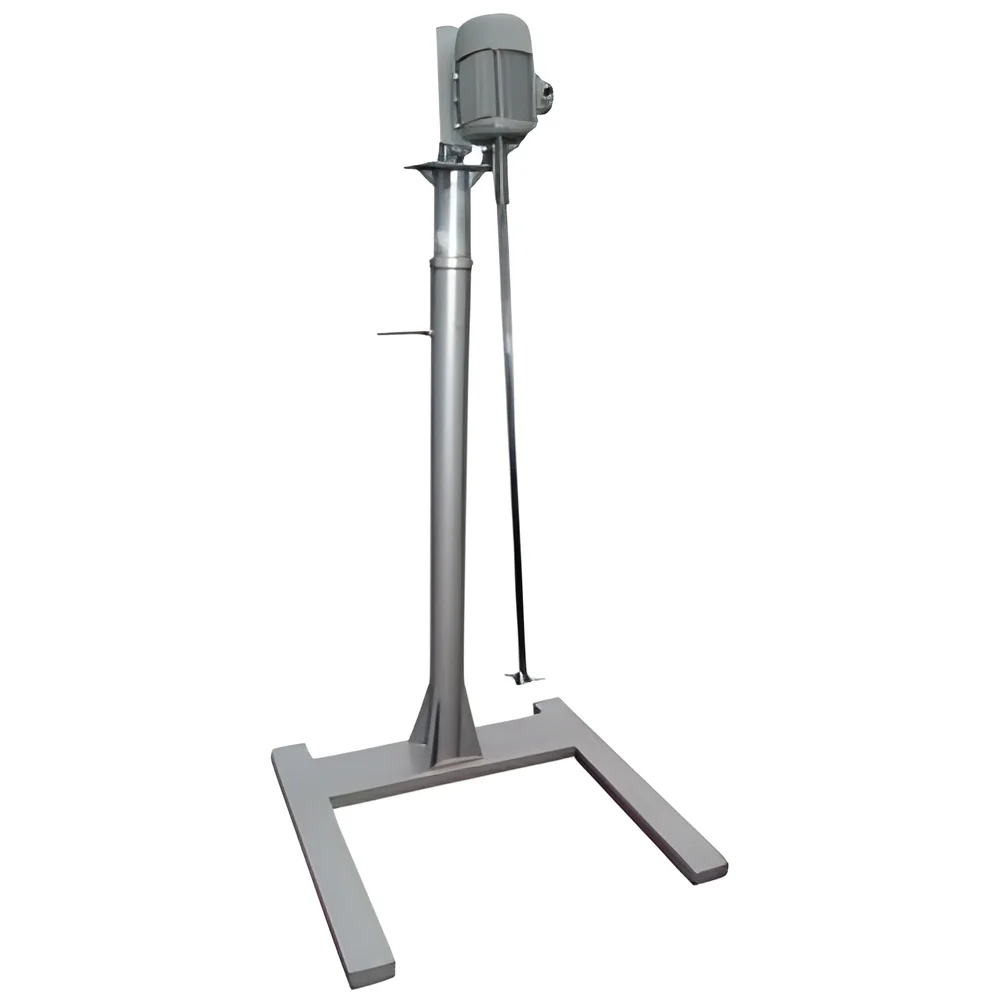
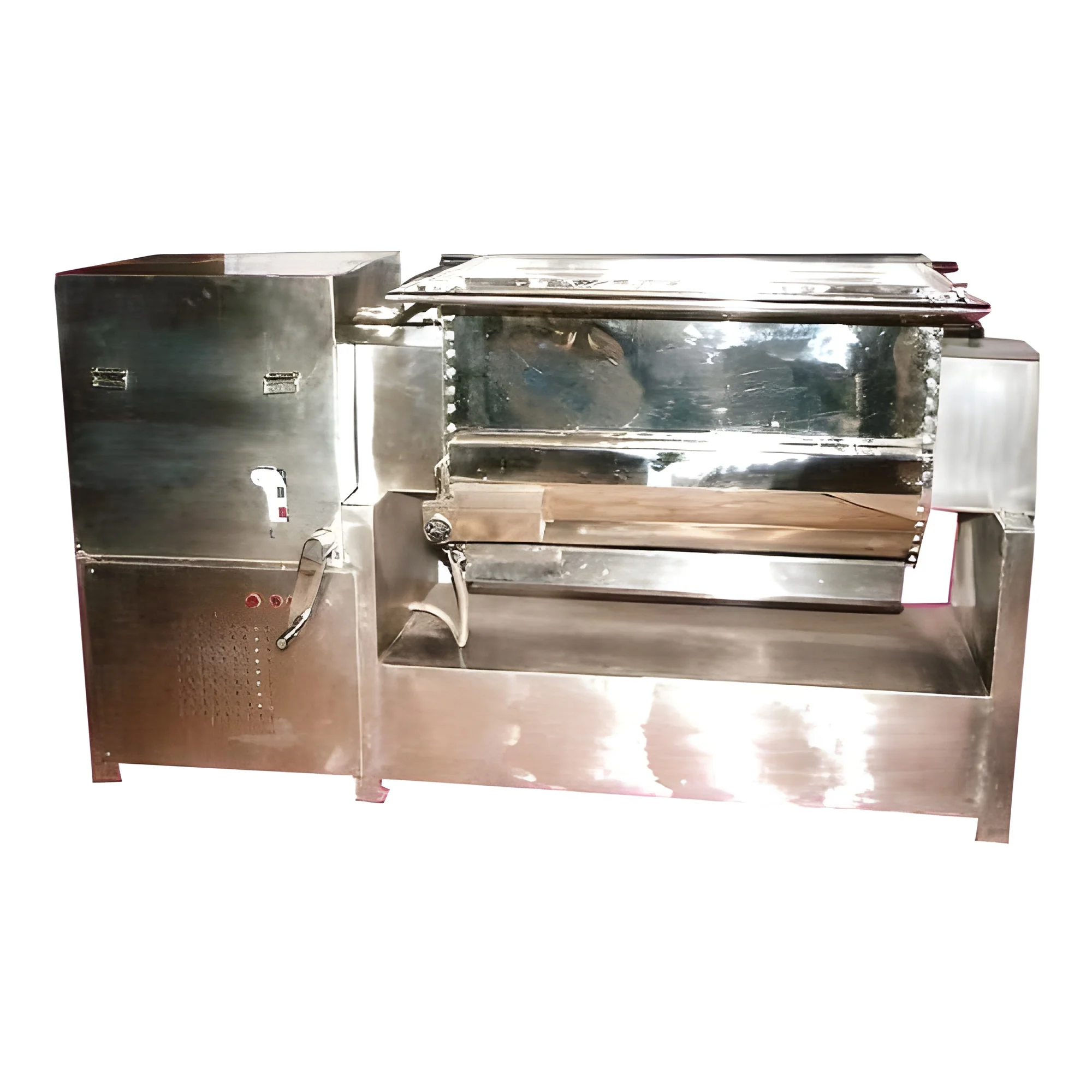
𝗪𝗵𝗮𝘁 𝗮𝗿𝗲 𝗣𝗟𝗖 𝗜𝗻𝘁𝗲𝗴𝗿𝗮𝘁𝗲𝗱 𝗠𝗶𝘅𝗶𝗻𝗴 𝗦𝘆𝘀𝘁𝗲𝗺𝘀?
PLC Integrated Mixing Systems are advanced industrial solutions designed to automate the mixing process in various manufacturing environments. These systems utilize a programmable logic controller (PLC) to manage and control the mixing operations. By integrating various components such as sensors, actuators, and software, PLC Integrated Mixing Systems ensure precise and consistent mixing of materials. They are engineered to handle different types of substances, including liquids, powders, and granules, making them versatile for diverse industrial applications.
The primary uses of PLC Integrated Mixing Systems span multiple sectors, including food and beverage, pharmaceuticals, chemicals, and construction materials. Businesses leverage these systems to improve product quality, enhance operational efficiency, and reduce human errors during the mixing process. With the ability to monitor and adjust variables in real-time, these systems help manufacturers achieve optimal mixing results tailored to specific formulations.
In today's competitive market, PLC Integrated Mixing Systems play a crucial role in enhancing production capabilities. As industries increasingly adopt automation technologies, the demand for reliable mixing solutions continues to grow. The integration of PLC technology not only streamlines operations but also satisfies regulatory requirements, making these systems essential for companies aiming to maintain high standards of quality and compliance.
𝗞𝗲𝘆 𝗙𝗲𝗮𝘁𝘂𝗿𝗲𝘀 𝗮𝗻𝗱 𝗦𝗽𝗲𝗰𝗶𝗳𝗶𝗰𝗮𝘁𝗶𝗼𝗻𝘀
PLC Integrated Mixing Systems come with a variety of features aimed at optimizing performance and ensuring reliability. They are designed to provide manufacturers with the tools needed for precise mixing operations. Key specifications include:
1. Control System
- Programmable logic controllers for automation
- User-friendly interface for easy operation
2. Mixing Capacity
- Available in various sizes to handle different volumes
- Capable of mixing small batches to large-scale production
3. Material Compatibility
- Suitable for a wide range of materials including liquids, powders, and granules
- Designed to prevent contamination and ensure product purity
4. Monitoring and Control
- Real-time data monitoring for process optimization
- Automatic adjustments based on sensor feedback
5. Energy Efficiency
- Designed to minimize energy consumption
- Eco-friendly operations to reduce carbon footprint
6. Maintenance and Support
- Easy access for maintenance and servicing
- Comprehensive support packages available
7. Safety Features
- Built-in safety protocols to prevent accidents
- Compliance with industry safety standards
In summary, PLC Integrated Mixing Systems are engineered with advanced features and robust specifications to meet the demands of various industries, ensuring efficiency and high-quality outcomes.
𝗖𝗼𝗺𝗺𝗼𝗻 𝗔𝗽𝗽𝗹𝗶𝗰𝗮𝘁𝗶𝗼𝗻𝘀 𝗮𝗻𝗱 𝗨𝘀𝗲 𝗖𝗮𝘀𝗲𝘀
PLC Integrated Mixing Systems are utilized across numerous industries for a variety of applications.
1. Food and Beverage: These systems are essential for mixing ingredients in the production of sauces, dressings, and beverages. They ensure consistent flavor and quality.
2. Pharmaceuticals: In the pharmaceutical sector, these systems are used to mix active ingredients and excipients for drug formulations. Precision in mixing is critical for efficacy and safety.
3. Chemicals: The chemical industry relies on PLC Integrated Mixing Systems for creating mixtures of raw materials and additives, ensuring uniformity and compliance with specifications.
4. Construction: These systems are employed for mixing cement, sand, and other materials, facilitating the production of concrete and other construction compounds.
5. Cosmetics: In the cosmetics industry, mixing systems are used to blend various components for creams, lotions, and other personal care products, maintaining consistency and quality.
6. Plastics: Mixing systems are essential in producing polymer blends, ensuring uniformity in color and texture for plastic products.
7. Paints and Coatings: These systems allow for the precise mixing of pigments and solvents, crucial for achieving the desired color and consistency in paints.
𝗣𝗿𝗼𝗱𝘂𝗰𝘁 𝗩𝗮𝗿𝗶𝗮𝗻𝘁𝘀 𝗮𝗻𝗱 𝗦𝘂𝗯𝗰𝗮𝘁𝗲𝗴𝗼𝗿𝗶𝗲𝘀
While there are no specific subcategories available for PLC Integrated Mixing Systems, the product line itself varies in terms of design and functionality to meet different operational needs.
Variable Speed Mixing Systems
These systems feature adjustable speed settings, allowing for tailored mixing processes based on the material being mixed. They are ideal for applications requiring flexibility in mixing intensity.
Batch Mixing Systems
Designed for batch processing, these systems are optimized for smaller production runs. They provide precise control over each mixing cycle, ensuring high-quality outputs for limited quantities.
Continuous Mixing Systems
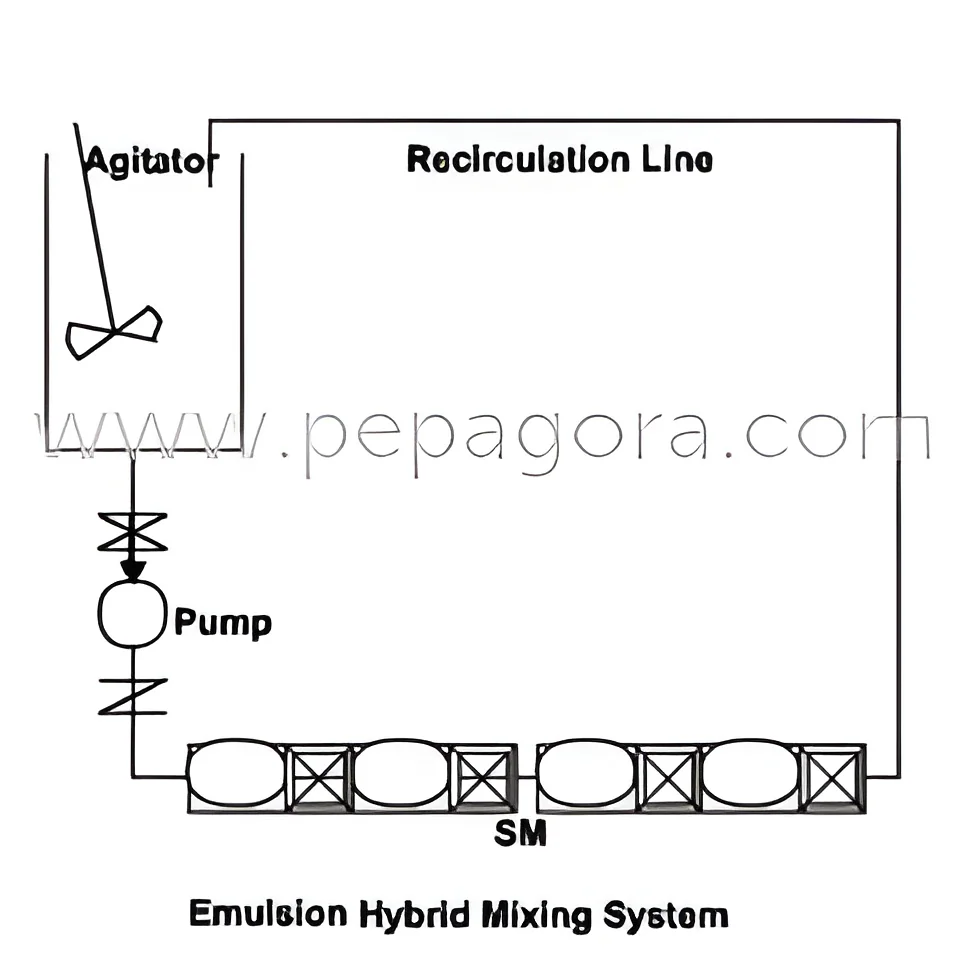
For high-volume applications, continuous mixing systems provide an uninterrupted flow of materials. This design is essential in industries where large-scale production is necessary.
𝗕𝗲𝗻𝗲𝗳𝗶𝘁𝘀 𝗮𝗻𝗱 𝗔𝗱𝘃𝗮𝗻𝘁𝗮𝗴𝗲𝘀
PLC Integrated Mixing Systems offer numerous benefits that enhance operational efficiency and product quality.
1. Increased Precision: Automated control ensures accurate mixing ratios, leading to higher product quality and consistency.
2. Reduced Labor Costs: Automation minimizes the need for manual labor, allowing employees to focus on more complex tasks.
3. Enhanced Safety: Built-in safety features reduce the risk of accidents, protecting both personnel and equipment.
4. Improved Efficiency: Real-time monitoring and adjustments streamline the mixing process, reducing production time and waste.
5. Compliance Assurance: These systems often meet industry standards, helping businesses comply with regulatory requirements.
6. Customization Options: Many systems allow for customization based on specific operational needs, ensuring optimal performance.
𝗕𝘂𝘆𝗶𝗻𝗴 𝗚𝘂𝗶𝗱𝗲 𝗳𝗼𝗿 𝗕𝟮𝗕 𝗕𝘂𝘆𝗲𝗿𝘀
When sourcing PLC Integrated Mixing Systems, several factors should be considered to ensure the right choice for your business.
1. Quality Assessment: Evaluate the quality of materials and components used in the systems. Look for industry certifications that indicate compliance with safety and performance standards.
2. Supplier Verification: Vet potential suppliers by checking their reputation, customer reviews, and history of delivering reliable products. Establishing a trustworthy supplier relationship is crucial.
3. Pricing and MOQ: Understand the pricing structure and minimum order quantities (MOQ) required. Compare quotes from multiple suppliers to find the best value.
4. Delivery and Lead Times: Inquire about delivery schedules and lead times to ensure timely procurement and avoid operational delays.
5. Compliance Requirements: Ensure that the systems meet local and international regulatory standards relevant to your industry. This will help mitigate risks associated with compliance violations.
𝗖𝗼𝗺𝗽𝗹𝗶𝗮𝗻𝗰𝗲 𝗮𝗻𝗱 𝗖𝗲𝗿𝘁𝗶𝗳𝗶𝗰𝗮𝘁𝗶𝗼𝗻𝘀
PLC Integrated Mixing Systems must adhere to various quality standards and certifications to ensure safety and efficiency in operations.
ISO 9001 is a widely recognized standard for quality management systems that ensures manufacturers maintain high quality in their processes and products.
HACCP (Hazard Analysis and Critical Control Points) is critical in industries like food and beverage, ensuring that processes prevent contamination and ensure safety.
CE certification indicates that the product meets the safety, health, and environmental protection standards required for products sold within the European Economic Area.
Additionally, manufacturers must consider regional compliance regulations that may vary based on local laws and industry practices. This includes safety testing requirements to ensure that the systems can operate effectively and safely in their intended environments.
𝗪𝗵𝘆 𝗦𝗼𝘂𝗿𝗰𝗲 𝗣𝗟𝗖 𝗜𝗻𝘁𝗲𝗴𝗿𝗮𝘁𝗲𝗱 𝗠𝗶𝘅𝗶𝗻𝗴 𝗦𝘆𝘀𝘁𝗲𝗺𝘀 𝗳𝗿𝗼𝗺 𝗣𝗲𝗽𝗮𝗴𝗼𝗿𝗮?
Pepagora provides a trusted platform for sourcing PLC Integrated Mixing Systems, offering several key advantages to B2B buyers.
Verified Supplier Network: Pepagora features a robust network of verified suppliers. Each supplier undergoes a thorough vetting process to ensure reliability and quality in their offerings.
Streamlined RFQ Process: The Request for Quotation (RFQ) process on Pepagora is designed to be efficient and user-friendly. Buyers can easily submit their requirements and receive competitive quotes from multiple suppliers.
Trade Assurance and Support: Pepagora offers trade assurance, providing buyers with protection throughout the procurement process. This includes support for any issues that may arise after the purchase.
Regional Coverage: With a broad geographic reach across India, the Gulf Cooperation Council (GCC), and Southeast Asia, Pepagora connects buyers to suppliers in key markets, ensuring access to high-quality PLC Integrated Mixing Systems tailored to regional needs.
PLC Integrated Mixing Systems are automated mixing solutions that utilize Programmable Logic Controllers (PLCs) to manage and control the mixing process. They ensure precision in blending various materials and are commonly used in industries such as food processing, chemicals, and pharmaceuticals.
2
What are the different types of PLC Integrated Mixing Systems?
The different types of PLC Integrated Mixing Systems include batch mixing systems, continuous mixing systems, and multi-stage mixing systems. Each type is designed to cater to specific mixing requirements and production volumes.
3
How do I choose the right PLC Integrated Mixing Systems?
Choosing the right PLC Integrated Mixing System involves assessing your production needs, the types of materials to be mixed, and the desired output capacity. It's also essential to consider compatibility with existing equipment and the level of automation required.
4
What are the standard specifications for PLC Integrated Mixing Systems?
Standard specifications for PLC Integrated Mixing Systems typically include mixing capacity, power requirements, control features, and material compatibility. Additional specifications may encompass dimensions, weight, and safety standards relevant to the intended application.
5
What is the price range for PLC Integrated Mixing Systems?
The price range for PLC Integrated Mixing Systems can vary widely based on features, capacity, and manufacturer. Generally, prices may start from a few lakhs to several crores, depending on the complexity and specifications of the system.
6
What quality standards apply to PLC Integrated Mixing Systems?
Quality standards for PLC Integrated Mixing Systems often include ISO 9001 for quality management systems and CE certification for compliance with European safety and environmental regulations. Additional industry-specific standards may also be applicable.
7
Where can I find PLC Integrated Mixing Systems suppliers in India?
You can find PLC Integrated Mixing Systems suppliers in India through various B2B marketplaces, industry trade shows, and manufacturer directories. Websites like Pepagora.com offer a platform to connect with reliable suppliers and manufacturers.
8
Can PLC Integrated Mixing Systems be customized?
Yes, many manufacturers offer customization options for PLC Integrated Mixing Systems to meet specific production needs. Customizations may include software adjustments, hardware modifications, and tailored configurations for different materials.
9
What is the typical minimum order quantity for PLC Integrated Mixing Systems?
The typical minimum order quantity (MOQ) for PLC Integrated Mixing Systems varies by manufacturer but generally ranges from one unit to several units, depending on the complexity and customization of the equipment.
10
What is the typical lead time for PLC Integrated Mixing Systems?
The typical lead time for PLC Integrated Mixing Systems can range from a few weeks to several months, depending on the manufacturer's production schedule and the level of customization required. It's advisable to confirm lead times during the ordering process.
Why Businesses Trust Pepagora
Thousands of companies trust Pepagora to source smarter and sell faster
Expand Your Sales Globally
25000+Products listed.Get discovered by global buyers

 IN
IN