𝗪𝗵𝗮𝘁 𝗮𝗿𝗲 𝗣𝗻𝗲𝘂𝗺𝗮𝘁𝗶𝗰 𝗗𝗿𝗶𝗹𝗹𝘀?
Pneumatic drills are powerful tools that use compressed air to generate the necessary force for drilling applications. Unlike electric drills, these tools rely on air pressure to drive their mechanisms, which allows for higher torque and speed. Pneumatic drills are known for their durability and efficiency, making them ideal for heavy-duty tasks in various industrial settings. They are particularly valuable in environments where electrical tools may pose safety risks due to moisture or flammable materials.
The primary applications of pneumatic drills include construction, manufacturing, and maintenance industries. They are frequently used for drilling holes in metal, wood, and plastic materials. In manufacturing, pneumatic drills play a crucial role in assembly lines, providing precision and speed. Their reliability in high-volume drilling tasks makes them indispensable in industries requiring consistent performance, such as automotive and aerospace manufacturing.
The relevance of pneumatic drills in the market stems from their versatility and efficiency. As industries increasingly focus on productivity and safety, the demand for pneumatic tools continues to grow. Businesses benefit from using pneumatic drills due to their ability to handle demanding tasks while minimizing downtime and maintenance costs.
𝗞𝗲𝘆 𝗙𝗲𝗮𝘁𝘂𝗿𝗲𝘀 𝗮𝗻𝗱 𝗦𝗽𝗲𝗰𝗶𝗳𝗶𝗰𝗮𝘁𝗶𝗼𝗻𝘀
Pneumatic drills are equipped with a range of features that enhance their performance and usability. Understanding these specifications is essential for selecting the right tool for specific applications.
Key specifications include:
1. Air Pressure Range
- Typical operating pressure ranges from 60 to 120 PSI.
- Higher pressure can increase drilling efficiency.
2. Chuck Size
- Common chuck sizes range from 1/4 inch to 1/2 inch.
- Different sizes accommodate various drill bits for diverse applications.
3. Speed Control
- Many models offer adjustable speeds, typically between 1,000 to 3,000 RPM.
- This feature allows for precise drilling based on material type.
4. Weight
- Pneumatic drills generally weigh between 2 to 5 pounds.
- Lighter models are ideal for prolonged use without fatigue.
5. Grip Design
- Ergonomic designs improve user comfort and control.
- Non-slip grips contribute to safety during operation.
6. Exhaust Direction
- Some drills feature adjustable exhausts to direct air away from the user.
- This reduces the risk of dust and debris being blown into the operator's face.
7. Material Construction
- Common materials include aluminum and high-strength plastic.
- These materials contribute to the durability and longevity of the tool.
8. Noise Level
- Typical noise levels range from 85 to 95 decibels.
- Noise reduction features can improve user comfort and compliance with safety standards.
In summary, pneumatic drills offer a variety of features tailored to enhance performance and user experience. Understanding these specifications helps businesses choose the right tools for their unique operational needs.
𝗖𝗼𝗺𝗺𝗼𝗻 𝗔𝗽𝗽𝗹𝗶𝗰𝗮𝘁𝗶𝗼𝗻𝘀 𝗮𝗻𝗱 𝗨𝘀𝗲 𝗖𝗮𝘀𝗲𝘀
Pneumatic drills find application across multiple industries, showcasing their versatility and efficiency.
1. Construction: In construction, pneumatic drills are used for drilling holes in concrete and masonry. Their power makes them suitable for heavy-duty tasks, such as installing anchors and fasteners.
2. Manufacturing: The manufacturing sector utilizes pneumatic drills for assembly-line work, where speed and precision are essential. They are often employed in the production of automotive parts and machinery.
3. Aerospace: In the aerospace industry, pneumatic drills are vital for assembling aircraft components. Their ability to handle various materials and provide consistent results is crucial for maintaining safety standards.
4. Metalworking: Pneumatic drills are commonly used in metal fabrication shops. They are effective for drilling, tapping, and reaming operations, contributing to efficient workflow.
5. Maintenance: In maintenance applications, pneumatic drills assist technicians in repairing equipment and structures. Their portability and ease of use make them an essential tool for on-site repairs.
6. Woodworking: In woodworking, pneumatic drills are used for creating precise holes for joins and fittings. Their speed and reliability make them a preferred choice among carpenters.
7. Oil and Gas: In the oil and gas industry, pneumatic drills are employed for tasks such as drilling and maintenance of pipelines. Their durability in tough environments is a significant advantage.
𝗣𝗿𝗼𝗱𝘂𝗰𝘁 𝗩𝗮𝗿𝗶𝗮𝗻𝘁𝘀 𝗮𝗻𝗱 𝗦𝘂𝗯𝗰𝗮𝘁𝗲𝗴𝗼𝗿𝗶𝗲𝘀
Pneumatic drills come in various designs to cater to different industrial needs.
Standard Pneumatic Drill
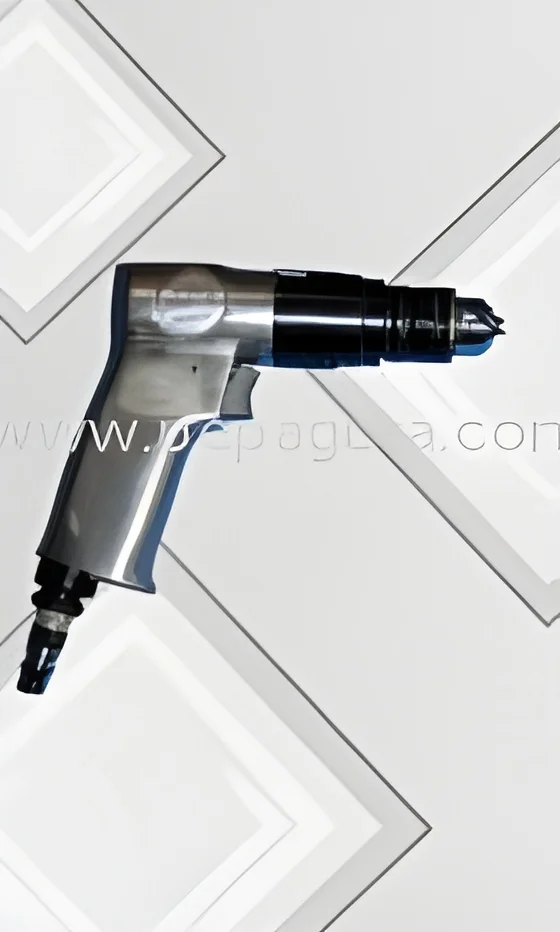
This model is suitable for general-purpose drilling tasks. It features adjustable speed settings and a comfortable grip, making it versatile for various materials.
Heavy-Duty Pneumatic Drill
Designed for rigorous applications, this variant offers higher torque and durability. It is ideal for continuous use in demanding environments, such as construction sites.
Mini Pneumatic Drill
This compact version is perfect for tight spaces and intricate work. It offers precision and is lightweight, making it easy to maneuver.
Angle Pneumatic Drill
This type offers a 90-degree angle design, allowing for drilling in confined areas. It is particularly useful in automotive and cabinetry applications.
𝗕𝗲𝗻𝗲𝗳𝗶𝘁𝘀 𝗮𝗻𝗱 𝗔𝗱𝘃𝗮𝗻𝘁𝗮𝗴𝗲𝘀
Pneumatic drills provide several advantages that enhance their appeal for industrial applications.
1. High Efficiency: Pneumatic drills deliver faster drilling speeds compared to electric models, resulting in increased productivity.
2. Durability: Built with robust materials, pneumatic drills are designed to withstand harsh conditions and heavy use, ensuring long-lasting performance.
3. Safety: Using air power reduces the risk of electrical hazards in wet or flammable environments, making pneumatic drills a safer option.
4. Lightweight Design: Many pneumatic models are lighter than their electric counterparts, reducing operator fatigue during prolonged use.
5. Low Maintenance: Pneumatic drills typically require less maintenance due to their simpler mechanical design, which translates into lower operational costs.
6. Versatility: These drills can be used on various materials, including metal, wood, and plastic, making them suitable for diverse applications.
𝗕𝘂𝘆𝗶𝗻𝗴 𝗚𝘂𝗶𝗱𝗲 𝗳𝗼𝗿 𝗕𝟮𝗕 𝗕𝘂𝘆𝗲𝗿𝘀
When sourcing pneumatic drills, several factors should be considered to ensure the right choice for your business needs.
1. Quality Assessment: Evaluate the quality of pneumatic drills by checking for reliability and performance standards. Look for reviews and recommendations from other users to gauge effectiveness.
2. Supplier Verification: It is essential to vet suppliers to ensure they meet industry standards and provide high-quality products. Consider suppliers with a proven track record and positive customer feedback.
3. Pricing and MOQ: Analyze pricing structures and minimum order quantities (MOQ) to determine budget compatibility. Request quotes from multiple suppliers to compare costs effectively.
4. Delivery and Lead Times: Understand the delivery schedules and lead times for orders. Ensure that suppliers can meet your timelines to avoid disruptions in operations.
5. Compliance Requirements: Verify that pneumatic drills meet relevant industry compliance standards and regulations. This includes looking for certifications such as CE, which indicate adherence to safety and quality standards.
𝗖𝗼𝗺𝗽𝗹𝗶𝗮𝗻𝗰𝗲 𝗮𝗻𝗱 𝗖𝗲𝗿𝘁𝗶𝗳𝗶𝗰𝗮𝘁𝗶𝗼𝗻𝘀
Pneumatic drills must adhere to specific compliance and certification standards to ensure safety and quality in industrial applications. One important standard is ISO 9001, which outlines quality management system requirements. This certification assures buyers that the products are manufactured consistently and meet customer expectations.
Additionally, many pneumatic drills carry the CE mark, indicating they meet European safety, health, and environmental protection standards. This certification is crucial for businesses looking to operate within the European market.
Safety and testing requirements also play a significant role in pneumatic drill compliance. Tools must undergo rigorous testing to ensure they can withstand the demands of industrial use without compromising safety.
Regional compliance considerations can vary, so it is essential for businesses to understand the specific regulations applicable in their geographic location. This ensures that the tools used meet all necessary legal requirements, minimizing risks associated with non-compliance.
𝗪𝗵𝘆 𝗦𝗼𝘂𝗿𝗰𝗲 𝗣𝗻𝗲𝘂𝗺𝗮𝘁𝗶𝗰 𝗗𝗿𝗶𝗹𝗹𝘀 𝗳𝗿𝗼𝗺 𝗣𝗲𝗽𝗮𝗴𝗼𝗿𝗮?
Pepagora provides a trusted platform for sourcing pneumatic drills with several key advantages.
Verified Supplier Network: Pepagora ensures that all suppliers are thoroughly vetted, guaranteeing that businesses have access to high-quality pneumatic drills from reputable manufacturers. This network enhances buyer confidence in the products offered.
Streamlined RFQ Process: The platform features an efficient request for quotation (RFQ) system, allowing buyers to easily compare prices and specifications from multiple suppliers. This simplifies the sourcing process and saves time for businesses.
Trade Assurance and Support: Pepagora offers trade assurance, protecting buyers against potential issues in transactions. This includes support for resolving disputes and ensuring that purchases meet quality expectations.
Regional Coverage: With a presence in India, GCC, and Southeast Asia, Pepagora provides comprehensive geographical coverage. This allows businesses to source pneumatic drills locally, reducing shipping times and costs while supporting regional industries.
Pneumatic drills are power tools that use compressed air to create a rotary motion for drilling holes in various materials. They are commonly used in construction, manufacturing, and maintenance applications due to their efficiency and ease of use.
2
What are the different types of Pneumatic Drills?
There are several types of pneumatic drills, including pistol grip drills, right angle drills, and hammer drills. Each type is designed for specific applications, such as drilling in tight spaces or providing additional force for tougher materials.
3
How do I choose the right Pneumatic Drills?
When choosing a pneumatic drill, consider factors such as the type of material you will be drilling, the size of the holes required, and the drill's power and speed specifications. Additionally, evaluate the drill's ergonomics and weight for comfortable handling during use.
4
What are the standard specifications for Pneumatic Drills?
Standard specifications for pneumatic drills include air pressure requirements, horsepower ratings, and RPM (revolutions per minute). It's also important to consider the drill's chuck size and compatibility with various drill bits.
5
What is the price range for Pneumatic Drills?
The price range for pneumatic drills can vary widely, typically from INR 5,000 to INR 50,000 or more, depending on the brand, features, and specifications. Higher-priced models may offer advanced features and greater durability.
6
What quality standards apply to Pneumatic Drills?
Pneumatic drills should comply with industry standards such as ISO (International Organization for Standardization) and ANSI (American National Standards Institute). These standards ensure the drills meet safety and performance requirements.
7
Where can I find Pneumatic Drills suppliers in India?
You can find pneumatic drill suppliers in India through various online B2B marketplaces, trade shows, and industry directories. Websites like Pepagora.com provide a platform to connect with reputable manufacturers and suppliers.
8
Can Pneumatic Drills be customized?
Yes, many manufacturers offer customization options for pneumatic drills, allowing you to tailor features such as size, power, and attachments to meet specific needs. It's advisable to discuss your requirements with suppliers to explore available options.
9
What is the typical minimum order quantity for Pneumatic Drills?
The typical minimum order quantity (MOQ) for pneumatic drills can vary by supplier, often ranging from 5 to 50 units. It is best to check with individual suppliers for their specific MOQ policies.
10
What is the typical lead time for Pneumatic Drills?
The typical lead time for pneumatic drills can range from a few days to several weeks, depending on factors such as the supplier's inventory, customization requests, and shipping methods. It's important to confirm lead times with your supplier before placing an order.
Why Businesses Trust Pepagora
Thousands of companies trust Pepagora to source smarter and sell faster
Expand Your Sales Globally
25000+Products listed.Get discovered by global buyers

 IN
IN