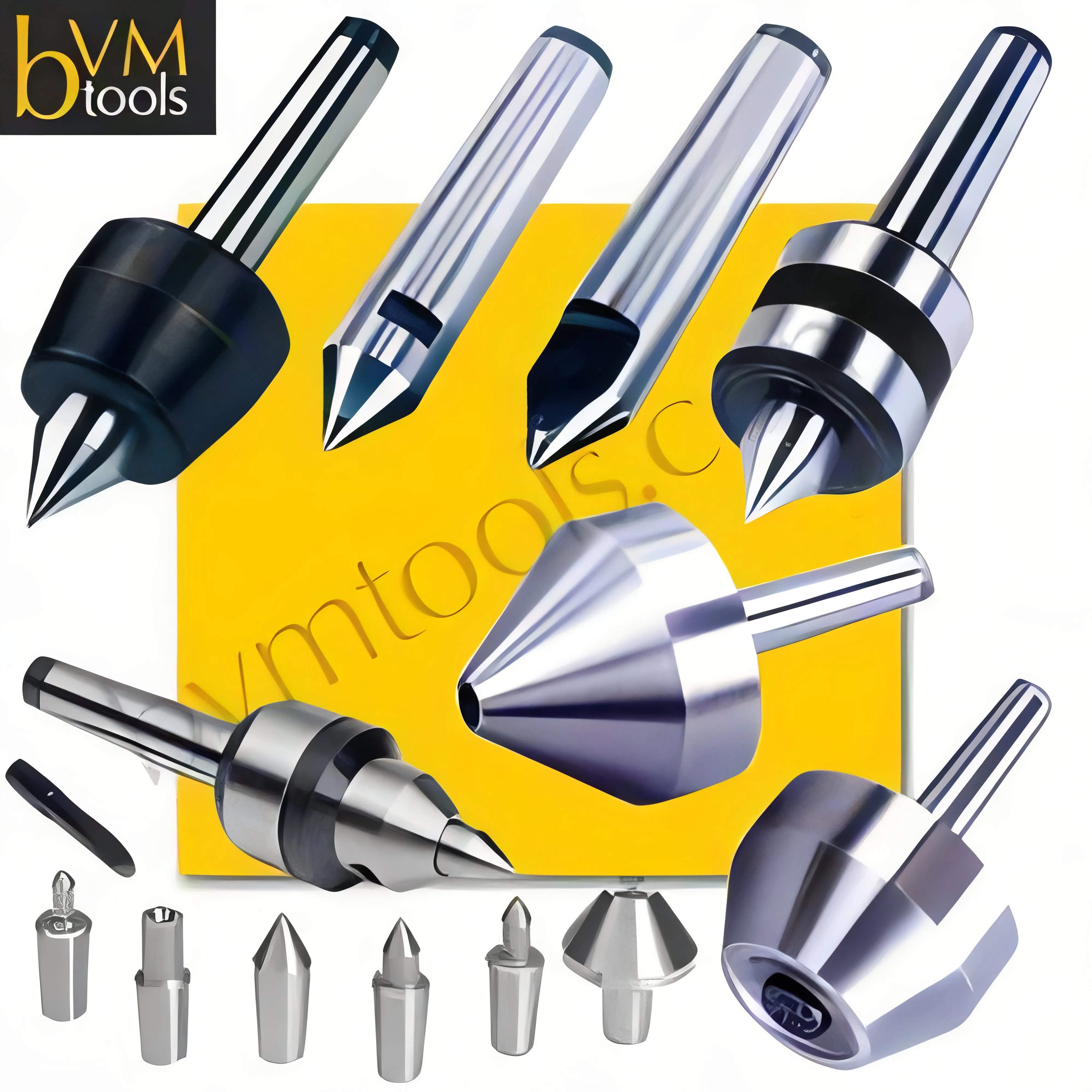
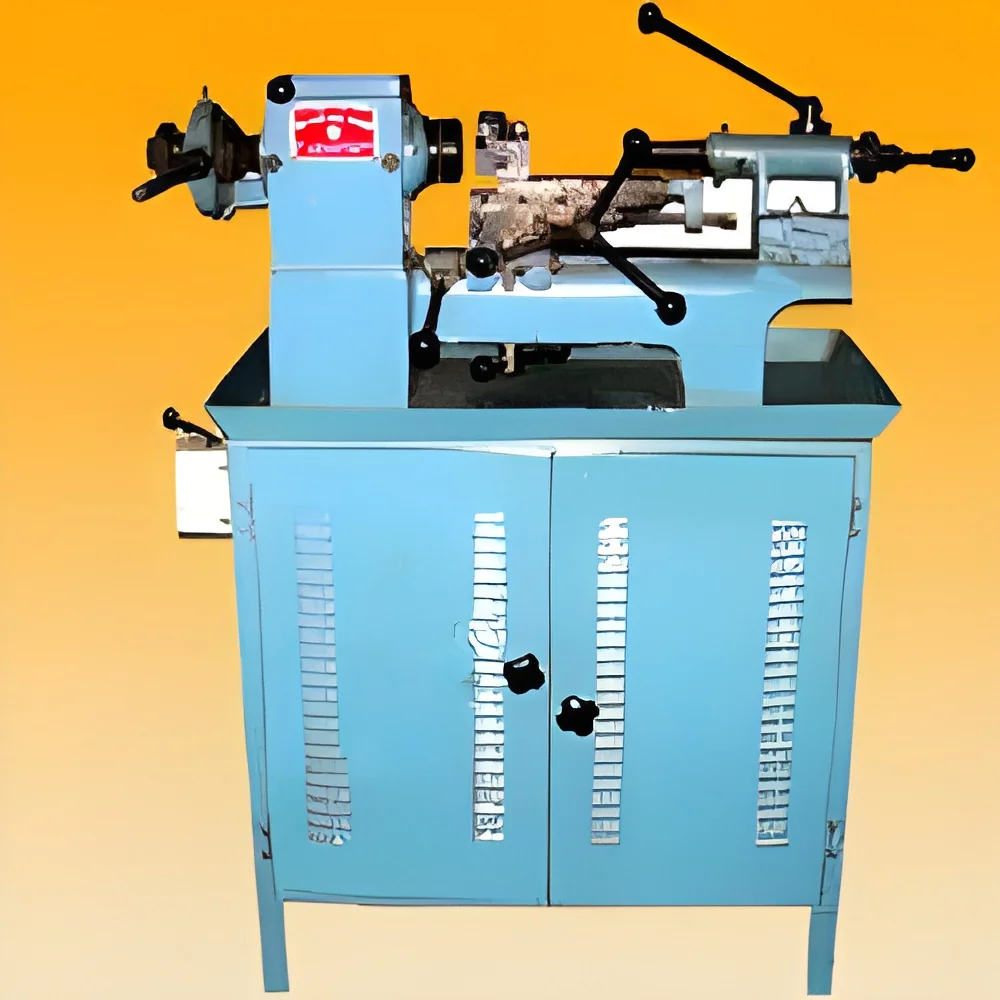
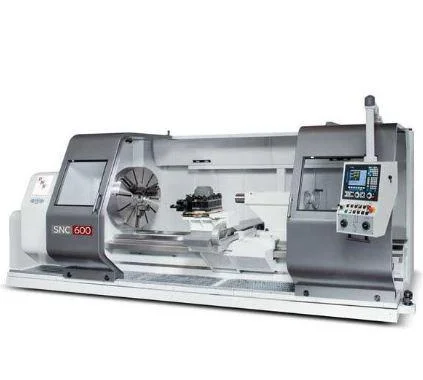
𝗪𝗵𝗮𝘁 𝗮𝗿𝗲 𝗣𝗿𝗲𝗰𝗶𝘀𝗶𝗼𝗻 𝗟𝗮𝘁𝗵𝗲𝘀?
Precision lathes are advanced machining tools designed for shaping and finishing materials with exceptional accuracy. These machines rotate a workpiece against a cutting tool, allowing for precise material removal and the creation of intricate shapes and designs. Precision lathes are essential in manufacturing environments where detail and accuracy are critical for producing high-quality components.
These lathes find their primary application in industries such as aerospace, automotive, and medical device manufacturing. They facilitate the production of complex parts like gears, shafts, and housings that require tight tolerances. As industries continue to evolve, the demand for precision lathes remains significant, driven by the need for high-performance components and the growing trend towards automation in manufacturing processes.
The relevance of precision lathes in today's market cannot be overstated. As sectors push for increased efficiency and reduced production costs, the capabilities of precision lathes support these goals by enabling faster production times without compromising quality. The market for these machines continues to expand, with innovations in technology enhancing their performance and adaptability.
𝗞𝗲𝘆 𝗙𝗲𝗮𝘁𝘂𝗿𝗲𝘀 𝗮𝗻𝗱 𝗦𝗽𝗲𝗰𝗶𝗳𝗶𝗰𝗮𝘁𝗶𝗼𝗻𝘀
Precision lathes are equipped with a variety of features that make them versatile and efficient in manufacturing. Key specifications include:
1. Spindle Speed
- Range typically from 100 to 4000 RPM
- Allows for various machining operations and materials
2. Maximum Swing
- Diameter range from 12 to 40 inches
- Determines the size of the workpieces that can be accommodated
3. Bed Length
- Common lengths range from 30 to 120 inches
- Influences the overall stability and size of the lathe
4. Tooling Options
- Compatibility with various tool types (insert, indexable, etc.)
- Enhances versatility for different machining tasks
5. Control System
- Options for manual, CNC, and hybrid systems
- Provides flexibility in operation and programming
6. Weight Capacity
- Load capacity typically between 2000 to 5000 lbs
- Ensures stability during operation
7. Accuracy
- Tolerance levels as precise as 0.0001 inches
- Critical for high-precision applications
8. Material Compatibility
- Suitable for metals, plastics, and composites
- Expands usability across multiple industries
Precision lathes are designed to meet rigorous industry standards and provide reliable performance, making them invaluable assets for manufacturers.
𝗖𝗼𝗺𝗺𝗼𝗻 𝗔𝗽𝗽𝗹𝗶𝗰𝗮𝘁𝗶𝗼𝗻𝘀 𝗮𝗻𝗱 𝗨𝘀𝗲 𝗖𝗮𝘀𝗲𝘀
Precision lathes serve a wide range of industries, providing tailored solutions for various applications.
1. Aerospace: Precision lathes are used to produce components such as turbine blades and landing gear parts, where high accuracy and lightweight materials are essential.
2. Automotive: These lathes enable the manufacturing of engine components, transmission parts, and custom fittings, ensuring reliability and performance in vehicles.
3. Medical Devices: Precision lathes play a crucial role in creating surgical instruments and implants, where precision and safety are paramount.
4. Electronics: They are used for producing small components like connectors and housings that require intricate designs and high precision.
5. Energy: In the energy sector, precision lathes manufacture components for turbines and generators, contributing to efficient energy production.
6. Defense: These lathes are essential for producing parts for military equipment, ensuring durability and precision in critical applications.
7. General Manufacturing: Precision lathes support the creation of a variety of custom parts across different sectors, showcasing their versatility and importance.
𝗣𝗿𝗼𝗱𝘂𝗰𝘁 𝗩𝗮𝗿𝗶𝗮𝗻𝘁𝘀 𝗮𝗻𝗱 𝗦𝘂𝗯𝗰𝗮𝘁𝗲𝗴𝗼𝗿𝗶𝗲𝘀
Precision lathes come in various configurations to meet specific manufacturing needs.
CNC Precision Lathes: These computer-controlled machines offer high levels of automation and precision. They are ideal for complex part production with minimal human intervention, enhancing productivity.
Manual Precision Lathes: Designed for operators who prefer hands-on control, these lathes are suitable for smaller production runs and custom work, providing flexibility in machining.
Hybrid Precision Lathes: Combining features of both CNC and manual lathes, hybrid models allow for versatile machining options. They are suitable for shops that require adaptability for different projects.
𝗕𝗲𝗻𝗲𝗳𝗶𝘁𝘀 𝗮𝗻𝗱 𝗔𝗱𝘃𝗮𝗻𝘁𝗮𝗴𝗲𝘀
Precision lathes offer numerous benefits to manufacturers, enhancing their operational capabilities.
1. High Accuracy: Precision lathes provide exact tolerances, essential for industries where precision is critical.
2. Increased Efficiency: Capable of producing complex parts in less time, these machines boost overall productivity.
3. Versatile Applications: With the ability to work with various materials, precision lathes serve multiple industries, making them a valuable investment.
4. Reduced Waste: Their precision minimizes material waste during the machining process, leading to cost savings.
5. Enhanced Automation: CNC precision lathes facilitate automated production, reducing labor costs and improving consistency.
6. Customization Capabilities: Manufacturers can produce tailored solutions to meet specific client requirements, enhancing customer satisfaction.
𝗕𝘂𝘆𝗶𝗻𝗴 𝗚𝘂𝗶𝗱𝗲 𝗳𝗼𝗿 𝗕𝟮𝗕 𝗕𝘂𝘆𝗲𝗿𝘀
When sourcing precision lathes, there are several key factors to consider to ensure a successful purchase.
1. Quality Assessment: Evaluate the quality of the lathe by checking for certifications, material use, and manufacturing processes that adhere to industry standards.
2. Supplier Verification: Research suppliers to ensure they have a solid reputation and proven track record in providing reliable machinery.
3. Pricing and MOQ: Compare prices across different suppliers and consider the minimum order quantity to ensure it aligns with your budget and production needs.
4. Delivery and Lead Times: Inquire about the expected delivery times to ensure that the lathe will arrive when needed to avoid disruptions in your production schedule.
5. Compliance Requirements: Ensure that the purchased lathes meet all relevant regulatory standards and certifications specific to your industry.
𝗖𝗼𝗺𝗽𝗹𝗶𝗮𝗻𝗰𝗲 𝗮𝗻𝗱 𝗖𝗲𝗿𝘁𝗶𝗳𝗶𝗰𝗮𝘁𝗶𝗼𝗻𝘀
Precision lathes must adhere to various compliance and certification standards to ensure quality and safety in their operations. Key quality standards include ISO 9001, which focuses on effective quality management systems, ensuring that manufacturers meet customer and regulatory requirements.
In addition, CE certification is essential for lathes sold in Europe, indicating they meet safety, health, and environmental protection standards. This certification is crucial for manufacturers aiming to operate in the European market.
Furthermore, safety and testing requirements are vital in the design and manufacturing of precision lathes. These machines must be tested for operational safety and reliability to prevent workplace accidents and ensure consistent performance.
Regionally, compliance considerations may vary. It is important for manufacturers to understand local regulations and standards that apply to the use and operation of precision lathes in their specific geographic locations.
𝗪𝗵𝘆 𝗦𝗼𝘂𝗿𝗰𝗲 𝗣𝗿𝗲𝗰𝗶𝘀𝗶𝗼𝗻 𝗟𝗮𝘁𝗵𝗲𝘀 𝗳𝗿𝗼𝗺 𝗣𝗲𝗽𝗮𝗴𝗼𝗿𝗮?
Pepagora offers a trusted platform for sourcing precision lathes, providing several key advantages to B2B buyers.
Verified Supplier Network: Pepagora connects buyers with a network of verified suppliers who have undergone rigorous vetting processes. This ensures that purchasers receive high-quality products from reputable sources.
Streamlined RFQ Process: The request for quotation process on Pepagora is designed to be user-friendly, allowing buyers to easily compare offers from multiple suppliers. This efficiency helps businesses find the best deals tailored to their needs.
Trade Assurance and Support: Pepagora provides trade assurance to protect buyers against potential risks during transactions. This support builds confidence and provides peace of mind when sourcing machinery.
Regional Coverage: With a strong presence in India, the GCC, and Southeast Asia, Pepagora offers extensive regional coverage. This geographic reach allows buyers to access a wide range of suppliers and products tailored to their specific markets.
By leveraging the benefits of sourcing through Pepagora, businesses can enhance their procurement strategies and ensure they invest in precision lathes that meet their operational demands.
Precision lathes are advanced machining tools designed to produce intricate and accurate cylindrical components. They utilize high-speed rotating spindles and precision cutting tools to shape materials like metal and plastic with exceptional accuracy.
2
What are the different types of Precision Lathes?
There are several types of precision lathes, including CNC lathes, manual lathes, and multi-tasking lathes. CNC lathes are computer-controlled for high precision, while manual lathes require operator intervention. Multi-tasking lathes combine turning, milling, and drilling capabilities.
3
How do I choose the right Precision Lathes?
Choosing the right precision lathe involves assessing your specific machining needs, including the materials you will work with and the complexity of the parts. Additionally, consider the lathe's features, such as its size, control options, and tooling compatibility.
4
What are the standard specifications for Precision Lathes?
Standard specifications for precision lathes typically include spindle speed, swing over bed, maximum turning diameter, and bed length. Other specifications may include horsepower, torque, and tool holder compatibility, depending on the model and intended use.
5
What is the price range for Precision Lathes?
The price range for precision lathes can vary significantly based on their type, features, and manufacturers. Generally, prices can start from a few thousand INR for basic models and go up to several lakhs for high-end CNC lathes.
6
What quality standards apply to Precision Lathes?
Precision lathes are often manufactured according to international quality standards such as ISO 9001 and specific industry certifications. These standards ensure that the machines meet stringent performance, safety, and reliability criteria.
7
Where can I find Precision Lathes suppliers in India?
You can find precision lathes suppliers in India through online B2B marketplaces like Pepagora, where manufacturers and suppliers list their products. Additionally, industry trade shows and exhibitions can provide opportunities to connect with reputable suppliers.
8
Can Precision Lathes be customized?
Yes, many manufacturers offer customization options for precision lathes to meet specific customer requirements. Customization can include modifications to size, tooling, and additional features tailored to particular applications.
9
What is the typical minimum order quantity for Precision Lathes?
The typical minimum order quantity (MOQ) for precision lathes can vary depending on the supplier and the type of lathe. Generally, it can range from one unit for standard models to several units for custom designs.
10
What is the typical lead time for Precision Lathes?
The typical lead time for precision lathes can range from a few weeks to several months, depending on the complexity of the order and the manufacturer's production capacity. It's advisable to confirm lead times with the supplier before placing an order.
Why Businesses Trust Pepagora
Thousands of companies trust Pepagora to source smarter and sell faster
Expand Your Sales Globally
25000+Products listed.Get discovered by global buyers

 IN
IN