𝗪𝗵𝗮𝘁 𝗮𝗿𝗲 𝗣𝗿𝗲𝘀𝘀𝘂𝗿𝗲 𝗟𝗶𝗻𝗲 𝗙𝗶𝗹𝘁𝗲𝗿𝘀?
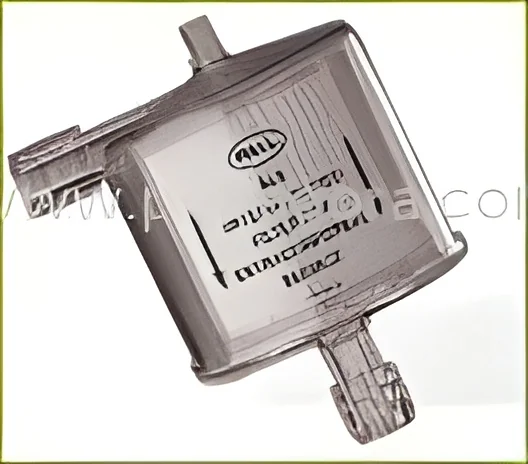
Pressure line filters are essential components used in fluid systems to remove contaminants from liquids or gases, thus ensuring the efficiency and longevity of machinery. These filters operate under pressure and are designed to protect sensitive equipment from damaging particles, such as dirt, rust, and other impurities. By maintaining fluid cleanliness, pressure line filters play a critical role in various industrial applications, contributing to smoother operations and reduced maintenance costs.
These filters find primary use in sectors where hydraulic and pneumatic systems are prevalent, such as manufacturing, automotive, and energy. They are integral to applications involving hydraulic fluids, lubricants, and air compression systems. As industries continue to prioritize operational efficiency and equipment reliability, the demand for high-quality pressure line filters is steadily increasing. The relevance of these filters in maintaining system integrity makes them a vital aspect of industrial processes.
𝗞𝗲𝘆 𝗙𝗲𝗮𝘁𝘂𝗿𝗲𝘀 𝗮𝗻𝗱 𝗦𝗽𝗲𝗰𝗶𝗳𝗶𝗰𝗮𝘁𝗶𝗼𝗻𝘀
Pressure line filters come with a variety of features that enhance their performance and reliability. Understanding these specifications is crucial for making informed purchasing decisions.
Key specifications include:
1. Filtration Rating
- Indicates the size of particles the filter can effectively remove.
- Ratings typically range from 1 micron to 100 microns.
2. Pressure Rating
- Defines the maximum operating pressure the filter can withstand.
- Common pressure ratings are from 10 bar to 50 bar.
3. Flow Rate
- Measures the volume of fluid that can pass through the filter in a given time.
- Typical flow rates vary from 10 liters per minute to 500 liters per minute.
4. Temperature Resistance
- Specifies the maximum and minimum temperatures the filter can handle.
- Temperature ranges may vary according to the specific product line.
5. Filter Element Material
- Composed of various materials including stainless steel, fiberglass, or synthetic media.
- The choice of material impacts durability and filtration efficiency.
6. Connection Type
- Details the type of fittings or connections compatible with the filter.
- Common types include threaded, flanged, or quick-connect fittings.
7. Maintenance Requirements
- Outlines how frequently the filter needs to be cleaned or replaced.
- Maintenance intervals can range from weekly to annually, depending on application.
8. Certification
- Indicates compliance with industry standards and regulations.
- Many pressure line filters hold CE certification for safety and quality assurance.
In summary, selecting the right pressure line filter involves understanding these specifications to ensure optimal performance for specific applications.
𝗖𝗼𝗺𝗺𝗼𝗻 𝗔𝗽𝗽𝗹𝗶𝗰𝗮𝘁𝗶𝗼𝗻𝘀 𝗮𝗻𝗱 𝗨𝘀𝗲 𝗖𝗮𝘀𝗲𝘀
Pressure line filters are utilized across a variety of industries, each with specific needs for filtration solutions.
1. Manufacturing: In manufacturing facilities, pressure line filters are essential for maintaining the cleanliness of hydraulic systems, preventing wear and tear on machinery.
2. Automotive: Automotive industries use these filters in fluid systems of vehicles, including brake systems and power steering, to enhance safety and performance.
3. Energy: In energy sectors such as oil and gas, pressure line filters protect equipment from contaminants that could lead to operational failures.
4. Food and Beverage: These filters help ensure the purity of fluids used in production, adhering to strict health and safety standards.
5. Pharmaceuticals: In pharmaceutical manufacturing, pressure line filters are crucial for maintaining sterile conditions during production processes.
6. Construction: Heavy machinery in construction relies on pressure line filters to protect hydraulic systems from debris, ensuring operational efficiency.
7. Aerospace: In the aerospace industry, these filters are vital for ensuring the reliability of hydraulic systems that control flight operations.
𝗣𝗿𝗼𝗱𝘂𝗰𝘁 𝗩𝗮𝗿𝗶𝗮𝗻𝘁𝘀 𝗮𝗻𝗱 𝗦𝘂𝗯𝗰𝗮𝘁𝗲𝗴𝗼𝗿𝗶𝗲𝘀
Pressure line filters are available in various configurations to meet the diverse needs of different industries.
Compact Pressure Line Filters
These filters are designed for applications with space constraints, providing effective filtration without occupying significant space. They are ideal for mobile equipment and smaller machinery.
High-Flow Pressure Line Filters
Engineered for systems requiring high flow rates, these filters maintain efficiency while handling larger volumes of fluid. They are commonly used in industrial applications where rapid fluid movement is necessary.
Bypass Pressure Line Filters
These filters allow for continuous operation even when the filter element needs to be replaced. They are beneficial in systems where downtime must be minimized.
𝗕𝗲𝗻𝗲𝗳𝗶𝘁𝘀 𝗮𝗻𝗱 𝗔𝗱𝘃𝗮𝗻𝘁𝗮𝗴𝗲𝘀
Investing in pressure line filters brings several advantages to businesses.
1. Enhanced Equipment Longevity: By removing harmful contaminants, these filters significantly extend the life of hydraulic and pneumatic systems.
2. Improved Operational Efficiency: Clean fluids lead to better performance, reducing the risk of equipment failures and downtime.
3. Cost Savings: Regular use of pressure line filters can lower maintenance costs and decrease the likelihood of costly repairs.
4. Compliance with Standards: Many pressure line filters meet industry certifications, ensuring adherence to safety and quality regulations.
5. Versatility: These filters are applicable in a wide range of industries, making them a flexible solution for various fluid filtration needs.
6. Easy Maintenance: Many models are designed for user-friendly maintenance, allowing for quick element replacement or cleaning.
𝗕𝘂𝘆𝗶𝗻𝗴 𝗚𝘂𝗶𝗱𝗲 𝗳𝗼𝗿 𝗕𝟮𝗕 𝗕𝘂𝘆𝗲𝗿𝘀
When sourcing pressure line filters, buyers should consider several key factors to ensure they make an informed choice.
1. Quality Assessment: Evaluate the quality of the filters by checking for certifications and industry standards that apply. This ensures the filters meet necessary performance criteria.
2. Supplier Verification: It is crucial to vet suppliers for reliability and reputation. Look for suppliers with a proven track record in providing quality filtration solutions.
3. Pricing and MOQ: Understand the pricing structure and minimum order quantities set by suppliers. This will help in budgeting and determining the feasibility of large orders.
4. Delivery and Lead Times: Confirm delivery timelines and lead times to ensure that your operations are not interrupted while waiting for critical components.
5. Compliance Requirements: Familiarize yourself with any regulatory requirements related to filtration in your industry. This ensures that the filters used are compliant with local and international standards.
𝗖𝗼𝗺𝗽𝗹𝗶𝗮𝗻𝗰𝗲 𝗮𝗻𝗱 𝗖𝗲𝗿𝘁𝗶𝗳𝗶𝗰𝗮𝘁𝗶𝗼𝗻𝘀
Pressure line filters are subject to various compliance and certification standards that ensure their quality and safety.
ISO 9001 is a widely recognized standard that outlines requirements for a quality management system. Filters adhering to this standard demonstrate their ability to consistently provide products that meet customer and regulatory requirements.
CE certification is crucial for products sold in the European market, indicating that the filters meet health, safety, and environmental protection standards. This certification assures buyers of the product's compliance with European directives.
In addition to these, pressure line filters must meet safety and testing requirements specific to their applications. This can include performance under pressure, temperature extremes, and durability tests.
Regional compliance considerations may vary, and understanding local regulations is essential for ensuring that pressure line filters can be legally used in specific markets.
𝗪𝗵𝘆 𝗦𝗼𝘂𝗿𝗰𝗲 𝗣𝗿𝗲𝘀𝘀𝘂𝗿𝗲 𝗟𝗶𝗻𝗲 𝗙𝗶𝗹𝘁𝗲𝗿𝘀 𝗳𝗿𝗼𝗺 𝗣𝗲𝗽𝗮𝗴𝗼𝗿𝗮?
Pepagora provides a trusted platform for sourcing pressure line filters, offering several key advantages to B2B buyers.
Verified Supplier Network: Pepagora has a comprehensive network of verified suppliers, ensuring that buyers can access high-quality products from reputable manufacturers. This verification process enhances buyer confidence in product quality.
Streamlined RFQ Process: The request for quotation (RFQ) process is designed to be user-friendly, allowing buyers to easily compare offers from multiple suppliers. This efficiency helps in making quick and informed purchasing decisions.
Trade Assurance and Support: Pepagora supports buyers with trade assurance, which protects their purchases and ensures that they receive products that meet specified requirements. This added layer of security fosters trust between buyers and suppliers.
Regional Coverage: With a focus on markets in India, the GCC, and Southeast Asia, Pepagora offers extensive regional coverage, making it easier for businesses in these areas to find the right pressure line filters to meet their operational needs. This geographic reach ensures that buyers can access local suppliers, minimizing shipping times and costs.
Pressure Line Filters are devices designed to remove contaminants from fluids in hydraulic systems. They function by filtering out particles, dirt, and other impurities to ensure the efficient operation of machinery and equipment.
2
What are the different types of Pressure Line Filters?
The main types of Pressure Line Filters include inline filters, return filters, and duplex filters. Each type serves specific applications and is chosen based on the system's requirements and the nature of the fluid being filtered.
3
How do I choose the right Pressure Line Filters?
Selecting the right Pressure Line Filters involves considering factors such as the flow rate, fluid type, and the level of filtration required. Consulting with manufacturers and reviewing technical specifications can also aid in making an informed choice.
4
What are the standard specifications for Pressure Line Filters?
Standard specifications for Pressure Line Filters typically include the filtration rating, maximum operating pressure, flow capacity, and material compatibility. These specifications ensure that the filter meets the operational demands of the hydraulic system.
5
What is the price range for Pressure Line Filters?
The price range for Pressure Line Filters can vary widely based on specifications, brand, and features. Generally, prices can start from a few hundred rupees and can go up to several thousand rupees for high-performance models.
6
What quality standards apply to Pressure Line Filters?
Quality standards for Pressure Line Filters often include ISO 9001 certification and adherence to specific industry standards such as SAE and ANSI. These standards help ensure product reliability and performance in various applications.
7
Where can I find Pressure Line Filters suppliers in India?
You can find Pressure Line Filters suppliers in India through online B2B marketplaces like Pepagora.com, trade shows, and industry directories. It's advisable to compare different suppliers to find the best fit for your needs.
8
Can Pressure Line Filters be customized?
Yes, many manufacturers offer customization options for Pressure Line Filters to meet specific requirements. Customization can include changes in size, filtration rating, and material selection based on the application.
9
What is the typical minimum order quantity for Pressure Line Filters?
The typical minimum order quantity (MOQ) for Pressure Line Filters varies by manufacturer but is often set between 10 to 50 units. It's best to confirm the MOQ with the specific supplier you are considering.
10
What is the typical lead time for Pressure Line Filters?
The typical lead time for Pressure Line Filters can range from 2 to 6 weeks, depending on the supplier, the complexity of the order, and customization requirements. Always check with the supplier for the most accurate delivery timelines.
Why Businesses Trust Pepagora
Thousands of companies trust Pepagora to source smarter and sell faster
Expand Your Sales Globally
25000+Products listed.Get discovered by global buyers

 IN
IN