𝗪𝗵𝗮𝘁 𝗮𝗿𝗲 𝗣𝗿𝗲𝘀𝘀𝘂𝗿𝗲 𝗦𝗲𝗻𝘀𝗼𝗿𝘀?
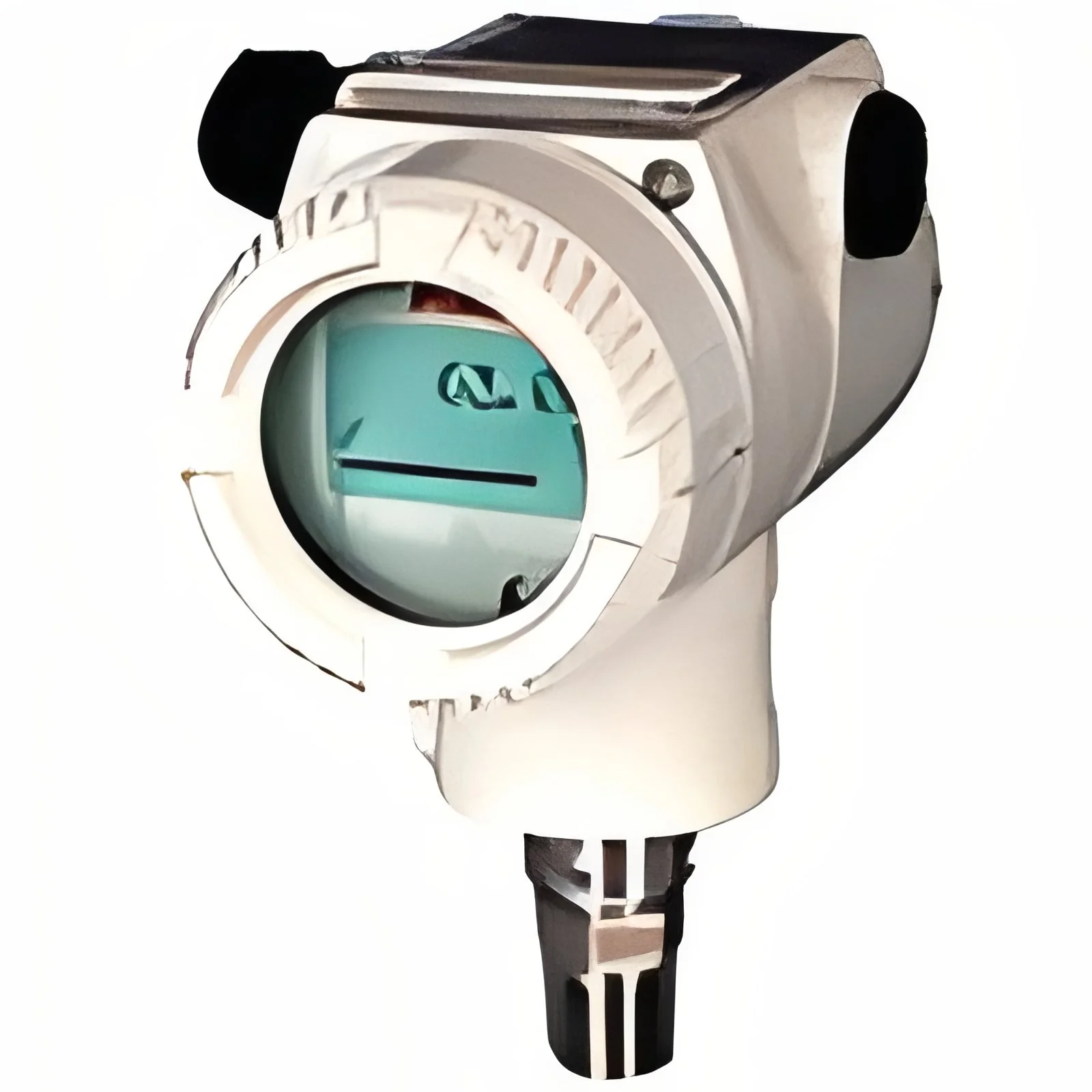
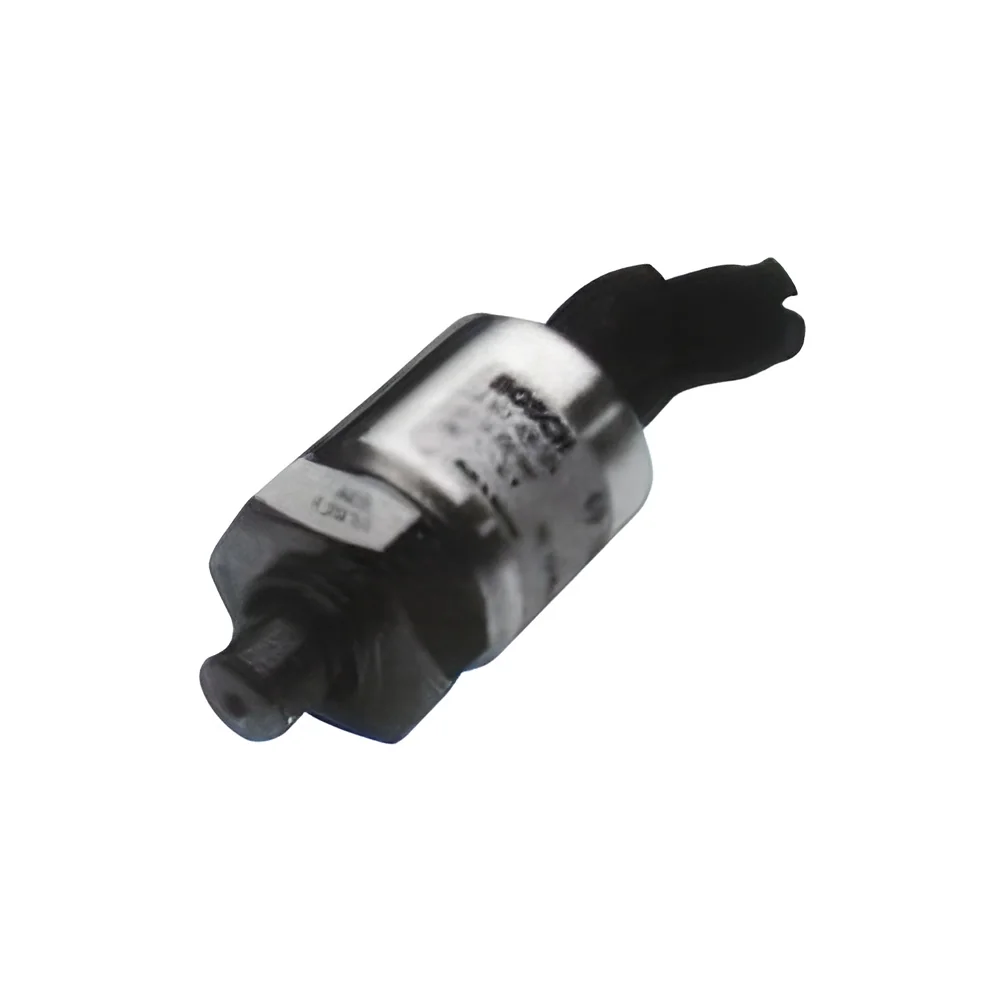
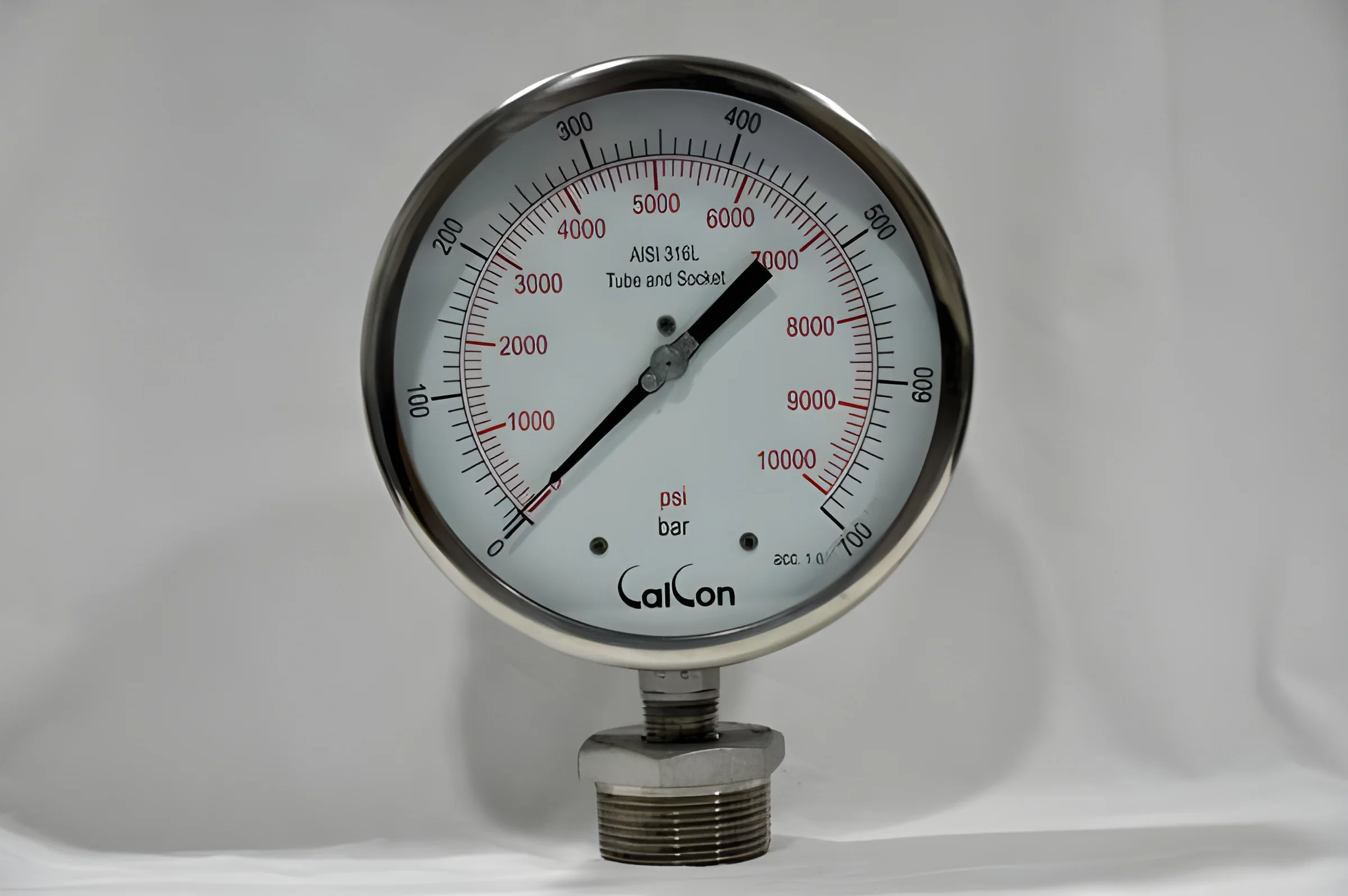
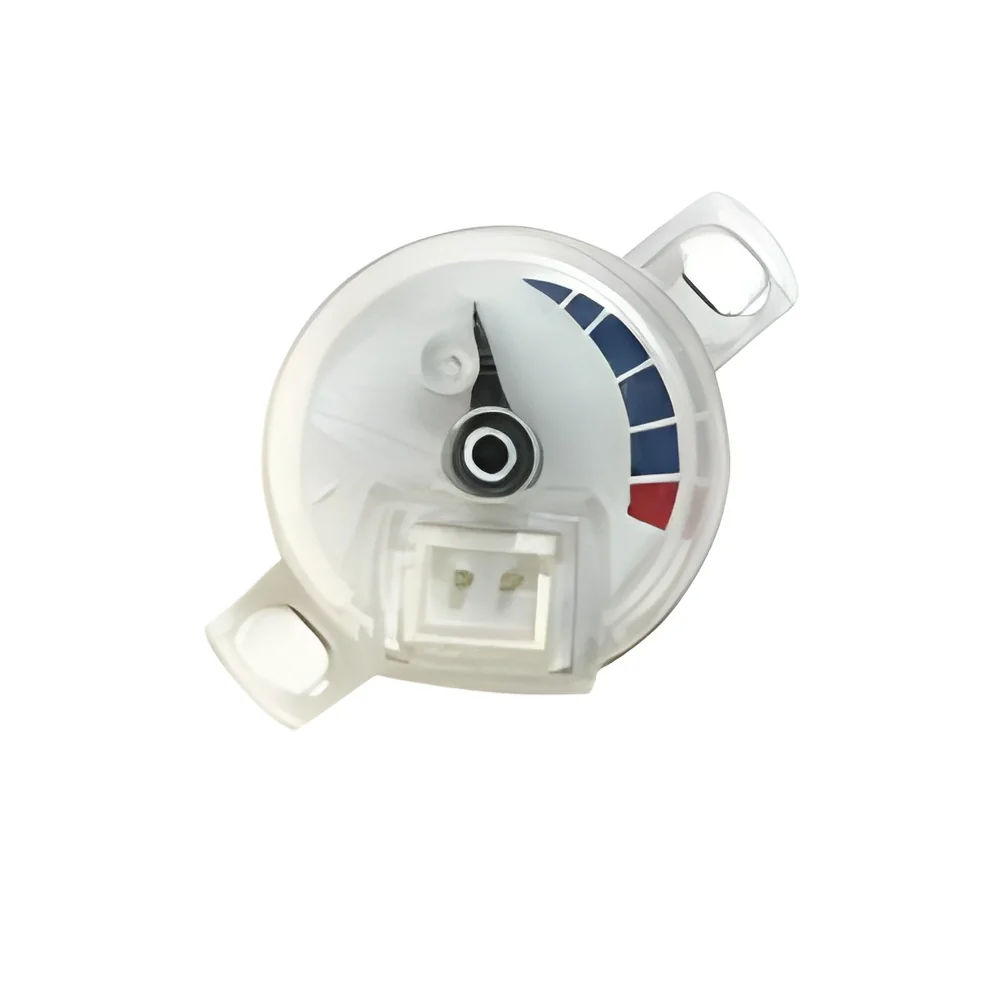
Pressure sensors are devices used to measure the pressure of gases or liquids. They convert the physical pressure into an electrical signal that can be read and interpreted. This conversion is typically achieved through various sensing technologies, including capacitive, piezoelectric, and resistive methods. Pressure sensors play a crucial role in many industrial applications, providing essential data for process control and monitoring.
These sensors are widely utilized across numerous sectors, including manufacturing, automotive, aerospace, and healthcare. They are integral to systems that require pressure monitoring, such as hydraulic systems, pneumatic systems, and various environmental controls. In the current market, the demand for pressure sensors continues to grow as industries seek to improve efficiency, safety, and automation in their operations.
𝗞𝗲𝘆 𝗙𝗲𝗮𝘁𝘂𝗿𝗲𝘀 𝗮𝗻𝗱 𝗦𝗽𝗲𝗰𝗶𝗳𝗶𝗰𝗮𝘁𝗶𝗼𝗻𝘀
Pressure sensors come equipped with various key features that enhance their functionality and performance. Understanding these specifications is vital for selecting the right sensor for specific applications.
Key specifications include:
1. Pressure Range
- Defines the minimum and maximum pressure the sensor can measure.
- Common ranges may vary from vacuum levels to several thousand psi.
2. Output Signal Type
- Refers to the electrical signal produced by the sensor, such as analog voltage or current.
- Typical output signals include 4-20 mA, 0-5 V, or digital protocols like Modbus.
3. Accuracy
- Indicates the degree of precision in the sensor's reading.
- Often expressed as a percentage of the full-scale output.
4. Operating Temperature Range
- Specifies the temperature extremes within which the sensor can function effectively.
- Common ranges may be from -40 to 85 degrees Celsius.
5. Media Compatibility
- Highlights the types of gases or liquids the sensor can reliably measure without damage.
- Important for applications involving corrosive or viscous fluids.
6. Response Time
- Refers to the time taken by the sensor to respond to a change in pressure.
- Typically measured in milliseconds.
7. Mounting Type
- Describes how the sensor can be installed, such as threaded, flange, or compact designs.
- Influences ease of installation and integration into existing systems.
8. Electrical Connection
- Refers to the type of electrical input/output connection available.
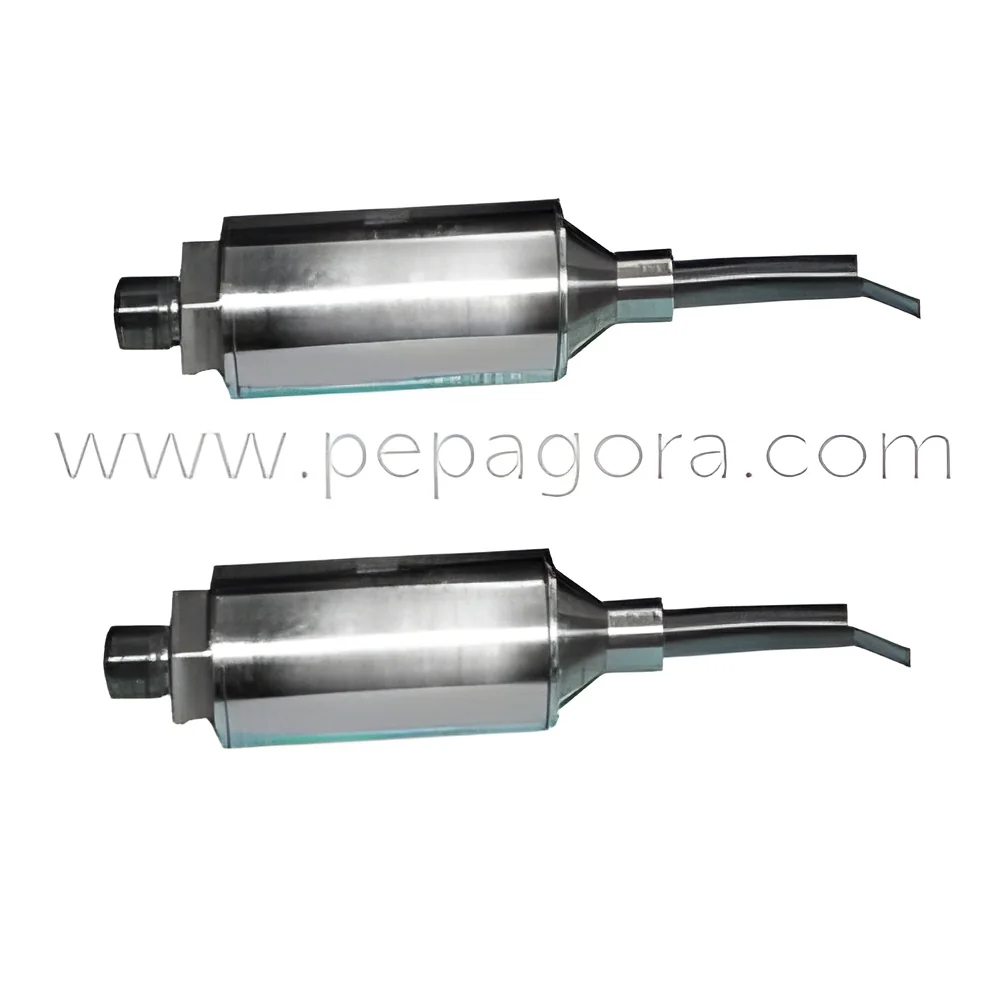
- Common connections include screw terminals, connectors, and cable outputs.
In summary, choosing the right pressure sensor involves understanding these specifications to match the sensor's capabilities with the intended application.
𝗖𝗼𝗺𝗺𝗼𝗻 𝗔𝗽𝗽𝗹𝗶𝗰𝗮𝘁𝗶𝗼𝗻𝘀 𝗮𝗻𝗱 𝗨𝘀𝗲 𝗖𝗮𝘀𝗲𝘀
Pressure sensors find utility across a broad spectrum of industries, each with unique requirements.
1. Automotive: In vehicles, pressure sensors monitor tire pressure, engine oil pressure, and fuel pressure, contributing to safety and performance.
2. Manufacturing: These sensors are crucial for process control in manufacturing settings, ensuring that hydraulic and pneumatic systems operate within specified pressure limits.
3. Aerospace: Pressure sensors are used in aircraft systems to monitor cabin pressure and fuel systems, essential for safety and efficiency.
4. Healthcare: Medical devices utilize pressure sensors for monitoring patient vitals, ensuring accurate readings in critical care environments.
5. HVAC: In heating, ventilation, and air conditioning systems, pressure sensors regulate air pressure for maintaining optimal indoor environments.
6. Food and Beverage: In processing plants, these sensors control pressure in pipelines and containers, ensuring product safety and quality.
7. Oil and Gas: Pressure sensors are vital for monitoring wellhead pressure and pipeline integrity, enhancing operational safety.
𝗣𝗿𝗼𝗱𝘂𝗰𝘁 𝗩𝗮𝗿𝗶𝗮𝗻𝘁𝘀 𝗮𝗻𝗱 𝗦𝘂𝗯𝗰𝗮𝘁𝗲𝗴𝗼𝗿𝗶𝗲𝘀
Pressure sensors are available in various designs and configurations to cater to specific operational needs.
Differential Pressure Sensors
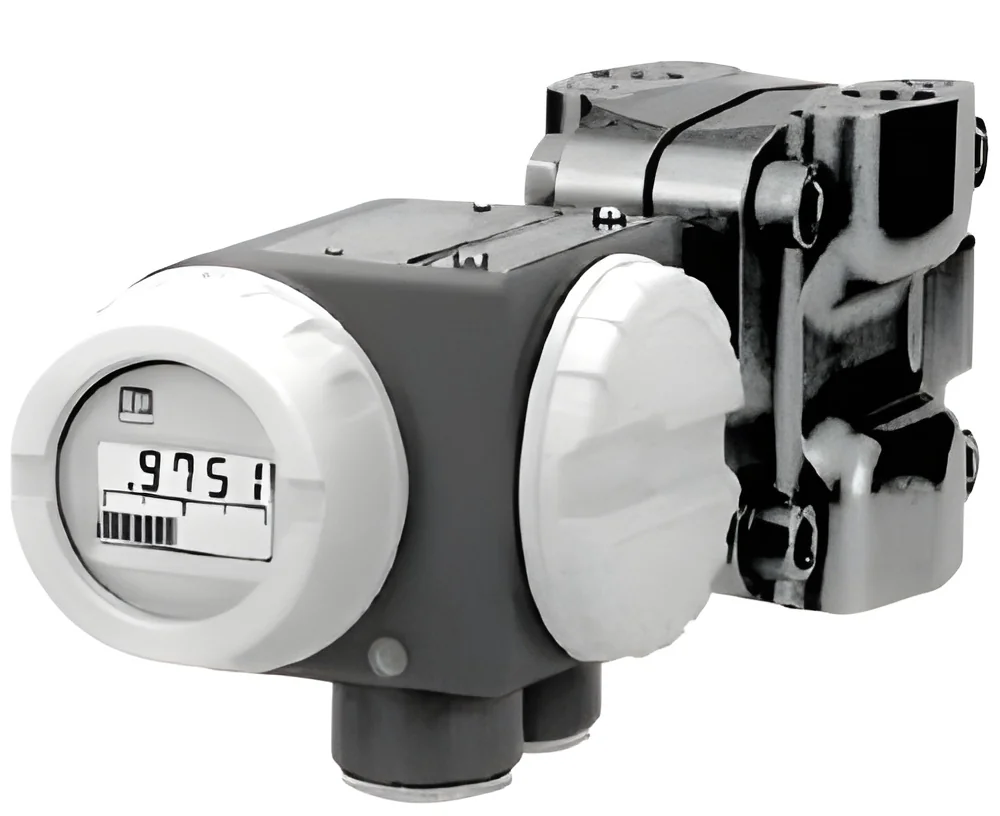
These sensors measure the difference in pressure between two points, making them ideal for applications such as airflow measurement in HVAC systems and filter monitoring.
Absolute Pressure Sensors
These measure pressure relative to a perfect vacuum, commonly used in weather stations and altimeters to provide accurate readings regardless of surrounding atmospheric pressure.
Gauge Pressure Sensors
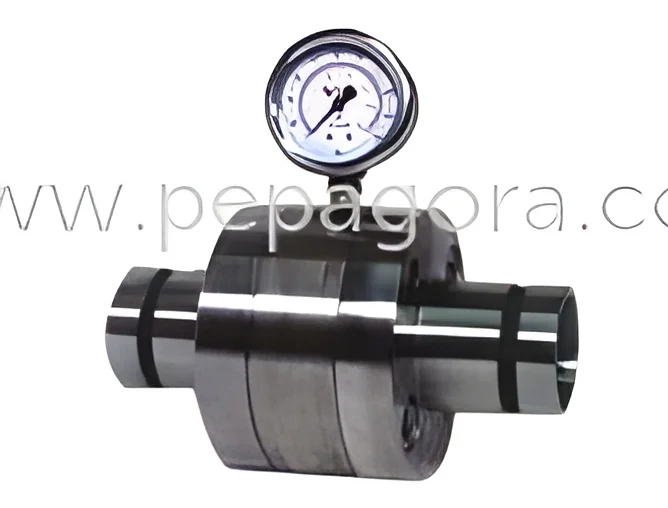
These sensors measure pressure relative to the ambient atmospheric pressure. They are widely used in applications like tire pressure monitoring and hydraulic systems.
𝗕𝗲𝗻𝗲𝗳𝗶𝘁𝘀 𝗮𝗻𝗱 𝗔𝗱𝘃𝗮𝗻𝘁𝗮𝗴𝗲𝘀
Investing in pressure sensors provides several key benefits that enhance operational effectiveness.
1. Enhanced Safety: Pressure sensors help prevent overpressure situations, reducing the risk of equipment failure and accidents.
2. Improved Efficiency: By monitoring pressure levels, businesses can optimize processes, leading to reduced energy consumption and increased productivity.
3. Real-Time Monitoring: Pressure sensors provide continuous data, enabling timely decision-making and quick responses to pressure changes.
4. Versatile Applications: With a wide range of specifications, pressure sensors can be adapted for various industries and applications, ensuring flexibility in use.
5. Maintenance Reduction: Accurate pressure monitoring can prolong equipment lifespan by ensuring that systems operate within safe and optimal pressure ranges.
6. Compliance Support: Pressure sensors help organizations meet regulatory and safety standards by providing critical data for audits and assessments.
𝗕𝘂𝘆𝗶𝗻𝗴 𝗚𝘂𝗶𝗱𝗲 𝗳𝗼𝗿 𝗕𝟮𝗕 𝗕𝘂𝘆𝗲𝗿𝘀
When sourcing pressure sensors, careful consideration is essential to ensure the right match for your application.
1. Quality Assessment: Evaluate the quality of the sensors based on reliability, accuracy, and durability. Look for established manufacturers with a reputation for high-quality products.
2. Supplier Verification: Vet suppliers by checking their credentials, certifications, and customer reviews. A reliable supplier should have a proven track record in the industry.
3. Pricing and MOQ: Understand the pricing structures and minimum order quantities. This knowledge helps in budgeting and ensures you meet purchasing requirements.
4. Delivery and Lead Times: Assess the logistical capabilities of suppliers, including their ability to meet delivery schedules and handle your order size efficiently.
5. Compliance Requirements: Ensure that the sensors meet necessary regulatory standards and certifications for your industry, such as CE marking for safety and compatibility.
𝗖𝗼𝗺𝗽𝗹𝗶𝗮𝗻𝗰𝗲 𝗮𝗻𝗱 𝗖𝗲𝗿𝘁𝗶𝗳𝗶𝗰𝗮𝘁𝗶𝗼𝗻𝘀
Pressure sensors must adhere to various quality standards and certifications to ensure safety and reliability. ISO 9001 is a widely recognized standard focusing on quality management systems, ensuring that manufacturers consistently produce high-quality products.
The CE marking indicates that pressure sensors meet European safety, health, and environmental protection standards. This certification is crucial for products sold within the European Union and demonstrates compliance with relevant directives.
Safety and testing requirements also play a critical role in the manufacturing process. Sensors should undergo rigorous testing to confirm their performance under extreme conditions.
Additionally, regional compliance considerations may vary, so it is essential to understand local regulations governing pressure sensors in specific markets.
𝗪𝗵𝘆 𝗦𝗼𝘂𝗿𝗰𝗲 𝗣𝗿𝗲𝘀𝘀𝘂𝗿𝗲 𝗦𝗲𝗻𝘀𝗼𝗿𝘀 𝗳𝗿𝗼𝗺 𝗣𝗲𝗽𝗮𝗴𝗼𝗿𝗮?
Pepagora offers a trusted platform for sourcing pressure sensors, providing several key advantages for businesses.
Verified Supplier Network: Pepagora maintains a network of verified suppliers, ensuring that buyers can source high-quality pressure sensors with confidence. Each supplier is vetted for compliance and reliability, promoting trust in the procurement process.
Streamlined RFQ Process: The platform simplifies the request for quotation process, allowing buyers to compare offers from multiple suppliers efficiently. This streamlining enables businesses to make informed decisions quickly.
Trade Assurance and Support: Pepagora provides trade assurance, protecting buyers against potential disputes. The support team is available to assist throughout the purchasing process, ensuring a smooth experience.
Regional Coverage: With a presence in India, the GCC, and Southeast Asia, Pepagora offers extensive regional coverage. This widespread reach allows businesses to access a diverse range of pressure sensors tailored to their specific needs.
Pressure sensors are devices that measure the pressure of gases or liquids. They convert the pressure into an electrical signal, which can then be interpreted by various monitoring systems. These sensors are widely used in industrial applications, automotive systems, and consumer electronics.
2
What are the different types of Pressure Sensors?
There are several types of pressure sensors, including piezoresistive, capacitive, and optical pressure sensors. Each type operates on different principles and is suitable for various applications. For example, piezoresistive sensors are commonly used in industrial applications due to their accuracy and reliability.
3
How do I choose the right Pressure Sensors?
Choosing the right pressure sensor involves considering factors such as the pressure range, the type of media being measured, and the environmental conditions. It is also important to assess the sensor's output signal compatibility with your monitoring system. Consulting with manufacturers or suppliers can provide valuable insights.
4
What are the standard specifications for Pressure Sensors?
Standard specifications for pressure sensors typically include pressure range, accuracy, operating temperature, and output type. Additionally, factors such as response time and electrical requirements are also critical. Always refer to the manufacturer's datasheet for precise specifications.
5
What is the price range for Pressure Sensors?
The price range for pressure sensors can vary widely based on type, specifications, and manufacturer. Generally, basic models may start from a few hundred Indian Rupees, while advanced sensors with specific features can cost several thousand Rupees. It's advisable to compare prices from various suppliers.
6
What quality standards apply to Pressure Sensors?
Pressure sensors are often subject to quality standards such as ISO 9001, which focuses on quality management systems. Additionally, specific industry standards like IEC, NEMA, and ATEX may apply, depending on their intended use. Compliance with these standards ensures reliability and safety in operation.
7
Where can I find Pressure Sensors suppliers in India?
You can find pressure sensor suppliers in India through B2B marketplaces like Pepagora, industry trade shows, and online directories. Local manufacturers and distributors provide a variety of options, allowing you to compare products and services. It's beneficial to check reviews and certifications before making a purchase.
8
Can Pressure Sensors be customized?
Yes, many manufacturers offer customization options for pressure sensors to meet specific application requirements. Customizations can include alterations in size, output type, and additional features. It's important to discuss your specific needs with potential suppliers to explore available options.
9
What is the typical minimum order quantity for Pressure Sensors?
The typical minimum order quantity (MOQ) for pressure sensors can vary by supplier and product type. Generally, MOQs can range from a single unit for standard products to larger quantities for customized sensors. Always check with the supplier for their specific MOQ policies.
10
What is the typical lead time for Pressure Sensors?
The typical lead time for pressure sensors can range from a few days to several weeks, depending on factors such as the type of sensor, customization, and supplier capabilities. For standard products, lead times are usually shorter, while custom orders may require more time for production and testing.
Why Businesses Trust Pepagora
Thousands of companies trust Pepagora to source smarter and sell faster
Expand Your Sales Globally
25000+Products listed.Get discovered by global buyers

 IN
IN