𝗪𝗵𝗮𝘁 𝗮𝗿𝗲 𝗣𝗿𝗲𝘀𝘀𝘂𝗿𝗲 𝗧𝗲𝘀𝘁 𝗣𝘂𝗺𝗽𝘀?
Pressure test pumps are specialized devices used to apply pressure to a system or component to evaluate its integrity and performance. These pumps are designed to generate and maintain a specified pressure level, allowing for thorough testing of pipes, valves, tanks, and other equipment. By simulating real-world conditions, pressure test pumps help identify leaks, weaknesses, or failures in various systems.
In industrial and commercial settings, pressure test pumps are vital for ensuring safety and reliability. They are commonly used in sectors such as manufacturing, construction, and oil and gas. The pumps enable businesses to comply with safety regulations and quality standards by verifying that their systems can withstand operational pressures. As industries increasingly prioritize safety and efficiency, the demand for reliable pressure test pumps continues to grow.
𝗞𝗲𝘆 𝗙𝗲𝗮𝘁𝘂𝗿𝗲𝘀 𝗮𝗻𝗱 𝗦𝗽𝗲𝗰𝗶𝗳𝗶𝗰𝗮𝘁𝗶𝗼𝗻𝘀
Pressure test pumps come with a range of features and specifications that cater to various testing needs. These key specifications ensure that users can select the right pump for their specific applications.
Key specifications include:
1. Pressure Range
- Typically ranges from 0 to 10,000 psi.
- Allows for testing a wide variety of systems under different pressure conditions.
2. Flow Rate
- Common flow rates ranging from 0.5 to 5 GPM.
- Ensures efficient filling and pressurization of systems.
3. Material Construction
- Often made from durable materials such as stainless steel or high-grade aluminum.
- Provides resistance to corrosion and wear during repeated use.
4. Accuracy
- Accuracy levels of ±1% of full scale.
- Ensures reliable measurements and testing results.
5. Portability
- Lightweight and compact designs available.
- Facilitates easy transport and setup in various locations.
6. Ease of Use
- User-friendly controls and interfaces.
- Simplifies operation, even for untrained personnel.
7. Safety Features
- Includes pressure relief valves and safety gauges.
- Enhances user safety during operation.
8. Certification
- CE certification for compliance with European safety standards.
- Ensures quality and reliability in various markets.
In summary, pressure test pumps are designed with robust features and specifications that meet the diverse needs of industrial applications, enhancing efficiency and safety.
𝗖𝗼𝗺𝗺𝗼𝗻 𝗔𝗽𝗽𝗹𝗶𝗰𝗮𝘁𝗶𝗼𝗻𝘀 𝗮𝗻𝗱 𝗨𝘀𝗲 𝗖𝗮𝘀𝗲𝘀
Pressure test pumps serve various industries, each with specific applications that highlight their versatility.
1. Oil and Gas: Used to test pipelines and tanks for leaks, ensuring compliance with safety regulations and operational integrity.
2. Manufacturing: Essential for quality control, these pumps help test the strength and durability of components and systems during production.
3. Construction: Employed to verify the integrity of water and gas lines, ensuring that all installations meet safety standards.
4. Automotive: Utilized to test fuel and hydraulic systems, identifying vulnerabilities before vehicles are put into service.
5. Aerospace: Crucial for testing aircraft components, these pumps ensure that all parts can withstand the pressures experienced during flight.
6. HVAC: Used to check the pressure of heating and cooling systems, ensuring optimal performance and energy efficiency.
7. Water Treatment: Employed to test pipelines and tanks in water treatment facilities, maintaining system integrity and compliance with environmental standards.
𝗣𝗿𝗼𝗱𝘂𝗰𝘁 𝗩𝗮𝗿𝗶𝗮𝗻𝘁𝘀 𝗮𝗻𝗱 𝗦𝘂𝗯𝗰𝗮𝘁𝗲𝗴𝗼𝗿𝗶𝗲𝘀
Pressure test pumps come in various designs to cater to different testing requirements.
Electric Pressure Test Pumps: These pumps offer automated operation, making them ideal for continuous testing in manufacturing and large-scale applications. They provide consistent pressure levels and require minimal manual intervention.
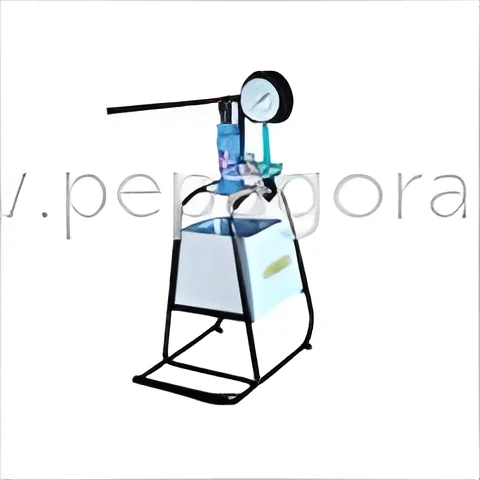
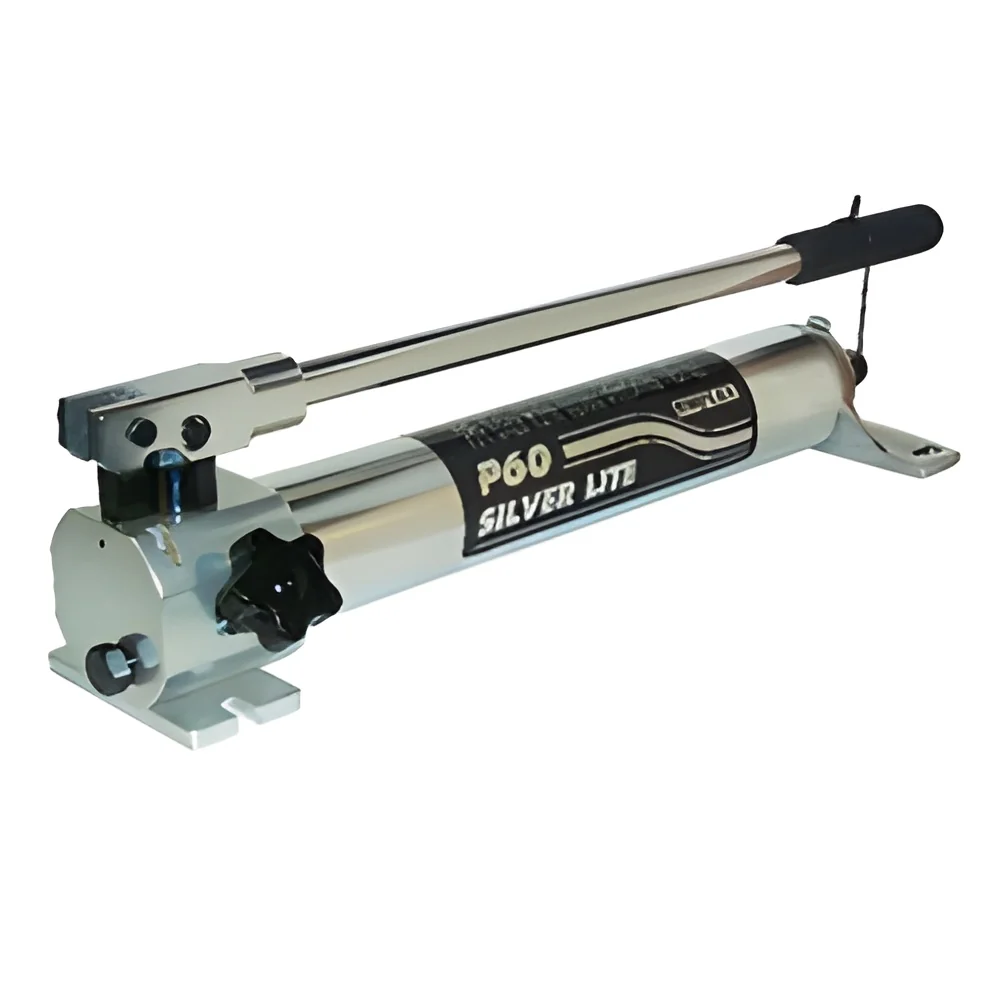
Hand-Operated Pressure Test Pumps: These portable options are perfect for field testing and smaller applications. They are easy to transport and operate, making them suitable for contractors and service technicians.
Air-Driven Pressure Test Pumps: Utilizing compressed air for operation, these pumps are lightweight and efficient, often used in environments where electric power is not available.
𝗕𝗲𝗻𝗲𝗳𝗶𝘁𝘀 𝗮𝗻𝗱 𝗔𝗱𝘃𝗮𝗻𝘁𝗮𝗴𝗲𝘀
Using pressure test pumps offers numerous benefits to businesses seeking to enhance their testing processes.
1. Enhanced Safety: By identifying leaks and weaknesses, pressure test pumps help prevent accidents and ensure compliance with safety regulations.
2. Cost Efficiency: Early detection of issues reduces repair costs and downtime, leading to significant savings in maintenance and operational expenses.
3. Improved Reliability: Regular testing ensures that systems and components perform reliably under pressure, enhancing overall operational efficiency.
4. Quality Assurance: Businesses can maintain high-quality standards by verifying that their products meet the necessary specifications before deployment.
5. Versatility: With applications across multiple industries, pressure test pumps can be adapted to suit various testing needs and environments.
6. User-Friendly: Many modern pressure test pumps come equipped with intuitive controls, making them accessible for operators with varying levels of experience.
𝗕𝘂𝘆𝗶𝗻𝗴 𝗚𝘂𝗶𝗱𝗲 𝗳𝗼𝗿 𝗕𝟮𝗕 𝗕𝘂𝘆𝗲𝗿𝘀
When sourcing pressure test pumps, B2B buyers should consider several key factors to ensure they make informed purchasing decisions.
1. Quality Assessment: Buyers should evaluate the quality standards of the pumps, looking for certifications such as CE and other relevant industry standards to ensure durability and reliability.
2. Supplier Verification: It is crucial to vet suppliers for their reputation, experience, and track record in providing high-quality pressure test pumps. Reviewing customer feedback and seeking references can help.
3. Pricing and MOQ: Understanding the price range and the minimum order quantity (MOQ) is essential for budgeting. Buyers should compare prices from different suppliers to find the best value.
4. Delivery and Lead Times: Buyers should inquire about delivery options and lead times to ensure that they receive their pumps when needed. Timely delivery is critical in maintaining project schedules.
5. Compliance Requirements: It is important to confirm that the pumps meet all regulatory compliance requirements specific to the buyer's industry and region, ensuring safe and legal operation.
𝗖𝗼𝗺𝗽𝗹𝗶𝗮𝗻𝗰𝗲 𝗮𝗻𝗱 𝗖𝗲𝗿𝘁𝗶𝗳𝗶𝗰𝗮𝘁𝗶𝗼𝗻𝘀
Pressure test pumps must adhere to various quality standards and certifications to ensure safe and effective operation. Compliance with ISO 9001, a standard that outlines quality management systems, is often expected. This certification demonstrates that manufacturers follow strict quality control processes throughout production.
Additionally, industry certifications such as CE are important for ensuring that the pumps meet European safety and environmental standards. These certifications provide assurance to buyers regarding the quality and safety of the products.
Testing requirements may also include specific safety features, such as pressure relief valves and safety gauges, which ensure that pumps operate safely under high-pressure conditions. Regional compliance considerations may vary, so buyers must ensure their chosen pumps meet local regulations relevant to their industry and operational environment.
𝗪𝗵𝘆 𝗦𝗼𝘂𝗿𝗰𝗲 𝗣𝗿𝗲𝘀𝘀𝘂𝗿𝗲 𝗧𝗲𝘀𝘁 𝗣𝘂𝗺𝗽𝘀 𝗳𝗿𝗼𝗺 𝗣𝗲𝗽𝗮𝗴𝗼𝗿𝗮?
Pepagora provides a trusted platform for sourcing pressure test pumps with several key advantages.
Verified Supplier Network: Pepagora ensures that all suppliers are thoroughly vetted, providing buyers with access to reliable manufacturers and distributors. This network helps to mitigate risks associated with sourcing from unverified suppliers.
Streamlined RFQ Process: The platform simplifies the request for quotation (RFQ) process, allowing buyers to easily compare offers from multiple suppliers. This efficiency helps buyers make informed decisions quickly.
Trade Assurance and Support: Pepagora offers trade assurance to protect buyers throughout the purchasing process. The platform provides support in case of disputes, ensuring a smooth transaction experience.
Regional Coverage: With a strong presence in India, the GCC, and Southeast Asia, Pepagora connects buyers with suppliers across these regions. This geographic reach facilitates access to quality pressure test pumps tailored to local market needs.
Pressure Test Pumps are specialized devices used to test the integrity of various systems, such as pipelines, tanks, and pressure vessels. They are designed to generate high pressure to identify leaks and ensure that the system can withstand operational pressures.
2
What are the different types of Pressure Test Pumps?
There are several types of Pressure Test Pumps, including hand-operated pumps, electric pumps, and pneumatic pumps. Each type is suited for different applications and pressure requirements, with electric pumps typically offering higher pressure capabilities.
3
How do I choose the right Pressure Test Pumps?
Choosing the right Pressure Test Pumps involves considering factors such as the maximum pressure required, the fluid being tested, and the pump's flow rate. It's also essential to assess the pump's compatibility with existing systems and the specific testing standards needed.
4
What are the standard specifications for Pressure Test Pumps?
Standard specifications for Pressure Test Pumps include maximum pressure, flow rate, power source, and construction materials. Common pressures range from 100 psi to over 10,000 psi, depending on the pump type and application.
5
What is the price range for Pressure Test Pumps?
The price range for Pressure Test Pumps can vary widely based on type and specifications, typically ranging from INR 10,000 to INR 1,00,000 or more. Factors such as brand, features, and performance specifications can influence pricing.
6
What quality standards apply to Pressure Test Pumps?
Pressure Test Pumps must comply with various quality standards, including ISO 9001 for quality management systems and specific industry standards like ASME for pressure equipment. Manufacturers often provide certifications to ensure adherence to these standards.
7
Where can I find Pressure Test Pumps suppliers in India?
You can find Pressure Test Pumps suppliers in India through online B2B marketplaces like Pepagora.com, trade shows, and industry directories. It's advisable to compare suppliers based on their product range, certifications, and customer reviews.
8
Can Pressure Test Pumps be customized?
Yes, many manufacturers offer customization options for Pressure Test Pumps to meet specific customer requirements. Customizations can include adjustments in pressure ratings, materials, and additional features tailored to specific applications.
9
What is the typical minimum order quantity for Pressure Test Pumps?
The typical minimum order quantity (MOQ) for Pressure Test Pumps can vary by supplier, often ranging from one unit for standard models to several units for customized designs. It is best to consult with suppliers directly for their specific MOQs.
10
What is the typical lead time for Pressure Test Pumps?
The typical lead time for Pressure Test Pumps can range from a few days for standard models to several weeks for customized units. Factors such as production capacity, demand, and shipping can affect the overall delivery time.
Why Businesses Trust Pepagora
Thousands of companies trust Pepagora to source smarter and sell faster
Expand Your Sales Globally
25000+Products listed.Get discovered by global buyers

 IN
IN