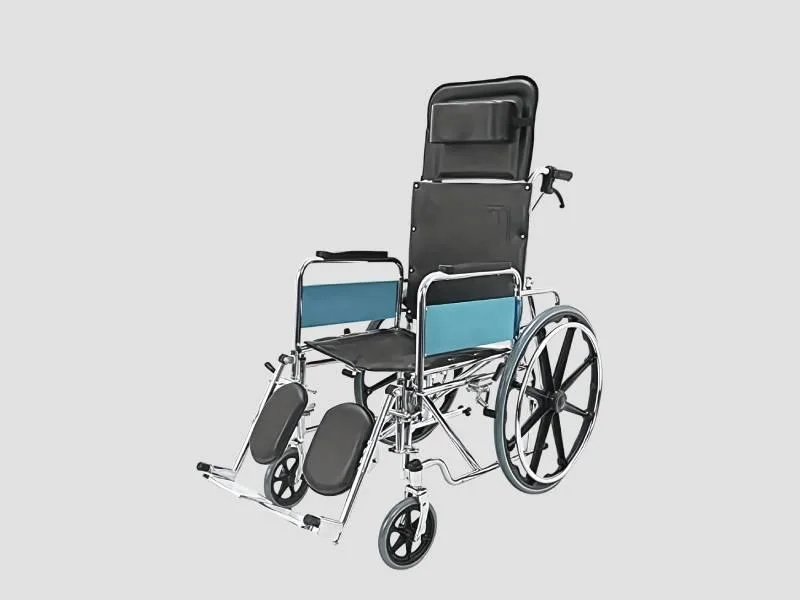
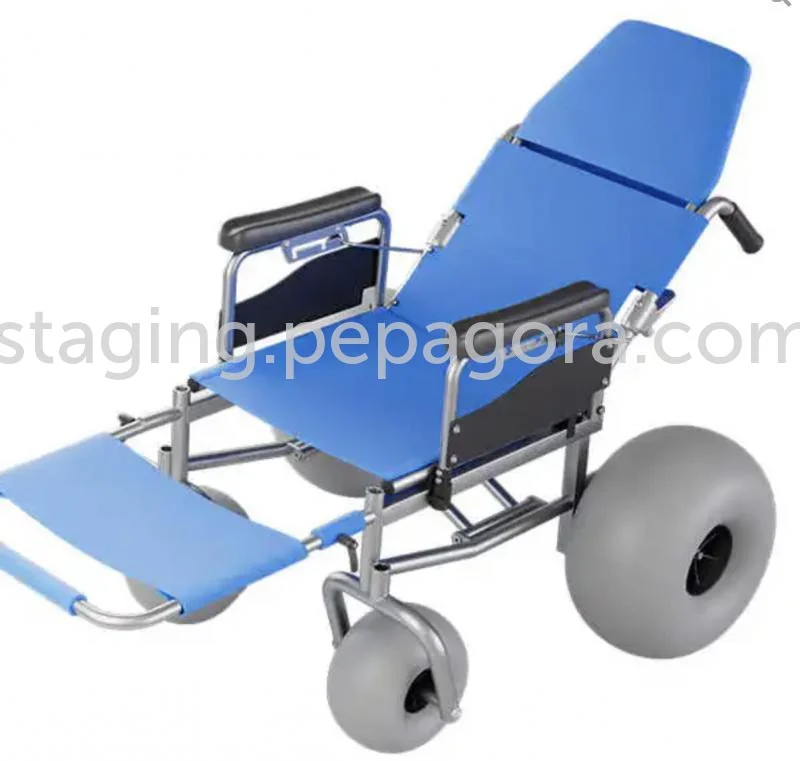
𝗪𝗵𝗮𝘁 𝗮𝗿𝗲 𝗥𝗲𝗰𝗹𝗶𝗻𝗶𝗻𝗴 𝗪𝗵𝗲𝗲𝗹𝗰𝗵𝗮𝗶𝗿𝘀?
Reclining wheelchairs are specialized mobility devices designed to provide comfort and support for users who require a resting position while seated. These wheelchairs feature adjustable backrests that can recline to various angles, allowing users to find a position that alleviates pressure on the body and improves circulation. This design can be particularly beneficial for individuals with limited mobility, chronic pain, or those recovering from medical procedures.
The primary uses of reclining wheelchairs include long-term care facilities, rehabilitation centers, and home healthcare settings. They are often employed for patients who spend extended periods in a wheelchair and require assistance with positioning. Businesses in the healthcare sector recognize the importance of providing their clients with equipment that meets both comfort and functional needs, making reclining wheelchairs a relevant product in today's market.
In an industry increasingly focused on patient comfort and care, reclining wheelchairs play a critical role. The demand for these products continues to grow as healthcare providers seek to enhance the quality of life for their patients. As the global population ages and the prevalence of mobility-related conditions rises, the market for reclining wheelchairs is expected to expand, providing opportunities for manufacturers and suppliers.
𝗞𝗲𝘆 𝗙𝗲𝗮𝘁𝘂𝗿𝗲𝘀 𝗮𝗻𝗱 𝗦𝗽𝗲𝗰𝗶𝗳𝗶𝗰𝗮𝘁𝗶𝗼𝗻𝘀
Reclining wheelchairs come equipped with a range of features that cater to the unique needs of users. These specifications ensure that the product is both functional and comfortable.
Key specifications include:
1. Adjustable Backrest
- Allows users to recline to various angles.
- Typically adjustable from 90 to 180 degrees.
2. Seat Width
- Available in different widths to accommodate various body types.
- Common widths range from 16 to 24 inches.
3. Weight Capacity
- Designed to support users of different weights.
- Weight capacities usually range from 250 to 500 pounds.
4. Frame Material
- Constructed from lightweight yet durable materials.
- Common materials include aluminum and steel.
5. Armrest Type
- Can feature fixed or adjustable armrests for comfort.
- Some models offer removable armrests for easier transfers.
6. Footrest Configuration
- Can be swing-away or elevating for user convenience.
- Elevating footrests help reduce swelling and improve circulation.
7. Wheel Type
- Variants include solid or pneumatic wheels.
- Pneumatic wheels provide a smoother ride over uneven surfaces.
8. Safety Features
- Equipped with safety belts and anti-tippers for stability.
- Some models include reflective materials for visibility.
These features ensure that reclining wheelchairs meet the diverse needs of users, allowing for a comfortable and safe experience.
𝗖𝗼𝗺𝗺𝗼𝗻 𝗔𝗽𝗽𝗹𝗶𝗰𝗮𝘁𝗶𝗼𝗻𝘀 𝗮𝗻𝗱 𝗨𝘀𝗲 𝗖𝗮𝘀𝗲𝘀
Reclining wheelchairs serve various industries, each with specific applications that highlight their versatility.
1. Healthcare: In hospitals and rehabilitation centers, reclining wheelchairs are used for patients recovering from surgery or those with chronic conditions requiring frequent repositioning.
2. Long-term Care Facilities: Nursing homes and assisted living facilities utilize reclining wheelchairs to enhance the comfort of residents who may be bedridden or have limited mobility.
3. Home Healthcare: Caregivers use reclining wheelchairs in home settings, allowing patients to rest comfortably while still having mobility options.
4. Physical Therapy: Therapists often recommend reclining wheelchairs for patients undergoing rehabilitation, as they can help improve posture and circulation during recovery.
5. Palliative Care: These wheelchairs are essential in palliative care, providing comfort and support for patients with terminal illnesses.
6. Sports and Recreation: Some recreational facilities provide reclining wheelchairs for individuals with disabilities, allowing access to sports and social activities.
7. Transportation: Specialized transportation services may use reclining wheelchairs for passengers who require specific seating positions during transit.
𝗣𝗿𝗼𝗱𝘂𝗰𝘁 𝗩𝗮𝗿𝗶𝗮𝗻𝘁𝘀 𝗮𝗻𝗱 𝗦𝘂𝗯𝗰𝗮𝘁𝗲𝗴𝗼𝗿𝗶𝗲𝘀
Reclining wheelchairs come in various models to meet different user needs and preferences.
Standard Reclining Wheelchair
This model features a basic design with essential reclining capabilities. It is suitable for users who require occasional positioning adjustments for comfort.
Transport Reclining Wheelchair
Designed for easy transport, this variant is lightweight and often foldable. It is ideal for caregivers who need to move patients between locations.
Heavy-Duty Reclining Wheelchair
This variant offers enhanced weight capacity and sturdiness, catering to users who need extra support and durability.
𝗕𝗲𝗻𝗲𝗳𝗶𝘁𝘀 𝗮𝗻𝗱 𝗔𝗱𝘃𝗮𝗻𝘁𝗮𝗴𝗲𝘀
Reclining wheelchairs offer numerous benefits that enhance user experience and caregiver convenience.
1. Increased Comfort: The ability to recline helps reduce pressure sores and discomfort for users who spend long periods in their wheelchairs.
2. Improved Circulation: Reclining positions can promote better blood flow and reduce the risk of complications related to prolonged sitting.
3. Versatility: These wheelchairs can be used in various settings, from home healthcare to rehabilitation centers, making them a practical choice for many.
4. Enhanced Quality of Life: By providing comfort and mobility, reclining wheelchairs contribute to a higher quality of life for individuals with limited mobility.
5. Safety Features: With built-in safety mechanisms, these wheelchairs ensure user stability and security during use.
6. Customization Options: Many models allow for adjustments to fit individual user needs, ensuring optimal comfort and support.
𝗕𝘂𝘆𝗶𝗻𝗴 𝗚𝘂𝗶𝗱𝗲 𝗳𝗼𝗿 𝗕𝟮𝗕 𝗕𝘂𝘆𝗲𝗿𝘀
When sourcing reclining wheelchairs, it is crucial for B2B buyers to consider several factors to ensure they make informed purchasing decisions.
1. Quality Assessment: Inspect the materials and construction of the wheelchairs to ensure they meet industry standards. Look for certifications that indicate compliance with safety regulations.
2. Supplier Verification: Vet potential suppliers through references and reviews to confirm their reliability and quality of service. A verified supplier network can help mitigate risks in procurement.
3. Pricing and MOQ: Understand the pricing structure and minimum order quantities required by suppliers. This helps in budgeting and planning for inventory needs.
4. Delivery and Lead Times: Discuss logistics and expected delivery times with suppliers. Knowing lead times can help in managing patient needs and inventory levels.
5. Compliance Requirements: Ensure that the products meet relevant regulatory standards and certifications, such as CE markings, which can vary by region.
𝗖𝗼𝗺𝗽𝗹𝗶𝗮𝗻𝗰𝗲 𝗮𝗻𝗱 𝗖𝗲𝗿𝘁𝗶𝗳𝗶𝗰𝗮𝘁𝗶𝗼𝗻𝘀
Reclining wheelchairs must adhere to several quality standards and certifications to ensure safety and effectiveness.
ISO 9001 is a key quality management standard that outlines criteria for consistent quality in manufacturing. Manufacturers of reclining wheelchairs often seek this certification to demonstrate their commitment to quality control.
CE certification is crucial for products sold in the European market, ensuring that they meet health, safety, and environmental protection standards. This certification is essential for compliance in many regions.
Safety and testing requirements are also vital. Reclining wheelchairs undergo rigorous testing to ensure they can support specified weight limits and withstand everyday use without compromising user safety.
Regional compliance considerations vary by location. Buyers should be aware of specific regulations and standards applicable in their region to ensure compliance and avoid legal issues.
𝗪𝗵𝘆 𝗦𝗼𝘂𝗿𝗰𝗲 𝗥𝗲𝗰𝗹𝗶𝗻𝗶𝗻𝗴 𝗪𝗵𝗲𝗲𝗹𝗰𝗵𝗮𝗶𝗿𝘀 𝗳𝗿𝗼𝗺 𝗣𝗲𝗽𝗮𝗴𝗼𝗿𝗮?
Pepagora provides a trusted platform for sourcing reclining wheelchairs, offering several key advantages to B2B buyers.
Verified Supplier Network: Pepagora ensures that all suppliers on its platform are thoroughly vetted, providing buyers with peace of mind regarding product quality and supplier reliability.
Streamlined RFQ Process: The platform simplifies the request for quotation process, enabling buyers to gather multiple quotes easily and compare offerings to find the best fit for their needs.
Trade Assurance and Support: Buyers are protected through trade assurance programs, which ensure that their transactions are secure. This support helps mitigate risks associated with supplier relationships.
Regional Coverage: With a broad geographic reach covering India, the GCC, and Southeast Asia, Pepagora connects buyers with suppliers that can meet their needs across various markets. This extensive network enhances the purchasing experience for businesses seeking reclining wheelchairs.
Reclining wheelchairs are specialized mobility devices designed to allow users to recline their upper body. This feature provides comfort and support, especially for individuals with limited mobility or those who need to shift their weight while seated.
2
What are the different types of Reclining Wheelchairs?
Reclining wheelchairs come in several types, including manual and electric models. Manual reclining wheelchairs require the user or an assistant to adjust the backrest, whereas electric versions offer powered reclining capabilities for ease of use.
3
How do I choose the right Reclining Wheelchairs?
When selecting a reclining wheelchair, consider factors such as the user's specific medical needs, weight capacity, and comfort features. Additionally, evaluate the wheelchair's adjustability, portability, and ease of use to ensure it meets the user's requirements.
4
What are the standard specifications for Reclining Wheelchairs?
Standard specifications for reclining wheelchairs typically include weight capacity, seat width and depth, backrest recline angle, and overall dimensions. It's essential to review these specifications to ensure the wheelchair fits the user properly and meets their mobility needs.
5
What is the price range for Reclining Wheelchairs?
The price range for reclining wheelchairs varies widely based on features, materials, and brands. Generally, you can expect prices to start around INR 15,000 and can go up to INR 80,000 or more for high-end models.
6
What quality standards apply to Reclining Wheelchairs?
Reclining wheelchairs should comply with established quality standards such as ISO 7176 and other relevant safety guidelines. Manufacturers often ensure their products undergo rigorous testing for durability, stability, and safety to meet these standards.
7
Where can I find Reclining Wheelchairs suppliers in India?
You can find reclining wheelchair suppliers in India through online B2B marketplaces like Pepagora.com, medical equipment distributors, and specialized mobility product retailers. It's advisable to compare suppliers based on product range, pricing, and customer reviews.
8
Can Reclining Wheelchairs be customized?
Yes, many manufacturers offer customization options for reclining wheelchairs. Customizations may include specific seat dimensions, color choices, and additional accessories like headrests or footrests to cater to individual user needs.
9
What is the typical minimum order quantity for Reclining Wheelchairs?
The minimum order quantity (MOQ) for reclining wheelchairs can vary by supplier, but it typically ranges from 1 to 10 units. It's best to check with individual suppliers for their specific MOQs.
10
What is the typical lead time for Reclining Wheelchairs?
The lead time for reclining wheelchairs generally ranges from 2 to 6 weeks, depending on the manufacturer and the complexity of the order. Custom orders may take longer, so it's advisable to confirm lead times with the supplier.
Why Businesses Trust Pepagora
Thousands of companies trust Pepagora to source smarter and sell faster
Expand Your Sales Globally
25000+Products listed.Get discovered by global buyers

 IN
IN