𝗪𝗵𝗮𝘁 𝗮𝗿𝗲 𝗥𝗲𝗱 𝗥𝗶𝗰𝗲?
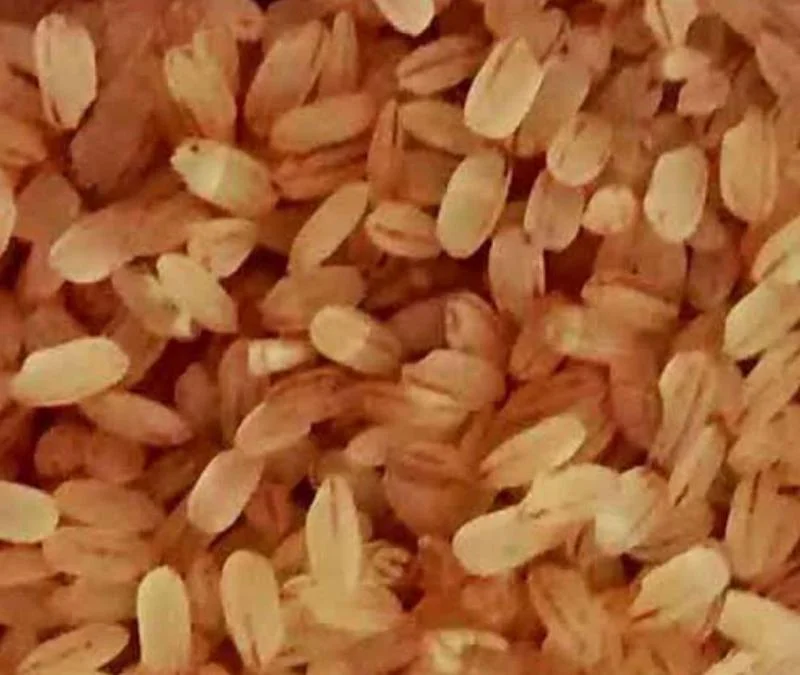
Red rice is a whole grain rice variety known for its distinctive reddish-brown color, which comes from the presence of anthocyanins, a type of antioxidant. This rice is minimally processed, retaining its bran and germ layers, which contribute to its nutty flavor and chewy texture. Red rice is often considered a healthier alternative to white rice due to its higher fiber content and nutritional profile.
In the business context, red rice is increasingly utilized in various culinary applications, from restaurants to food manufacturing. It is popular in health-conscious markets and can be found in dishes such as salads, risottos, and bowls. Additionally, red rice is gaining traction in the organic food sector, where consumers seek whole grains with health benefits. The market for red rice is expanding as more businesses recognize its potential for satisfying the demand for nutritious and unique food products.
𝗞𝗲𝘆 𝗙𝗲𝗮𝘁𝘂𝗿𝗲𝘀 𝗮𝗻𝗱 𝗦𝗽𝗲𝗰𝗶𝗳𝗶𝗰𝗮𝘁𝗶𝗼𝗻𝘀
Red rice is characterized by several key features that make it an appealing choice for various applications. Its nutritional benefits, flavor profile, and culinary versatility set it apart from other rice varieties.
Key specifications include:
1. Nutritional Content
- Rich in dietary fiber, vitamins, and minerals
- Contains antioxidants like anthocyanins
2. Cooking Characteristics
- Takes longer to cook than white rice
- Maintains a firmer texture after cooking
3. Color and Appearance
- Reddish-brown color grain
- Distinctive appearance that adds visual appeal to dishes
4. Shelf Life
- Can last for up to two years when stored properly
- Requires a cool, dry place for optimal preservation
5. Origin
- Grown in various regions, including Southeast Asia and India
- Different varieties available based on geographic cultivation
6. Gluten-Free
- Naturally gluten-free, making it suitable for gluten-intolerant individuals
7. Organic Certification
- Can be sourced as organic, appealing to health-conscious consumers
8. Cooking Time
- Typically requires 30-40 minutes to cook depending on the preparation method
Red rice offers a unique combination of health benefits and culinary versatility, making it a valuable ingredient for businesses in the food industry.
𝗖𝗼𝗺𝗺𝗼𝗻 𝗔𝗽𝗽𝗹𝗶𝗰𝗮𝘁𝗶𝗼𝗻𝘀 𝗮𝗻𝗱 𝗨𝘀𝗲 𝗖𝗮𝘀𝗲𝘀
Red rice serves various industries, showcasing its versatility and health benefits.
1. Food Service Industry: Many restaurants incorporate red rice into their menus as a nutritious option. It is featured in grain bowls, salads, and as a side dish.
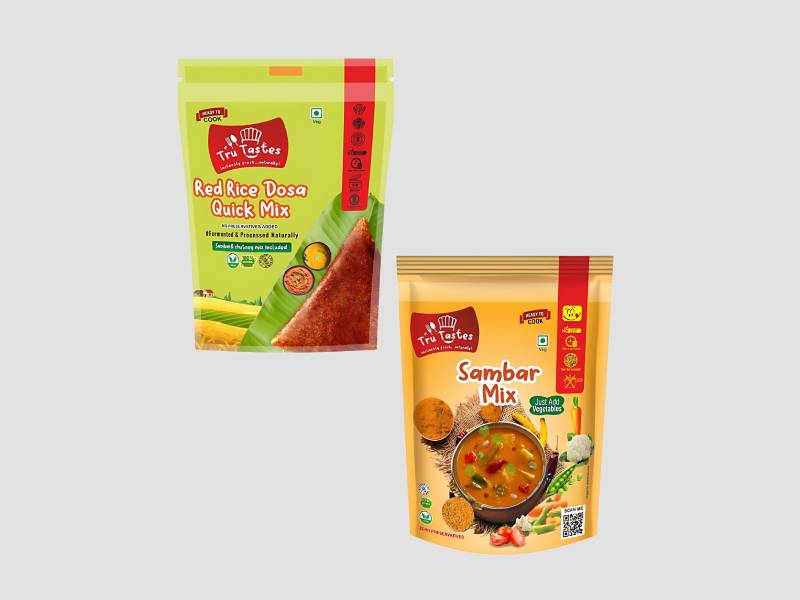
2. Organic Food Products: Brands focusing on organic and health foods utilize red rice in packaged products, such as ready-to-eat meals and snacks.
3. Health and Wellness Sector: Nutritionists and dieticians recommend red rice for its high fiber and antioxidant content, making it popular among health-conscious consumers.
4. Specialty Food Markets: Gourmet food shops often carry red rice due to its unique flavor and vibrant color, appealing to culinary enthusiasts.
5. Vegan and Vegetarian Dishes: Red rice is a staple in plant-based cuisines, providing essential nutrients and a hearty texture.
6. Export and Trade: Red rice is also exported to international markets, where there is growing demand for healthy and organic grains.
7. Culinary Education: Cooking schools and culinary institutes include red rice in their curriculum to teach students about diverse grains and healthy cooking techniques.
𝗣𝗿𝗼𝗱𝘂𝗰𝘁 𝗩𝗮𝗿𝗶𝗮𝗻𝘁𝘀 𝗮𝗻𝗱 𝗦𝘂𝗯𝗰𝗮𝘁𝗲𝗴𝗼𝗿𝗶𝗲𝘀
While there are no specific subcategories or variants available for red rice, there are different types based on regional cultivation. Each type offers unique flavors and textures that can enhance various dishes.
Thai Red Rice: This variant is known for its nutty flavor and is often used in traditional Thai dishes. It is rich in fiber and has a slightly chewy texture.
Indian Red Rice: Commonly used in South Indian cuisine, this type is often paired with curries and lentils. It has a robust flavor and is typically served in traditional meals.
Jasmine Red Rice: A fragrant rice variety, it combines the aromatic qualities of jasmine rice with the nutritional benefits of red rice, making it perfect for use in Asian recipes.
𝗕𝗲𝗻𝗲𝗳𝗶𝘁𝘀 𝗮𝗻𝗱 𝗔𝗱𝘃𝗮𝗻𝘁𝗮𝗴𝗲𝘀
Red rice provides numerous benefits that make it a preferred choice for many consumers and businesses.
1. Nutritional Value: Rich in fiber, vitamins, and minerals, red rice supports overall health and digestion.
2. Antioxidant Properties: The presence of anthocyanins helps combat oxidative stress and may reduce the risk of chronic diseases.
3. Unique Flavor Profile: Its nutty taste and chewy texture differentiate it from other rice varieties, enhancing the overall dining experience.
4. Versatility in Cooking: Red rice can be used in a wide range of dishes, from salads to main courses, appealing to various culinary styles.
5. Gluten-Free Option: Suitable for individuals with gluten intolerance, making it accessible to a broader audience.
6. Sustainable Choice: Often grown using organic practices, red rice appeals to environmentally conscious consumers.
𝗕𝘂𝘆𝗶𝗻𝗴 𝗚𝘂𝗶𝗱𝗲 𝗳𝗼𝗿 𝗕𝟮𝗕 𝗕𝘂𝘆𝗲𝗿𝘀
When sourcing red rice, businesses should consider several important factors to ensure they acquire a quality product.
1. Quality Assessment: Evaluate the nutritional content, appearance, and taste of red rice. Look for products that meet specific health standards and are free from contaminants.
2. Supplier Verification: Vet suppliers by checking their credentials, certifications, and reputation in the industry. Ensure they have a track record of reliable delivery.
3. Pricing and MOQ: Understand the pricing structure and minimum order quantities. Compare costs among suppliers to secure the best deal for your business needs.
4. Delivery and Lead Times: Inquire about logistics, including shipping options and expected delivery times. Reliable supply chains are crucial for timely inventory management.
5. Compliance Requirements: Ensure that the products meet regional and international food safety standards. Compliance with certifications like CE and HACCP is essential for market entry.
𝗖𝗼𝗺𝗽𝗹𝗶𝗮𝗻𝗰𝗲 𝗮𝗻𝗱 𝗖𝗲𝗿𝘁𝗶𝗳𝗶𝗰𝗮𝘁𝗶𝗼𝗻𝘀
Red rice must adhere to various quality standards and certifications to ensure safety and marketability.
ISO 9001: This standard outlines quality management systems, ensuring that suppliers maintain consistent quality in their production processes.
HACCP: Hazard Analysis and Critical Control Points is a systematic approach to food safety that identifies and mitigates potential hazards in food production.
CE Certification: This certification indicates that red rice meets European health, safety, and environmental protection standards, facilitating trade within the EU.
Safety and Testing Requirements: Regular testing for contaminants, pesticide residues, and quality parameters is essential to maintain product safety and consumer trust.
Regional Compliance Considerations: Different regions may have specific regulations governing food products. Understanding these requirements is vital for businesses operating in multiple markets.
𝗪𝗵𝘆 𝗦𝗼𝘂𝗿𝗰𝗲 𝗥𝗲𝗱 𝗥𝗶𝗰𝗲 𝗳𝗿𝗼𝗺 𝗣𝗲𝗽𝗮𝗴𝗼𝗿𝗮?
Pepagora is an established platform for sourcing red rice, providing several key advantages for B2B buyers.
Verified Supplier Network: Pepagora collaborates with a vetted network of suppliers, ensuring that buyers access high-quality red rice from reliable sources.
Streamlined RFQ Process: The platform offers an efficient request for quotation system, allowing businesses to easily compare offers and make informed purchasing decisions.
Trade Assurance and Support: Pepagora provides buyer protection through trade assurance, ensuring that transactions are secure and disputes are managed effectively.
Regional Coverage: With a presence in India, the GCC, and Southeast Asia, Pepagora offers extensive geographic reach, allowing businesses to source red rice from multiple regions based on their needs.
By choosing Pepagora, businesses can confidently source red rice while benefiting from a secure and efficient procurement process.
Red Rice is a type of rice that has a red husk and is commonly grown in various regions of India. It is known for its nutty flavor, high nutritional value, and rich antioxidant content, making it a preferred choice among health-conscious consumers.
2
What are the different types of Red Rice?
There are several varieties of Red Rice, including Kerala Red Rice, Bhutanese Red Rice, and Thai Red Rice. Each type varies in flavor, cooking time, and nutritional profile, catering to different culinary preferences.
3
How do I choose the right Red Rice?
To choose the right Red Rice, consider factors such as the intended use (cooking method), flavor preferences, and nutritional benefits. It's also advisable to check for quality certifications and sourcing practices from suppliers.
4
What are the standard specifications for Red Rice?
Standard specifications for Red Rice typically include moisture content, broken grain percentage, and foreign matter percentage. Quality parameters may vary by suppliers, so it's crucial to verify these details before purchasing.
5
What is the price range for Red Rice?
The price range for Red Rice can vary widely based on factors such as quality, origin, and the supplier's pricing strategy. Generally, you can expect prices to range from INR 60 to INR 150 per kilogram.
6
What quality standards apply to Red Rice?
Quality standards for Red Rice include adherence to food safety regulations, moisture control, and grading based on size and color. Certifications from relevant food safety authorities may also apply.
7
Where can I find Red Rice suppliers in India?
You can find Red Rice suppliers in India through B2B marketplaces like Pepagora, local agricultural markets, or direct from manufacturers. It's essential to compare suppliers based on quality, pricing, and customer reviews.
8
Can Red Rice be customized?
Yes, Red Rice can be customized in terms of packaging, branding, and processing based on buyer requirements. Many manufacturers offer options to cater to specific client needs.
9
What is the typical minimum order quantity for Red Rice?
The typical minimum order quantity (MOQ) for Red Rice varies by supplier but usually ranges from 25 kg to 500 kg. It's advisable to check with individual suppliers for their specific MOQ policies.
10
What is the typical lead time for Red Rice?
The typical lead time for Red Rice can range from 7 to 21 days, depending on factors such as order size, supplier location, and processing requirements. Always confirm lead times with your supplier before placing an order.
Why Businesses Trust Pepagora
Thousands of companies trust Pepagora to source smarter and sell faster
Expand Your Sales Globally
25000+Products listed.Get discovered by global buyers

 IN
IN