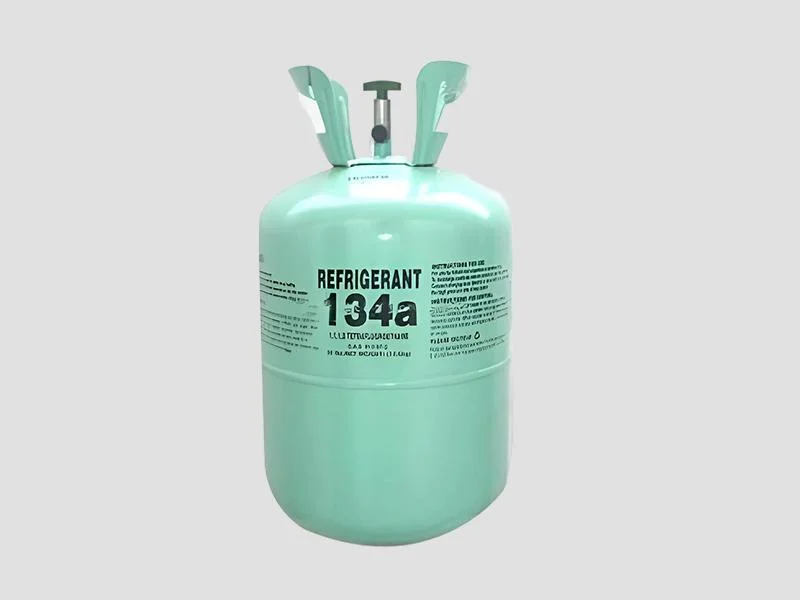
What are Refrigerant Gases (R134a, R404a, etc.)?
Refrigerant gases, such as R134a and R404a, are chemical compounds used primarily in cooling systems. These gases facilitate the heat exchange process in refrigeration and air conditioning applications. When the refrigerant evaporates, it absorbs heat from the environment, lowering the temperature of the surrounding area. Afterward, it is compressed and condensed to release the absorbed heat, making it a critical component in various cooling systems.
The primary uses of refrigerant gases include residential and commercial air conditioning, refrigeration for food storage, and industrial refrigeration processes. Businesses in sectors like hospitality, food service, and manufacturing rely on these gases to maintain optimal operating temperatures for products and equipment. As environmental regulations evolve, the market for refrigerant gases is also changing, with a shift towards more eco-friendly alternatives.
In the context of the global industrial market, refrigerant gases play a significant role in energy efficiency and sustainability efforts. With the push for reduced greenhouse gas emissions, newer refrigerant options are gaining traction. However, traditional refrigerants like R134a and R404a remain prevalent due to their effectiveness in various applications.
𝗞𝗲𝘆 𝗙𝗲𝗮𝘁𝘂𝗿𝗲𝘀 𝗮𝗻𝗱 𝗦𝗽𝗲𝗰𝗶𝗳𝗶𝗰𝗮𝘁𝗶𝗼𝗻𝘀
Refrigerant gases are characterized by several important features and specifications that determine their performance and suitability for different applications. Understanding these specifications is essential for businesses looking to select the right refrigerant gas for their needs.
Key specifications include:
1. Chemical Composition
- R134a is a hydrofluorocarbon (HFC) with a low global warming potential.
- R404a is a blend of HFCs designed for low-temperature applications.
2. Operating Pressure Range
- Operating pressures vary by gas type and application, impacting system design.
- Typically, R134a operates at lower pressures compared to R404a.
3. Boiling Point
- R134a has a boiling point of approximately -26.3 degrees Celsius.
- R404a has a boiling point around -46.5 degrees Celsius, making it suitable for low-temperature refrigeration.
4. Global Warming Potential (GWP)
- R134a has a GWP of 1430.
- R404a has a GWP of 3922, leading to regulatory scrutiny.
5. Flammability Classification
- Both R134a and R404a are classified as non-flammable, enhancing safety in operation.
6. Refrigerating Effect
- The refrigerating effect varies based on the refrigerant's properties, influencing system efficiency.
7. Compatibility
- Ensure compatibility with existing systems to avoid expensive retrofitting.
8. Environmental Regulations
- Compliance with local and international regulations is necessary for legal usage.
Understanding these specifications allows businesses to make informed decisions about refrigerant selection and usage.
𝗖𝗼𝗺𝗺𝗼𝗻 𝗔𝗽𝗽𝗹𝗶𝗰𝗮𝘁𝗶𝗼𝗻𝘀 𝗮𝗻𝗱 𝗨𝘀𝗲 𝗖𝗮𝘀𝗲𝘀
Refrigerant gases are utilized in a variety of industries, each with specific applications that take advantage of their cooling properties.
1. HVAC Industry: In heating, ventilation, and air conditioning systems, refrigerant gases maintain indoor climate control. They are crucial in both residential and commercial settings.
2. Food and Beverage: Refrigerant gases are essential for commercial refrigeration units, ensuring that food products remain fresh and safe for consumption.
3. Pharmaceuticals: In the pharmaceutical sector, precise temperature control is vital for storing temperature-sensitive medications and vaccines.
4. Automotive: Refrigerant gases are used in vehicle air conditioning systems, enhancing passenger comfort during transit.
5. Industrial Processes: Manufacturing operations often require refrigeration for process cooling, particularly in chemical production and food processing.
6. Supermarkets: Refrigerant gases power display cases and walk-in coolers to preserve perishable goods.
7. Cold Storage Facilities: These facilities rely on refrigerant gases to maintain low temperatures for bulk storage of frozen and refrigerated goods.
𝗣𝗿𝗼𝗱𝘂𝗰𝘁 𝗩𝗮𝗿𝗶𝗮𝗻𝘁𝘀 𝗮𝗻𝗱 𝗦𝘂𝗯𝗰𝗮𝘁𝗲𝗴𝗼𝗿𝗶𝗲𝘀
Refrigerant gases come in various forms, each tailored for specific applications. While the focus here is on R134a and R404a, other variants also exist.
R134a
R134a is a widely used refrigerant in residential and light commercial air conditioning systems. It is favored for its low toxicity and non-flammability. Its efficiency in moderate temperature ranges makes it suitable for various HVAC applications.
R404a
R404a is designed for low-temperature refrigeration applications. It is commonly used in commercial refrigeration systems, such as supermarket freezers and cold storage. Its effectiveness at lower temperatures makes it a preferred choice for preserving perishable goods.
Other refrigerant variants may exist, but specific details on additional subcategories are not available.
𝗕𝗲𝗻𝗲𝗳𝗶𝘁𝘀 𝗮𝗻𝗱 𝗔𝗱𝘃𝗮𝗻𝘁𝗮𝗴𝗲𝘀
Sourcing refrigerant gases offers several benefits to businesses seeking efficient cooling solutions.
1. Energy Efficiency: Refrigerant gases are designed to optimize energy consumption in cooling systems, reducing operational costs.
2. Versatility: These gases can be used in various applications, from residential HVAC to industrial refrigeration.
3. Low Environmental Impact: Newer refrigerants with low global warming potential are available, aligning with sustainability goals.
4. Reliability: Established refrigerant types like R134a and R404a have a proven track record of performance and reliability.
5. Safety: Non-flammable refrigerants enhance safety in operation, minimizing risks in commercial and industrial environments.
6. Regulatory Compliance: Many refrigerant gases meet industry standards, ensuring compliance with environmental regulations.
𝗕𝘂𝘆𝗶𝗻𝗴 𝗚𝘂𝗶𝗱𝗲 𝗳𝗼𝗿 𝗕𝟮𝗕 𝗕𝘂𝘆𝗲𝗿𝘀
When sourcing refrigerant gases, businesses should consider several critical factors to ensure they make informed purchasing decisions.
1. Quality Assessment: Evaluate the refrigerant's purity and chemical composition. High-quality refrigerants enhance system efficiency and longevity.
2. Supplier Verification: It is essential to vet suppliers for reliability and reputation. Look for certifications and customer reviews to ensure they provide quality products.
3. Pricing and MOQ: Understand the pricing structure and minimum order quantities. Compare costs among different suppliers to find the best deal without compromising quality.
4. Delivery and Lead Times: Assess the supplier's logistics capabilities. Timely delivery is crucial for maintaining operational efficiency.
5. Compliance Requirements: Ensure that the refrigerants meet local and international regulatory standards. This will help avoid legal issues and ensure safe usage.
𝗖𝗼𝗺𝗽𝗹𝗶𝗮𝗻𝗰𝗲 𝗮𝗻𝗱 𝗖𝗲𝗿𝘁𝗶𝗳𝗶𝗰𝗮𝘁𝗶𝗼𝗻𝘀
Refrigerant gases must adhere to various compliance and certification standards to ensure safety and environmental responsibility.
Quality standards such as ISO 9001 are essential for ensuring consistent product quality in manufacturing processes. These standards focus on meeting customer requirements and enhancing satisfaction.
Industry certifications, such as CE marking, signify that products meet European safety, health, and environmental protection standards. This certification is critical for businesses operating within or exporting to the European market.
Safety and testing requirements are also vital. Refrigerant gases should undergo rigorous testing to ensure they are safe for use in various applications. This includes assessments for toxicity, flammability, and environmental impact.
Additionally, regional compliance considerations can vary. Businesses must stay informed about local regulations governing refrigerant usage to avoid penalties and ensure safe operation.
Why Source Refrigerant Gases (R134a, R404a, etc.) from Pepagora?
Pepagora provides a trusted platform for sourcing refrigerant gases with several key advantages for B2B buyers.
Verified Supplier Network: Pepagora connects buyers with a network of verified suppliers, ensuring that businesses receive quality products. This verification process helps mitigate risks associated with sourcing.
Streamlined RFQ Process: The request for quotation (RFQ) system simplifies the procurement process. Buyers can easily compare quotes from multiple suppliers, making it easier to find the best deal.
Trade Assurance and Support: Pepagora offers trade assurance features that protect buyers, ensuring they receive products as promised. Support services are available to address any concerns during the purchasing process.
Regional Coverage: With a focus on markets in India, the GCC, and Southeast Asia, Pepagora provides extensive geographic reach. This allows businesses to source refrigerant gases locally or regionally, reducing lead times and shipping costs.
Refrigerant Gases such as R134a and R404a are chemical compounds used in refrigeration and air conditioning systems. They help transfer heat from one area to another by changing from a gas to a liquid and back, facilitating the cooling process.
2
What are the different types of Refrigerant Gases (R134a, R404a, etc.)?
There are various types of Refrigerant Gases including R134a, R404a, R410a, and R22, each with unique properties and applications. R134a is commonly used in automotive air conditioning, while R404a is often utilized in commercial refrigeration.
3
How do I choose the right Refrigerant Gases (R134a, R404a, etc.)?
Choosing the right Refrigerant Gas depends on the specific application, efficiency requirements, and environmental regulations. It's essential to consider factors such as the system design, operating temperature, and compatibility with existing equipment.
4
What are the standard specifications for Refrigerant Gases (R134a, R404a, etc.)?
Standard specifications for Refrigerant Gases typically include parameters such as boiling point, pressure, and global warming potential (GWP). Each gas is tested to meet industry standards set by organizations like ASHRAE and ISO.
5
What is the price range for Refrigerant Gases (R134a, R404a, etc.)?
The price range for Refrigerant Gases can vary significantly based on market conditions and regulatory factors. Generally, R134a prices can range from ₹300 to ₹800 per kg, while R404a may range from ₹500 to ₹1200 per kg.
6
What quality standards apply to Refrigerant Gases (R134a, R404a, etc.)?
Quality standards for Refrigerant Gases are governed by regulations like the Montreal Protocol, which aims to phase out substances that deplete the ozone layer. Manufacturers must adhere to purity standards to ensure safety and efficiency in their applications.
7
Where can I find Refrigerant Gases (R134a, R404a, etc.) suppliers in India?
You can find suppliers of Refrigerant Gases in India through online B2B marketplaces like Pepagora.com. Additionally, industry-specific trade shows and directories can also provide listings of reliable manufacturers and distributors.
8
Can Refrigerant Gases (R134a, R404a, etc.) be customized?
Refrigerant Gases are generally standardized due to their specific chemical properties; however, some suppliers may offer tailored solutions for specific applications. It's advisable to consult with manufacturers regarding any customization options available.
9
What is the typical minimum order quantity for Refrigerant Gases (R134a, R404a, etc.)?
The typical minimum order quantity (MOQ) for Refrigerant Gases can vary by supplier, but it often ranges from 100 kg to 1000 kg. It's best to check with individual suppliers for their specific MOQ policies.
10
What is the typical lead time for Refrigerant Gases (R134a, R404a, etc.)?
The typical lead time for Refrigerant Gases can range from a few days to several weeks, depending on the supplier's stock and location. It's advisable to communicate with the supplier to get an accurate estimate based on your order.
Why Businesses Trust Pepagora
Thousands of companies trust Pepagora to source smarter and sell faster
Expand Your Sales Globally
25000+Products listed.Get discovered by global buyers

 IN
IN