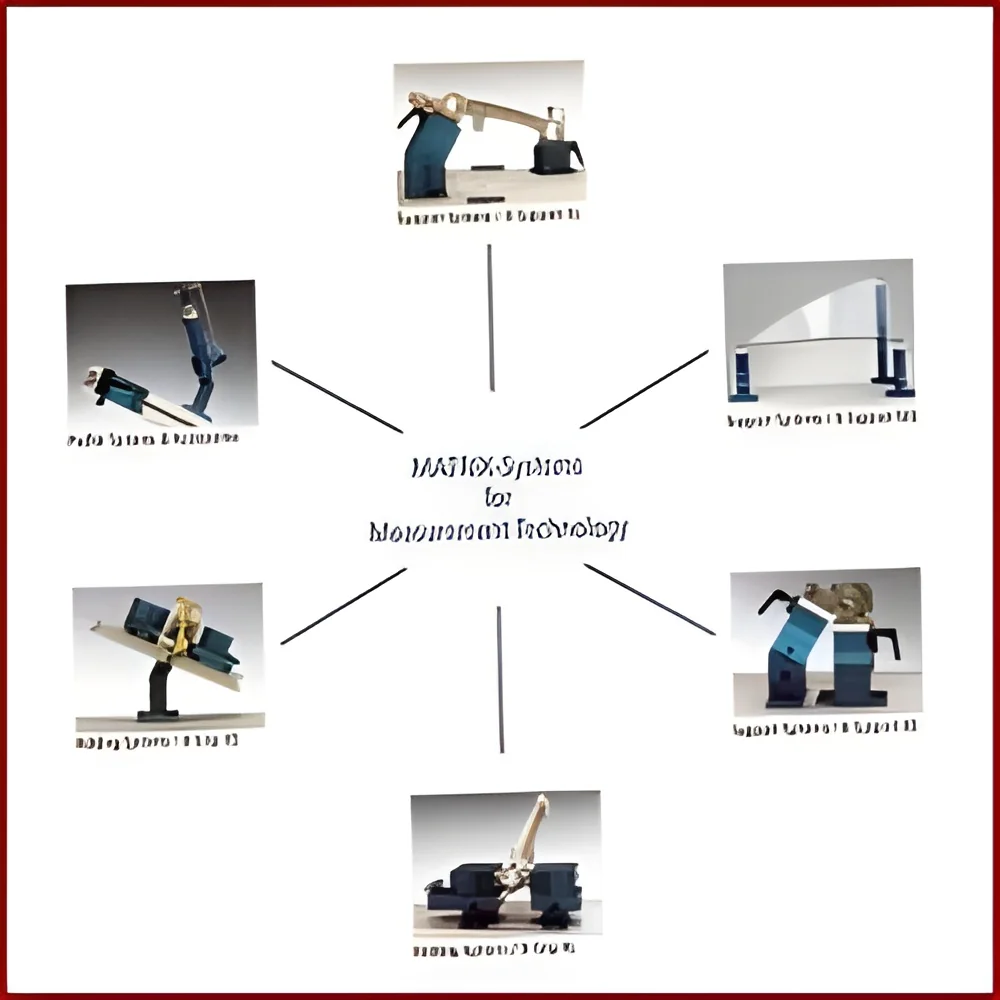
𝗪𝗵𝗮𝘁 𝗮𝗿𝗲 𝗥𝗼𝗯𝗼𝘁 𝗪𝗼𝗿𝗸𝗰𝗲𝗹𝗹𝘀?
Robot workcells are integrated systems that combine various robotic functions with additional components to automate specific tasks within manufacturing or industrial settings. These workcells are designed to maximize efficiency, reduce labor costs, and improve precision in operations. They typically consist of a robotic arm, controllers, sensors, and sometimes additional machinery or conveyor systems, all working together to perform tasks such as assembly, welding, painting, or material handling.
The primary uses of robot workcells span a wide range of applications in industries such as automotive, electronics, and consumer goods. Businesses utilize these systems to streamline production lines, ensure consistent quality, and enhance workplace safety by reducing the need for human intervention in hazardous environments. As industries continue to embrace automation, the relevance of robot workcells in the manufacturing landscape grows, driving innovations and improvements in operational processes.
In the current market context, the demand for robot workcells is on the rise as companies strive to remain competitive. The increasing focus on productivity, efficiency, and flexibility in manufacturing processes highlights the importance of integrating robotics into production lines. As technology continues to evolve, robot workcells play a crucial role in shaping the future of industrial automation.
𝗞𝗲𝘆 𝗙𝗲𝗮𝘁𝘂𝗿𝗲𝘀 𝗮𝗻𝗱 𝗦𝗽𝗲𝗰𝗶𝗳𝗶𝗰𝗮𝘁𝗶𝗼𝗻𝘀
Robot workcells come equipped with a variety of features and specifications that enhance their functionality and adaptability. These specifications are critical for businesses aiming to optimize their robotic systems for specific tasks.
Key specifications include:
1. Payload Capacity
- Indicates the maximum weight the robot can handle.
- Typically ranges from a few kilograms to several hundred kilograms.
2. Reach
- Refers to the maximum distance the robot can extend its arm.
- Generally varies from 500 mm to over 2,000 mm depending on the model.
3. Repeatability
- Measures the precision with which the robot can return to a specific position.
- Commonly rated in millimeters, with high-end models achieving repeatability within ±0.1 mm.
4. Speed
- The rate at which the robot can move its arm and perform tasks.
- Speed specifications can range from a few hundred millimeters per second to several meters per second.
5. Control System
- Refers to the software and hardware used to operate the robot.
- Many systems use advanced controllers capable of integrating with various programming languages.
6. Safety Features
- Includes emergency stop functions, safety sensors, and protective enclosures.
- Ensures compliance with safety regulations and protects human operators.
7. Flexibility
- The ability to adapt to different tasks and workflows.
- Many workcells allow for quick reprogramming to switch tasks.
8. Connectivity
- Refers to the robot's ability to connect with other machines and systems.
- Many models support protocols like Ethernet/IP or Modbus for seamless integration.
In summary, understanding the key features and specifications of robot workcells is essential for B2B buyers looking to implement these systems in their operations. Selecting the right specifications can significantly impact productivity and efficiency.
𝗖𝗼𝗺𝗺𝗼𝗻 𝗔𝗽𝗽𝗹𝗶𝗰𝗮𝘁𝗶𝗼𝗻𝘀 𝗮𝗻𝗱 𝗨𝘀𝗲 𝗖𝗮𝘀𝗲𝘀
Robot workcells have a broad range of applications across various industries, providing tailored solutions for specific challenges.
1. Automotive Industry: Robot workcells are widely used for tasks such as welding, painting, and assembly. They enhance production speed and ensure consistent quality in vehicle manufacturing.
2. Electronics Manufacturing: In this sector, workcells are employed for precision assembly and testing of components. Their accuracy leads to reduced waste and improved product reliability.
3. Food and Beverage: Robot workcells handle packaging, palletizing, and sorting tasks in food production. They help maintain hygiene standards while increasing throughput.
4. Pharmaceutical Industry: These systems automate processes such as filling, labeling, and packaging medications. They ensure compliance with strict regulatory requirements.
5. Metal Fabrication: Robot workcells assist with cutting, bending, and welding metal parts. Their strength and precision improve operational efficiency in this demanding field.
6. Logistics: In warehousing and distribution, workcells streamline sorting and packing processes. They enable faster order fulfillment and enhanced inventory management.
7. Consumer Goods: Robot workcells are utilized for assembly and quality control in the manufacturing of household products. They help maintain high standards while reducing labor costs.
𝗣𝗿𝗼𝗱𝘂𝗰𝘁 𝗩𝗮𝗿𝗶𝗮𝗻𝘁𝘀 𝗮𝗻𝗱 𝗦𝘂𝗯𝗰𝗮𝘁𝗲𝗴𝗼𝗿𝗶𝗲𝘀
Robot workcells come in various configurations to meet diverse operational needs. Each variant offers unique features tailored to specific applications.
Standard Workcell
This is the most common variant, designed for general-purpose manufacturing tasks. It typically includes a robotic arm, controller, and safety features, suitable for various industries.
Automated Assembly Workcell
This variant is optimized for assembly tasks, featuring specialized tools and fixtures. It enhances efficiency and precision in assembling components.
Collaborative Workcell
Collaborative workcells are designed to work alongside human operators. They feature advanced safety systems and are ideal for environments where flexibility and human interaction are essential.
Specialized Workcell
These workcells are customized for specific tasks such as painting or welding. They integrate specialized equipment to optimize performance for those applications.
𝗕𝗲𝗻𝗲𝗳𝗶𝘁𝘀 𝗮𝗻𝗱 𝗔𝗱𝘃𝗮𝗻𝘁𝗮𝗴𝗲𝘀
Robot workcells provide numerous advantages that can significantly enhance operational performance in industrial settings.
Key benefits include:
1. Increased Efficiency: Robot workcells automate repetitive tasks, leading to reduced cycle times and increased output.
2. Improved Precision: High repeatability and accuracy minimize errors, ensuring consistent quality in production.
3. Enhanced Safety: By taking over hazardous tasks, robot workcells reduce workplace accidents and improve employee safety.
4. Cost Reduction: Automation leads to lower labor costs and minimized waste, ultimately enhancing profitability.
5. Flexibility: Many workcells can be reprogrammed for different tasks, allowing businesses to adapt to changing production needs.
6. Enhanced Productivity: With faster task completion, companies can increase overall productivity and meet market demands more effectively.
𝗕𝘂𝘆𝗶𝗻𝗴 𝗚𝘂𝗶𝗱𝗲 𝗳𝗼𝗿 𝗕𝟮𝗕 𝗕𝘂𝘆𝗲𝗿𝘀
When sourcing robot workcells, it is essential to consider several factors to ensure a successful purchase that meets specific business needs.
1. Quality Assessment: Evaluate the quality of the robot workcell by reviewing manufacturing standards and performance metrics. Certifications such as CE can indicate compliance with industry standards.
2. Supplier Verification: Vet potential suppliers to ensure they have a track record of reliability and quality. Look for customer reviews and case studies to assess their reputation.
3. Pricing and MOQ: Understand the pricing structure and minimum order quantities. Compare different suppliers to find the best value while ensuring quality.
4. Delivery and Lead Times: Consider logistics and delivery schedules. Ensure that the supplier can meet your timeline to avoid disruptions in production.
5. Compliance Requirements: Familiarize yourself with any regulatory compliance requirements that may apply to your industry or region. This ensures that the workcell meets necessary standards for operation.
𝗖𝗼𝗺𝗽𝗹𝗶𝗮𝗻𝗰𝗲 𝗮𝗻𝗱 𝗖𝗲𝗿𝘁𝗶𝗳𝗶𝗰𝗮𝘁𝗶𝗼𝗻𝘀
Compliance and certifications are vital aspects of robot workcells that ensure safety and quality in operations. Relevant quality standards include ISO 9001, which sets criteria for quality management systems. Adhering to these standards helps manufacturers maintain consistent product quality and improve customer satisfaction.
In addition to ISO certifications, robot workcells may also need to comply with industry-specific standards like HACCP in food processing or GDP in pharmaceuticals. These certifications demonstrate a commitment to safety and quality in operations.
Safety and testing requirements are critical for ensuring that robot workcells operate without posing risks to human operators or the environment. Regular safety inspections and compliance checks are necessary to adhere to local and international regulations.
Regional compliance considerations may vary, making it important for businesses to understand the specific regulations that apply to their location. This awareness helps in selecting robot workcells that meet all necessary legal and safety standards.
𝗪𝗵𝘆 𝗦𝗼𝘂𝗿𝗰𝗲 𝗥𝗼𝗯𝗼𝘁 𝗪𝗼𝗿𝗸𝗰𝗲𝗹𝗹𝘀 𝗳𝗿𝗼𝗺 𝗣𝗲𝗽𝗮𝗴𝗼𝗿𝗮?
Pepagora offers a trusted platform for sourcing robot workcells, providing B2B buyers with several key advantages.
Verified Supplier Network: Pepagora has established a rigorous verification process for suppliers, ensuring that businesses can source high-quality workcells from reputable manufacturers. This reduces the risk of purchasing subpar equipment.
Streamlined RFQ Process: The Request for Quotation (RFQ) process on Pepagora is designed to be user-friendly. Buyers can easily submit their requirements and receive quotes from multiple suppliers, enabling informed decision-making.
Trade Assurance and Support: Pepagora provides trade assurance mechanisms that protect buyers throughout the procurement process. This support includes assistance with negotiations and resolving potential disputes.
Regional Coverage: Pepagora's geographic reach spans India, the GCC, and Southeast Asia, making it easier for businesses in these regions to connect with local suppliers. This regional focus facilitates better communication and logistics, enhancing the overall purchasing experience.
Robot Workcells are automated systems that integrate robotic arms and other machinery to perform specific tasks in a controlled environment. These systems are designed to enhance productivity, precision, and safety in various industrial applications.
2
What are the different types of Robot Workcells?
There are several types of Robot Workcells, including assembly workcells, packaging workcells, welding workcells, and material handling workcells. Each type is tailored to specific tasks and industries, allowing for optimized workflows and efficiency.
3
How do I choose the right Robot Workcells?
Choosing the right Robot Workcells involves assessing your specific operational needs, the types of tasks to be automated, and the available space. It's also important to consider the robot's payload capacity, reach, and compatibility with other equipment in your production line.
4
What are the standard specifications for Robot Workcells?
Standard specifications for Robot Workcells typically include load capacity, speed, precision, and the type of controller used. Additionally, factors such as safety features, power requirements, and integration capabilities with existing systems are also essential considerations.
5
What is the price range for Robot Workcells?
The price range for Robot Workcells can vary widely depending on the complexity, features, and manufacturer. Generally, smaller workcells may start from a few lakhs, while more advanced systems can exceed several crores.
6
What quality standards apply to Robot Workcells?
Robot Workcells are subject to various quality standards, including ISO certifications and safety regulations specific to industrial automation. Compliance with these standards ensures the reliability, efficiency, and safety of robotic operations.
7
Where can I find Robot Workcells suppliers in India?
You can find Robot Workcells suppliers in India through B2B marketplaces like Pepagora, industry trade shows, and online directories. Additionally, many manufacturers maintain their own websites where you can explore their offerings.
8
Can Robot Workcells be customized?
Yes, Robot Workcells can often be customized to meet specific operational requirements. Customization may involve modifying the robotic arm's programming, integrating additional tools, or adjusting the workcell layout to fit unique workflows.
9
What is the typical minimum order quantity for Robot Workcells?
The typical minimum order quantity (MOQ) for Robot Workcells can vary by supplier and specific product. Generally, it may range from one unit for standard configurations to larger quantities for customized systems.
10
What is the typical lead time for Robot Workcells?
The typical lead time for Robot Workcells can range from a few weeks to several months, depending on the complexity of the system and the level of customization required. It's advisable to discuss timelines with suppliers to ensure timely delivery.
Why Businesses Trust Pepagora
Thousands of companies trust Pepagora to source smarter and sell faster
Expand Your Sales Globally
25000+Products listed.Get discovered by global buyers

 IN
IN