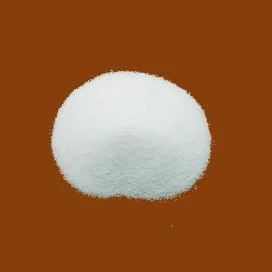
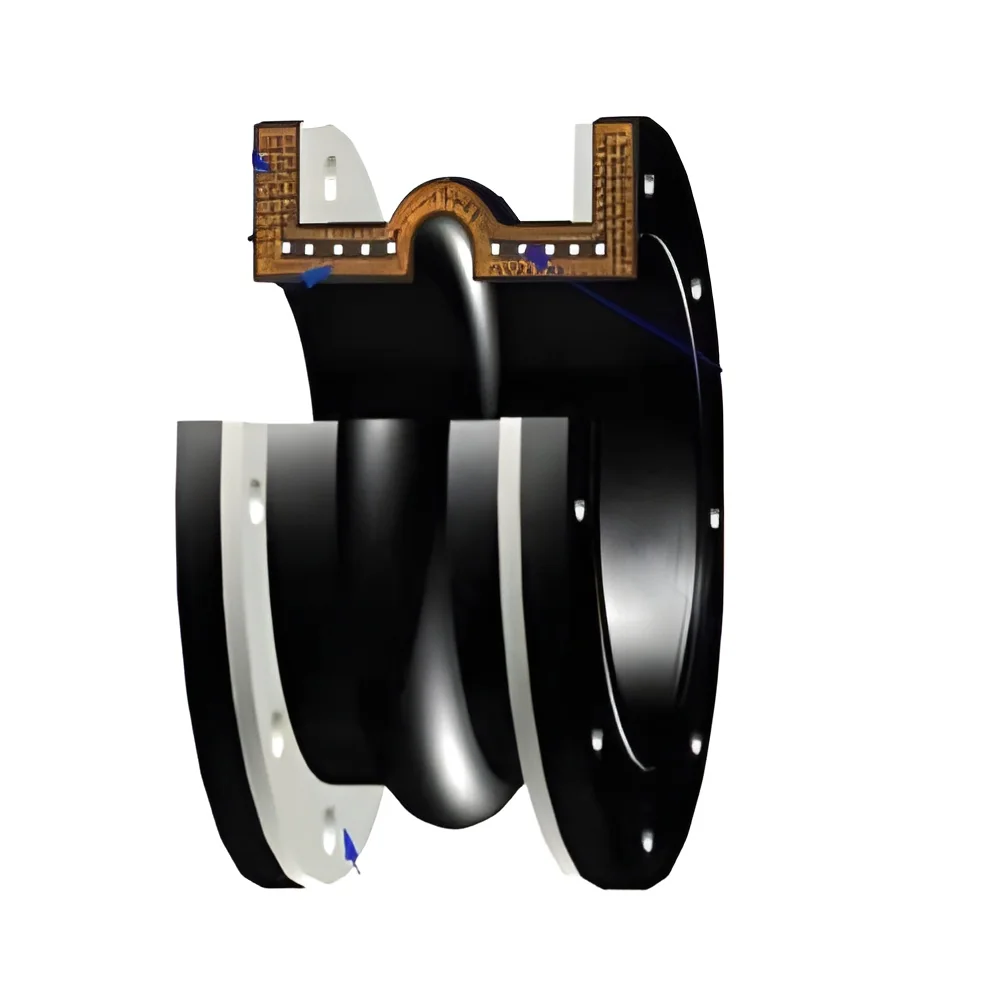
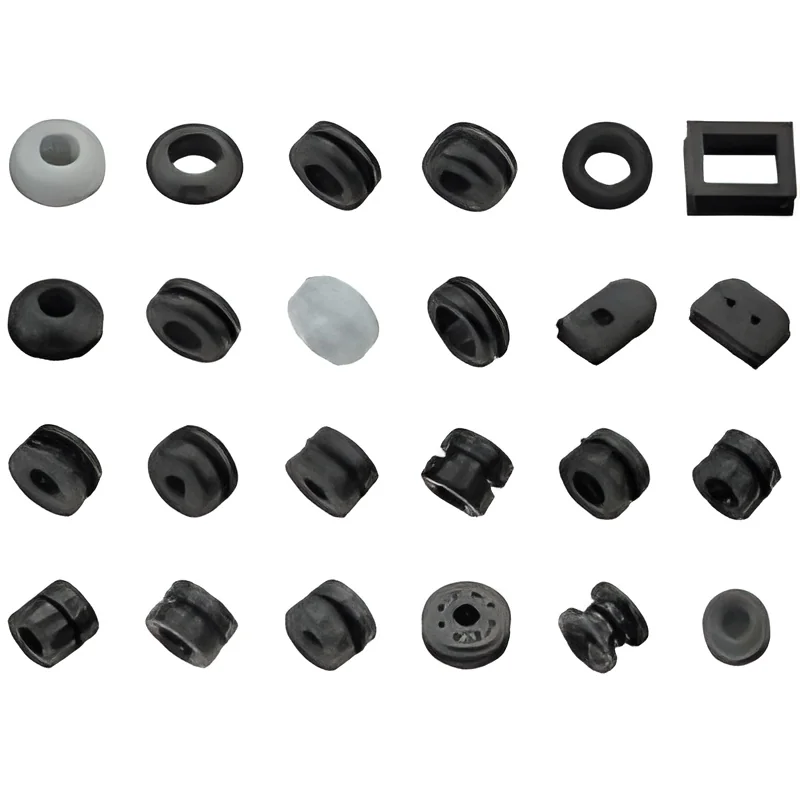
𝗪𝗵𝗮𝘁 𝗮𝗿𝗲 𝗥𝘂𝗯𝗯𝗲𝗿 𝗣𝗹𝗮𝘀𝘁𝗶𝗰𝗶𝘇𝗲𝗿𝘀?
Rubber plasticizers are additives used in the rubber industry to enhance the properties of rubber compounds. They improve the material's flexibility, workability, and overall performance. By reducing the viscosity of the rubber mixture, plasticizers facilitate better processing and molding during manufacturing. Their chemical nature allows them to interact with the rubber matrix, leading to improved physical characteristics.
These additives are essential in numerous applications, including the production of tires, seals, gaskets, and various rubber products. They help achieve desired qualities such as softness, durability, and resistance to environmental factors. Businesses across automotive, construction, and consumer goods sectors rely on rubber plasticizers to meet performance and compliance standards, making them a critical component in the rubber manufacturing process.
In today's competitive market, the demand for high-performance rubber products continues to grow. As industries seek to enhance product quality while minimizing costs, the role of rubber plasticizers becomes increasingly relevant. They contribute significantly to the overall efficiency and effectiveness of rubber materials, thereby supporting various applications in diverse industries.
𝗞𝗲𝘆 𝗙𝗲𝗮𝘁𝘂𝗿𝗲𝘀 𝗮𝗻𝗱 𝗦𝗽𝗲𝗰𝗶𝗳𝗶𝗰𝗮𝘁𝗶𝗼𝗻𝘀
Rubber plasticizers come with a variety of features and specifications that define their performance and applicability. Understanding these specifications is crucial for businesses looking to integrate these additives into their production processes.
Key specifications include:
1. Compatibility
- This specification determines how well a plasticizer integrates with different rubber types.
- Compatibility may vary based on the rubber compound used.
2. Molecular Weight
- This specification influences the processing characteristics and final properties of the rubber.
- Typical ranges can vary, affecting the fluidity and stability of the rubber mixture.
3. Viscosity
- Viscosity affects processing ease and the final texture of rubber products.
- Measured in centipoise (cP), lower viscosity often leads to better workability.
4. Flash Point
- This indicates the temperature at which the plasticizer can vaporize.
- A higher flash point enhances safety during storage and handling.
5. Density
- Density affects the weight and volume of the final rubber product.
- Measured in grams per cubic centimeter (g/cm³), it influences formulation choices.
6. Solubility
- Solubility refers to the ability of a plasticizer to dissolve in rubber compounds.
- High solubility can lead to better dispersion and performance.
7. Toxicity Levels
- Important for compliance with safety regulations.
- Lower toxicity levels are preferred for environmentally friendly applications.
8. Shelf Life
- Indicates how long the plasticizer maintains its effectiveness.
- Typically measured in years, a longer shelf life adds value for manufacturers.
In summary, rubber plasticizers are defined by a range of specifications that affect their compatibility, processing, and performance in rubber applications. Understanding these features helps businesses select the right plasticizers for their specific needs.
𝗖𝗼𝗺𝗺𝗼𝗻 𝗔𝗽𝗽𝗹𝗶𝗰𝗮𝘁𝗶𝗼𝗻𝘀 𝗮𝗻𝗱 𝗨𝘀𝗲 𝗖𝗮𝘀𝗲𝘀
Rubber plasticizers are widely utilized across various industries, enhancing the performance and quality of rubber products. Their versatility makes them essential in numerous applications.
1. Automotive Industry: In this sector, rubber plasticizers are used in tire production, ensuring flexibility and durability. They also enhance the performance of seals and gaskets, crucial for engine components.
2. Construction Industry: Rubber plasticizers improve the properties of construction materials, such as roofing membranes and sealants. They enhance resistance to environmental factors, contributing to the longevity of structures.
3. Consumer Goods: In the manufacturing of household products like rubber mats and footwear, plasticizers are added to improve comfort and flexibility, making items more user-friendly.
4. Electrical Industry: Rubber plasticizers are key in producing insulating materials that require specific flexibility and thermal stability, ensuring safety and performance in electrical applications.
5. Medical Devices: In the medical field, rubber plasticizers are used to create flexible and durable components for medical devices, ensuring reliability and compliance with health regulations.
6. Sports Equipment: Plasticizers enhance the performance of rubber materials used in sports equipment, providing the necessary grip and durability for athletic performance.
7. Industrial Products: Various industrial applications, such as conveyor belts and machinery parts, utilize rubber plasticizers to improve wear resistance and operational efficiency.
𝗣𝗿𝗼𝗱𝘂𝗰𝘁 𝗩𝗮𝗿𝗶𝗮𝗻𝘁𝘀 𝗮𝗻𝗱 𝗦𝘂𝗯𝗰𝗮𝘁𝗲𝗴𝗼𝗿𝗶𝗲𝘀
Rubber plasticizers come in various forms, catering to different industry needs and applications. Each variant has unique features that enhance specific properties of rubber compounds.
Variant 1 Name: Phthalate-based Plasticizers
Phthalate-based plasticizers are widely used due to their effectiveness in providing flexibility and durability. They are commonly utilized in automotive and construction applications, where high-performance rubber is essential.
Variant 2 Name: Non-Phthalate Plasticizers
Non-phthalate plasticizers offer an alternative for industries seeking eco-friendly solutions. They provide similar benefits in terms of flexibility and workability, making them suitable for consumer goods and medical applications.
Variant 3 Name: Bio-based Plasticizers
Bio-based plasticizers are derived from renewable resources, offering a sustainable option for manufacturers. These variants are increasingly popular in applications where environmental impact is a concern.
Variant 4 Name: Specialty Plasticizers
Specialty plasticizers are designed for specific applications, providing tailored properties such as high-temperature resistance or enhanced stability. They cater to niche markets requiring unique performance characteristics.
𝗕𝗲𝗻𝗲𝗳𝗶𝘁𝘀 𝗮𝗻𝗱 𝗔𝗱𝘃𝗮𝗻𝘁𝗮𝗴𝗲𝘀
Rubber plasticizers offer several advantages that enhance the quality and performance of rubber products. Understanding these benefits helps businesses recognize the value of integrating them into their production processes.
1. Improved Flexibility: Rubber plasticizers enhance the flexibility of rubber compounds, allowing for easier processing and better performance in end products.
2. Enhanced Workability: These additives reduce viscosity, making it simpler for manufacturers to mold and shape rubber materials during production.
3. Better Durability: The incorporation of plasticizers can improve the overall durability of rubber products, extending their lifespan and reducing the need for frequent replacements.
4. Cost-Efficiency: By optimizing the properties of rubber, plasticizers can lead to lower production costs and improved product performance, offering a competitive advantage.
5. Compliance with Standards: Many rubber plasticizers meet industry regulations, ensuring that end products are safe and compliant with relevant standards.
6. Versatility: Rubber plasticizers are suitable for a wide range of applications, making them an essential component across multiple industries.
𝗕𝘂𝘆𝗶𝗻𝗴 𝗚𝘂𝗶𝗱𝗲 𝗳𝗼𝗿 𝗕𝟮𝗕 𝗕𝘂𝘆𝗲𝗿𝘀
When sourcing rubber plasticizers, businesses should consider several factors to ensure they select the right product for their needs.
1. Quality Assessment: It is crucial to evaluate the quality of rubber plasticizers based on the manufacturer's specifications and industry standards. Look for reliable certifications and test results.
2. Supplier Verification: Vetting suppliers for reliability and reputation is essential. Ensure they provide consistent quality and have a track record of timely delivery.
3. Pricing and MOQ: Consider the pricing structure and minimum order quantities (MOQ) set by suppliers. Compare prices while ensuring that quality standards are met.
4. Delivery and Lead Times: Understand the logistics involved in sourcing rubber plasticizers. Assess lead times to ensure that production schedules are not disrupted.
5. Compliance Requirements: Familiarize yourself with regional and international compliance requirements relevant to rubber plasticizers. This includes safety standards and environmental regulations.
𝗖𝗼𝗺𝗽𝗹𝗶𝗮𝗻𝗰𝗲 𝗮𝗻𝗱 𝗖𝗲𝗿𝘁𝗶𝗳𝗶𝗰𝗮𝘁𝗶𝗼𝗻𝘀
Rubber plasticizers must adhere to various quality standards and certifications to ensure their safety and effectiveness in applications.
Relevant quality standards, such as ISO 9001, guide manufacturers in maintaining consistent quality throughout their production processes. Compliance with HACCP and GDP standards is also significant, especially in industries like food and pharmaceuticals where safety is paramount.
Industry certifications, such as CE marking, indicate that the products meet European health, safety, and environmental protection requirements. This certification helps businesses ensure their products are safe for use and compliant with regulations.
Safety and testing requirements are critical for rubber plasticizers. Manufacturers must conduct thorough testing to determine toxicity levels and other safety parameters to protect end-users and the environment.
Regional compliance considerations may vary, so it is essential for businesses to stay informed about local regulations affecting the use of rubber plasticizers in their specific markets.
𝗪𝗵𝘆 𝗦𝗼𝘂𝗿𝗰𝗲 𝗥𝘂𝗯𝗯𝗲𝗿 𝗣𝗹𝗮𝘀𝘁𝗶𝗰𝗶𝘇𝗲𝗿𝘀 𝗳𝗿𝗼𝗺 𝗣𝗲𝗽𝗮𝗴𝗼𝗿𝗮?
Pepagora provides a trusted platform for sourcing rubber plasticizers, offering several key advantages to B2B buyers.
Verified Supplier Network: Pepagora connects buyers with a network of verified suppliers, ensuring that manufacturers can find high-quality rubber plasticizers that meet their specific needs. This network is built on a foundation of trust and reliability.
Streamlined RFQ Process: The platform offers a streamlined request for quotation (RFQ) process, making it easy for buyers to receive competitive quotes from multiple suppliers. This saves time and allows for informed decision-making.
Trade Assurance and Support: Pepagora ensures buyer protection through trade assurance programs. This support enhances confidence in transactions, providing peace of mind for businesses sourcing rubber plasticizers.
Regional Coverage: With a strong presence in India, the GCC, and Southeast Asia, Pepagora can cater to diverse regional needs. This geographic reach ensures that buyers have access to a variety of suppliers and products tailored to their specific markets.
Rubber plasticizers are chemical additives used to enhance the flexibility and workability of rubber materials. They help to improve the processing characteristics and physical properties of rubber compounds, making them more suitable for various applications.
2
What are the different types of Rubber Plasticizers?
There are several types of rubber plasticizers, including mineral oil-based plasticizers, ester-based plasticizers, and resin-based plasticizers. Each type has its own properties and is chosen based on the specific requirements of the rubber formulation.
3
How do I choose the right Rubber Plasticizers?
Choosing the right rubber plasticizers involves considering factors such as the desired flexibility, processing temperature, and compatibility with other ingredients in the rubber compound. It is also important to assess the end-use application to ensure optimal performance.
4
What are the standard specifications for Rubber Plasticizers?
The standard specifications for rubber plasticizers typically include parameters such as viscosity, density, flash point, and compatibility with rubber compounds. These specifications can vary based on the type of plasticizer and its intended application.
5
What is the price range for Rubber Plasticizers?
The price range for rubber plasticizers can vary significantly based on the type, quality, and supplier. Generally, you can expect prices to range from a few hundred to several thousand Indian Rupees per kilogram, depending on these factors.
6
What quality standards apply to Rubber Plasticizers?
Rubber plasticizers are subject to various quality standards, including those set by organizations such as ASTM and ISO. These standards ensure that the plasticizers meet the necessary performance criteria and are safe for use in rubber products.
7
Where can I find Rubber Plasticizers suppliers in India?
You can find rubber plasticizers suppliers in India through online B2B marketplaces, industry trade shows, and local business directories. Websites like Pepagora.com can help connect you with reliable manufacturers and suppliers in the rubber plasticizers sector.
8
Can Rubber Plasticizers be customized?
Yes, rubber plasticizers can often be customized to meet specific requirements of the application. Manufacturers may offer tailored formulations that provide the desired properties, such as enhanced flexibility or improved compatibility with other materials.
9
What is the typical minimum order quantity for Rubber Plasticizers?
The typical minimum order quantity (MOQ) for rubber plasticizers can vary by supplier but is generally in the range of 100 to 1000 kilograms. It is advisable to check with individual suppliers for their specific MOQs and any potential flexibility in orders.
10
What is the typical lead time for Rubber Plasticizers?
The typical lead time for rubber plasticizers can range from a few days to several weeks, depending on the supplier's inventory and production capabilities. Factors such as order quantity and customization may also affect the delivery time.
Why Businesses Trust Pepagora
Thousands of companies trust Pepagora to source smarter and sell faster
Expand Your Sales Globally
25000+Products listed.Get discovered by global buyers

 IN
IN