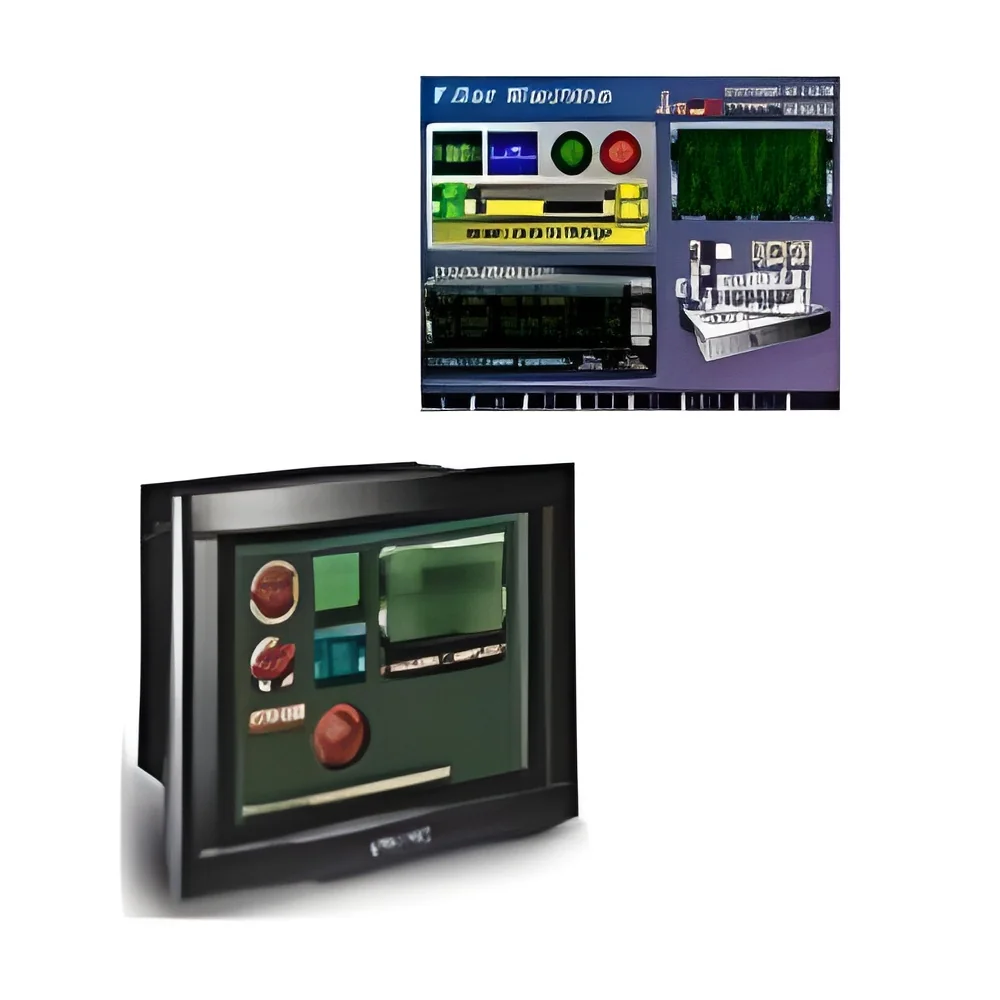
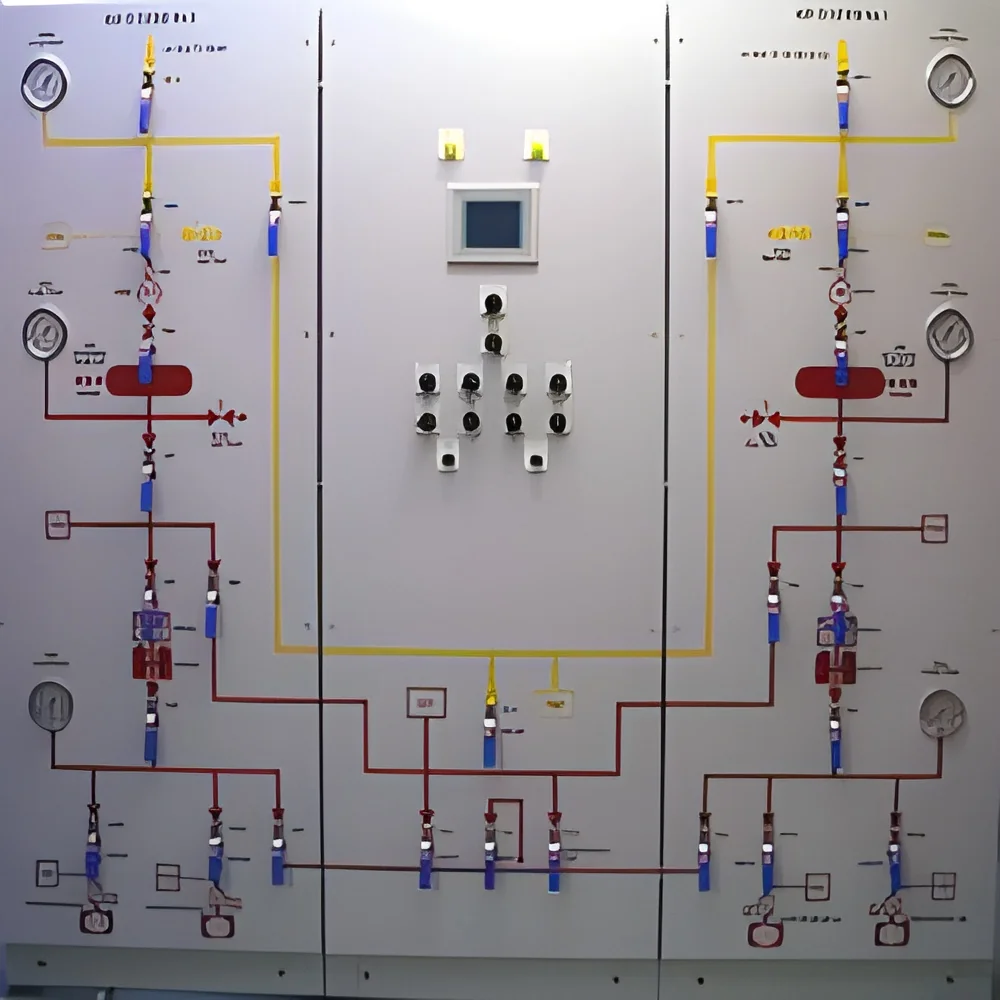
𝗪𝗵𝗮𝘁 𝗮𝗿𝗲 𝗦𝗖𝗔𝗗𝗔/𝗛𝗠𝗜 𝗗𝗲𝘃𝗲𝗹𝗼𝗽𝗺𝗲𝗻𝘁 𝗦𝗲𝗿𝘃𝗶𝗰𝗲𝘀?
SCADA (Supervisory Control and Data Acquisition) and HMI (Human-Machine Interface) Development Services are essential for monitoring and controlling industrial processes. These services provide a framework that allows operators to visualize real-time data, manage operations, and automate processes. SCADA systems collect data from various sensors and devices, while HMI software presents this data in a user-friendly format for operators. Together, they facilitate efficient decision-making and operational efficiency.
These services are primarily used in sectors such as manufacturing, energy, water and wastewater management, and transportation. Businesses leverage SCADA/HMI systems to improve system reliability, enhance productivity, and reduce operational costs. By integrating these technologies, organizations can achieve better control over their processes, which ultimately leads to improved safety and compliance with industry regulations.
The relevance of SCADA and HMI systems in today’s industrial landscape cannot be overstated. As industries increasingly adopt automation and digitalization, the demand for robust SCADA/HMI solutions is growing. With the rise of the Internet of Things (IoT), these systems are becoming more interconnected, allowing for smarter operations and data-driven decision-making. This trend highlights the importance of investing in SCADA/HMI Development Services to stay competitive in the market.
𝗞𝗲𝘆 𝗙𝗲𝗮𝘁𝘂𝗿𝗲𝘀 𝗮𝗻𝗱 𝗦𝗽𝗲𝗰𝗶𝗳𝗶𝗰𝗮𝘁𝗶𝗼𝗻𝘀
SCADA/HMI Development Services come with a range of features designed to enhance functionality and user experience. These features are crucial for ensuring the systems meet the specific needs of various industries.
Key specifications include:
1. Real-time Data Monitoring
- Allows continuous tracking of operations.
- Supports instant alerts for anomalies.
2. User-Friendly Interface
- Simplifies operator interaction with systems.
- Customizable dashboards for different user roles.
3. Data Logging and Reporting
- Captures historical data for analysis.
- Generates reports for compliance and performance review.
4. Remote Access Capabilities
- Enables monitoring and control from remote locations.
- Facilitates mobile access for field operations.
5. Integration with Existing Systems
- Supports compatibility with legacy systems.
- Allows seamless data exchange between platforms.
6. Scalability
- Easily adapts to growing operations.
- Supports additional devices and functionalities as needed.
7. Security Features
- Implements access controls to protect sensitive information.
- Regular updates to combat cybersecurity threats.
8. Compliance with Industry Standards
- Adheres to regulatory requirements and best practices.
- Ensures operational safety and reliability.
These features collectively enhance the effectiveness of SCADA/HMI systems, making them indispensable in modern industrial operations.
𝗖𝗼𝗺𝗺𝗼𝗻 𝗔𝗽𝗽𝗹𝗶𝗰𝗮𝘁𝗶𝗼𝗻𝘀 𝗮𝗻𝗱 𝗨𝘀𝗲 𝗖𝗮𝘀𝗲𝘀
SCADA/HMI Development Services find applications across various industries, each with unique requirements and challenges.
1. Manufacturing: In manufacturing, SCADA systems monitor production line performance, track machinery health, and optimize resource allocation, leading to increased efficiency.
2. Energy: The energy sector utilizes SCADA for managing power generation, distribution, and consumption. It helps in real-time monitoring of grid performance and ensures system reliability.
3. Water and Wastewater Management: These systems are employed to control water treatment processes, monitor water quality, and manage distribution networks, ensuring compliance with environmental standards.
4. Transportation: SCADA systems are critical in managing traffic control systems, monitoring public transport, and ensuring the safety of transportation infrastructure.
5. Oil and Gas: In this industry, SCADA solutions monitor drilling operations, manage pipelines, and ensure safety in hazardous environments.
6. Pharmaceuticals: SCADA systems are used to monitor critical processes in drug manufacturing, ensuring quality control and compliance with regulatory standards.
7. Agriculture: In agriculture, SCADA can optimize irrigation systems, monitor crop conditions, and manage supply chains effectively.
𝗣𝗿𝗼𝗱𝘂𝗰𝘁 𝗩𝗮𝗿𝗶𝗮𝗻𝘁𝘀 𝗮𝗻𝗱 𝗦𝘂𝗯𝗰𝗮𝘁𝗲𝗴𝗼𝗿𝗶𝗲𝘀
While specific subcategories of SCADA/HMI services may not be available, the diversity of offerings within this domain allows for customized solutions to meet various industry needs.
Custom Development Services: Tailored SCADA/HMI solutions designed to fit specific operational requirements and integrated with existing systems.
Cloud-Based Solutions: Offer remote access capabilities and reduce the need for on-premises infrastructure, allowing for flexibility and scalability.
Mobile Applications: Enable operators to monitor and control processes from mobile devices, enhancing responsiveness and decision-making on the go.
𝗕𝗲𝗻𝗲𝗳𝗶𝘁𝘀 𝗮𝗻𝗱 𝗔𝗱𝘃𝗮𝗻𝘁𝗮𝗴𝗲𝘀
SCADA/HMI Development Services provide numerous benefits that can significantly impact operational efficiency and productivity.
Key benefits include:
1. Enhanced Operational Efficiency: These systems streamline processes, allowing for faster response times and improved productivity.
2. Improved Data Visibility: Real-time data access enables better decision-making and proactive management of operations.
3. Increased Safety: By monitoring critical parameters, SCADA/HMI systems help in identifying potential hazards, ensuring worker safety.
4. Cost Reduction: Automation and improved process management lead to reduced operational costs and resource usage.
5. Better Compliance: SCADA systems facilitate adherence to industry regulations by providing necessary reporting and documentation.
6. Flexibility and Scalability: These solutions can be adapted to changing business needs, supporting growth and innovation.
𝗕𝘂𝘆𝗶𝗻𝗴 𝗚𝘂𝗶𝗱𝗲 𝗳𝗼𝗿 𝗕𝟮𝗕 𝗕𝘂𝘆𝗲𝗿𝘀
When considering SCADA/HMI Development Services, it is essential to evaluate several factors to ensure the best fit for your organization.
1. Quality Assessment: Look for services that meet established quality criteria, including system reliability, performance, and user feedback.
2. Supplier Verification: Vet suppliers by checking their credentials, past projects, and customer references to ensure they have a proven track record.
3. Pricing and MOQ: Understand the pricing structure and minimum order quantities to plan budgets effectively and avoid unexpected costs.
4. Delivery and Lead Times: Assess the supplier's ability to meet delivery timelines and the lead times for development and implementation.
5. Compliance Requirements: Ensure that the services provided comply with relevant industry regulations and standards to avoid legal issues.
𝗖𝗼𝗺𝗽𝗹𝗶𝗮𝗻𝗰𝗲 𝗮𝗻𝗱 𝗖𝗲𝗿𝘁𝗶𝗳𝗶𝗰𝗮𝘁𝗶𝗼𝗻𝘀
SCADA/HMI Development Services must adhere to various quality standards and regulatory requirements to ensure safety and reliability.
Relevant quality standards include ISO 9001, which sets criteria for a quality management system, ensuring that organizations can consistently deliver products that meet customer and regulatory requirements.
Industry certifications such as CE indicate compliance with European health, safety, and environmental protection standards. This certification is crucial for organizations operating in or selling to European markets.
Safety and testing requirements are integral to the development of SCADA/HMI systems. These systems are rigorously tested to ensure they can withstand operational stresses and provide reliable performance.
Regional compliance considerations may also apply, particularly for businesses operating in multiple countries. Understanding local regulations is essential for ensuring that SCADA/HMI systems meet all necessary legal requirements.
𝗪𝗵𝘆 𝗦𝗼𝘂𝗿𝗰𝗲 𝗦𝗖𝗔𝗗𝗔/𝗛𝗠𝗜 𝗗𝗲𝘃𝗲𝗹𝗼𝗽𝗺𝗲𝗻𝘁 𝗦𝗲𝗿𝘃𝗶𝗰𝗲𝘀 𝗳𝗿𝗼𝗺 𝗣𝗲𝗽𝗮𝗴𝗼𝗿𝗮?
Pepagora provides a trusted platform for sourcing SCADA/HMI Development Services, offering several key advantages to B2B buyers.
Verified Supplier Network: Pepagora has built a robust network of verified suppliers who have been thoroughly vetted for quality and reliability. This network ensures buyers can find trusted partners for their SCADA/HMI needs.
Streamlined RFQ Process: The platform features an efficient Request for Quotation (RFQ) system, allowing businesses to easily request quotes from multiple suppliers. This streamlines the procurement process and saves valuable time.
Trade Assurance and Support: Pepagora offers trade assurance to protect buyers from potential risks in transactions. In addition, their dedicated support team is available to assist with any queries or concerns throughout the sourcing process.
Regional Coverage: With a strong presence in India, the GCC, and Southeast Asia, Pepagora provides geographic reach that allows businesses to connect with suppliers that understand local market requirements and standards. This regional focus enhances the relevance and effectiveness of the services offered.
SCADA/HMI Development Services refer to the design, implementation, and maintenance of Supervisory Control and Data Acquisition (SCADA) systems and Human-Machine Interfaces (HMI). These services enable organizations to monitor and control industrial processes in real-time, providing insights through data visualization and user interface design.
2
What are the different types of SCADA/HMI Development Services?
Different types of SCADA/HMI Development Services include system design, software development, integration with existing systems, and ongoing support and maintenance. Additionally, services may vary based on industry requirements, such as manufacturing, energy, or water management.
3
How do I choose the right SCADA/HMI Development Services?
To choose the right SCADA/HMI Development Services, evaluate the supplier's experience, expertise in your industry, and the technologies they use. It's also important to consider their customer support, customization options, and previous project success stories.
4
What are the standard specifications for SCADA/HMI Development Services?
Standard specifications for SCADA/HMI Development Services typically include compliance with industry standards, real-time data processing capabilities, user-friendly interfaces, and robust security features. Additional specifications may depend on specific application requirements and regulatory guidelines.
5
What is the price range for SCADA/HMI Development Services?
The price range for SCADA/HMI Development Services can vary widely based on project complexity, required features, and the service provider. Generally, costs may range from a few thousand to several lakhs of Indian Rupees, depending on the scope of work involved.
6
What quality standards apply to SCADA/HMI Development Services?
Quality standards for SCADA/HMI Development Services often include adherence to ISO 9001 for quality management systems, as well as industry-specific standards such as IEC 61131 for programmable controllers. Ensuring compliance with these standards helps to guarantee reliability and efficiency.
7
Where can I find SCADA/HMI Development Services suppliers in India?
You can find SCADA/HMI Development Services suppliers in India through B2B marketplaces like Pepagora, industry trade shows, and online directories. Additionally, consulting with industry associations may provide leads to reputable service providers.
8
Can SCADA/HMI Development Services be customized?
Yes, SCADA/HMI Development Services can be customized to meet the specific needs of a business or application. Customization may include tailored software solutions, unique user interfaces, and integration with existing systems to ensure compatibility and efficiency.
9
What is the typical minimum order quantity for SCADA/HMI Development Services?
The typical minimum order quantity (MOQ) for SCADA/HMI Development Services varies by supplier and project scope. Some providers may not have a strict MOQ, while others may require a minimum commitment depending on the complexity of the services offered.
10
What is the typical lead time for SCADA/HMI Development Services?
The typical lead time for SCADA/HMI Development Services can range from a few weeks to several months, depending on the project's complexity and requirements. Factors such as customization, integration with existing systems, and the supplier's workload can also influence lead times.
Why Businesses Trust Pepagora
Thousands of companies trust Pepagora to source smarter and sell faster
Expand Your Sales Globally
25000+Products listed.Get discovered by global buyers

 IN
IN