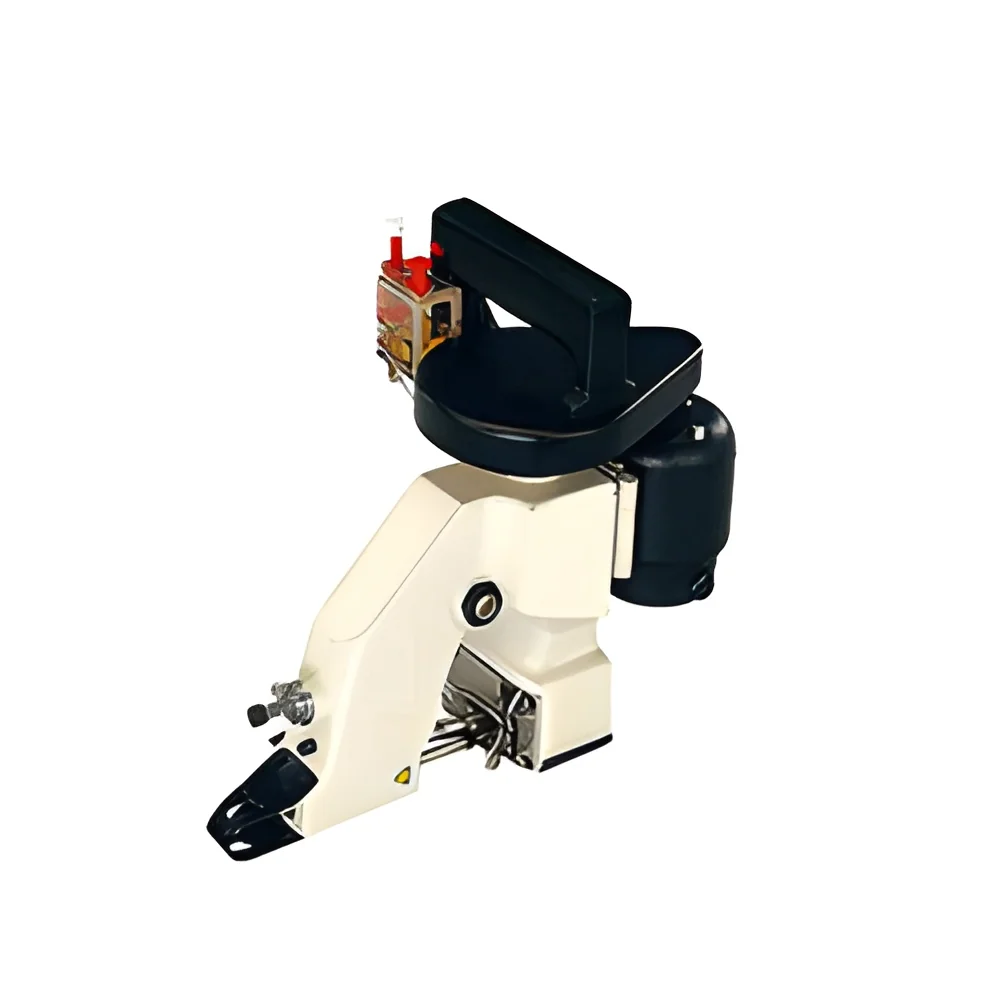
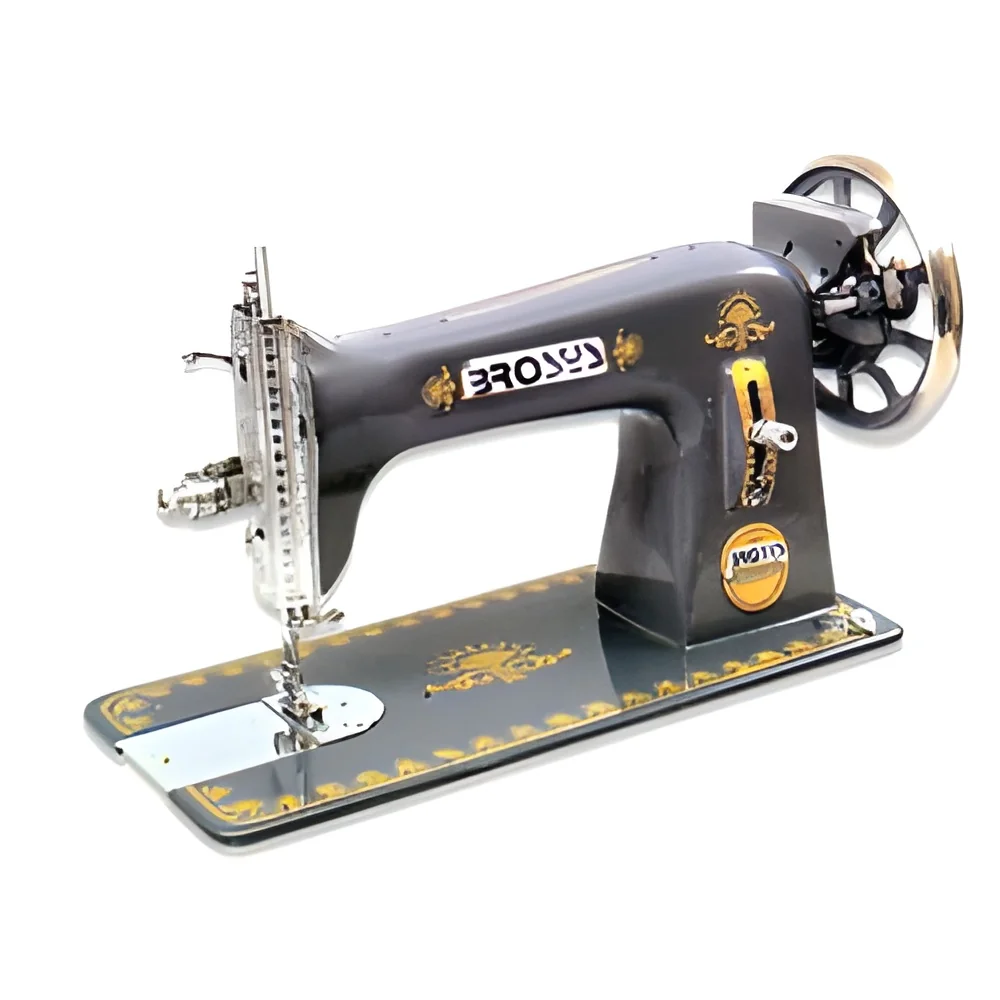
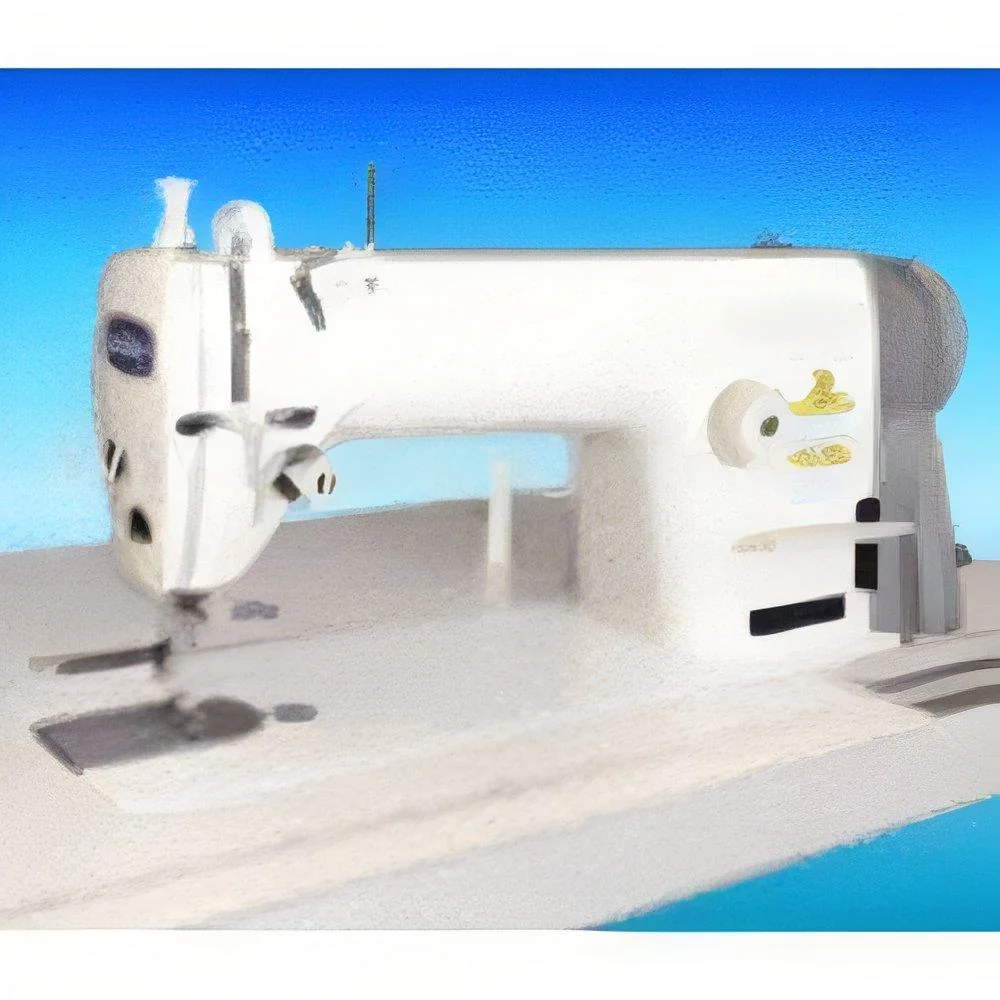
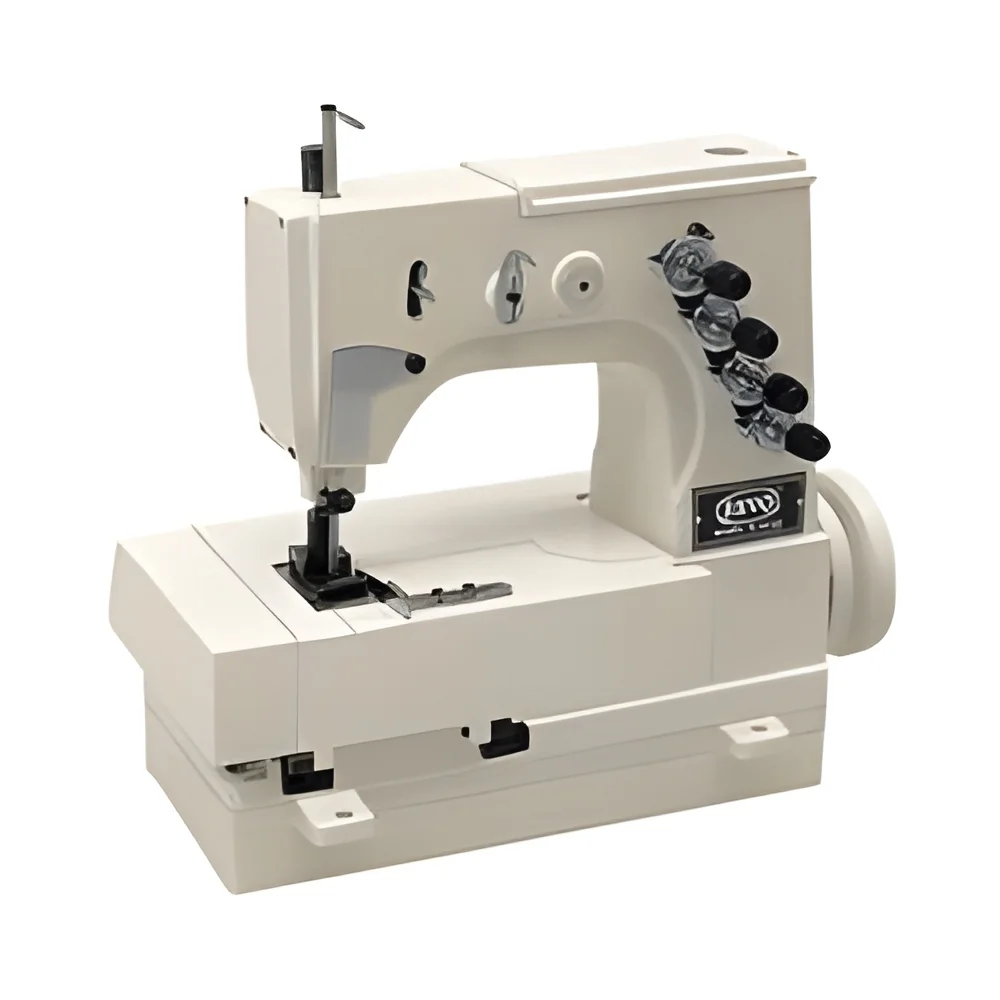
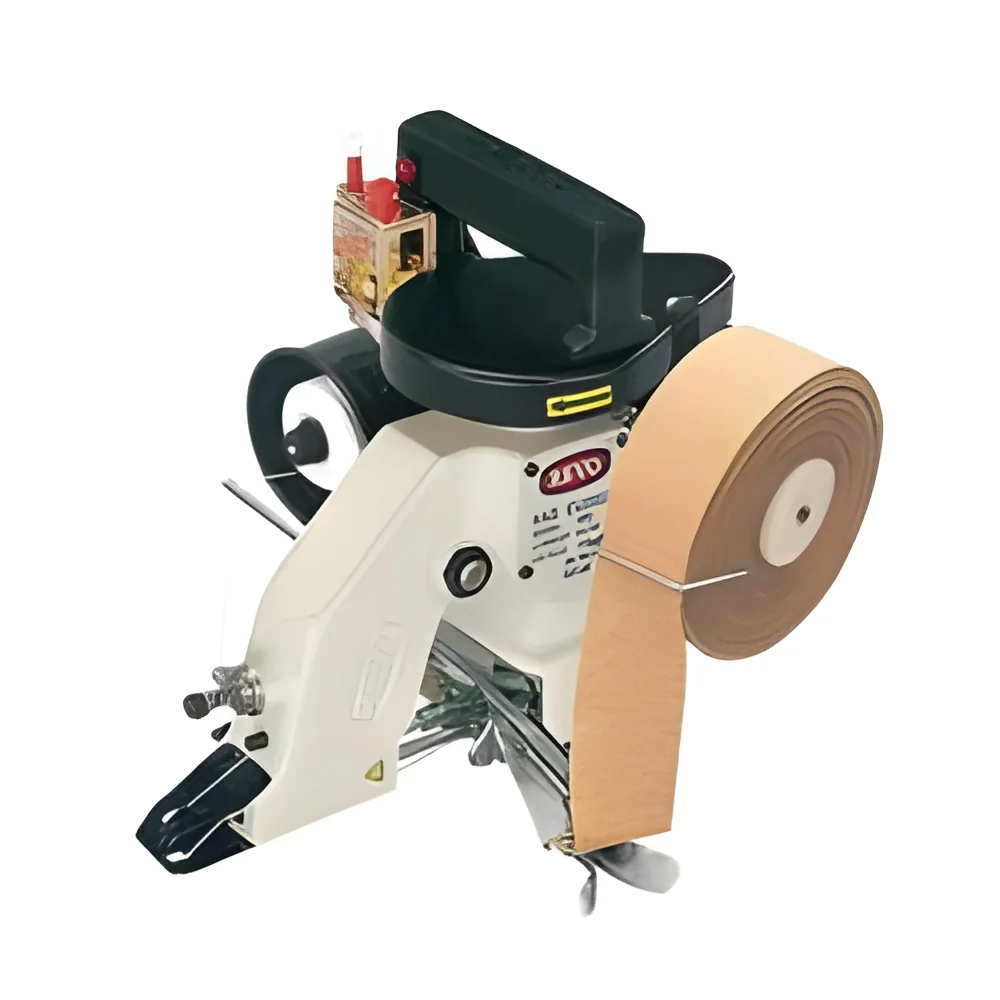
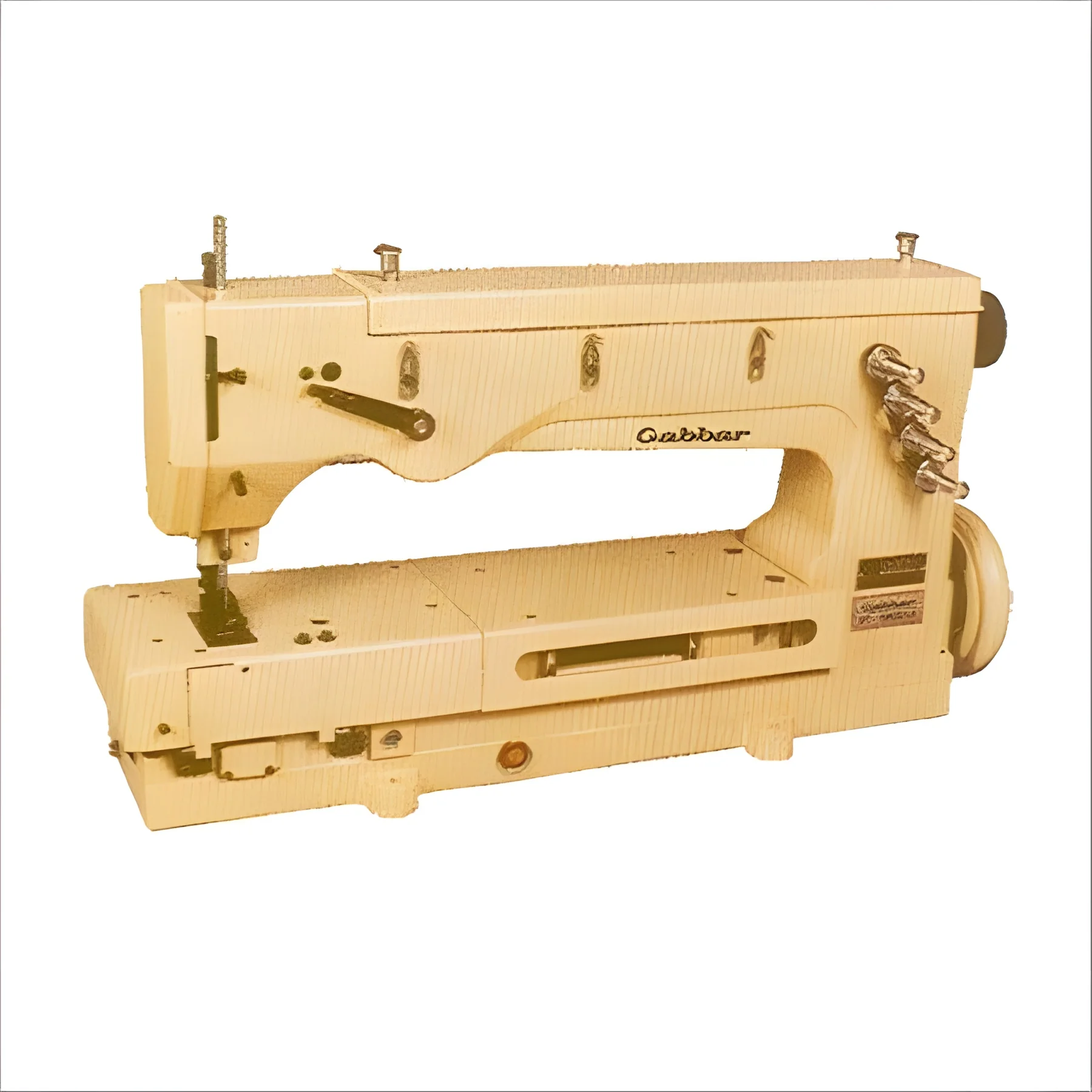
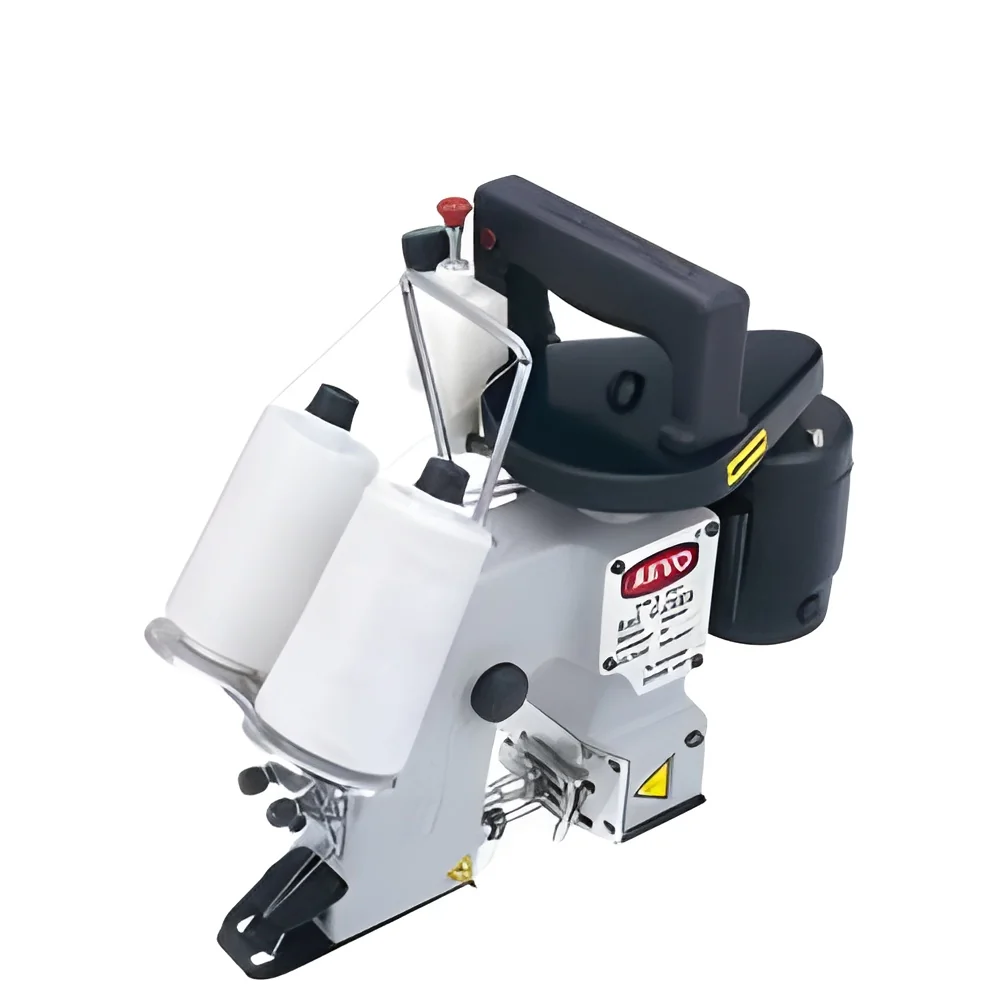
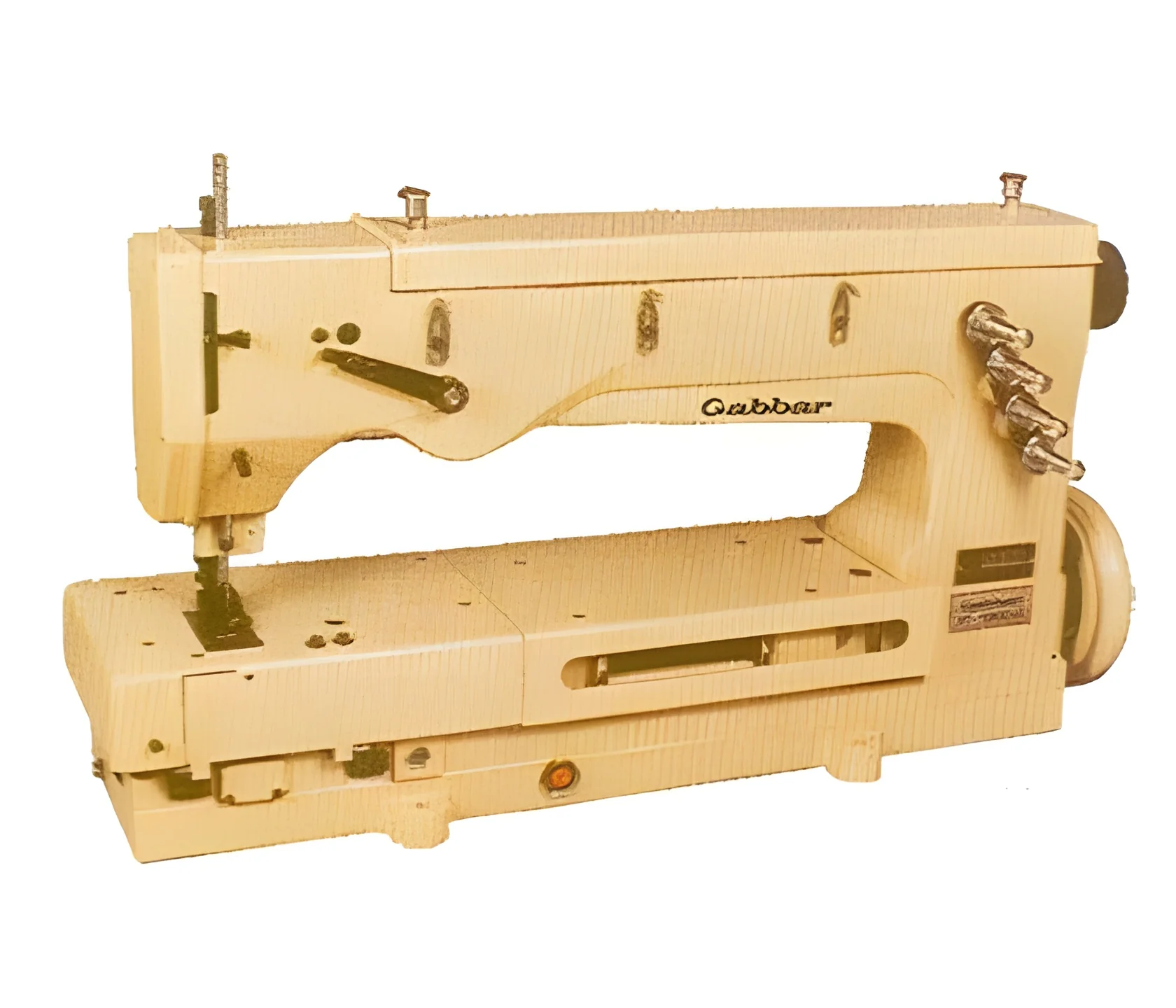
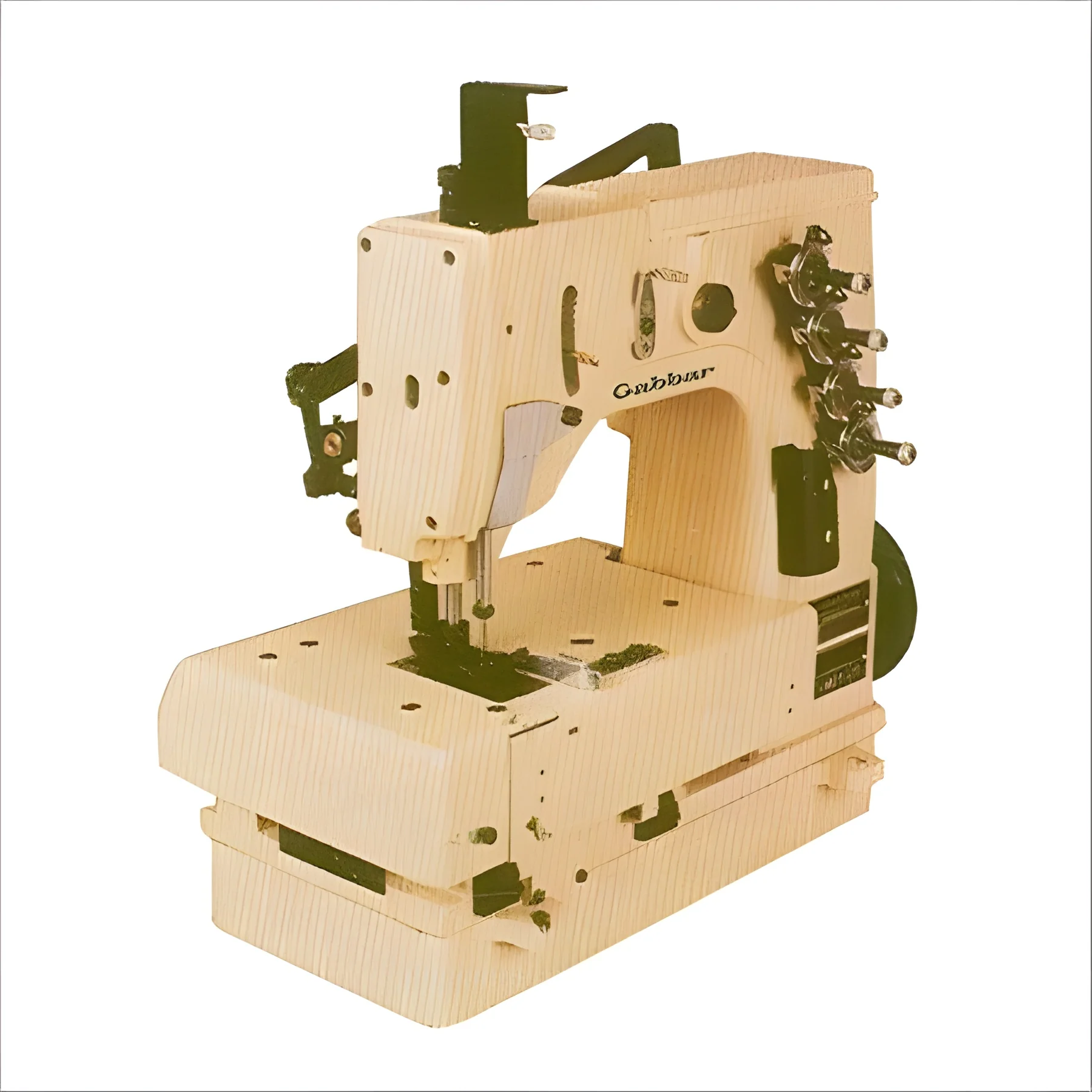
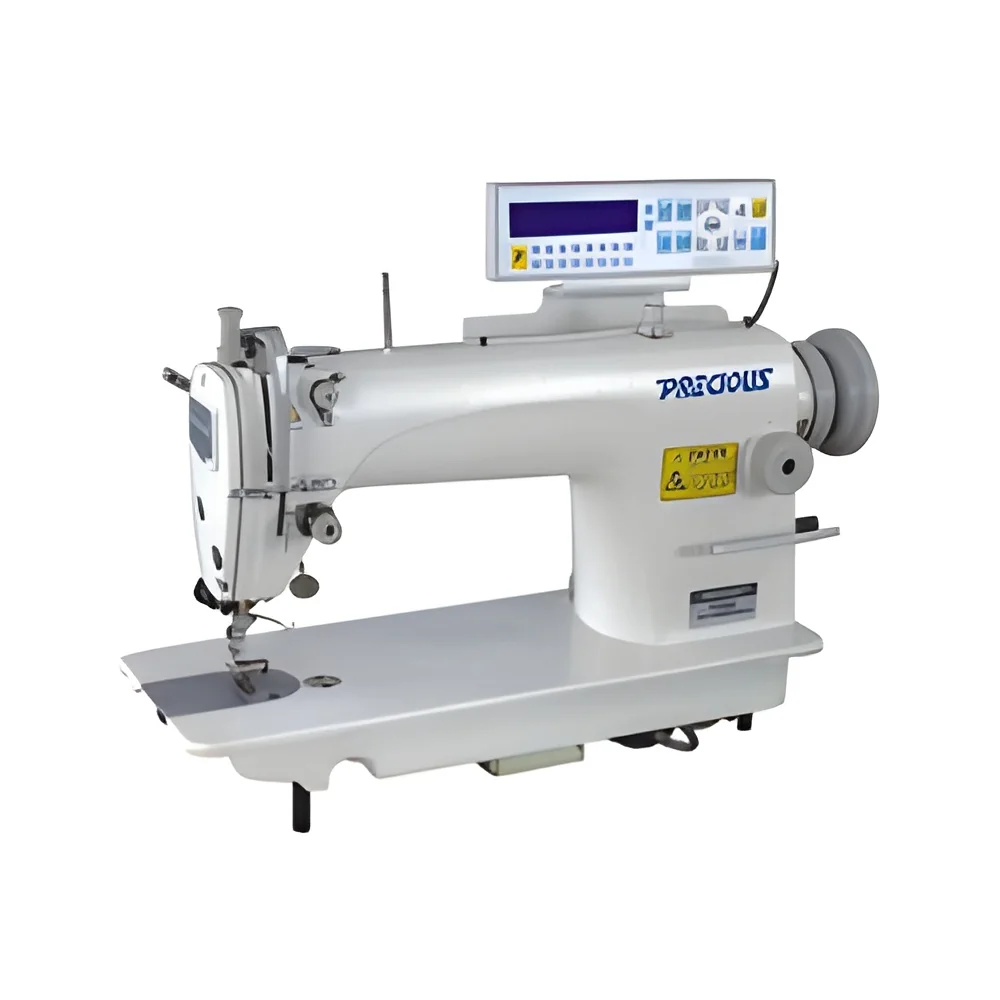
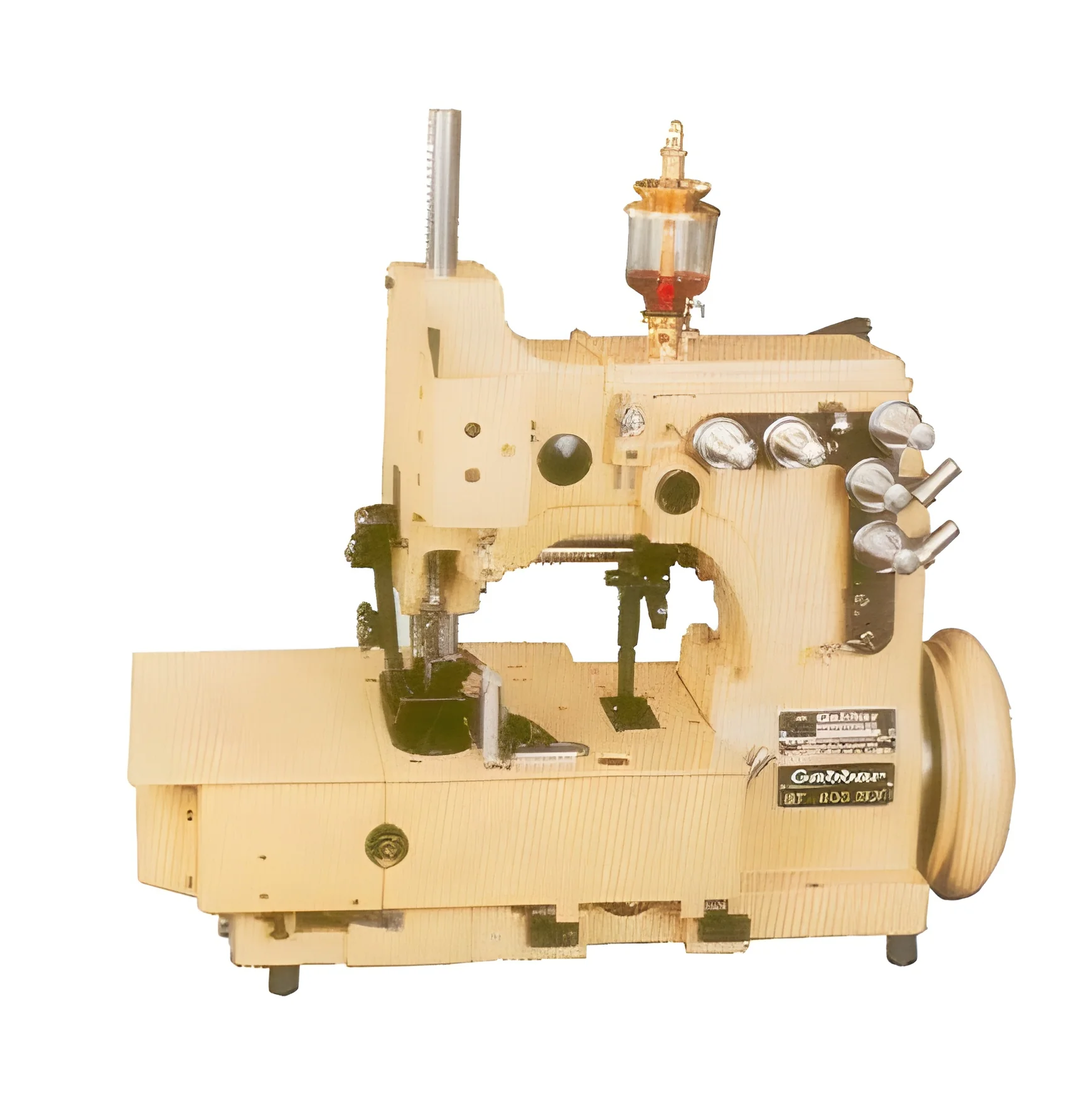
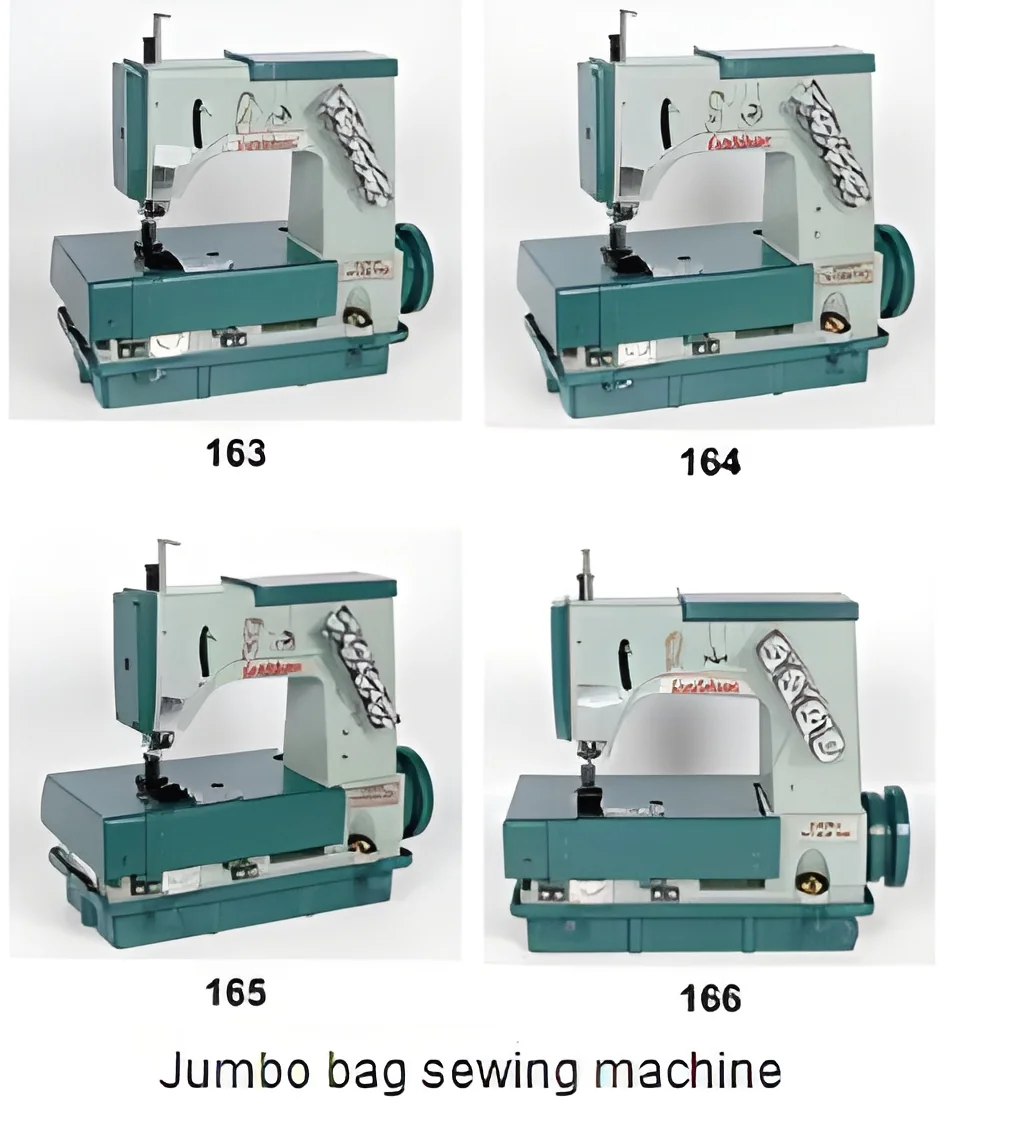
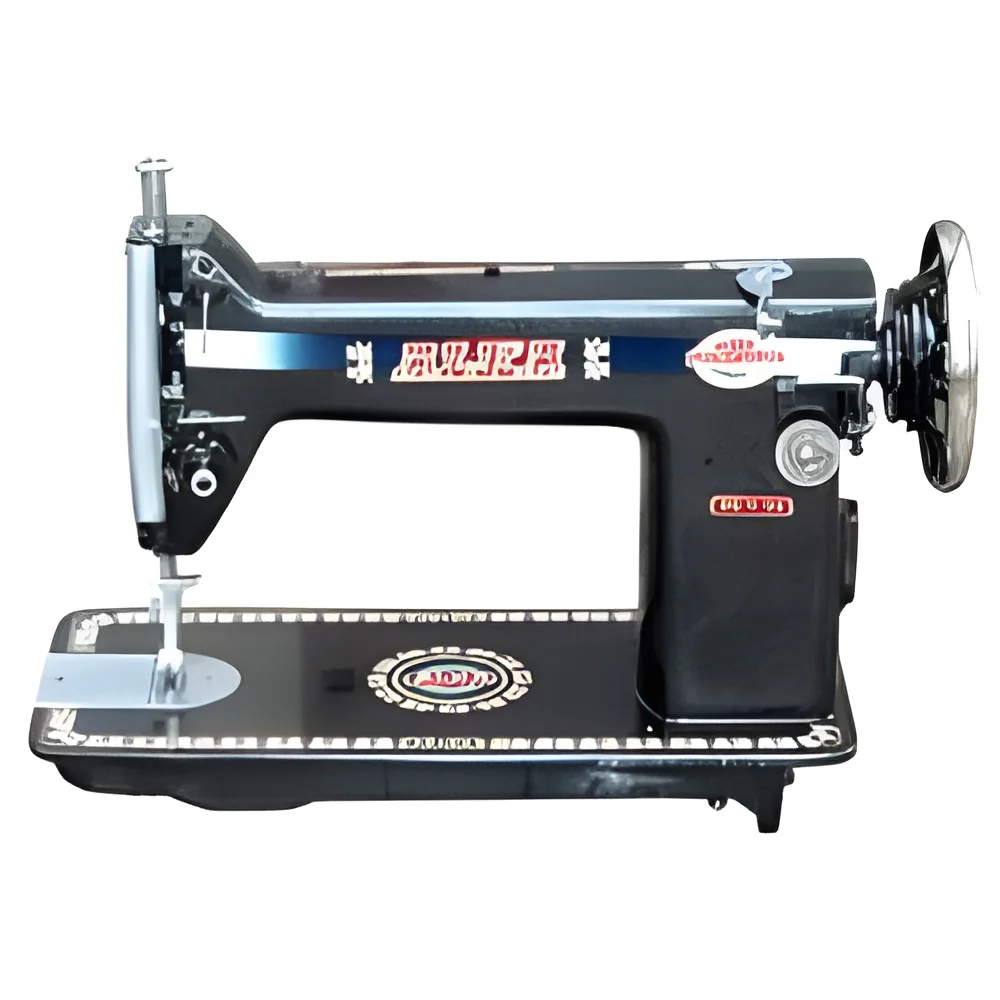
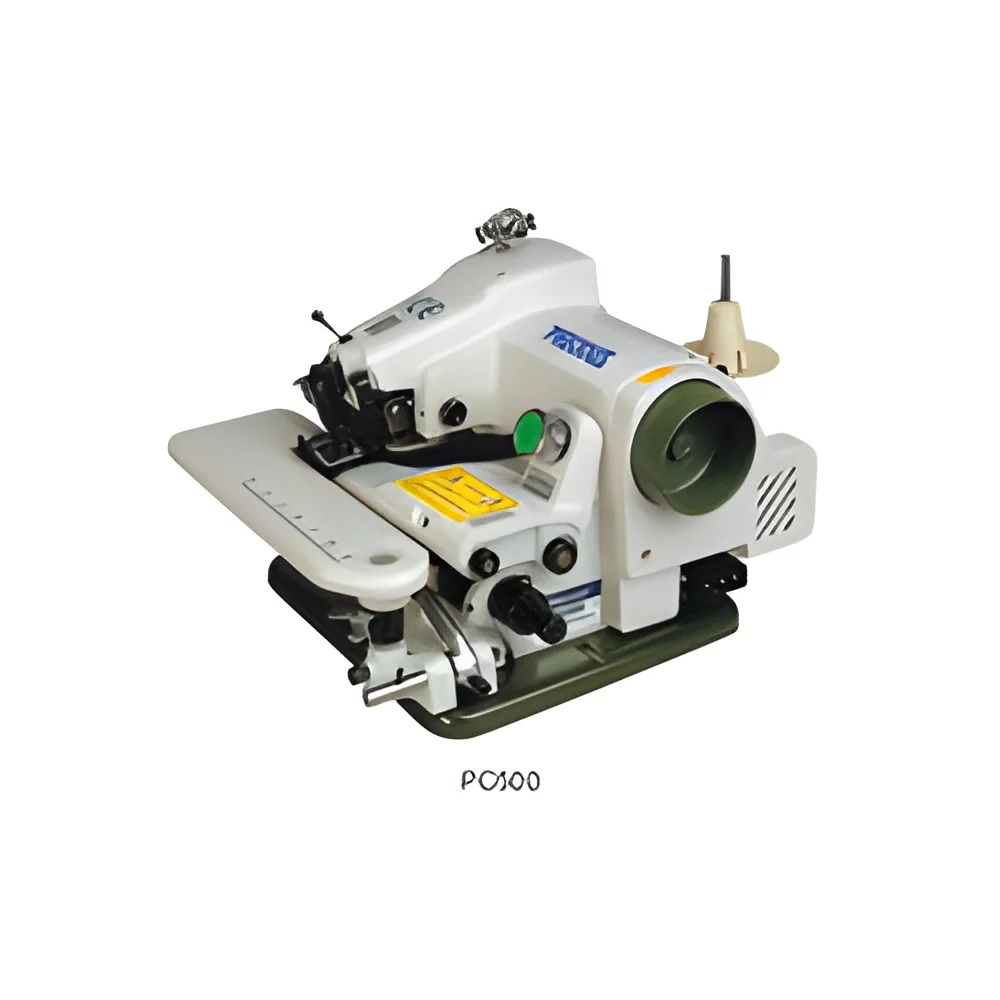
𝗪𝗵𝗮𝘁 𝗮𝗿𝗲 𝗦𝗲𝘄𝗶𝗻𝗴 𝗠𝗮𝗰𝗵𝗶𝗻𝗲𝘀?
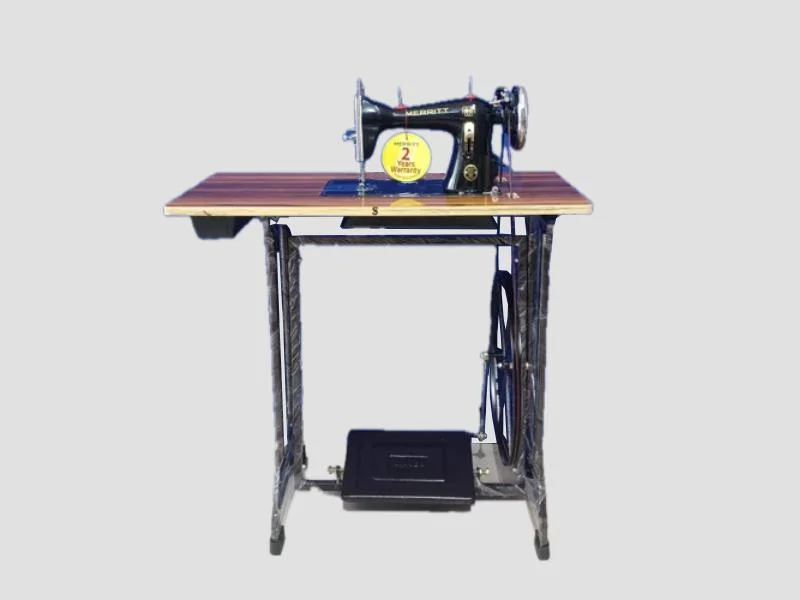
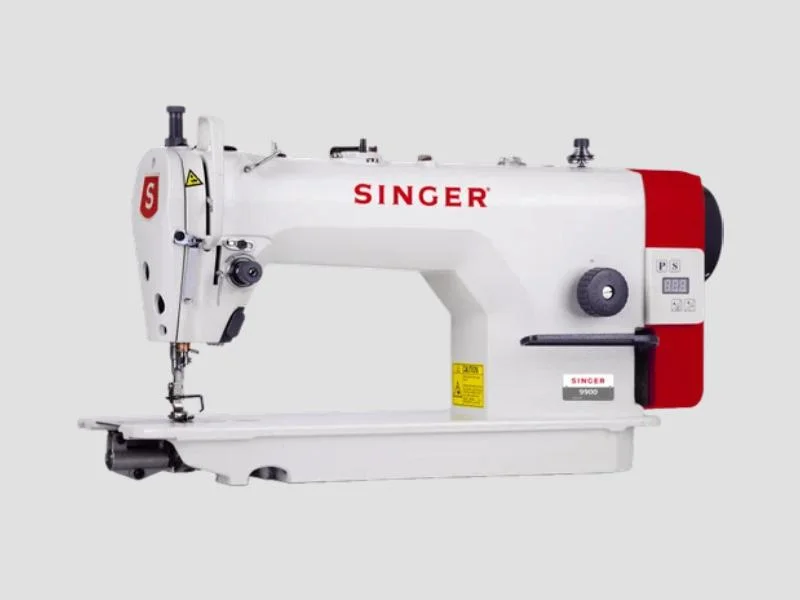
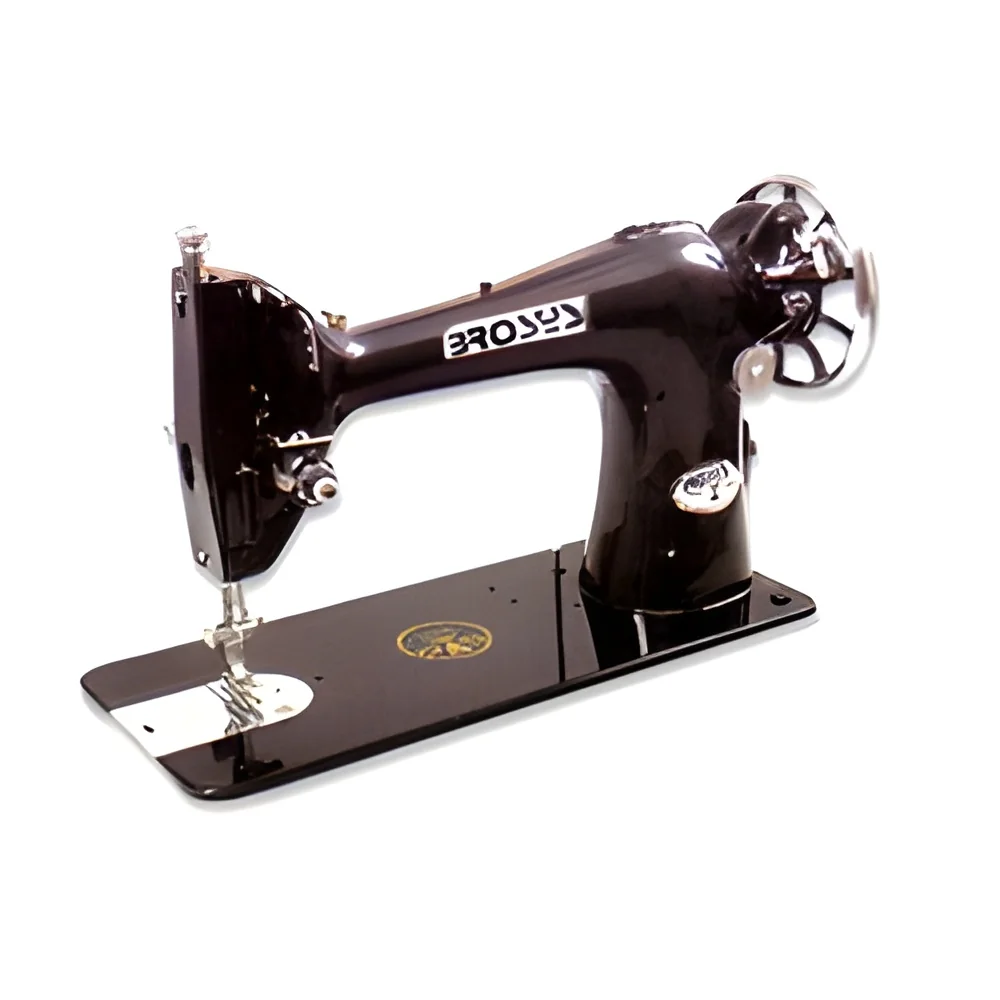
Sewing machines are mechanical devices that stitch fabric and other materials together using thread. They come in various types and configurations, catering to different sewing applications. These machines significantly enhance productivity and precision in the sewing process compared to hand sewing. With advancements in technology, modern sewing machines can perform a variety of functions, including basic sewing, embroidery, and quilting, making them essential tools in both home and industrial settings.
Sewing machines find extensive usage in various sectors, including apparel manufacturing, upholstery, and textile production. In the fashion industry, they are indispensable for creating garments, allowing for intricate designs and consistent quality. Additionally, sewing machines are widely used in the automotive and aerospace industries for stitching fabric and leather components. The relevance of sewing machines in today’s market is underscored by the growth of e-commerce and the demand for customized textile products, leading to a robust market for both industrial and domestic sewing solutions.
𝗞𝗲𝘆 𝗙𝗲𝗮𝘁𝘂𝗿𝗲𝘀 𝗮𝗻𝗱 𝗦𝗽𝗲𝗰𝗶𝗳𝗶𝗰𝗮𝘁𝗶𝗼𝗻𝘀
Sewing machines come with a range of features and specifications designed to meet diverse sewing requirements. Understanding these specifications helps buyers select the right machine for their needs.
Key specifications include:
1. Stitch Types
- Machines can offer various stitch types, including straight, zigzag, and decorative stitches.
- Typically, machines can perform between 10 to over 200 stitch types.
2. Speed Control
- Speed control options allow users to adjust the sewing speed for different materials and projects.
- Machines can operate at speeds ranging from 300 to 1500 stitches per minute.
3. Needle Position
- Adjustable needle position assists in precision sewing, especially for hems and zippers.
- Most machines offer multiple needle positions.
4. Automatic Thread Cutter
- This feature enables quick and efficient thread cutting, enhancing productivity.
- Found in higher-end models.
5. Bobbin System
- Various bobbin types are utilized, including drop-in and front-loading systems.
- A standard bobbin holds approximately 20-30 yards of thread.
6. Built-in Functions
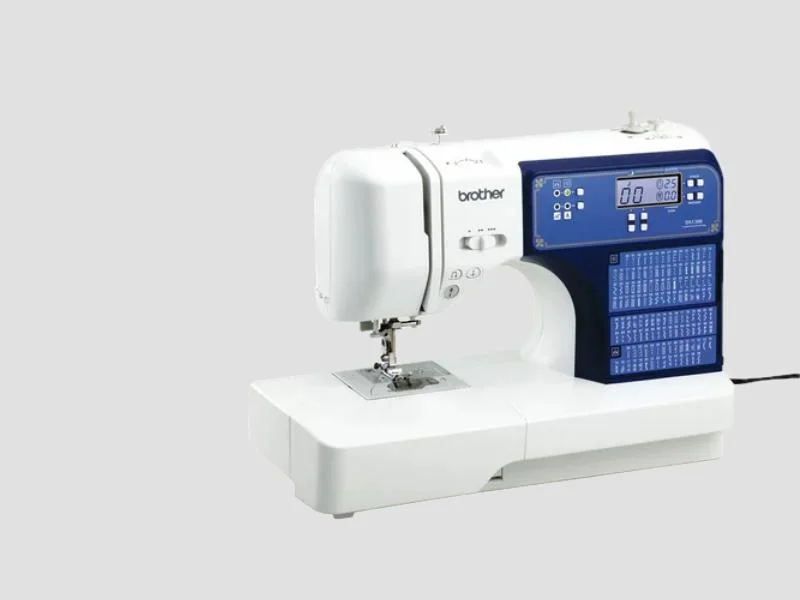
- Many sewing machines offer built-in functions like automatic buttonholes and embroidery designs.
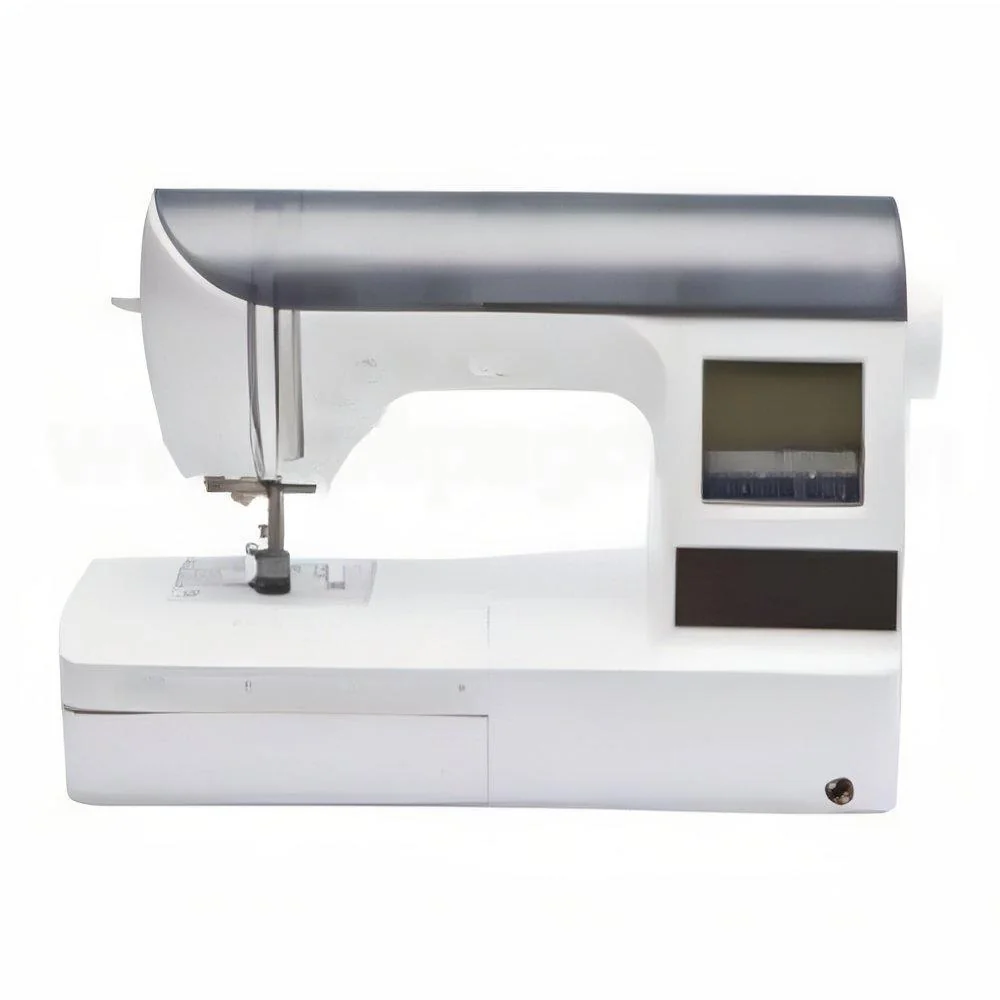
- Some models feature LCD screens for easy navigation.
7. Foot Pedal Control
- Foot pedals allow for hands-free operation, providing better control over the sewing process.
- Most machines come equipped with a standard foot pedal.
8. Portability
- Many sewing machines are designed to be lightweight and portable, suitable for travel and workshops.
- Weight can vary from 10 to 30 pounds depending on the model.
In summary, the right sewing machine combines various features and specifications tailored to specific sewing tasks, ensuring efficiency and high-quality results.
𝗖𝗼𝗺𝗺𝗼𝗻 𝗔𝗽𝗽𝗹𝗶𝗰𝗮𝘁𝗶𝗼𝗻𝘀 𝗮𝗻𝗱 𝗨𝘀𝗲 𝗖𝗮𝘀𝗲𝘀
Sewing machines are versatile tools used across multiple industries.
1. Apparel Manufacturing: In this sector, sewing machines are vital for the mass production of clothing, providing consistent quality and speed for assembling garments.
2. Upholstery: Sewing machines are used to create and repair furniture covers, curtains, and other textile-based products, ensuring durability and aesthetic appeal.
3. Automotive Industry: Here, sewing machines stitch together fabric and leather components for car interiors, emphasizing precision and durability.
4. Home Textiles: Sewing machines aid in the production of household items like bed linens, tablecloths, and decorative pillows, allowing for customization and creativity.
5. Medical Textiles: Specialized machines are used to create medical garments and equipment, focusing on hygiene and material integrity.
6. Quilting: Quilting machines are tailored for creating intricate quilt patterns, helping hobbyists and professionals alike produce high-quality quilts.
7. Leather Goods: Sewing machines designed for leather allow for stitching heavy materials, commonly used in the production of bags, belts, and shoes.
𝗣𝗿𝗼𝗱𝘂𝗰𝘁 𝗩𝗮𝗿𝗶𝗮𝗻𝘁𝘀 𝗮𝗻𝗱 𝗦𝘂𝗯𝗰𝗮𝘁𝗲𝗴𝗼𝗿𝗶𝗲𝘀
Sewing machines come in various models to suit different users and applications.
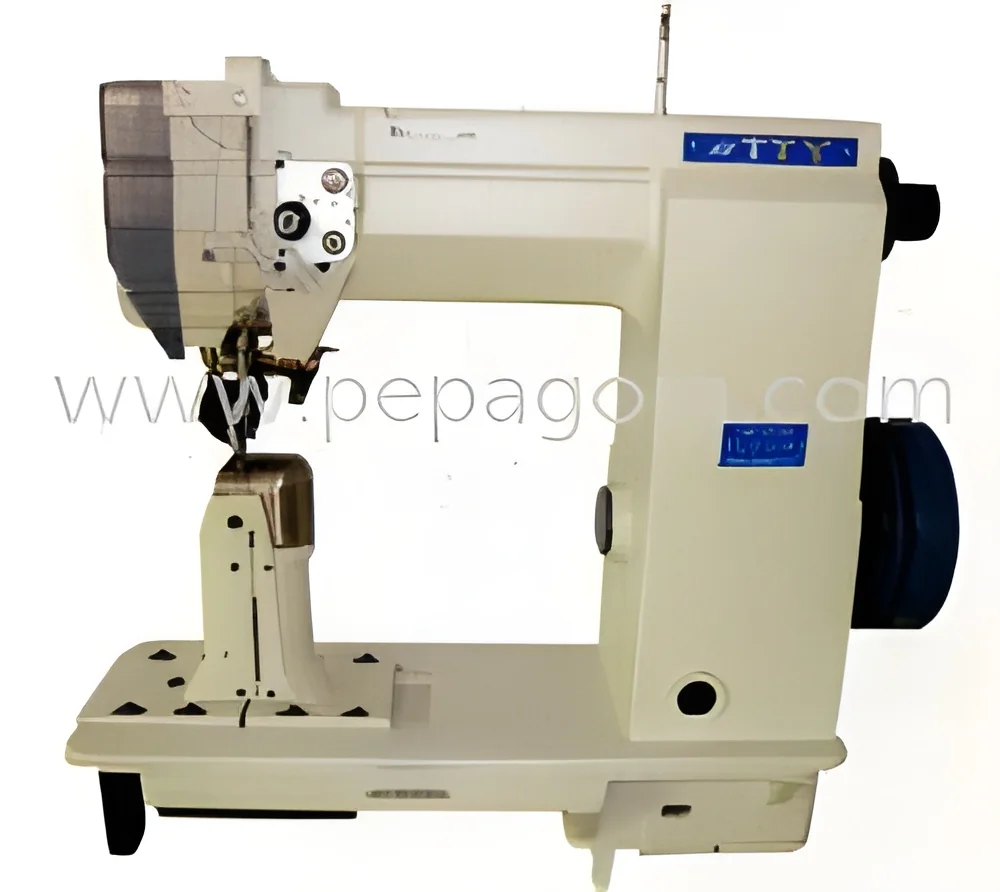
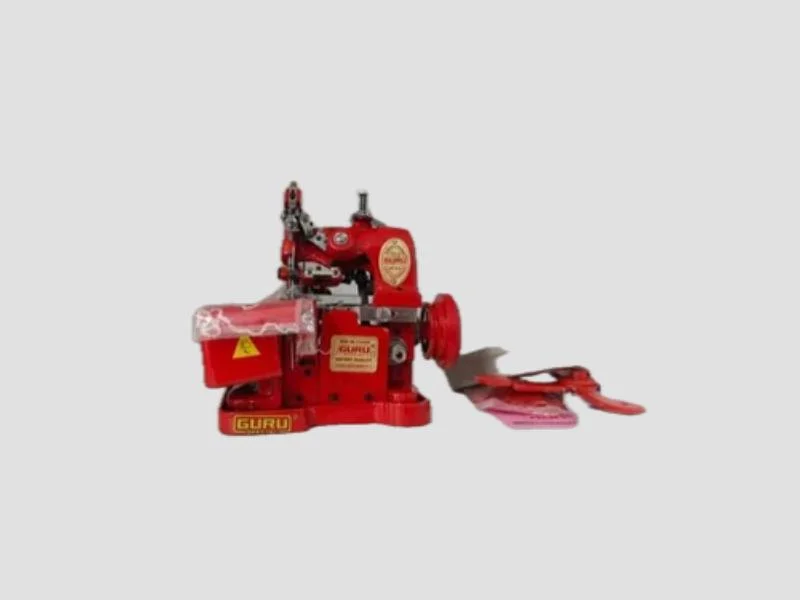
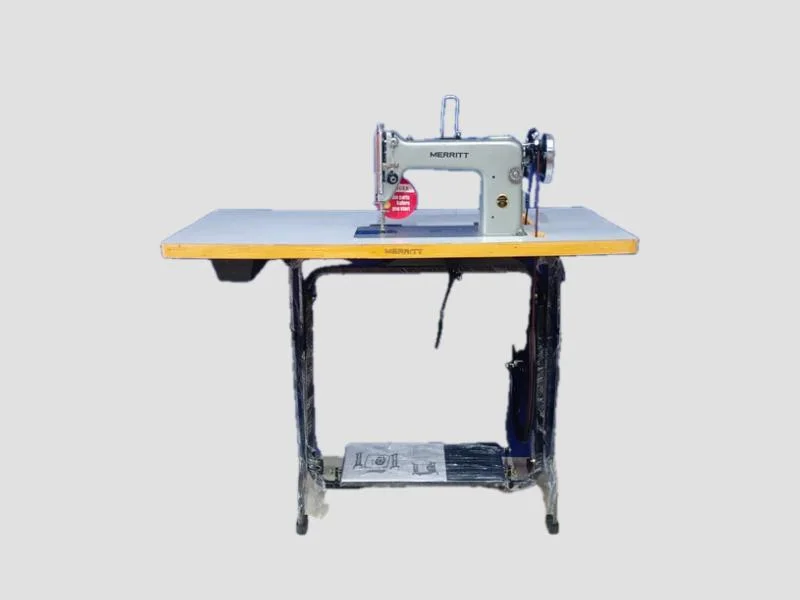
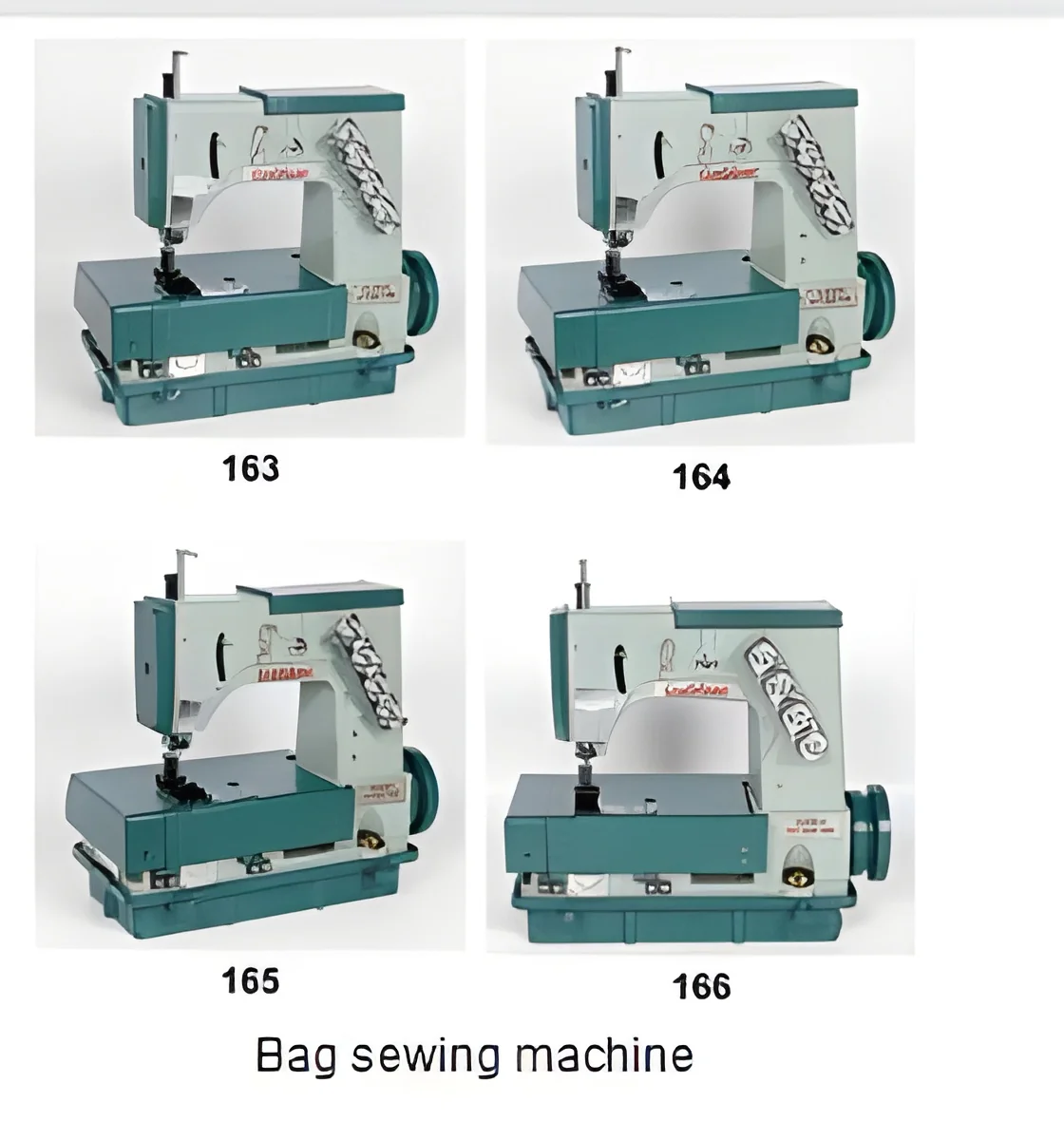
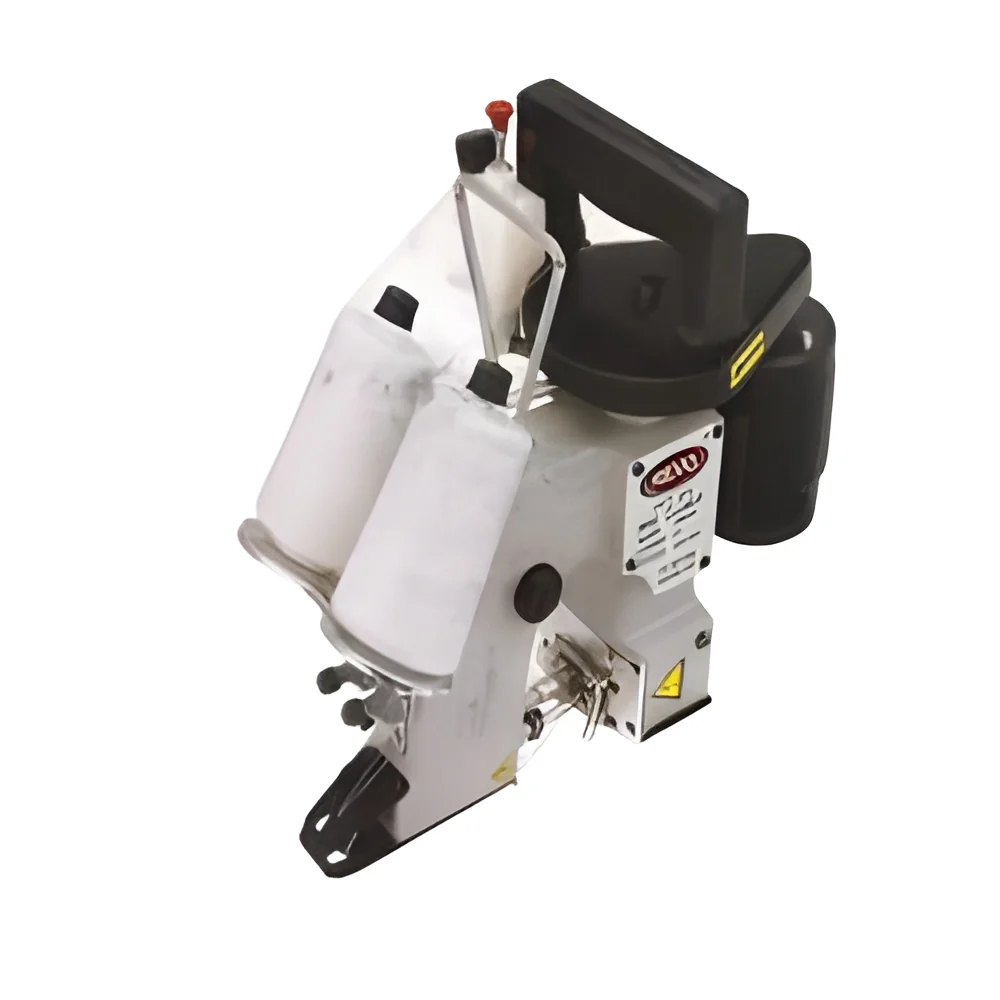
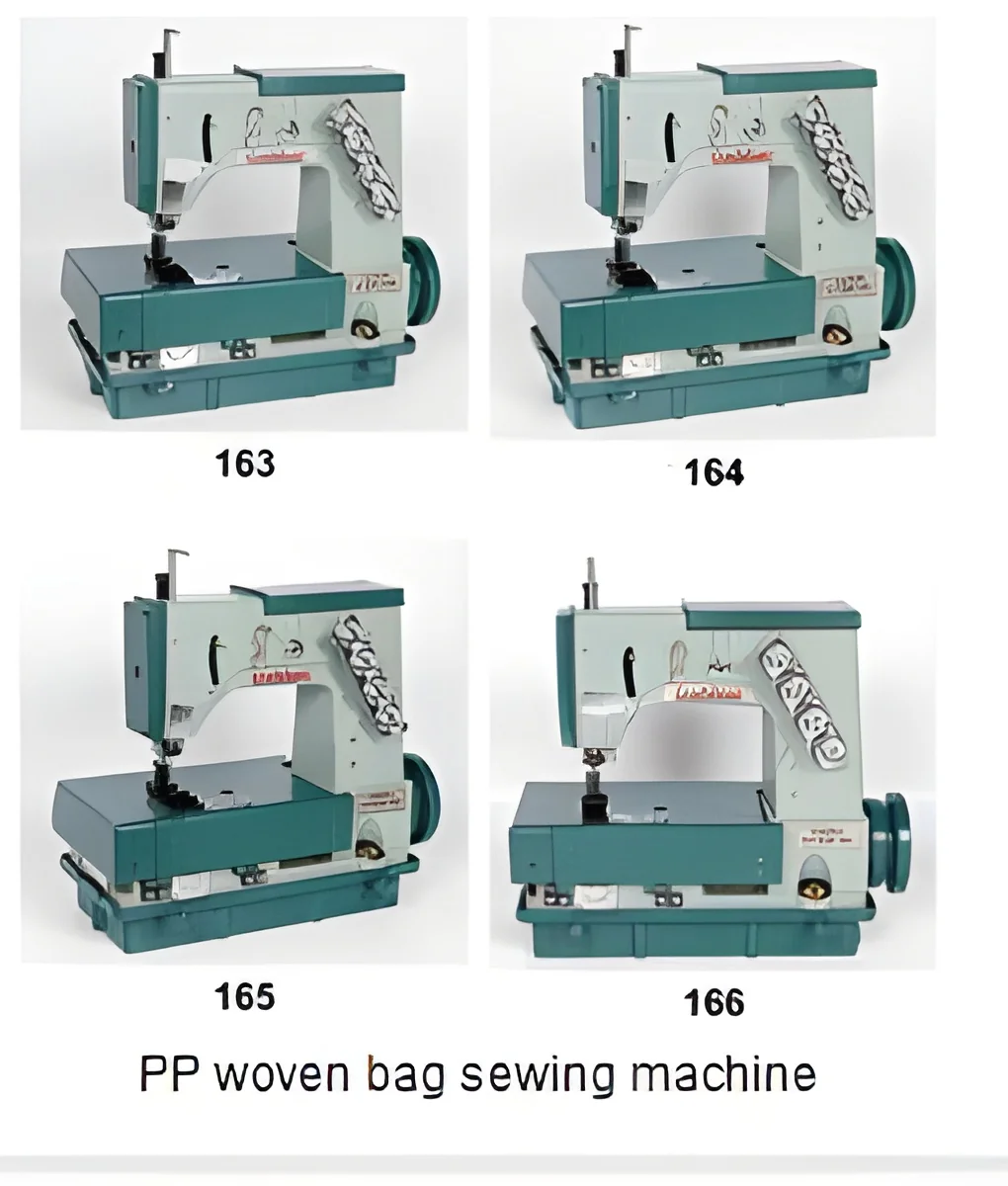
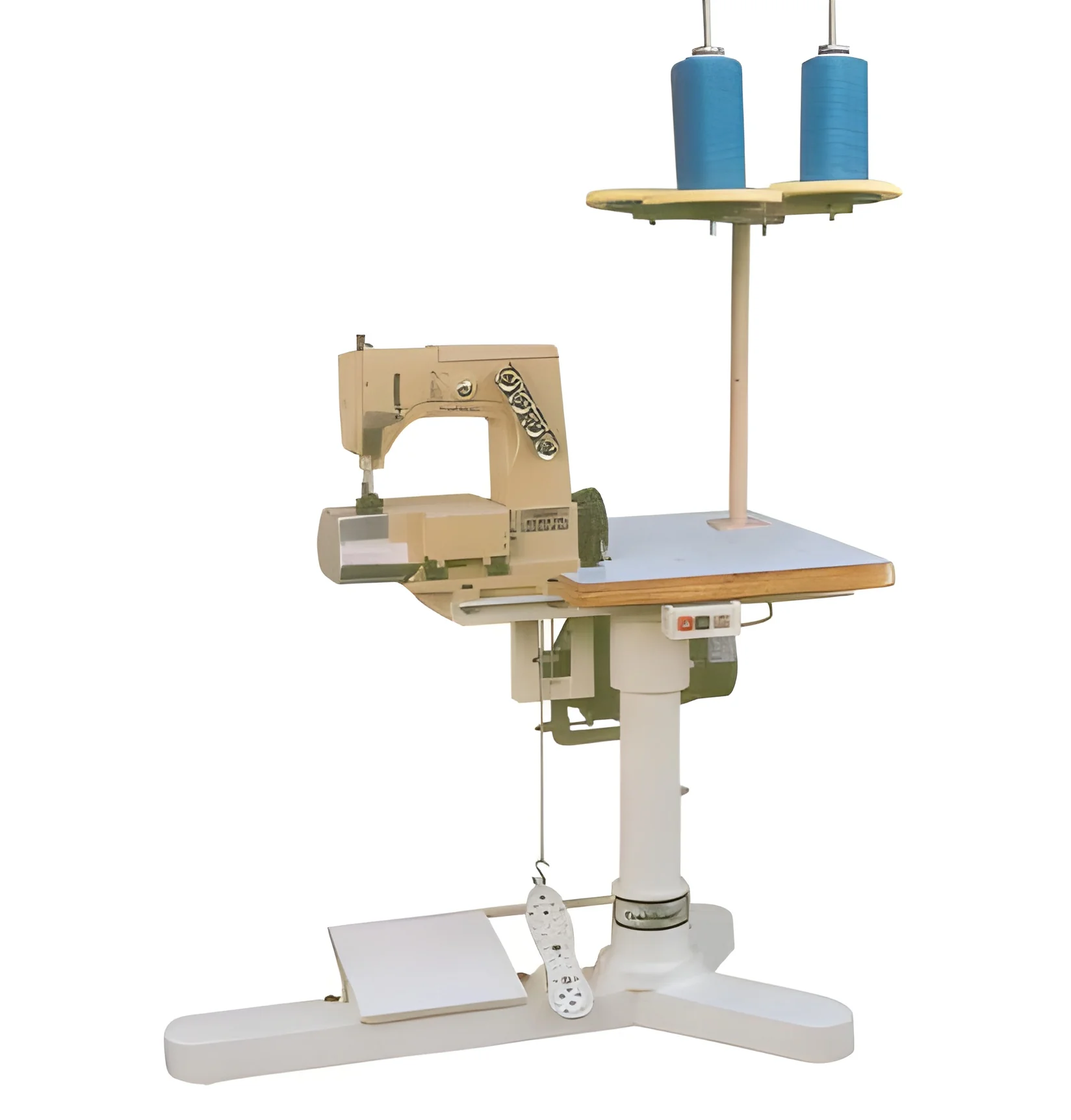
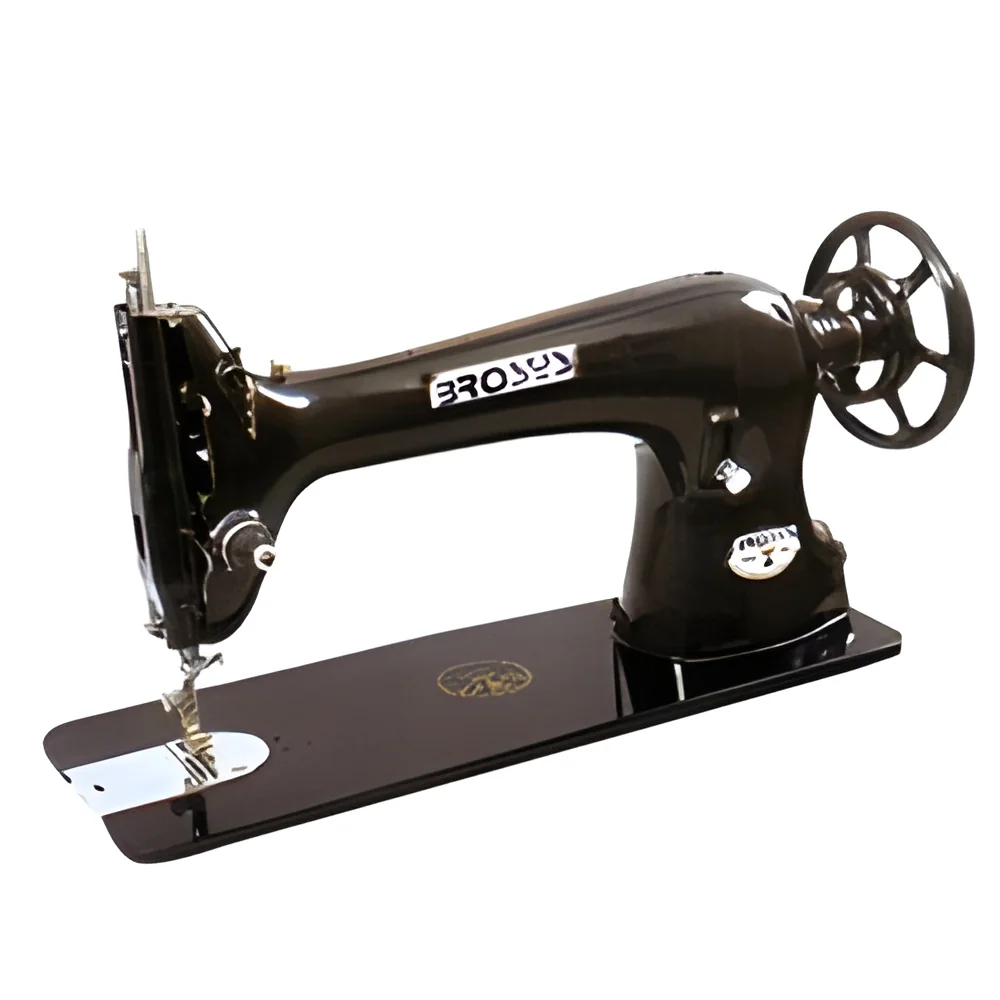
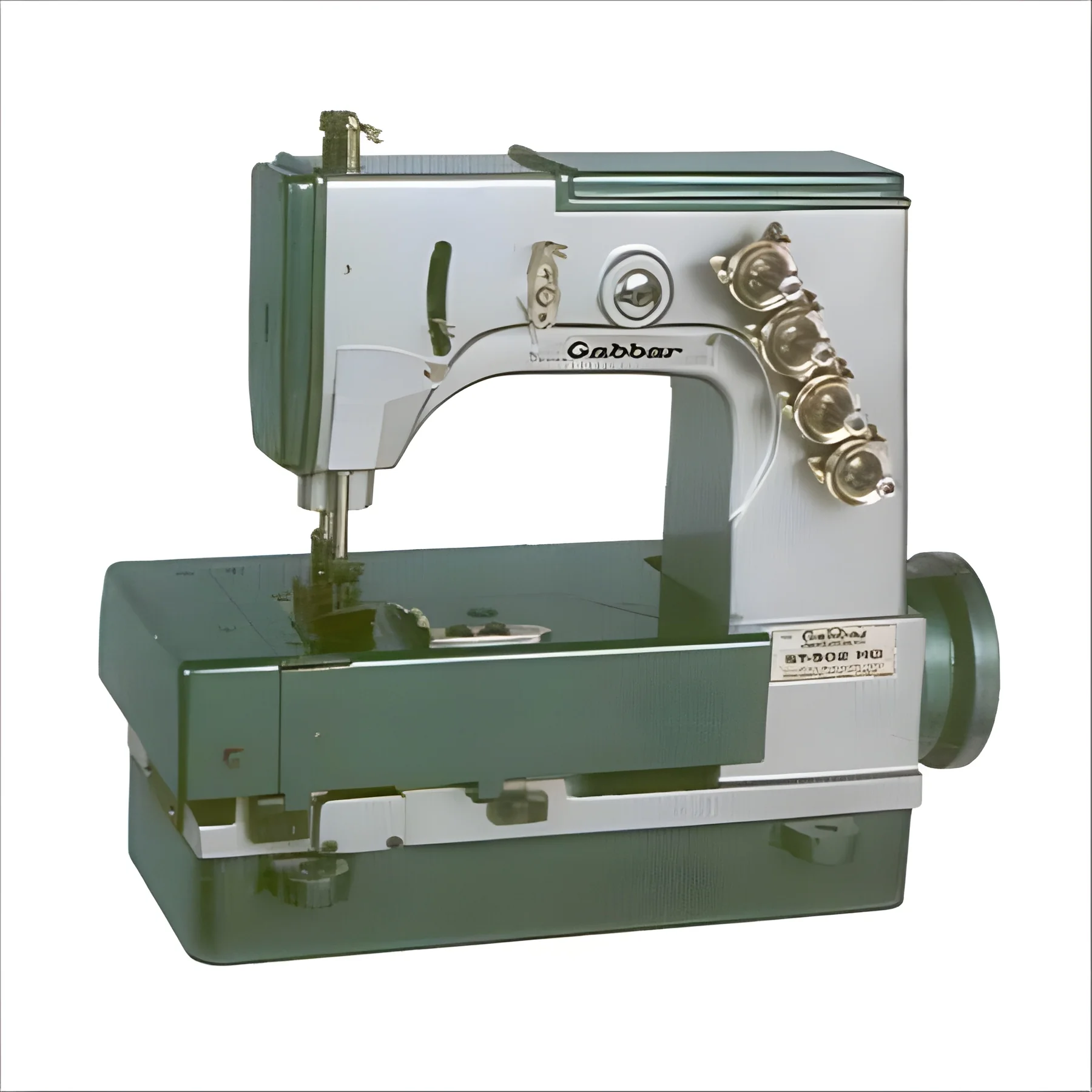
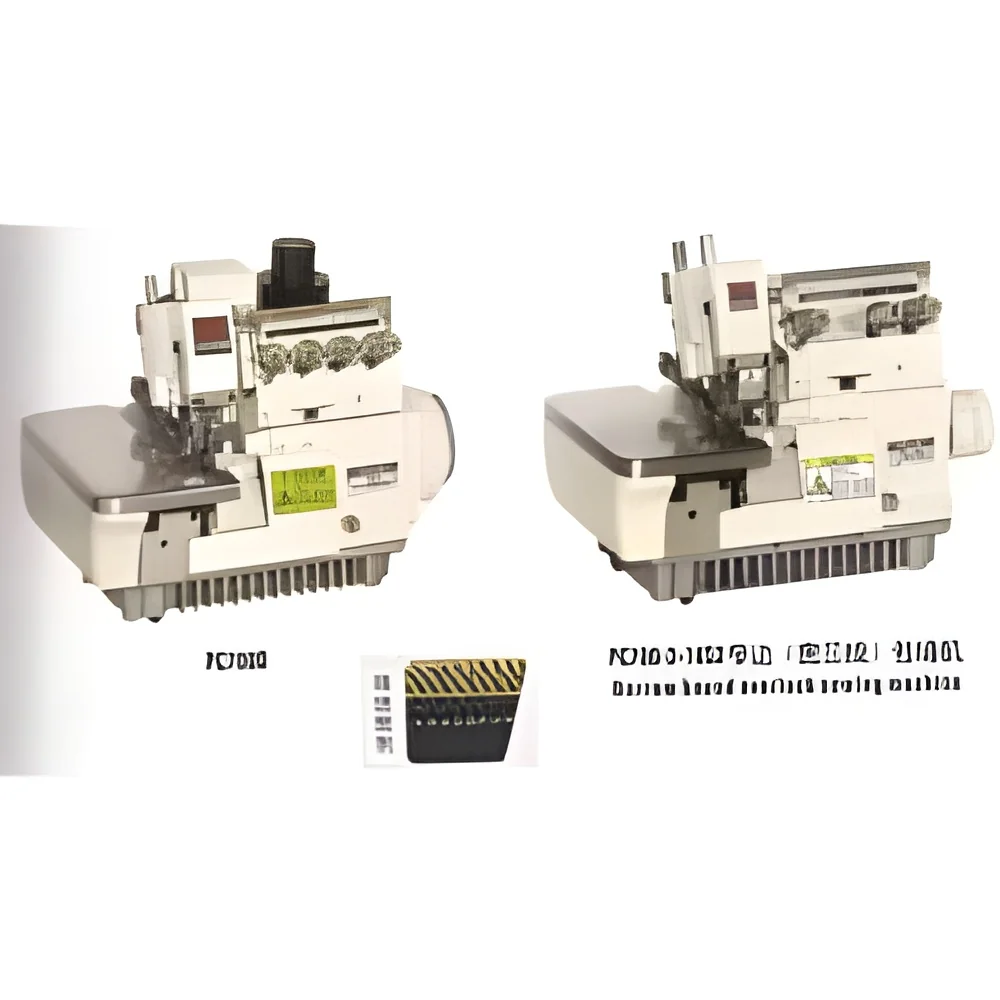
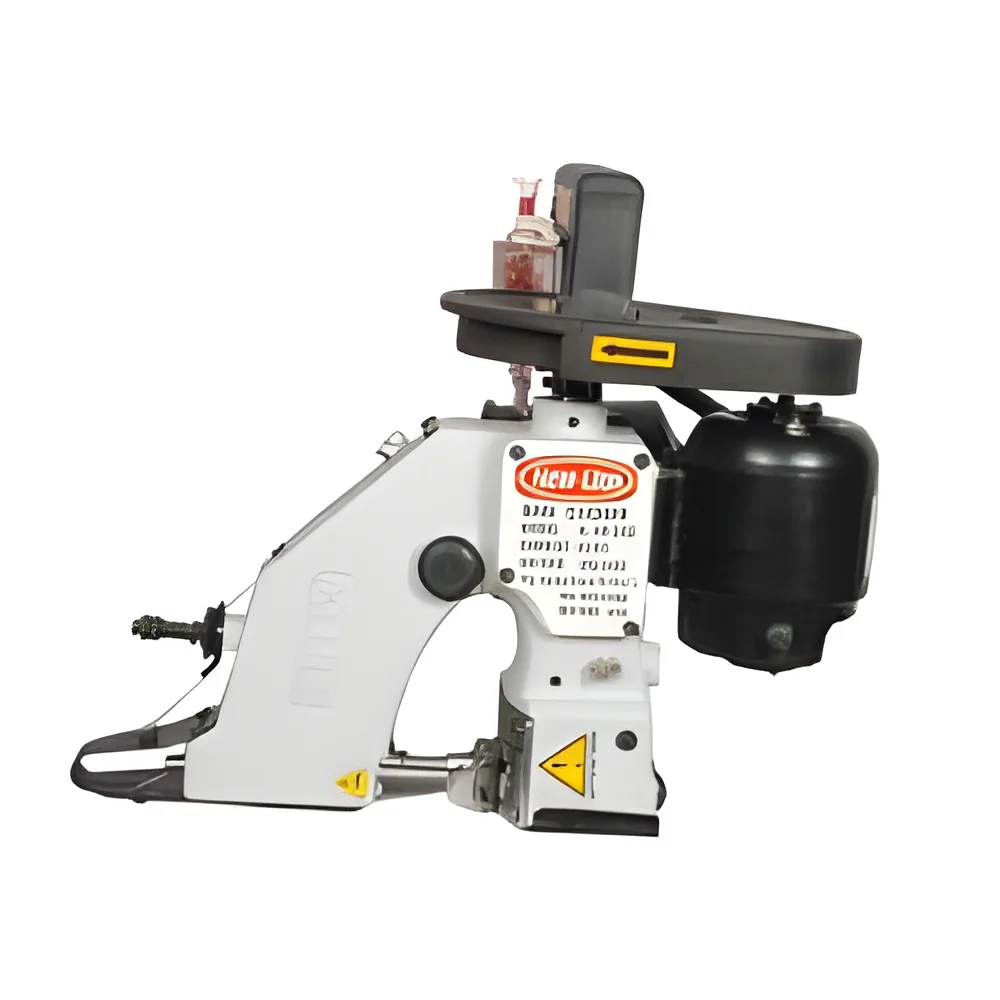
Industrial Sewing Machines: These machines are built for high-volume production, offering robust performance and durability. They often come with advanced features for specialized tasks like heavy fabric sewing.
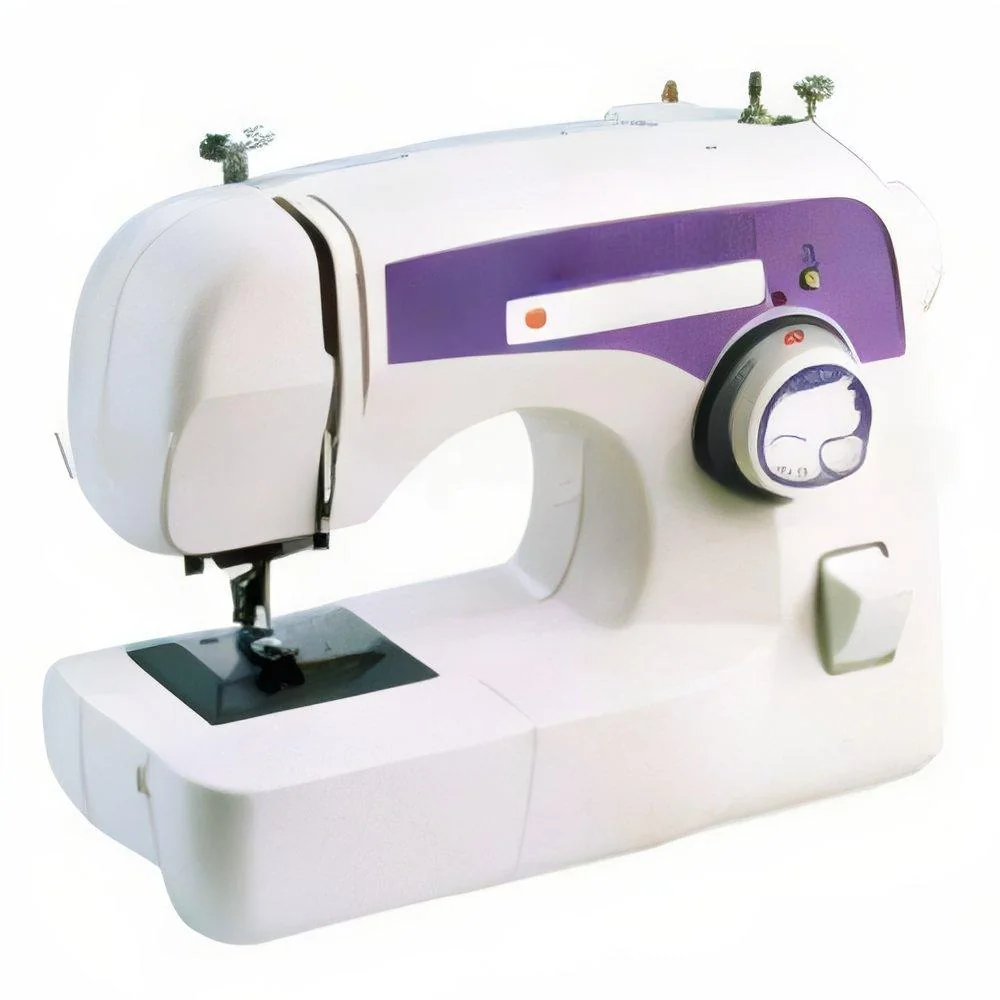
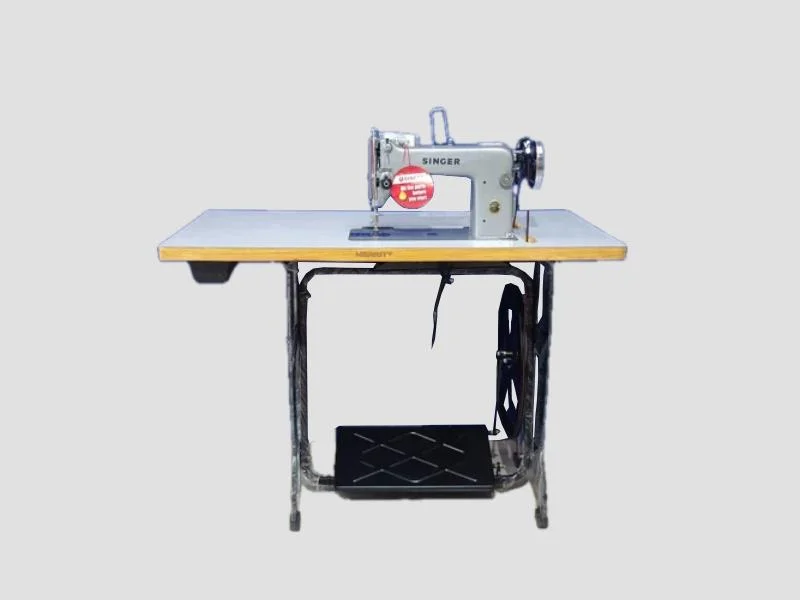
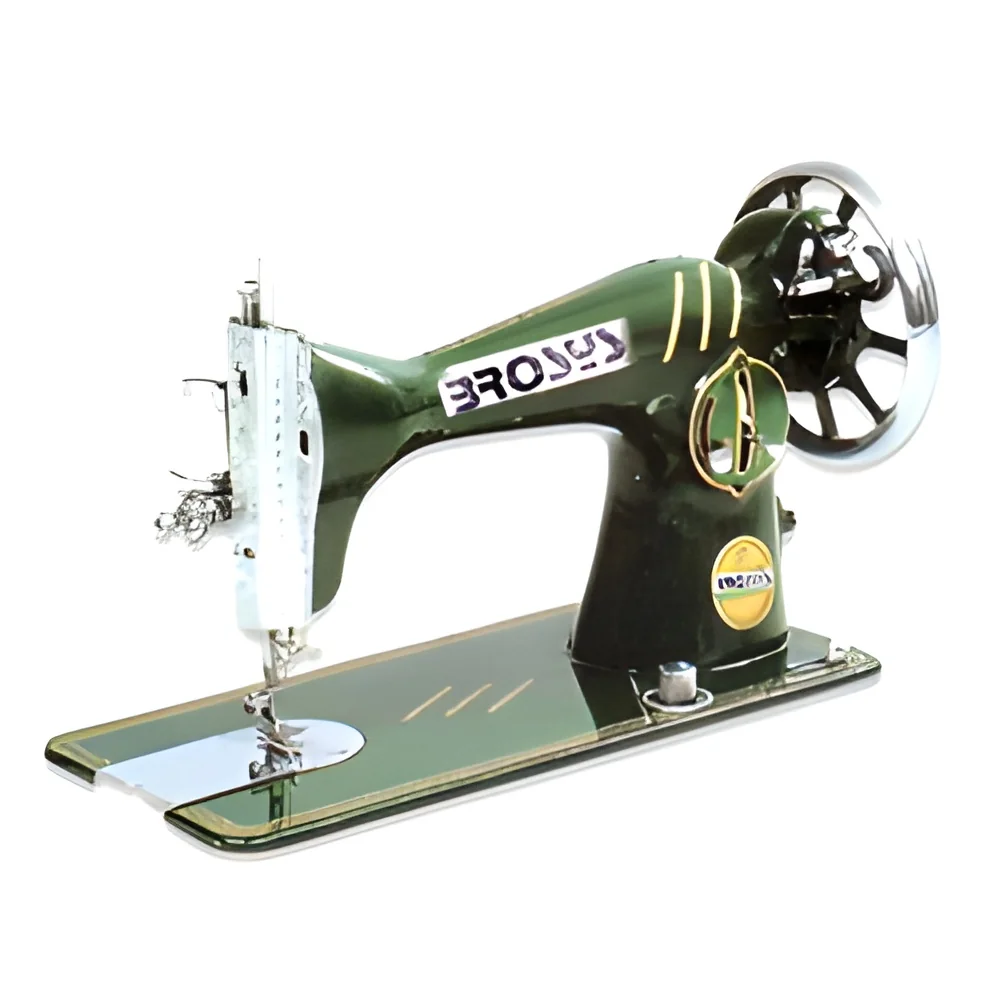
Domestic Sewing Machines: Ideal for home use, these machines are user-friendly and versatile, suitable for a wide range of sewing projects from simple mending to complex crafts.
Embroidery Machines: Specifically designed for adding decorative designs to fabrics, these machines often have built-in embroidery patterns and advanced software for customization.
Quilting Machines: Tailored for quilting enthusiasts, these machines offer features such as extended work areas and specialized quilting stitches.
𝗕𝗲𝗻𝗲𝗳𝗶𝘁𝘀 𝗮𝗻𝗱 𝗔𝗱𝘃𝗮𝗻𝘁𝗮𝗴𝗲𝘀
Investing in sewing machines brings numerous benefits to businesses.
1. Increased Efficiency: Sewing machines significantly speed up the sewing process, allowing for higher output in less time.
2. Consistent Quality: Automated stitching provides uniformity in seam quality, reducing the chances of human error associated with hand sewing.
3. Versatility: Modern machines can handle a variety of fabrics and sewing techniques, making them adaptable to different projects and industries.
4. Cost Savings: By improving productivity and reducing labor costs, sewing machines can lead to significant savings for businesses over time.
5. Enhanced Creativity: Advanced features enable users to explore creative designs and techniques, expanding product offerings and customization options.
6. User-Friendly Operations: Many modern sewing machines come equipped with intuitive controls and tutorials, making them accessible to a wide range of users.
𝗕𝘂𝘆𝗶𝗻𝗴 𝗚𝘂𝗶𝗱𝗲 𝗳𝗼𝗿 𝗕𝟮𝗕 𝗕𝘂𝘆𝗲𝗿𝘀
When sourcing sewing machines, it is important to consider several critical factors.
1. Quality Assessment: Evaluate the quality of machines by reviewing materials, durability, and user feedback. Machines that meet industry standards often provide better long-term performance.
2. Supplier Verification: Vet suppliers by checking their certifications, customer reviews, and industry reputation. This ensures you are dealing with reliable and trustworthy manufacturers.
3. Pricing and MOQ: Understand the pricing structure and minimum order quantities (MOQ) to plan your budget effectively. Compare different suppliers to find the best value for money.
4. Delivery and Lead Times: Discuss delivery options and lead times with suppliers to ensure timely receipt of equipment, which is crucial for maintaining production schedules.
5. Compliance Requirements: Be aware of local and international regulations that apply to sewing machines, including safety standards and environmental considerations.
𝗖𝗼𝗺𝗽𝗹𝗶𝗮𝗻𝗰𝗲 𝗮𝗻𝗱 𝗖𝗲𝗿𝘁𝗶𝗳𝗶𝗰𝗮𝘁𝗶𝗼𝗻𝘀
Sewing machines are subject to various quality standards and certifications to ensure safety and performance.
ISO 9001 is a quality management standard that ensures consistent quality in manufacturing processes. It emphasizes continuous improvement and customer satisfaction.
CE certification indicates that a product meets European safety, health, and environmental protection standards. This certification is crucial for machines sold in the European market.
Safety and testing requirements focus on ensuring that sewing machines operate safely and do not pose risks to users. Compliance with safety standards is essential for market acceptance.
Regional compliance considerations may vary based on local regulations and industry practices. Understanding these requirements is essential for businesses operating in multiple regions.
𝗪𝗵𝘆 𝗦𝗼𝘂𝗿𝗰𝗲 𝗦𝗲𝘄𝗶𝗻𝗴 𝗠𝗮𝗰𝗵𝗶𝗻𝗲𝘀 𝗳𝗿𝗼𝗺 𝗣𝗲𝗽𝗮𝗴𝗼𝗿𝗮?
Pepagora provides a trusted platform for sourcing sewing machines, offering several key advantages to buyers.
Verified Supplier Network: Pepagora connects buyers with a network of verified suppliers, ensuring that all listed manufacturers meet stringent quality and reliability standards. This helps buyers make informed decisions.
Streamlined RFQ Process: The Request for Quotation (RFQ) system simplifies the procurement process, allowing buyers to easily request quotes from multiple suppliers, facilitating competitive pricing and better negotiation.
Trade Assurance and Support: Pepagora offers trade assurance, providing buyers with protection throughout the purchasing process. This includes support for any issues that may arise during transactions.
Regional Coverage: With a strong presence in India, the GCC, and Southeast Asia, Pepagora ensures that buyers have access to a wide range of sewing machines and suppliers tailored to their regional needs, enhancing convenience and support.
Sewing machines are mechanical or electronic devices used to stitch fabric and other materials together using thread. They vary in design and functionality, catering to different sewing needs, from basic home sewing to industrial applications.
2
What are the different types of Sewing Machines?
There are several types of sewing machines, including mechanical, electronic, and computerized models. Additionally, industrial sewing machines are designed for high-volume production, while specialized machines exist for specific tasks such as quilting or embroidery.
3
How do I choose the right Sewing Machines?
When selecting a sewing machine, consider factors such as your sewing experience, the type of projects you intend to undertake, and available features. It's also essential to assess the machine's durability, ease of use, and maintenance requirements.
4
What are the standard specifications for Sewing Machines?
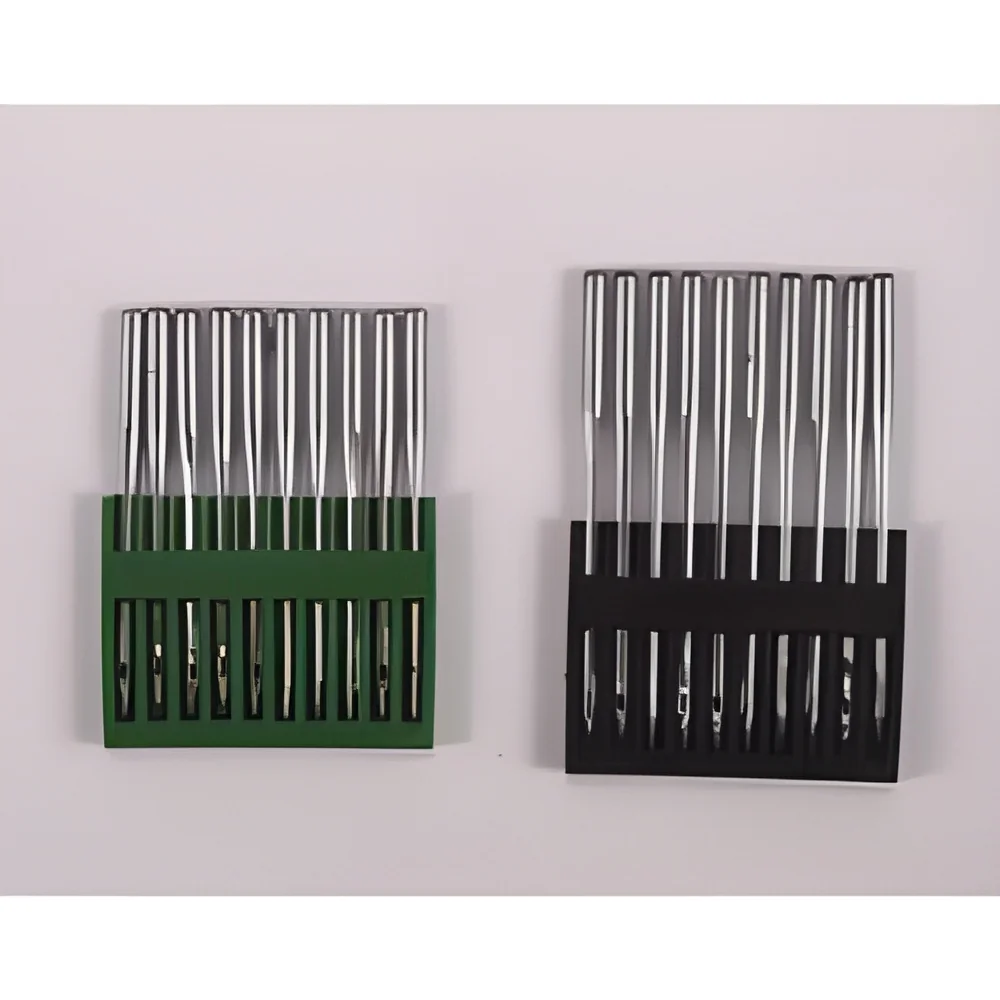
Standard specifications for sewing machines often include stitch types, speed (measured in stitches per minute), and needle types. Other important specifications can include the machine's weight, dimensions, and power consumption.
5
What is the price range for Sewing Machines?
The price of sewing machines can vary significantly based on type and features, ranging from affordable models priced around INR 5,000 to high-end industrial machines costing over INR 1,00,000. Budget and intended use will largely determine the suitable price range for your needs.
6
What quality standards apply to Sewing Machines?
Sewing machines are often subject to various quality standards, including ISO certifications, which ensure safety and reliability. Manufacturers may also adhere to specific industry standards that govern the materials and construction of the machines.
7
Where can I find Sewing Machines suppliers in India?
You can find sewing machine suppliers in India through B2B marketplaces like Pepagora, industry trade shows, or local manufacturing directories. Online searches and recommendations from industry professionals can also lead to reputable suppliers.
8
Can Sewing Machines be customized?
Yes, many sewing machine manufacturers offer customization options to meet specific needs, such as modifications for unique stitching patterns or additional features. Customization typically depends on the order size and manufacturer capabilities.
9
What is the typical minimum order quantity for Sewing Machines?
The minimum order quantity (MOQ) for sewing machines can vary by supplier and the type of machine being ordered. Generally, MOQs can range from a single unit for consumer models to larger quantities for industrial machines.
10
What is the typical lead time for Sewing Machines?
The lead time for sewing machines typically ranges from a few weeks to several months, depending on the manufacturer's production capacity and the complexity of the order. It's advisable to discuss lead times with suppliers prior to placing an order.
Why Businesses Trust Pepagora
Thousands of companies trust Pepagora to source smarter and sell faster
Expand Your Sales Globally
25000+Products listed.Get discovered by global buyers

 IN
IN