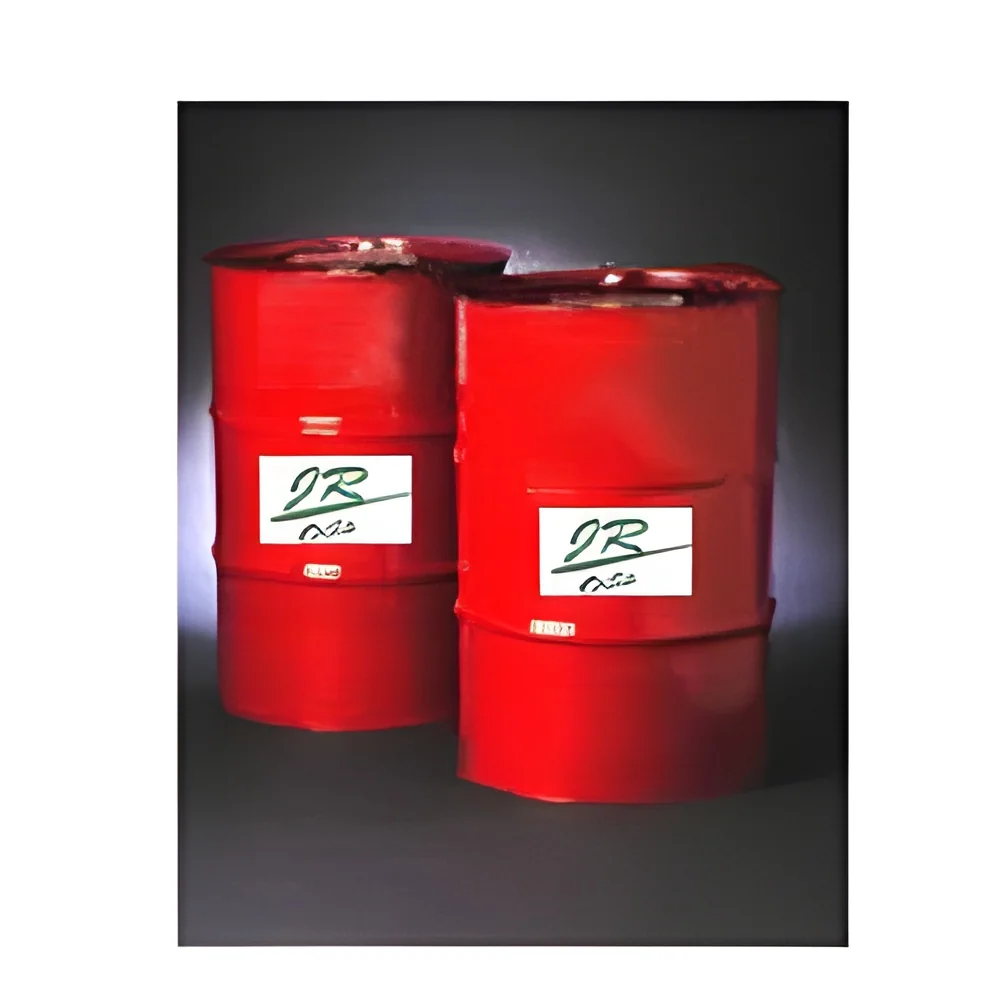
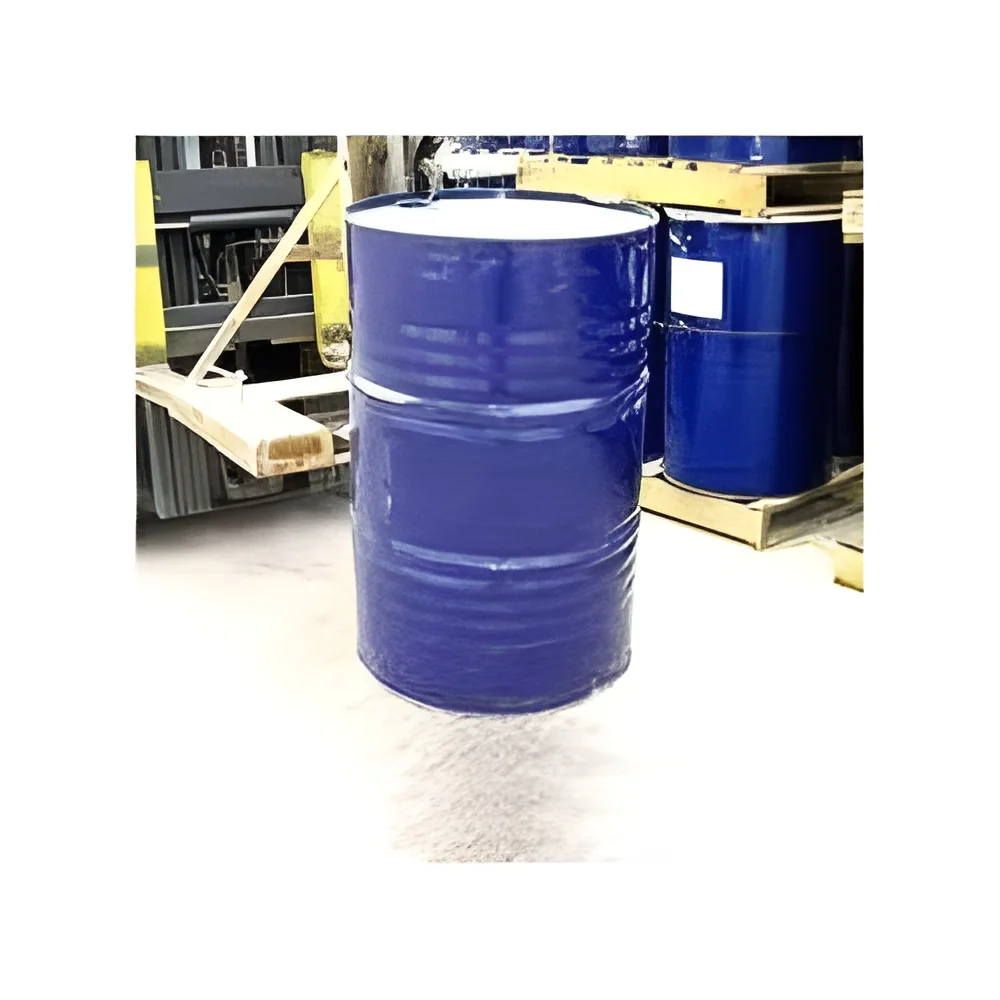
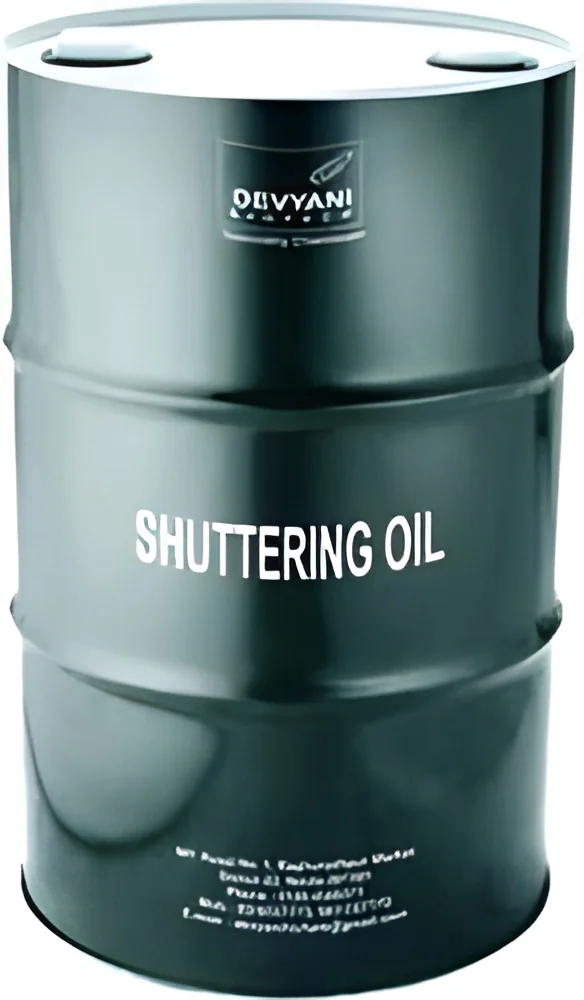
𝗪𝗵𝗮𝘁 𝗮𝗿𝗲 𝗦𝗵𝘂𝘁𝘁𝗲𝗿𝗶𝗻𝗴 𝗢𝗶𝗹?
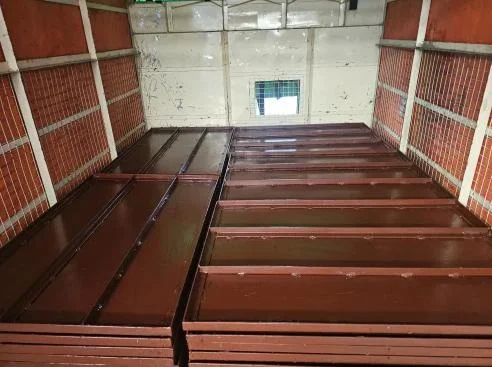
Shuttering oil is a specialized release agent used in the construction industry to prevent concrete from adhering to formwork. This oil creates a barrier between the concrete and the molds, ensuring that the forms can be easily removed after the concrete has set. It is essential for achieving a smooth, clean finish on concrete surfaces, as it helps to minimize surface defects and imperfections.
The primary applications of shuttering oil include its use in the construction of buildings, bridges, and precast concrete products. It is particularly valuable in projects that require precise dimensions and high-quality finishes. Shuttering oil is relevant across various sectors, including commercial, industrial, and residential construction, and is a critical component for contractors aiming for efficiency and quality in their projects.
𝗞𝗲𝘆 𝗙𝗲𝗮𝘁𝘂𝗿𝗲𝘀 𝗮𝗻𝗱 𝗦𝗽𝗲𝗰𝗶𝗳𝗶𝗰𝗮𝘁𝗶𝗼𝗻𝘀
Shuttering oil is characterized by several important features and specifications that enhance its performance in construction applications. Understanding these specifications helps buyers select the right product for their needs.
Key specifications include:
1. Release Properties
- Provides effective separation between concrete and formwork
- Ensures easy removal without damaging the surface
2. Application Method
- Can be applied using brushes, rollers, or spray systems
- Versatile application methods cater to different project requirements
3. Viscosity
- Typically has a low viscosity for easy application
- Ensures even coverage across surfaces
4. Drying Time
- Quick-drying formulation to minimize downtime
- Allows for faster project completion
5. Environmental Safety
- Formulated to be low in volatile organic compounds (VOCs)
- Complies with environmental regulations
6. Temperature Tolerance
- Suitable for a wide range of operating temperatures
- Ensures reliable performance in various climate conditions
7. Shelf Life
- Extended shelf life when stored properly
- Reduces waste and enhances cost-effectiveness
In summary, shuttering oil is designed to enhance the efficiency of concrete pouring while ensuring high-quality finishes. Its specific properties make it suitable for various construction applications.
𝗖𝗼𝗺𝗺𝗼𝗻 𝗔𝗽𝗽𝗹𝗶𝗰𝗮𝘁𝗶𝗼𝗻𝘀 𝗮𝗻𝗱 𝗨𝘀𝗲 𝗖𝗮𝘀𝗲𝘀
Shuttering oil serves various industries, highlighting its versatility and importance in construction.
1. Commercial Construction: In commercial projects, shuttering oil is used to create structures with precise finishes, such as office buildings and retail spaces. It helps contractors achieve high-quality results while speeding up the construction process.
2. Infrastructure Projects: For infrastructure works like bridges and highways, shuttering oil ensures that forms can be removed quickly and efficiently, allowing for timely project completion and minimal disruption.
3. Residential Construction: In residential building projects, shuttering oil is applied to ensure that concrete surfaces, like foundations and walls, are smooth and free from defects, enhancing the overall aesthetic appeal.
4. Precast Concrete Manufacturing: In precast facilities, shuttering oil is crucial for producing high-quality concrete elements. It allows for easy demolding of panels and beams, improving operational efficiency.
5. Decorative Concrete Applications: Shuttering oil is also used in decorative concrete projects, where a clean finish is essential for aesthetic purposes, such as in stamped or colored concrete.
6. Repair and Renovation: In repair work, shuttering oil aids in the application of new concrete over existing structures, ensuring a smooth transition and bond without surface imperfections.
𝗣𝗿𝗼𝗱𝘂𝗰𝘁 𝗩𝗮𝗿𝗶𝗮𝗻𝘁𝘀 𝗮𝗻𝗱 𝗦𝘂𝗯𝗰𝗮𝘁𝗲𝗴𝗼𝗿𝗶𝗲𝘀
Shuttering oil comes in various formulations to meet specific project needs.
Water-Based Shuttering Oil: This variant is environmentally friendly and is ideal for projects where low VOC emissions are a priority. It offers easy cleanup and minimizes environmental impact.
Mineral Oil-Based Shuttering Oil: This traditional variant provides excellent release properties and is suitable for a wide range of construction applications. It is known for its durability and effectiveness in demanding environments.
Synthetic Shuttering Oil: This formulation offers enhanced performance characteristics, such as improved release and resistance to weather conditions. It is often used in high-performance construction projects.
𝗕𝗲𝗻𝗲𝗳𝗶𝘁𝘀 𝗮𝗻𝗱 𝗔𝗱𝘃𝗮𝗻𝘁𝗮𝗴𝗲𝘀
Using shuttering oil provides several key advantages for construction projects.
1. Enhanced Surface Finish: Shuttering oil ensures a smooth and clean finish on concrete surfaces, reducing the need for additional finishing work.
2. Improved Efficiency: By facilitating easy removal of formwork, shuttering oil speeds up construction processes and minimizes downtime.
3. Cost-Effectiveness: The use of shuttering oil can lead to savings in labor and materials, as it reduces the likelihood of defects and the need for repairs.
4. Environmental Compliance: Many shuttering oils are formulated to meet environmental standards, making them a responsible choice for contractors.
5. Versatility: Shuttering oil is suitable for a wide range of applications, from residential to commercial projects, offering flexibility to builders.
6. Reduced Maintenance: The application of shuttering oil can lead to less wear and tear on formwork, extending its lifespan and reducing maintenance costs.
𝗕𝘂𝘆𝗶𝗻𝗴 𝗚𝘂𝗶𝗱𝗲 𝗳𝗼𝗿 𝗕𝟮𝗕 𝗕𝘂𝘆𝗲𝗿𝘀
When sourcing shuttering oil, it is essential for B2B buyers to consider several factors to ensure they select the right product.
1. Quality Assessment: Look for products that meet industry standards and have a proven track record of performance. Check for certifications that indicate compliance with quality benchmarks.
2. Supplier Verification: Vet potential suppliers to ensure they have a reliable reputation and can provide consistent product quality. Request references or reviews from other B2B clients.
3. Pricing and MOQ: Understand the pricing structure and minimum order quantities required by suppliers. This helps in budgeting and planning for procurement.
4. Delivery and Lead Times: Confirm delivery schedules and lead times to ensure that the shuttering oil arrives when needed for project timelines.
5. Compliance Requirements: Ensure that the product meets local and regional regulatory requirements, which can vary by location and project type.
𝗖𝗼𝗺𝗽𝗹𝗶𝗮𝗻𝗰𝗲 𝗮𝗻𝗱 𝗖𝗲𝗿𝘁𝗶𝗳𝗶𝗰𝗮𝘁𝗶𝗼𝗻𝘀
Shuttering oil must adhere to various quality standards and certifications to ensure safety and effectiveness in construction applications. Relevant standards include ISO 9001, which focuses on quality management systems, and CE certification, indicating conformity with European health, safety, and environmental protection standards.
Additionally, products may need to comply with safety and testing requirements that ensure they are safe for use in construction environments. Regional compliance considerations should also be taken into account, as different areas may have specific regulations regarding the use and disposal of construction chemicals.
𝗪𝗵𝘆 𝗦𝗼𝘂𝗿𝗰𝗲 𝗦𝗵𝘂𝘁𝘁𝗲𝗿𝗶𝗻𝗴 𝗢𝗶𝗹 𝗳𝗿𝗼𝗺 𝗣𝗲𝗽𝗮𝗴𝗼𝗿𝗮?
Pepagora is a trusted platform for sourcing shuttering oil, offering several key advantages to B2B buyers.
Verified Supplier Network: Pepagora connects buyers with a network of verified suppliers, ensuring quality and reliability in sourcing shuttering oil. Buyers can have confidence in the products offered through the platform.
Streamlined RFQ Process: The platform simplifies the request for quotation (RFQ) process, allowing buyers to receive competitive quotes from multiple suppliers efficiently. This helps in making informed purchasing decisions.
Trade Assurance and Support: Pepagora provides trade assurance and support to buyers, offering protection during transactions and assistance in resolving any issues that may arise.
Regional Coverage: With a broad geographic reach across India, GCC, and Southeast Asia, Pepagora enables buyers to access shuttering oil suppliers that can meet their specific regional needs. This ensures timely delivery and local compliance.
Shuttering Oil is a type of release agent used in construction to prevent concrete from sticking to formwork or molds. It creates a barrier between the concrete and the shuttering material, ensuring smooth removal of the formwork without damaging the concrete surface.
2
What are the different types of Shuttering Oil?
There are primarily two types of Shuttering Oil: water-based and mineral oil-based. Water-based oils are eco-friendly and easier to clean, while mineral oil-based oils offer better performance in terms of release and durability.
3
How do I choose the right Shuttering Oil?
Choosing the right Shuttering Oil depends on several factors including the type of concrete being used, the formwork material, and the environmental conditions. It is advisable to consult with suppliers or manufacturers to identify the most suitable product for your specific application.
4
What are the standard specifications for Shuttering Oil?
Standard specifications for Shuttering Oil typically include viscosity, density, and flash point. Additionally, the oil should meet performance criteria for release efficiency and environmental safety, as per industry standards.
5
What is the price range for Shuttering Oil?
The price of Shuttering Oil varies based on its type, quality, and supplier. Generally, the price can range from INR 50 to INR 200 per liter, depending on the brand and specifications.
6
What quality standards apply to Shuttering Oil?
Shuttering Oil must comply with quality standards set by organizations such as the Bureau of Indian Standards (BIS) and the American Society for Testing and Materials (ASTM). These standards ensure the oil's effectiveness, safety, and environmental compliance.
7
Where can I find Shuttering Oil suppliers in India?
You can find Shuttering Oil suppliers in India through online marketplaces like Pepagora, trade directories, and local construction supply stores. It is advisable to check supplier credentials and product reviews before making a purchase.
8
Can Shuttering Oil be customized?
Yes, some manufacturers offer customization options for Shuttering Oil to meet specific project requirements. This may include adjustments in viscosity, formulation, or packaging based on customer needs.
9
What is the typical minimum order quantity for Shuttering Oil?
The typical minimum order quantity (MOQ) for Shuttering Oil can vary by supplier but generally ranges from 100 liters to 1000 liters. It is best to check with individual suppliers for their specific MOQ policies.
10
What is the typical lead time for Shuttering Oil?
The typical lead time for Shuttering Oil orders can range from 3 to 10 business days, depending on the supplier's inventory and location. For customized orders, lead times may be longer.
Why Businesses Trust Pepagora
Thousands of companies trust Pepagora to source smarter and sell faster
Expand Your Sales Globally
25000+Products listed.Get discovered by global buyers

 IN
IN