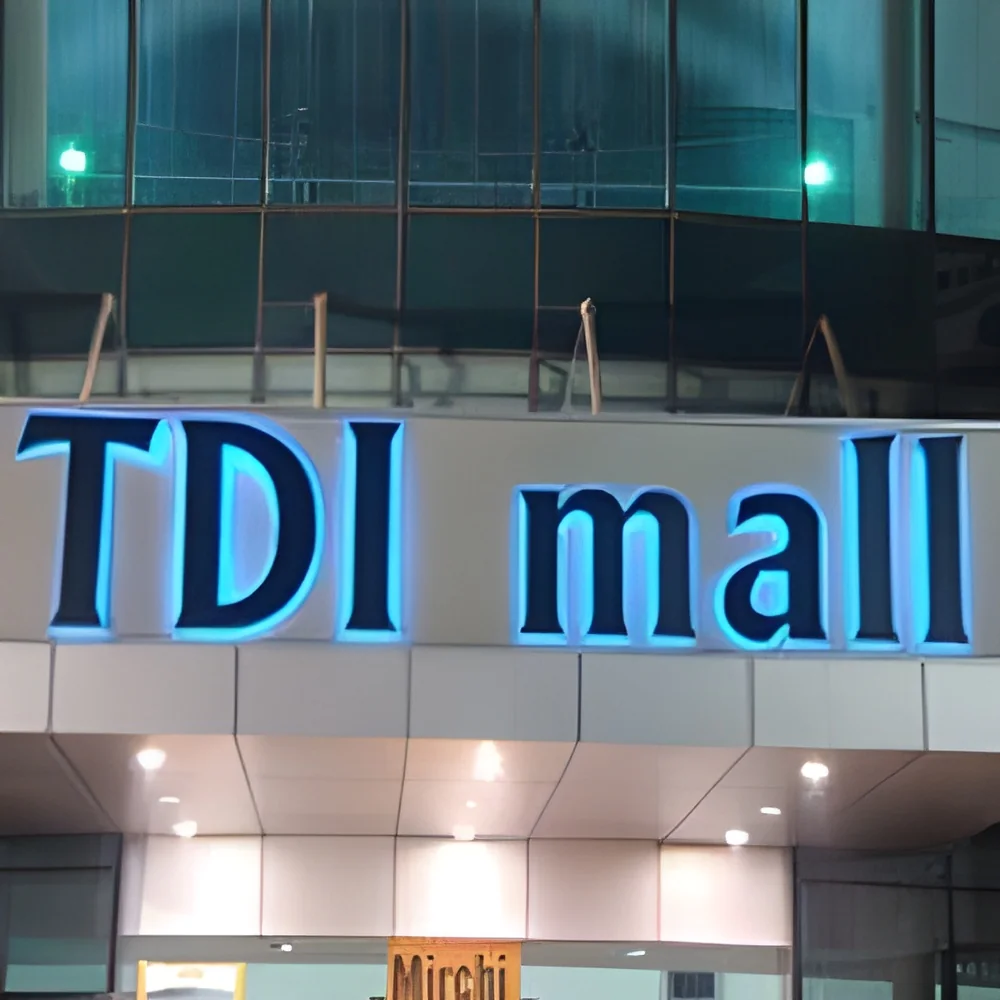
𝗪𝗵𝗮𝘁 𝗮𝗿𝗲 𝗦𝗶𝗴𝗻𝗮𝗴𝗲𝘀 & 𝗕𝗿𝗮𝗻𝗱𝗶𝗻𝗴 𝗘𝗹𝗲𝗺𝗲𝗻𝘁𝘀?
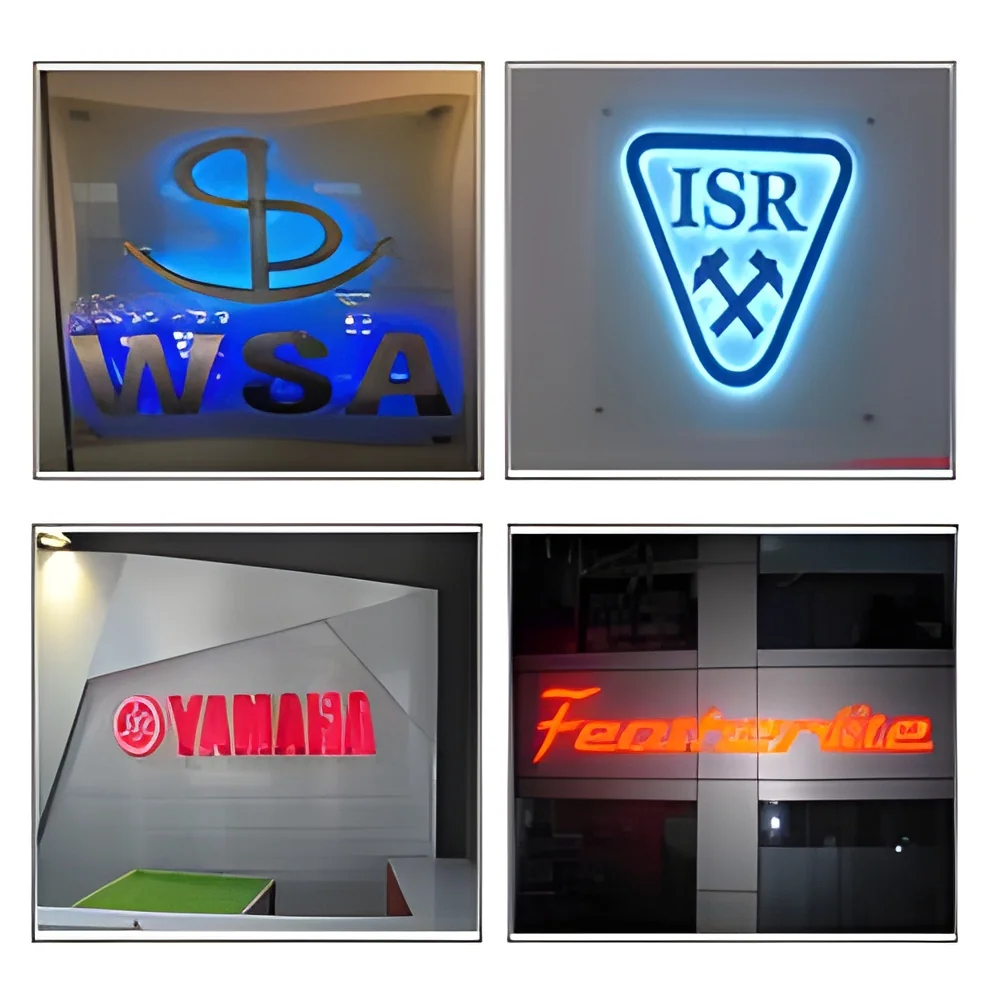
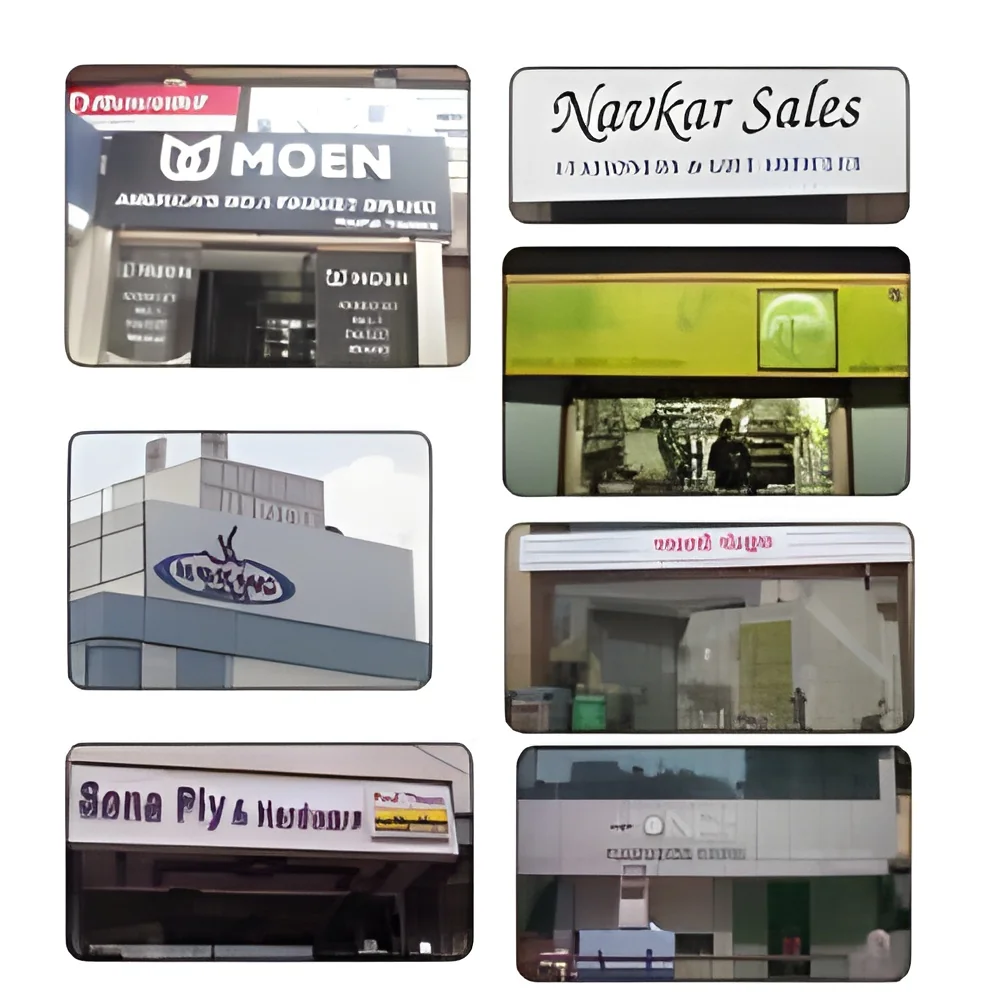
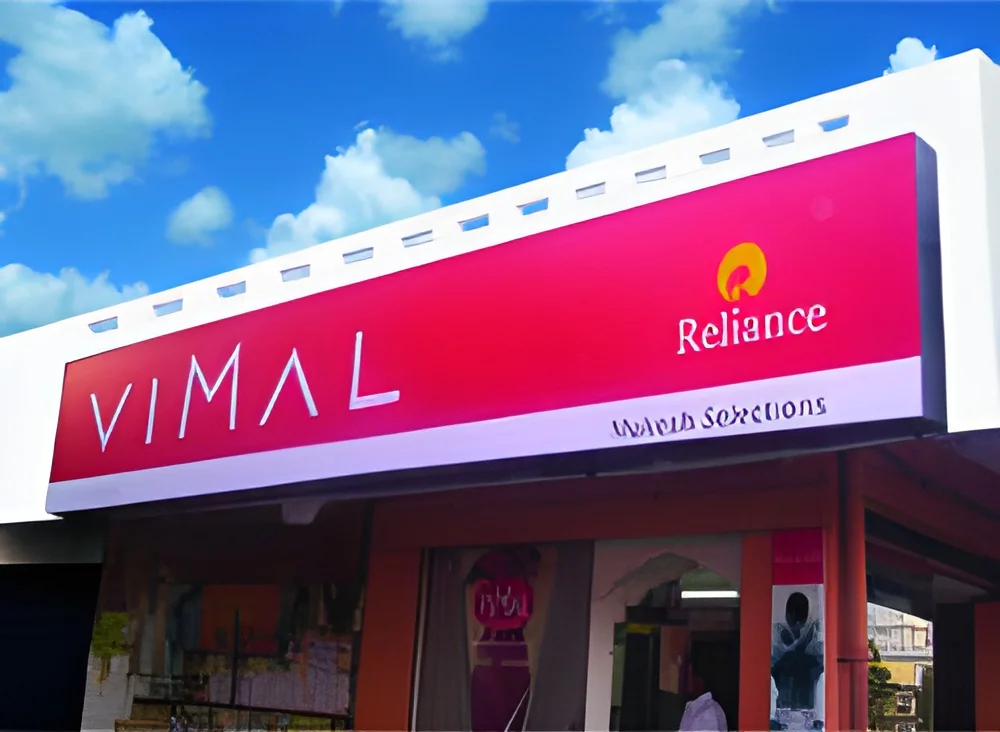
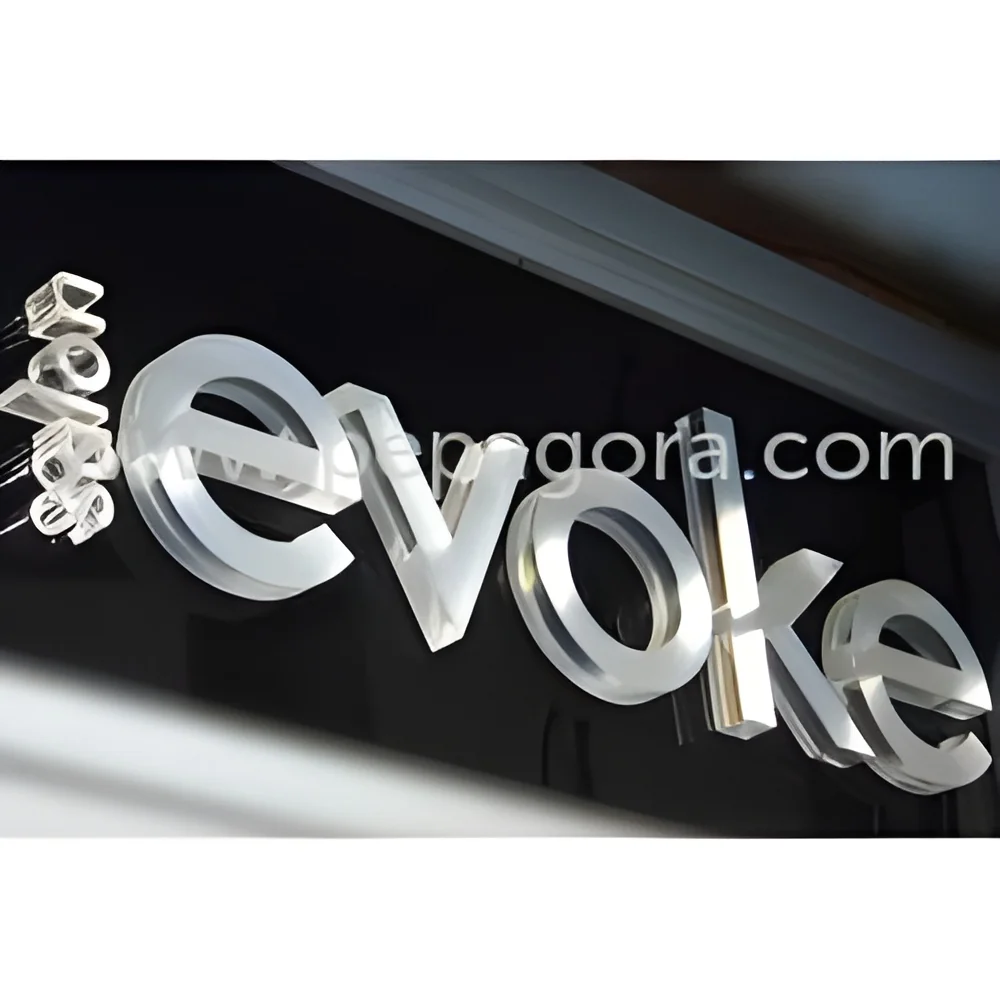
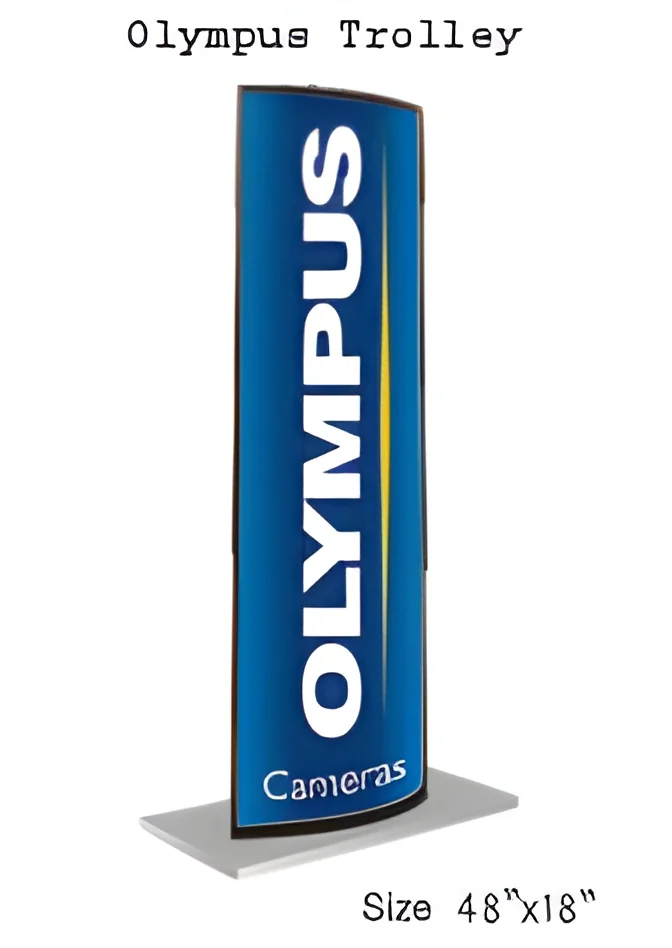
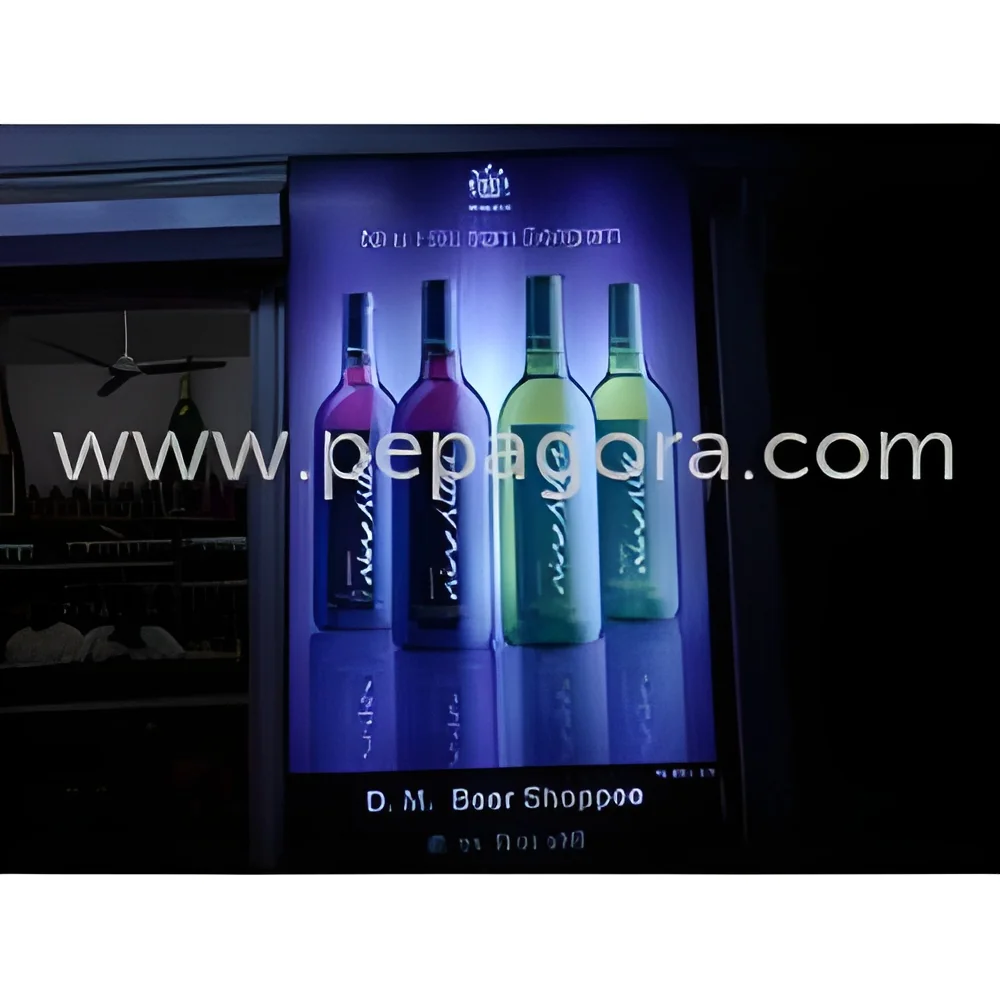
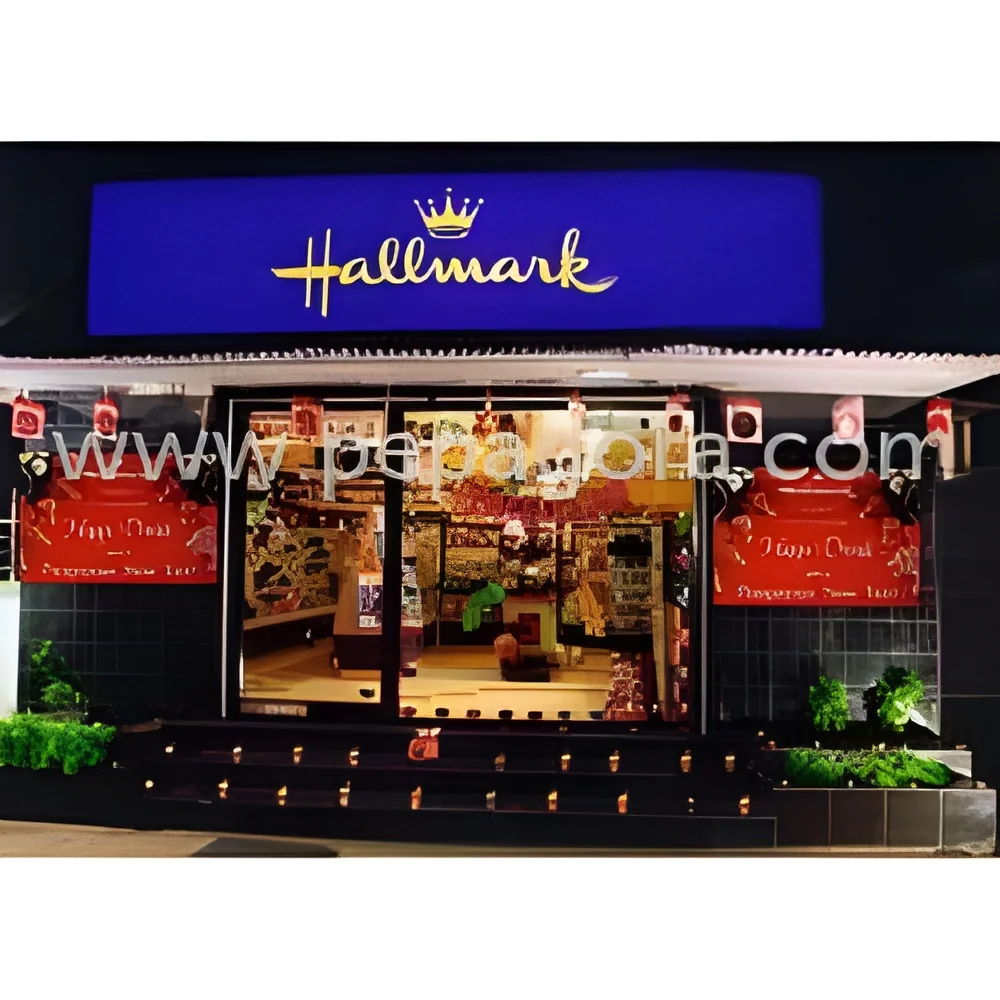
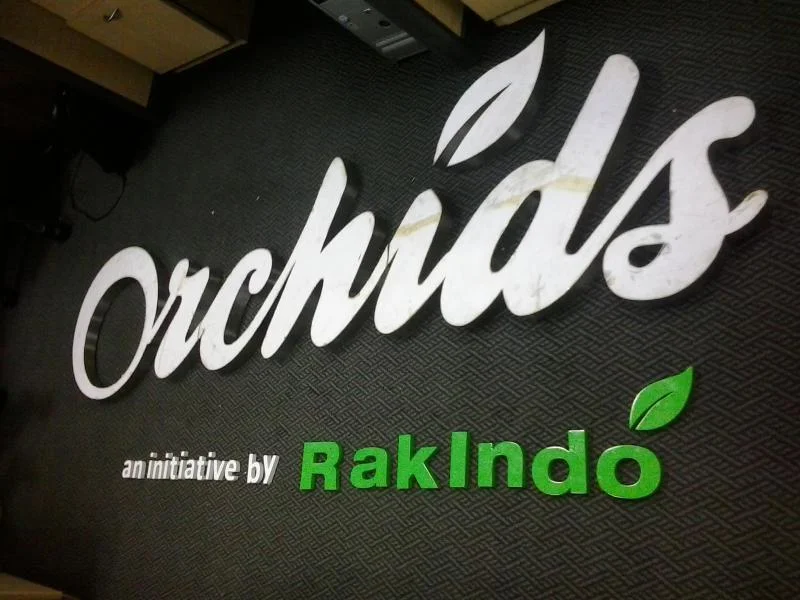
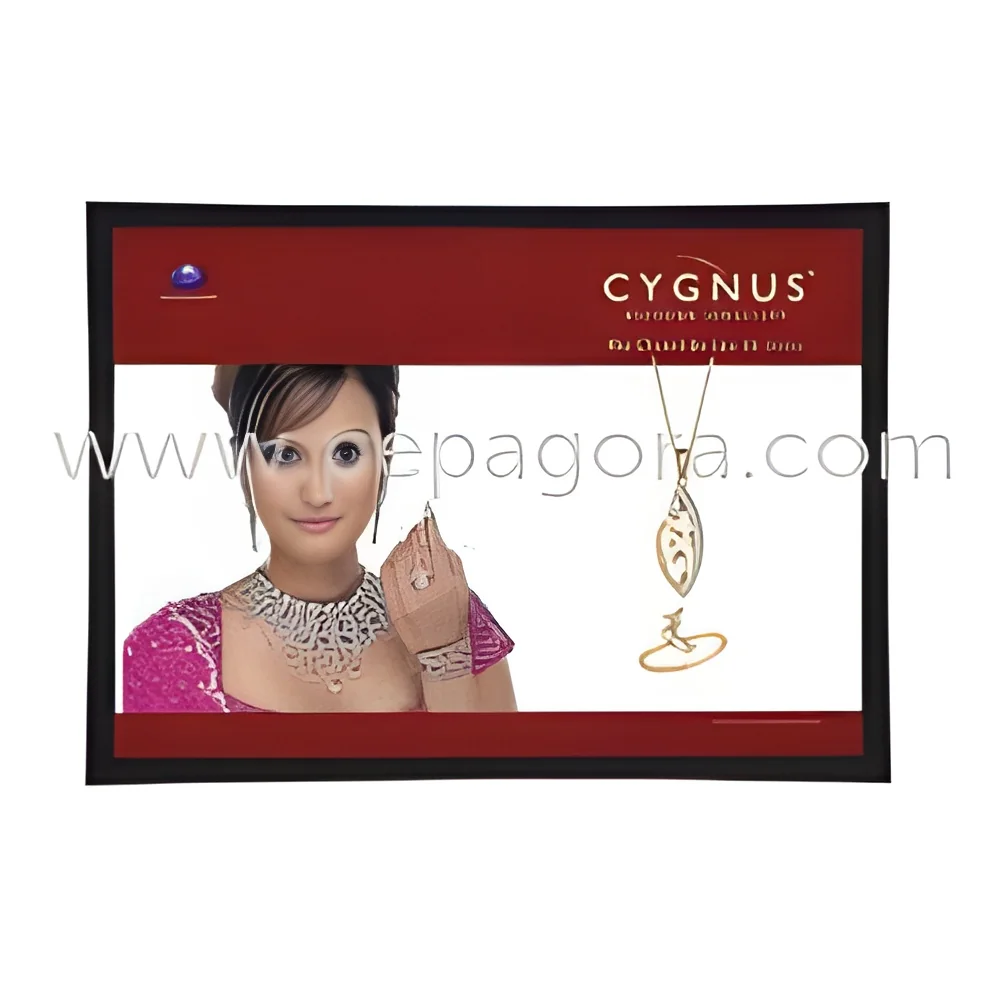
Signages and branding elements are essential visual components used to communicate messages, directions, and brand identity in various environments. They encompass a wide range of products, including banners, posters, wayfinding signs, and digital displays. These elements are designed to capture attention, convey information, and enhance the overall brand presence of a business. By utilizing creative designs and strategic placements, signages serve not only to inform but also to engage and influence customer behavior.
The primary uses of signages and branding elements include marketing, navigation, and safety. In commercial spaces, they guide customers through the environment, helping them locate products and services. Additionally, branding elements reinforce brand recognition and loyalty by creating a consistent and appealing visual identity. Businesses across multiple sectors, such as retail, hospitality, and healthcare, rely on effective signages and branding elements to enhance customer experiences and drive engagement.
In the context of the market, the demand for innovative signages and branding elements continues to grow as businesses seek to differentiate themselves in competitive landscapes. With advancements in digital technology, businesses are increasingly incorporating dynamic signage solutions that can be updated in real-time, making them relevant and engaging for consumers.
𝗞𝗲𝘆 𝗙𝗲𝗮𝘁𝘂𝗿𝗲𝘀 𝗮𝗻𝗱 𝗦𝗽𝗲𝗰𝗶𝗳𝗶𝗰𝗮𝘁𝗶𝗼𝗻𝘀
Signages and branding elements come with a variety of features tailored to meet diverse business needs. Understanding these specifications is crucial for selecting the right products.
Key specifications include:
1. Material Quality
- Durable materials such as vinyl, acrylic, and metal are commonly used.
- Resistance to weather conditions and wear varies by material choice.
2. Size Options
- Dimensions can range from small labels to large outdoor billboards.
- Custom sizes are often available to suit specific requirements.
3. Print Quality
- High-resolution printing ensures clarity and vibrancy of colors.
- UV-resistant inks extend the lifespan of outdoor signage.
4. Mounting Options
- Signages can be mounted in various ways, including wall-mounted, freestanding, or hanging.
- Flexibility in mounting enhances visibility and accessibility.
5. Customization Capabilities
- Many products offer options for personalized designs and branding elements.
- Custom graphics or logos can be incorporated to enhance brand identity.
6. Lighting Features
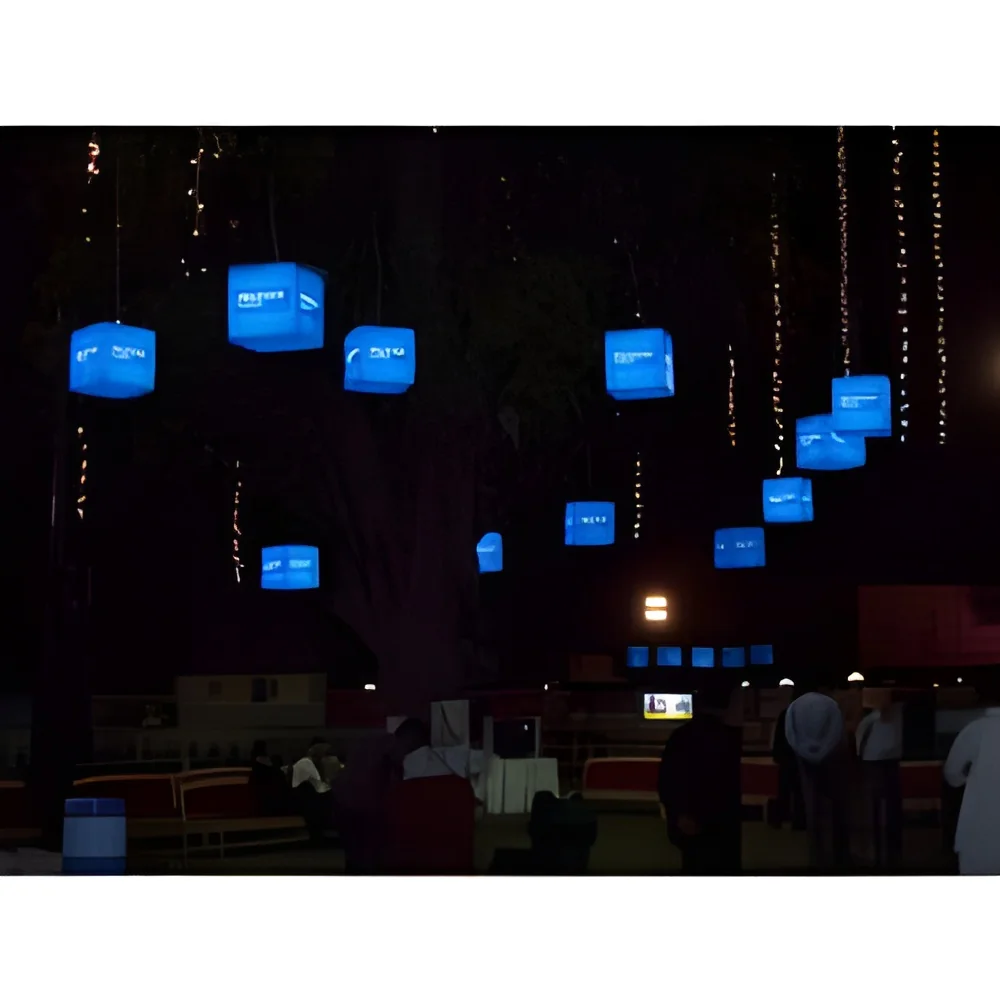
- Some signages are illuminated to improve visibility in low-light conditions.
- Options for LED integration provide energy efficiency and aesthetic appeal.
7. Compliance with Standards
- Signages may need to adhere to local regulations for safety and visibility.
- Compliance ensures that businesses meet industry requirements.
8. Installation Services
- Professional installation may be available to ensure optimal placement.
- Support during installation contributes to the longevity and effectiveness of signages.
In summary, understanding the features and specifications of signages and branding elements is essential for businesses to create effective communication tools that resonate with their target audience.
𝗖𝗼𝗺𝗺𝗼𝗻 𝗔𝗽𝗽𝗹𝗶𝗰𝗮𝘁𝗶𝗼𝗻𝘀 𝗮𝗻𝗱 𝗨𝘀𝗲 𝗖𝗮𝘀𝗲𝘀
Signages and branding elements are employed across various industries, each with unique applications.
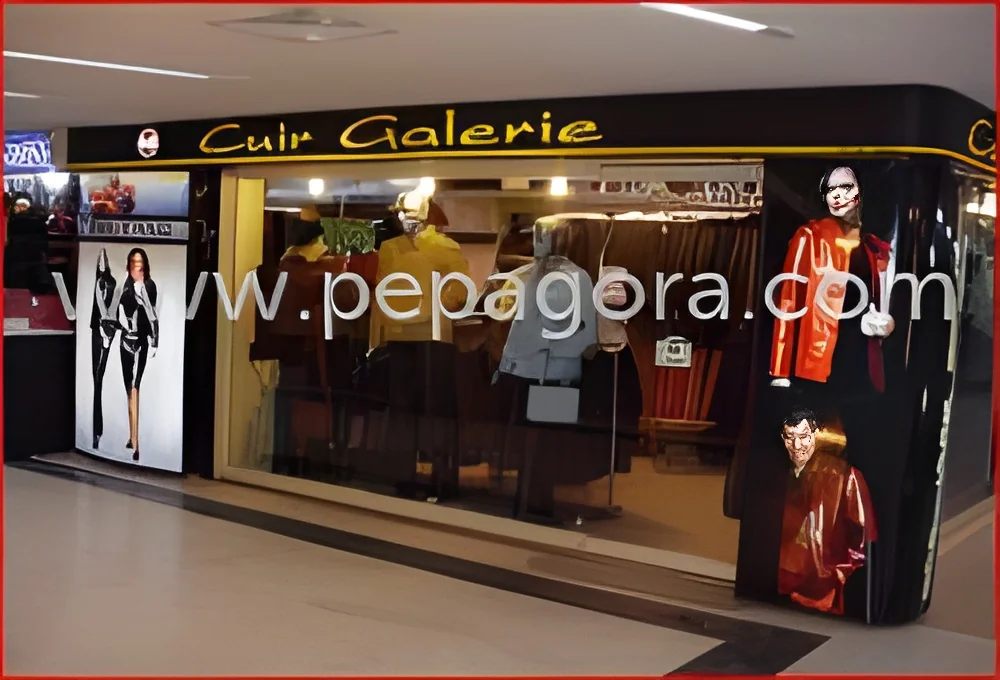
1. Retail: Retail environments utilize signages for promotional offers, product information, and wayfinding to enhance the shopping experience and guide customers effectively.
2. Hospitality: Hotels and restaurants use branding elements to create inviting atmospheres, including menus, directional signs, and promotional displays that reflect their brand image.
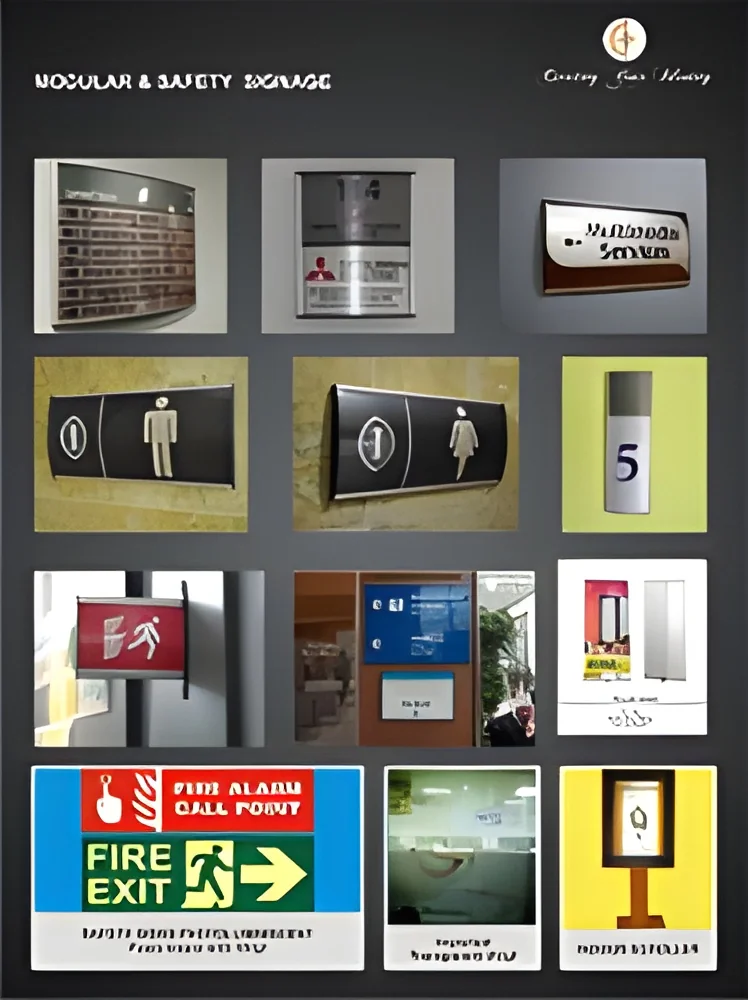
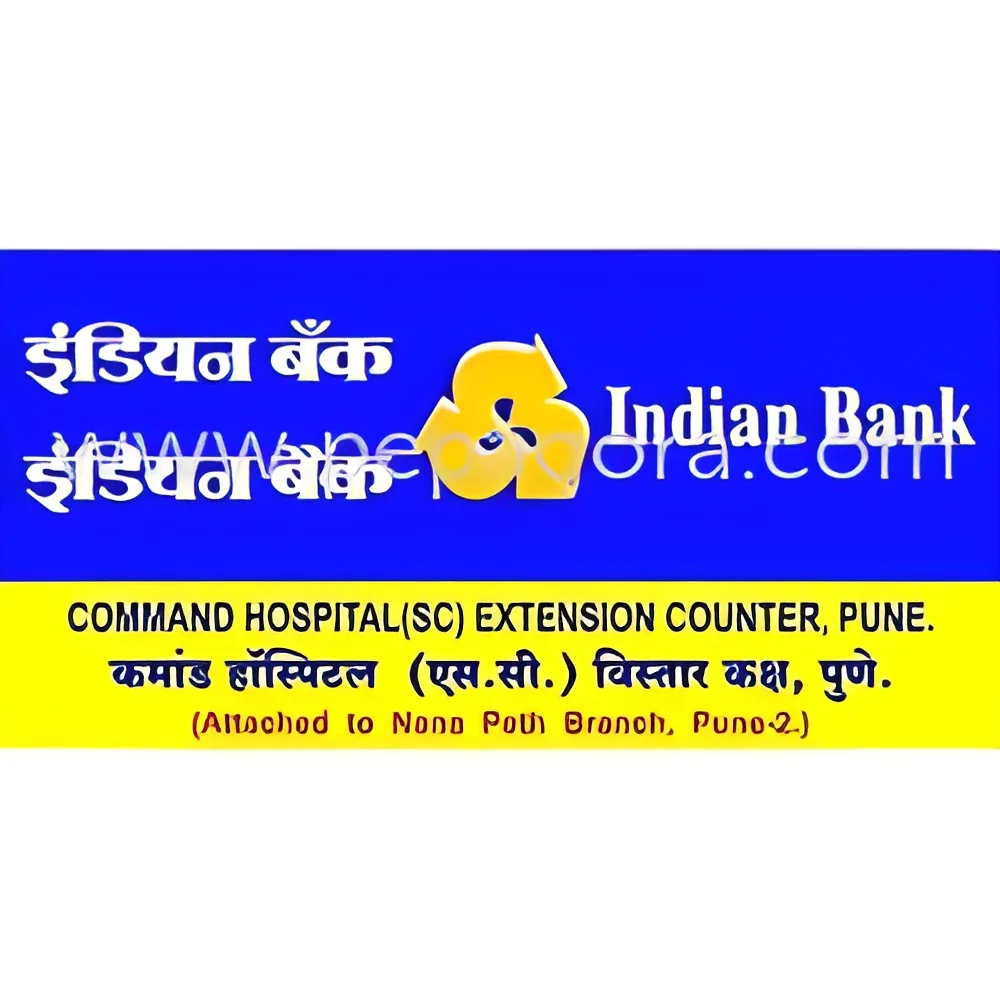
3. Healthcare: Hospitals and clinics use signages for patient navigation, safety instructions, and informational displays that help visitors and staff.
4. Education: Schools and universities implement signages to convey campus information, promote events, and provide directional assistance to students and visitors.
5. Manufacturing: Factories and industrial settings utilize signages for safety protocols, operational instructions, and branding, ensuring compliance and efficiency.
6. Event Management: Conferences and exhibitions rely on branding elements for event signage, schedules, and promotional materials that facilitate attendee engagement.
7. Transportation: Airports and public transportation systems use signages for navigation, safety information, and wayfinding to streamline passenger experiences.
𝗣𝗿𝗼𝗱𝘂𝗰𝘁 𝗩𝗮𝗿𝗶𝗮𝗻𝘁𝘀 𝗮𝗻𝗱 𝗦𝘂𝗯𝗰𝗮𝘁𝗲𝗴𝗼𝗿𝗶𝗲𝘀
Signages and branding elements offer a range of variants to meet diverse business needs.
Digital Signage
Digital signages use electronic displays to present dynamic content such as videos, advertisements, and real-time information. They are ideal for businesses that frequently update their messaging and require high visibility.
Outdoor Signage
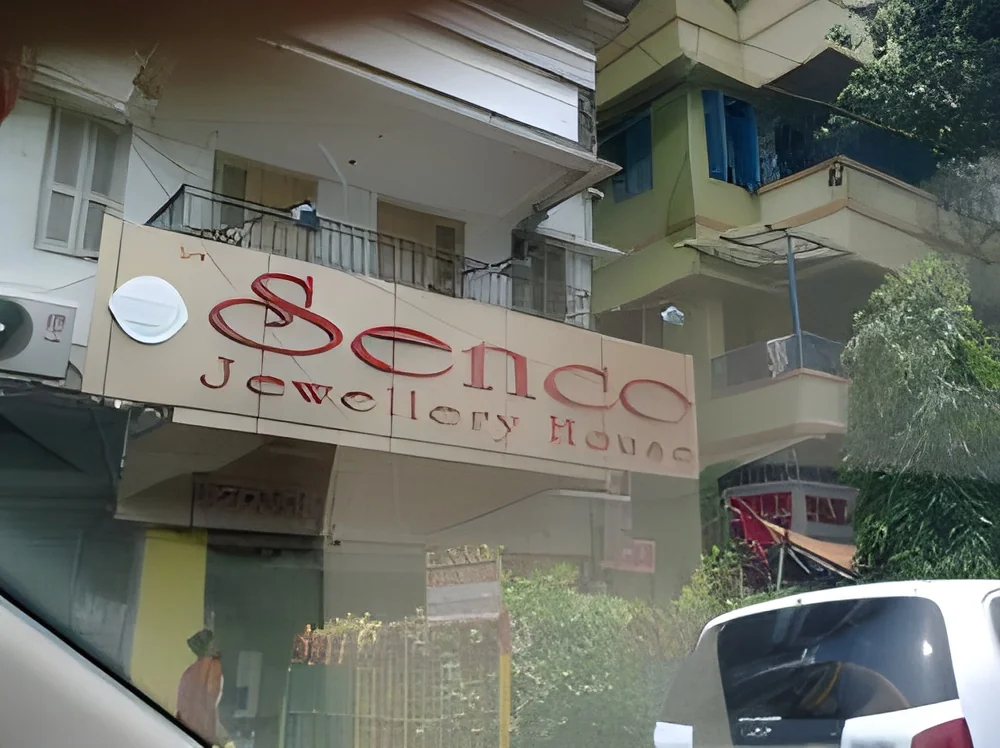
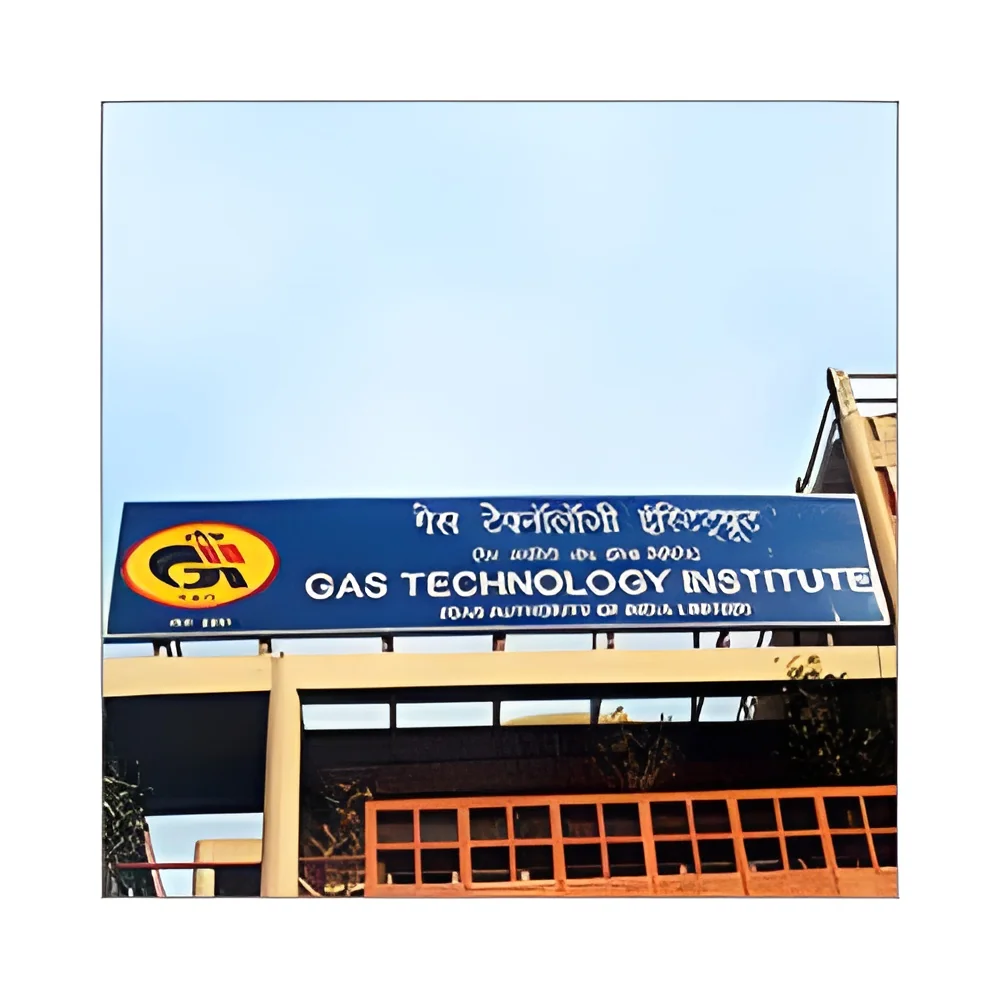
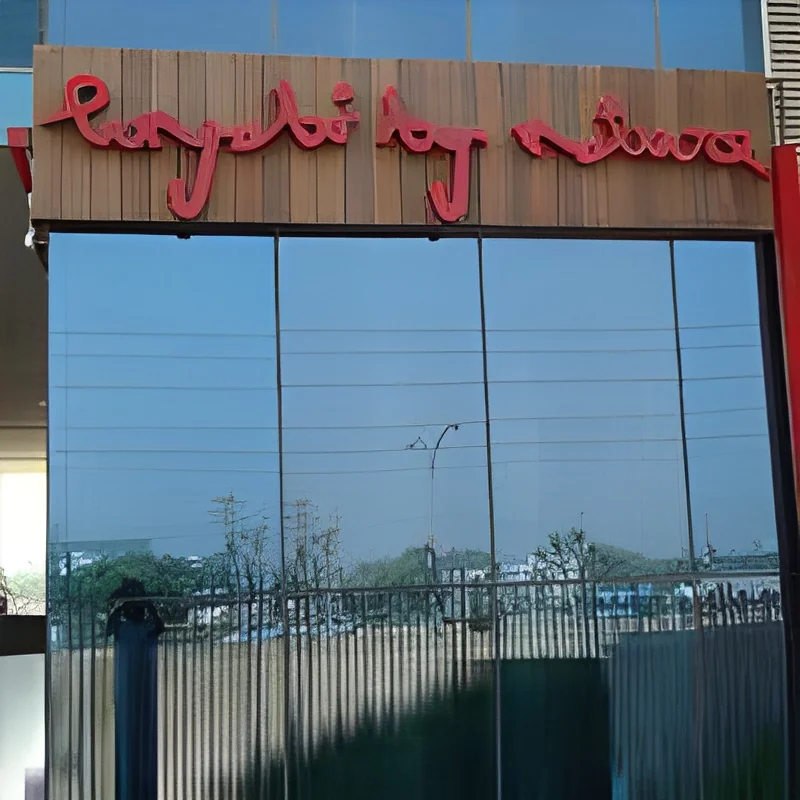
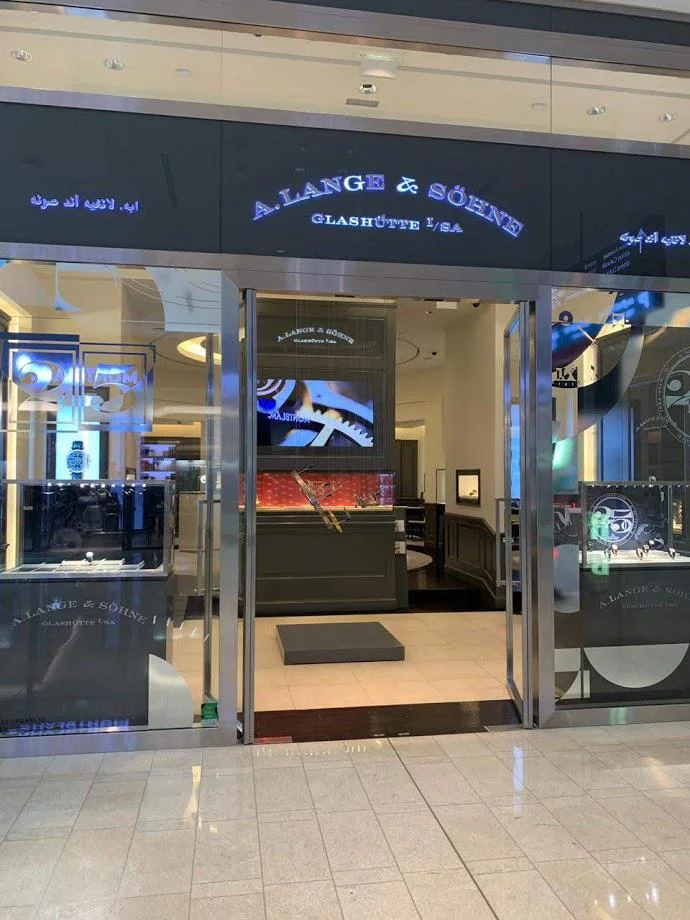
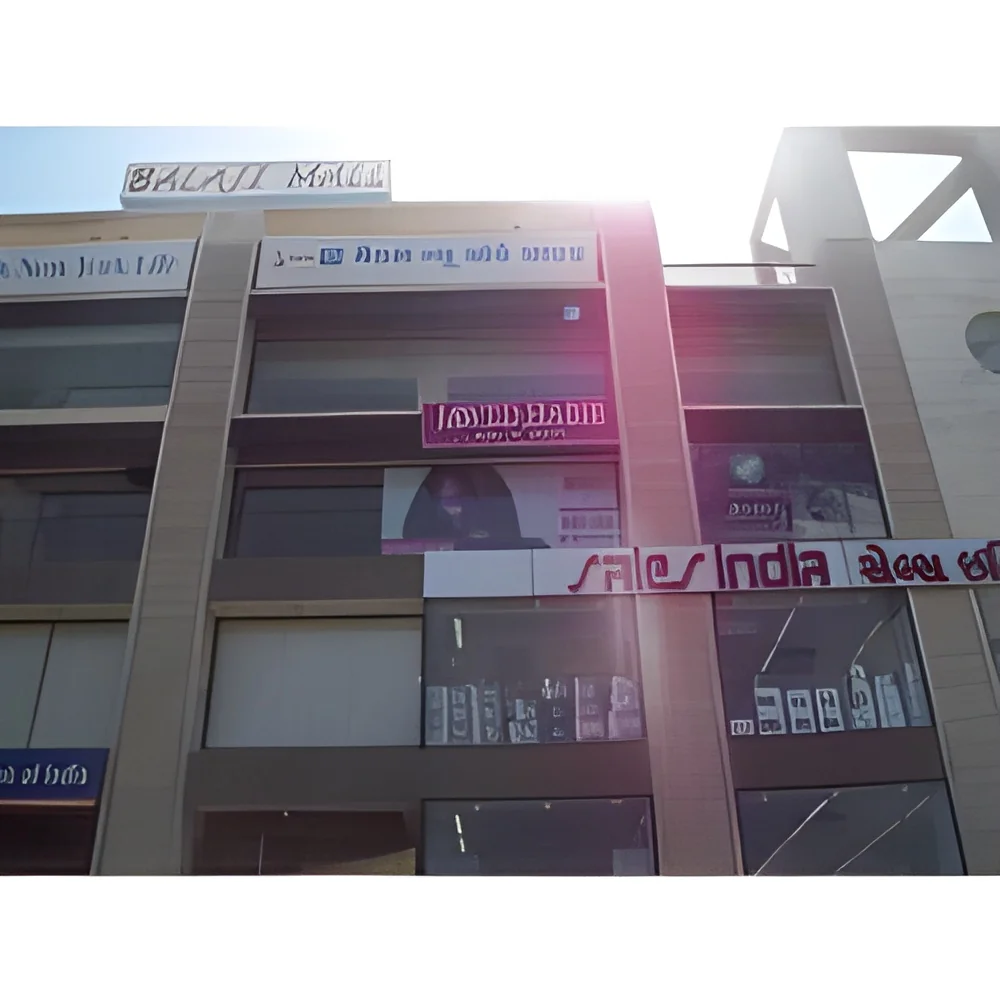
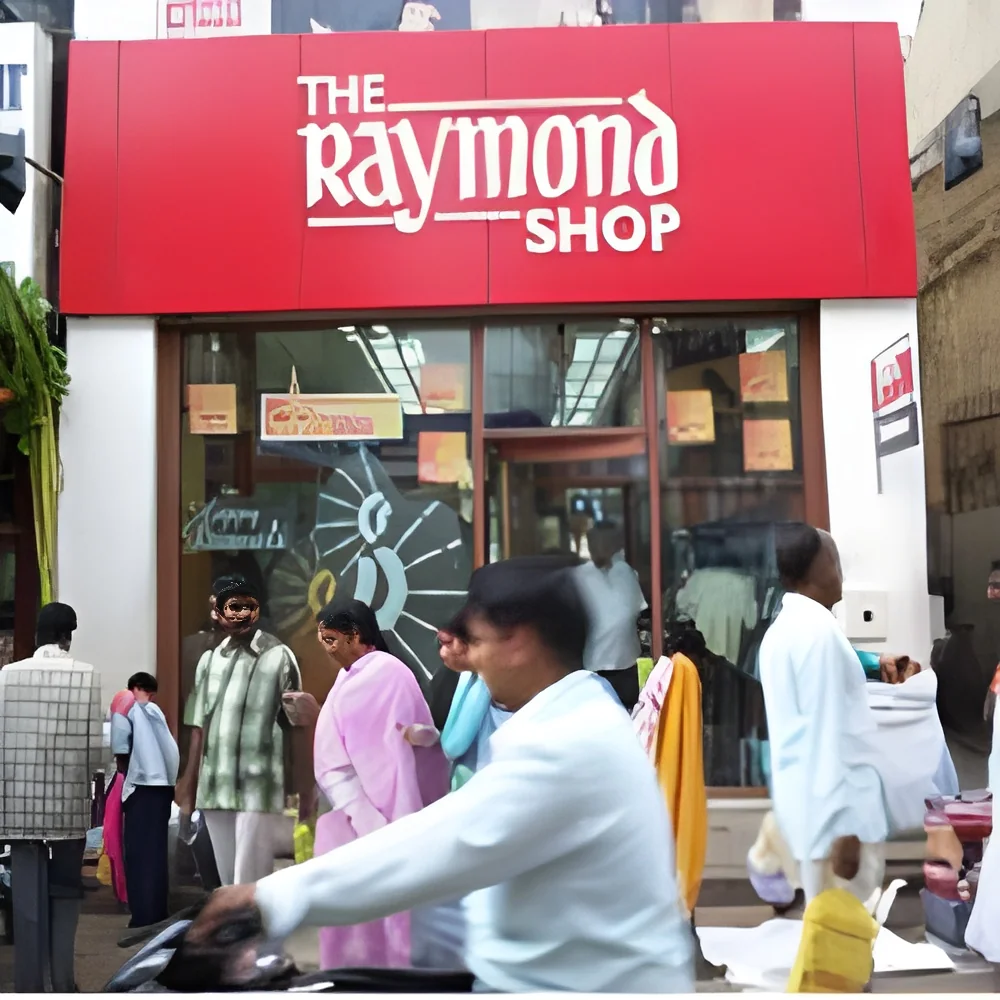
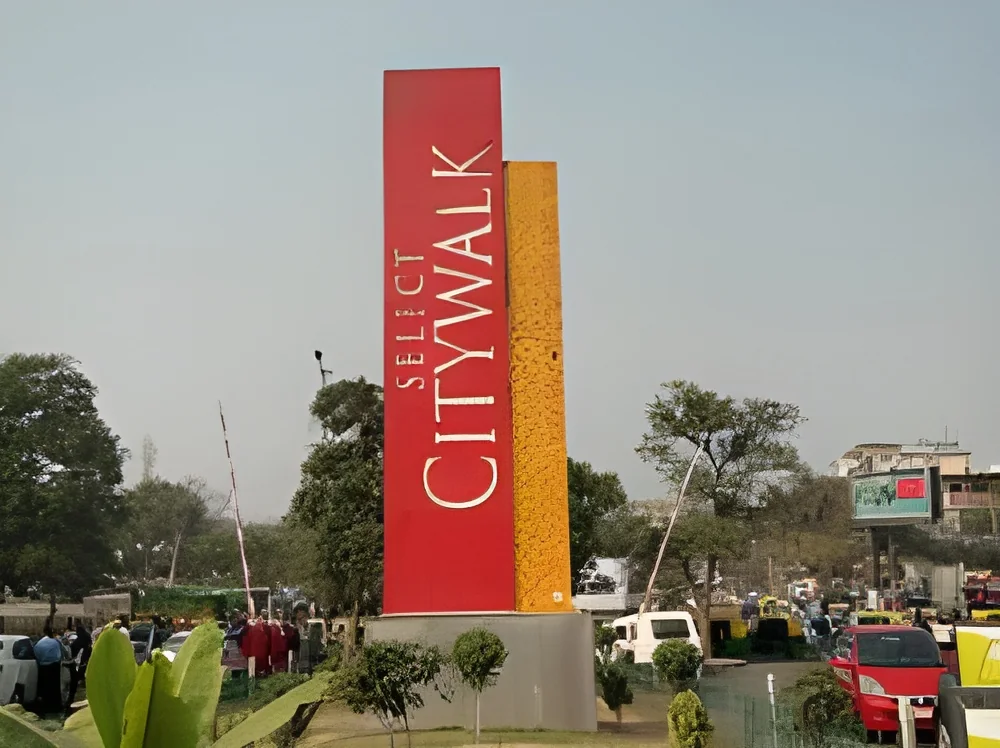
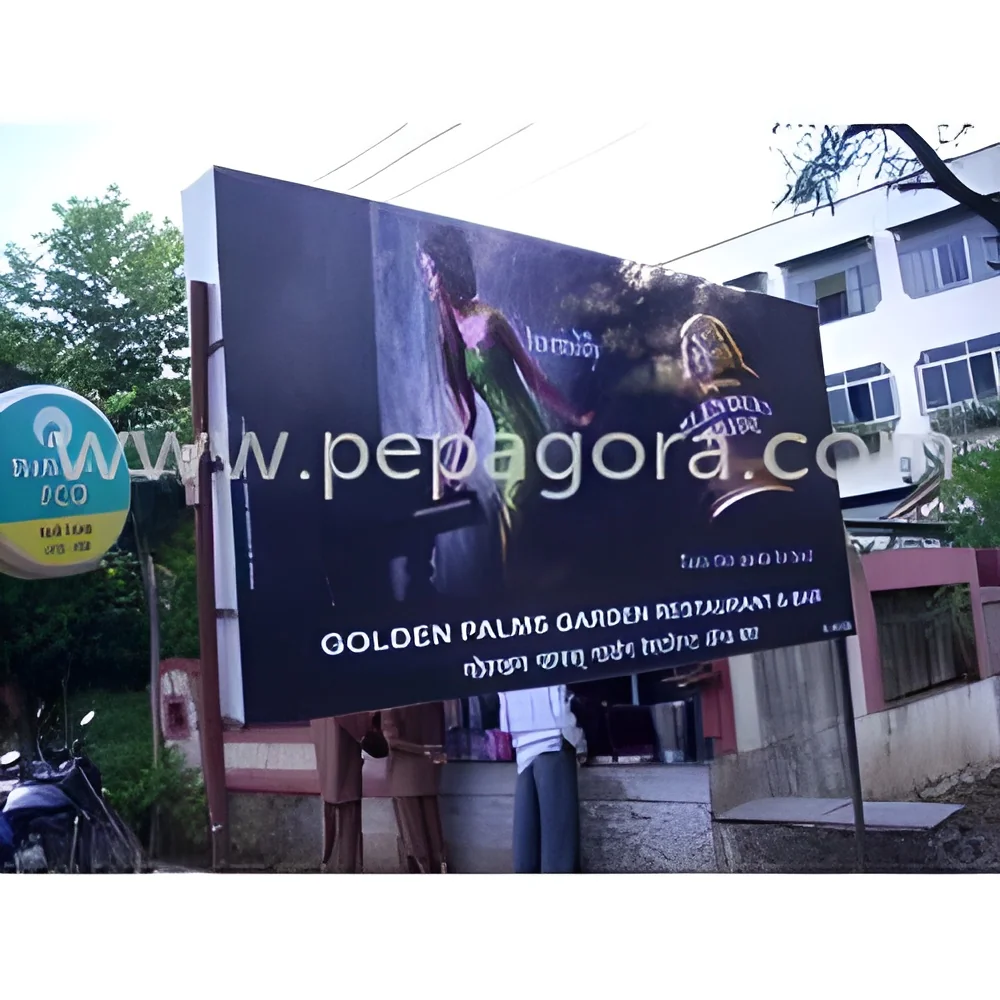
Outdoor signages are designed to withstand external conditions while attracting attention. They are commonly used for storefronts, billboards, and directional signs, providing essential information to passing customers.
Indoor Signage
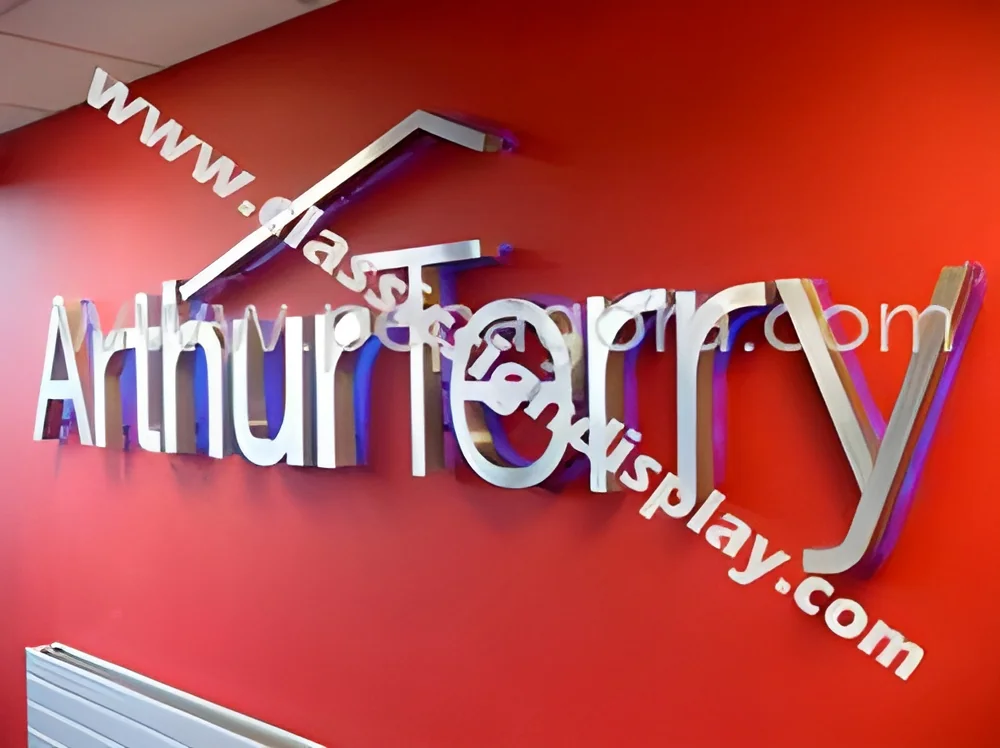
Indoor signages focus on enhancing the interior environment of businesses. They include promotional displays, wall graphics, and informational signs that contribute to a cohesive brand experience.
Wayfinding Signage
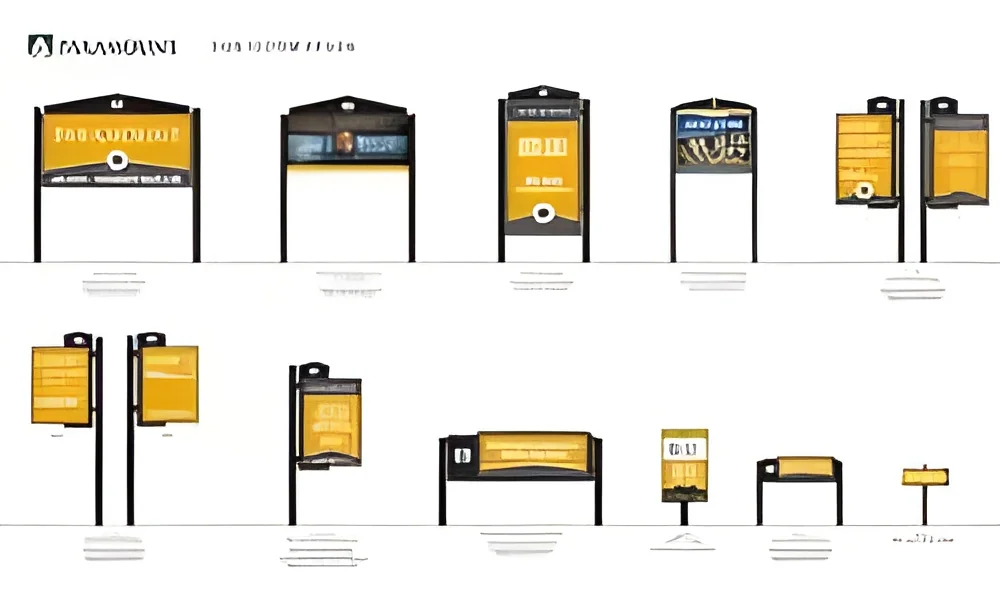
Wayfinding signages assist customers in navigating complex spaces. They provide clear directions and essential information, improving customer flow and satisfaction in both indoor and outdoor settings.
𝗕𝗲𝗻𝗲𝗳𝗶𝘁𝘀 𝗮𝗻𝗱 𝗔𝗱𝘃𝗮𝗻𝘁𝗮𝗴𝗲𝘀
Investing in signages and branding elements brings numerous advantages for businesses.
1. Enhanced Brand Visibility: Effective signage increases brand recognition and visibility, helping businesses stand out in competitive markets.
2. Improved Customer Experience: Clear and informative signages guide customers, improving their overall experience and satisfaction.
3. Cost-Effective Marketing: Signages serve as ongoing marketing tools, providing information and promotions without ongoing costs.
4. Increased Safety: Properly placed signages can enhance safety by communicating important warnings and instructions to customers and employees.
5. Customization for Specific Needs: Businesses can tailor signages to reflect their unique brand and messaging, ensuring relevance to their target audience.
6. Long-lasting Impact: Quality materials and designs ensure that signages remain effective over time, providing lasting communication value.
𝗕𝘂𝘆𝗶𝗻𝗴 𝗚𝘂𝗶𝗱𝗲 𝗳𝗼𝗿 𝗕𝟮𝗕 𝗕𝘂𝘆𝗲𝗿𝘀
When sourcing signages and branding elements, buyers should consider several key factors.
1. Quality Assessment: Evaluating the material quality and print specifications is crucial to ensure durability and effectiveness in various environments.
2. Supplier Verification: It is essential to vet suppliers for reliability and quality standards. Look for reviews, certifications, and past project examples.
3. Pricing and MOQ: Understand the pricing structure and minimum order quantities. This helps in budgeting and ensuring alignment with business needs.
4. Delivery and Lead Times: Assess the logistics of delivery and production timelines to ensure that signages arrive when needed for marketing campaigns or events.
5. Compliance Requirements: Be aware of any local regulations or industry standards that apply to signages, ensuring that all products comply with necessary guidelines.
𝗖𝗼𝗺𝗽𝗹𝗶𝗮𝗻𝗰𝗲 𝗮𝗻𝗱 𝗖𝗲𝗿𝘁𝗶𝗳𝗶𝗰𝗮𝘁𝗶𝗼𝗻𝘀
Signages and branding elements must adhere to relevant quality standards and certifications to ensure they meet industry expectations.
ISO 9001 is a widely recognized standard for quality management systems. Compliance with this standard ensures that manufacturers consistently produce quality products that meet customer expectations.
The CE certification indicates compliance with European health and safety standards. This certification is important for businesses looking to sell products within the European market.
Safety and testing requirements vary by region but typically involve assessments for durability, weather resistance, and visual effectiveness. Ensuring compliance with these requirements protects the business and its customers.
Regional compliance considerations should also be taken into account, as regulations may differ based on local laws and market practices.
𝗪𝗵𝘆 𝗦𝗼𝘂𝗿𝗰𝗲 𝗦𝗶𝗴𝗻𝗮𝗴𝗲𝘀 & 𝗕𝗿𝗮𝗻𝗱𝗶𝗻𝗴 𝗘𝗹𝗲𝗺𝗲𝗻𝘁𝘀 𝗳𝗿𝗼𝗺 𝗣𝗲𝗽𝗮𝗴𝗼𝗿𝗮?
Pepagora offers a reliable platform for sourcing signages and branding elements, providing several key advantages for businesses.
Verified Supplier Network: Pepagora connects buyers with a network of verified suppliers, ensuring that products meet high-quality standards. This reduces the risk of subpar products and enhances trust in the sourcing process.
Streamlined RFQ Process: The platform simplifies the request for quotation process, allowing buyers to receive competitive quotes from multiple suppliers quickly. This efficiency saves time and resources in procurement.
Trade Assurance and Support: Pepagora provides buyer protection through trade assurance features. This includes support for dispute resolution and guarantees on product quality.
Regional Coverage: With a focus on markets in India, the GCC, and Southeast Asia, Pepagora offers extensive geographic reach. This enables businesses to find suppliers that meet their specific regional needs and preferences.
By choosing Pepagora for sourcing signages and branding elements, businesses can ensure quality, efficiency, and compliance throughout the procurement process.
Signages & Branding Elements refer to visual graphics used to communicate information, promote brands, and enhance customer experience. These elements can include signs, banners, displays, and other forms of visual identity that help businesses convey their message effectively.
2
What are the different types of Signages & Branding Elements?
The different types of Signages & Branding Elements include indoor and outdoor signs, directional signs, promotional banners, illuminated signs, window graphics, and vehicle wraps. Each type serves a specific purpose, such as attracting attention, providing information, or enhancing brand visibility.
3
How do I choose the right Signages & Branding Elements?
To choose the right Signages & Branding Elements, consider factors such as your target audience, location, and the message you want to convey. Additionally, evaluate the materials, design, and durability that best fit your brand's requirements and budget.
4
What are the standard specifications for Signages & Branding Elements?
Standard specifications for Signages & Branding Elements can vary based on type and application. Common specifications include size, material (such as vinyl, acrylic, or metal), color, and mounting options, which should align with both aesthetic and functional needs.
5
What is the price range for Signages & Branding Elements?
The price range for Signages & Branding Elements can vary widely depending on type, size, material, and customization. Generally, simple signs may start from a few hundred rupees, while more complex or large-scale installations can cost several thousand rupees.
6
What quality standards apply to Signages & Branding Elements?
Quality standards for Signages & Branding Elements typically include durability, weather resistance, and adherence to safety regulations. It is essential for these elements to be made from high-quality materials to ensure longevity and effectiveness in communicating the intended message.
7
Where can I find Signages & Branding Elements suppliers in India?
You can find Signages & Branding Elements suppliers in India through online B2B marketplaces, local directories, and industry trade shows. Platforms like Pepagora.com offer a comprehensive list of manufacturers and suppliers specializing in this category.
8
Can Signages & Branding Elements be customized?
Yes, Signages & Branding Elements can be highly customized to meet specific branding and messaging needs. Customization options often include design, size, materials, and finishes, allowing businesses to create unique visual representations of their brand.
9
What is the typical minimum order quantity for Signages & Branding Elements?
The typical minimum order quantity (MOQ) for Signages & Branding Elements varies by supplier and product type. Generally, MOQs can range from a single unit for standard signs to larger quantities for bulk orders or custom designs.
10
What is the typical lead time for Signages & Branding Elements?
The typical lead time for Signages & Branding Elements can vary depending on factors such as design complexity and order quantity. Generally, lead times can range from a few days for standard items to several weeks for custom orders, so it is advisable to confirm with the supplier.
Why Businesses Trust Pepagora
Thousands of companies trust Pepagora to source smarter and sell faster
Expand Your Sales Globally
25000+Products listed.Get discovered by global buyers

 IN
IN