What are Soil Compactors (Single/Double Drum)?
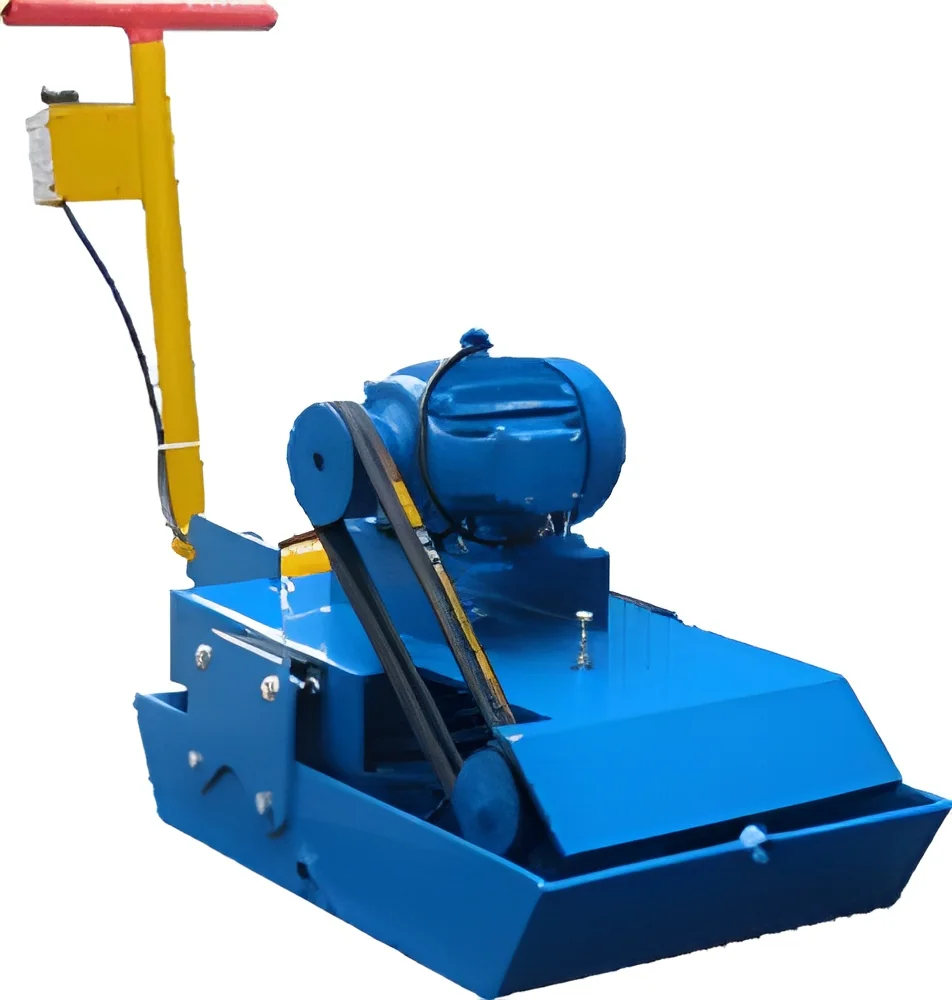
Soil compactors, including single and double drum variants, are heavy machinery designed to consolidate soil and other materials through mechanical force. They are equipped with either one or two drums that apply pressure to the ground, effectively reducing the volume of air and increasing the density of the material. This process is essential for achieving a stable foundation in construction and civil engineering projects.
These machines are primarily used in various sectors, including road construction, earthworks, and foundation preparation. The compaction process ensures that the soil is adequately prepared to support structures, roads, and other installations. Businesses leverage soil compactors to enhance productivity and ensure quality in their projects, ultimately leading to longer-lasting constructions.
In the current market, soil compactors play a vital role in infrastructure development and land management. As urbanization increases, the demand for reliable, efficient compaction machinery is on the rise. Companies investing in these machines benefit from improved operational efficiency and the ability to meet regulatory standards for soil compaction.
𝗞𝗲𝘆 𝗙𝗲𝗮𝘁𝘂𝗿𝗲𝘀 𝗮𝗻𝗱 𝗦𝗽𝗲𝗰𝗶𝗳𝗶𝗰𝗮𝘁𝗶𝗼𝗻𝘀
Soil compactors come with a range of features and specifications that enhance their performance and usability. Understanding these specifications is crucial for businesses to select the right machine for their needs.
Key specifications include:
1. Drum Type
- Single drum or double drum configurations
- Suitable for various compaction tasks
2. Operating Weight
- Varies between models, generally from 1 to 10 tons
- Heavier machines provide greater compaction force
3. Engine Power
- Engine power typically ranges from 20 to 100 horsepower
- Higher power ratings improve efficiency
4. Compaction Depth
- Effective compaction depth generally ranges from 0.5 to 1.5 meters
- Varies based on soil type and machine specifications
5. Speed
- Travel speeds range from 0 to 10 km/h
- Influences productivity on-site
6. Fuel Type
- Diesel engines are common
- Some models may offer electric options
7. Vibration Frequency
- Typically between 25 to 60 Hz
- Affects the efficiency of the compaction process
8. Working Width
- Varies by model, typically from 600 mm to 2,500 mm
- Wider drums cover more area in less time
These features and specifications are essential for determining the right soil compactor for specific applications and project requirements.
𝗖𝗼𝗺𝗺𝗼𝗻 𝗔𝗽𝗽𝗹𝗶𝗰𝗮𝘁𝗶𝗼𝗻𝘀 𝗮𝗻𝗱 𝗨𝘀𝗲 𝗖𝗮𝘀𝗲𝘀
Soil compactors are versatile machines used across various industries. Their ability to compact soil efficiently makes them invaluable in several applications.
1. Construction: Soil compactors are widely used to prepare sites for foundations, roads, and other structures. Proper compaction ensures stability and reduces the risk of settlement.
2. Landscaping: In landscaping projects, soil compactors help create even surfaces for pathways, gardens, and recreational areas. They are essential in ensuring aesthetic and functional landscapes.
3. Utility Installation: When laying pipes or cables, compactors ensure that the soil surrounding the installations is adequately compacted. This prevents future ground movement and potential damage.
4. Mining: In mining operations, soil compactors are used to stabilize roadways and work surfaces, facilitating safe and efficient transport of materials.
5. Earthworks: During earthmoving projects, compactors play a crucial role in reshaping and stabilizing soil, making them essential for grading and leveling tasks.
6. Agricultural Development: In some agricultural applications, soil compactors are used to prepare fields for planting, ensuring optimal soil compaction for crop growth.
7. Environmental Remediation: Soil compactors assist in the remediation of contaminated sites by compacting soils to control erosion and enhance stability.
𝗣𝗿𝗼𝗱𝘂𝗰𝘁 𝗩𝗮𝗿𝗶𝗮𝗻𝘁𝘀 𝗮𝗻𝗱 𝗦𝘂𝗯𝗰𝗮𝘁𝗲𝗴𝗼𝗿𝗶𝗲𝘀
Soil compactors are available in various configurations to meet different operational needs. Each variant is designed with specific features to enhance performance in particular applications.
Single Drum Compactor: This variant features a single large drum and is ideal for compacting cohesive and semi-cohesive soils. It is often used in road construction and site preparation, offering excellent maneuverability.
Double Drum Compactor: Equipped with two drums, this variant is perfect for asphalt and granular soils. It provides uniform compaction and is commonly used in road and highway construction, making it highly effective for large surface areas.
Remote-Controlled Compactor: This innovative variant allows for remote operation, enhancing safety in hazardous environments. It is suitable for applications where operator proximity is risky.
Tandem Roller: A type of double drum compactor, tandem rollers are designed for asphalt paving. They provide smooth finishes and are essential for road projects requiring high-quality surface compaction.
𝗕𝗲𝗻𝗲𝗳𝗶𝘁𝘀 𝗮𝗻𝗱 𝗔𝗱𝘃𝗮𝗻𝘁𝗮𝗴𝗲𝘀
Investing in soil compactors offers numerous advantages for businesses engaged in construction and related industries.
Key benefits include:
1. Enhanced Efficiency: Soil compactors significantly speed up the compaction process, allowing projects to progress faster and meet deadlines.
2. Improved Stability: Proper soil compaction leads to stable foundations, reducing the risk of future structural issues.
3. Versatility: With different models and configurations available, soil compactors can be used in various applications across multiple industries.
4. Cost-Effectiveness: By ensuring proper compaction, soil compactors reduce the likelihood of costly repairs and maintenance in the future.
5. Increased Productivity: The ability to cover large areas quickly makes soil compactors a valuable asset for any construction crew.
6. Operator Comfort: Many modern models are designed with ergonomic features, reducing operator fatigue and improving overall productivity.
𝗕𝘂𝘆𝗶𝗻𝗴 𝗚𝘂𝗶𝗱𝗲 𝗳𝗼𝗿 𝗕𝟮𝗕 𝗕𝘂𝘆𝗲𝗿𝘀
When sourcing soil compactors, businesses should consider several key factors to ensure they choose the right equipment for their needs.
1. Quality Assessment: Look for machines that meet industry standards for durability and performance. Verify that the equipment has been tested for reliability in various conditions.
2. Supplier Verification: Vet suppliers by checking their reputation, reviews, and history in providing quality machinery. Establishing a relationship with a reputable supplier can ensure better service and support.
3. Pricing and MOQ: Understand the pricing structure and consider the minimum order quantity. Compare quotes from multiple suppliers to ensure competitive pricing.
4. Delivery and Lead Times: Inquire about delivery schedules and lead times. Timely delivery is crucial for maintaining project timelines.
5. Compliance Requirements: Ensure machines comply with local regulations and safety standards. This may include certifications such as CE to guarantee quality and safety.
𝗖𝗼𝗺𝗽𝗹𝗶𝗮𝗻𝗰𝗲 𝗮𝗻𝗱 𝗖𝗲𝗿𝘁𝗶𝗳𝗶𝗰𝗮𝘁𝗶𝗼𝗻𝘀
Soil compactors must adhere to various quality standards and regulations to ensure safety and effectiveness in their applications. Common quality standards include ISO 9001, which focuses on quality management systems, ensuring consistent product quality.
Industry certifications such as CE indicate compliance with European safety standards. These certifications are essential for gaining trust and ensuring that machines meet safety and operational requirements.
In addition to these standards, soil compactors must pass rigorous safety and testing requirements to operate effectively in various conditions. Businesses should also consider regional compliance needs, as regulations can vary significantly from one area to another, impacting machine selection and operational practices.
Why Source Soil Compactors (Single/Double Drum) from Pepagora?
Pepagora provides a trusted platform for sourcing soil compactors, ensuring that businesses can find high-quality machinery tailored to their specific needs.
Verified Supplier Network: The platform connects buyers with a network of verified suppliers, ensuring that companies can access reliable equipment and services. This verification process helps mitigate risks associated with sourcing.
Streamlined RFQ Process: Pepagora offers a straightforward Request for Quotation (RFQ) process, allowing businesses to receive competitive quotes from multiple suppliers. This helps buyers make informed decisions based on their project requirements.
Trade Assurance and Support: With trade assurance, buyers can engage with suppliers confidently, knowing that there are protections in place for their purchases. Pepagora's support team is available to assist with any inquiries or issues that may arise during the purchasing process.
Regional Coverage: Pepagora’s extensive reach spans India, the GCC, and Southeast Asia, providing businesses in these regions with access to quality soil compactors. This geographical coverage ensures that buyers can find equipment suited to their specific operational environments.
Soil Compactors (Single/Double Drum) are heavy construction equipment used to compact soil, gravel, asphalt, or concrete. They come in two main types: single drum, which has one large cylindrical drum, and double drum, which features two drums for more effective compaction.
2
What are the different types of Soil Compactors (Single/Double Drum)?
The main types of Soil Compactors include single drum rollers and double drum rollers. Single drum rollers are typically used for compacting soil and gravel, while double drum rollers are more effective for asphalt and projects requiring smooth surfaces.
3
How do I choose the right Soil Compactors (Single/Double Drum)?
Choosing the right Soil Compactor involves evaluating the specific requirements of your project, including soil type, project size, and desired compaction depth. Additionally, consider factors such as machine weight, drum width, and the type of terrain.
4
What are the standard specifications for Soil Compactors (Single/Double Drum)?
Standard specifications for Soil Compactors include drum width, operating weight, compaction depth, and engine power. These specifications can vary significantly based on the model and manufacturer, so it's essential to review them according to your project needs.
5
What is the price range for Soil Compactors (Single/Double Drum)?
The price range for Soil Compactors can vary widely, typically starting from around INR 5 lakhs and going up to INR 30 lakhs or more depending on the model, features, and brand. Additional costs may apply for maintenance and spare parts.
6
What quality standards apply to Soil Compactors (Single/Double Drum)?
Soil Compactors must adhere to various quality standards, including ISO certifications and safety regulations specific to construction equipment. Manufacturers often comply with these standards to ensure their products meet safety and performance criteria.
7
Where can I find Soil Compactors (Single/Double Drum) suppliers in India?
You can find Soil Compactors suppliers in India through various platforms, including online B2B marketplaces like Pepagora.com, industry trade shows, and local equipment dealers. It's advisable to compare different suppliers for quality and pricing.
8
Can Soil Compactors (Single/Double Drum) be customized?
Yes, many manufacturers offer customization options for Soil Compactors based on specific project needs, such as drum size, weight distribution, and additional features. Customization can enhance the machine's effectiveness for particular applications.
9
What is the typical minimum order quantity for Soil Compactors (Single/Double Drum)?
The typical minimum order quantity (MOQ) for Soil Compactors may vary by supplier, but it generally ranges from one unit for smaller manufacturers to multiple units for larger suppliers. It's important to check with individual suppliers for their specific MOQs.
10
What is the typical lead time for Soil Compactors (Single/Double Drum)?
The typical lead time for Soil Compactors can vary based on the manufacturer and order size, usually ranging from 4 to 12 weeks. Factors such as customization and availability of components can also influence the lead time.
Why Businesses Trust Pepagora
Thousands of companies trust Pepagora to source smarter and sell faster
Expand Your Sales Globally
25000+Products listed.Get discovered by global buyers

 IN
IN