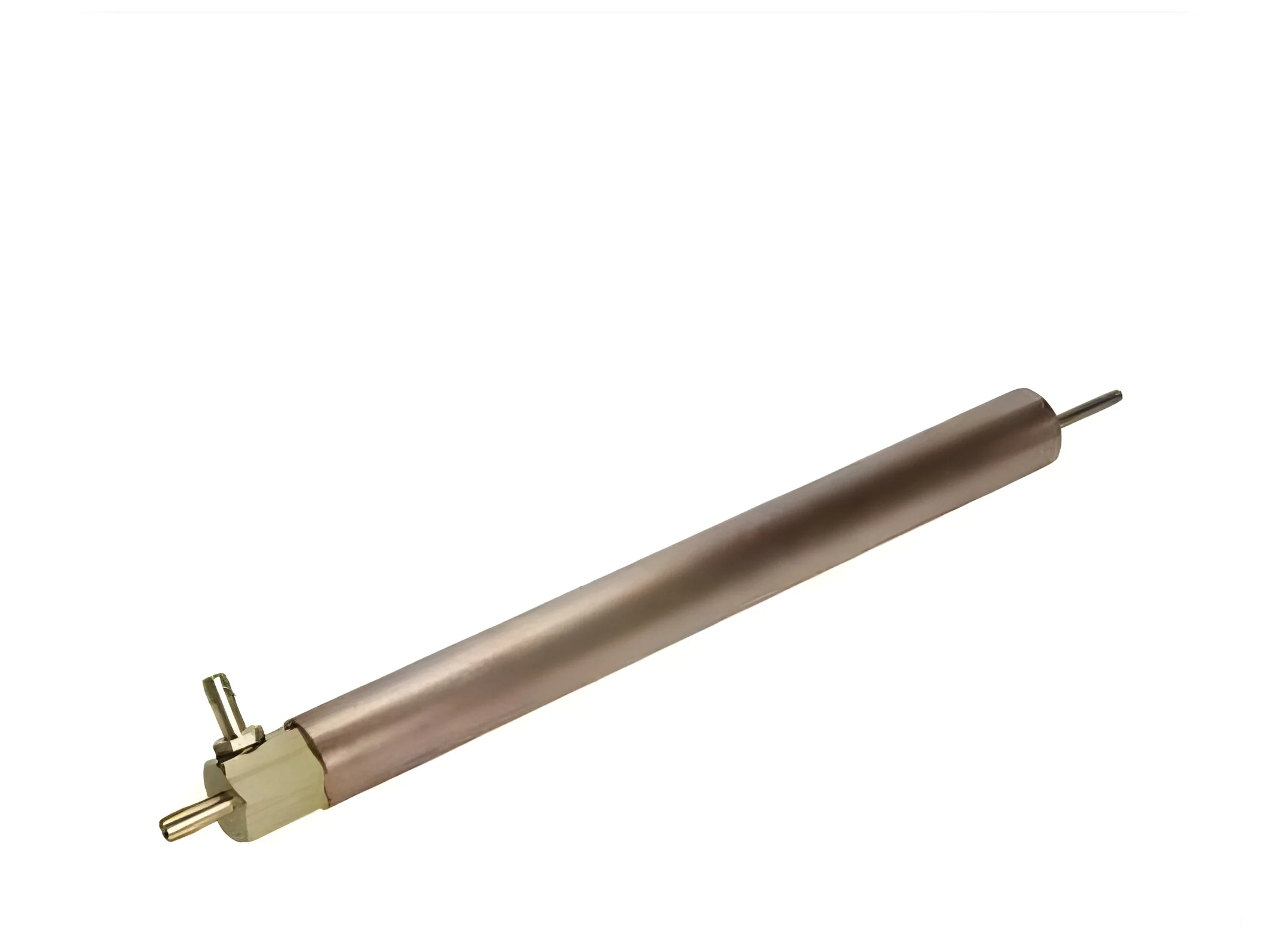
𝗪𝗵𝗮𝘁 𝗮𝗿𝗲 𝗦𝗽𝗼𝘁 𝗪𝗲𝗹𝗱𝗶𝗻𝗴 𝗠𝗮𝗰𝗵𝗶𝗻𝗲𝘀?
Spot welding machines are specialized tools used in the manufacturing and assembly processes to join two or more metal parts together. This technique involves applying heat and pressure at specific points, or "spots," on the materials being joined. The machine typically uses electrodes that deliver a concentrated electrical current to create a weld, resulting in a strong bond without the need for additional materials like filler or adhesives.
These machines find primary applications in various industries, including automotive, construction, and electronics. In the automotive sector, for example, spot welding is crucial for assembling car bodies, frames, and other components. In electronics, it is used to attach components to circuit boards. The relevance of spot welding machines in these industries has only increased over time, driven by the need for high-strength, durable connections in manufacturing processes.
𝗞𝗲𝘆 𝗙𝗲𝗮𝘁𝘂𝗿𝗲𝘀 𝗮𝗻𝗱 𝗦𝗽𝗲𝗰𝗶𝗳𝗶𝗰𝗮𝘁𝗶𝗼𝗻𝘀
Spot welding machines come equipped with a variety of features tailored to meet industrial needs. These machines vary in size, power, and functionality, allowing businesses to select the right equipment for their specific applications.
Key specifications include:
1. Power Output
- Determines the amount of current the machine can provide.
- Ranges typically from 5 kVA to 100 kVA.
2. Electrode Material
- The type of material used for electrodes affects durability and performance.
- Common materials include copper and copper alloys.
3. Welding Time
- Refers to the duration for which the current is applied during welding.
- Usually adjustable from milliseconds to seconds.
4. Cooling System
- Essential for maintaining optimal machine performance and longevity.
- Options include air-cooled and water-cooled systems.
5. Control Mechanism
- Machines may feature manual, semi-automatic, or fully automatic controls.
- Automation enhances precision and efficiency in production.
6. Size and Weight
- Important for determining the machine's portability and installation requirements.
- Varies widely based on model and capacity.
7. Voltage Requirements
- Machines typically operate on standard voltages, often requiring three-phase power.
- Common voltages include 380V to 480V.
8. Safety Features
- Includes emergency stop buttons and protective enclosures.
- Critical for ensuring operator safety during use.
In summary, understanding these specifications helps businesses choose the right spot welding machine to enhance their manufacturing processes.
𝗖𝗼𝗺𝗺𝗼𝗻 𝗔𝗽𝗽𝗹𝗶𝗰𝗮𝘁𝗶𝗼𝗻𝘀 𝗮𝗻𝗱 𝗨𝘀𝗲 𝗖𝗮𝘀𝗲𝘀
Spot welding machines serve various industries with diverse applications.
1. Automotive: These machines are vital for assembling vehicle bodies, frames, and chassis components, ensuring strong and reliable joints.
2. Electronics: Spot welding is used to connect components on circuit boards, providing efficient assembly for electronic devices.
3. Aerospace: In the aerospace industry, spot welding is employed to join lightweight materials in aircraft manufacturing, contributing to safety and performance.
4. Appliances: Spot welding is commonly used in the production of household appliances, such as refrigerators and washing machines, where strong joints are essential.
5. Shipbuilding: The shipbuilding industry utilizes spot welding for hull assembly and other components, ensuring durability in marine environments.
6. Metal Fabrication: Spot welding machines are used in various metal fabrication applications, offering efficient and strong joins in custom metalwork.
7. Construction: In construction, these machines are used for fabricating metal structures, reinforcing beams, and connecting metal parts.
𝗣𝗿𝗼𝗱𝘂𝗰𝘁 𝗩𝗮𝗿𝗶𝗮𝗻𝘁𝘀 𝗮𝗻𝗱 𝗦𝘂𝗯𝗰𝗮𝘁𝗲𝗴𝗼𝗿𝗶𝗲𝘀
Spot welding machines come in different variants to cater to specific industrial needs.
Manual Spot Welding Machine
This variant is operated by hand, allowing skilled workers to control the welding process. It is ideal for small-scale operations and custom jobs where precision is crucial.
Automatic Spot Welding Machine
These machines are designed for high-volume production. They feature automated controls that enhance speed and consistency in welding, making them suitable for assembly lines.
Pneumatic Spot Welding Machine
Utilizing pneumatic power, this type offers enhanced control and precision. It is often used in applications requiring delicate handling of materials.
Portable Spot Welding Machine
Ideal for on-site applications, portable machines provide flexibility and convenience for various welding tasks outside of a fixed production environment.
𝗕𝗲𝗻𝗲𝗳𝗶𝘁𝘀 𝗮𝗻𝗱 𝗔𝗱𝘃𝗮𝗻𝘁𝗮𝗴𝗲𝘀
Investing in spot welding machines offers several advantages for businesses.
1. High Efficiency: Spot welding machines can significantly reduce production time compared to traditional welding methods.
2. Strong Joints: The process produces robust and reliable joints, which are essential for high-quality manufacturing.
3. Minimal Heat Affected Zone: Spot welding minimizes the area that is affected by heat, reducing the risk of warping and material degradation.
4. Cost-Effective: These machines can lower overall production costs due to their speed and efficiency, leading to increased profitability.
5. Versatility: Spot welding machines can be used with various materials, including steel, aluminum, and copper.
6. Automation Potential: Many modern machines offer automation options, enhancing productivity and reducing labor costs.
𝗕𝘂𝘆𝗶𝗻𝗴 𝗚𝘂𝗶𝗱𝗲 𝗳𝗼𝗿 𝗕𝟮𝗕 𝗕𝘂𝘆𝗲𝗿𝘀
When sourcing spot welding machines, businesses should consider several critical factors to ensure they make informed decisions.
1. Quality Assessment: Buyers should evaluate the quality of the machines based on manufacturer reputation and customer reviews. High-quality machines lead to better performance and longevity.
2. Supplier Verification: It is essential to vet suppliers through background checks, certifications, and references to ensure reliability and product quality.
3. Pricing and MOQ: Understanding the price range and minimum order quantity (MOQ) is crucial for budget planning. Buyers should compare quotes from multiple suppliers.
4. Delivery and Lead Times: Buyers must consider logistics, including delivery times and shipping costs, to ensure timely project completion.
5. Compliance Requirements: It is crucial to verify that the machines meet industry standards and local regulations to avoid compliance issues.
𝗖𝗼𝗺𝗽𝗹𝗶𝗮𝗻𝗰𝗲 𝗮𝗻𝗱 𝗖𝗲𝗿𝘁𝗶𝗳𝗶𝗰𝗮𝘁𝗶𝗼𝗻𝘀
Spot welding machines must adhere to various compliance and certification standards to ensure quality and safety in their operation.
Relevant quality standards include ISO 9001, which focuses on quality management systems, ensuring that manufacturers consistently produce quality products.
Industry certifications such as CE are also important, indicating that the machines meet EU safety, health, and environmental protection standards.
Safety and testing requirements are critical, as spot welding machines must undergo rigorous testing to ensure they operate safely in industrial environments.
Additionally, regional compliance considerations may vary, so it is essential for buyers to verify that machines adhere to local regulations and standards relevant to their specific markets.
𝗪𝗵𝘆 𝗦𝗼𝘂𝗿𝗰𝗲 𝗦𝗽𝗼𝘁 𝗪𝗲𝗹𝗱𝗶𝗻𝗴 𝗠𝗮𝗰𝗵𝗶𝗻𝗲𝘀 𝗳𝗿𝗼𝗺 𝗣𝗲𝗽𝗮𝗴𝗼𝗿𝗮?
Pepagora provides a trusted platform for sourcing spot welding machines, offering several key advantages to B2B buyers.
Verified Supplier Network: Pepagora features a comprehensive network of verified suppliers, ensuring that buyers have access to quality products from reputable manufacturers.
Streamlined RFQ Process: The platform simplifies the request for quotation (RFQ) process, allowing buyers to easily compare offers and select the best option for their needs.
Trade Assurance and Support: Pepagora offers trade assurance, providing buyers with protection and support throughout the purchasing process, ensuring peace of mind.
Regional Coverage: With a strong presence in India, the GCC, and Southeast Asia, Pepagora facilitates access to a wide range of spot welding machines, connecting buyers with suppliers across these regions.
Spot Welding Machines are specialized equipment used to join two or more pieces of metal together by applying heat and pressure at specific points. This process is known as spot welding and is commonly used in the manufacturing of automotive parts, electronics, and metal fabrication.
2
What are the different types of Spot Welding Machines?
The main types of Spot Welding Machines include manual, semi-automatic, and fully automatic models. Additionally, they can be categorized based on the power source, such as resistance welding machines and capacitor discharge welding machines.
3
How do I choose the right Spot Welding Machines?
Choosing the right Spot Welding Machine involves considering factors such as the materials being welded, the thickness of the metal, and the production volume. It's important to assess the machine's power capacity, speed, and ease of use to match your specific welding requirements.
4
What are the standard specifications for Spot Welding Machines?
Standard specifications for Spot Welding Machines typically include power output (measured in kVA), electrode force, welding time, and cooling system type. Other specifications may involve the machine's dimensions, weight, and operational voltage.
5
What is the price range for Spot Welding Machines?
The price of Spot Welding Machines can vary widely based on features, brand, and specifications, generally ranging from INR 30,000 to INR 2,00,000 or more. Entry-level machines tend to be more affordable, while high-performance and fully automatic models command a higher price.
6
What quality standards apply to Spot Welding Machines?
Quality standards for Spot Welding Machines often include ISO 9001 for manufacturing processes and CE marking for compliance with European safety regulations. Additionally, specific industry standards may apply depending on the application, such as automotive or aerospace.
7
Where can I find Spot Welding Machines suppliers in India?
You can find Spot Welding Machines suppliers in India through B2B marketplaces like Pepagora.com, trade shows, and industrial equipment exhibitions. Additionally, online directories and manufacturer websites can provide valuable contact information for reputable suppliers.
8
Can Spot Welding Machines be customized?
Yes, many manufacturers offer customization options for Spot Welding Machines to meet specific production needs. Customizations can include modifications in power output, electrode design, and additional features tailored to particular applications.
9
What is the typical minimum order quantity for Spot Welding Machines?
The typical minimum order quantity (MOQ) for Spot Welding Machines can vary by supplier but generally ranges from 1 to 10 units. Larger manufacturers may have higher MOQs due to production requirements, while smaller suppliers might accommodate lower quantities.
10
What is the typical lead time for Spot Welding Machines?
The typical lead time for Spot Welding Machines can range from 2 to 8 weeks, depending on the supplier, customization requirements, and order volume. Factors such as production schedules and shipping logistics can also influence the lead time.
Why Businesses Trust Pepagora
Thousands of companies trust Pepagora to source smarter and sell faster
Expand Your Sales Globally
25000+Products listed.Get discovered by global buyers

 IN
IN